
-
-
Phone
+86-13623462298



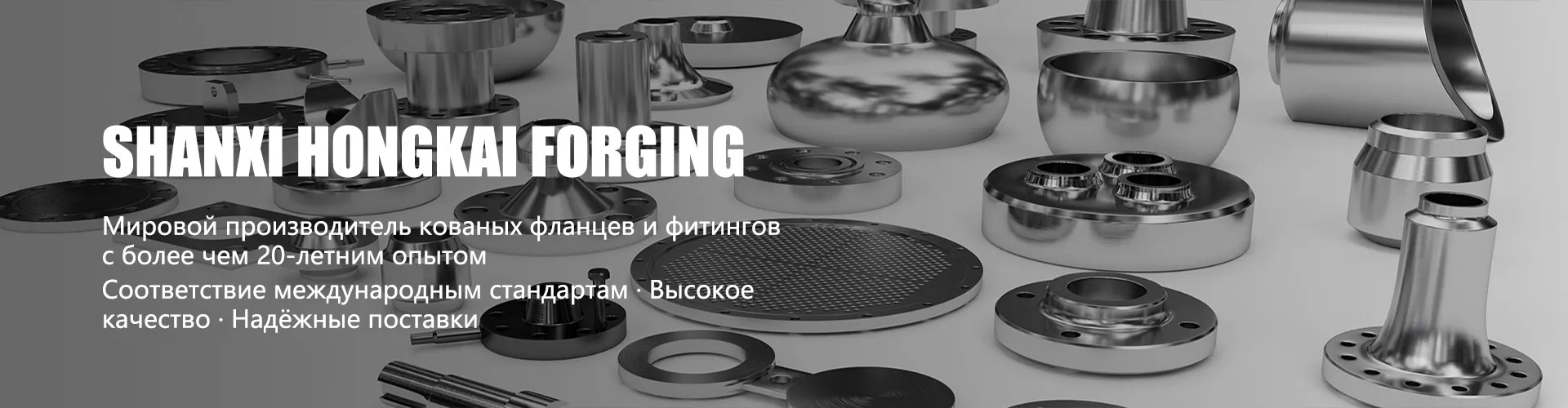
flange 219
When you hear “219 flange,” many people immediately think of a simple 8-inch pipe. But this is where the first pitfall lies. The number 219 is the outer diameter of the pipe, and the flange itself, especially a butt weld, has a whole set of other critical dimensions: wall thickness, bolt diameter, hub dimensions. In our production it has happened more than once that the customer sent a request specifically forflange 219according to GOST 33259, but forgot to indicate the pressure, and these are completely different details. PN16 and PN40 are different thicknesses, different metals, different weights and, of course, different prices. It would seem like a trifle, but because of such ambiguity, you can get something that is not what you need for the node.
Why 219? Practical view from the workshop
This size is one of the most popular in mainline construction and industrial piping. Transition from DN200 to pipelines of the next caliber, piping of pumping equipment, branches. When working with our clients, for example, from the oil and gas sector, I often see that this dimension meets increased requirements for impact strength, especially for work at low temperatures. It is not enough to just make it according to the drawing - you need to understand under what conditions it will work.
I often remember one incident here. Ordered a batchflanges 219made of steel 09G2S for installation in the North. It seems that everything was done according to the standard, the chemistry is normal. But upon acceptance, the customer requested additional cold resistance tests according to his specifications. It turned out that their specific case required a special heat treatment regime - normalization with tempering, and not just as for the “conditionally northern” one. execution. I had to redo the entire batch. Now for such requests we immediately go deeper into detail.
That is why a company like Shanxi Hongkai Forging Co.,Ltd. Always check the environment, pressure, temperature. On their website https://www.hkflange.ru it is clear that they work with a range up to DN4000, but this does not mean that the approach to smaller sizes, for example 219, is less serious. On the contrary, mass production requires a streamlined process.
Material and standard: where reliability is born
The standard is not just letters. GOST, ASME, EN are different calculation philosophies. Forflange 219according to ASME B16.5 Class 150 and the same size according to GOST 33259 PN16, the connection geometry will be different. The number of holes for the studs and the diameter of the bolt circle are incompatible. An error in choosing a standard at the ordering stage is a guarantee that the unit will not be assembled on site.
We once supplied forgings for subsequent machining to a European plant. They provided a drawing indicating ?DN200, EN 1092-1 Type 11?. We made preparations forflange 219, focusing on the parameters we are familiar with. And it turns out that in this type they had a special chamfer shape on the hub and tighter tolerances for end runout. I had to adjust the technical process. Now we always ask not only for the number of the standard, but also for its current edition.
The company "Shanxi Hongkai Forging" LLC, judging by the description of their activities, works precisely on this principle: manufacturing according to international and national standards, including GOST, ASME, EN. This is an important marker. This means that they understand that for the CIS market one array of forgings is needed, and for delivery, say, to Germany, another one is needed, even if the outer diameter is the same.
Technological nuances: from blanks to anticorrosion
Forging vs. Sheet cutting
For critical applications, the 219 flange must be forged. This is an axiom. Cutting from sheet metal or plasma cutting from thick sheet metal is for flat flanges for low pressure and non-aggressive environments. During such cutting, the metal fibers are cut, there is no continuous structure. In a forged billet, the fibers “flow around” contour, which gives better mechanical properties, especially under cyclic loads. We had a bad experience with a 219mm flange cut from 40mm sheet for repair work on a steam line. After six months of work, microcracks appeared along the perimeter of the hub. We replaced it with a forged one and the problem went away.
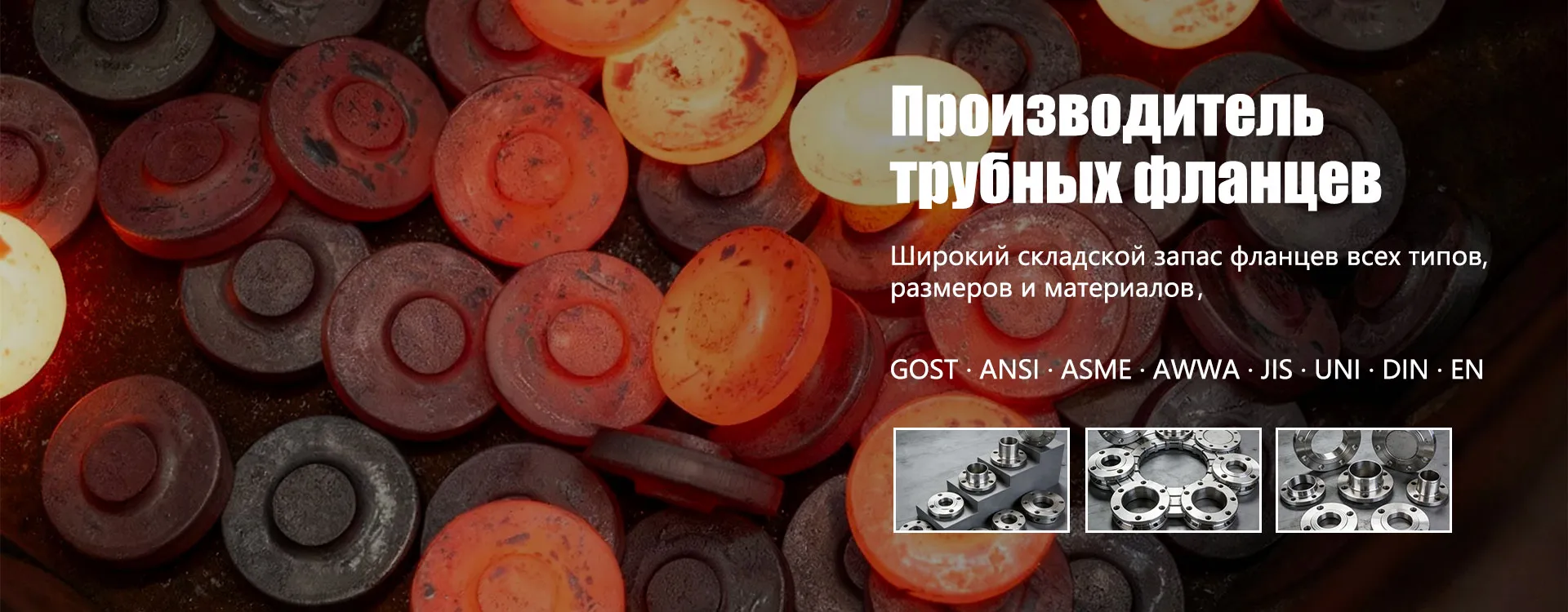
The process begins with a heated workpiece - usually a piece of rod or ingot. The heating mode is important to avoid overburning. Then - the actual forging on a press or hammer to form a “pancake”. and firmware holes. The key here is to ensure uniform deformation. After this - heat treatment (normalization) to relieve stress and obtain a homogeneous fine-grained structure. And only then comes mechanical processing on CNC machines.
Machining: Tolerances and Roughness
Details matter a lot here. The seating surface for the seal (the working surface of the flange) must have a strictly defined roughness. If it’s too smooth, the gasket may not stick; if it’s too rough, it will leak. Forflange 219according to GOST it is usually Ra 2.5–5.0 microns. End runout, parallelism of sealing surfaces in a flange pair - all this is checked.
Holes for studs. Their marking and drilling is a different story. Failure to comply with the diameter of the bolt circle (BOC) or displacement of the holes even by half a millimeter will result in the flanges not mating. We use jig boring machines or jig drilling. For non-standard designs, which Shanxi Hongkai Forging LLC mentions in its nomenclature, it is often necessary to make an individual jig.
Control and testing: the more questions, the calmer
Readyflange 219- this is not just a piece of iron. This is a documented product. The mandatory minimum is visual inspection, measurement of all geometric parameters, ultrasonic testing (ultrasonic testing) to identify internal defects such as delaminations or cavities. For critical applications, Brinell or Rockwell hardness testing is added, and sometimes radiography of the weld (if the flange has a welded neck).
We always have in our warehouse several randomly selected 219 mm flanges from the batch, which are witnesses. Tests can be repeated on them if the customer has any questions. This is a simple but effective practice that eliminates many complaints.
A supplier who, like Shanxi Hongkai Forging LLC, claims to work according to international standards, must have this entire control system built and documented. This is not something that can be done on your knees.
Market and supplier selection: not only price per kilogram
When you're lookingflange 219, the temptation to buy the cheapest is enormous. But cheapness often lies in the material (substituting a cheaper steel grade, for example, St3 instead of 20), in simplifying the technology (lack of heat treatment) or in control (lack of it). Then it comes out in the form of corrosion, deformation under load, or, worse, an accident.
A good sign is when a manufacturer, like the company mentioned, openly states the size range (DN15–DN4000) and product types. This indicates the scale of production and specialization. For the 219 mm size, they most likely have developed and optimized technical processes, which has a positive effect on both price and quality stability.
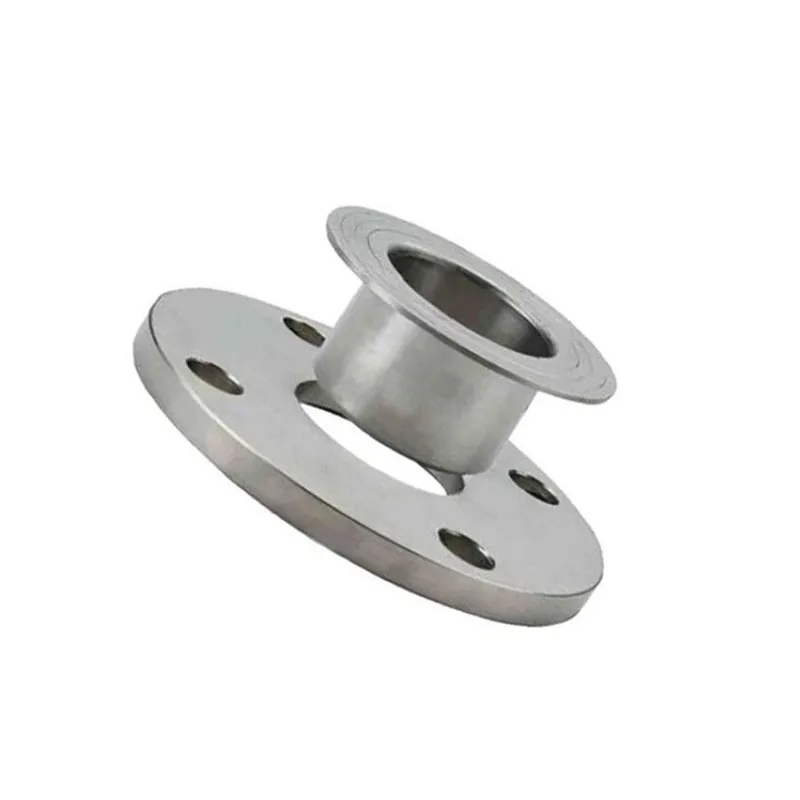
As a result, choosing a 219 mm flange is a technical task, and not a query in a search engine. It is necessary to clearly define: standard, pressure, material, type (collar, flat, free), design of the sealing surface, operating conditions. Only then can you adequately compare offers and conduct a dialogue with the manufacturer, be it a large plant or a specialized forge. And remember that a reliable flange is one that you forget about after installation, because it just works.
Correspondingproducts
Related Products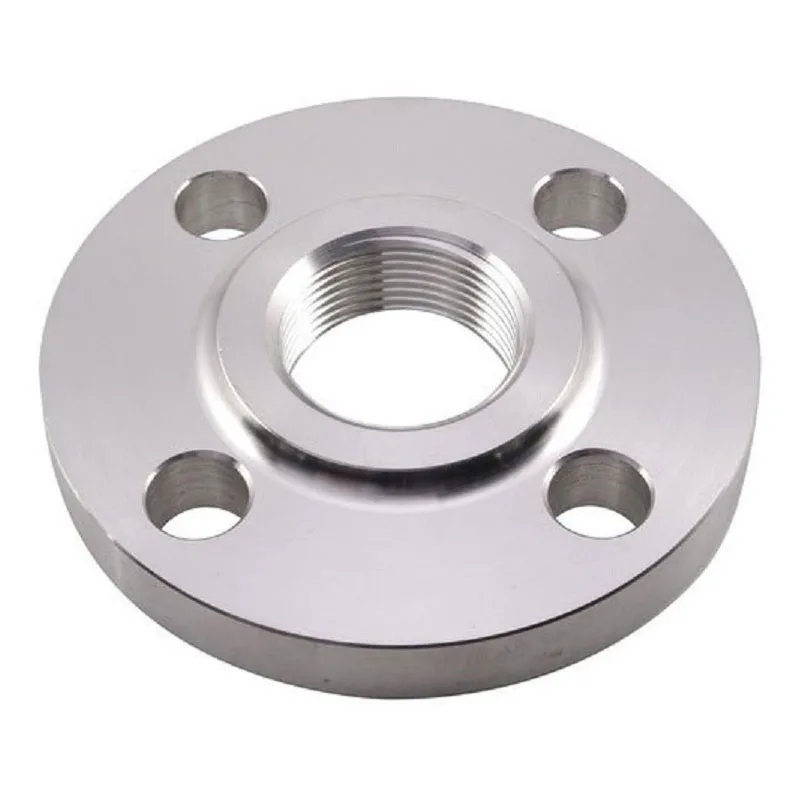
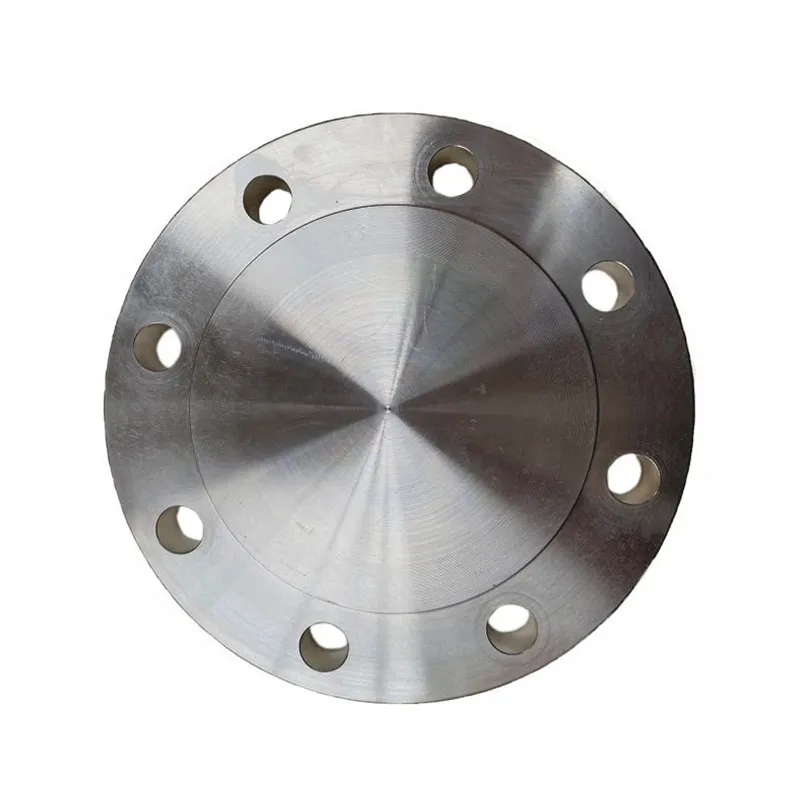
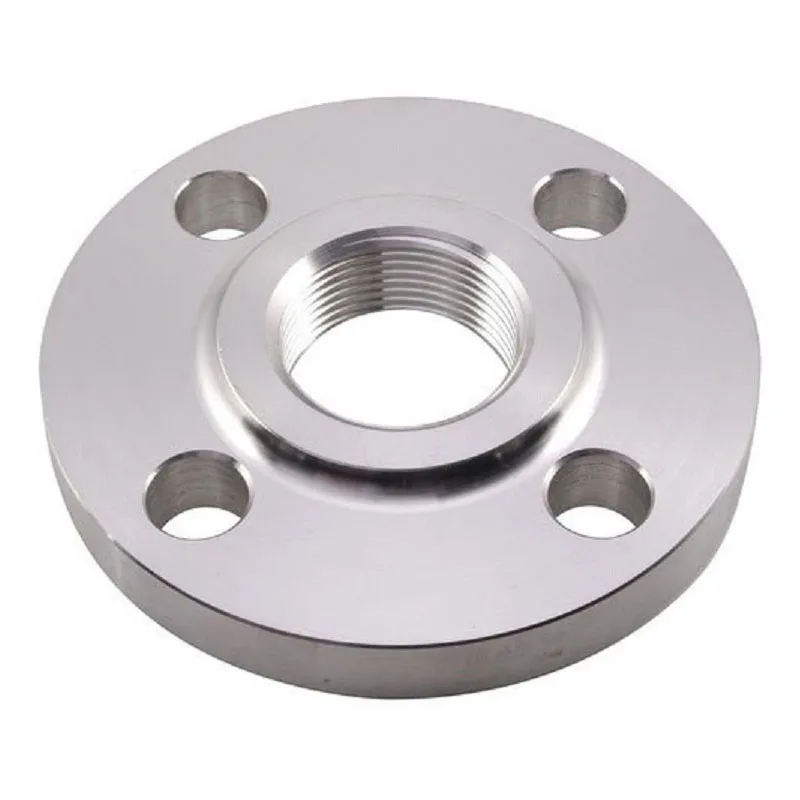
Best Sellingproducts
Best Selling Products-
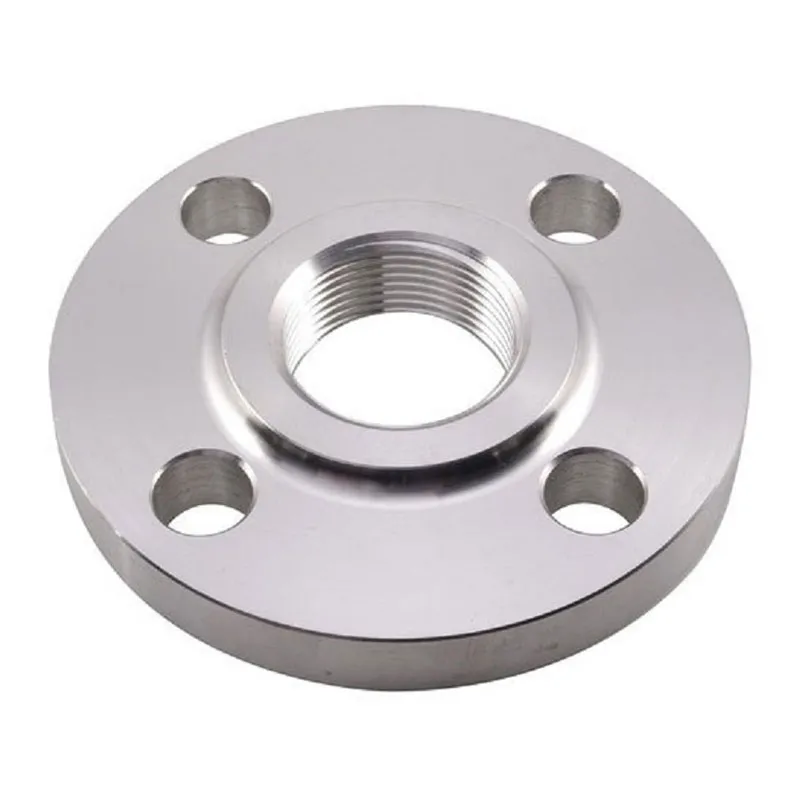 JIS 10K Overlay flanges
 -
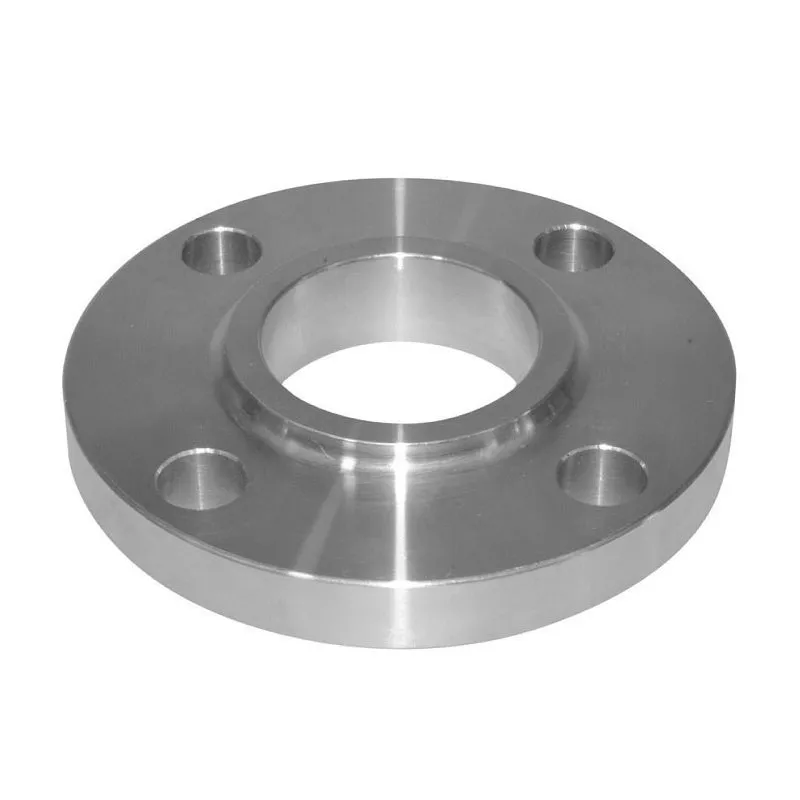 ANSI B16.5 Lap-on flanges Class 1500
 -
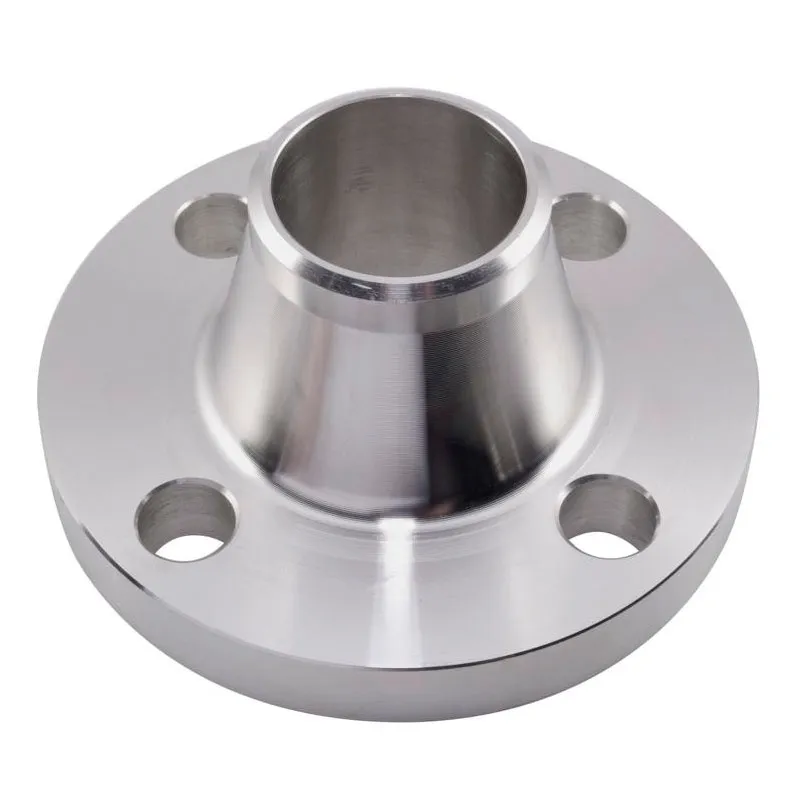 Butt weld flanges Class 900
 -
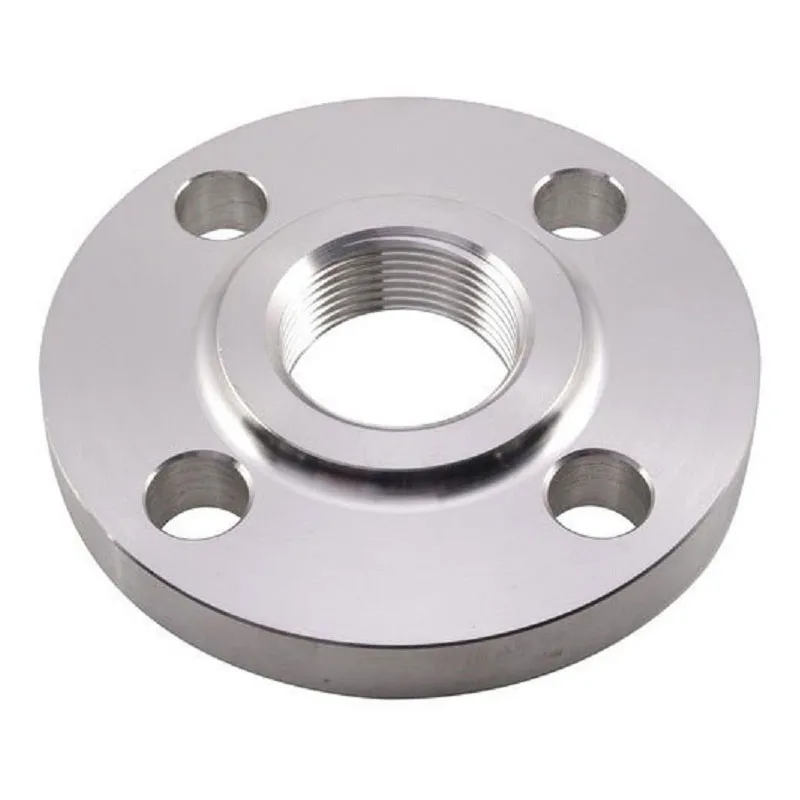 EN 1092-1 Threaded flanges Type 15, PN16
 -
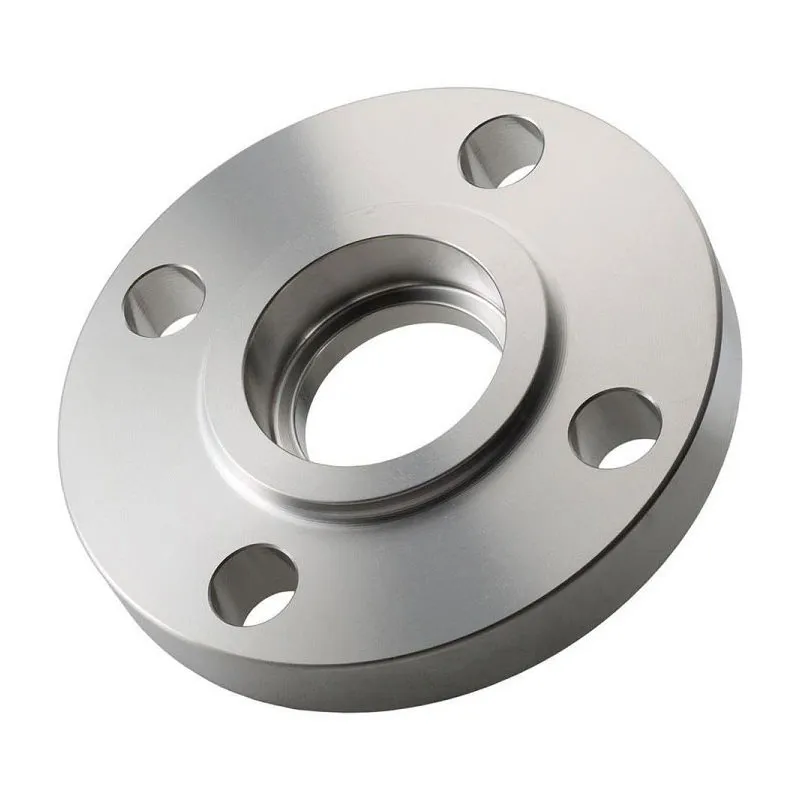 Flanges for socket welding
 -
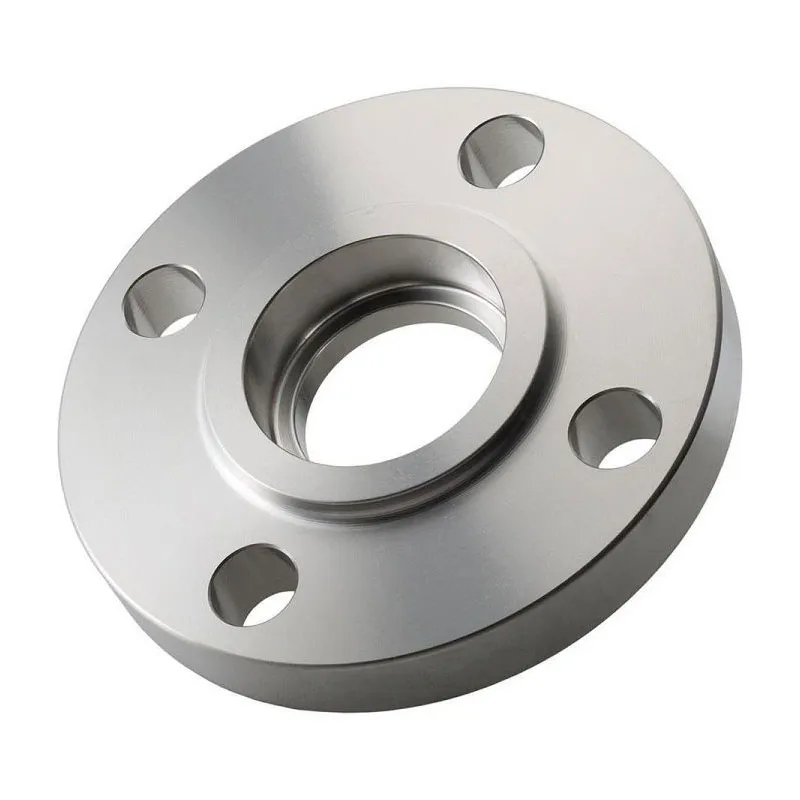 ANSI B16.5 Socket Weld Flanges Class 1500
 -
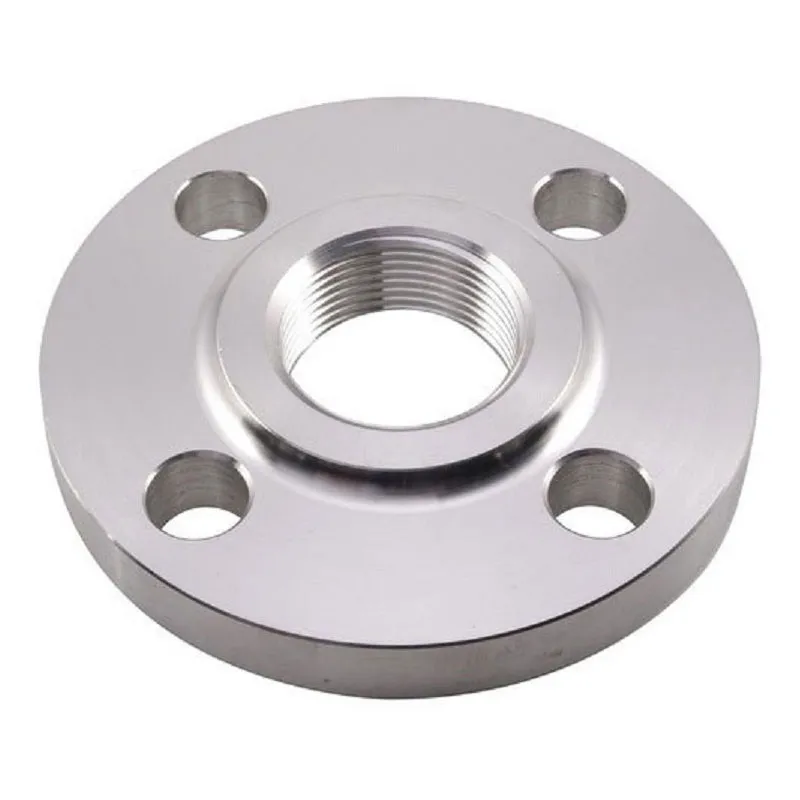 DIN 2565 Threaded flanges PN6
 -
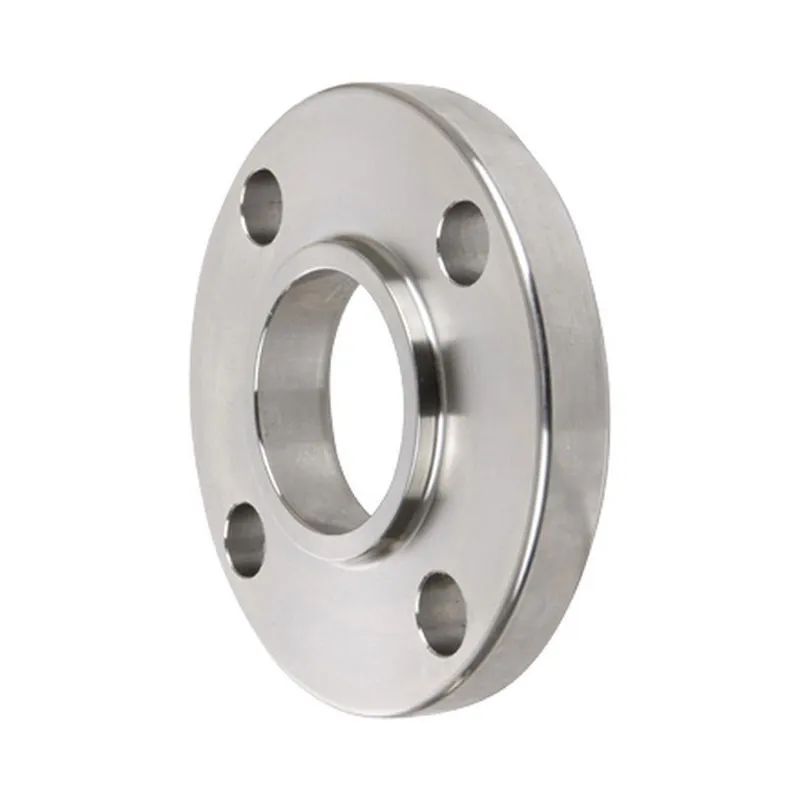 DIN 2501 Overlay flanges PN16
 -
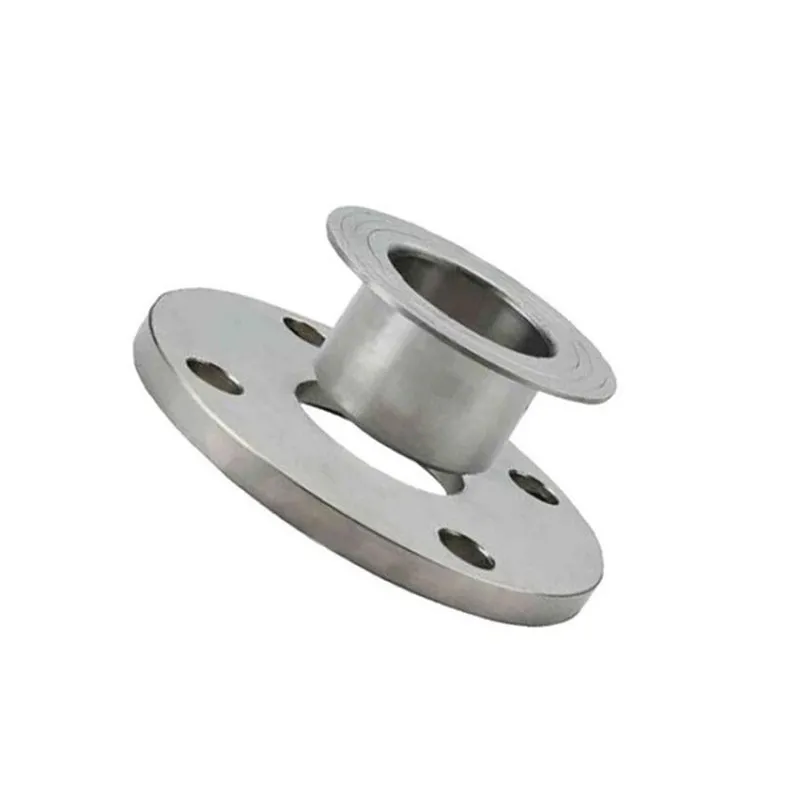 JIS 10K Loose Ring Flanges
 -
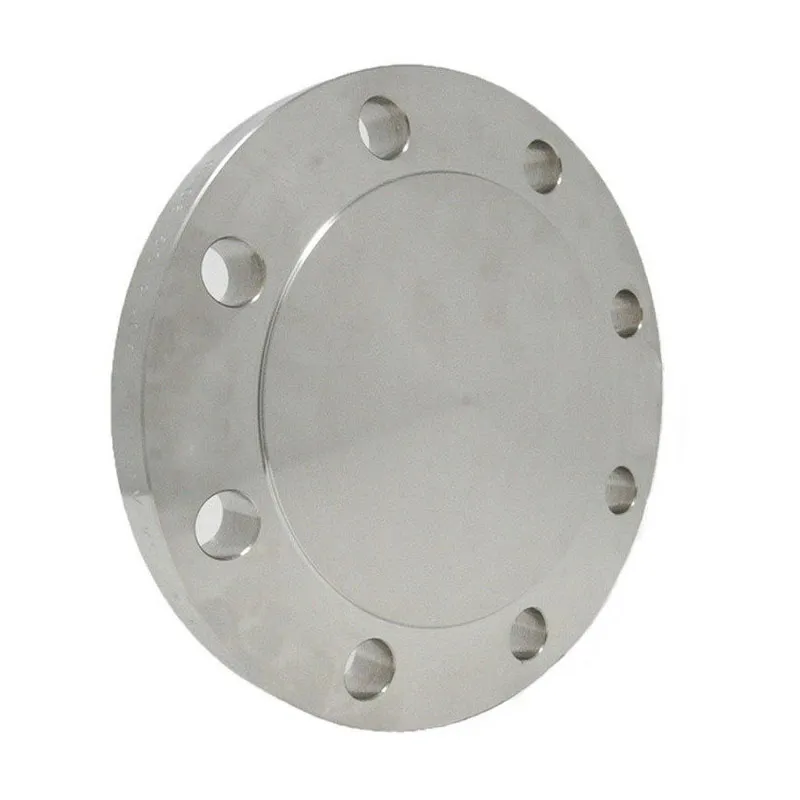 AWWA Blind Flanges Class D (Tables 1, 2, 3)
 -
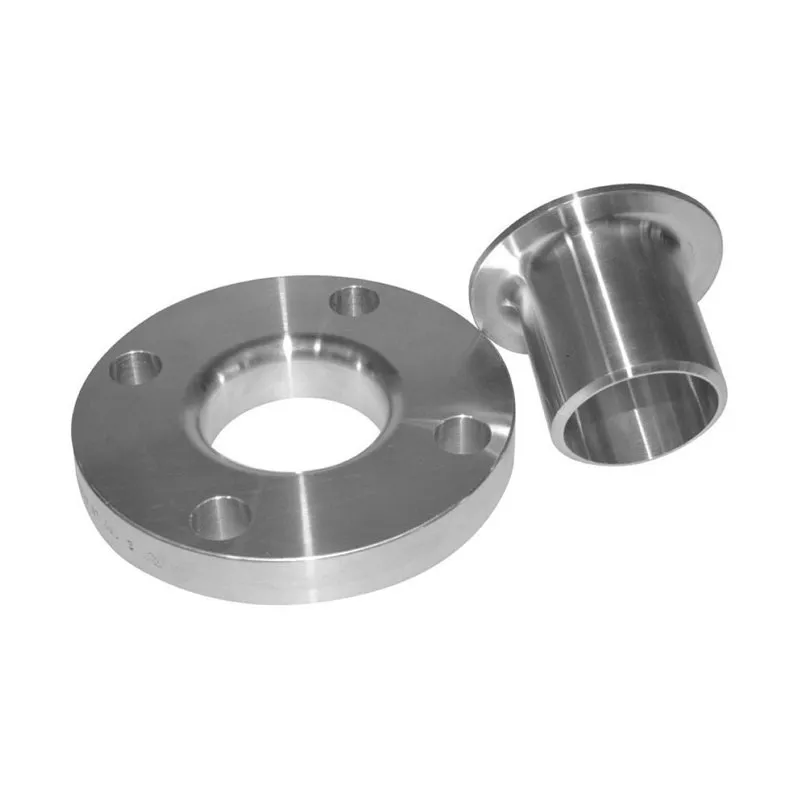 Free ring flanges Class 150
 -
 Free ring flanges Class 400