
-
-
Phone
+86-13623462298



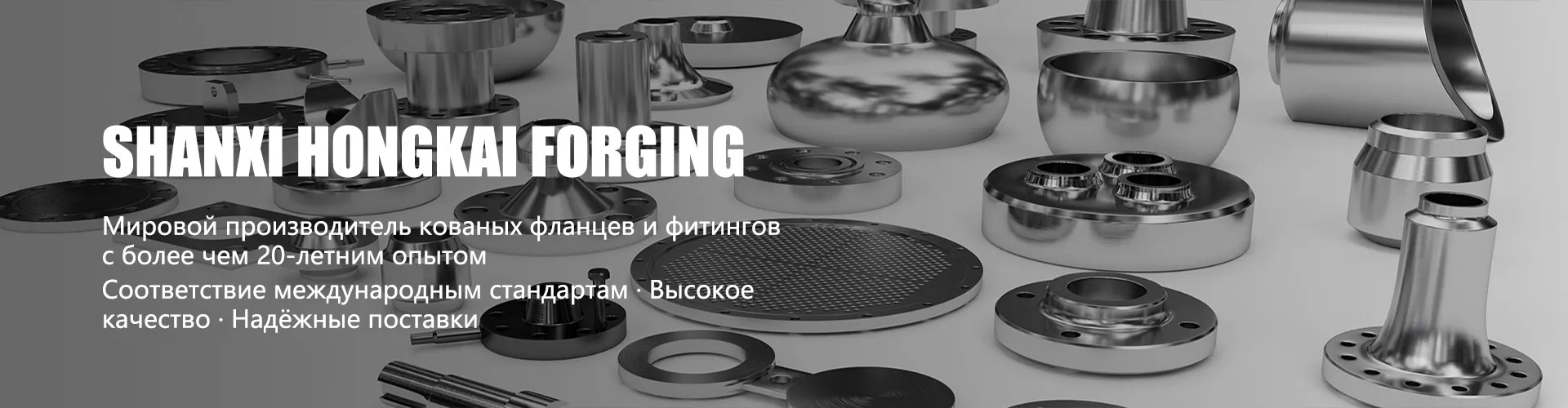
flange 95
You often search by specification or drawing - flange 95. This figure, especially for those new to procurement or young engineers, can be misleading. They immediately go to catalogs to look for exactly this standard size. But in fact, in most standards - GOST, ASME, EN - there is no direct connection to the number 95 as a nominal diameter or pressure. Most often, this is either a typo, or, more likely, part of the designation for a specific design, for example, from an old project, where 95 could be the outer diameter in millimeters for some non-standard transition, or even a conditional internal pressure for specific conditions. I went through this myself when I received a request from a plant in the Urals - “we need a 95 flange according to the drawing?” I had to figure it out, it turned out that they had a home-made designation system dating back to Soviet reconstructions, where 95 meant a conditional passage for a pipeline with special parameters of a viscous medium. So the first rule is to always demand a complete package of technical specifications or a drawing, and not trust one number.
From numbers to materials and standards
If we discard random errors, then ?95? often comes up in the context of size ranges or pressure specifications. For example, in some interpretations of old documentation you can find a link with a nominal diameter of DN or DN. But what is more important - what is the working pressure and environment? For a nominal pressure of 95 atmospheres, say, these are already serious requirements for the material and manufacturing method. Steel 20 or 09G2S may not be suitable for such parameters; alloyed grades, such as 12Х18Н10Т or 15Х5М, are needed, especially for aggressive environments or high temperatures. Here we are no longer talking about a simple stamped product, but about a forged flange, where the metal fibers are distributed correctly, which is critical for reliability under load.
For example, for projects where high resistance to creep or impact loads is required, we always look towards forgings. Stamping is good for serial standard positions, but when the parameters are on the verge of the standard or beyond it, only forging provides that guaranteed homogeneity of the structure. Once we worked with a contractor at a chemical plant, they ordered a batch according to standard catalogs for a pressure of 100 atm, but when installing on a line with temperature jumps of up to 450°C, problems began with the gaskets - “velo” flanges. We figured it out - the material was not designed for such thermal cycles, although it passed the nominal pressure. I had to convert it to forged ones from 15X5M with an individual calculation of the thickness and configuration of the collar.
It is in such situations that the manufacturer comes to the fore, who can not only cut or stamp from a sheet, but also produce a forging to specific parameters. In such cases, I often pay attention to companies that operate in forging and pressing clusters, where there are both traditions and the necessary equipment. For example, Shanxi Hongkai Forging Co.,Ltd. (website -https://www.hkflange.ru) is just a manufacturer from one of the key forging centers in China. They specialize in forged flanges and forgings, working to international standards (GOST, ASME, EN, DIN, etc.) and producing products up to DN4000. For non-standard cases, like our hypothetical ?flange 95? with special requirements for pressure and temperature, this approach - through forging according to customer drawings - is often the only correct one.
Practical pitfalls when ordering and installing
Let's say we have decided on the material and standard. But here’s another pitfall - connecting dimensions. If it is still a non-standard or outdated standard size, designated as 95, then it is extremely unlikely that a mating flange or fittings from the standard ASME B16.5 or GOST size table will fit it perfectly. The distance between the holes for the studs (PCD), the diameter of these holes, the type of sealing surface (peak-groove, tongue-and-groove, smooth) - all this must be absolutely identical. The slightest mismatch and the tightness of the connection is in question. I had to see how the installers tried to “tighten” studs into holes with a difference of a millimeter, using force - the result was deformation and subsequent leakage during hydrotesting.
Therefore, for any non-standard designs, be itflange 95or any other special size, it is critical to have not just a sketch, but a full production drawing agreed upon by all parties. And here again, the manufacturer wins, as it takes on the entire cycle - from technical analysis of the customer’s drawing to control of the geometry of the finished product. In the description of Shanxi Hongkai Forging Co.,Ltd. it is precisely stated that they manufacture non-standard products according to customer drawings, which implies exactly this approach. This is not just a store of finished products, but an engineering production facility.
Another point that is often forgotten when ordering specific flanges is heat treatment and quality control. A forged flange is a workpiece that, after machining, often requires normalization or tempering to relieve internal stresses. And then - mandatory control: ultrasonic testing to identify internal defects, hardness control, sometimes even chemical analysis of the cutting. If a manufacturer skips these steps or does them “for show,” the risk of getting a problematic part increases significantly. Test reports should always be requested, especially for critical applications.
When is ?standard non-standard? becomes the norm
In modern practice, especially when modernizing old production facilities, requests for products that go beyond standard catalogs are becoming more frequent. Conventional ?flange 95? - just one example out of hundreds. These could be transitions between pipelines of different standards, flanges for unique equipment, or products with special requirements for weight and dimensions. In such conditions, production flexibility is a key factor.
When considering manufacturers, it is important to evaluate not only their machines, but also their engineering department. Are they able to verify the design for manufacturability? Can they offer an alternative material if the original one is difficult to obtain, while maintaining all the mechanical properties? For example, one project required a largeflangewith a diameter for the holes for the studs, which did not fit into standard presses. The manufacturer proposed a solution that was not entirely forged, but composite - a forged center with a welded forged ring, followed by complex machining and careful control of the weld. The solution worked, and the node has been operating successfully for several years.
This is to the question that sometimes the designation itself like ?95? - just the tip of the iceberg. There is a whole history of technological solutions behind it. And it’s good when a supplier, such as the mentioned company Shanxi Hongkai Forging LLC, positions itself as a manufacturer of forgings and forged flanges, and not just a dealer in metal products. This means that their operating logic is tailored to solve such non-standard tasks, from request analysis to shipment with a full package of documents.
Cost of issue and final considerations
Of course, a forged non-standard flange will always be more expensive than a stamped serial analogue from the catalog. The question is what is more expensive - to overpay for individual production and guaranteed reliability or to save money and then incur the costs of downtime, emergency repairs and, God forbid, liquidation of consequences. For minor, non-critical lines, sometimes a compromise can be sought. But for lines under high pressure, aggressive environments or in the energy sector, savings at the stage of purchasing components are false.
Returning to our original “95 flange”. The main conclusion I would draw from experience is that such markings are always a red flag signaling the need for in-depth technical dialogue. You need to get to the bottom of it: what kind of parameter this is, within what standard (or outside of it) it exists, what are the full operating conditions. And only after receiving these answers, you can formulate the correct technical specifications for the manufacturer.
Ultimately, the success of a project depends on the accuracy of the translation of an engineering problem into the language of metal and machine tools. And here the decisive role is played by the choice of a manufacturing partner who speaks the same language and is ready to dive into the details, be it the mysterious number 95 or a complex drawing for an adapter flange for the reconstruction of an old workshop. Working with specialized factories focused on forging and custom orders, as a rule, eliminates many headaches at the installation and commissioning stage.
Correspondingproducts
Related Products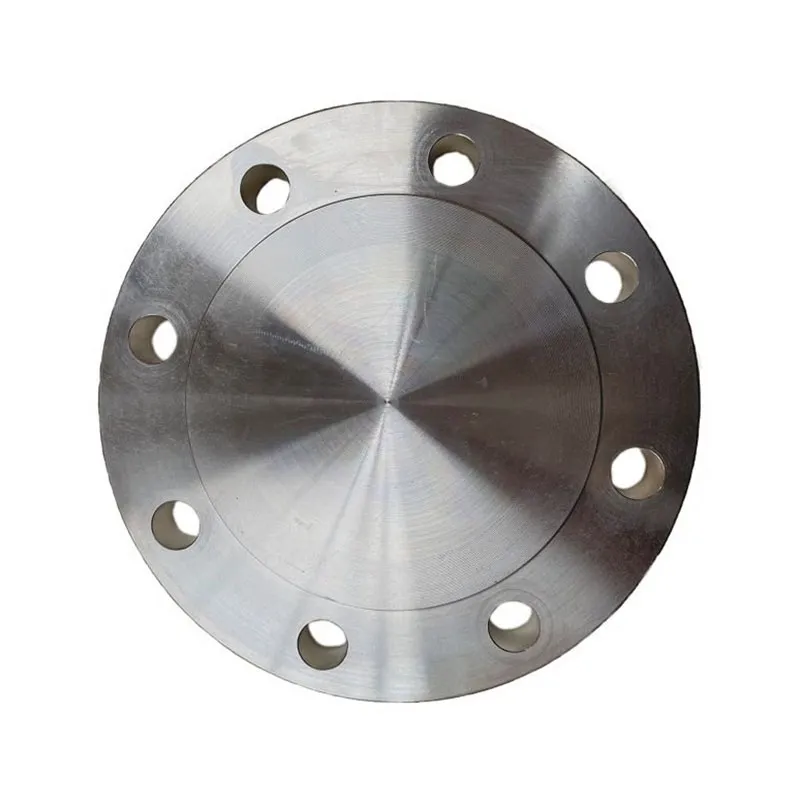
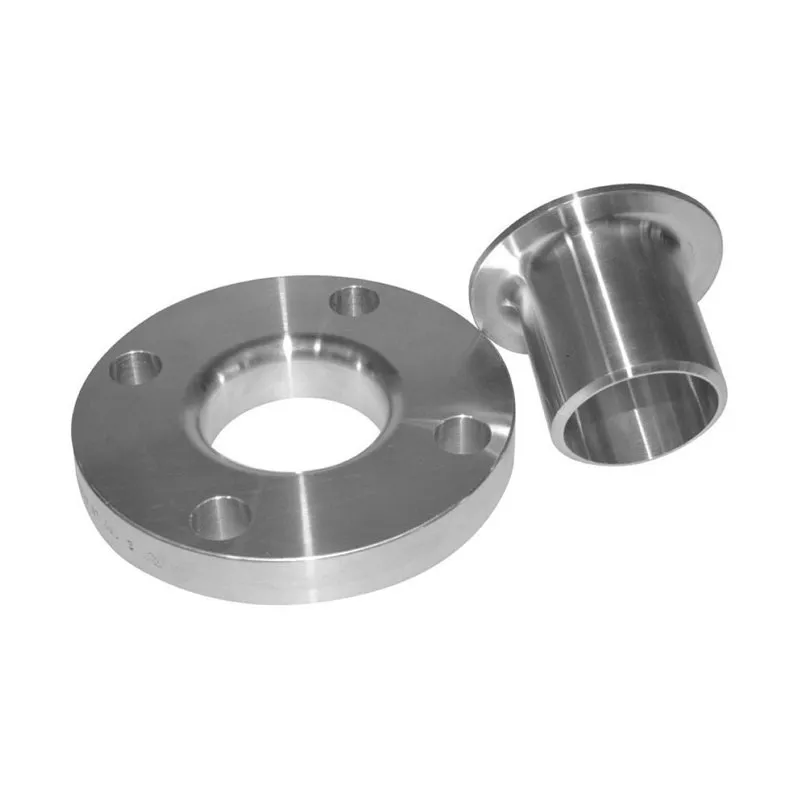
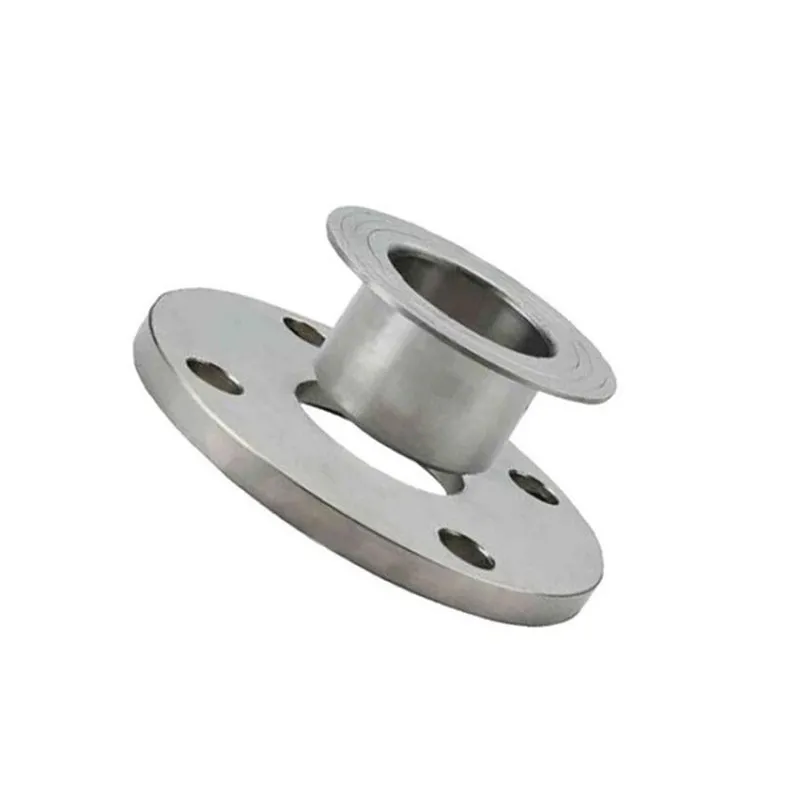
Best Sellingproducts
Best Selling Products-
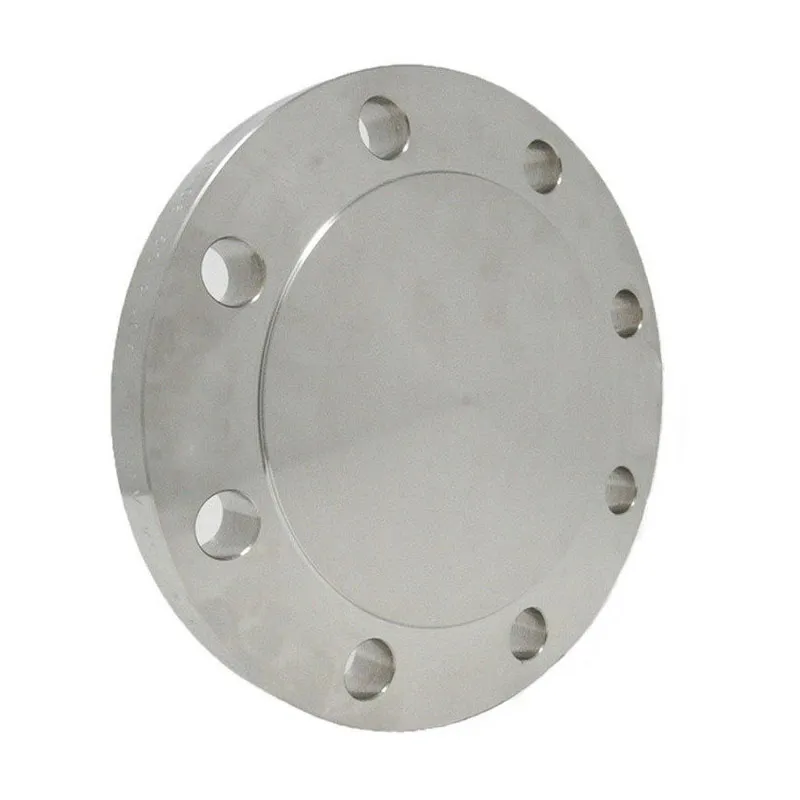 AWWA Blind Flanges Class D (Tables 1, 2, 3)
 -
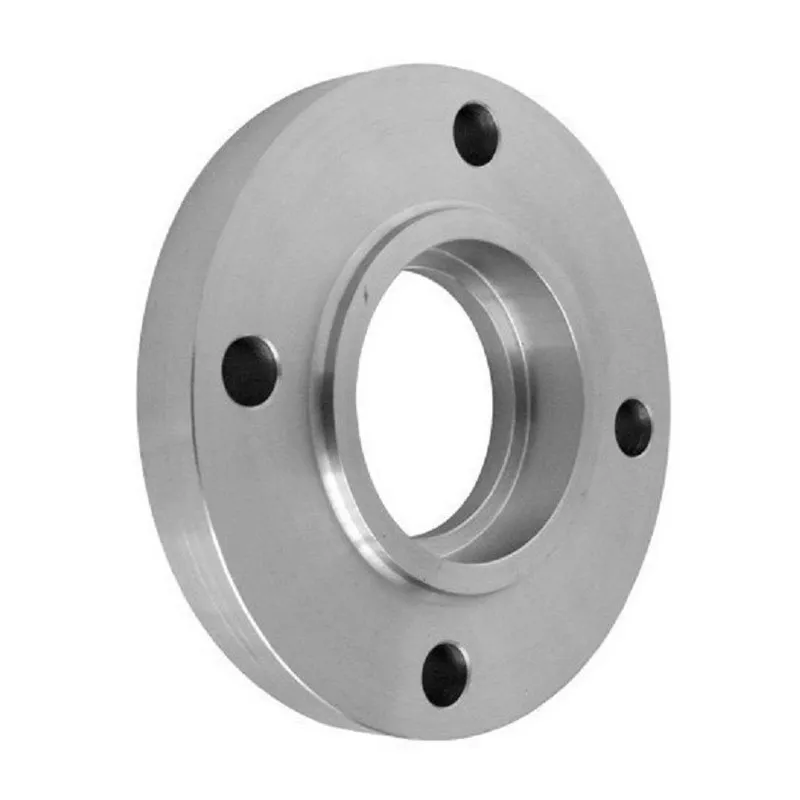 JIS 5K Socket Weld Flanges
 -
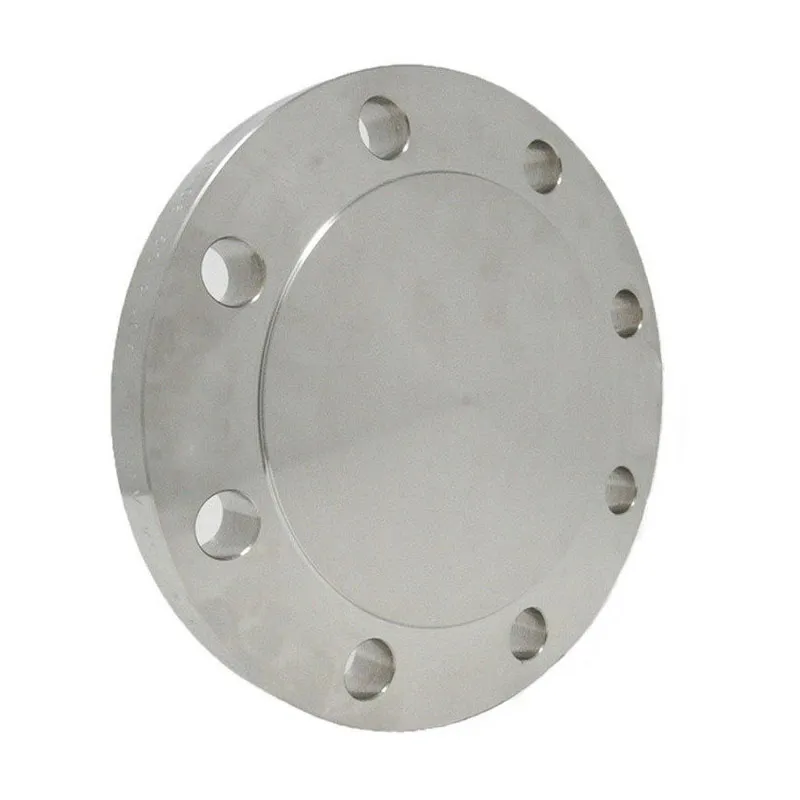 Blind flanges Class 150
 -
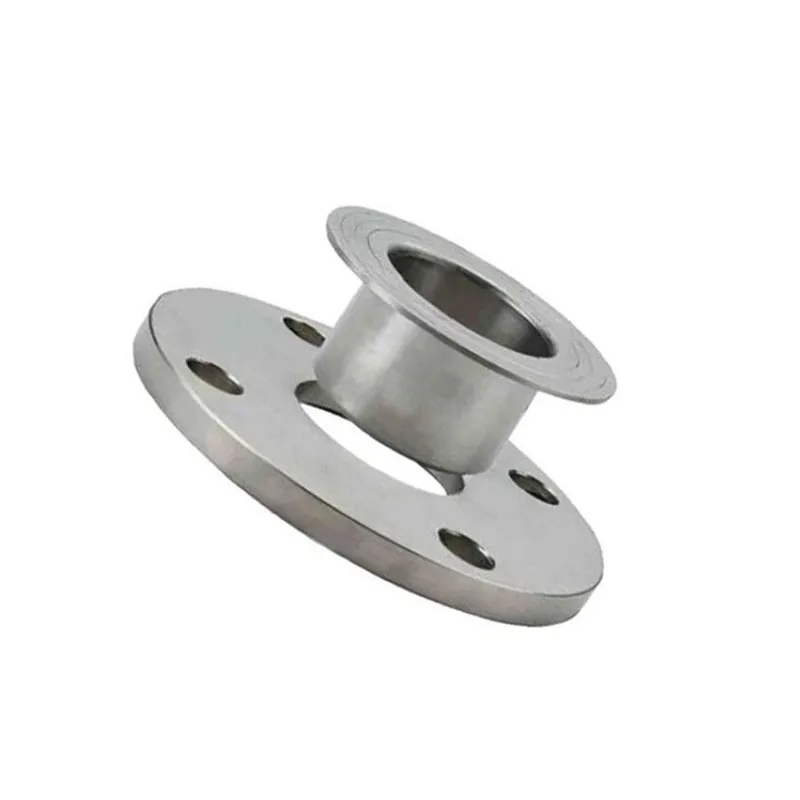 Free ring flanges Class 400
 -
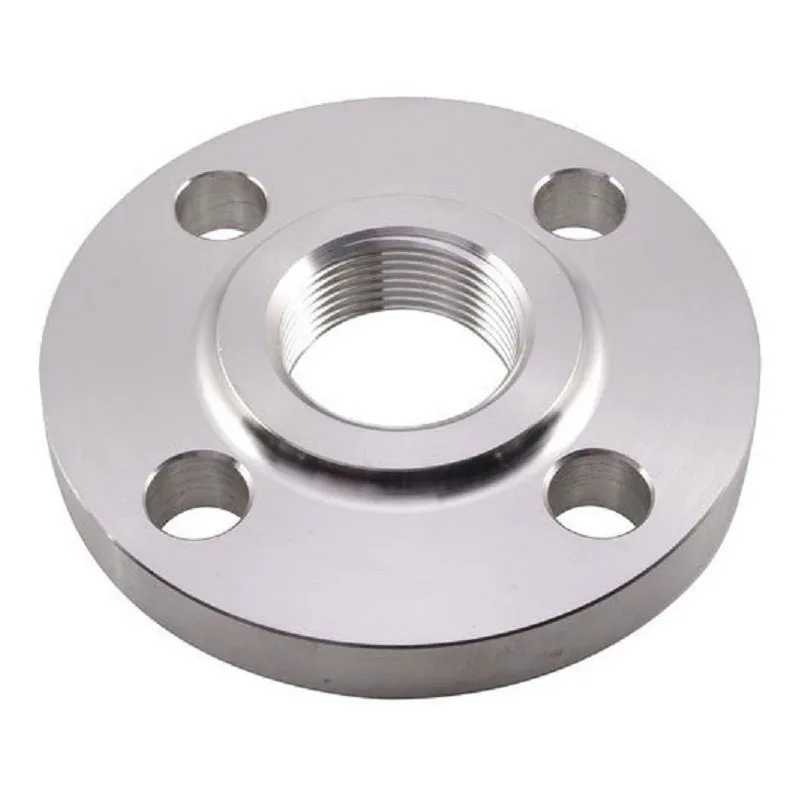 ANSI B16.5 Threaded Flanges Class 600
 -
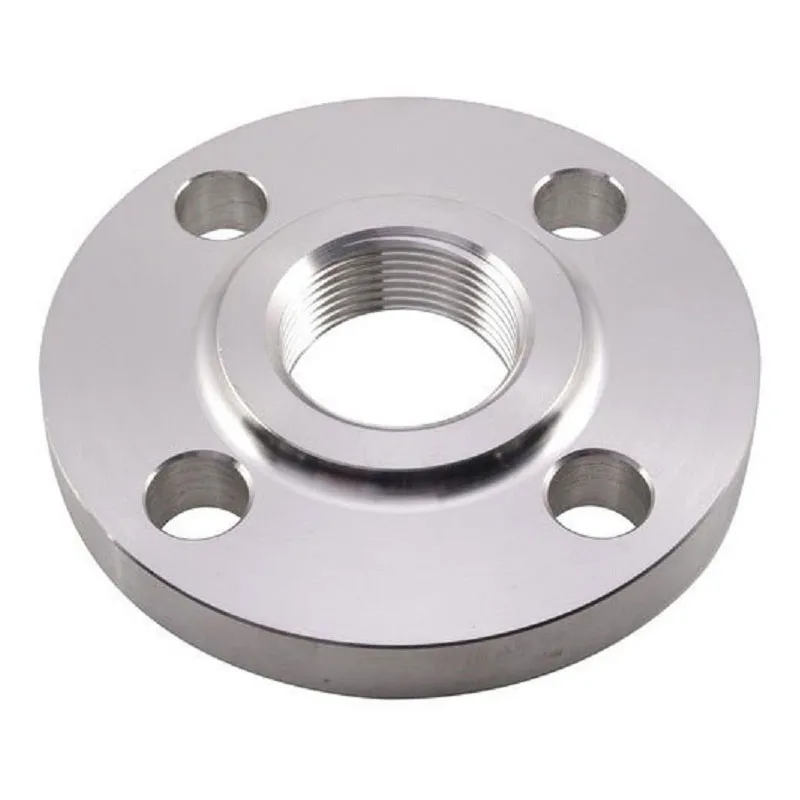 EN 1092-1 Threaded flanges Type 15, PN16
 -
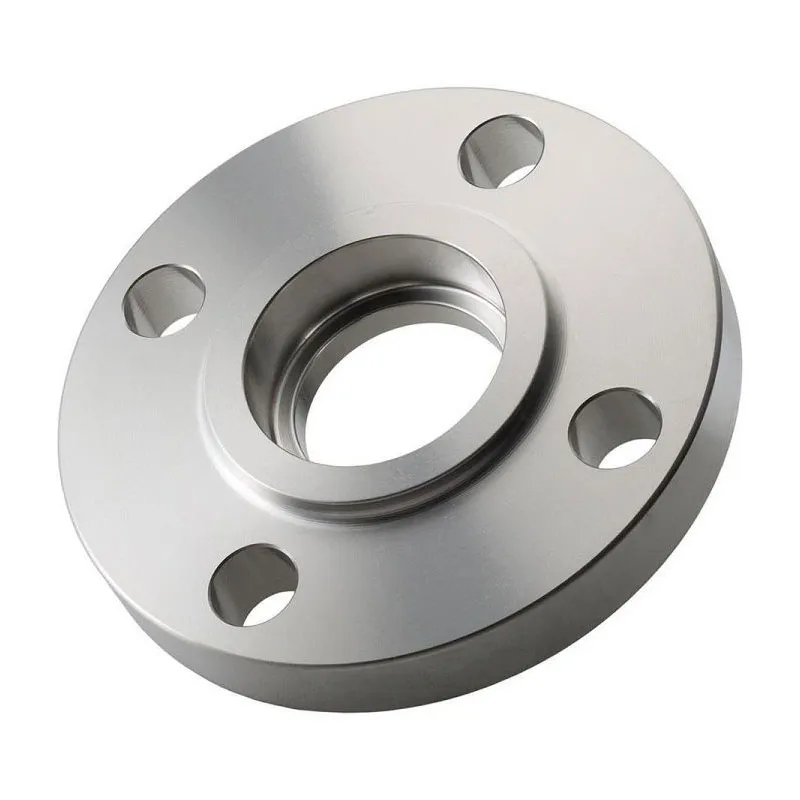 ANSI B16.5 Socket Weld Flanges Class 1500
 -
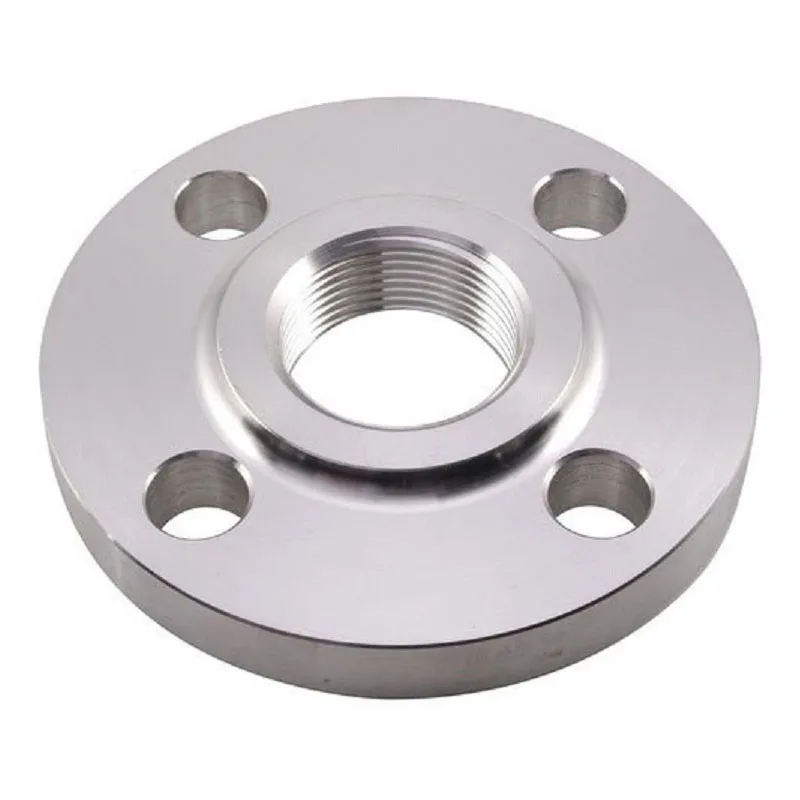 DIN 2566 Threaded flanges PN16
 -
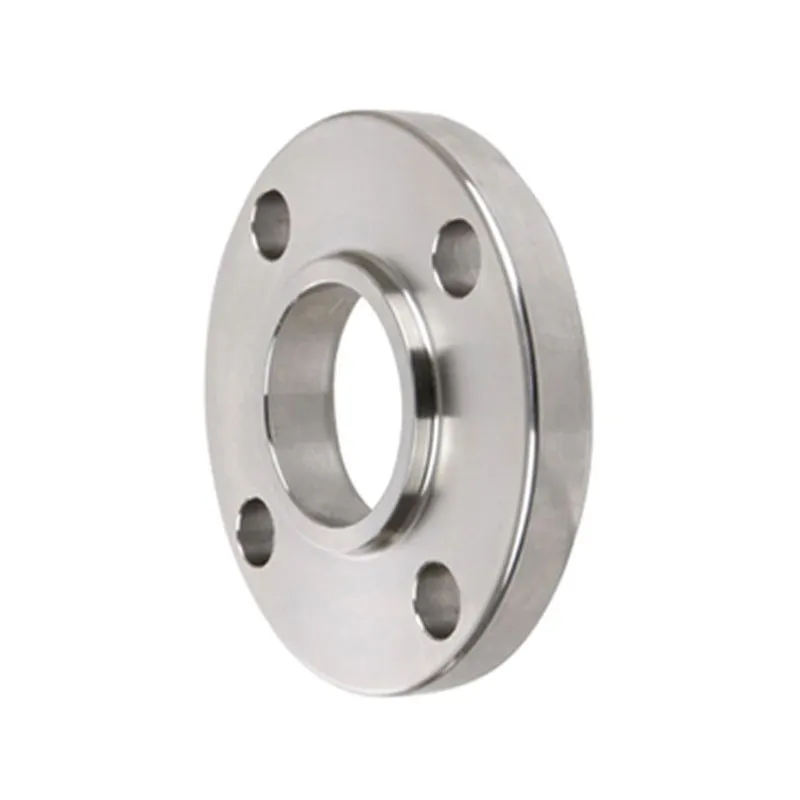 ANSI B16.5 Lap-on flanges Class 300
 -
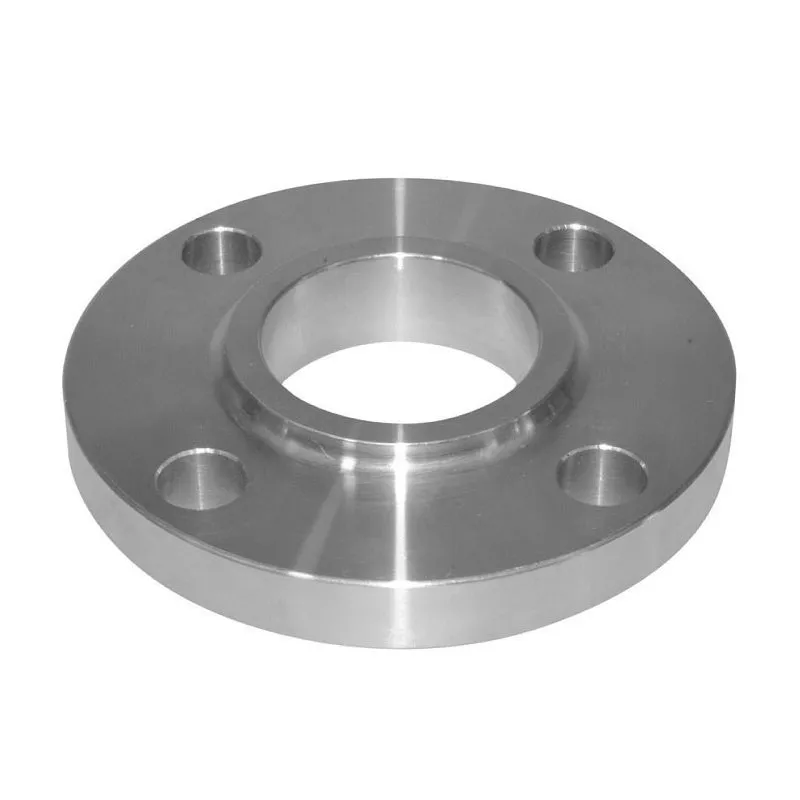 ANSI B16.5 Lap-on flanges Class 1500
 -
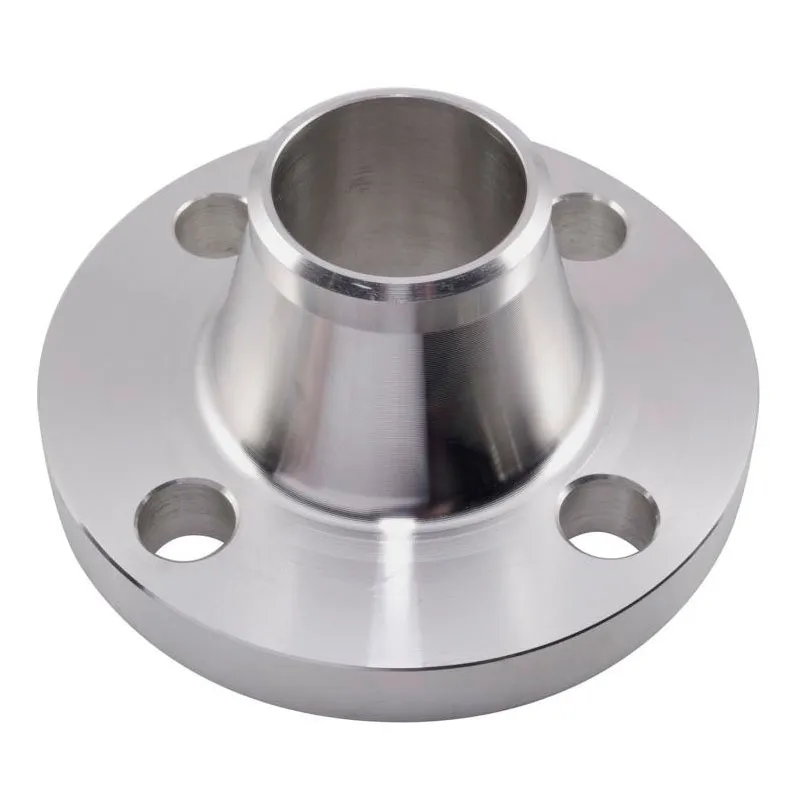 DIN Butt weld flanges PN10
 -
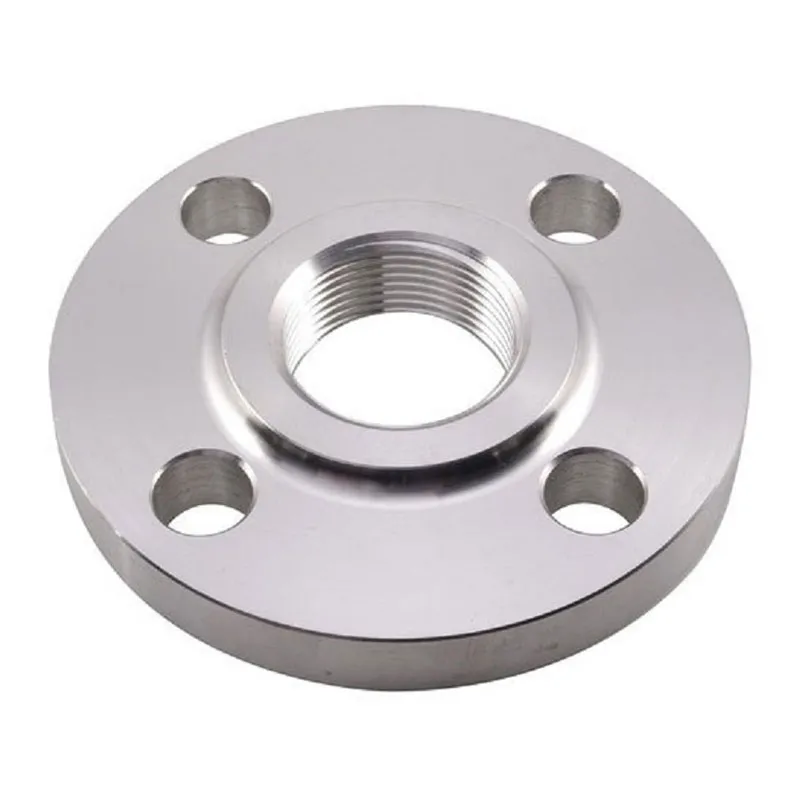 JIS 10K Overlay flanges