
-
-
Phone
+86-13623462298



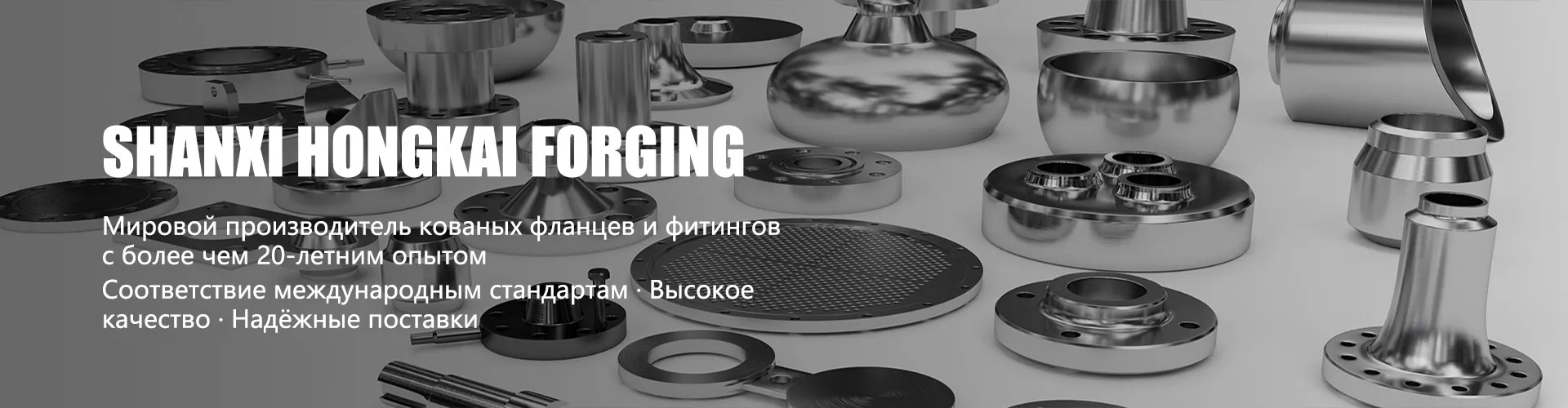
flange 25 40
When you see the request “flange 25 40?”, the first thing that comes to mind is that a person is looking for either a flange for DN25 with a nominal pressure of PN40, or vice versa, DN40 for PN25. And this is where the first ambush begins, because in specifications and especially in purchasing requests, this pair of numbers is often written in a row, without specifying which is which. I got burned by this myself when about ten years ago I accepted a shipment for an old repair site. A box arrived marked “flange 25 40”, but in fact these were flat flanges for forty with a pressure of 25 atmospheres. But it was necessary on the contrary - at twenty heels, but at forty pressure. I had to urgently deal with the supplier, by the way, not yet Chinese, but local, and find out whose mistake was in filling out the application. Since then I have always demanded a full decryption: DN and PN separately. Although, of course, this combination lives on in everyday life - like a short but insidious code.
Let's break down the numbers: DN25 and PN40 are not just parameters
If we take specifically the DN25 PN40 combination, then this is a fairly common and sought-after standard size for critical areas with moderate diameters, but increased pressure requirements. Most often, such flanges are needed in piping pumping equipment, on branches from main lines, or in systems where there are surges and water hammers. The material here already plays a key role - steel 20 or 09G2S may be suitable for water, but for aggressive environments we are already looking at 12Х18Н10Т or even duplex. Disk thickness, skirt height, bolt circle diameters - all this is in accordance with GOST 33259 or ASME B16.5, but there are always nuances.
Here, for example, is the moment with the sealing surface. For PN40, a protrusion-recess (tenon-groove) or under a lens gasket is often used, especially in the energy sector. And if the customer sends a drawing according to the old GOST 12820-80, then it has its own size table for the same nominal pressures. And it happens that the new flange, according to the modern standard, does not physically fit with the old one, which has been hanging on the pipeline since Soviet times. You have to either persuade the customer to replace the pair, or produce a non-standard transitional version. This relates to the question of what is “standard”? - the concept is very relative.
And now about the diameter DN40 for pressure PN25. This is a calmer story, often for water supply and ventilation. But there are pitfalls here too - for example, when installing in a cramped chamber, when a standard wrench does not fit on the nuts due to insufficient radial distance between the studs. You have to either order flanges with an increased BOT, or use a special tool. A trifle, but installation time increases significantly. Such details are usually not written in catalogs; they are learned in practice, often by trial and error.
Experience with supplies and manufacturer selection
Previously, we worked a lot with local factories, but for the last seven years we have been actively looking towards China. Not towards just anyone, but specifically towards specialized manufacturers with their own forging and pressing capacities. Why? Price-quality are often more balanced, especially for serial items. One of the tested options isShanxi Hongkai Forging Co.,Ltd. I came across them when I was looking for flanges according to EN 1092-1 for a complex project, and I needed forged ones, not stamped ones. Went to their websitehkflange.ru, studied - it is clear that the company is from the Shanxi region, which is considered one of the centers of the forging industry in China. The description directly states that forgings and flanges are made according to international standards: ASME, EN, DIN, GOST. This is important because many small workshops only take on GOST or make “analogues”, which do not always correspond in geometry.
I ordered a trial batch from them - exactlyflange 25 40in the butt-welded (WN) version according to ASME B16.5 Class 300 (this is approximately PN40 in our opinion). What pleased me was that they provided a full package of certificates: material, mechanics, ultrasonic testing. The flanges themselves arrived without burrs, with clear markings. I checked the geometry and it worked. But there was also a negative experience, not with this company, but with another, when they saved money and bought supposedly similar flanges cheaper. A shipment arrived in which several pieces had microcracks in the transition zone from the collar to the disc. Not visible visually, only discovered after magnetic particle testing. Since then, for critical facilities, we have not skimped on inspections and on the manufacturer itself.
What is also important when choosing is the opportunity to make a non-standard choice. UShanxi Hongkai Forging Co.,LtdThe nomenclature states products according to customer drawings and a range of sizes up to DN4000. This speaks of serious power. Although for our typical needs like DN25-DN100 this may not be so critical, but when you need a rare adapter or a flange with additional holes for impulse lines, this option saves the day. Once I ordered a blind flange (BL) for DN40 from them made of 316L steel with an additional fitting for drainage - they made it without problems, according to their drawings.
Installation stories and common mistakes
It would seem that it would be difficult to tighten two flanges with bolts. But no. Once, during the installation of an inert gas pipeline, the team installed a paronite gasket between the DN25 PN40 flanges, which was designed for lower pressure. The system was pressurized and seemed to be holding up. But during startup, when the temperature rose to operating 150 degrees, the gasket floated and began to leak. It's good that you noticed it quickly. I had to stop, remove, clean the surfaces - which took time and money. The conclusion is simple: for PN40, even with a small diameter, you need to strictly select the seal for the environment and temperature. More often now we use spiral-wound gaskets with graphite filler - they are more reliable.
Another common mistake is uneven tightening. Especially on small diameters like DN25 and DN40, where there are only 4 or 8 bolts. If you pull in a circle, like on a car wheel, you can warp the flange. A leak will appear. We learned to tighten it crosswise with a torque wrench, gradually increasing the torque. This, by the way, is especially critical for flanges with a tongue-and-groove connection, where misalignment can lead to damage to the projection.
And about corrosion. Case study: we installed coated carbon steel flanges on a street water pipeline. After a couple of years, crevice corrosion began to develop in the gaps between the bolts and holes. The bolts are stuck tightly. Now, for such conditions, we either take flanges with full anti-corrosion treatment, including bolt holes, or immediately consider stainless steel. This adds cost, but saves headaches down the road. By the way, the sameShanxi Hongkai Forging Co.,LtdThe range includes forgings made of corrosion-resistant steels - this can be seen from the description on their websitehkflange.ru.
Issues of standardization and the future
Now the trend in the world is towards unification, but in reality, ASME, DIN and GOST flanges can easily coexist in one facility. And all of them are marked, conditionally, “25 40”. Therefore, our supply department now always requires from technologists not just numbers, but a complete designation of the standard, type, material and surface design. This disciplines and reduces risks. Yes, there is more paperwork, but the number of errors during packaging has decreased.
Interestingly, with the development of additive technologies, some have begun to talk about the imminent death of traditional forged flanges. They say they will print any configuration on a 3D printer. But, in my opinion, for mass-produced pressure products, especially for the energy and petrochemical industries, forging will remain unrivaled in terms of mechanical properties and reliability for a long time. The same forgings fromShanxi Hongkai Forging Co.,LtdThis applies to the fullest extent - their products are precisely in this category.
What would I like to wish to colleagues who are looking for “flange 25 40”? Always dig deeper than those two numbers. Specify the standard, medium, temperature, gasket material, type of connection. And choose a manufacturer who not only sells hardware, but can provide full technical support and documents. This will save nerves and resources at the installation and operation stage. Tested more than once.
Instead of a conclusion: a few practical notes in the margins
Another life hack - before installation, always, even if the flanges are new, check the sealing surfaces for scratches and dents. Sometimes there is a defect during transportation. A small defect can be sanded out, but if the sink is deep, it is better to immediately demand a replacement. This is especially true for high pressure connections.
And about supplies. For frequently used sizes, such as the same DN25 and DN40 for different pressures, we try to keep a small stock. But not stamped, but forged. Because when an emergency occurs at an existing production facility, waiting 8-10 weeks for delivery from abroad is an unaffordable luxury. It’s better to have your own emergency reserve, even if it freezes some funds.
In general, the topic is ?flange 25 40? - this is exactly the case where a lot of technical nuances are hidden behind the apparent simplicity. And understanding of these nuances comes only with experience, sometimes bitter. The main thing is to systematize this experience and not step on the same rake twice. And reliable suppliers who themselves understand the intricacies are half the success in this matter.
Correspondingproducts
Related Products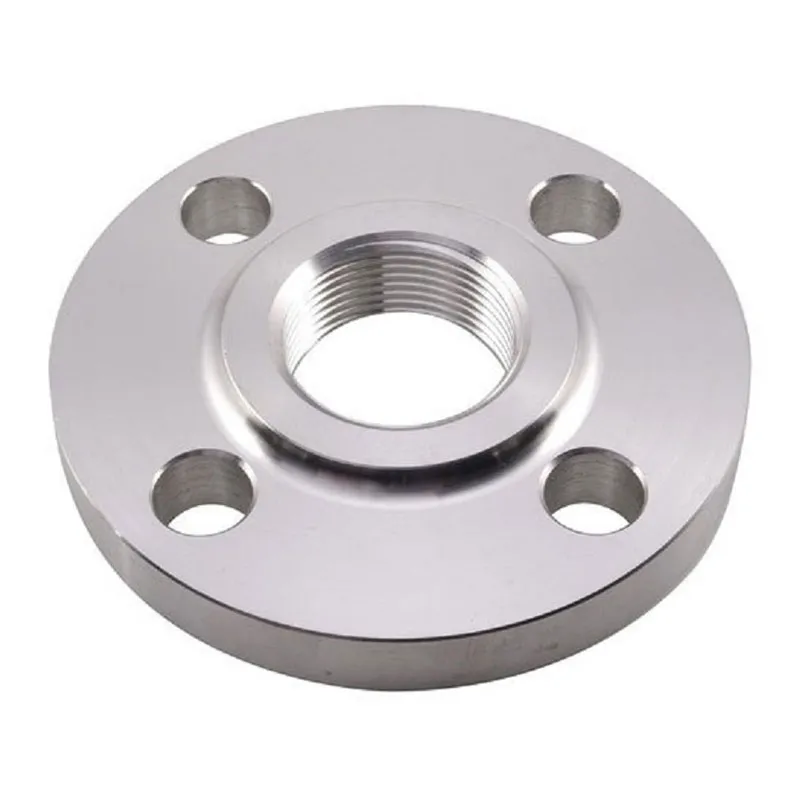
Best Sellingproducts
Best Selling Products-
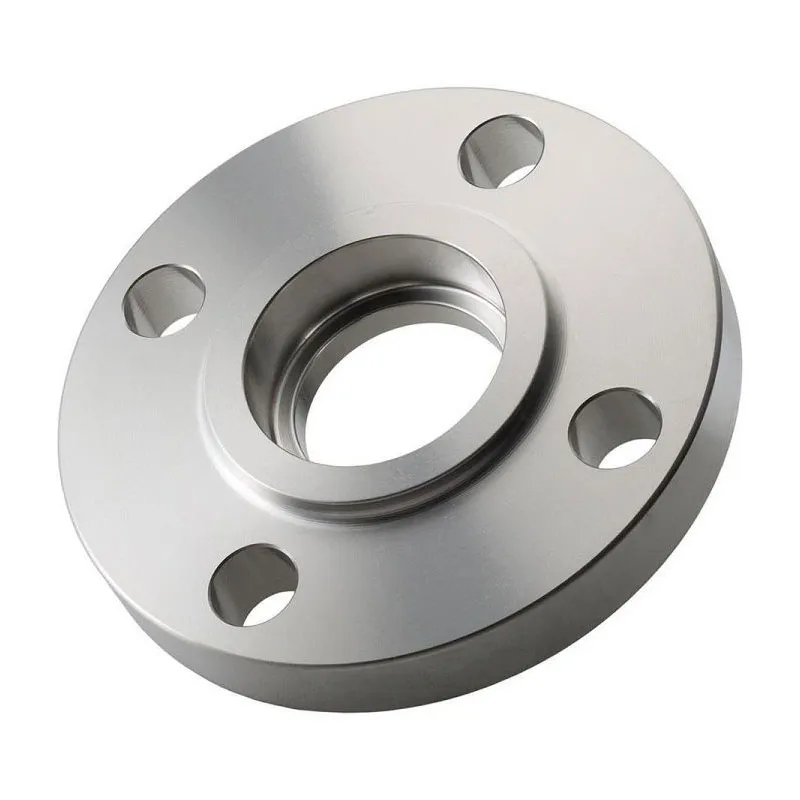 ANSI B16.5 Socket Weld Flanges Class 1500
 -
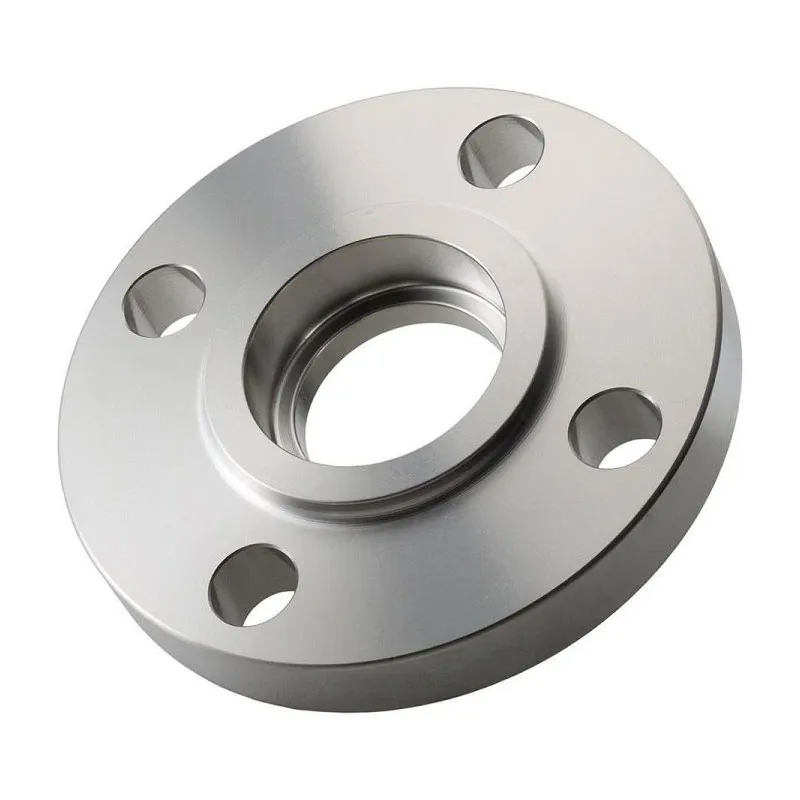 ANSI B16.5 Socket Weld Flanges Class 150
 -
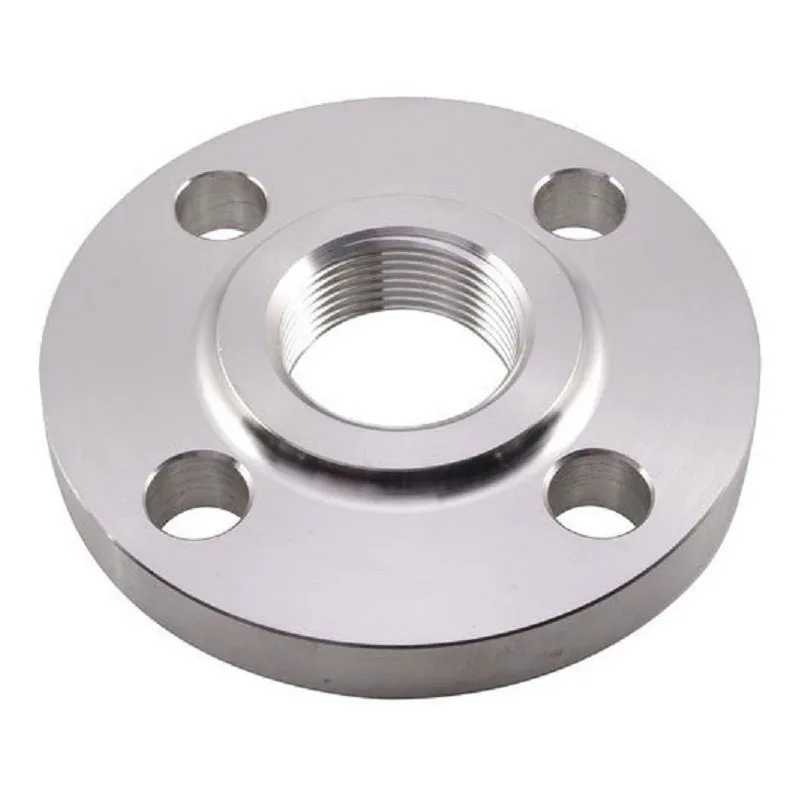 ANSI B16.5 Threaded Flanges Class 600
 -
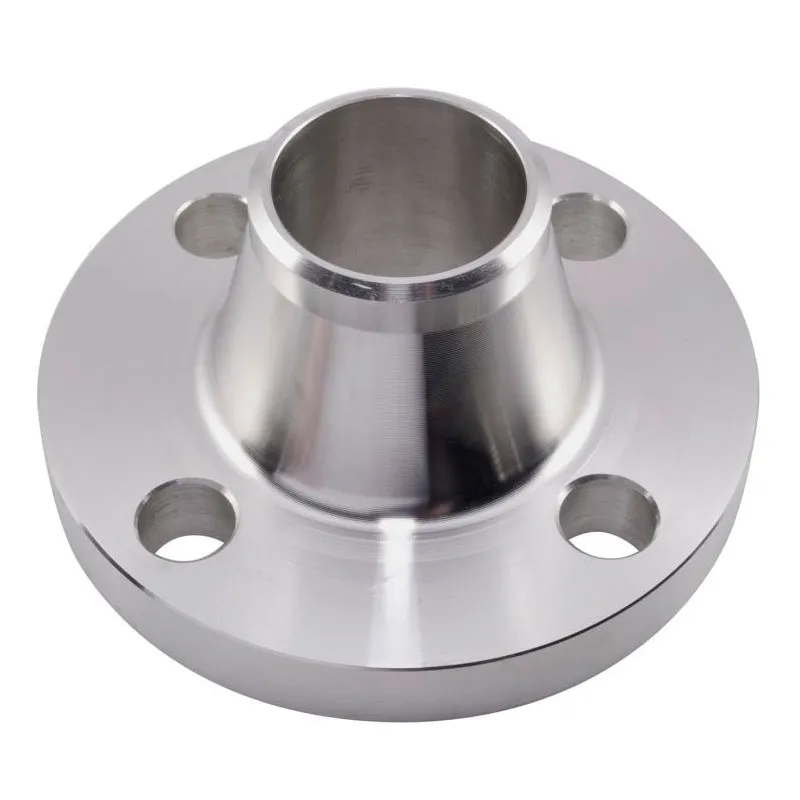 UNI 2281 Butt weld flanges PN10
 -
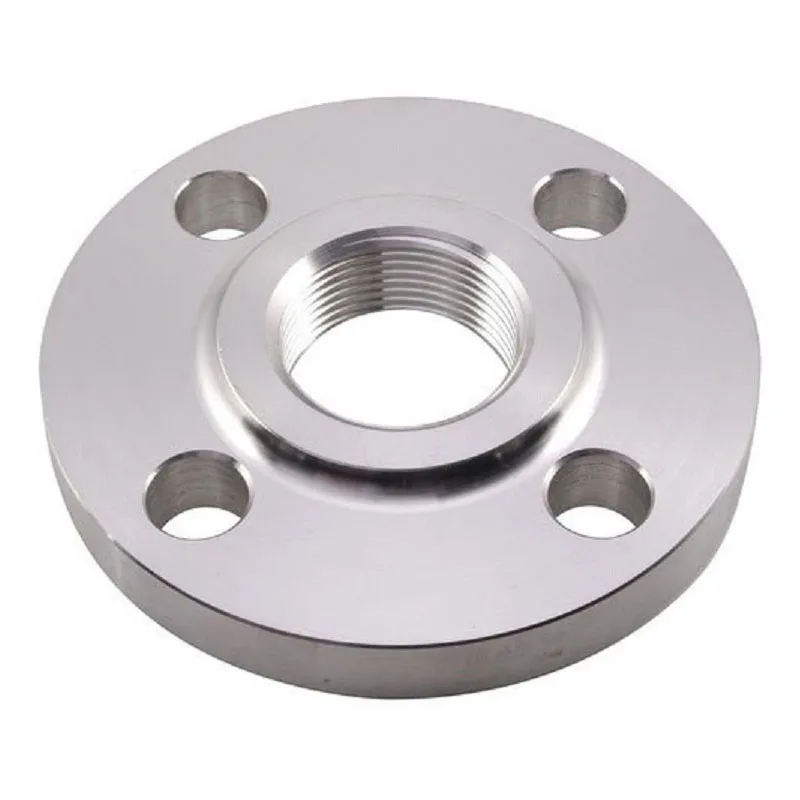 DIN 2566 Threaded flanges PN16
 -
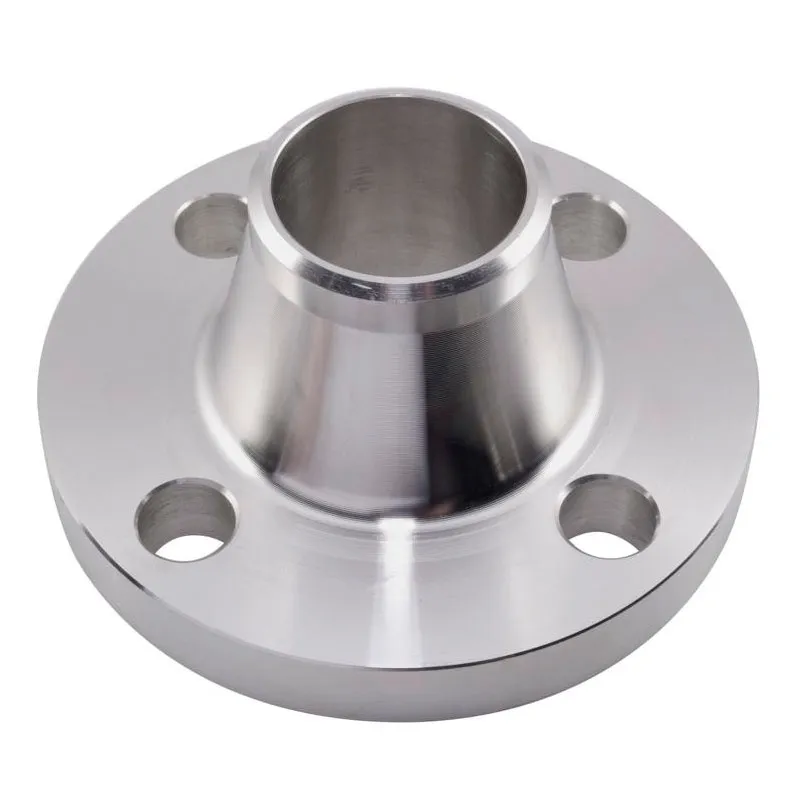 Butt weld flanges Class 900
 -
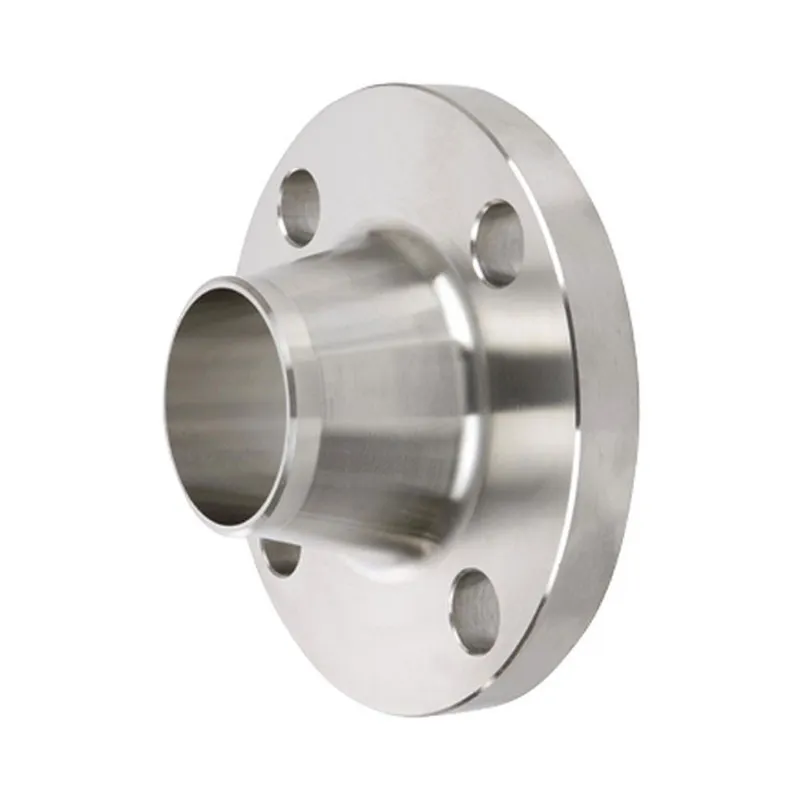 EN 1092-1 Butt weld flanges Type 11, PN25
 -
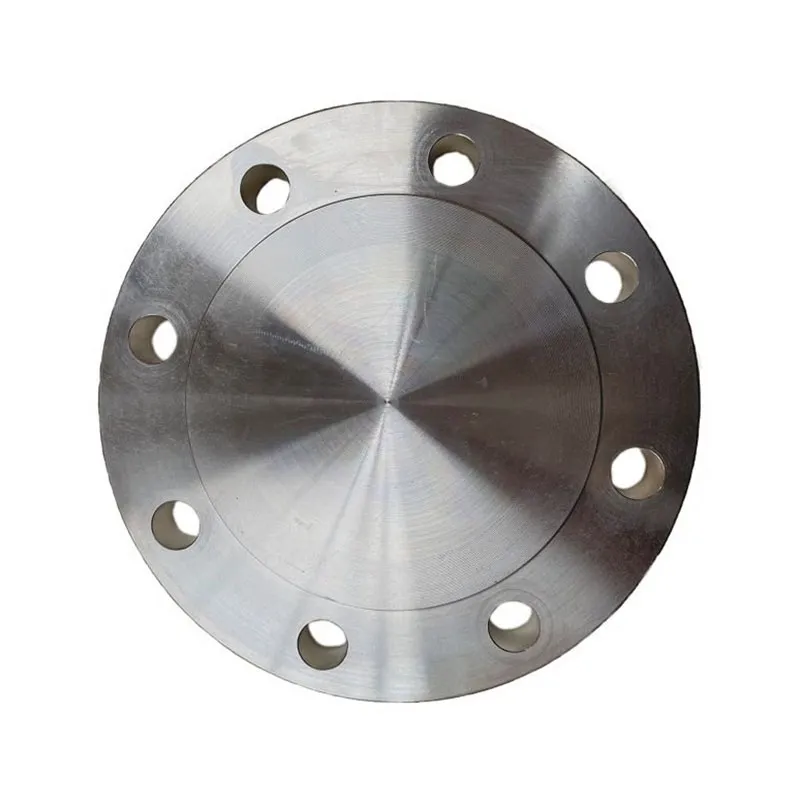 ASME B16.47 Ser.A Blind Flanges Class 400
 -
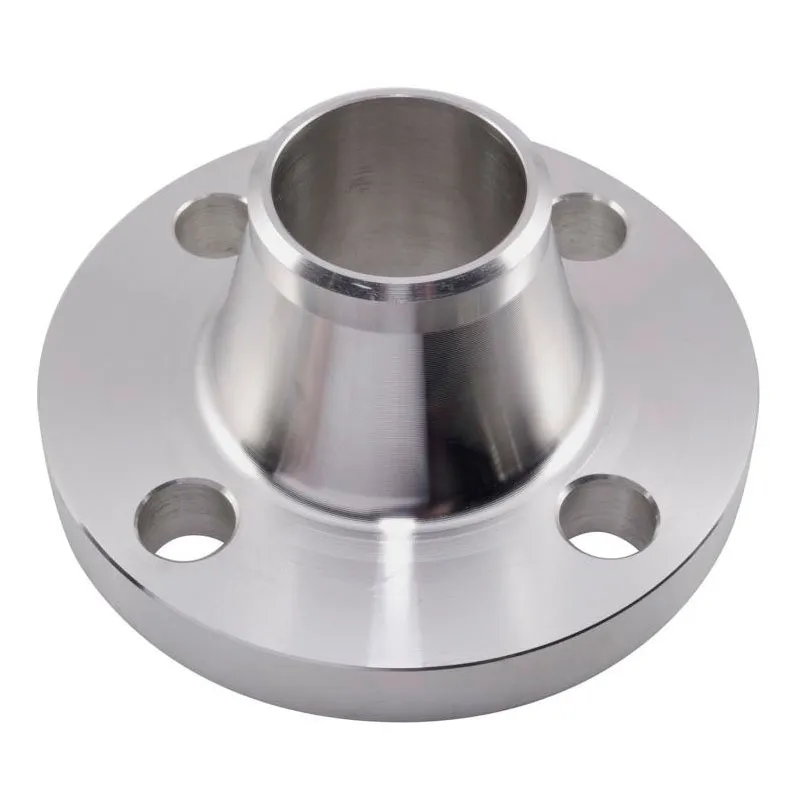 DIN Butt weld flanges PN10
 -
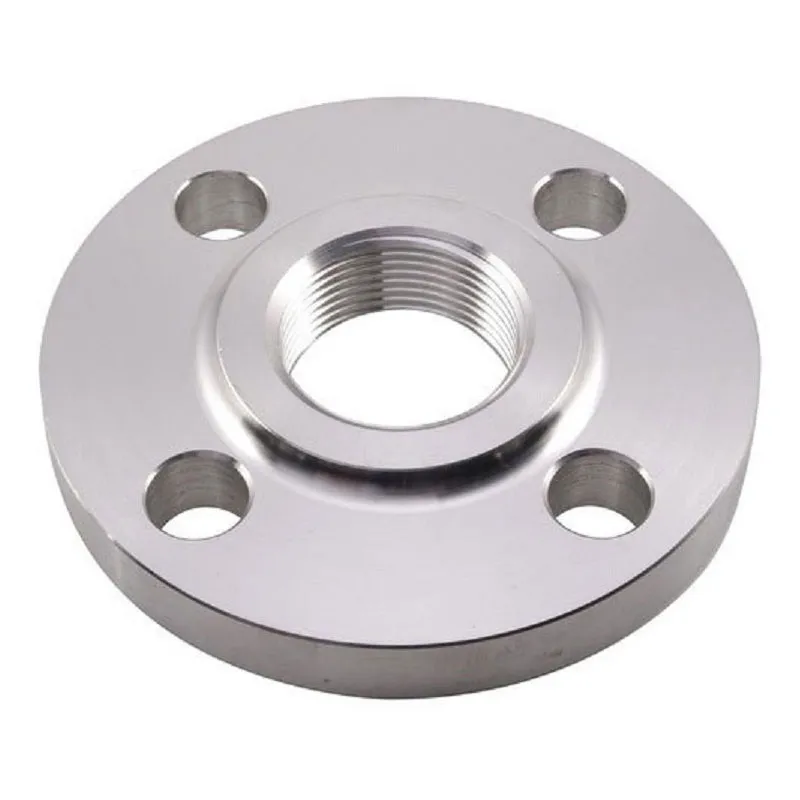 DIN 2565 Threaded flanges PN6
 -
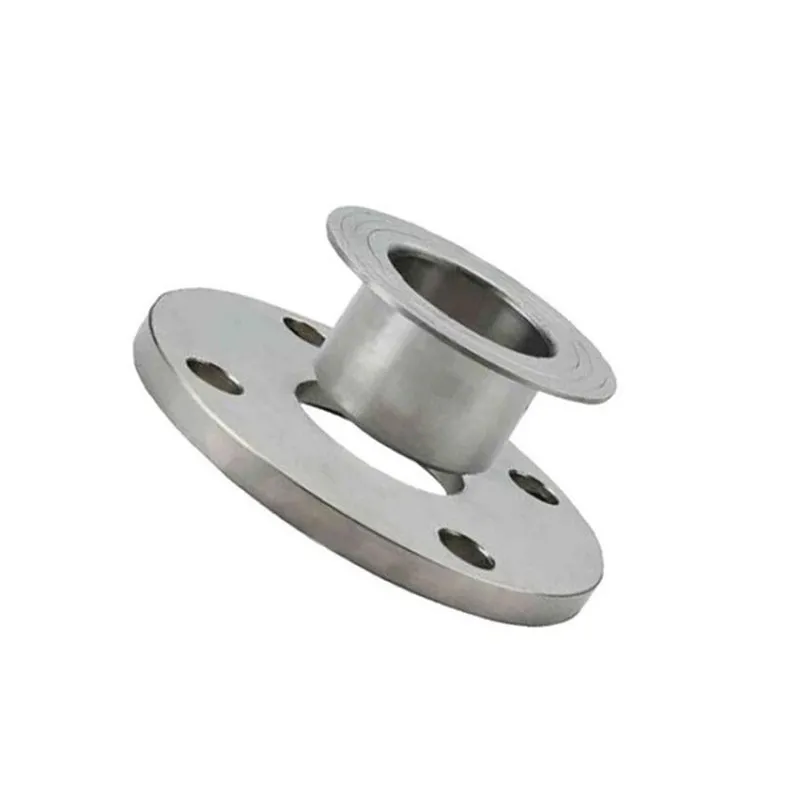 JIS 10K Loose Ring Flanges
 -
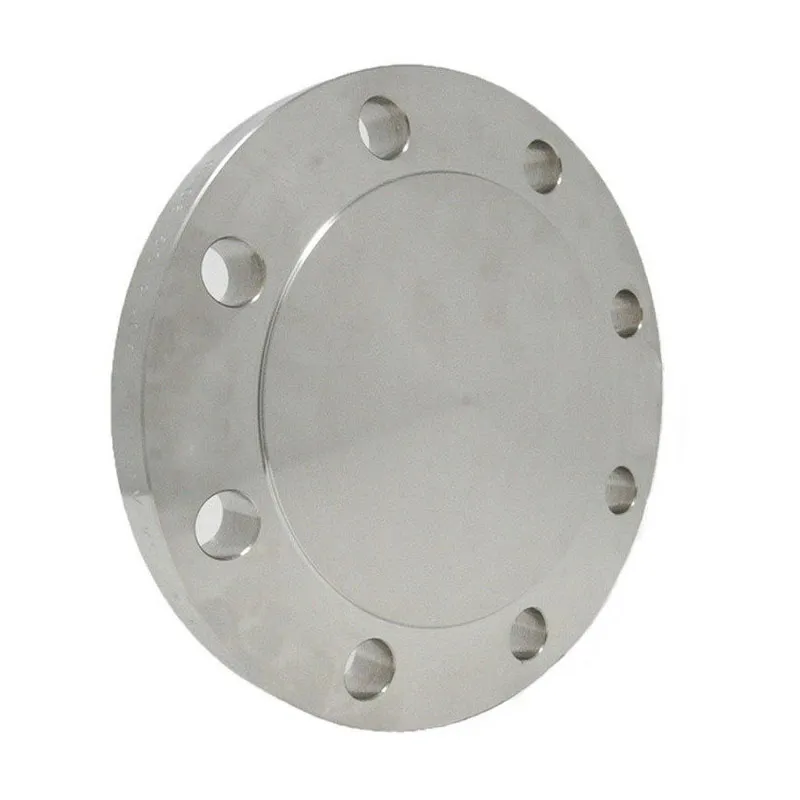 AWWA Blind Flanges Class D (Tables 1, 2, 3)