
-
-
Phone
+86-13623462298



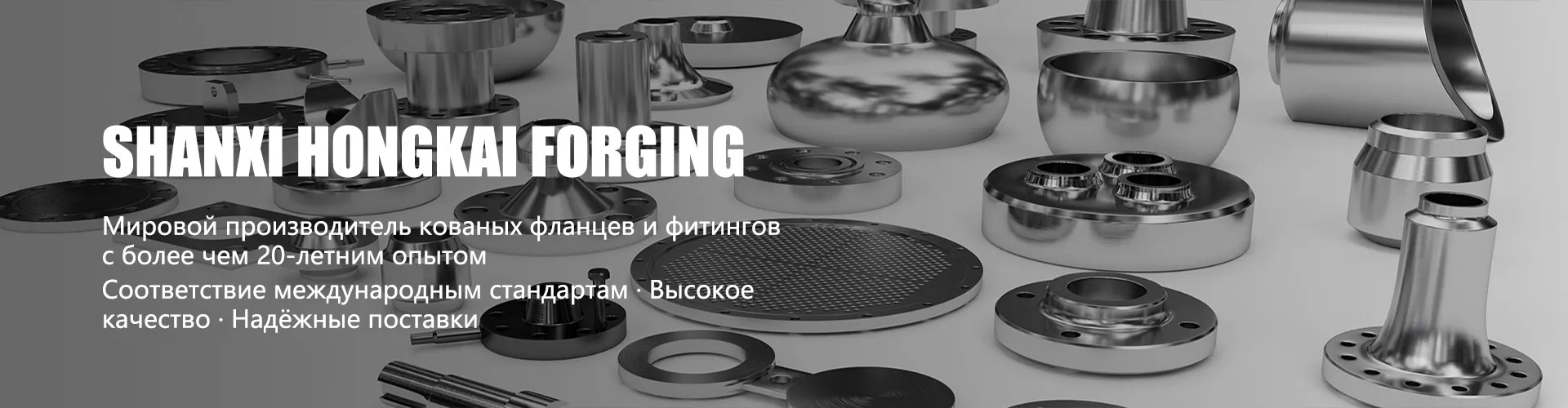
forged flanges
I’ll say right away that many, having heard “forged flanges?”, imagine just a forging from which a part was then machined. And this is the main mistake. The difference between, conventionally, stamped and preciselyforged flange- this is a difference in the structure of the metal, in the fibers. And if for conventional systems pressure can be neglected, then in chemistry and energy it is not a question of price, but of resource and safety. I went through this myself when, about ten years ago, they tried to replace forging with a cheaper option for one repair unit at a thermal power plant - as a result, after six months, cracks appeared along the body of the flange, not along the weld, but precisely in the material. I had to urgently change it to a normal forging. Since then I have approached this issue with prejudice.
Why forging? Let's look at the "anatomy" strength
To put it simply, during forging the workpiece does not simply fill the mold under pressure. It is successively deformed - stitched, rolled out, upset. As a result, the grain of the metal becomes finer, and the fibers seem to “flow around”. outline of the future flange. This is not a homogeneous mass, it is a directed structure. This is especially critical in the transition area from the hub to the skirt and in the area of the holes for the studs.
A common problem with inexperienced customers is that they look at the chemical composition and mechanical properties according to the certificate and think that everything is in order. But the certificate provides data for a sample, and not for a specific product in its most loaded section. I always ask, if the project is important, to provide not just a 3.1 certificate, but also ultrasonic testing of the flange body for delaminations and discontinuities. Especially for large diameters, from DN700 and above. I have seen cases where it seems to be forging, but ultrasonic testing shows internal defects - this means that the technology was saved somewhere, the workpiece was underheated or overheated.
Here, by the way, it’s worth turning to specialized manufacturers who work specifically on forging, and not on everything in a row. Here, for example,Shanxi Hongkai Forging Co.,Ltd(their website ishkflange.ru). They are positioned as a manufacturer specificallyforged flangesand forgings, based in one of the forging centers of China. The important thing is not that they make flanges, but that their main profile is forging. This usually means that they have the necessary equipment - hydraulic presses, heat treatment ovens, and most importantly - an understanding of how the metal behaves during the process. They declare work in accordance with GOST, ASME, EN, which is critically important for entering our market and the CIS markets.
Standards and reality: when GOST is not a panacea
We are all accustomed to demanding “made according to GOST (butt welded steel flanges)?”. And that's right. But the standard specifies geometry, tolerances, a range of pressures and temperatures. He does not prescribe in detail the forging technology for each standard size group. This is where the room for maneuver or, excuse me, for potential mistakes begins.
Let's take, for example, the productionforged flangefor conventional DN1200, Pn25. According to GOST, certain mechanical properties must be ensured. But how to achieve them? There are many options: you can take a solid piece (bloom) and sew a hole in it, and then roll it into a disk. Or you can take thick sheet metal, cut out a ring and then press it under pressure, simulating forging. The second method is cheaper and faster, but the structure of the fibers will no longer be the same, they will be “torn off”. It will work for many applications, but not for all.
Therefore, in the technical specifications, especially for the petrochemical industry, they often write not just “forging”, but “forging on a press with firmware?” or indicate a specific manufacturing technology group according to the same ASME B16.5. This cuts out artisanal methods. Previously mentioned companyShanxi Hongkai Forging Co.,Ltdin its description it indicates a range of sizes up to DN4000. To make such dimensions using the volumetric forging method, you need a serious press park. This indirectly speaks about production capabilities.
Heat treatment: that same ?secret sauce?
Forging with forging, but without proper heat treatment, is just a workpiece with unpredictable internal stresses. After forging, the flange must undergo normalization - heating and holding, followed by cooling in air. This relieves tension and aligns the structure.
There is a subtlety here. For carbon steels such as St20, 09G2S, normalization is often sufficient. And for alloyed ones, such as 15Х5М, 12Х18Н10Т, hardening and tempering are needed. And here it is important that the oven has a controlled atmosphere so that there is no decarbonization of the surface. Loss of carbon by 0.1-0.2 mm in depth dramatically reduces strength and wear resistance in the compaction zone. Once we received a batch of flanges from 13HFA, visually they were beautiful. But during installation, the gaskets began to wear out surprisingly quickly. Then, to the point of hemorrhoids, we found out that the surface was decarbonized, so we had to remove everything and send it for surfacing.
When choosing a supplier, I always ask questions not “do you do heat treatment?”, but “what kind of furnace equipment do you have, how do you control the temperature and atmosphere, do you provide heat treatment schedules?”. Normal manufacturer such asShanxi Hongkai Forging Co.,Ltd, which works with international standards, usually has these processes under control and can provide documentation.
Non-standard and logistics: where unobvious difficulties lie
Often everything goes well until it comes to a non-standard flange or an emergency replacement. Let's say you need an adapter flange from DN800 to DN600, and even with an additional tapered transition. There is a drawing. Many refuse and offer welded units. Namely, a forged part would be more reliable.
This is where production flexibility is tested. Are they able to forge a workpiece to a specific drawing, and not just turn it from a standard forging? In the descriptionhkflange.ruit is expressly stated: “non-standard products according to customer drawings?”. This is an important application. But in words everyone says so. In fact, you need to request a manufacturing process sheet specifically for your product. How will they forge? From what workpiece? How to ensure forging in the most massive places?
And the second point is the logistics of large diameters.Forged flangeat DN2000 this is already several tons. You can't just throw it in a container. We need rigid packaging, fastening, and correct positioning so that there are no point loads during transportation. Damage during transportation is a common story. We once received a flange with a crack, which was clearly caused by a blow to the end during transportation. The supplier did not admit guilt, saying they shipped it intact. Since then, we have included a clause in the contract about photo/video recording of packaging and loading.
Summary: what to look for when choosing, besides price
So, to sum it up.Forged flanges- these are not consumer goods, these are important parts. Price should not be the main criterion here. Look first at the manufacturer's technological chain.
First, the profile. A company that focuses on forging will likely do better than a general metal trader. Like the sameShanxi Hongkai Forging Co.,Ltd- from the name and description it is clear that this is their main business.
Secondly, openness in technology. Feel free to ask: ?Show me how you forge a DN300 flange? What equipment? How do you control the heating??. A good factory is proud of this and will show photos or videos of the process.
Thirdly, documentation. Certificate 3.1 according to EN 10204 is a must have. But it’s good if it is possible to obtain ultrasonic testing, hardness testing, and macrosection protocols. This indicates a serious level of control.
In general, the choiceforged flangeis always a compromise between cost, time and reliability. But in this compromise, reliability must be an absolute priority. Because the cost of replacing a burst flange in an operating pipeline is already several orders of magnitude higher than the interest saved on the purchase. Tested by bitter experience.
Correspondingproducts
Related Products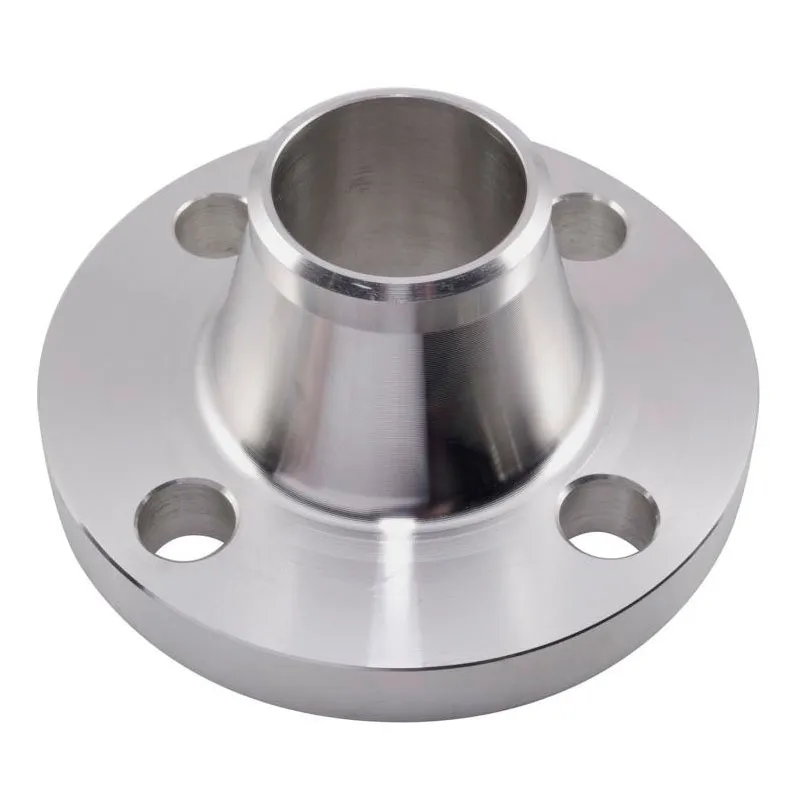
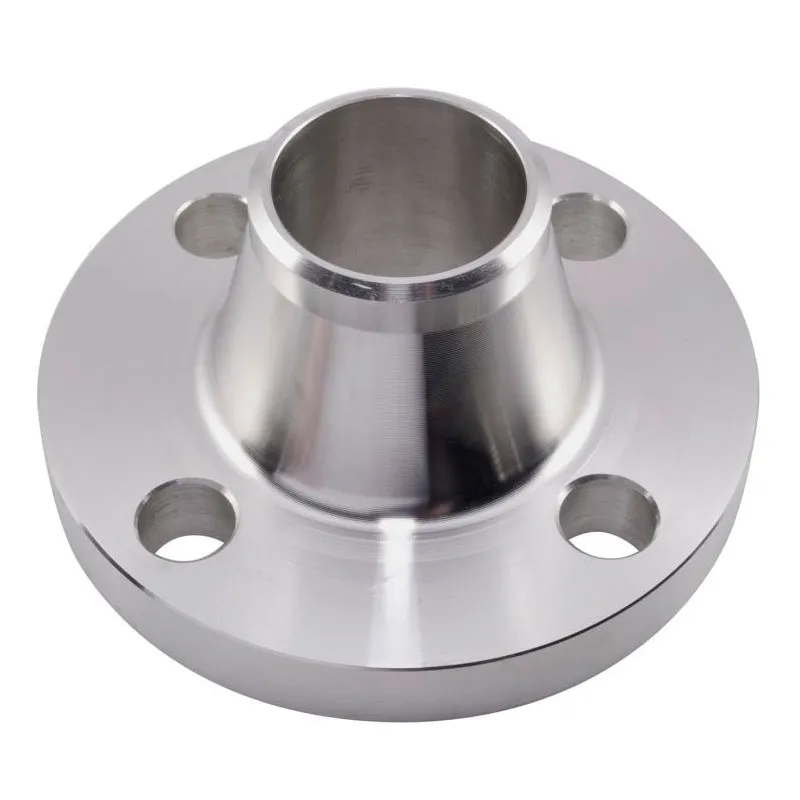
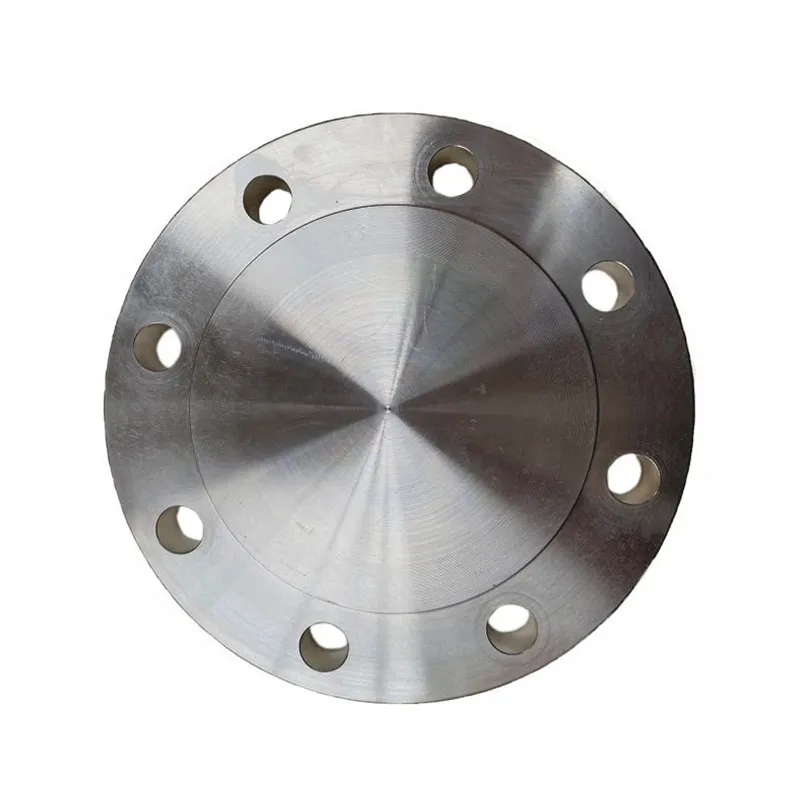
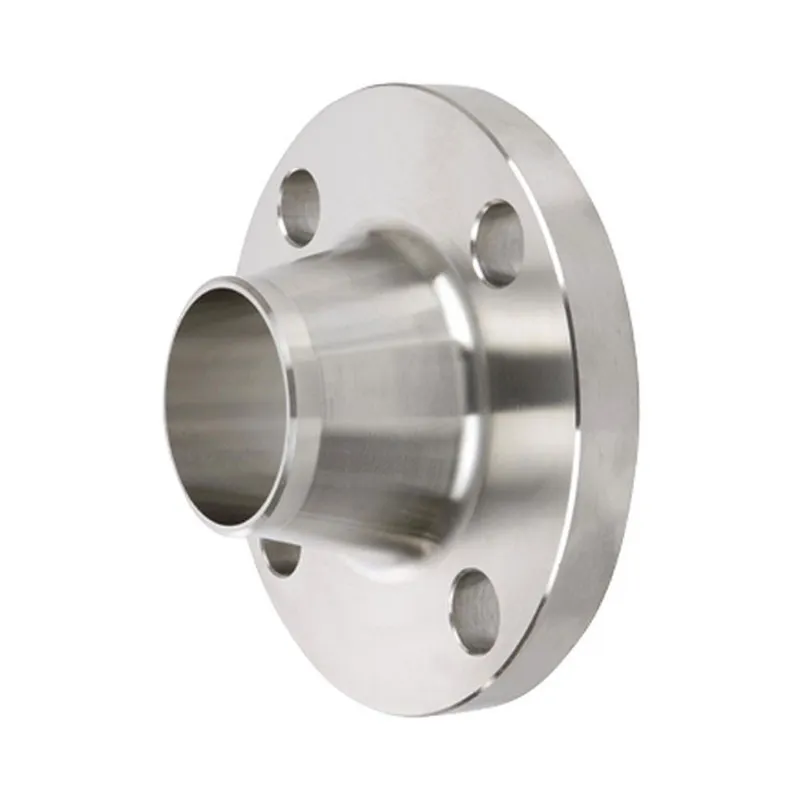
Best Sellingproducts
Best Selling Products-
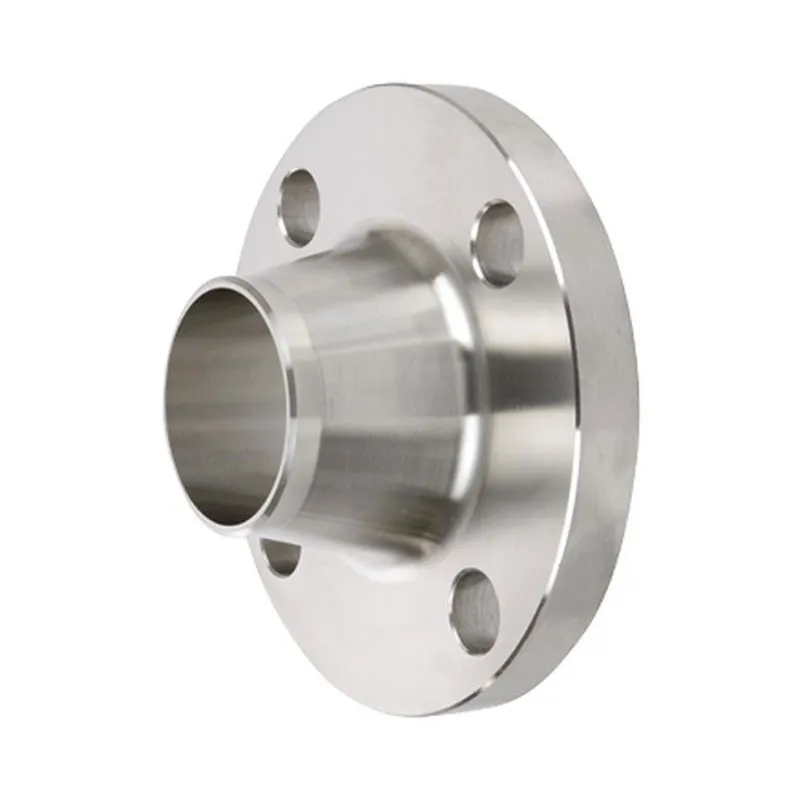 Ser.A Butt Weld Flanges Class 400
 -
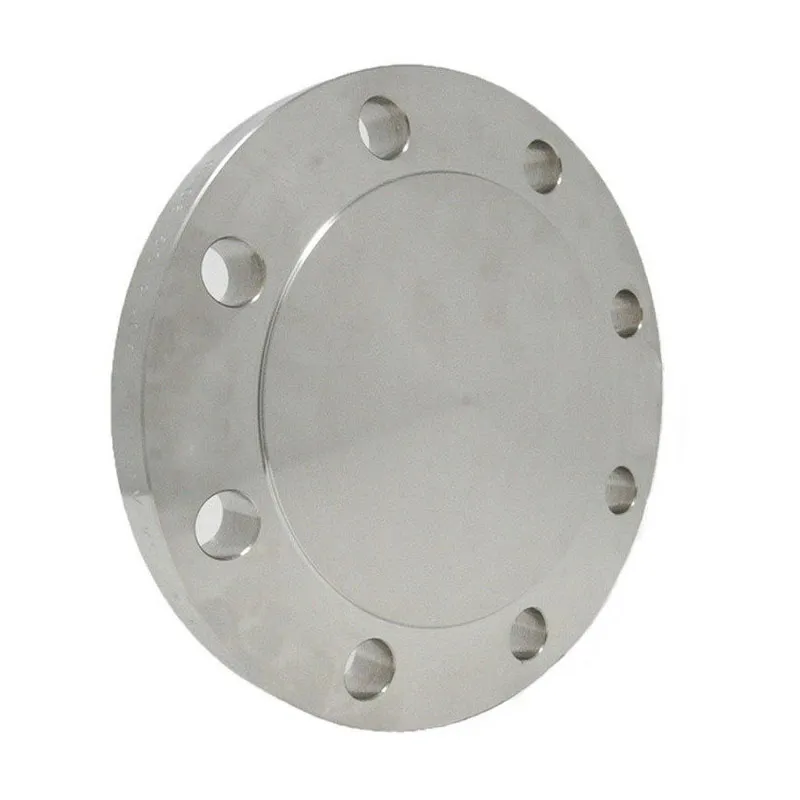
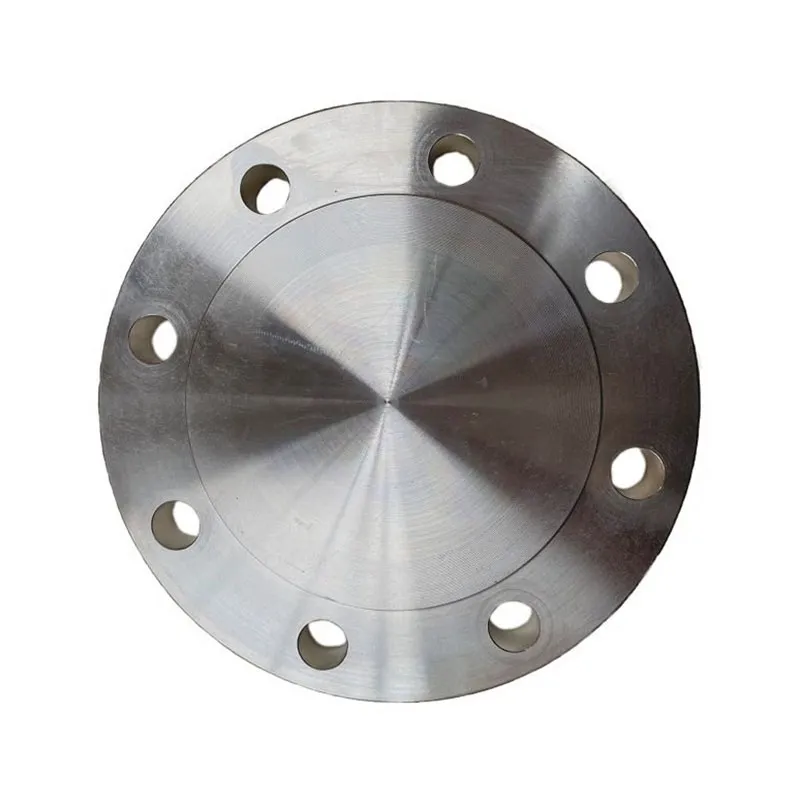 ASME B16.47 Ser.A Blind Flanges Class 400
 -
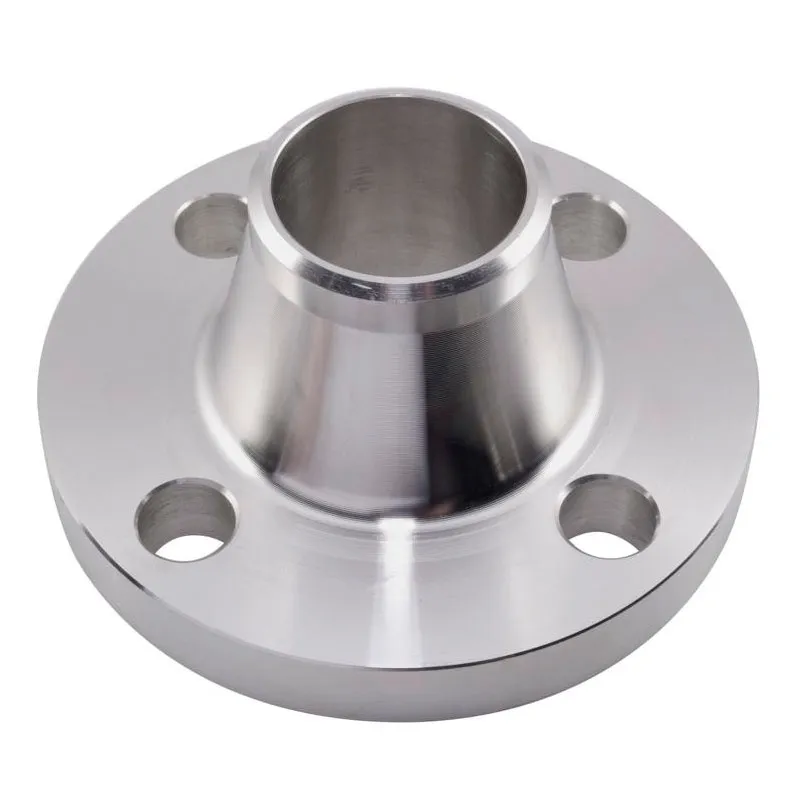 Butt weld flanges Class 900
 -
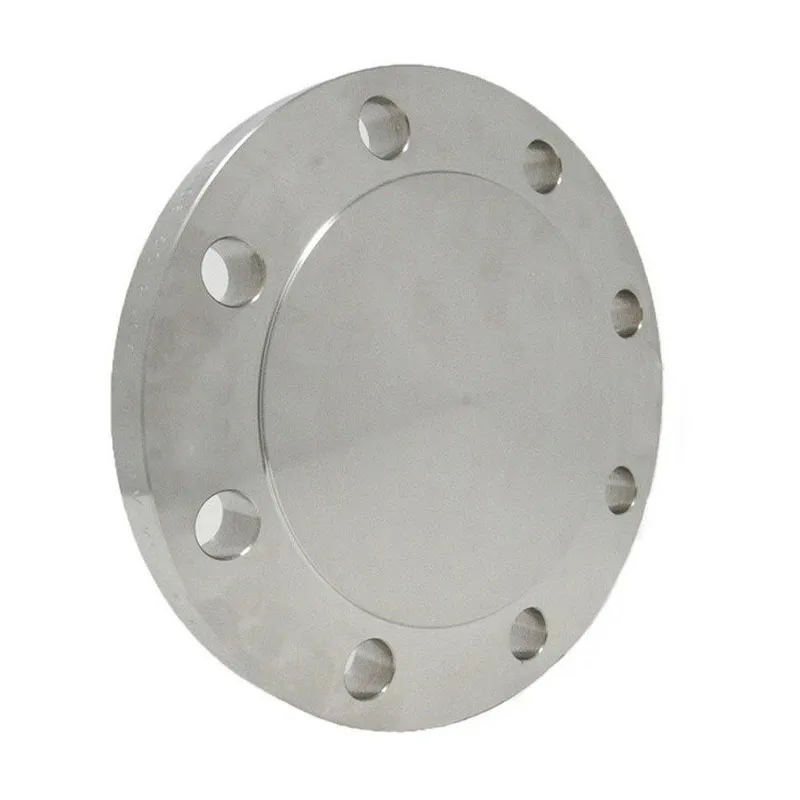 EN 1092-1 Blind flanges Type 05, PN10
 -
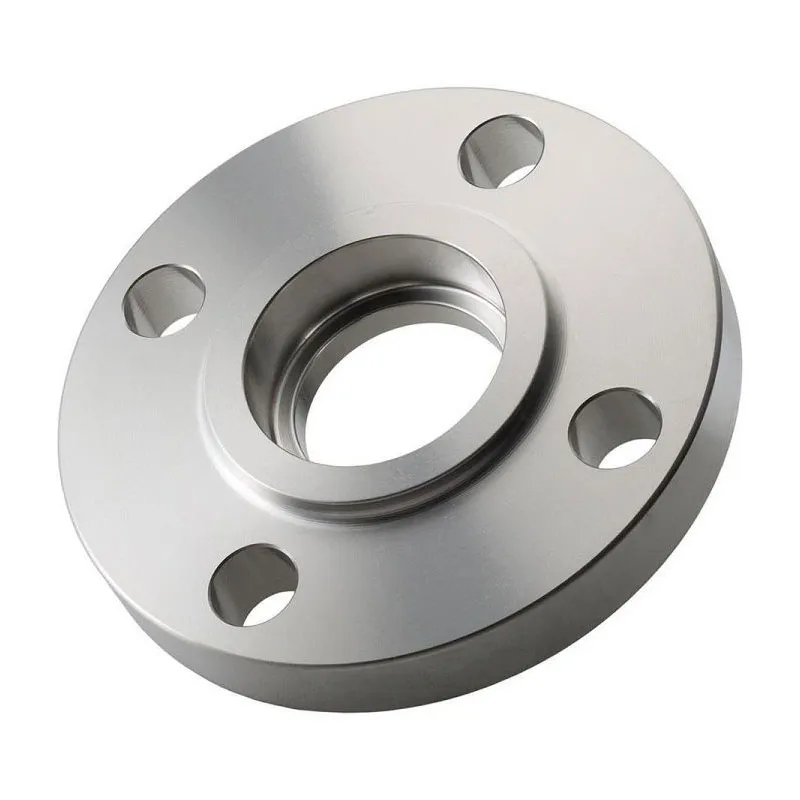 ANSI B16.5 Socket Weld Flanges Class 1500
 -
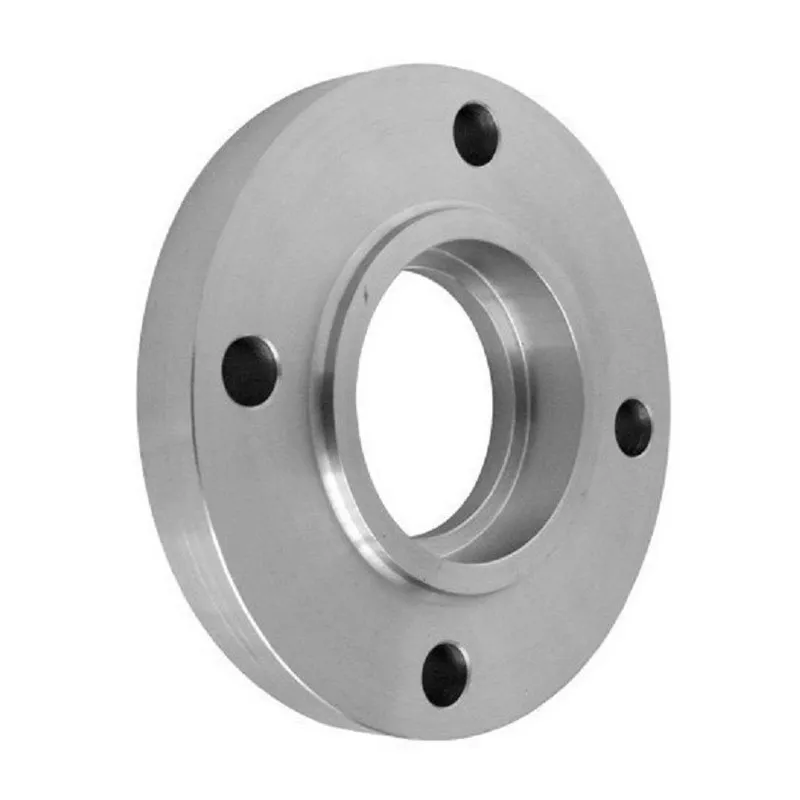 JIS 5K Socket Weld Flanges
 -
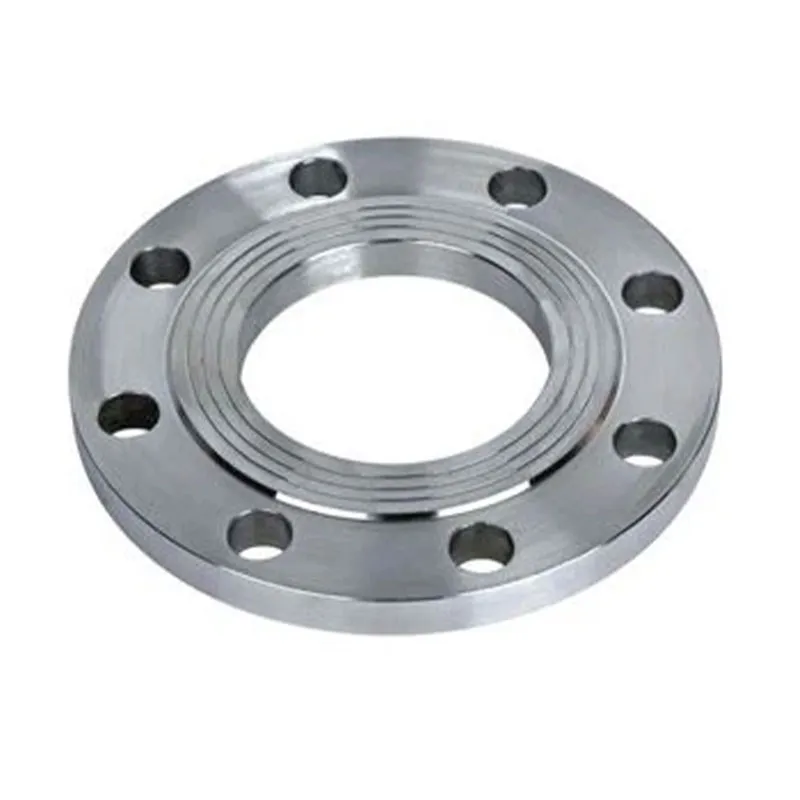 Butt weld flanges Class 150
 -
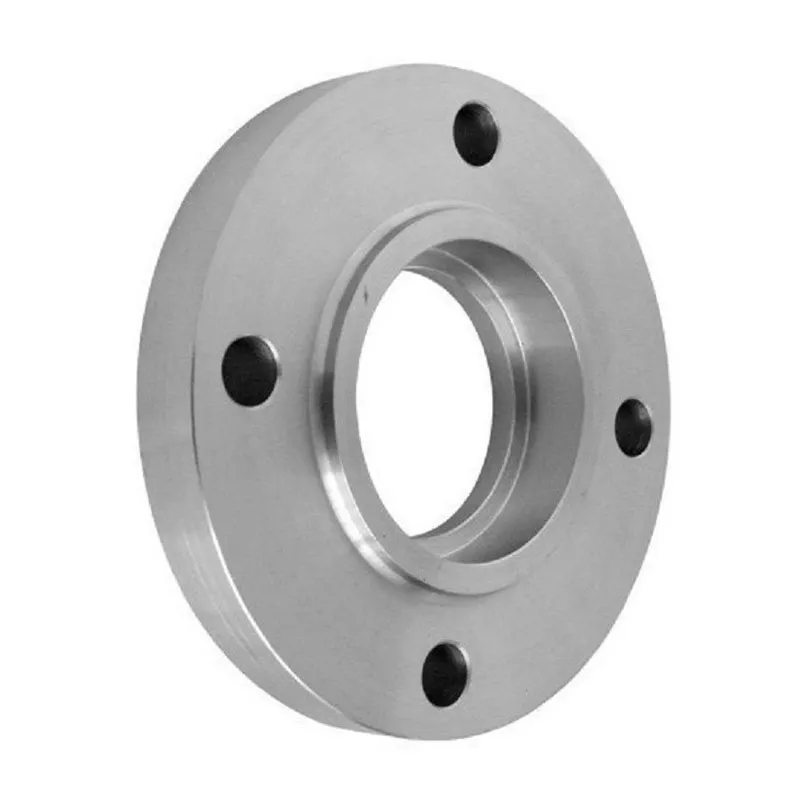 Socket Weld Flanges Class 300
 -
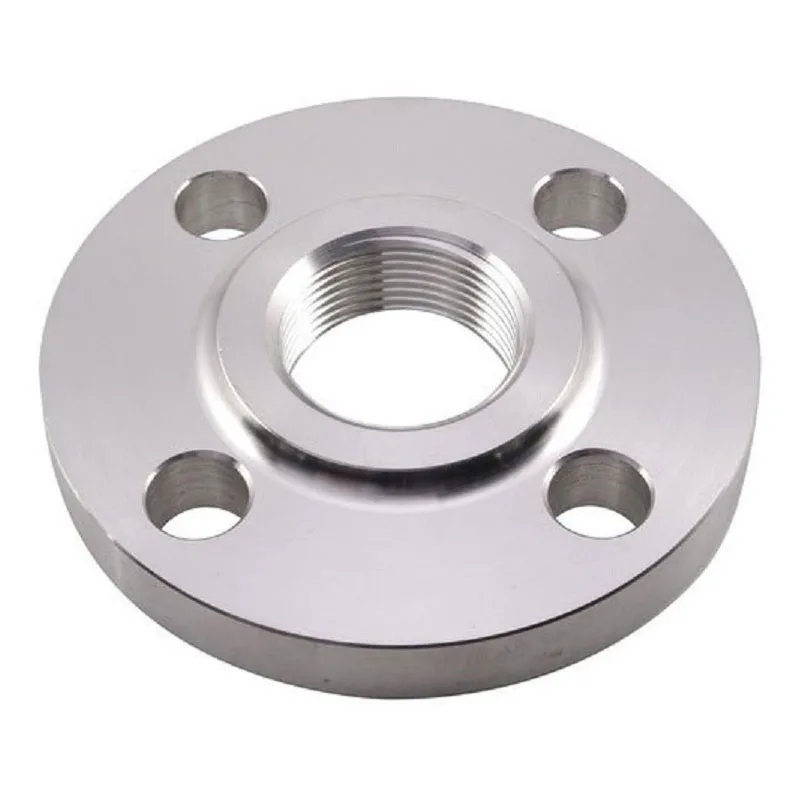 JIS 10K Threaded Flanges
 -
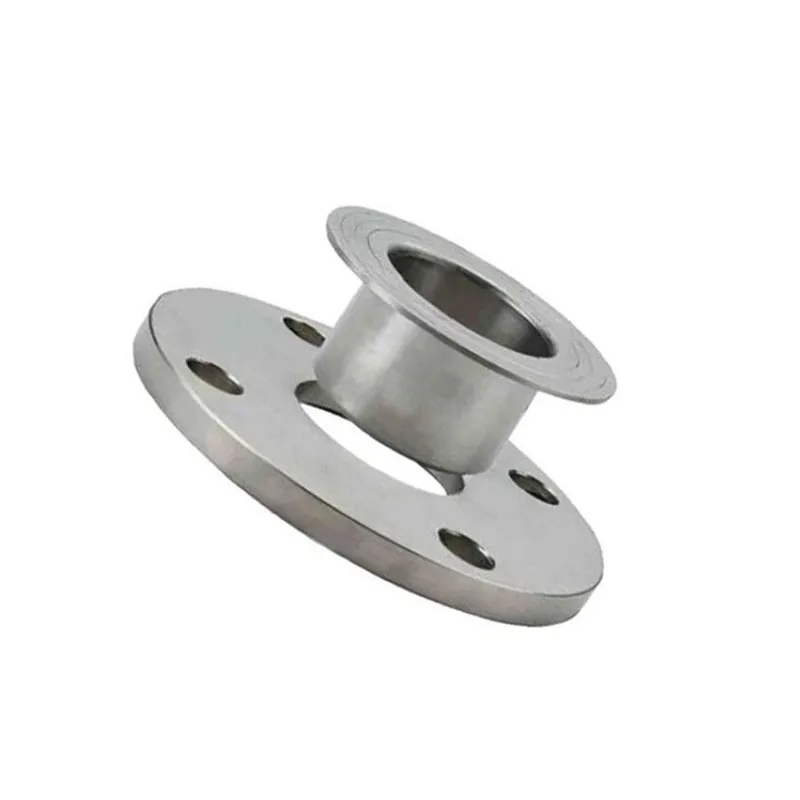 Free ring flanges Class 400
 -
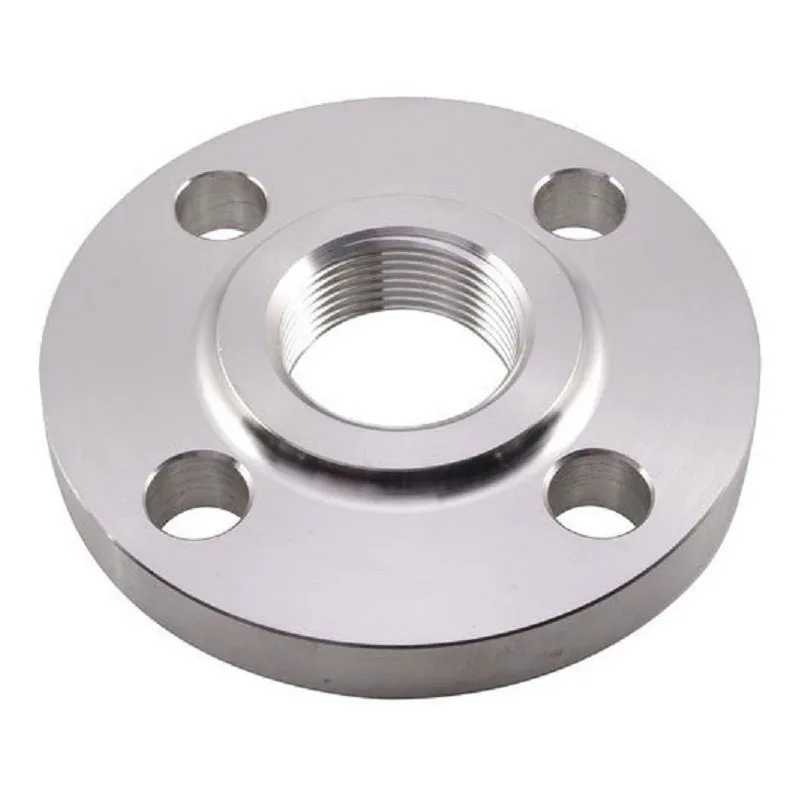 ANSI B16.5 Threaded Flanges Class 600
 -
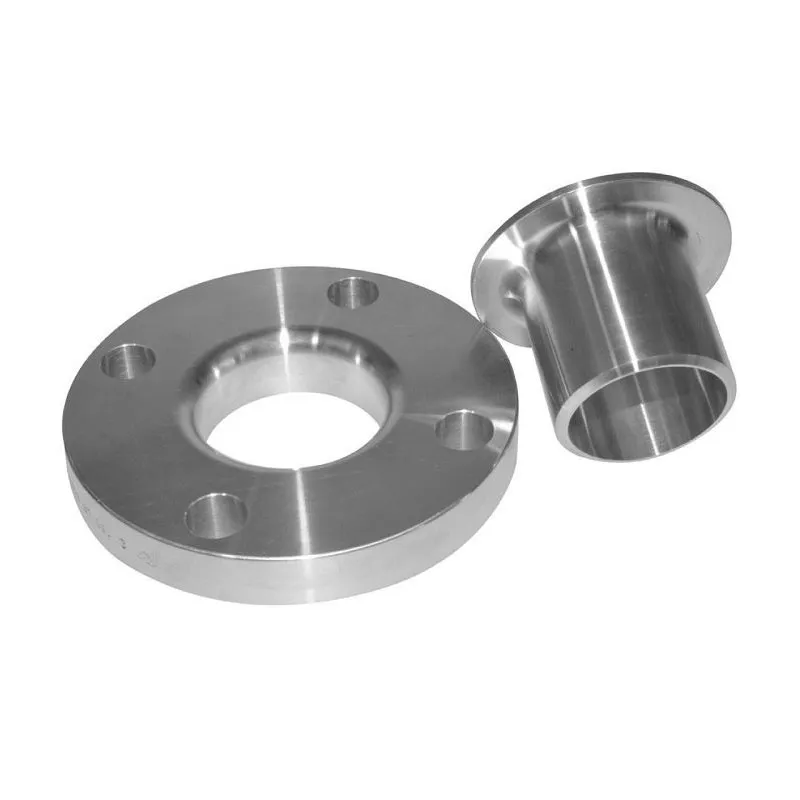 ANSI B16.5 Loose Ring Flanges Class 2500