
-
-
Phone
+86-13623462298



flange 3 100 100
Look at the request: flange? and it’s immediately clear that a person is looking for something specific, but, most likely, is a little confused in the notations. Because the regulatory documentation doesn’t say that. Most likely, this means a flange for a nominal pressure PN 10 MPa (or 100 kgf/cm2, hence, apparently, the first “100?”), with a nominal bore DN 100. And the number “3?” Perhaps this is a type reference - e.g.butt weld flangeaccording to GOST (old GOST 12821-80), which was designated as type 1, 2, etc. But in old habits they could also have “type 3”. call, although this is already rare. A common mistake is to take these numbers as a ready-made article and demand exactly “flange” from the supplier. A good supplier will clarify, but not so well - he will bring something of his own, and then there will be a mismatch at the site.
Breaking down the numbers piece by piece
Let's go in order. If this is pressure, then 100 kgf/cm2 is serious; usually forging is used for such parameters, not casting. The material should be at least steel 20 or 09G2S, but more often for reliability they go up the stairs - 12Х18Н10Т, 15Х5М, if the environment is aggressive or high-temperature. The thickness of the plate, the diameters of the bolt circle and the bolts themselves - all this changes dramatically compared to the same DN100 on Ru16. There is no time for jokes here; strength calculations are required.
In my practice, I came across when, for repairs at a thermal power plant, I had to urgently look for a similar oneflange. The specification was “Flange”. The engineers on site knew what this meant, but they handed it over to procurement as is. We, as a manufacturer, requested a drawing or at least a standard. It turned out that this is after allbutt weld flange(collar) according to GOST 12821-80 on Ru100, version 1. But according to the new GOST 33259 this is a different digital designation. This transition from old designations to new ones constantly creates confusion in the chain “customer - supplier - manufacturer”.
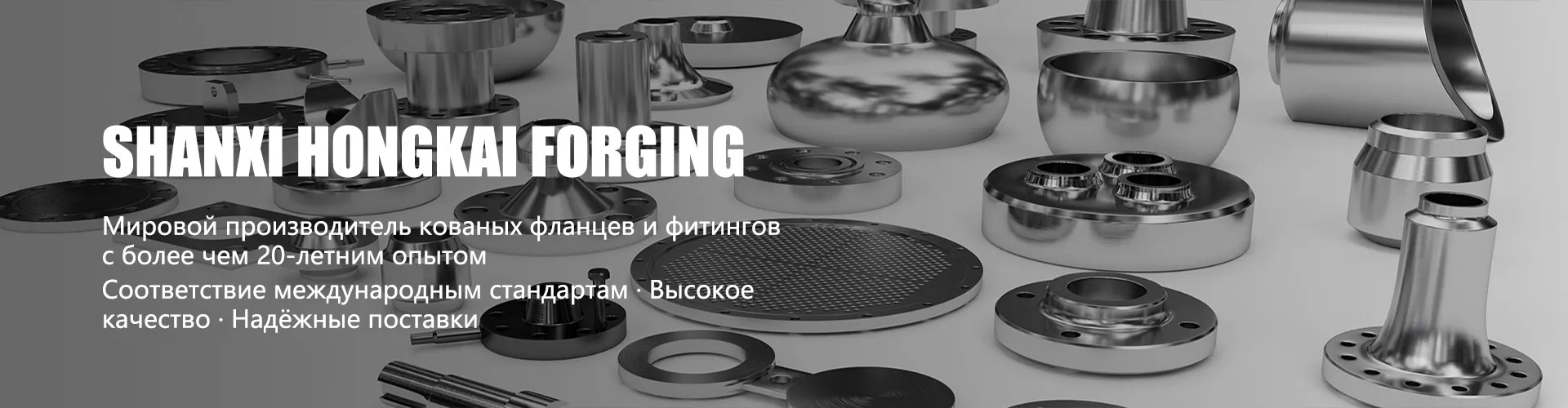
By the way, about the manufacturers. When a quality guarantee is needed for such parameters, they often look towards proven factories. For example,Shanxi Hongkai Forging Co.,Ltd(websitehttps://www.hkflange.ru) is just a profile for forged flanges and forgings. They work according to GOST, ASME, EN. For parameters such as DN100 to PN100, forging is the right choice, because it gives a homogeneous metal structure, without cavities. Especially if we are not talking about water, but about steam or technological media. On their website you can see the nomenclature - the samebutt weld flanges, flat, free, up to DN4000. But this is true, speaking of where to look for a reliable performer.
Practical rakes and how to get around them
One of the most unpleasant moments is when everything seems to come together: pressure, diameter, standard, but the connection does not take place. Why? But because they forgot about the design of the sealing surface. For Ru100, this is usually design B (tenon-groove) or B (protrusion-groove). If there is a spike on one flange, and there is also a spike on the counter flange, there is no seal. This is often missed in specifications; they simply write “flange GOST DU100 Ru100”. What kind of performance? You have to call, find out, waste time.
There was an incident during the installation of a nitric acid pipeline. We ordered flanges according to the old drawing, where it was indicated “Type 3”. They brought modern analogues, but with a sealing surface for the lens gasket. And at the site, counter flanges for oval-section gaskets had already been prepared. It didn't work out. I had to urgently look for a turner to remake one of the kits. We lost a week. Moral: always, absolutely always require or indicate not only the standard, DU and RU, but also the type of connection (design), and material, and preferably a drawing with full markings.
Another nuance is the bolts. For Ru100, high-strength bolts are needed, strength class 8.8 or higher. And their length must be precisely calculated so that after tightening the nuts extend beyond the end by 2-3 threads, but no more. Often they take bolts “with a reserve”, but then they rest against the flange structure itself or adjacent communications, and it is impossible to tighten them properly. It's a small thing, but it stops the entire assembly.
About non-standard and when you can’t do without it
It happens that the request is ?flange? there is a hidden need for something non-standard. For example, you need to switch from DN100 to DU80, but under the same high pressure. Or the flange must have non-standard holes for fasteners due to the characteristics of imported equipment. This is where manufacturers come to the rescue, working according to customer drawings, like the one mentionedShanxi Hongkai Forging Co.,Ltd. Their profile includes the production of non-standard forgings and flanges. The main thing is to provide a competent technical request.
He himself participated in the development of the drawing for the flange for the heat exchanger. The pressure was 10 MPa (the same 100), the temperature was 540°C, the material was 15X5M. Plus, it was necessary to make an additional channel for drainage in the body of the flange. Standard products were not suitable at all. Forging was done, machining was carried out under constant ultrasonic control. It was important not to disrupt the integrity of the metal fibers in the high-stress zone. It worked, but the production time, of course, was not the same as from the warehouse.
Therefore, if you see a strange combination of numbers in a request, this may be a signal that the person is trying to describe a non-standard part, but does not know how to formulate it correctly. The specialist’s task is to ask leading questions and bring real requirements to light.
The choice of material is not just ?steel?
Forflangewith parameters similar to 100x100, the material is half the success. Operating conditions dictate the choice. If it is steam, then carbon steel is 20 or 25. If there is oil with hydrogen sulfide, you need steel with increased resistance to hydrogen cracking, often with additional heat treatment. For chemistry - stainless steel type 12Х18Н10Т or AISI 316.
An error in choosing a material can lead not to immediate, but to guaranteed failure. I remember a story when a food production plant installed 20 steel flanges on a line with frequent washing with alkaline solutions. After a year and a half, red streaks began to appear and corrosion began. We had to change the entire line to stainless steel, although we initially saved money. Consider not the cost of the part, but its life cycle cost in your specific environment.
Manufacturers who focus on forgings usually have a good metallographic laboratory and can provide certificates with complete chemical analysis and mechanical properties. This is not just a piece of paper, it is insurance. When making a request, always ask for a certificate of conformity for the exact batch that will arrive.
Final thoughts: how to search and order correctly
So, if you're looking for a "flange", the first thing to do is stop and decipher what you actually need. Most likely, these are: 1) Flange type (butt weld, flat, etc.). 2) Conditional diameter of the remote control (most likely 100 mm). 3) Conditional pressure Ru (most likely 10 MPa or 100 kgf/cm2). 4) Standard (GOST, ASME). 5) Design of the sealing surface. 6) Material. 7) In case of non-standard - drawing.
Feel free to call suppliers or manufacturers and dictate these parameters. A good company likeShanxi Hongkai Forging Co.,Ltd, which positions itself as a manufacturer in one of the main forging centers in China and works according to international standards, will ask you these questions itself to avoid mistakes. Their websitehttps://www.hkflange.ruis essentially an open technical database where you can consult size ranges (DN15–DN4000) and product types.
Ultimately correctflange- this is not just a piece of iron with holes. This is a calculated, manufactured and tested unit on which the safety and uninterrupted operation of the entire system depends. Searching by mysterious numbers is a road to nowhere. Translate them into the language of standards and technical specifications. Then the result will be reliable, and the installation will take place without surprises.
Correspondingproducts
Related Products
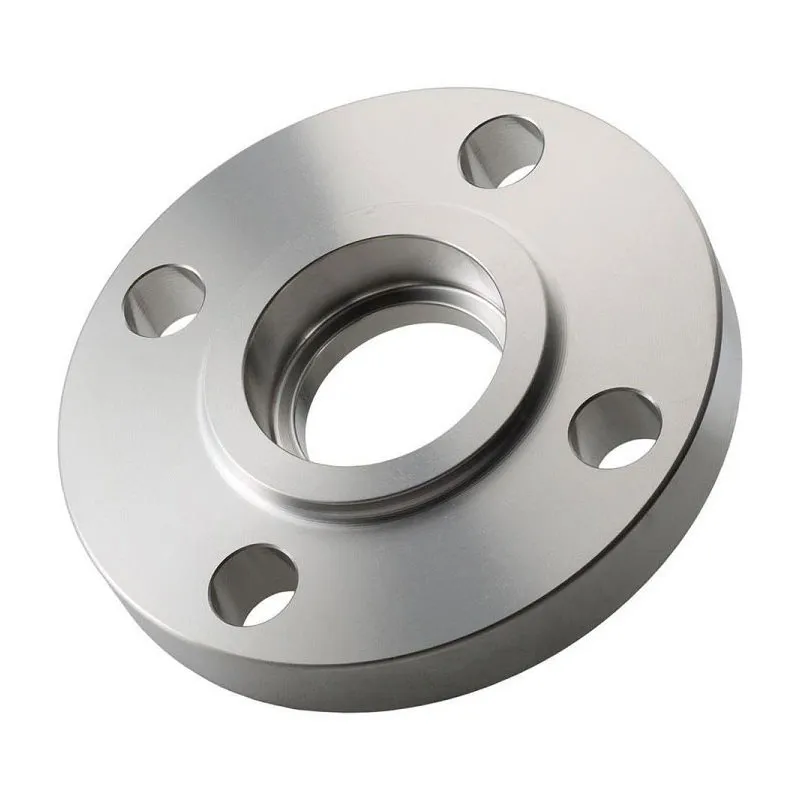
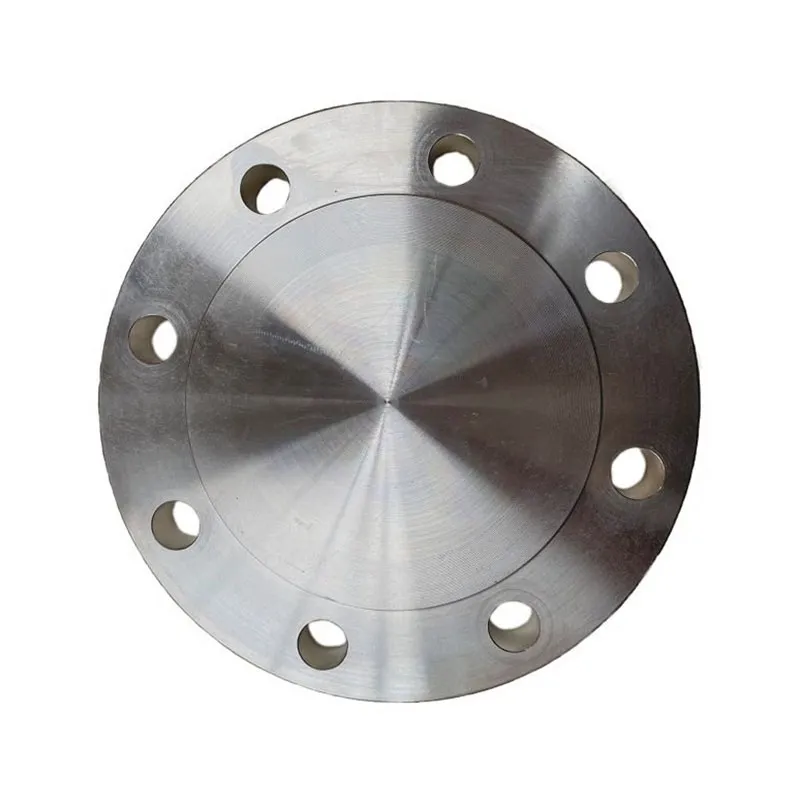
Best Sellingproducts
Best Selling Products-
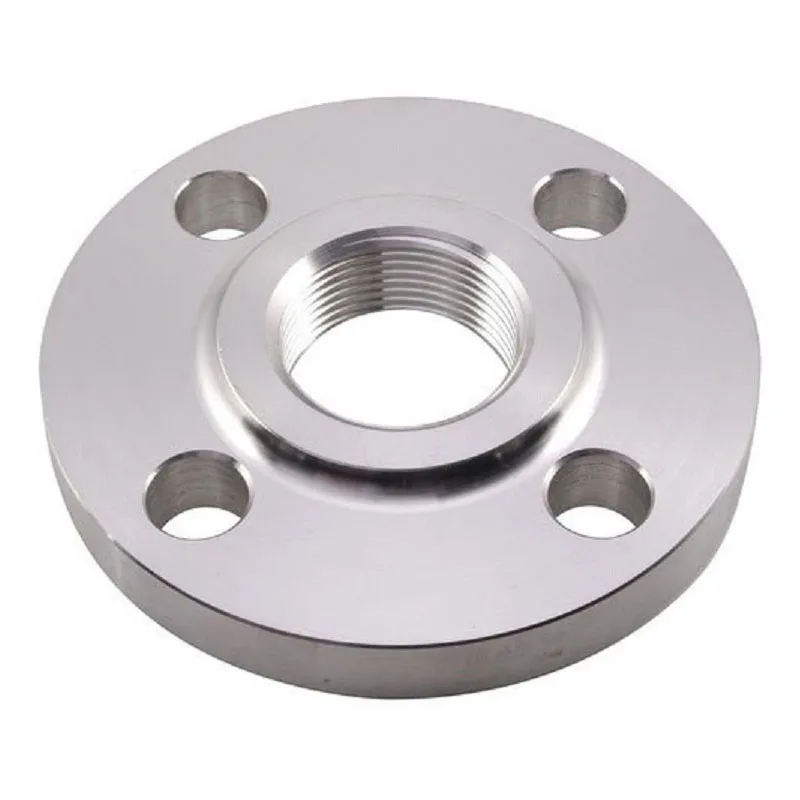 DIN 2566 Threaded flanges PN16
 -
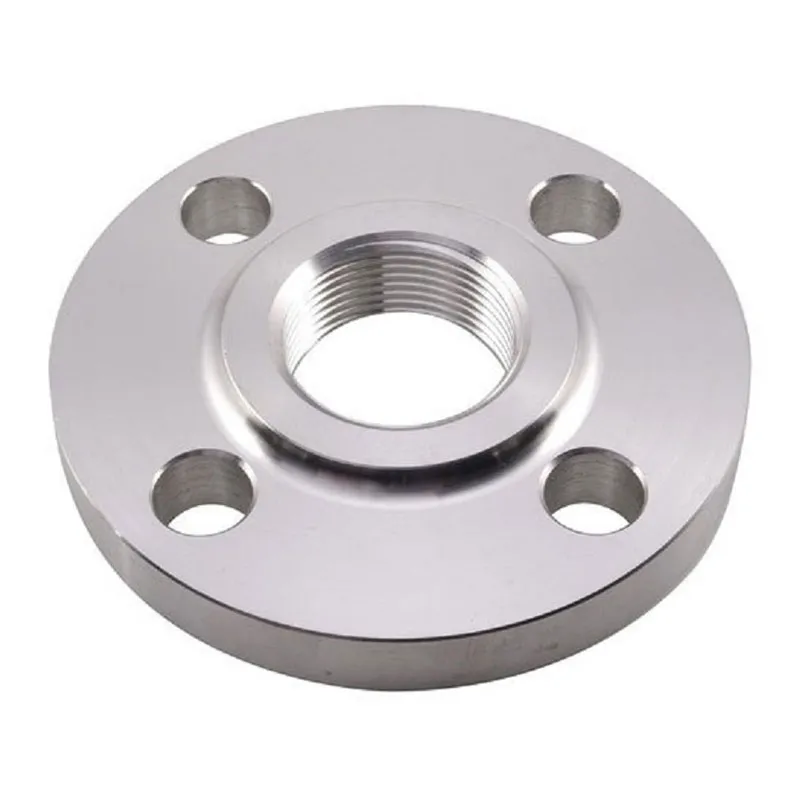 JIS 10K Overlay flanges
 -
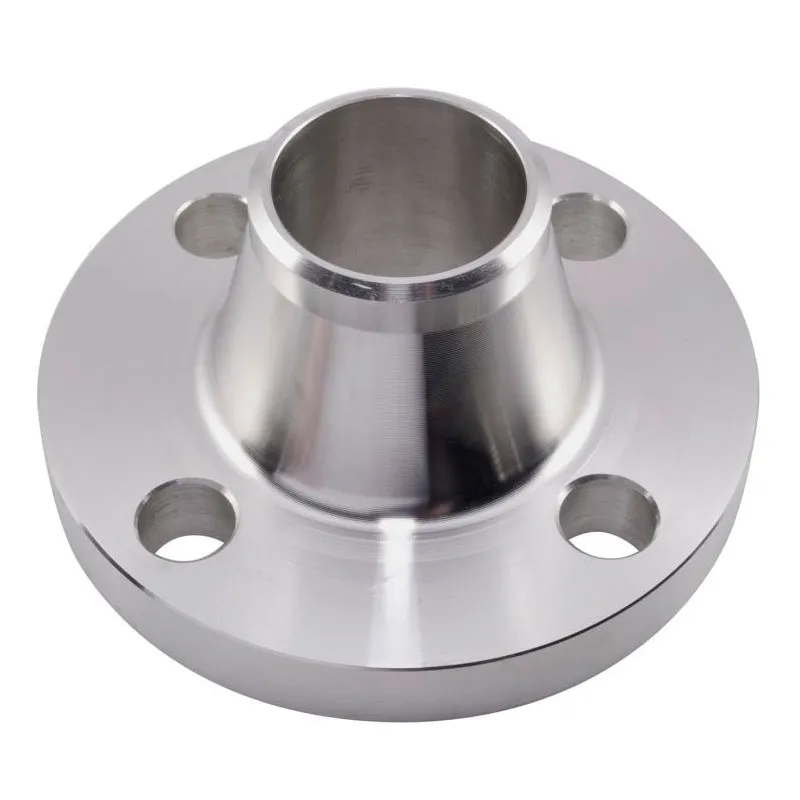 UNI 2281 Butt weld flanges PN10
 -
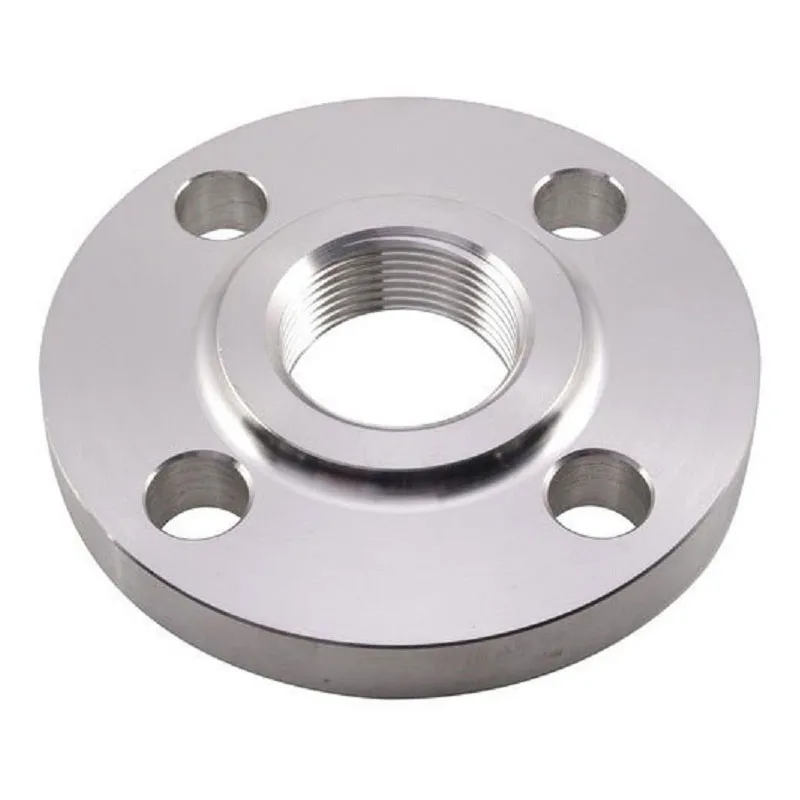 EN 1092-1 Threaded flanges Type 15, PN16
 -
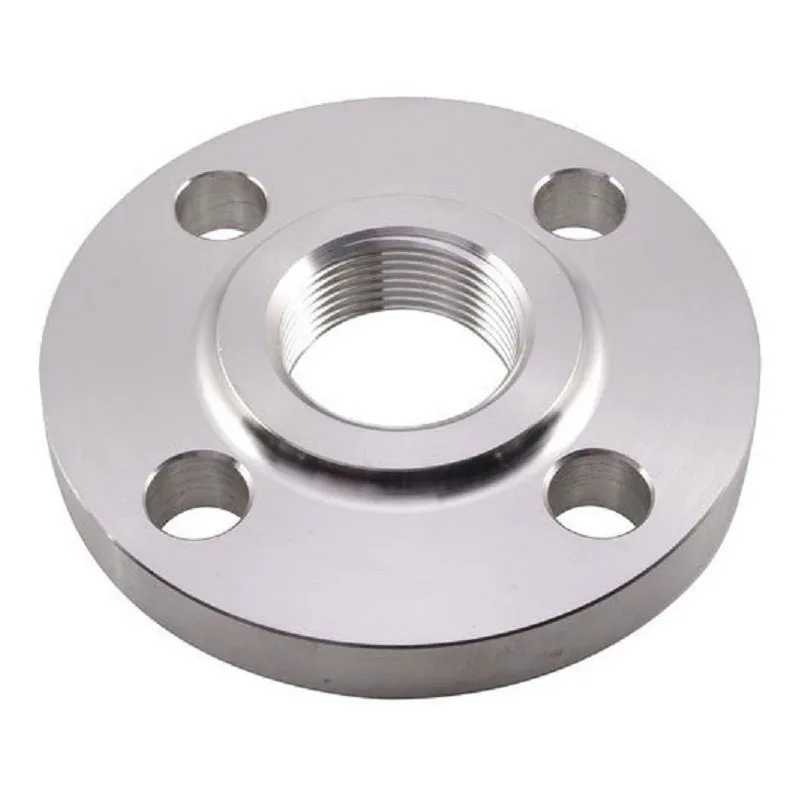 ANSI B16.5 Threaded Flanges Class 600
 -
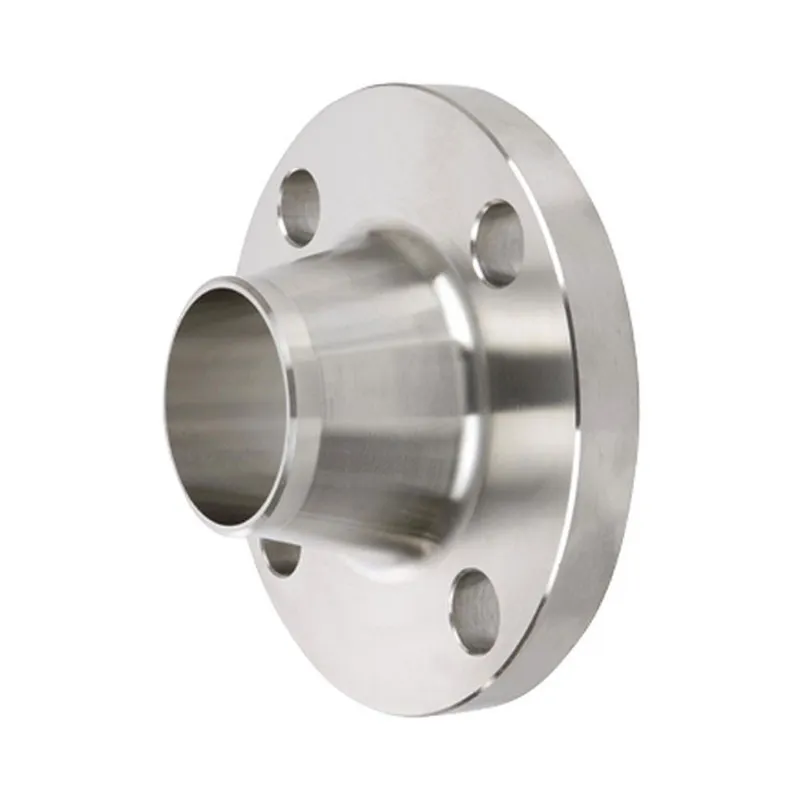 EN 1092-1 Butt weld flanges Type 11, PN25
 -
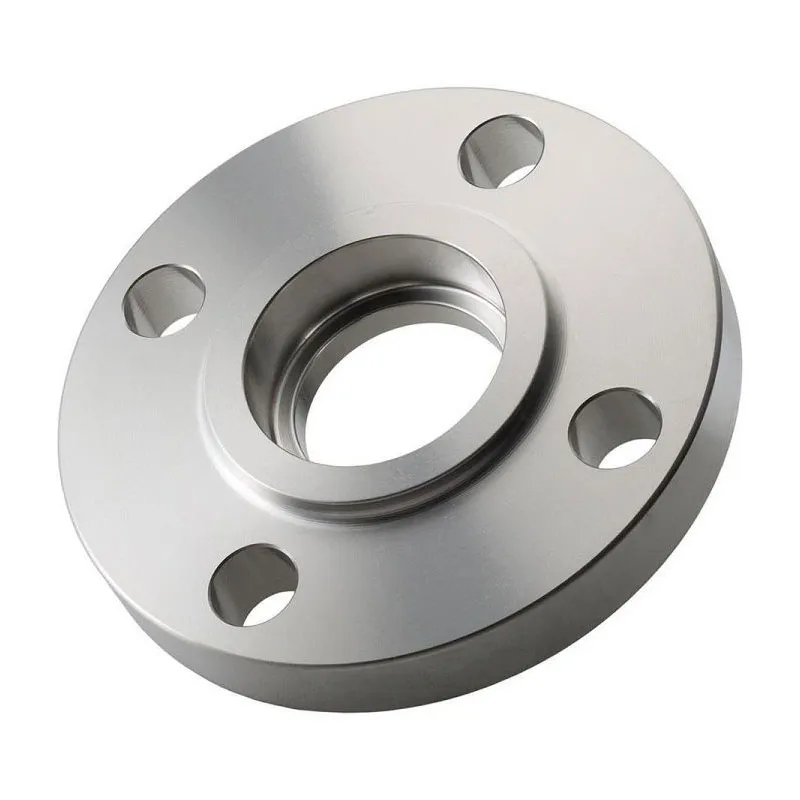 ANSI B16.5 Socket Weld Flanges Class 1500
 -
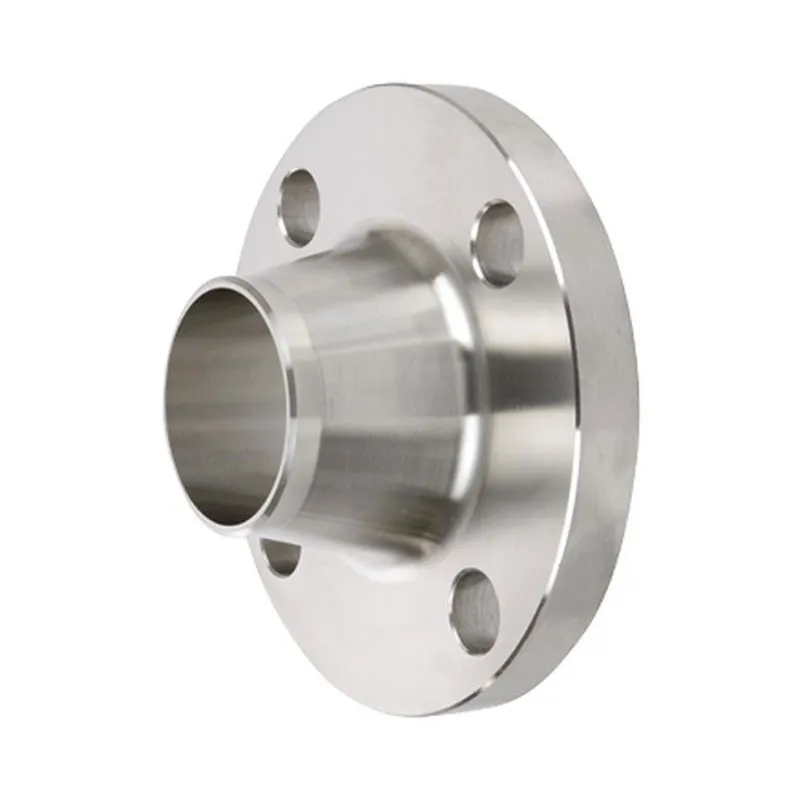 Ser.A Butt Weld Flanges Class 400
 -
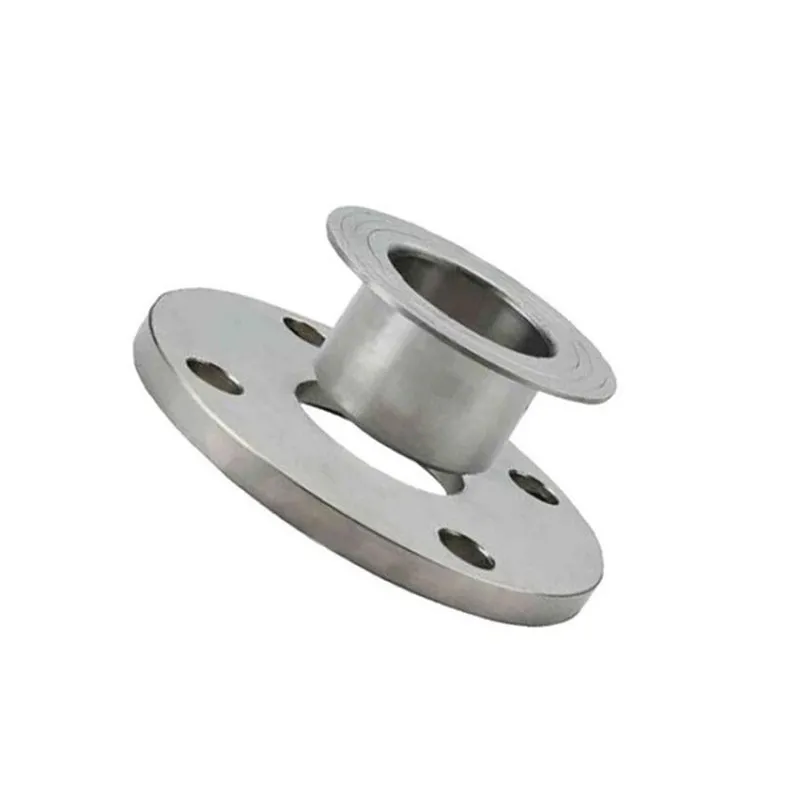 JIS 10K Loose Ring Flanges
 -
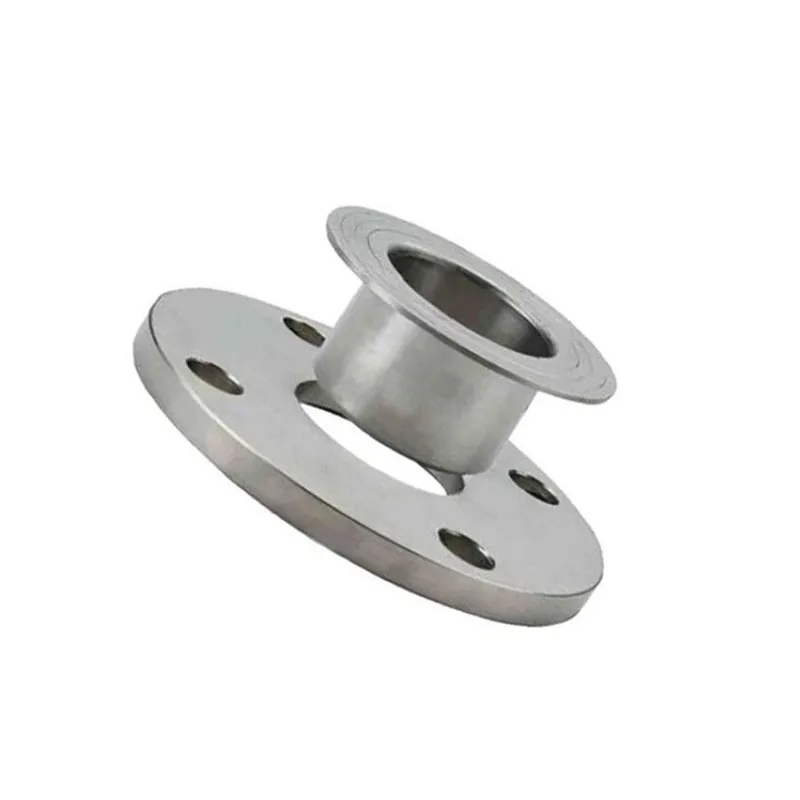 Free ring flanges Class 400
 -
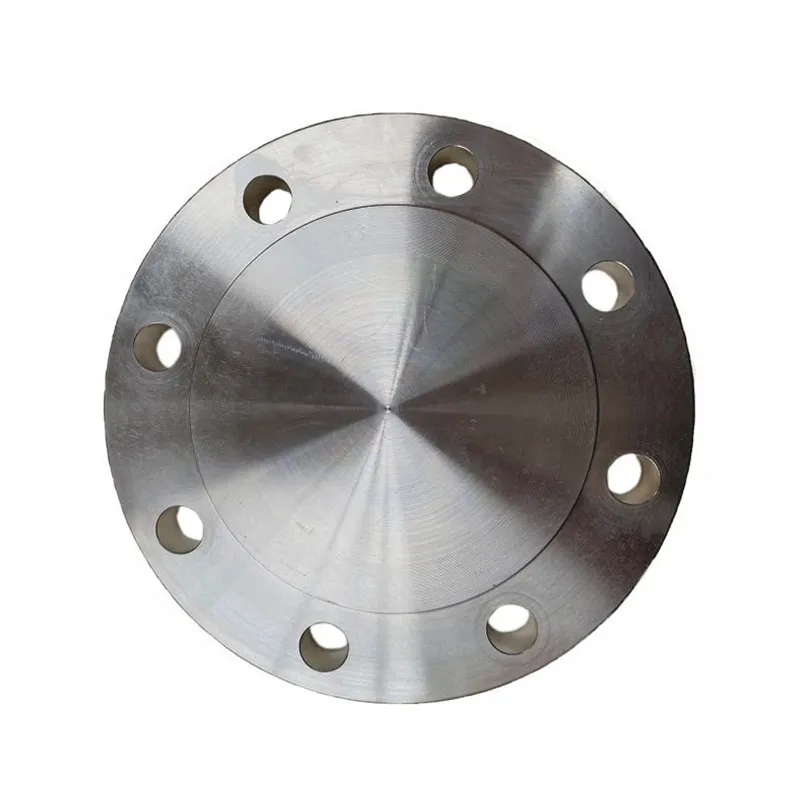 DIN 2527 Blind flanges PN10
 -
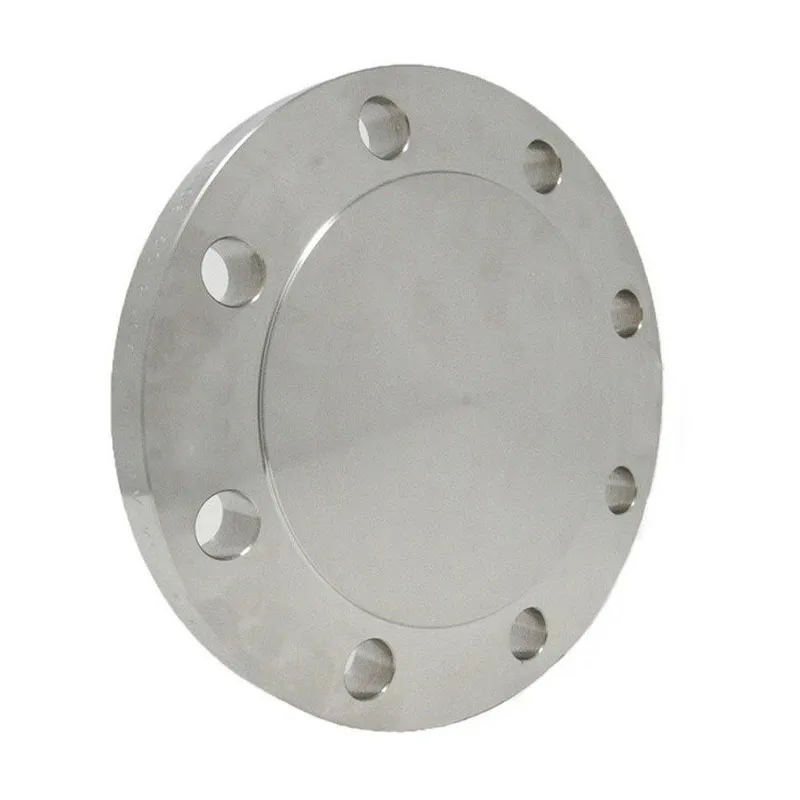 EN 1092-1 Blind flanges Type 05, PN10