
-
-
Phone
+86-13623462298



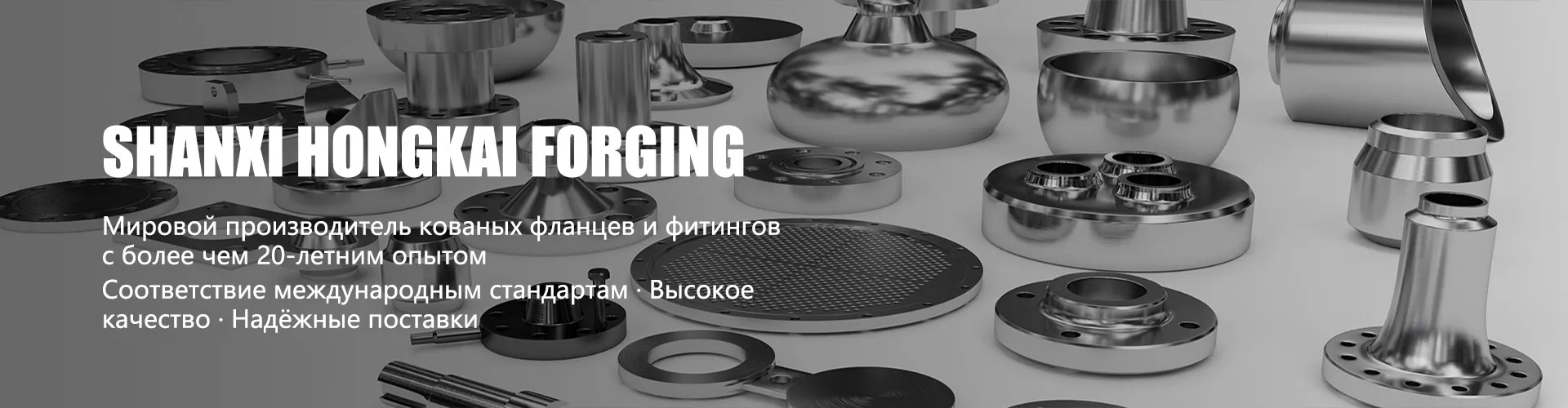
wn rf flange
When you see the “WN RF flange” in the technical specification, many, especially young designers, think - well, it’s a standard thing, a welded neck, a shaped seal, take it from the catalog and that’s it. But no. This is where a bunch of pitfalls lie, because of which hell later breaks out on site with adjustments and alterations. I went through this myself when, due to inexperience, I thought that all manufacturers made them the same way. But no - the radius of curvature of the transition from the neck to the skirt, the quality of the chamfer processing for welding, the geometry of the neck cone itself - little things that ultimately determine whether the connection will be sealed for twenty years or will leak during the first hydrotest.
What's Really Hidden Behind the Abbreviations?
WN is a welding neck. It would seem that what is so difficult here? But it is the type of neck and its taper that are critical for stress distribution. RF - raised face, protrusion for sealing. But the height of this protrusion, the roughness of the surface - according to the standards there are tolerances, but in life, with some suppliers, these parameters “walk?” Especially if you take a cheap option. I remember an incident at one thermal power plant: they installed flanges from an unverified manufacturer, seemingly according to ASME B16.5, and when tightening the gasket, the RF surface began to buckle because the material had internal stresses after poor heat treatment.
And this is where it matters who the manufacturer is. In my work, I have long relied on trusted suppliers who monitor the entire chain. For example,Shanxi Hongkai Forging Co.,Ltd. Why? They don’t just stamp parts, they actually forge them, which is essential for critical flanges. Forging gives better metal structure, especially in the transition area from the neck to the skirt. I went to their website -https://www.hkflange.ru— you can see that the profile is narrow: forged flanges and forgings, and this is good. When a plant does not scatter everything, but deals deeply with its segment, the quality is usually more stable.
Their claim that they work according to GOST, ASME, EN and other standards is not just a line in the description. In practice, this means that they have equipment and technological maps for different standards. For the same WN RF flange, the difference between, say, DIN EN 1092-1 and ASME B16.5 is in the dimensions of the chamfers, the height of the protrusion, and tolerances. If a manufacturer does both, and has been doing it for a long time, it means there is no confusion on the shop floor, and he understands these nuances at the technologist level.
Where are the most common mistakes made when ordering and receiving?
The first mistake is to order only by nominal diameter and pressure. Let's say DN150 PN40. But for WN RF it is still necessary to clearly indicate the standard and material. Because the same standard size according to ASME and according to GOST means different dimensions and different installation dimensions. I had a project where I had to redo the estimate, because initially the flanges were laid according to Russian standards, and the equipment came with European connections. I had to urgently look for a manufacturer who would make transitional options. Now I would immediately look towards such universal manufacturers as the mentioned Hunkai.
The second mistake is not checking the certificates and especially the results of mechanical tests specifically for the batch. Especially for responsible lines. A forged flange is not a casting; its properties must be confirmed. On the same siteShanxi Hongkai Forging Co.,LtdIt is directly stated that they manufacture products according to international standards - this usually includes a full package of documents. But this must always be requested and verified, and not rely on a word.
The third step, after acceptance, is visual control and measurements. Take a caliper and a micrometer. We check not only the outer diameter and thickness, but also, which is critical for RF, the height and roughness of the sealing surface, as well as the alignment of the holes for the studs. It happened that we received a batch where the holes were shifted by half a millimeter - and the entire assembly stuck together.
About non-standard situations and large diameters
Standard sizes are one thing. But in reality, there is often a need for large diameters or non-standard materials. Their nomenclature states a range right up to DN4000. With such dimensions, the story is separate - it’s not just forging, but a question of press power and subsequent machining. I worked with similar giants on pipeline fittings - the main thing was that there were no internal defects in the forging and that the geometry was preserved after processing.
Forflange WN RFfor large diameters, it is the forging that is critical, not the welding of the petals. Because a weld is always a risk area for fatigue stress. Forging gives solidity. If a manufacturer, like Hongkai, is located in one of the forging centers of China, they usually have access to the appropriate equipment and, importantly, experience in handling such orders. This is not a case where you can turn to the first person you come across.
Non-standard products according to drawings are also an important point. Sometimes a standard flange is not suitable due to cramped installation conditions or special loads. The plant’s ability to work with individual drawings indicates the flexibility of production and the presence of competent engineers who can calculate the manufacturability of production.
Personal experience with materials and corrosion
Worked at a facility with an aggressive environment. We needed flanges made of AISI 316L stainless steel. We ordered from one supplier, everything seemed to be according to the standard. But after six months, pinpoint corrosion appeared on the RF surface. The reason is the material. It turned out that the supplier saved money and used steel with deviations in molybdenum content. After this, I always require not only a certificate of compliance with the standard, but also a spectral analysis protocol for the batch. Manufacturers who value their reputation, as a rule, provide such documents without problems. Judging by the description, a serious manufacturer should be doing this.
Another point - coatings. Carbon steel flanges sometimes require an anti-corrosion coating. It is important that it is not applied to the RF sealing surface, otherwise the seal will be compromised. The technological plant knows this and covers these surfaces before processing.
Here I return again to the issue of specialization. When a company focuses on forgings and flanges, it typically has expertise in materials ranging from carbon steels to alloys and stainless alloys. This can be seen from the assortment.
Final Thoughts: What to Look for Today
So, to summarize my sometimes bitter experience.WN RF flange- this is not a commodity product. This is a critical detail. When choosing a supplier, I now look in depth: 1) Technology (forging is preferable), 2) Range of standards (shows understanding of the market), 3) Ability to make non-standard and large sizes (shows capacity), 4) Transparency with documentation and testing.
Manufacturers such asShanxi Hongkai Forging Co.,Ltd(information about them can be found athkflange.ru), in this sense come into focus precisely because their description coincides with these criteria: forging, a wide range of standards (GOST, ASME, EN, DIN, etc.), dimensions up to DN4000 and work according to drawings. This is not a 100% guarantee, but it is a serious claim. In any case, the final verdict is always made by practice - inspection, measurements, testing of a specific batch. But it’s worth starting your search with those who claim such a profile.
The main thing is not to skimp on this unit. The cost of a flange is a trifle compared to the cost of replacing it on an already installed line or, God forbid, the consequences of a leak. It’s better to check once and take it from someone who makes this their main specialization.
Correspondingproducts
Related Products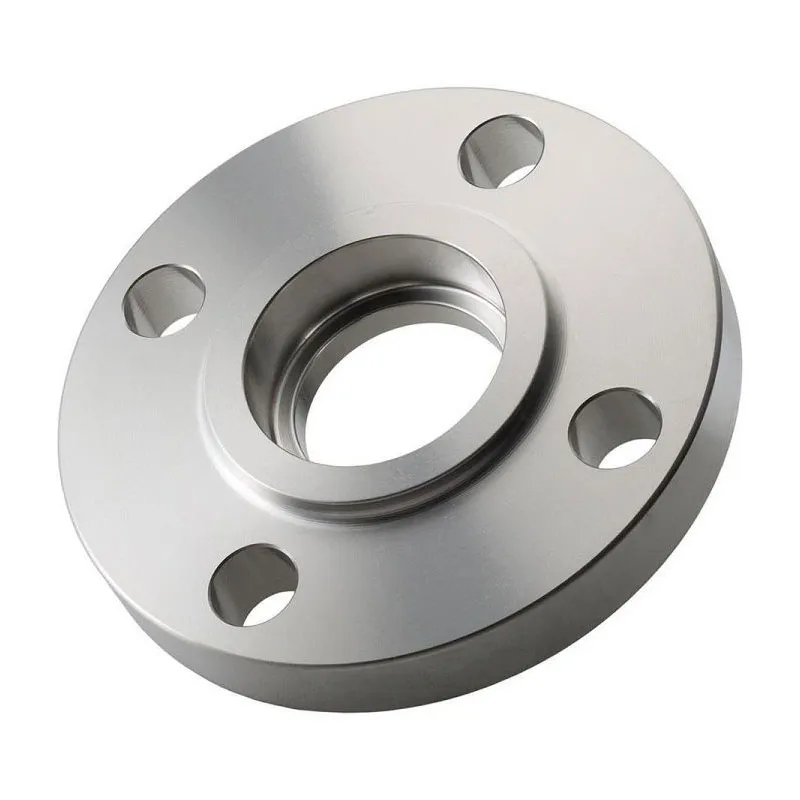
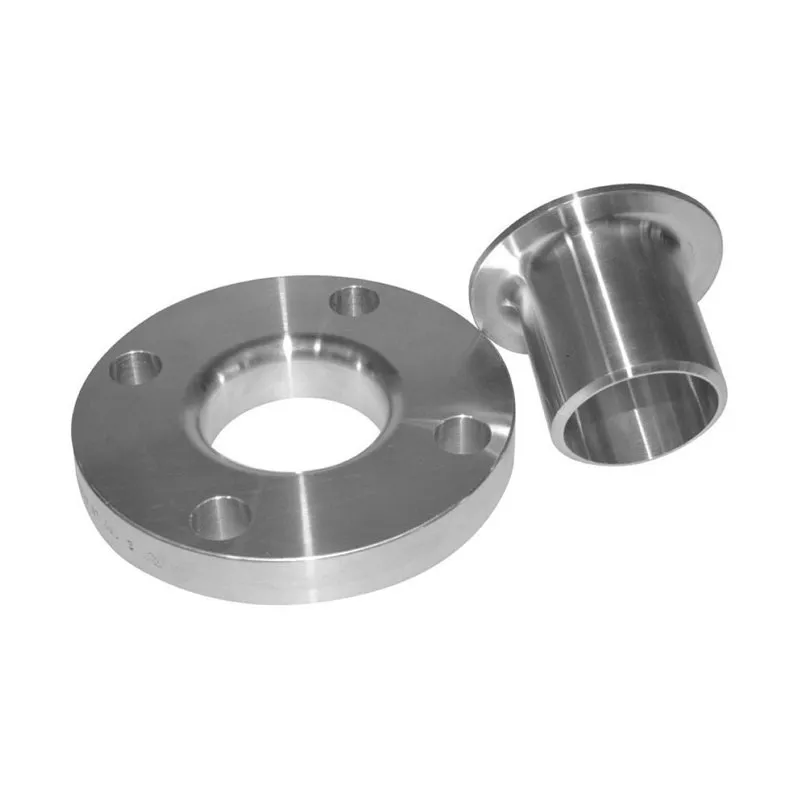
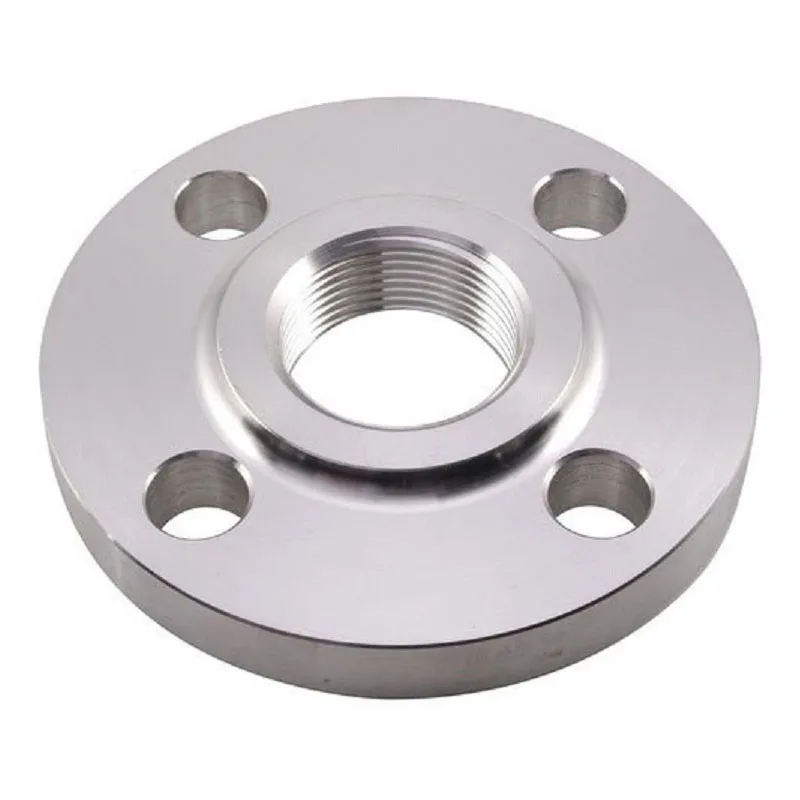
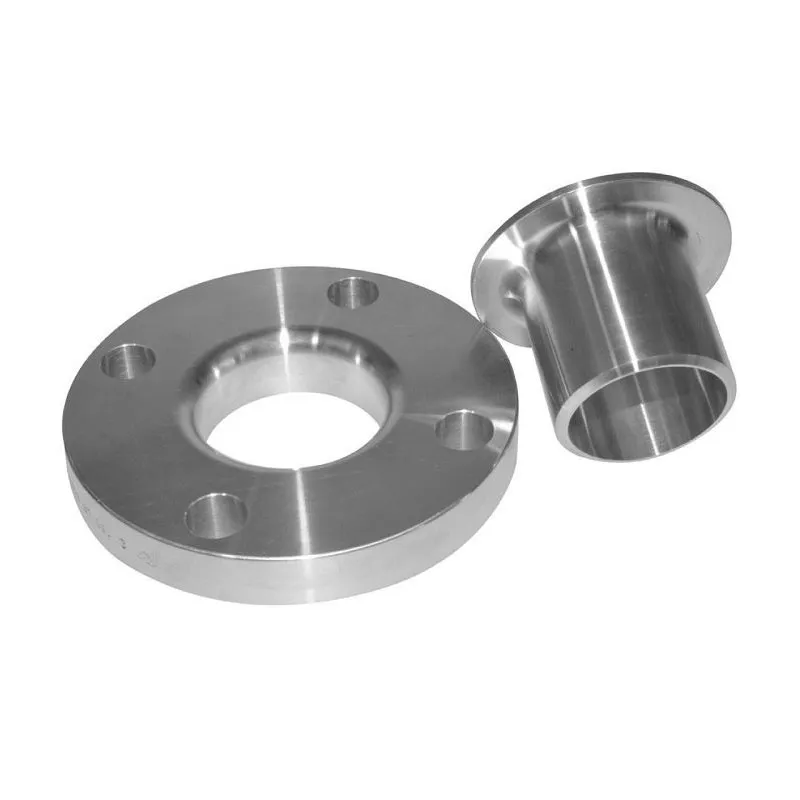
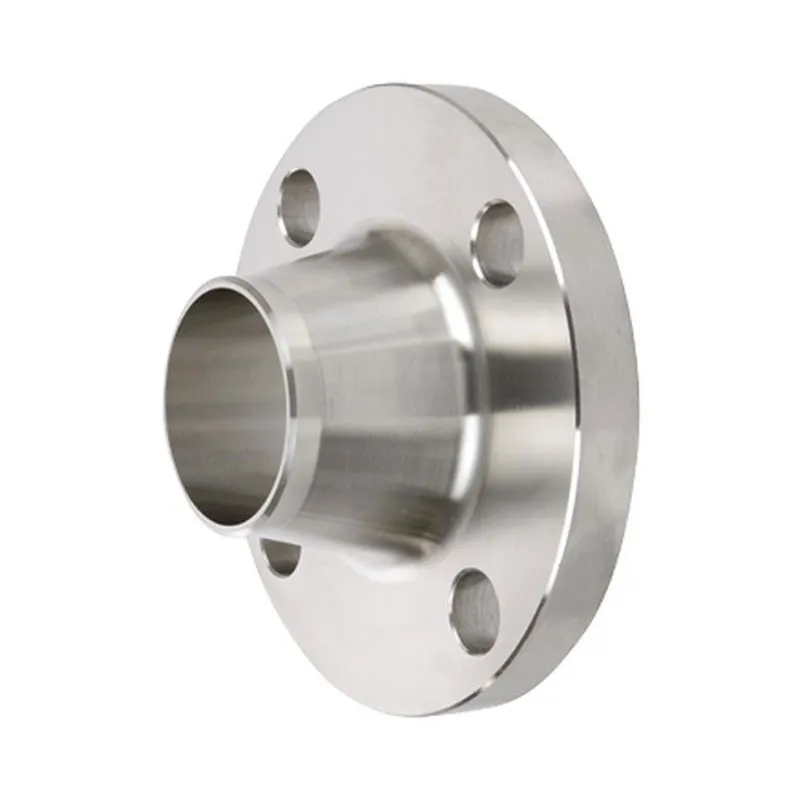
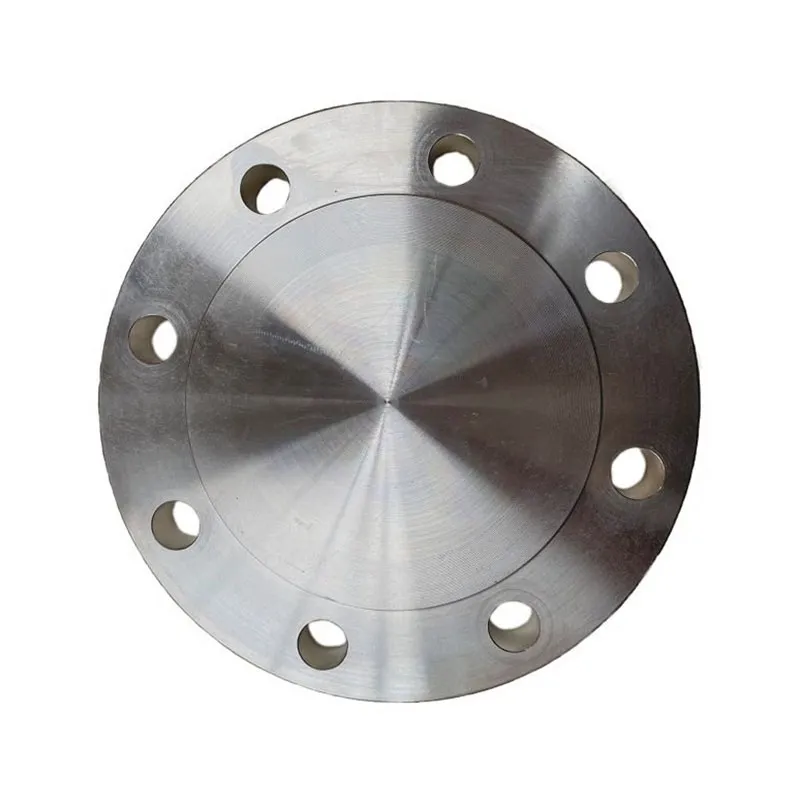
Best Sellingproducts
Best Selling Products-
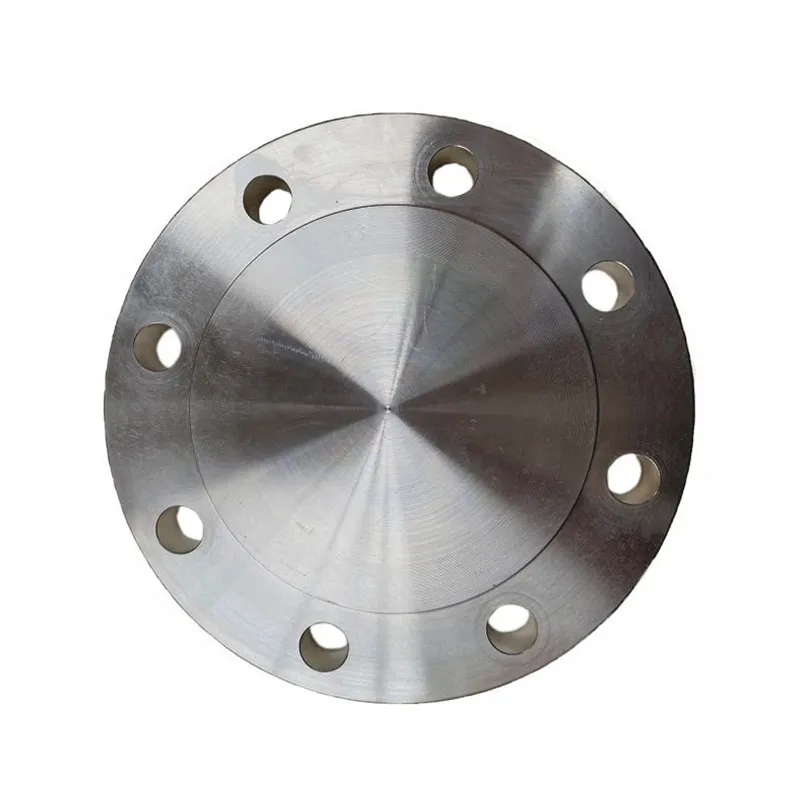 DIN 2527 Blind flanges PN10
 -
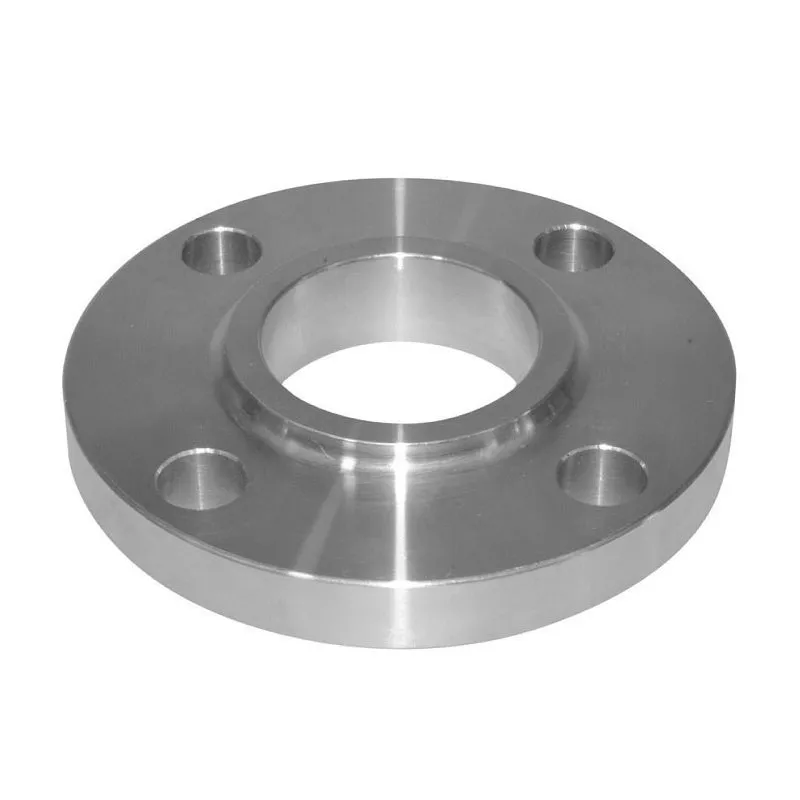 ANSI B16.5 Lap-on flanges Class 1500
 -
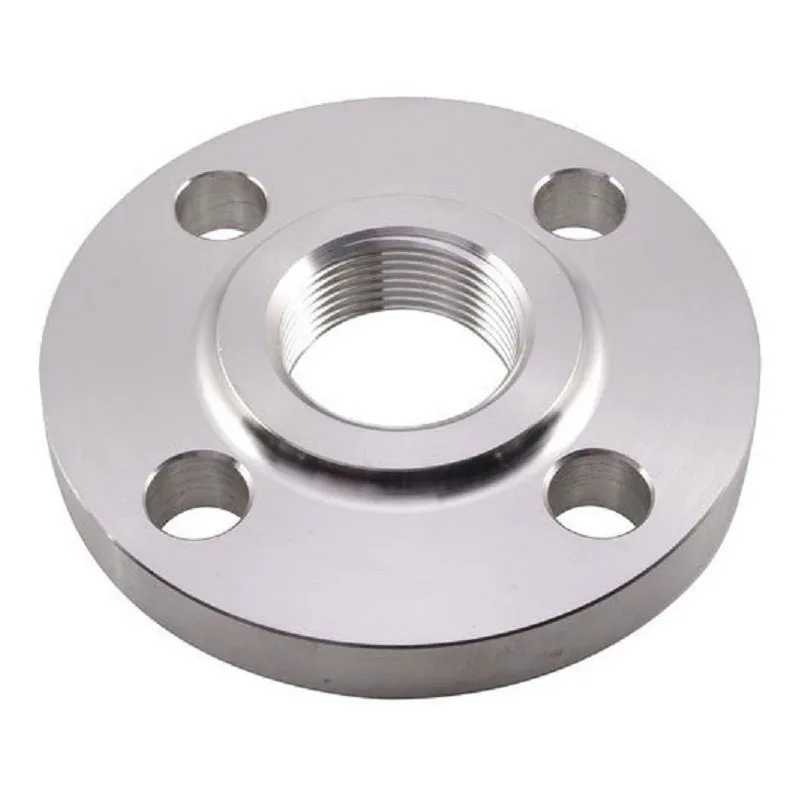 ANSI B16.5 Threaded Flanges Class 600
 -
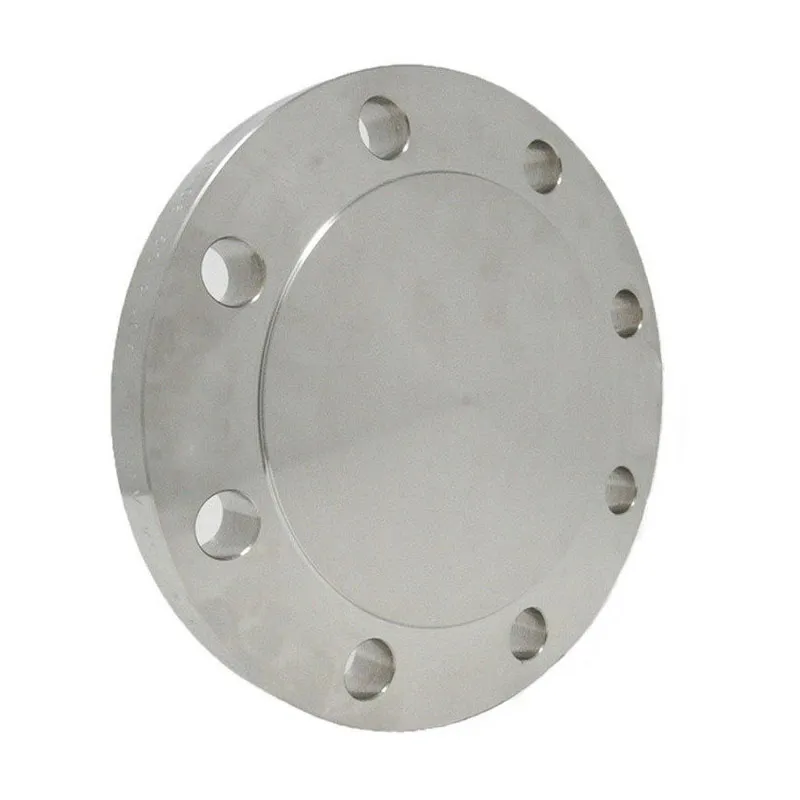 Blind flanges Class 150
 -
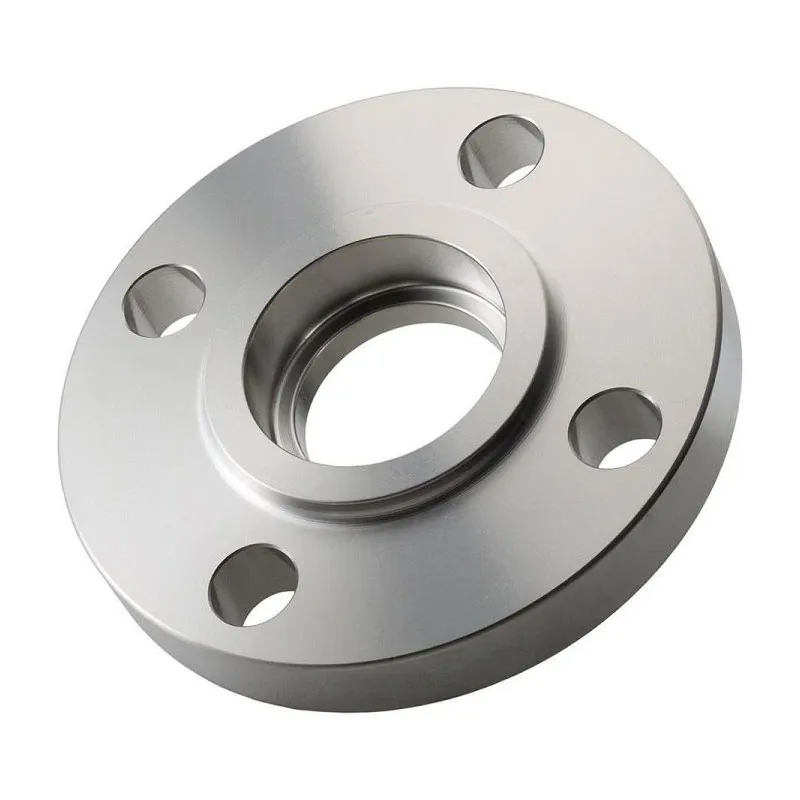 ANSI B16.5 Socket Weld Flanges Class 150
 -
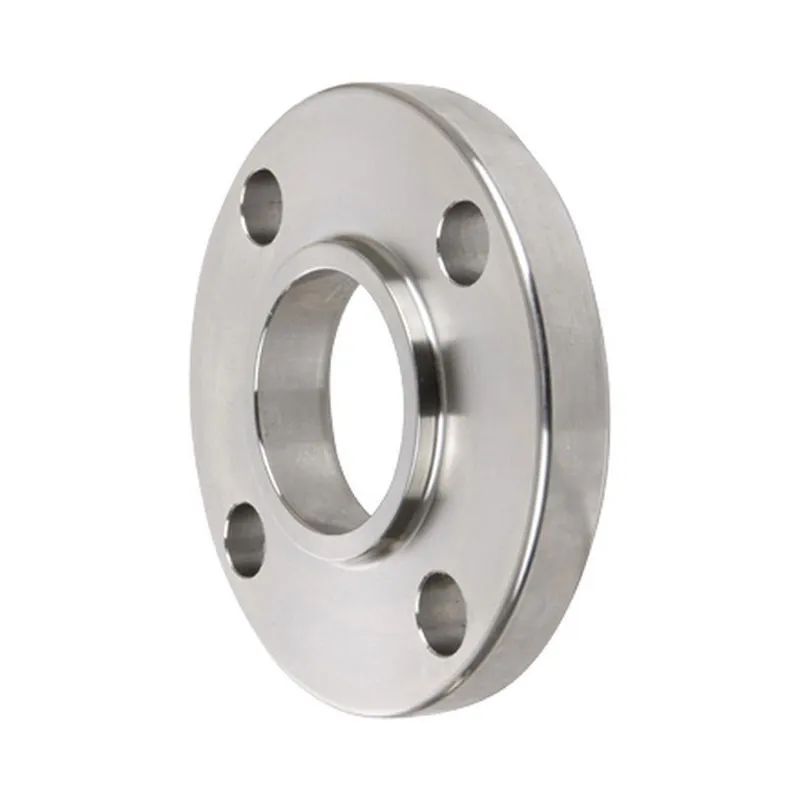 DIN 2501 Overlay flanges PN16
 -
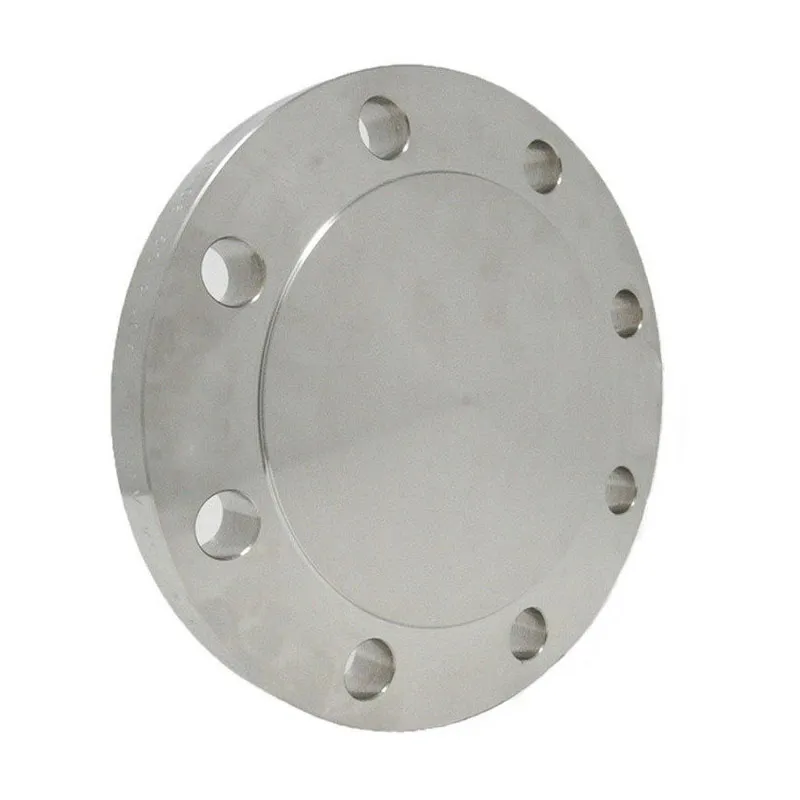 AWWA Blind Flanges Class D (Tables 1, 2, 3)
 -
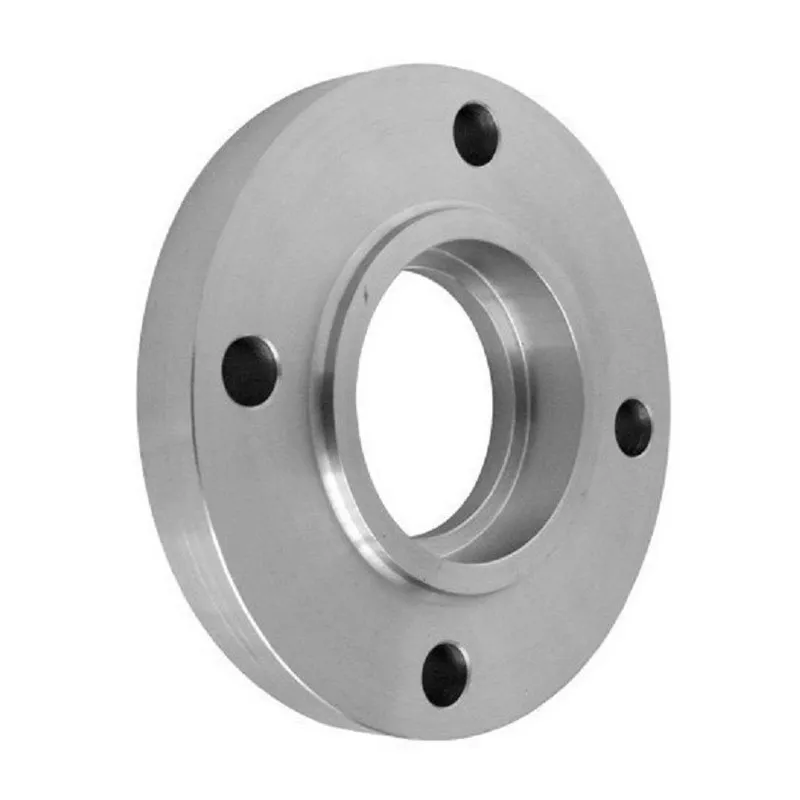 JIS 5K Socket Weld Flanges
 -
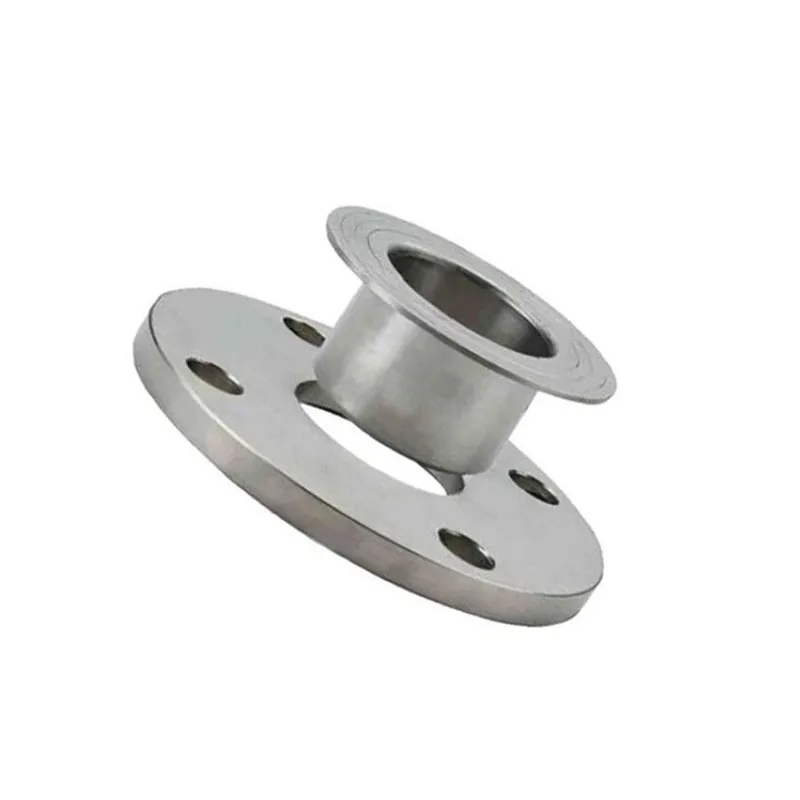 Free ring flanges Class 400
 -
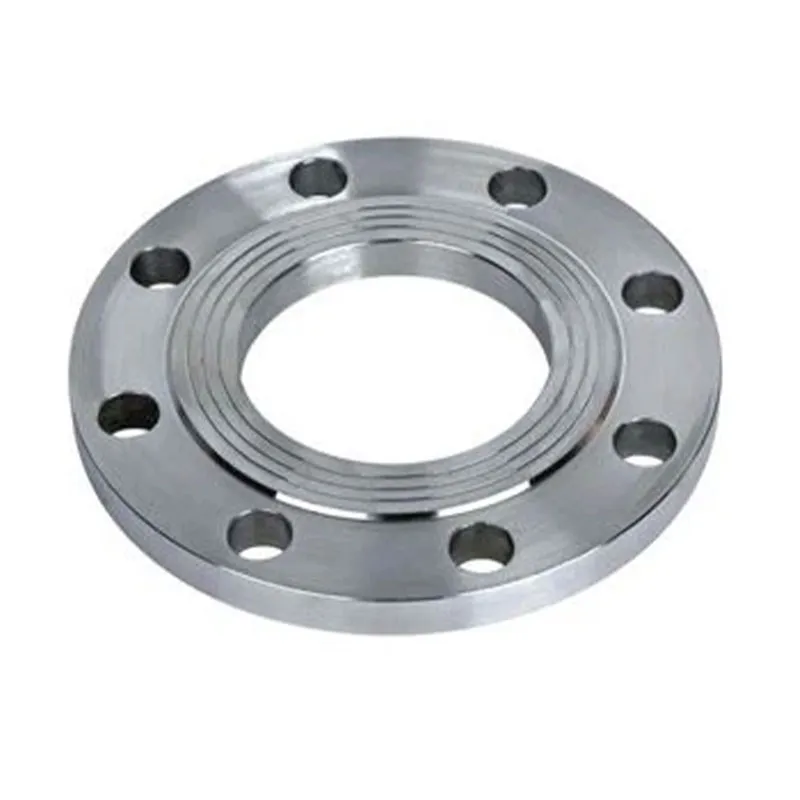 Butt weld flanges Class 150
 -
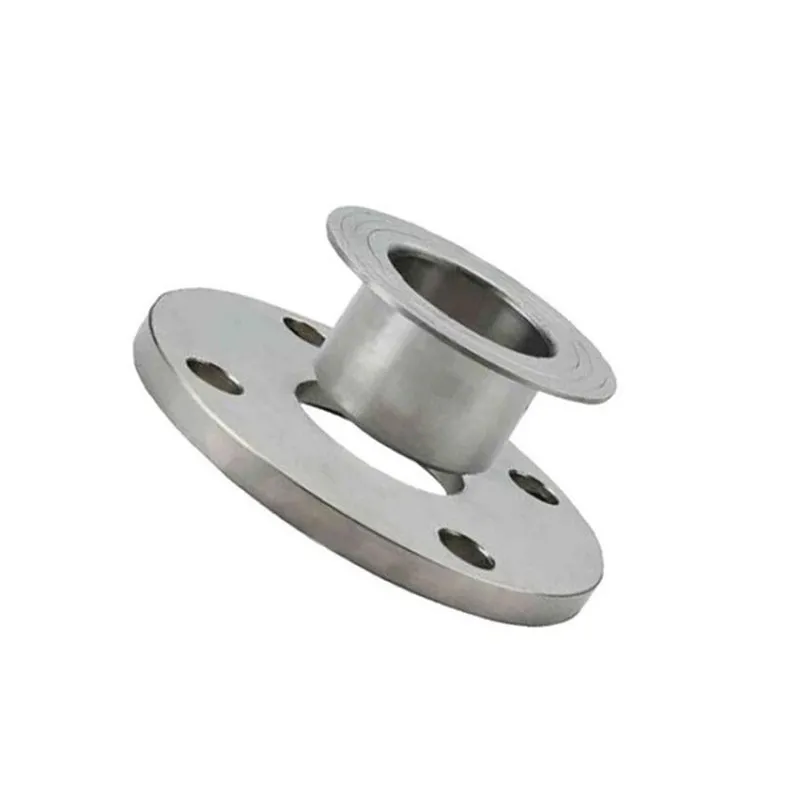 JIS 10K Loose Ring Flanges
 -
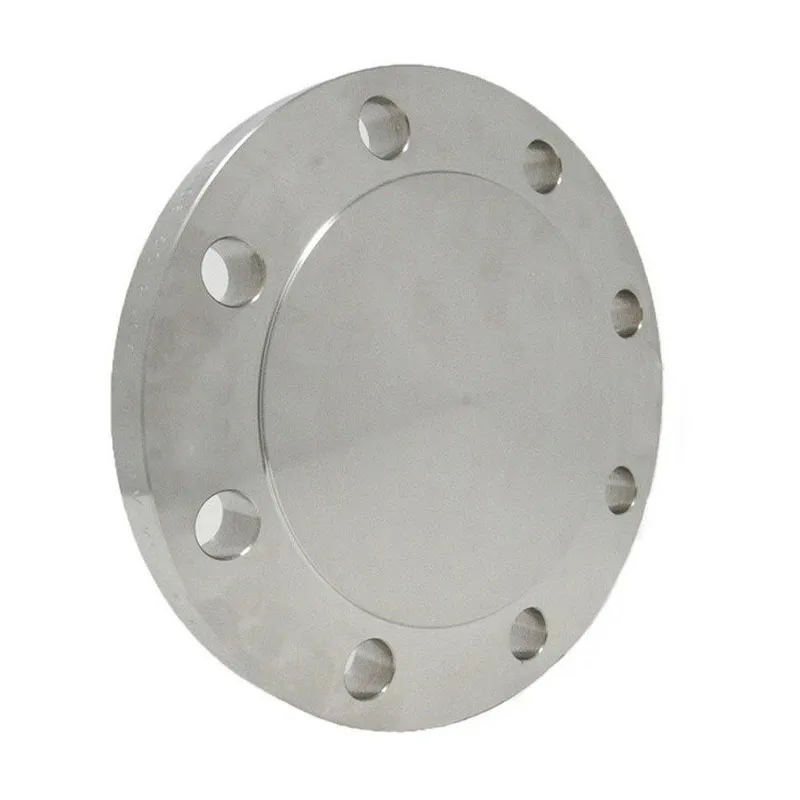 EN 1092-1 Blind flanges Type 05, PN10
Relatedsearch
Related Search- flange 1 100 10 GOST 12820
- GOST 22043 76 studs for flange connections
- Flat flanges GOST 33259 2015 dimensions
- steel flanges DN 200
- 2" flange with thread
- flange connection of lighting poles
- insulating connection with flange connection
- flanges DN 10 GOST 12820 80
- flange sdr 11
- sealing surfaces of flanges GOST 33259 2015