
-
-
Phone
+86-13623462298



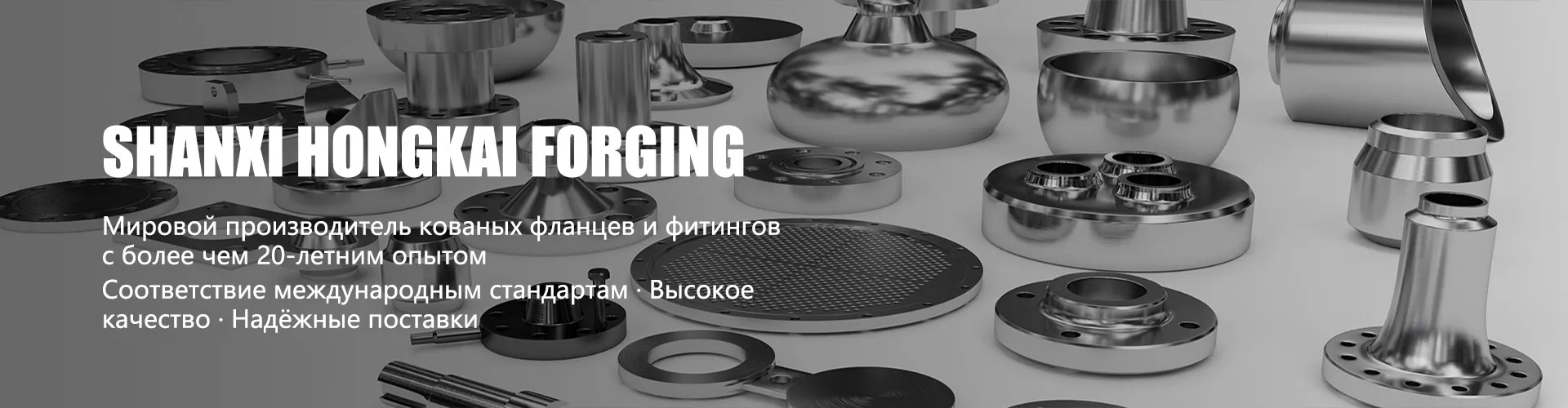
steel flanges diameter 50 mm
When you see the request “steel flanges with a diameter of 50 mm?”, it seems - what’s so complicated? Standard size, lots of offers. But in practice, it is precisely with such seemingly simple positions that nuances often arise that are not visible in catalogs. Many people think that this is a universal part, but under this DN50 there can be different thicknesses, types of sealing surfaces, and, critically, the quality of the forging itself. I immediately remember a case when a customer bought supposedly GOST 50 mm flanges at an attractive price, and when installed on a steam line, a pressure of 16 atmospheres made itself felt by a microcrack along the body of the flange. It turned out that the material was not the same. So what is this “simple” one? size is a great example of where real understanding of a product begins.
Why DN50 is not just a number
Let's take, for example, a standard 50 mm steel flange according to GOST (this is an analogue of EN 1092-1). Nominal diameter - yes, 50 mm. But then the variability begins. What's the pressure? Row 10 or 16? This determines the thickness, the number of holes for the studs, and the diameter of these holes. For many engineers who are just designing, it's just a line in the specification. And for an on-site installer, the difference between RU10 and RU16 may result in the fact that the delivered studs will not fit the holes. I had to face it.
Or this guy. Flat welded (GOST 12820) or butt welded (GOST 12821)? For 50mm both are widely used. But if we are talking about a pipeline with possible thermal expansion or vibration, a butt joint (with a skirt) is clearly more reliable, although more expensive. I saw how at a pumping station they installed flat ones on a vibrating line - after six months they started tightening the connections. They changed it to a butt joint and the problem went away. So the choice of type understeel flanges diameter 50 mm- this is a technical solution, and not just a purchase.
And then there is the material. Steel 20, 09G2S, 12Х18Н10Т? For water and steam up to 425°C, St20 is often sufficient. But if the environment is aggressive or temperatures are low, as in the North, then alloy steel is needed. And this is where many suppliers sin: they offer “analogues” that are not up to par in chemistry. It is mandatory to check certificates. For example, for critical facilities we always request not only a certificate, but also test reports from the manufacturer. Like the sameShanxi Hongkai Forging Co.,Ltd- on their websitehttps://www.hkflange.ruit is clear that the emphasis is on compliance with standards, from GOST to ASME. This is important.
Errors in ordering and receiving: from personal experience
One of the most common problems is a mismatched sealing surface. For 50 mm, types F (protrusion-recess) and R (tenon-groove) are common. So, it happened that the specification ordered type F, but they brought a flat surface (FF). Visually, the difference is not always obvious, especially to a beginner. And during installation, the gasket does not fit into place, the tightness is in question. Now we always do acceptance with templates and gauges, even for such small diameters.
Another point is the quality of processing.Steel flange, especially forged, must have a clean surface in the sealing area, without scoring or pitting. Somehow they accepted the batch, everything seemed to go smoothly. But when installing it on one of the flanges, the gasket (metal-graphite) kept leaking. During a detailed inspection under a magnifying glass, we found a barely noticeable ring mark - a mark from a turning cutter, which was not removed during finishing. I had to remove the chamfer by hand. Now we look at an angle, into the light. A trifle, but it can stop the launch of an object.
And, of course, geometry. The holes for the studs must be strictly circumferential and with the correct angular pitch. There were products where the drilling was slightly offset. It can be assembled on one flange, but when mating with fittings from another manufacturer, the studs are no longer included. This speaks about the quality of equipment and control in production. Large manufacturers, the same Chinese ones, who specialize in forgings, likeShanxi Hongkai Forging Co.,Ltd, usually have CNC and rigid quality control. In their description it is indicated that they are manufactured according to international standards, and this also implies the accuracy of the geometry. For a diameter of 50 mm, an error of half a millimeter is already critical.
About non-standard and custom solutions
Sometimes upon requestdiameter 50 mma non-standard task is hidden. For example, you need a flange made of a special grade of steel, with a non-standard thickness or with additional technological holes. You won't find this in mass catalogs. What we need here is a manufacturer who works with forgings and can make them individually or in small series according to a drawing. This is exactly their profile - manufacturing non-standard products according to customer drawings.
We had a project that required a transition from DN50 to DN80, but with a flange connection of exactly 50 mm, and with a reinforced collar. We sketched out a drawing and sent a request to several factories. Some refused, others asked for crazy terms and prices. Forging plants, especially in forging centers like Shanxi in China, are often more flexible in such matters. They forge a workpiece from a forging and then process it to a specific drawing. In the end they did it, and it stood up well.
It is important not to forget about heat treatment after forging. This is what gives the material the desired mechanical properties. When ordering a non-standard product, always make sure that the certificate also indicates the heat treatment modes. Otherwise, you risk getting just a piece of processed metal without the proper strength.
Choosing a supplier: price versus reliability
The market is flooded with offers for 50 mm flanges. Prices may vary significantly. The cheapest option is often cast or stamped flanges from obscure steel. They may fit in size, but how they behave under load is a lottery. For non-responsible, low-pressure systems, it may be fine. For everything related to pressure, hazardous environments, temperature changes - only forged ones. Forging compacts the structure of the metal.
Therefore, when choosing, I look not only at price and size. I'm looking for information about production. If the manufacturer, howShanxi Hongkai Forging Co.,Ltd, positions itself specifically as a manufacturer of forged flanges and forgings, and is located in the industrial center - this is already a plus. This means that they most likely have both forging and pressing equipment and a production culture. On their website you can see that their size range is up to DN4000, and this indicates the capabilities of the equipment. This means that their small 50 mm flange is a simple job for them, but done with the same serious equipment and with the same control.
I always ask for real photos of products, or better yet, a sample. At least one flange from the batch. You can understand a lot from it: the quality of the end processing, the cleanliness of the surface, the clarity of the marking (there must be a steel grade, a manufacturer’s mark, a nominal pressure). If the supplier is willing to provide a sample and documents without any problems, this is a good sign.
Instead of a conclusion: thinking out loud
So, back to the beginning.Steel flanges diameter 50 mm- this is an excellent testing ground for testing both your own knowledge and the integrity of the supplier. It would seem like an elementary thing. But it concentrates all the main issues of metal rolling and mechanical engineering: standards, materials, manufacturing accuracy, quality control. You can't treat them carelessly.
Personally, I have made a rule for myself: even for such a simple size, I first clearly define all the parameters (type, pressure, material, surface design), and then I look for a manufacturer, and not just a dealer. It is better to pay 10-15% more, but be sure that it is a forged flange made of declared steel, with a full package of documents. Saving a couple of hundred rubles on a connection can result in thousands in repairs and downtime.
And yes, now many people buy from China. This is fine. The main thing is to understand that Chinese manufacturers also have gradations. There are handicraft workshops, and there are large enterprises with history, like the mentioned company from Shanxi, which work for the world market and value their reputation. Their products can be taken, but with all checks. After all, a good flange, even the smallest one, shouldn't be a headache. He should just do his job silently for years. This is what we should strive for.
Correspondingproducts
Related Products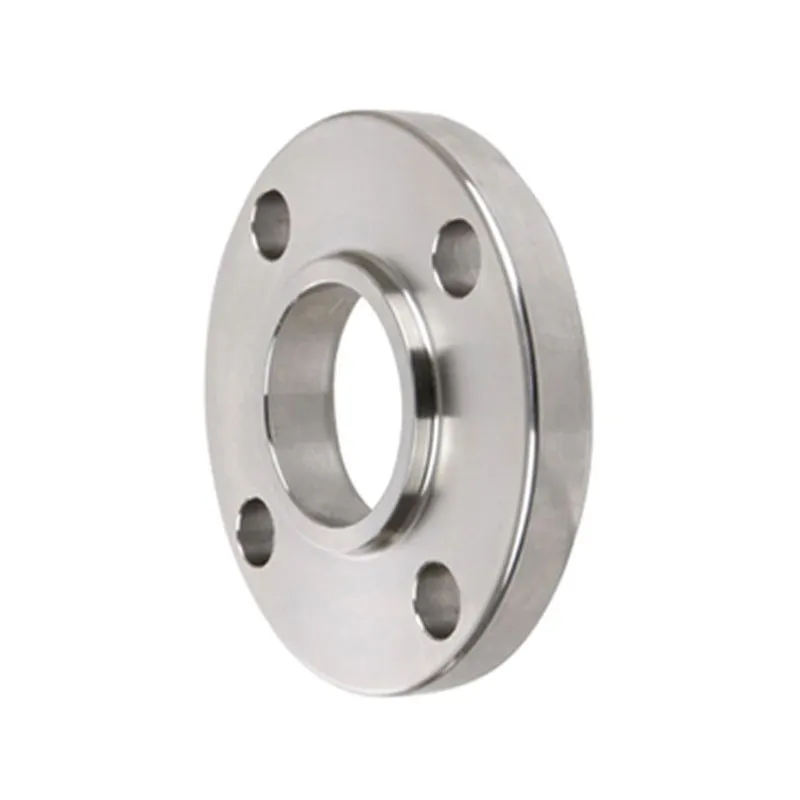
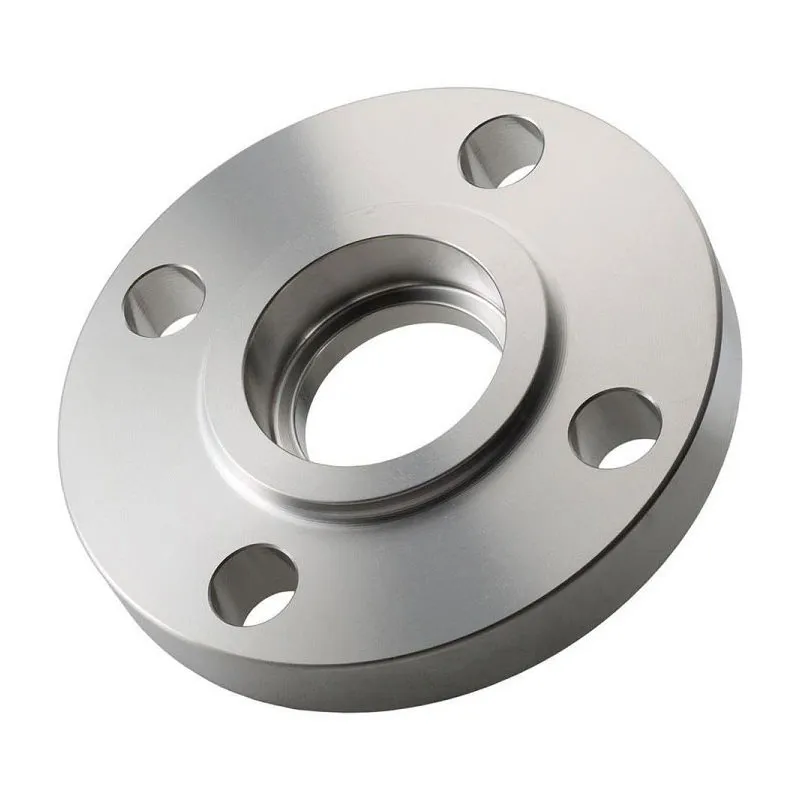
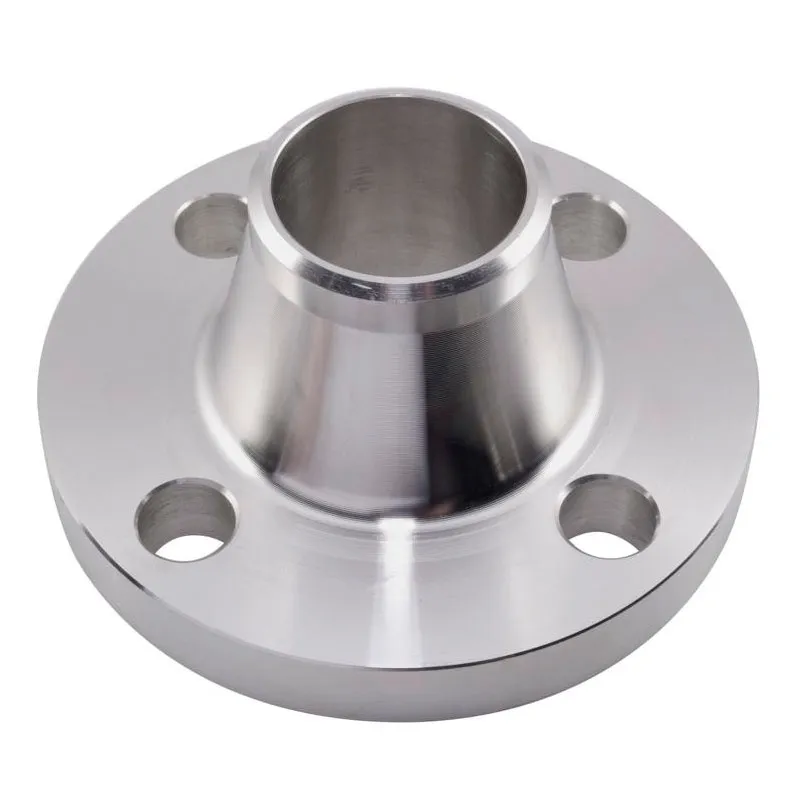
Best Sellingproducts
Best Selling Products-
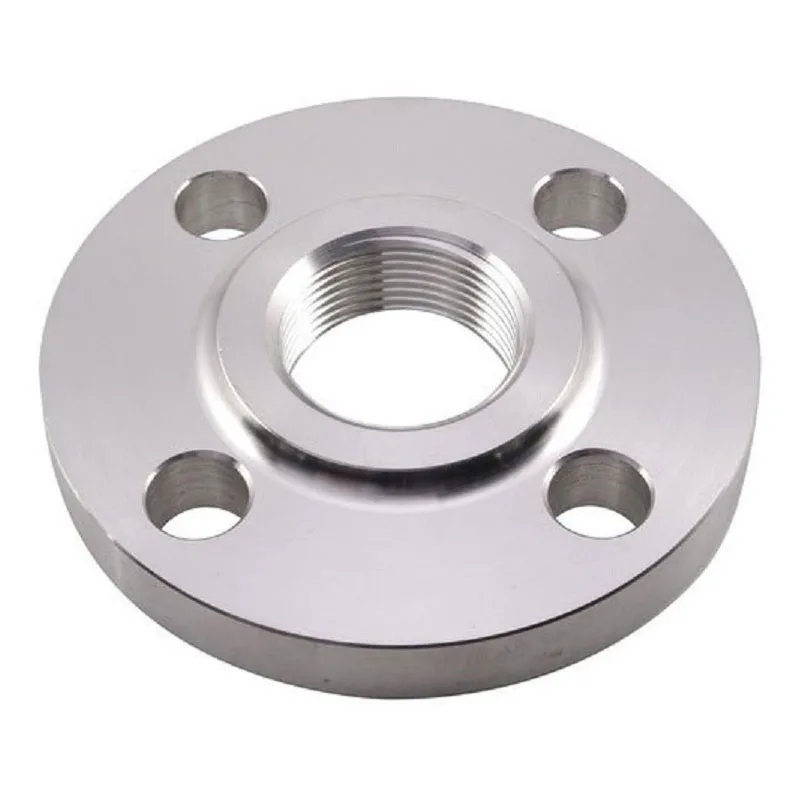 JIS 10K Threaded Flanges
 -
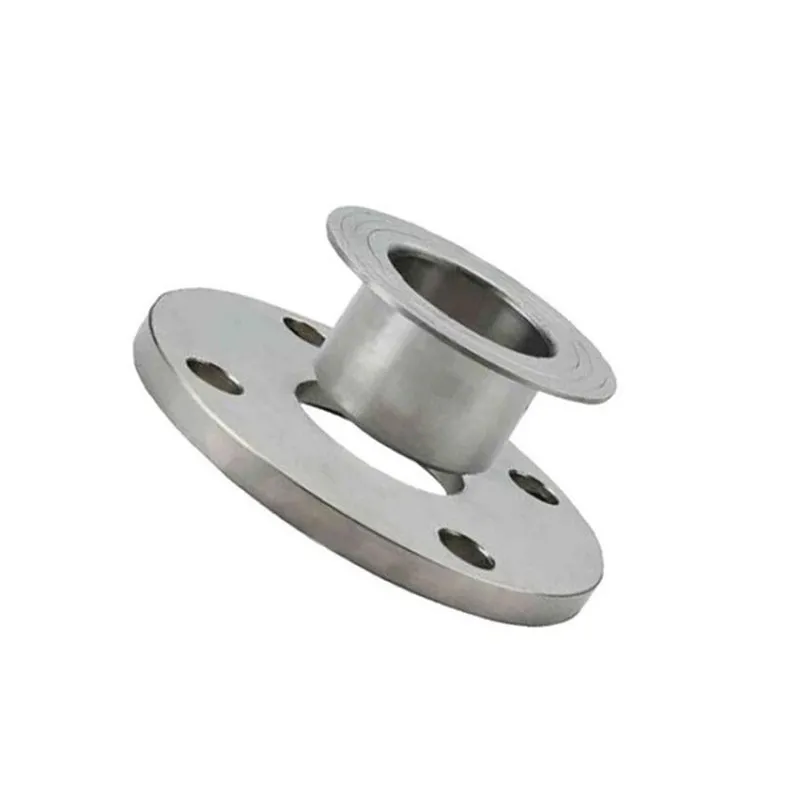 JIS 10K Loose Ring Flanges
 -
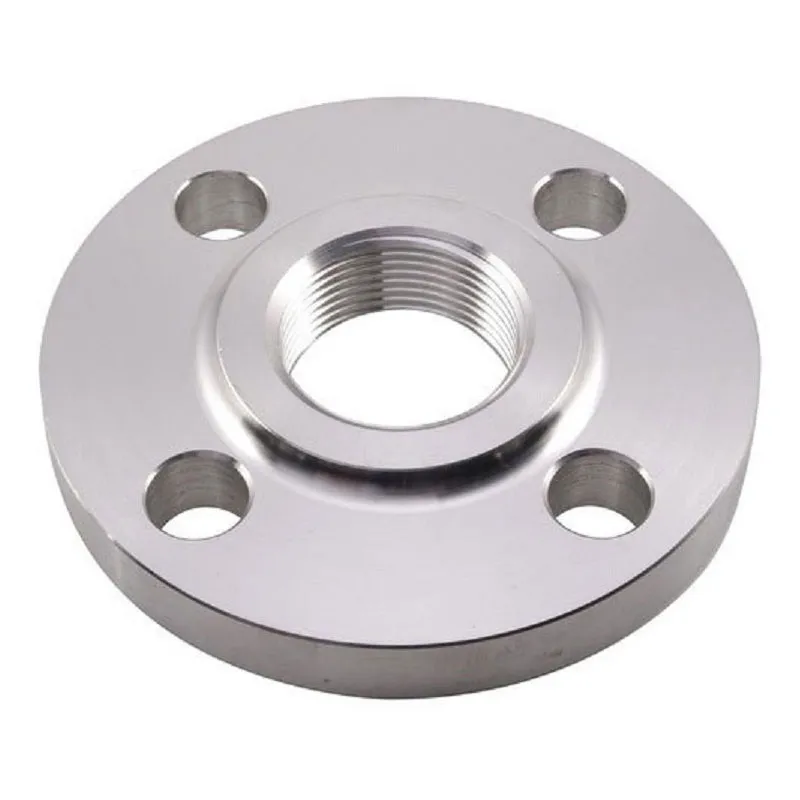 DIN 2565 Threaded flanges PN6
 -
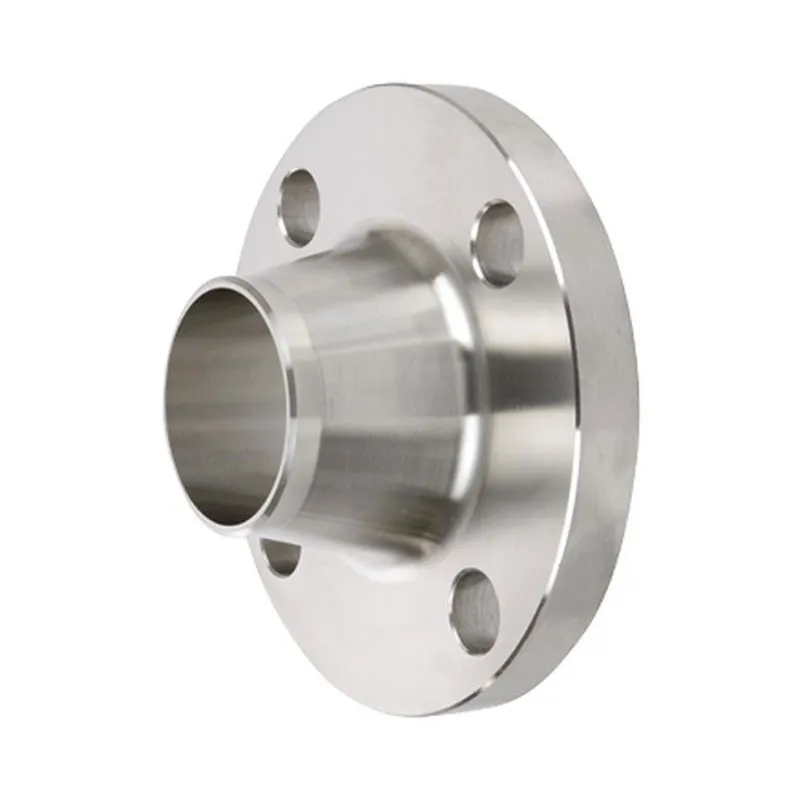 Ser.A Butt Weld Flanges Class 400
 -
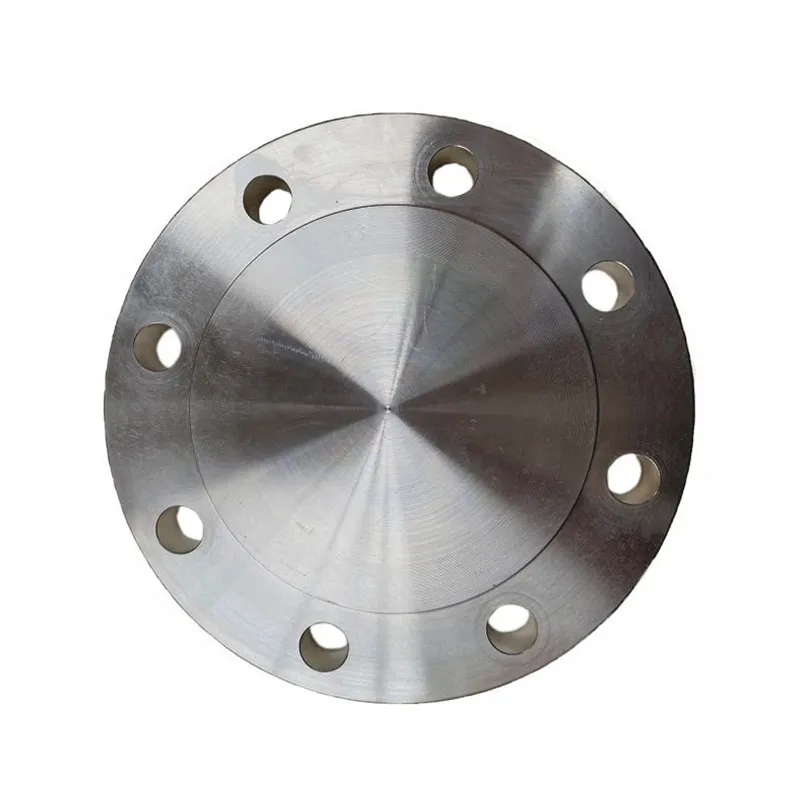 DIN 2527 Blind flanges PN10
 -
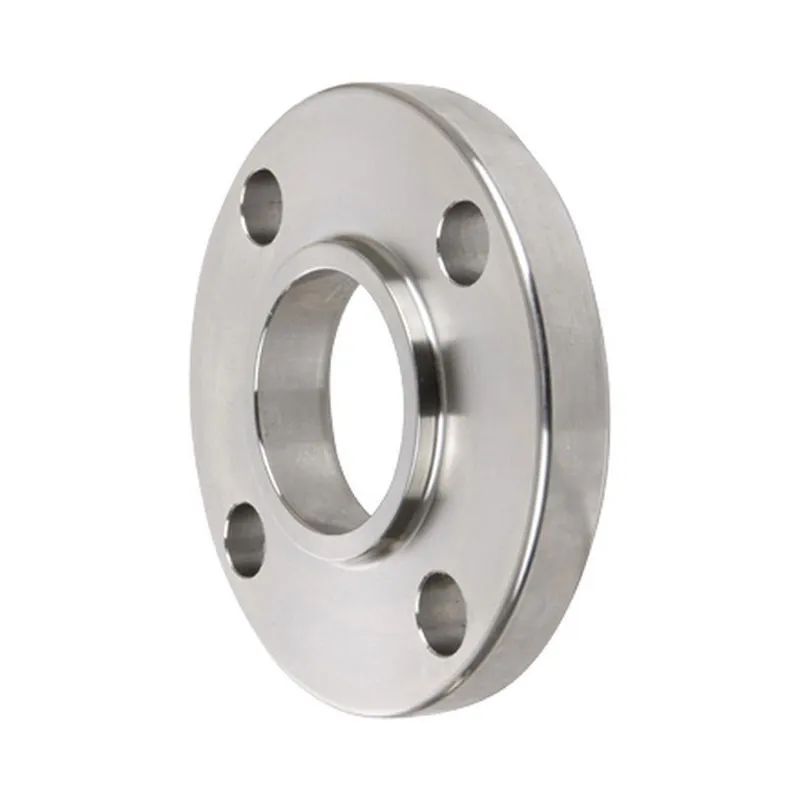 DIN 2501 Overlay flanges PN16
 -
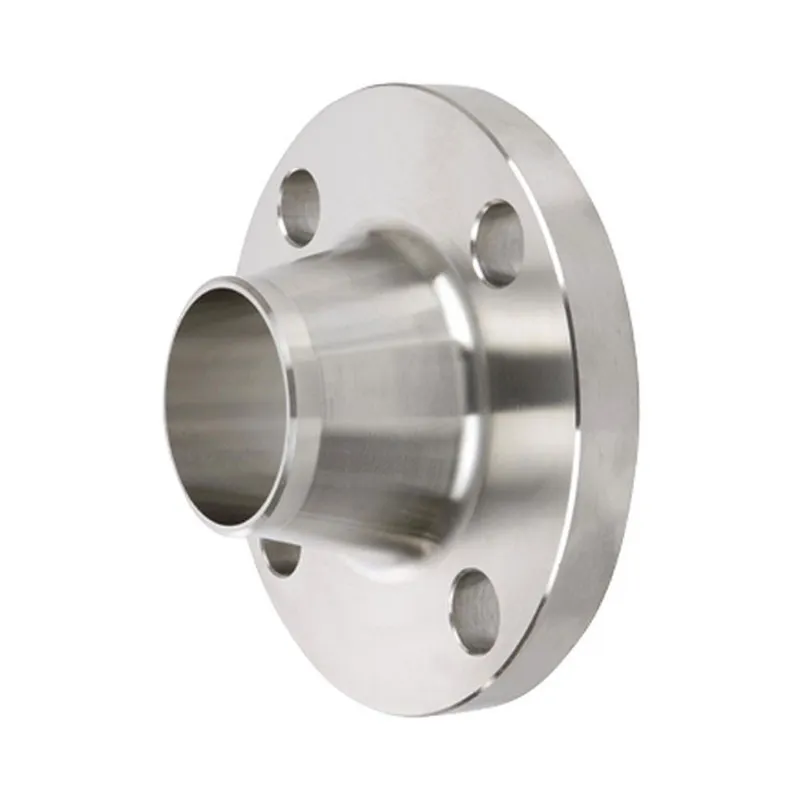 EN 1092-1 Butt weld flanges Type 11, PN25
 -
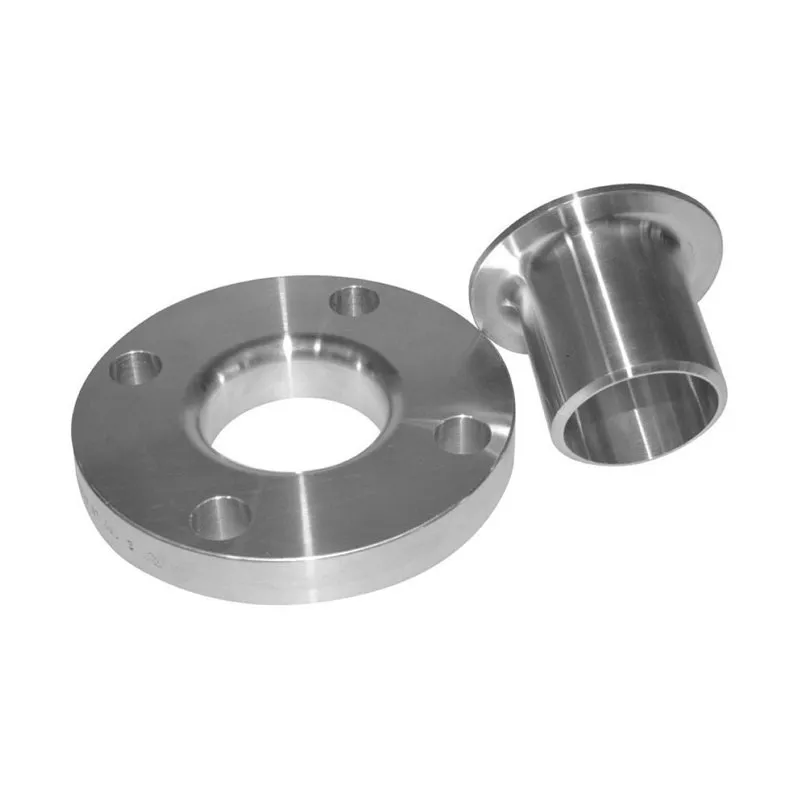 Free ring flanges Class 150
 -
 ANSI B16.5 Loose Ring Flanges Class 2500
 -
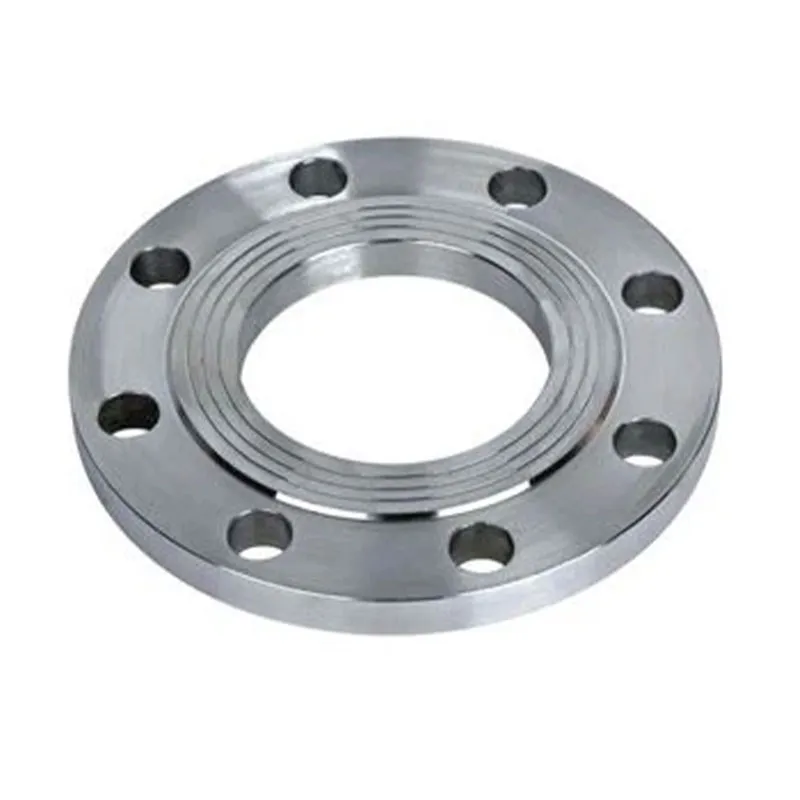 Butt weld flanges Class 150
 -
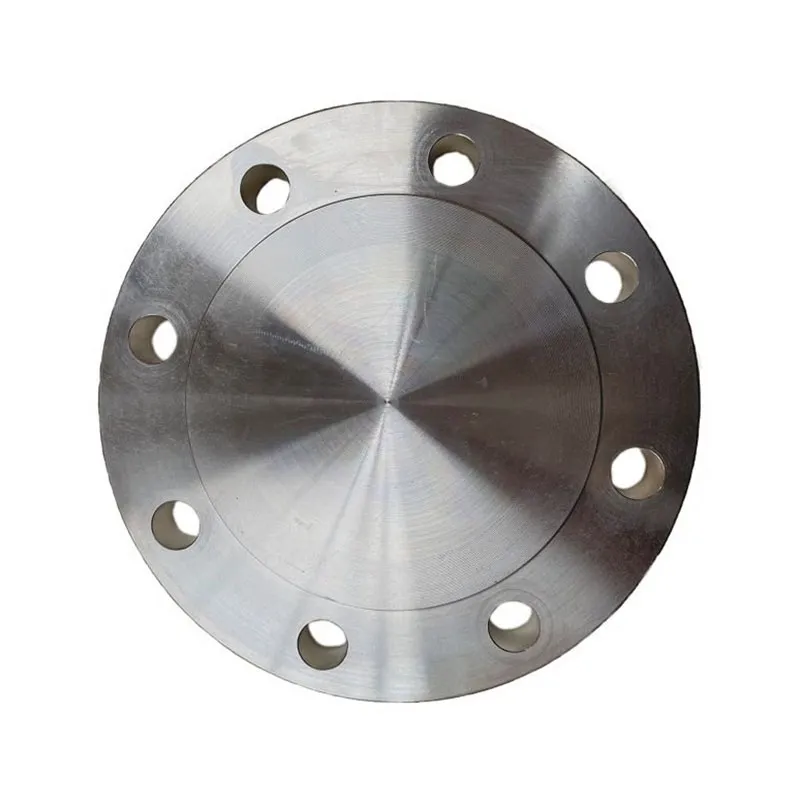 ASME B16.47 Ser.A Blind Flanges Class 400
 -
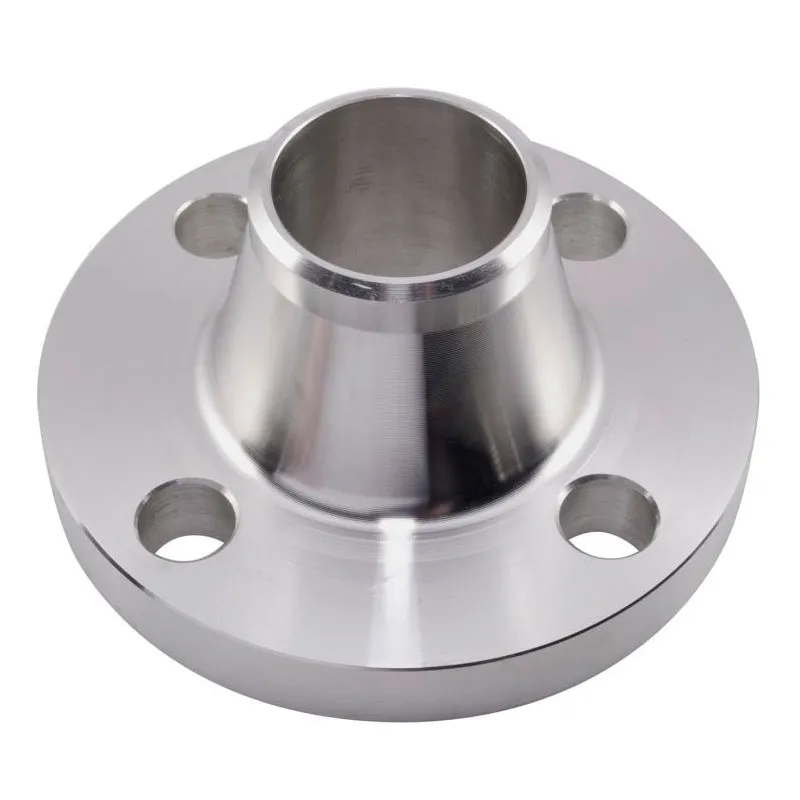 UNI 2281 Butt weld flanges PN10