
-
-
Phone
+86-13623462298



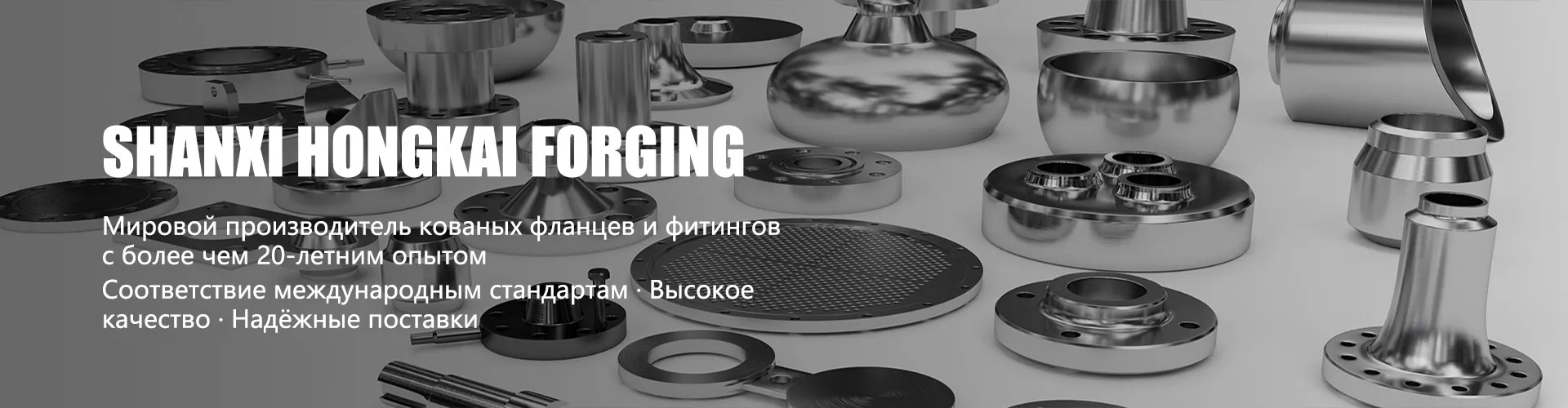
steel flanges DN 40
When they talk about steel flanges DN 40, many people immediately think - “pass-through size, nothing complicated?”. But it is in this seemingly standard position that there are a lot of pitfalls, due to which a downtime or, worse, an emergency situation may arise at the site. I went through this myself when I hurriedly ordered a batch for a project, without paying due attention not to the flange itself, but to the accompanying aspects - seal material, surface type, tolerances. Now, looking back, I understand that the key here is not just to buy a flange from a catalog, but to clearly understand in which particular assembly it will work.
Why is DU 40 not always “simple”?
The nominal diameter of 40 mm is really common. Often found in branches, piping of pumping equipment, and metering units. But here is the first trap: under this remote control there may be different connecting sizes depending on the standard. The same flange according to GOST 33259 (aka EN 1092-1) with PN16 will have one outer diameter and hole arrangement, and according to ASME B16.5 Class 150 it will have a different one. And if the project contains mixed systems, for example, some equipment is European, and some has American pipes, then adapters or adapters are indispensable. Once I came across the fact that during installation the pumping equipment brought with “American” The ASME flange simply did not mate with the prepared EN trim. We had to urgently look for an adapter, which resulted in delays and extra expenses.
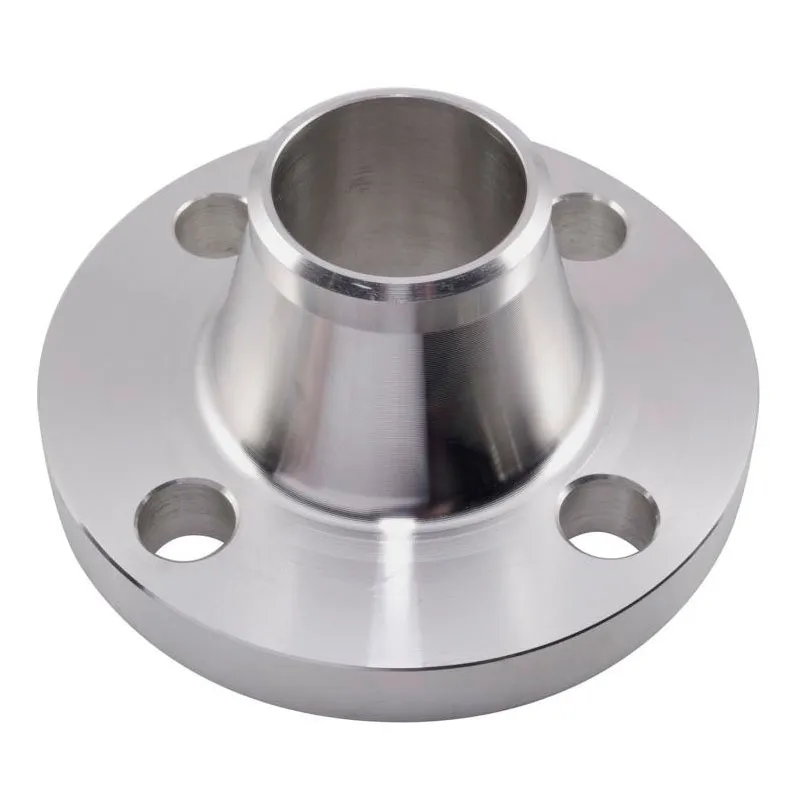
The second point is pressure.Steel flanges DN 40can be designed for different operating pressures. For water or steam at low parameters, a flat welded flange (PP) is also suitable. But if we are talking about a production line with an aggressive environment or high pressure, you already need to look towards butt weld flanges (WS), which better distribute mechanical loads. The choice between flat and butt is always a compromise between cost, installation complexity and requirements for connection reliability.
A third, often overlooked aspect is the material of the flange itself. Steel is a general concept. For ordinary water, St20 or St3 is suitable. But if the environment contains, say, hydrogen sulfide (H2S) or operates at low temperatures, steel with special properties, for example, resistant to brittle fracture, is already required. Once ordering a batch for a northern project, we initially laid down ordinary carbon steel, but technical supervision demanded that we provide certificates with Charpy impact tests at sub-zero temperatures. We had to quickly change the specification for steel 09G2S.
Experience with specific vendors and standards
In recent years, I have increasingly turned to trusted manufacturers who can provide a full package of documentation and flexibility in ordering. For example, on the siteShanxi Hongkai Forging Co.,Ltd (https://www.hkflange.ru) it is clear that they work with a wide range of standards - from GOST and EN to ASME and DIN. This is important because not every plant is ready to make small batches to meet different standards. For me, as a specialist who often deals with projects under different jurisdictions, such versatility is a big plus.
What is valuable in the approach of companies like the one mentioned is the ability to manufacture not only standard, but also non-standard products according to drawings. Cflanges DN 40this also happens. A standard example is the need for a flange with a non-standard thickness or with additional technological holes not provided for in the standard range. Or when a flange made of a specific alloy is needed. Their nomenclature indicates a range of up to DN 4000, but even for a modest DN 40, judging by the description, they are ready to offer an individual solution, which indicates the serious technological capabilities of forging and pressing production.
While working with their products under the GOST standard, I paid attention to a detail: the quality of the sealing surface treatment. For DN 40 flanges, which are often used for critical connections with tongue-and-groove gaskets. or “protrusion-depression?”, the cleanliness and geometry of this surface is critical. The slightest scuff or deviation from flatness - and a guaranteed leak during hydrotesting. According to my observations, they are strict with this - the surface usually comes without traces of corrosion and has a clear geometry, which simplifies installation.
Types of flanges for DN 40: where and what to use
Let's take it to our fingertips. For stationary, permanent connections of pipelines, where frequent dismantling is not expected, the undisputed leader issteel butt weld flange. Its advantage is its strength and ability to absorb stress. Installing it, of course, takes longer - you need to weld both the joint and the internal cavity, but the reliability is an order of magnitude higher. Especially on vibrating lines.
A flat welded flange is an option for budget solutions, where pressure and temperature are moderate and access for welding is good. It needs to be grabbed on both sides, which is not always convenient in cramped conditions. But for the same piping of tanks or ventilation - it’s enough.
But the free flange on the welded ring is a lifesaver for installation in hard-to-reach places or when you need to provide quick access for inspection. The ring is welded to the pipe, and the flange itself remains free, which makes it easy to align the holes for the bolts. For DN 40 this is very convenient when installing valves or in units where precise positioning is difficult.
Installation errors and how to avoid them
The most common mistake is uneven tightening of bolts. Forsteel flanges DN 40this can lead to misalignment and, as a result, leakage. Use a torque wrench and tighten crosswise as specified in the specifications. Many installers neglect this, doing it “by eye”, and then wonder why it “drips” during tests.
The second mistake is incorrect selection of gasket. The gasket material must be compatible with the medium, and its thickness and type must correspond to the type of sealing surface of the flange (for example, a tongue-and-groove surface requires a gasket of a certain cross-section). Once at a facility they installed a paronite gasket on the line with oil - it swelled and lost its tightness. I had to stop the system and restart it.
And third, ignoring the condition of the bolts and nuts. Old, rusted fasteners may not provide the required tension or may even break when tightened. You should always check the completeness and condition of the fasteners before assembly. It is better to use new bolts with an anti-corrosion coating, especially for outdoor installations.
Looking to the Future: Trends and Practical Advice
Nowadays, more and more attention is paid to integrated supplies. Not justflanges DN 40, and the finished unit is assembled: flanges, gaskets, fasteners that have undergone preliminary assembly and testing at the manufacturer. This greatly saves time on site and reduces the risk of installation errors. Manufacturers like Shanxi Hongkai Forging LLC, having a full cycle from forging to machining, are quite capable of offering such solutions, which is very convenient for contractors.
My practical advice: never order flanges, especially for critical systems, only from a catalogue. Always request technical documentation - material certificates, test reports (if required), drawings. A self-respecting manufacturer, such as the one mentioned, will always provide these documents. This is not bureaucracy, but insurance against future problems.
And one last thing. Even for such a seemingly simple element as a DN 40 steel flange, always keep in mind the entire context of its application: medium, pressure, temperature, frequency of dismantling, access for installation. This is the only way to make a trouble-free and durable connection. And choosing specialized manufacturers who focus on forging quality and compliance with standards, rather than on cutting costs at any cost, always pays off in the long run.
Correspondingproducts
Related Products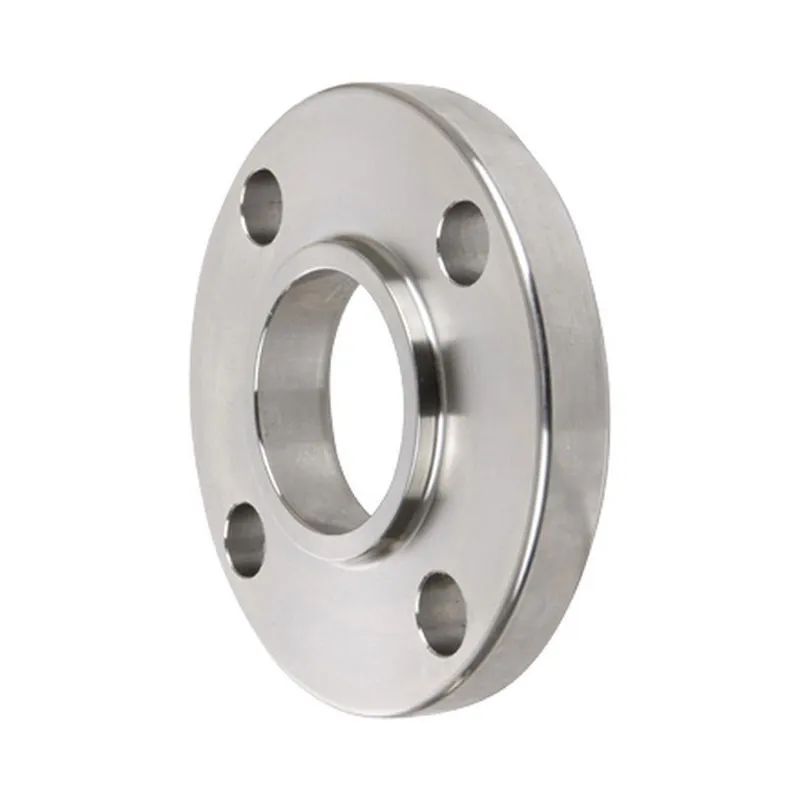
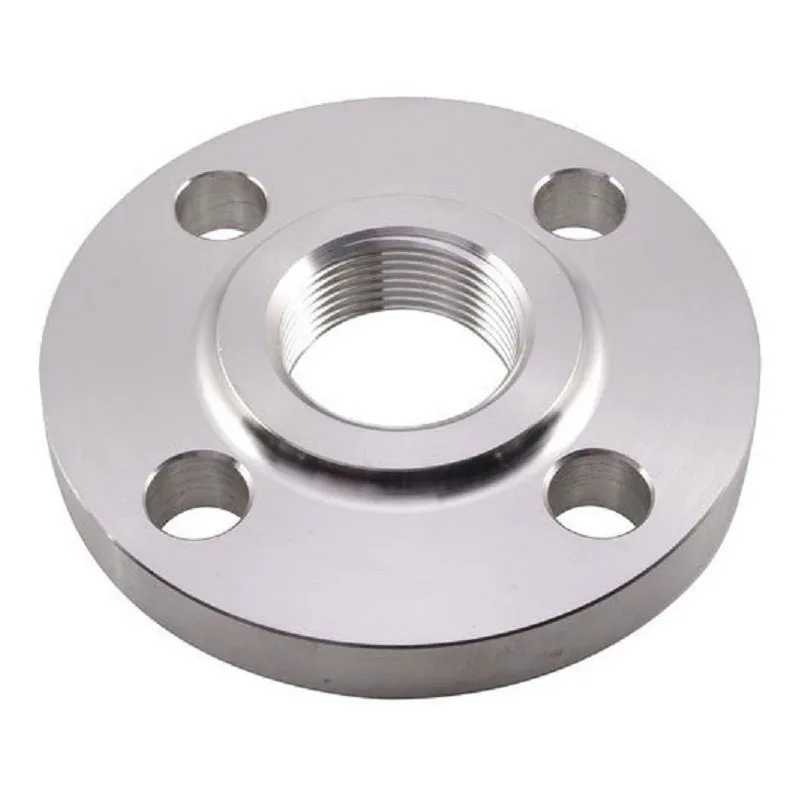
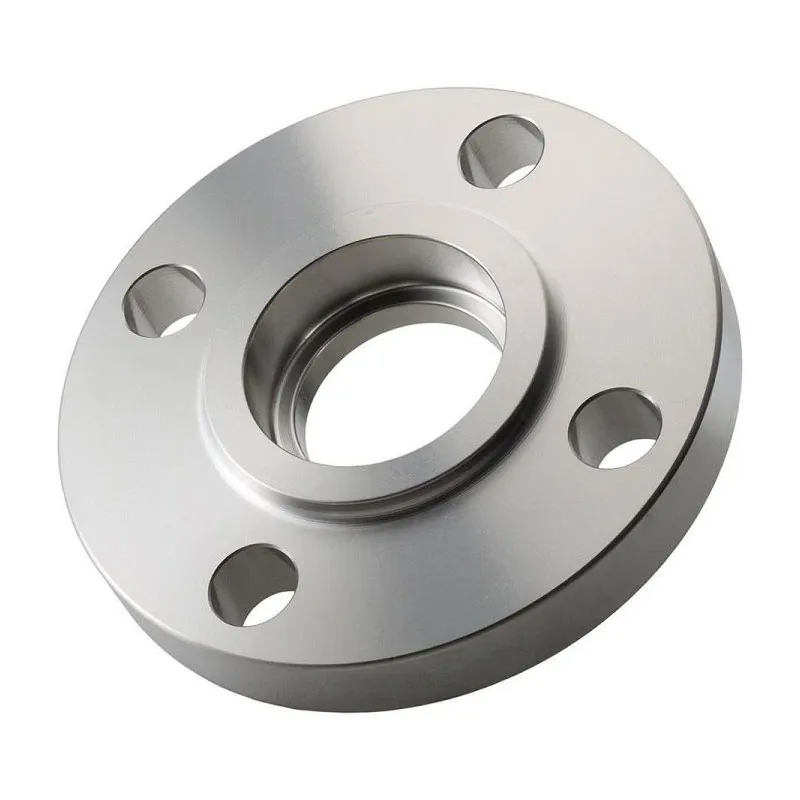
Best Sellingproducts
Best Selling Products-
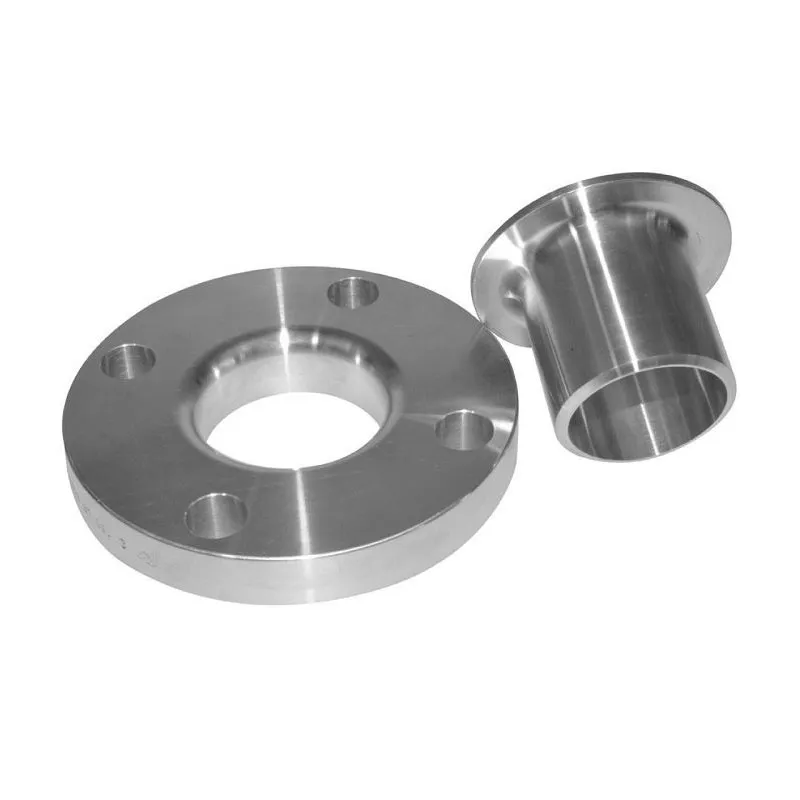 ANSI B16.5 Loose Ring Flanges Class 2500
 -
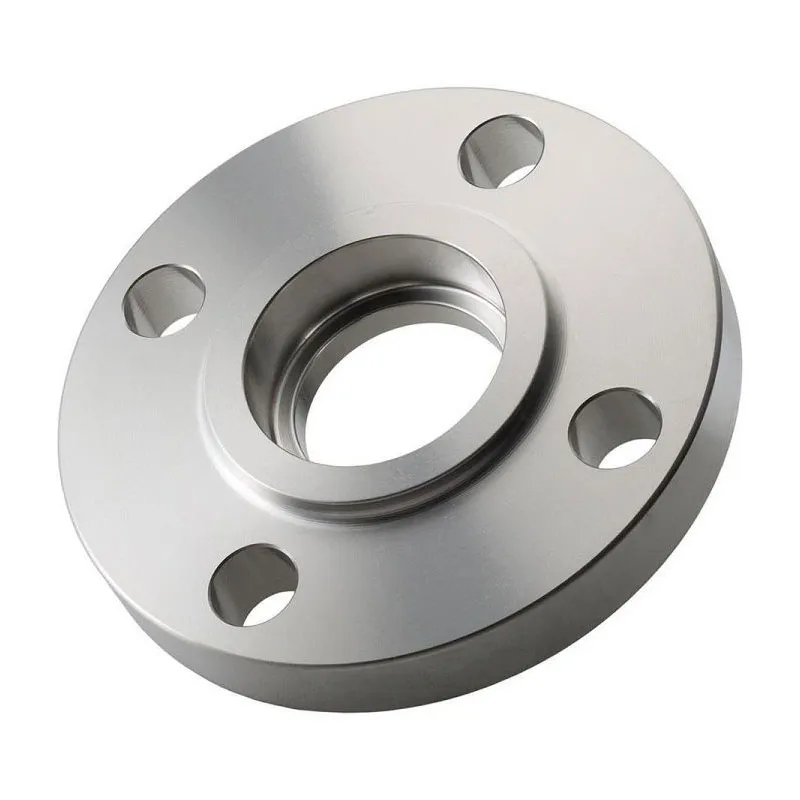
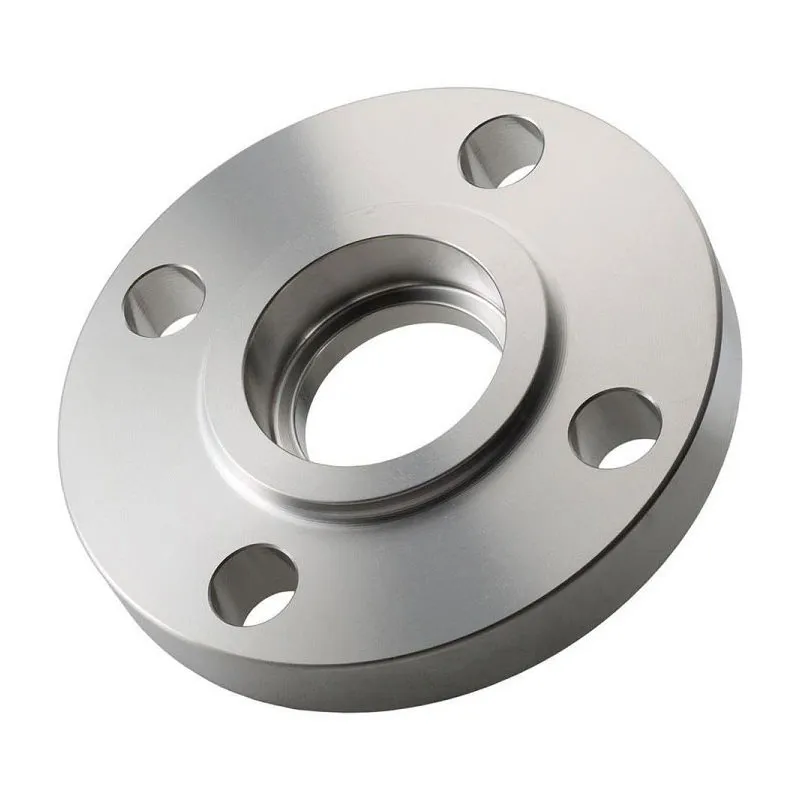 Flanges for socket welding
 -
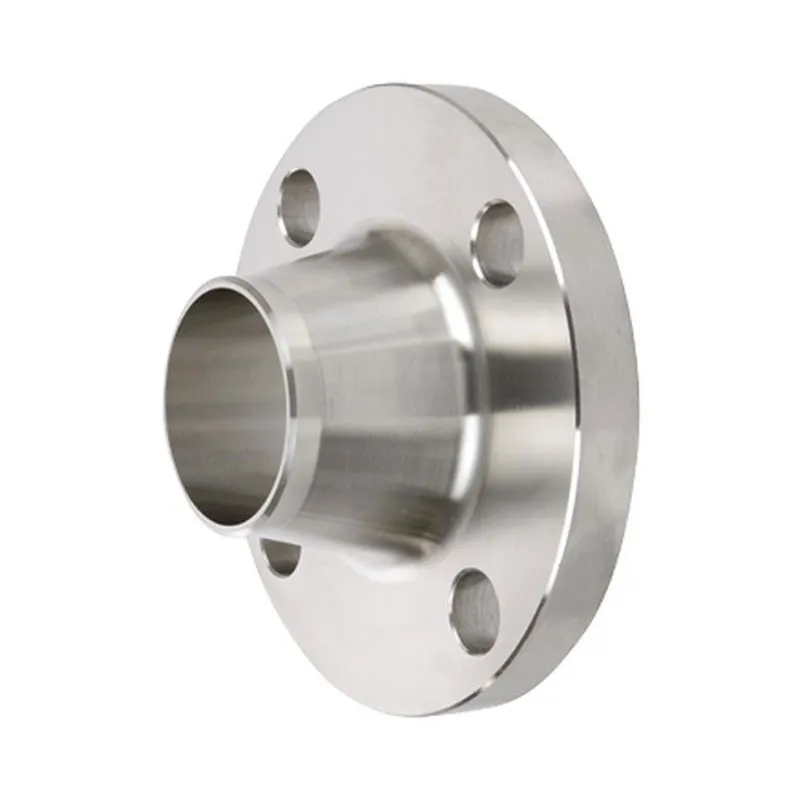 Ser.A Butt Weld Flanges Class 400
 -
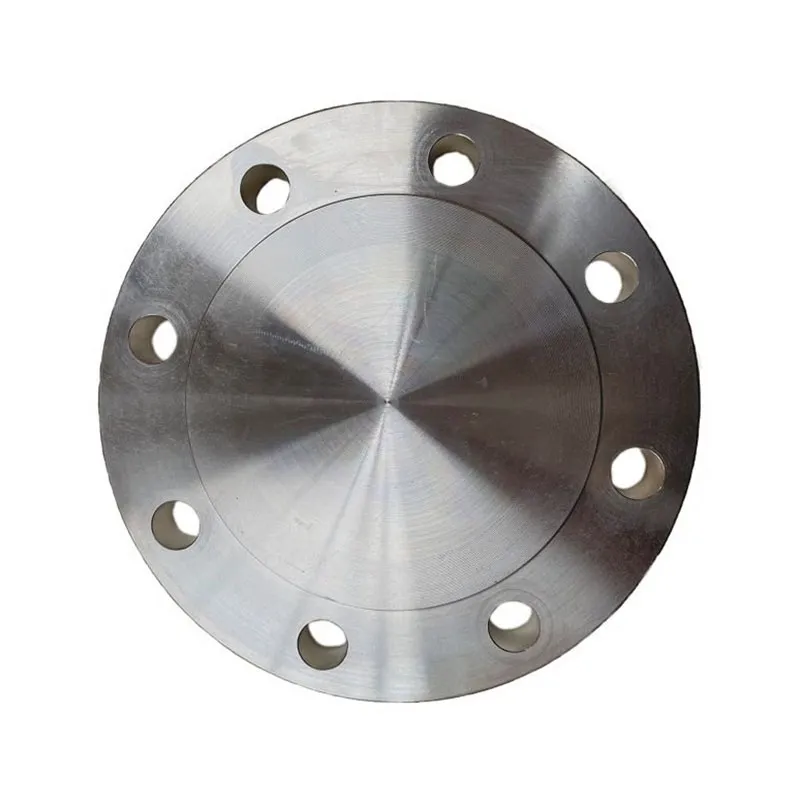 UNI 6092 Blind flanges PN10
 -
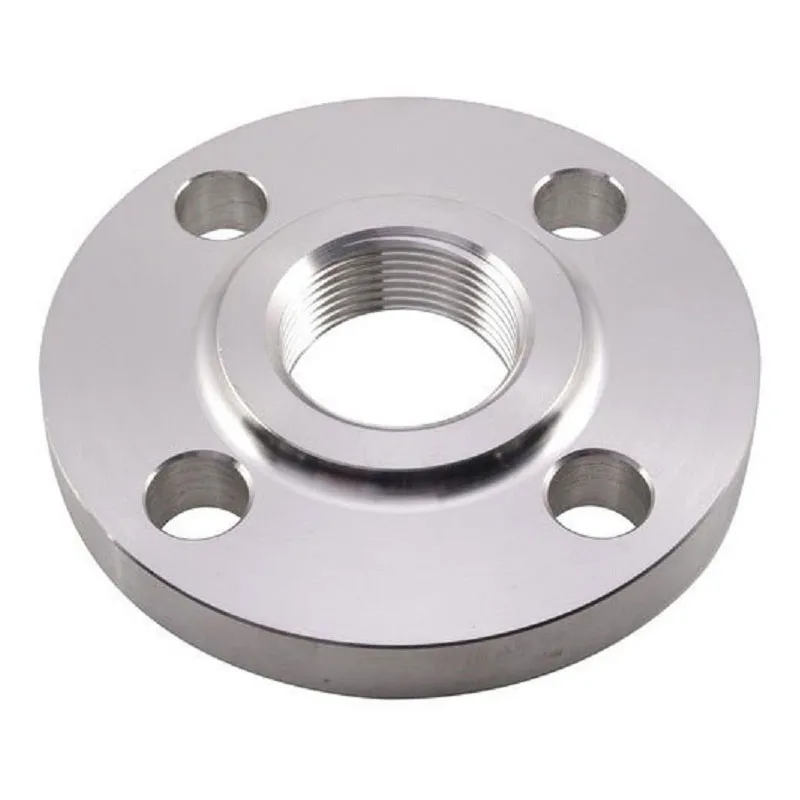 EN 1092-1 Threaded flanges Type 15, PN16
 -
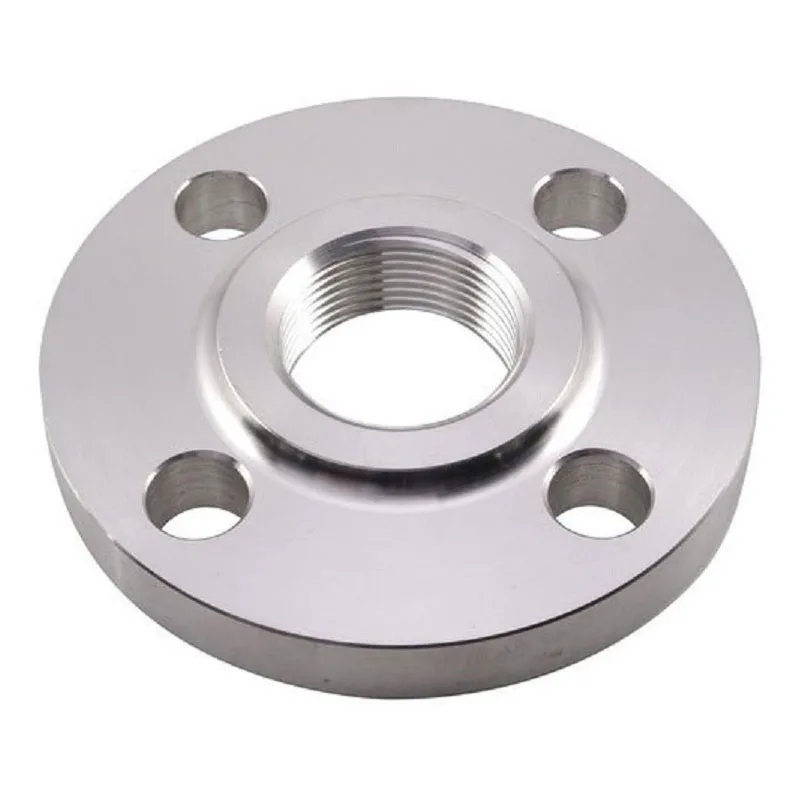 JIS 10K Threaded Flanges
 -
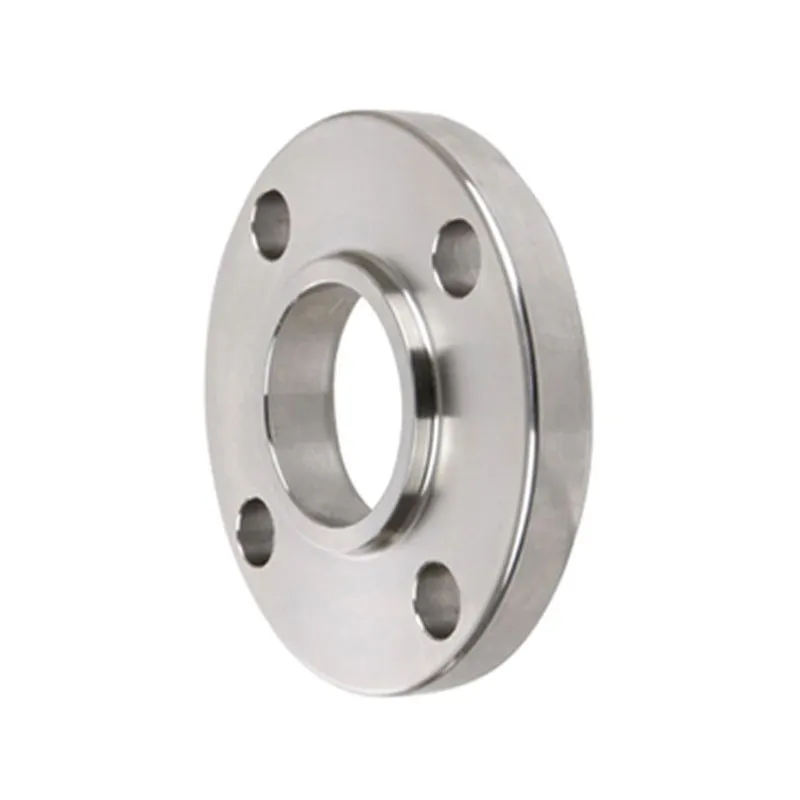 ANSI B16.5 Lap-on flanges Class 300
 -
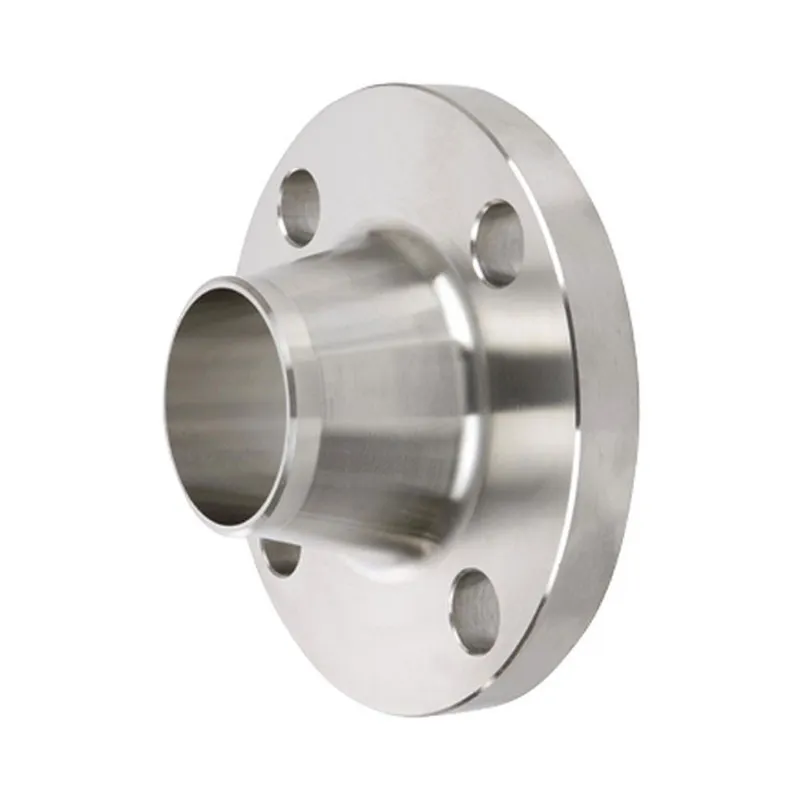 EN 1092-1 Butt weld flanges Type 11, PN25
 -
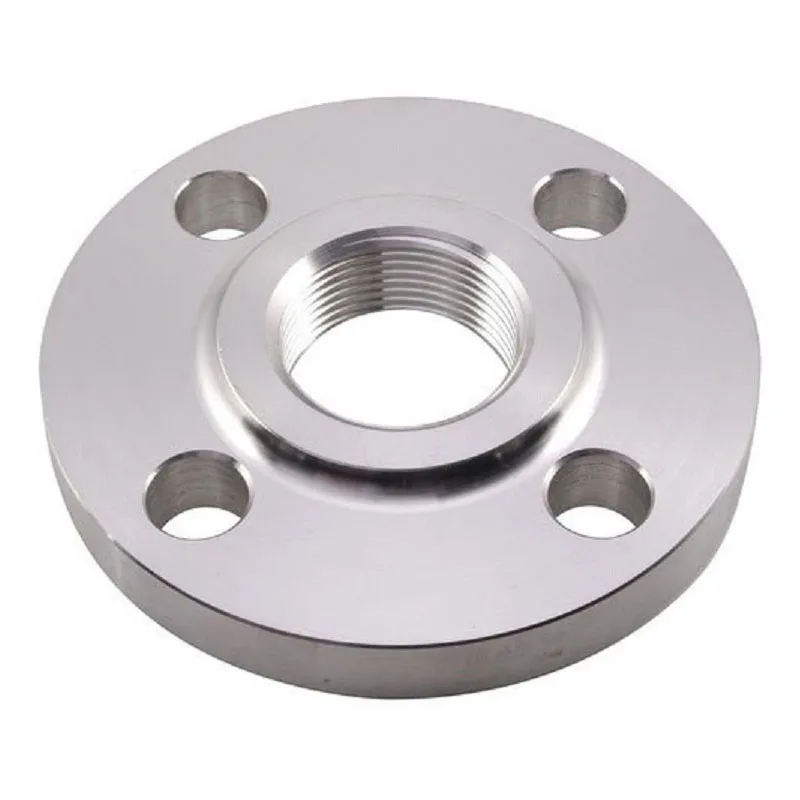 DIN 2566 Threaded flanges PN16
 -
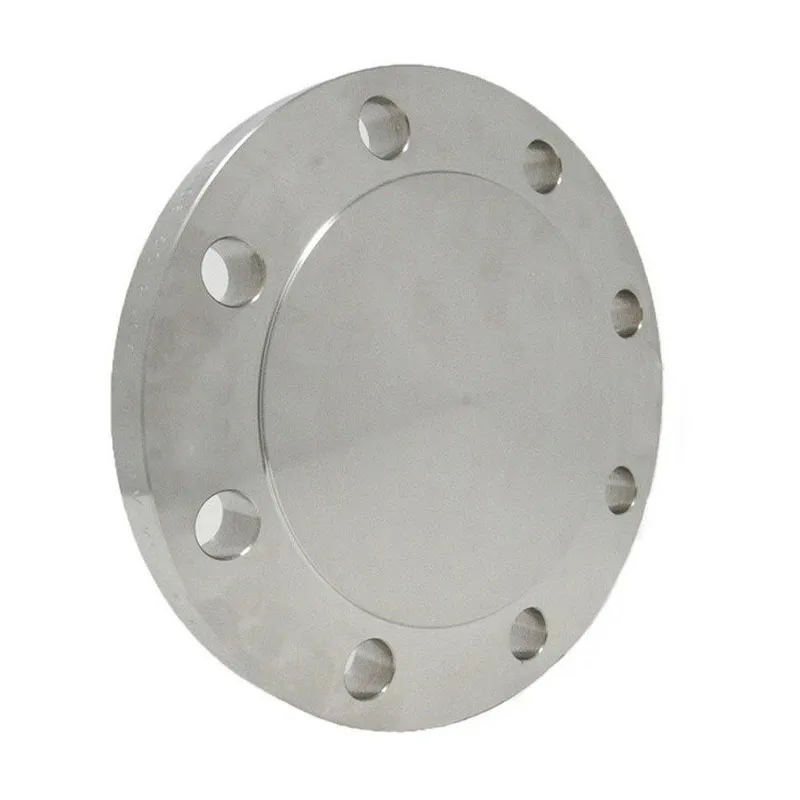 EN 1092-1 Blind flanges Type 05, PN10
 -
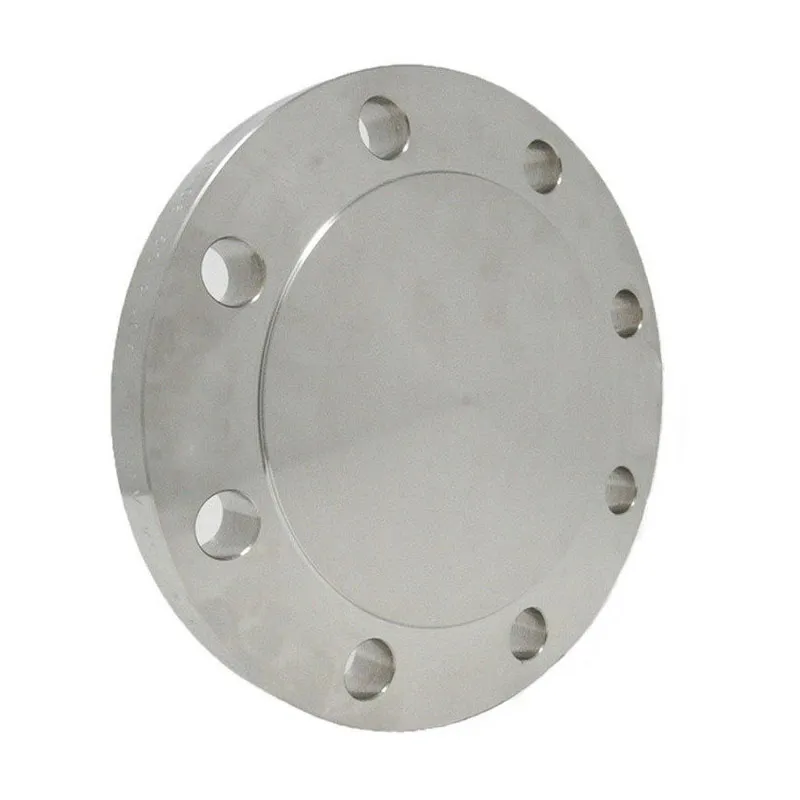 AWWA Blind Flanges Class D (Tables 1, 2, 3)
 -
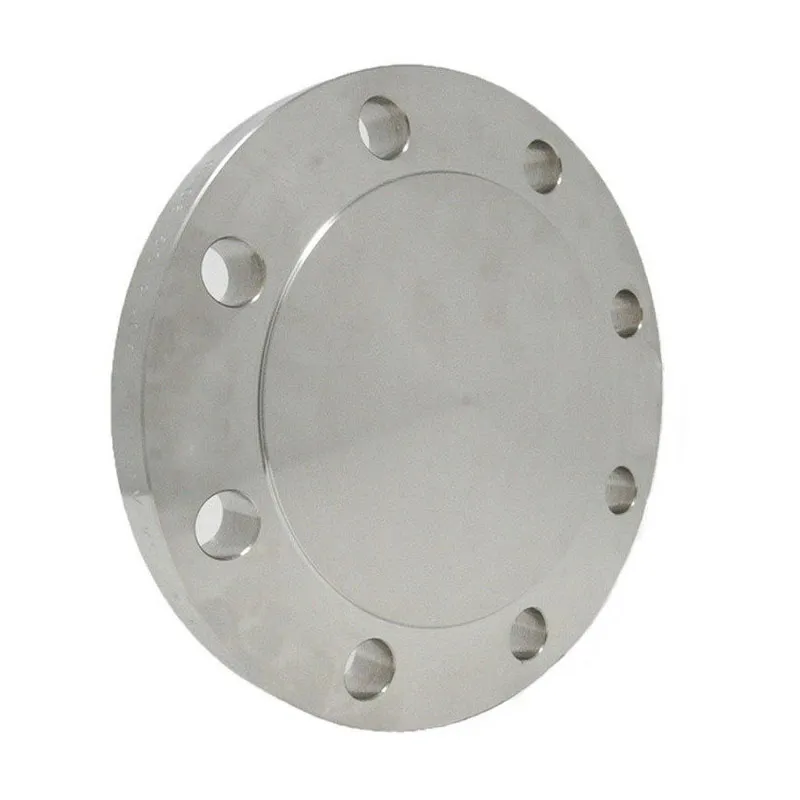 Blind flanges Class 150