
-
-
Phone
+86-13623462298



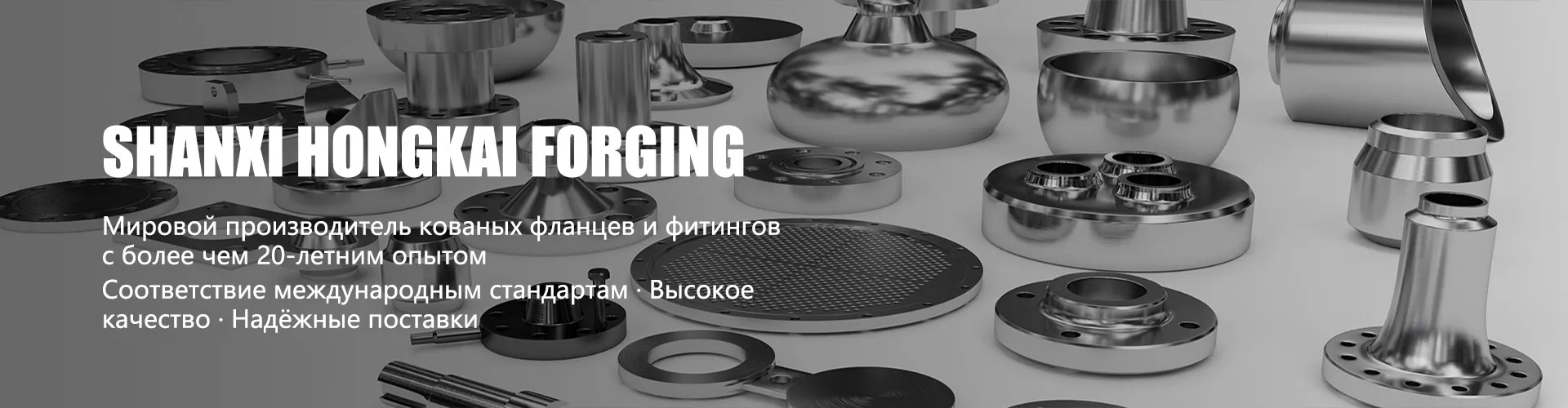
flange 400 gost
When you see the request “flange 400 GOST”, the first thing that comes to mind is that a person is looking for a specific size for a specific standard. But here’s the catch: by itself ?GOST? is a whole universe, especially for flanges. Many people, especially those who are just starting procurement for projects, think that it is enough to indicate ?GOST? and diameter 400, and everything will fall into place. In practice, without specifying the number of the standard itself - the same GOST for steel welded flanges, or, say, the good old GOST 12820-80 - you can get something completely different from what is needed for the pipeline. Or you may encounter the fact that the supplier offers an “analog”, which in fact may differ in thickness, number of holes, or even material. This is not just paperwork, it is a question of the tightness of the joint and the safety of the entire system.
What is hidden behind the number 400? in real metal
Let’s take, for example, a flange for nominal size DN 400. It would seem that what’s so complicated about that? But nuances immediately emerge in the work. ?Four hundred? - this is already a serious size, the weight of the product is measured in tens of kilograms. The first thing you look at is the execution. For fittings or a heat exchanger, a flat flange is often needed (GOST 12820), and for a high-pressure main pipeline, a butt flange is required (butt weld, GOST 33259 or its predecessors). The difference in installation and loads is colossal.
The second point is pressure. Conditional pressure Ru10, Ru16 or Ru25? This directly determines the thickness of the connecting tab, the diameter and location of the stud holes. I had a case at one construction site: they brought flanges to DN 400, apparently according to GOST, but the customer forgot to indicate the pressure in the specification. It turned out that they were needed at Ru25, but were brought to Ru10. They seem to be similar in geometry, but when the system was pressurized to operating pressure, the entire assembly might simply not withstand it. I had to urgently look for a replacement, the project stopped.
And the third, often overlooked aspect is the material. For “four hundred” under standard conditions, steel 20 or 09G2S can be used. But if we are talking about a chemically active environment or low temperatures, then 12Х18Н10Т or something similar is already required. And this is where it is important to work with a manufacturer who does not just cut metal, but understands metallurgy and can confirm quality with certificates. For example, when we collaborated withShanxi Hongkai Forging Co.,Ltd(their website ishttps://www.hkflange.ru), then we noticed that they clearly divide production by steel grade and immediately request all environmental parameters. This is where the forged flange and forging manufacturer asks the right questions, which saves time and stress during the acceptance phase.
GOST vs. “made according to GOST”: room for maneuver and risks
There is a lot of talk in the industry about compliance with GOST. To be honest, today not every plant, especially foreign ones, keeps a printed copy of the standard in the workshop. But that's not always a bad thing. The key is compliance with critical parameters: geometry, mechanical properties, surface quality. Chinese manufacturers, who have been working in our market for a long time, often have in their arsenal exactly the standards that are needed.Shanxi Hongkai Forging Co.,Ltd, positioning itself as one of the main centers of the forging and pressing industry, in its nomenclature it states manufacturing in accordance with GOST, ASME, EN. For me, this is a signal that they most likely have legitimate drawings and technological maps, and do not work “by eye”.
However, there are also pitfalls. Sometimes under the brand name ?flange 400 GOST? can supply a product made according to an outdated standard, which is no longer relevant for new projects. Or, worse, a hybrid between GOST and DIN, where the holes will not match when mating with fittings from another manufacturer. Therefore, our procurement department always requires not just a reference to the standard, but a specific number and year. And even better - a sketch with dimensions for comparison.
From personal experience: the most reliable way to avoid problems is to ask the supplier for the sameHongkai Forging, a trial batch or at least a photo report of the key dimensions of the control sample. Especially for sizes DN1000 and above, which includes our DN400. A good manufacturer will never refuse, because he himself is interested in long-term cooperation. If you receive evasive wording in response, this is a reason to be wary.
Practical rake: installation, adjustment, surprises
Let's say the flanges have been purchased and the certificates are in order. The fun begins on the site. The 400 GOST flange is not a design part that always fits together perfectly. Even with perfect compliance with the standard, there are always questions about the parallelism of the sealing surfaces, the cleanliness of the processing (the grooves for spiral wound gaskets must be clear) and the alignment of the holes.
One of the common problems you encounter on site is the need for additional processing. For example, when installing old fittings with new flanges. Or when the pipeline is slightly skewed and the flanges need to be tweaked a little? on the spot. For forged flanges that suppliesShanxi Hongkai Forging, such modification is usually easier - forging has a more uniform metal structure compared to casting or welded structures, and there is less risk of internal stresses or cavities during drilling.
Another practical point is the packaging. The flange itself is half the battle. You also need studs, nuts, and gaskets of the correct type. And here it is important that the diameter of the holes for the studs and their markings exactly correspond to the standard. It happened that, due to a millimeter discrepancy, it was necessary to drill holes on an already mounted unit, which is extremely undesirable. Therefore, now we always order a trial assembly of the assembly (flange-gasket-flange) from a responsible supplier, if the scope of the project allows.
Non-standard as a way out: when GOST does not cover needs
It also happens that strict adherence to the 400 flange standard is impossible or impractical. For example, when modernizing old equipment, where flanges that were long discontinued were used, or for special devices with non-standard connecting dimensions. In such cases, the possibility of manufacturing according to customer drawings helps.
In the company descriptionShanxi Hongkai Forging Co.,LtdIt is expressly stated that they make non-standard products according to drawings. This is a valuable quality. In my practice, there was a project where a DN400 flange was required, but with a non-standard location and number of holes (for docking with an imported compressor). Standard GOST would not be suitable here. Working according to the drawing took more time, but the result was perfect because all parameters, including the 13HFA material, were met. The main thing in such work is to provide the most detailed technical request and maintain feedback with the plant technologists at the pre-production stage.
At the same time, it is important to understand that “non-standard” - this is not a synonym for “worse?”. Often this means greater control at all stages, because the product is piece-meal. And here you can see the difference between a simple workshop and a serious manufacturer like the one mentioned, who works in the range up to DN4000 and has experience in forging complex forgings.
Instead of a conclusion: a thought afterward
So, returning to the original request “flange 400 GOST?”. This is not a point in the search, but rather a starting point. Behind these words is the need to decide on the pressure, design, material, specific standard number and, no less important, with a trusted supplier who not only sells metal, but understands what this flange is needed for. Whether for repairing a heating main or for a new process module in a factory.
Working with elements such asforged flangeslarge diameter, teaches not to trust bare specifications. You always need to keep the whole picture in mind: from operating environment conditions to the nuances of installation at a specific site. And sometimes the best advice is not to chase the lowest price in the search bar, but to spend time in dialogue with the manufacturer’s engineers. Just those who, as stated onhkflange.ru, manufactures products in accordance with international and national standards. This dialogue often determines whether the connection will be simply an iron ring or a reliable knot that will last for decades.
Correspondingproducts
Related Products
Best Sellingproducts
Best Selling Products-
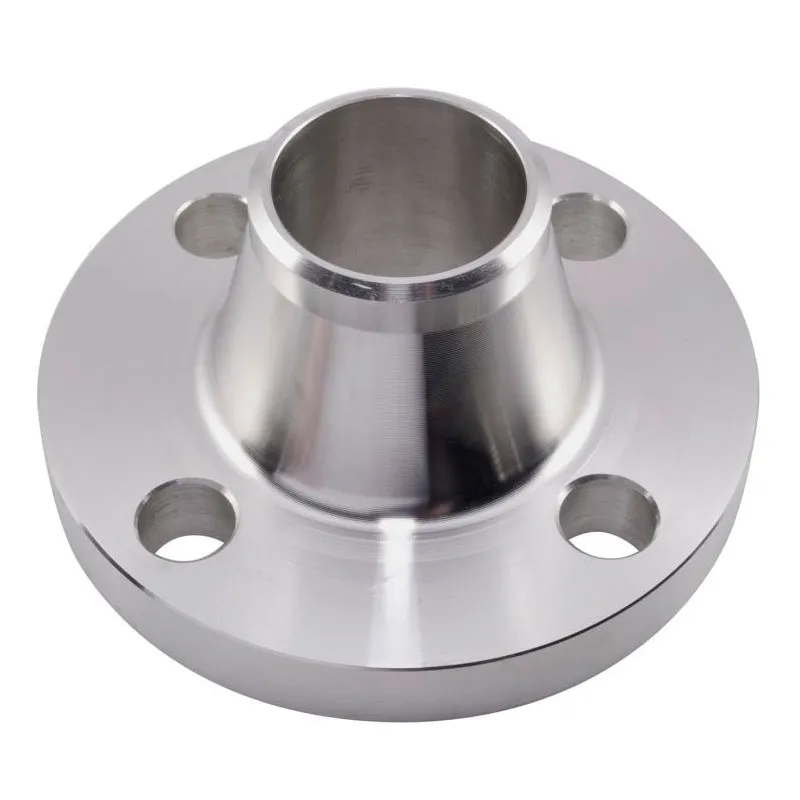 UNI 2281 Butt weld flanges PN10
 -
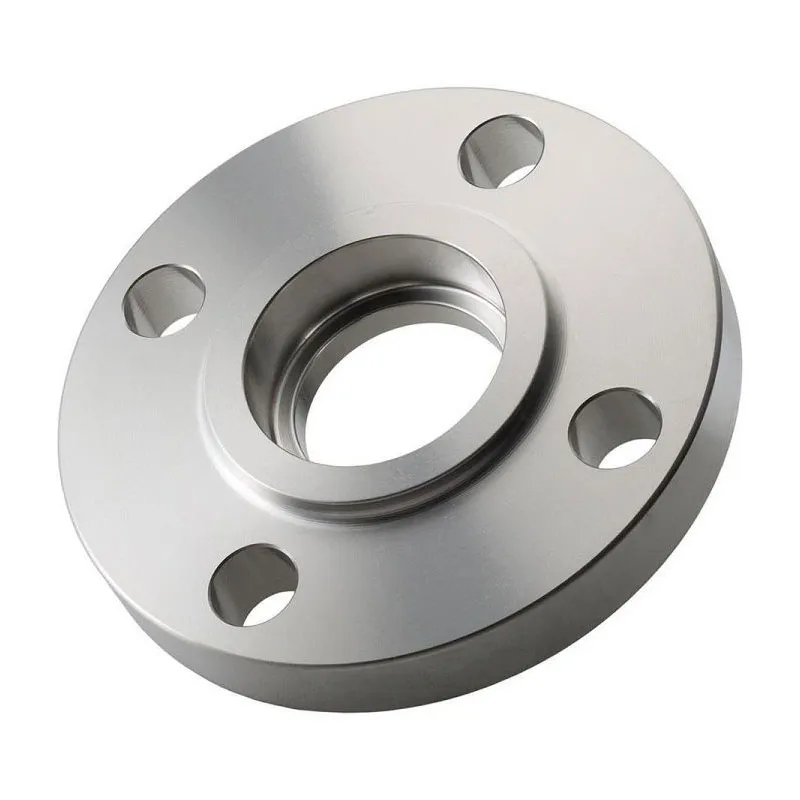
 Flanges for socket welding
 -
 ANSI B16.5 Lap-on flanges Class 300
 -
 Free ring flanges Class 400
 -
 ANSI B16.5 Loose Ring Flanges Class 2500
 -
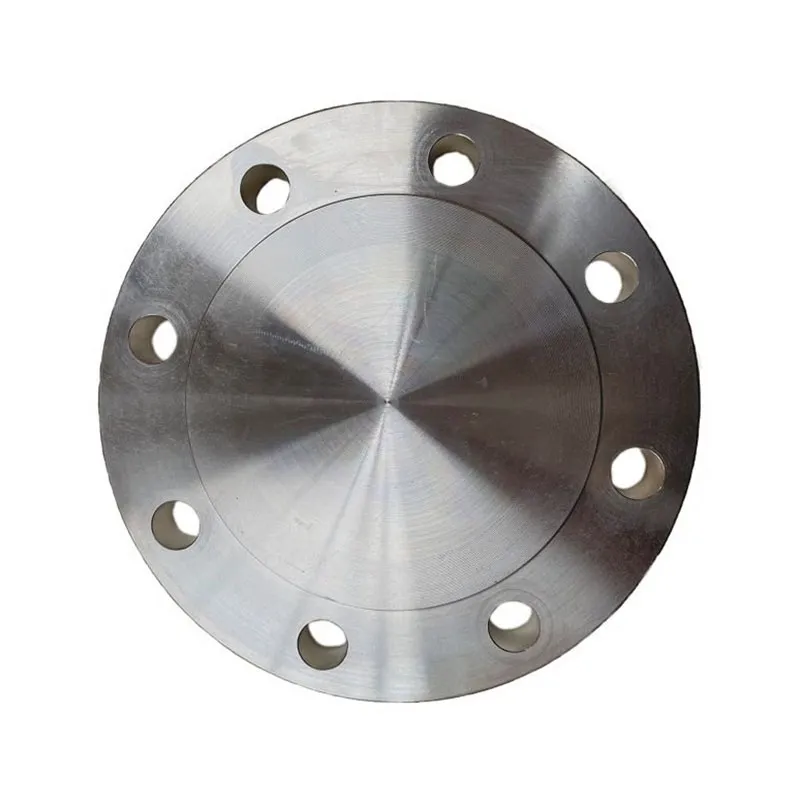 UNI 6092 Blind flanges PN10
 -
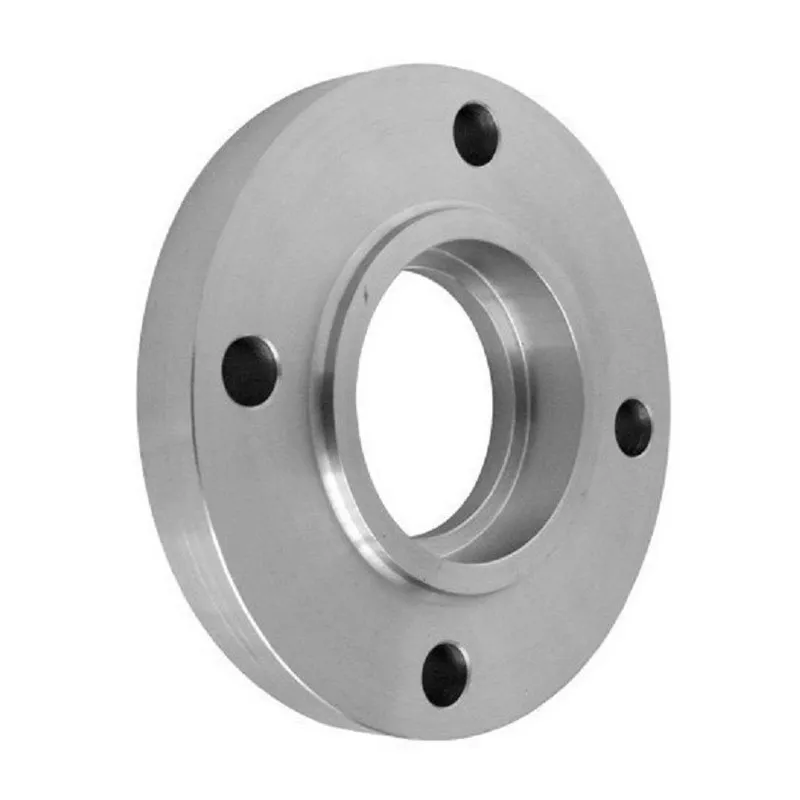 JIS 5K Socket Weld Flanges
 -
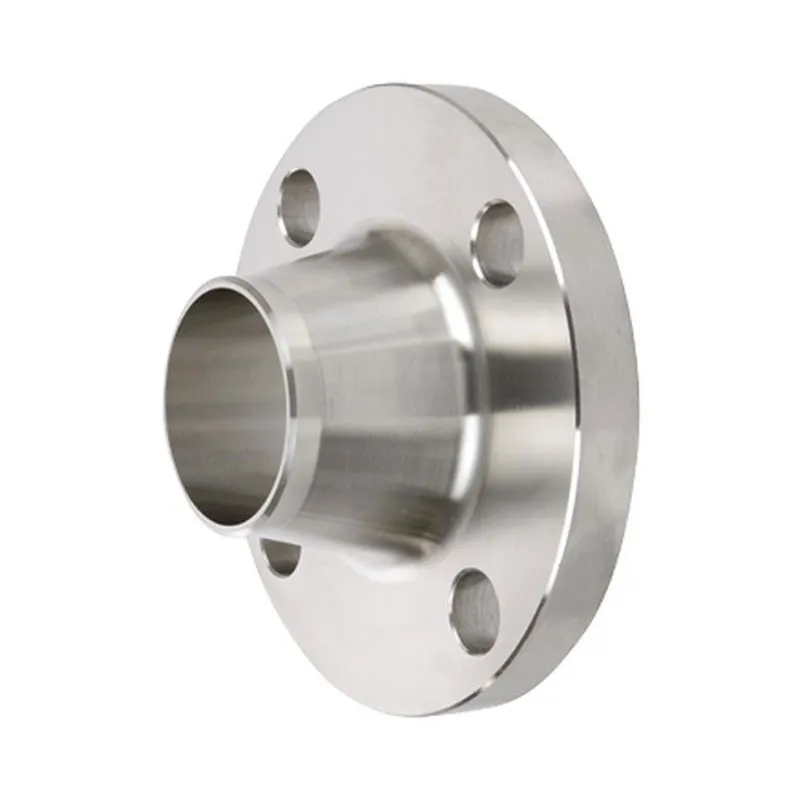 Ser.A Butt Weld Flanges Class 400
 -
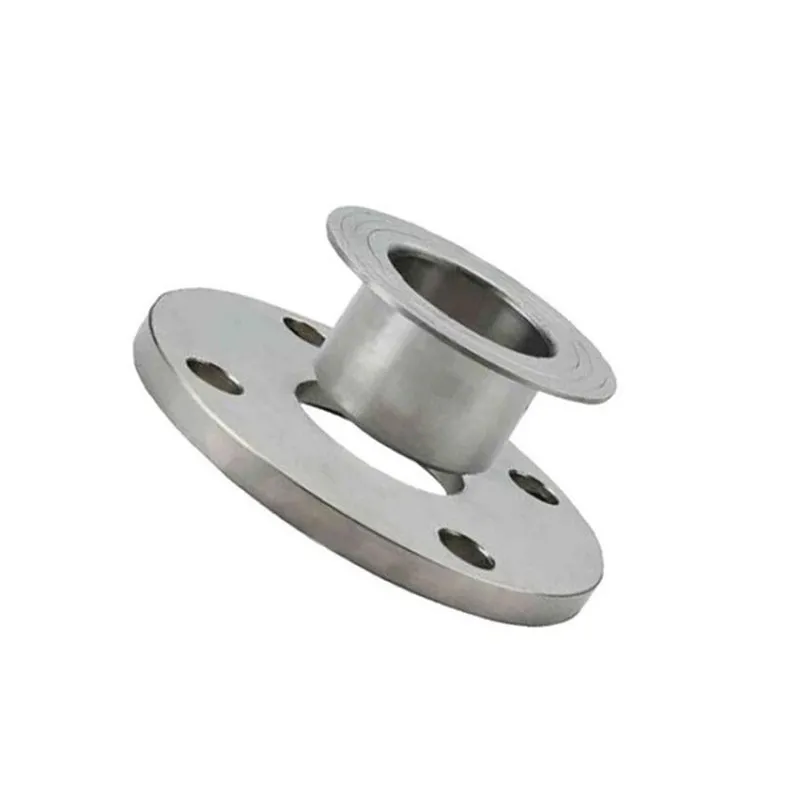 JIS 10K Loose Ring Flanges
 -
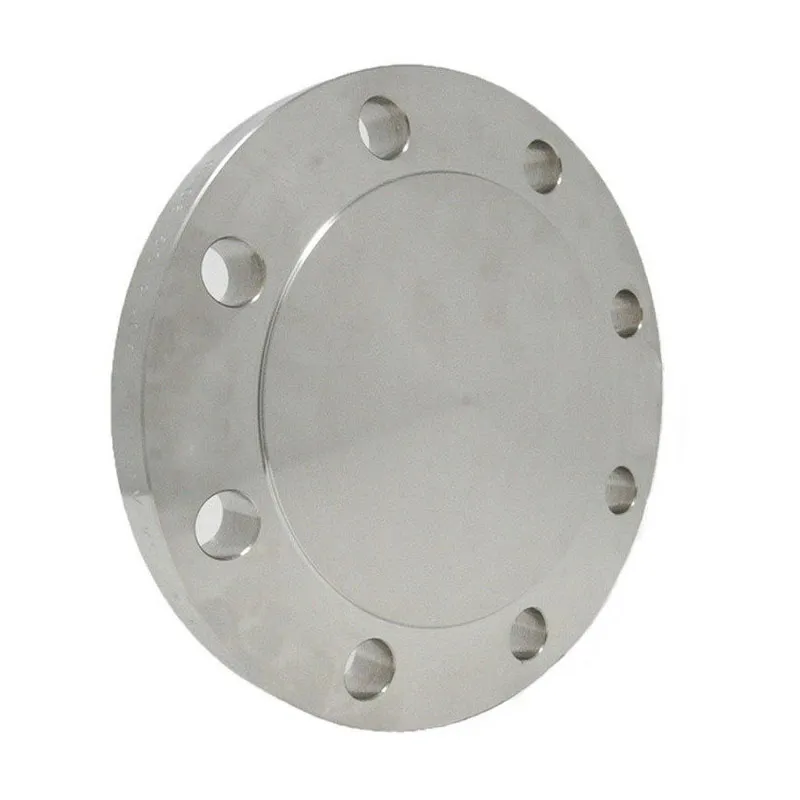 AWWA Blind Flanges Class D (Tables 1, 2, 3)
 -
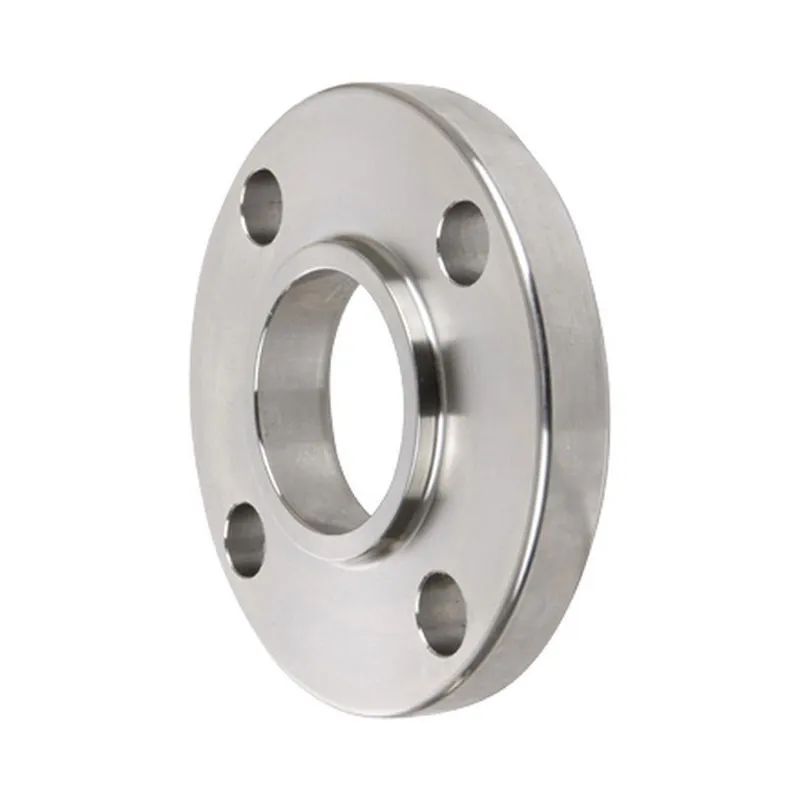 DIN 2501 Overlay flanges PN16
 -
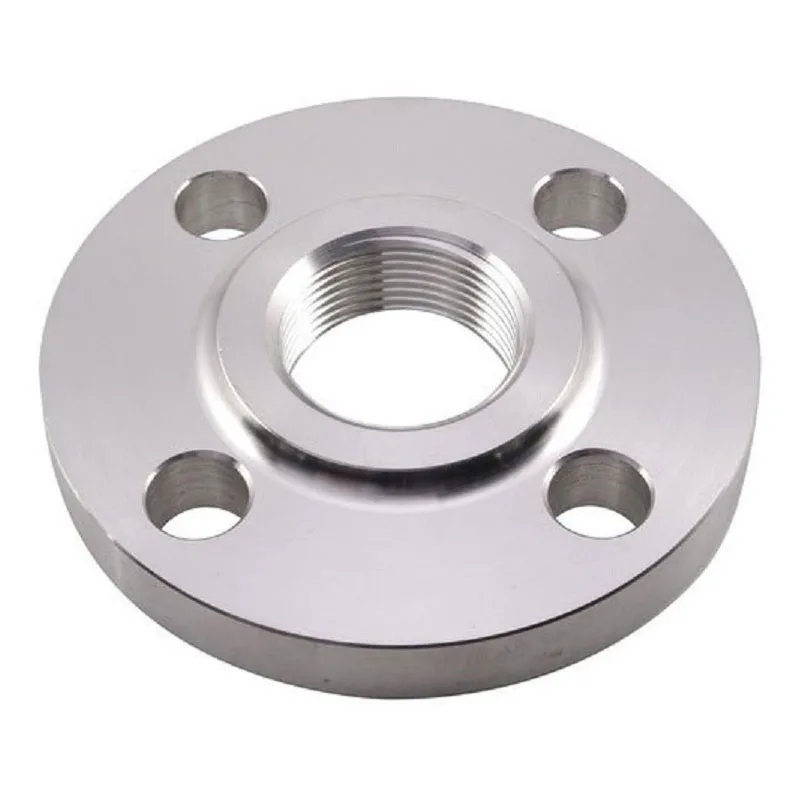 JIS 10K Threaded Flanges