
-
-
Phone
+86-13623462298



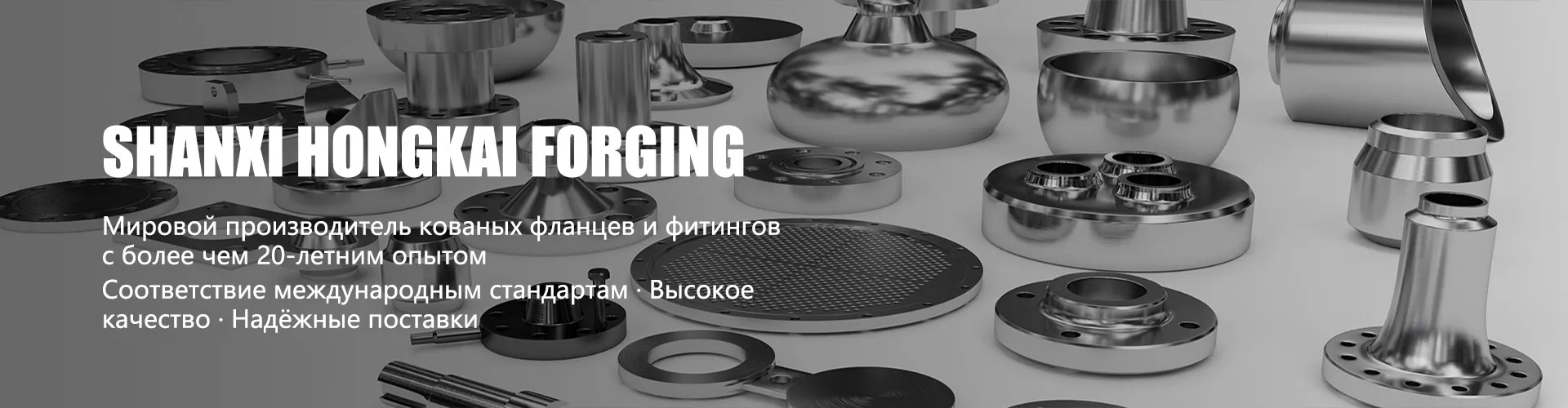
steel flanges DN150
When they talk about steel flanges DN150, many people immediately imagine a standard item from a catalog - take it, install it, it works. In fact, even in such a seemingly simple size as DN150, there are plenty of pitfalls. The most common mistake is to assume that all 150-diameter flanges are interchangeable. But there are different pressures, the design of the sealing surface, and, what is critical, the forging material itself. This is what I would like to speculate on, based on what I saw and collected personally.
What is hidden behind the number DN150? in practice
The number is conditional. The nominal diameter of 150 mm is about the nominal diameter of the pipe. But the outer diameter of the flange itself, the distance between the holes for the studs, is already strictly according to the standard. And here is the first ambush: if you take, conditionally, a flange according to GOST (also an analogue of EN 1092-1) and compare it with a flange according to ASME B16.5 for the same NPS 6 (this is approximately DN150), then the geometry will be different. Not always radically, but on an already assembled unit, replacing one with another without alteration will not work. This is especially painful for repairs at facilities where the equipment is of different types.
Therefore, the first rule is to know not only the DN, but also the standard by which the flange is made. For example, at one of our pumping stations we had to urgently look for a steel flange DN150 specifically according to ASME, because they installed an imported pump. It would seem like a trifle, but the downtime was arranged for a day. What was saved then was a manufacturer who works with different standards, likeShanxi Hongkai Forging Co.,Ltd. They have in their assortment just GOST, ASME, and DIN, which is very convenient for selection.
And one more thing about the material. For Du150 steel 20 or 09G2S is often used. But if the environment is aggressive or the temperature is above 425°C, then the 20th no longer rolls. You need to look at alloy steels. I saw how on a steam pipeline flanges from Art. 20 sailed precisely at the junctions. We changed it to 13HFA - the problem went away. So the material is not just a line on the certificate.
The design of the surface for the gasket: something that is rarely paid attention to
This is perhaps the most subtle point that emerges during editing. Everyone knows about the types of designs: from smooth (A) to “tenon and groove?” (F-G). But even within, say, design B (protrusion-recess) there are nuances with depth and radius. For DN150, where pressures can reach 100 atmospheres, the quality of fit is everything.
Once I encountered a leak on a flange connection Du150 Ru160. Everything looks perfect: the flanges are new, the studs are tightened in a circle with a torque wrench. And it flows along the contact line. They began to disassemble it - it turned out that on one flange there was a microscopic scratch on the surface of the seal, you couldn’t even feel it with your hand. Probably a manufacturing defect during machining. I had to remove it and take it for polishing. Since then, before installation, especially on critical components, I check the surface with a ruler to see if there is any warping or scratches.
Manufacturers who emphasize quality control like the sameShanxi Hongkai Forging Co.,Ltd, usually this stage is not skipped. In their product descriptions it is directly stated that production is carried out according to international standards, and this implies strict final control of geometry and surface. For me, this is an important argument when choosing a supplier of forgings.
Butt welding: where can you “save”? and where it is absolutely forbidden
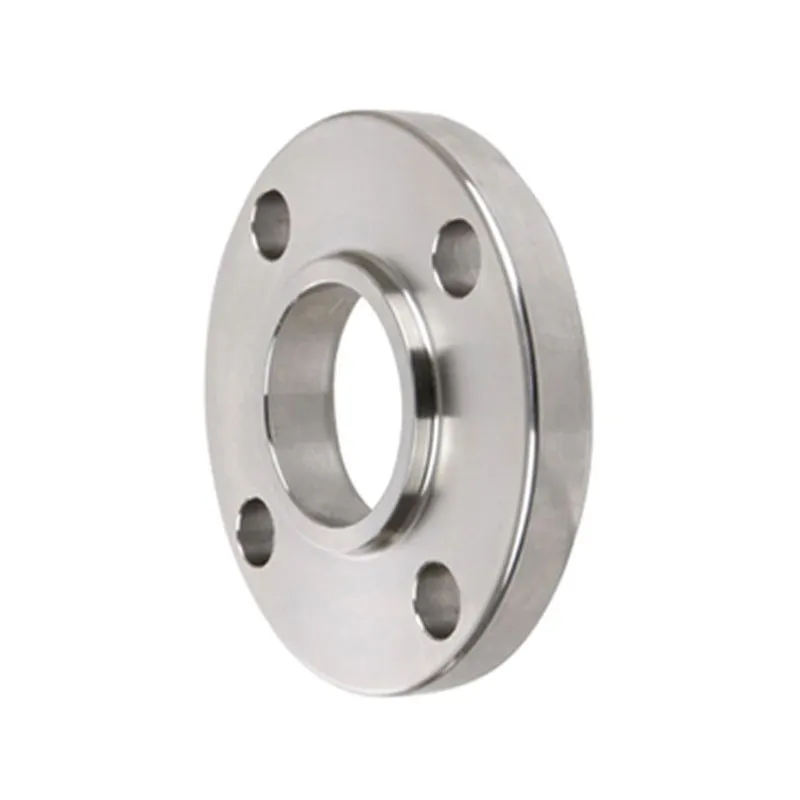
Butt welded steel flangesDN150 is the most common type in highways. It would seem that I welded it and forgot. But saving on preparing the edge for welding or on welding modes comes at a cost. Especially for thick-walled pipes.
Proper preparation means chamfering at a certain angle. If it is not done or done “by eye”, the penetration of the root of the seam will be incomplete. And this is the source of a potential fatigue crack, especially during vibrations. I myself observed the consequences on the pipeline of a chemical plant - the crack appeared precisely because of lack of penetration at the neck of the DN150 flange.
Another practical tip: when installing a new unit, first “grab” it. flange at two or three points, conditionally assemble the entire assembly (with fittings, bends), make sure that there is no distortion, and only then weld it completely. Otherwise, the holes for the studs may be misaligned, and it will be impossible to assemble them later. Redoing such welding is still a pleasure.
Loose flanges for DN150: a timeless classic for repairs
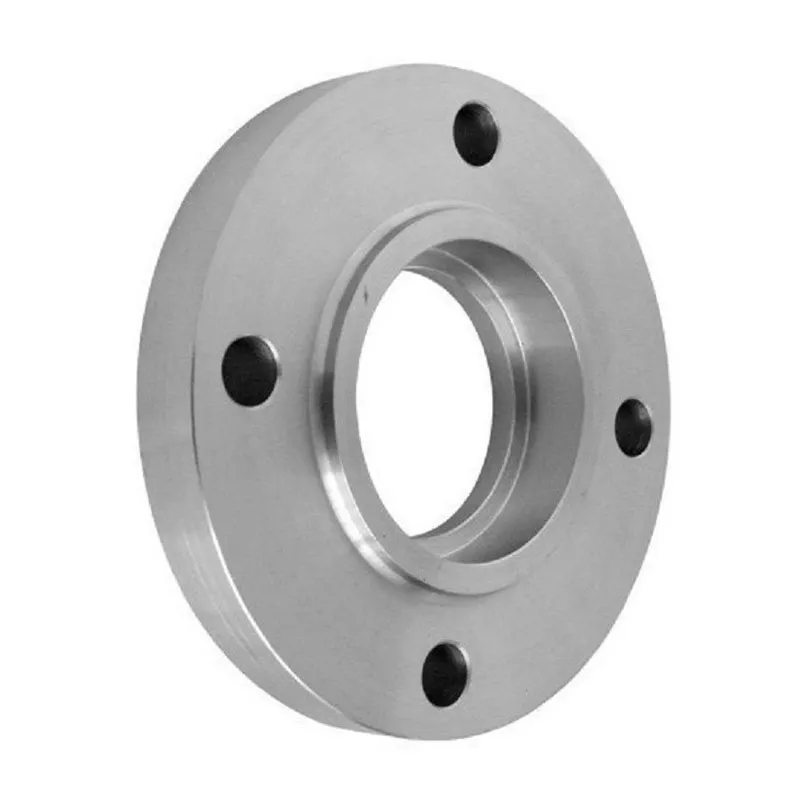
Loose flanges on a ring are often thought of when quick repairs or installation in a hard-to-reach place are needed. For Du150 they are also in great demand. Their main advantage is that you do not need to rotate the flange itself around the pipe to align the holes. But there is also a pitfall - the quality of the welded ring itself.
The ring must be made of the same grade of steel as the flange. And its end must be processed as cleanly as the flange surface. There were rings with scale or unevenness - then the gasket did not seal evenly. It is better to take kits from one manufacturer, where the ring and flange are matched. In the catalogs of serious factories, like the one mentionedShanxi Hongkai Forging Co.,Ltd, such kits are usually offered, which minimizes risks.
Their practice of manufacturing non-standard products according to customer drawings is very helpful when you need not just DN150, but, for example, a flange with a non-standard arrangement of holes or additional technological extensions. We once made a transition from one standard to another - we managed it.
Control and acceptance: what needs to be checked in addition to the certificate
The certificate is good. But it will not replace a personal inspection. Forsteel flanges DN150I have a simple checklist. First, geometry: I use a caliper to check the thickness, the diameters of the centers of the holes and their number. For DN150 according to GOST 33259, for example, there should be 8 holes. We also came across 4 - an obvious defect or the wrong standard.
Secondly, labeling. It must be clear: size, nominal pressure, steel grade, manufacturer's mark. Erasable or shallow markings are a reason to be wary. Thirdly, visually for the absence of shells, sunsets on the surface, especially in the neck area and on the sealing surface.
And most importantly - residual stresses after forging. Ideally, the manufacturer carries out heat treatment (normalization) to remove them. This ensures that the flange will not warp over time or when welded. On the websitehkflange.ruThe company description states that they are a manufacturer of forged flanges in one of the forging centers of China. This hints at the presence of a full cycle, including heat treatment, which is critical for critical applications.
Instead of a conclusion: a thought afterward
Working with flanges is always a story about attention to detail. Even for such a common and seemingly studied size as DN150. You can’t just take it from the first batch you come across. You need to understand under what conditions it will work, to what standard it should be manufactured, and, just as important, who made it. Experience, including negative ones, shows that the reliability of the assembly is 90% determined by the quality of the flange itself and 10% by the correct installation. And these percentages are inseparable. Therefore, choosing trusted suppliers who specialize in forgings and work to a wide range of standards is not an overpayment, but insurance against much higher costs for repairs and downtime.
Correspondingproducts
Related Products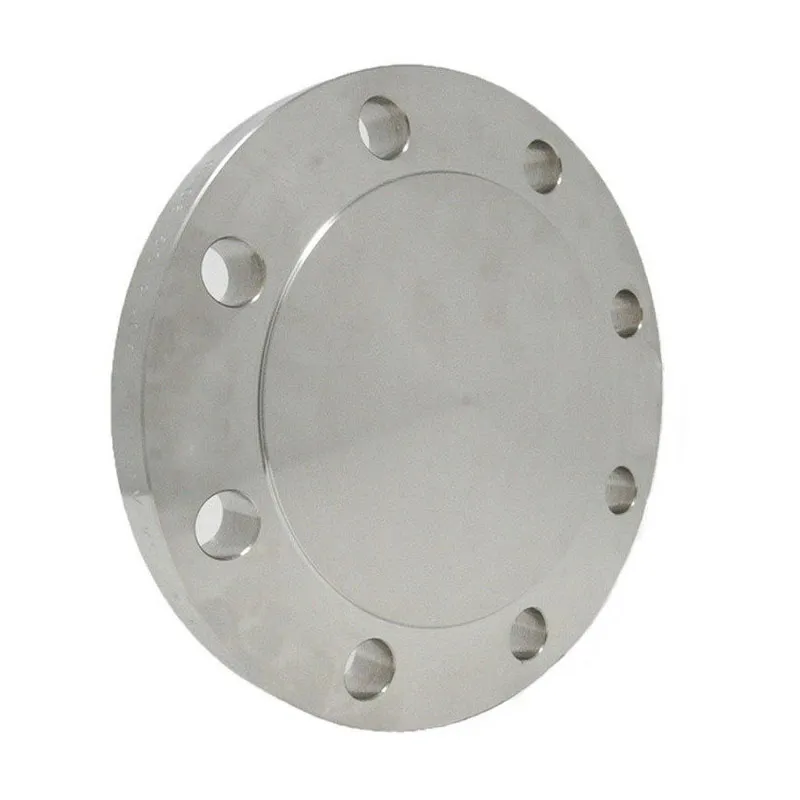
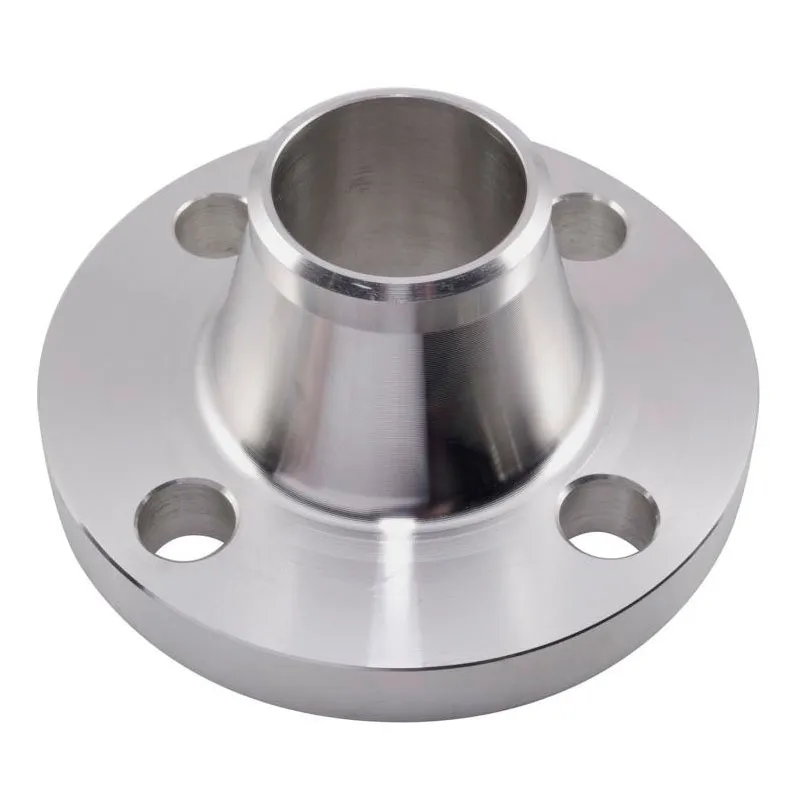
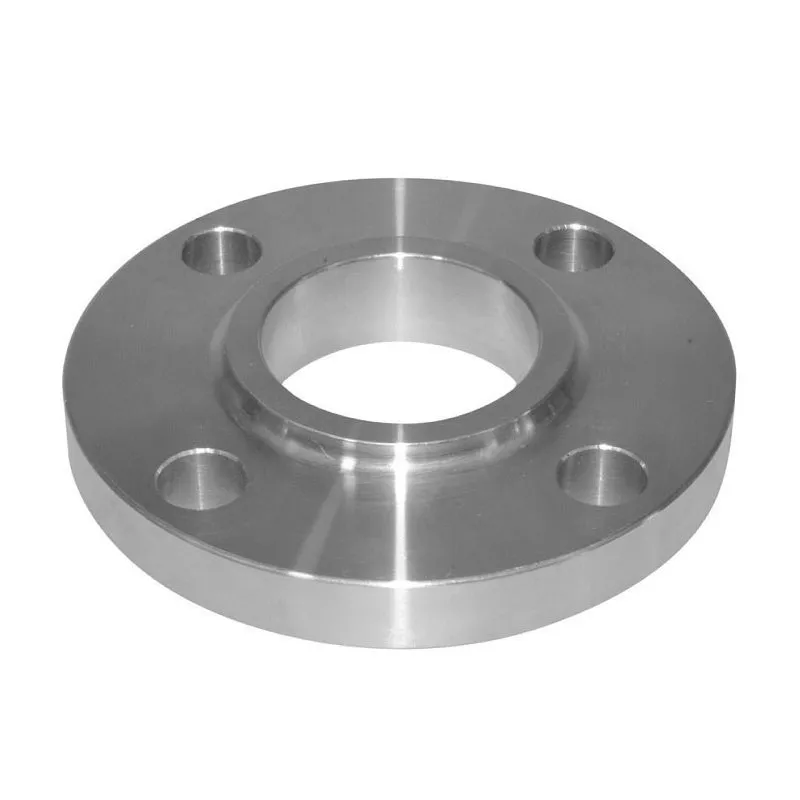
Best Sellingproducts
Best Selling Products-
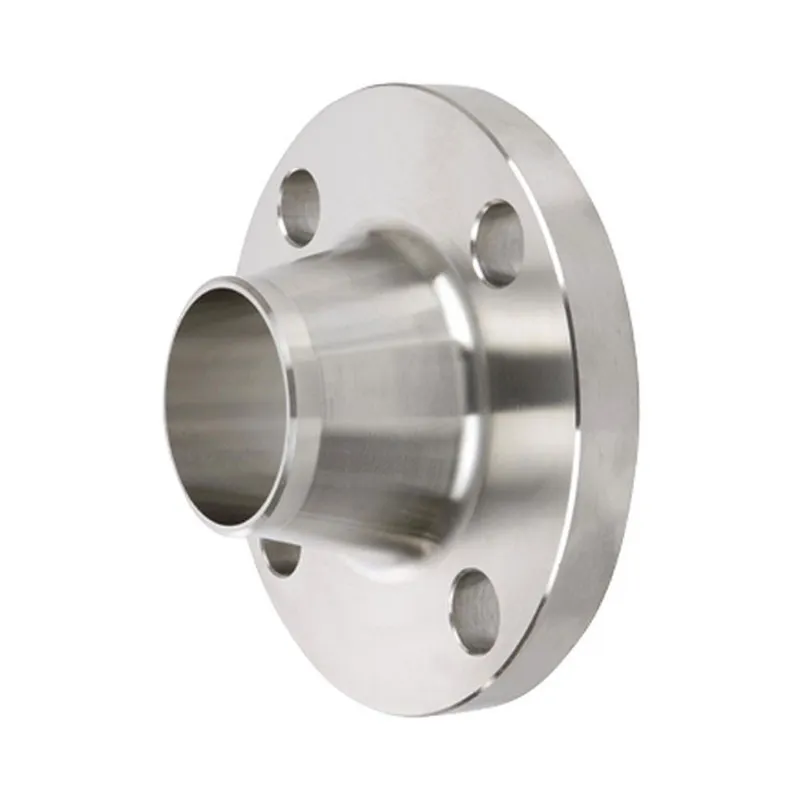 EN 1092-1 Butt weld flanges Type 11, PN25
 -
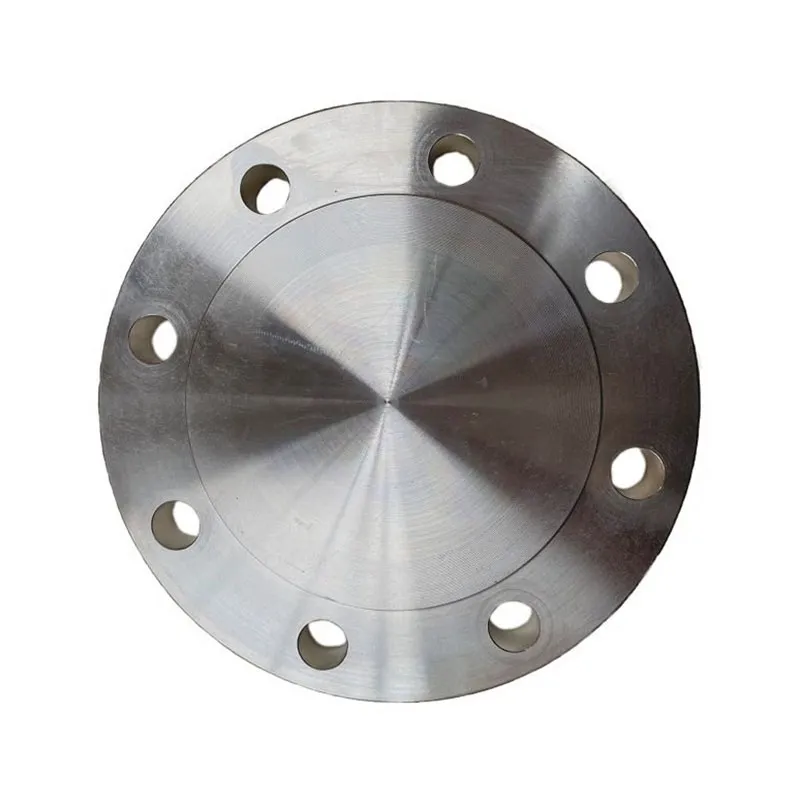 ASME B16.47 Ser.A Blind Flanges Class 400
 -
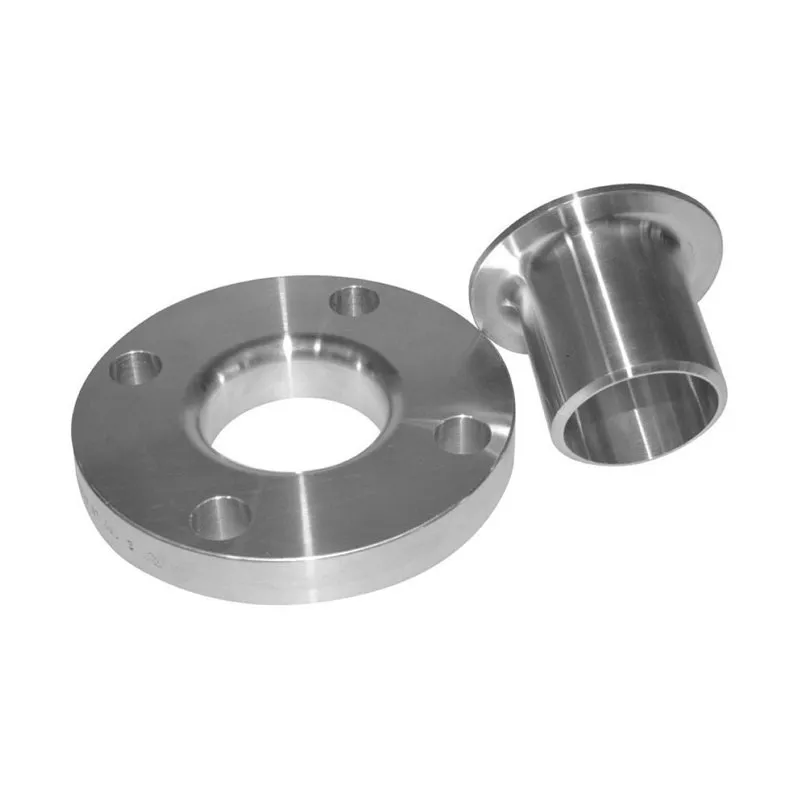 Free ring flanges Class 150
 -
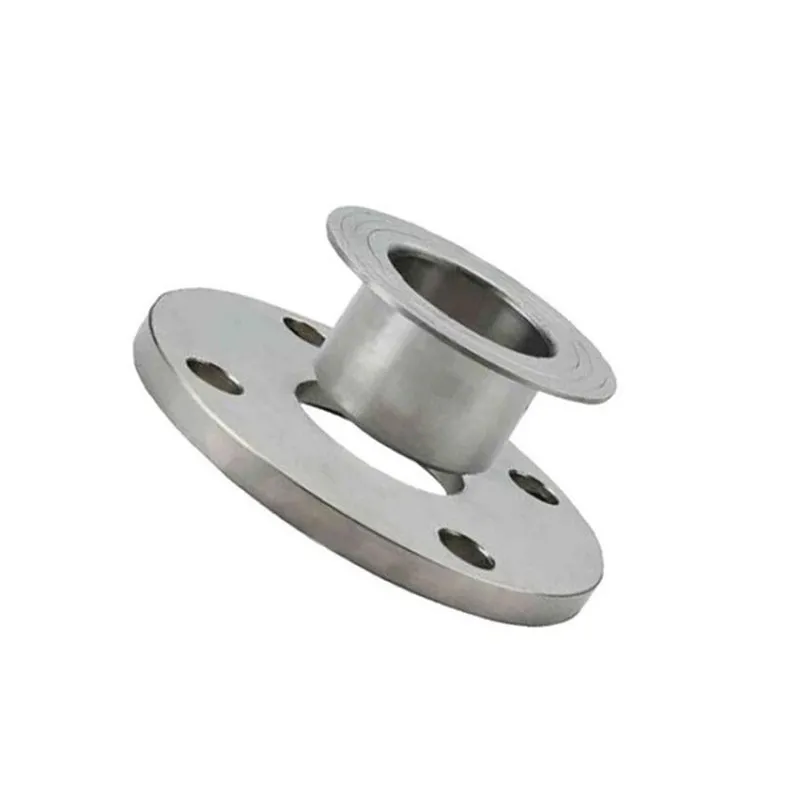 JIS 10K Loose Ring Flanges
 -
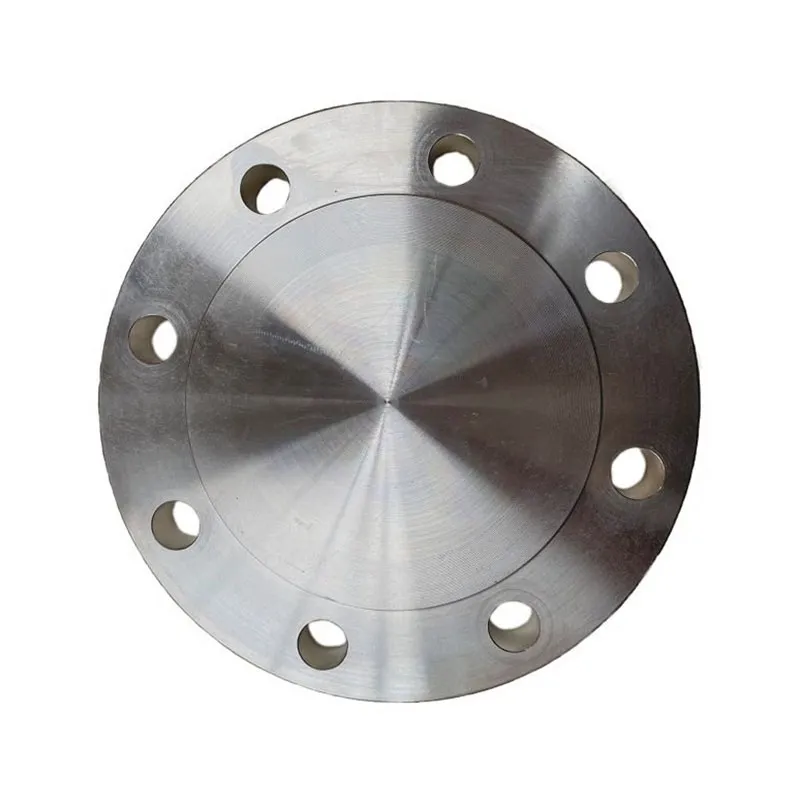 UNI 6092 Blind flanges PN10
 -
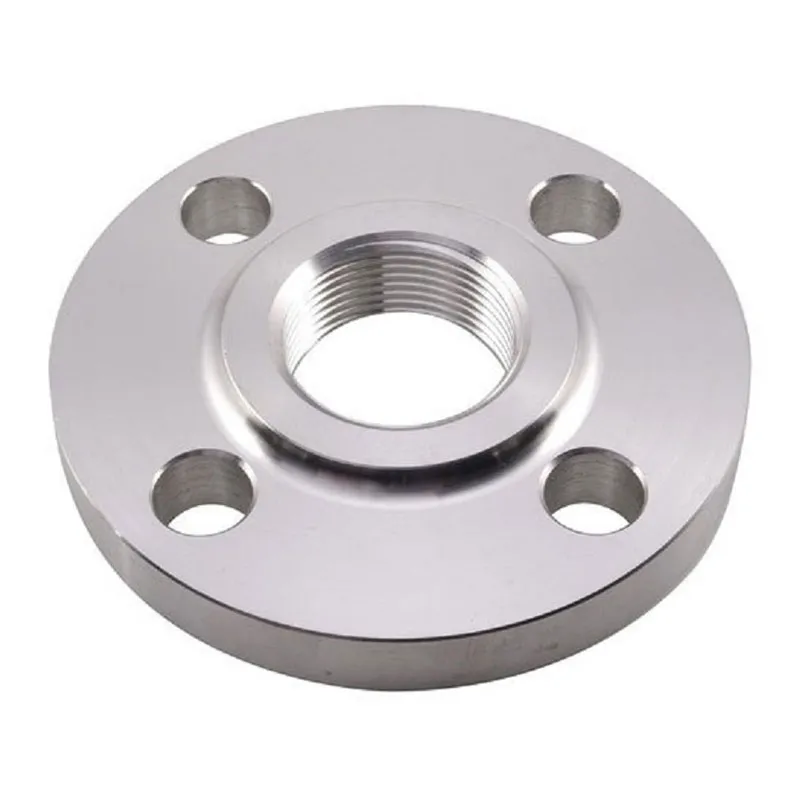 JIS 10K Overlay flanges
 -
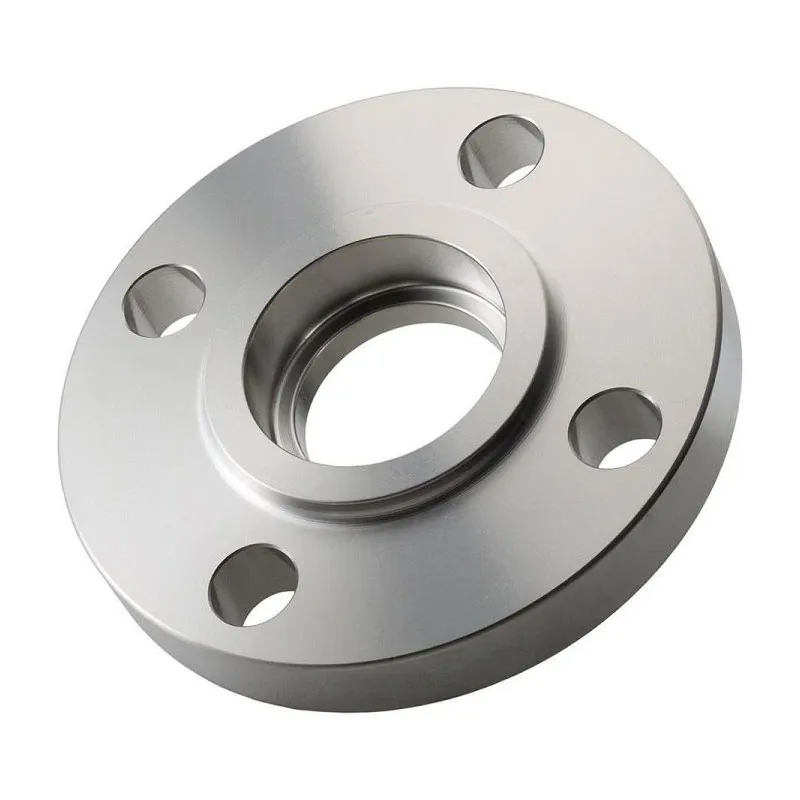 ANSI B16.5 Socket Weld Flanges Class 150
 -
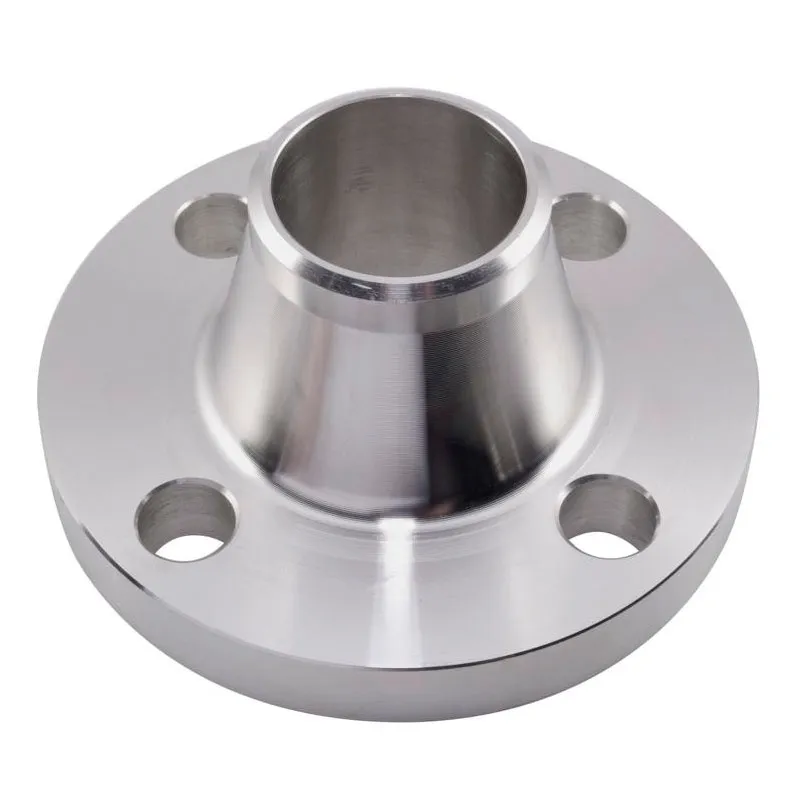 Butt weld flanges Class 900
 -
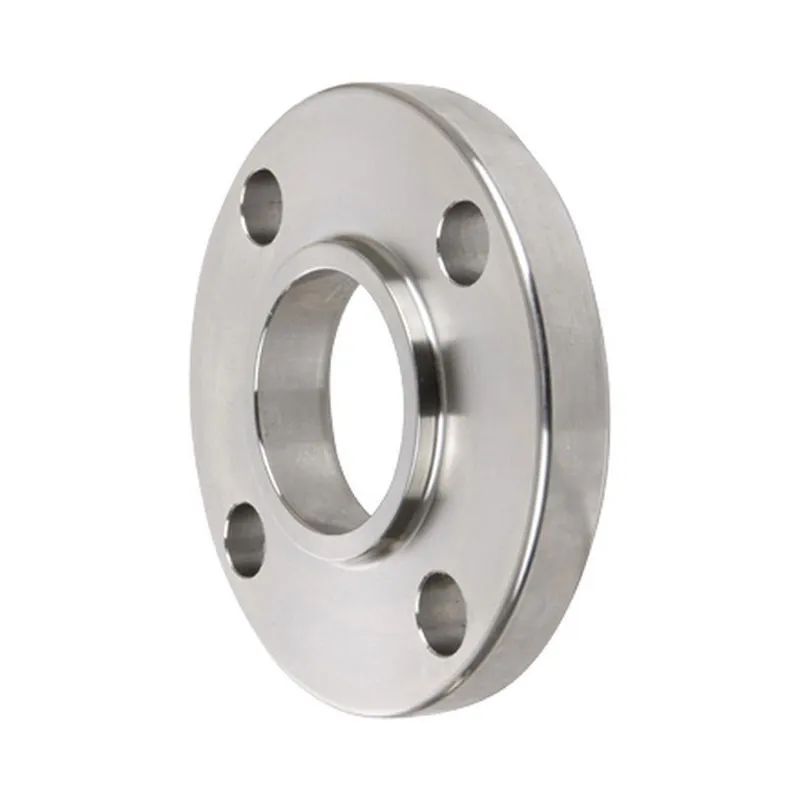 DIN 2501 Overlay flanges PN16
 -
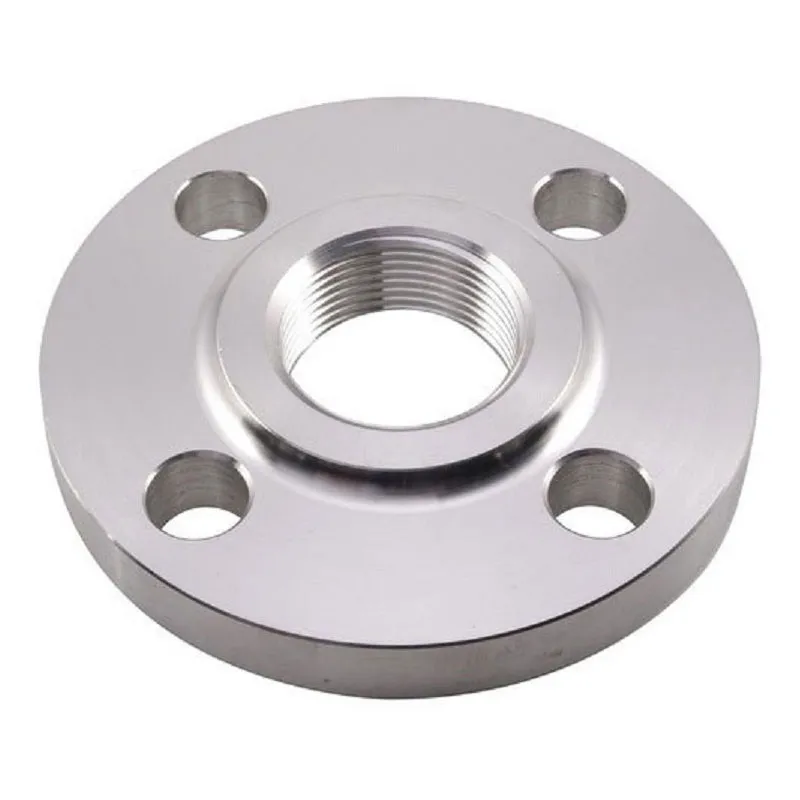 DIN 2565 Threaded flanges PN6
 -
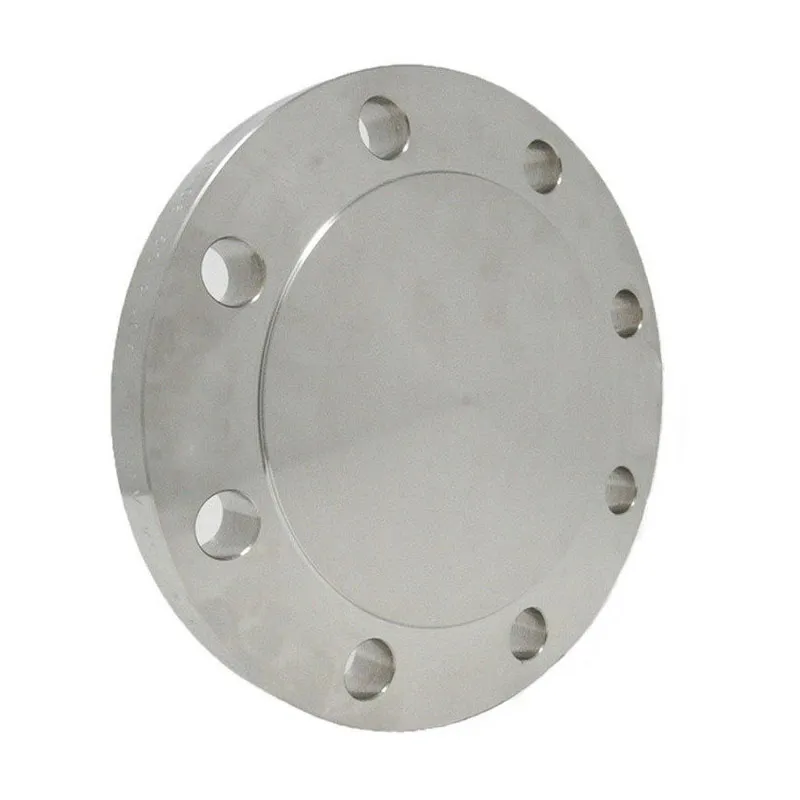 AWWA Blind Flanges Class D (Tables 1, 2, 3)
 -
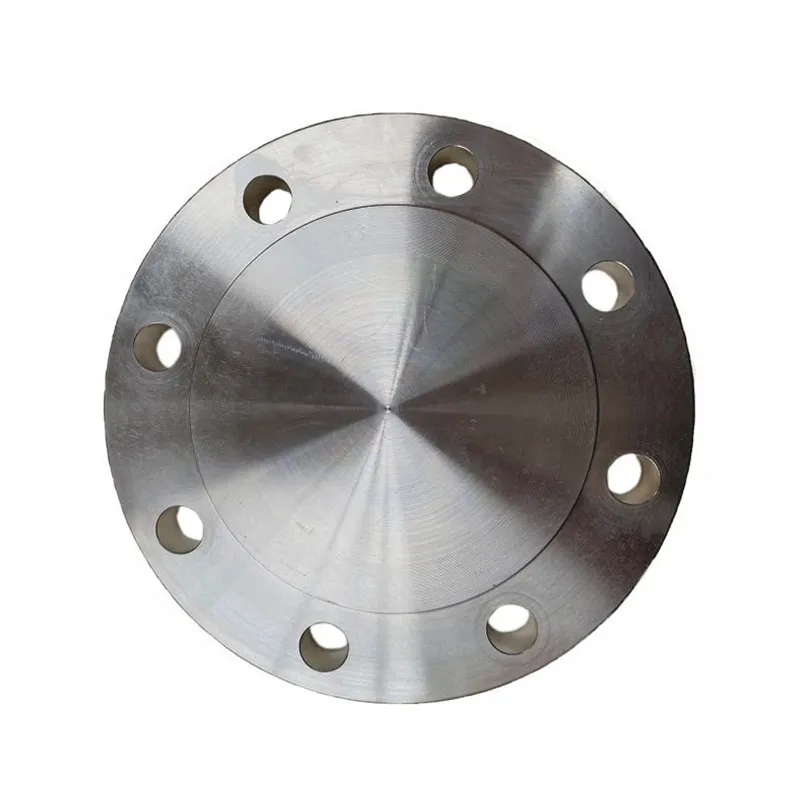 DIN 2527 Blind flanges PN10