
-
-
Phone
+86-13623462298



faucet flange 50
When they say “flange valve 50”, many people immediately imagine just a DN50 ball valve with a flange type connection. But in reality, this short formulation hides a lot of details that can seriously affect the operation of the unit. A common mistake is to assume that the main thing is the coincidence of the nominal diameter. However, pressure, type of seal, flange material and even its standard of execution are what truly determine the reliability of the connection. I myself have encountered situations when it would seem suitablefaucet flange 50leaked after the first hydraulic tests, and the reason lay in the discrepancy between the geometry of the flanges.
Flange as a basis: why DN50 is not only about size
Let's take the flange itself. A 50-diameter valve usually requires DN50 flanges. But here’s the catch: a flange according to GOST (which we are often asked for) and a flange according to ASME B16.5 are different parts in terms of thickness, bolt circle diameter, and even the number of holes. If you place a valve with ASME flanges between a pipeline with GOST flanges, there will not be a perfect fit. You will either have to fence off the transition gaskets, which is undesirable for critical areas, or look for taps that meet a specific standard.
This is where manufacturers who work with a wide range of standards come to the rescue. For example, on the siteShanxi Hongkai Forging Co.,Ltd (https://www.hkflange.ru) it is clear that the company produces forgings and flanges in accordance with GOST, ASME, EN, DIN and other standards. This is important because forfaucet flange 50for a specific project you often need more than just ?Russian? or ?American? flange, and exact compliance with the drawing. Their range includes butt-welded and flat flanges up to DN4000, which, of course, is not a problem for DN50, but speaks about the production culture.
Material is a different story. For water or steam at moderate parameters, steel 20 or 09G2S is suitable. But if we are talking about a chemically active environment or high temperatures, we need steels like 12Х18Н10Т or even duplex steels. The forging that he uses in his workShanxi Hongkai Forging Co.,Ltd, just gives that same homogeneous metal structure, which is critical for working under variable loads. I remember a case at a thermal power plant, where taps with flanges made of casting of dubious quality were installed on the feed water line - after six months, microcracks appeared in the body of the flange, not in the weld, but in the material.
Faucet: type, pressure and ?hidden? parameters
We've sorted out the flange, now the tap itself. ?Flange 50? is just a type of connection. What kind of tap is it? Ball full bore or reduced bore? For process lines where a minimum pressure drop is important, a full bore is needed. But it is both more expensive and larger. Often, customers, saving money, install standard-bore pumps, and then wonder why the productivity of the pumping group has dropped.
Nominal pressure PN16, PN25, PN40 or ANSI class 150, 300? Forfaucet flange 50PN16 is enough for a regular water supply network. But if it is steam at 12 atmospheres, you already need PN25 at least. And here again the flange is important - its nominal pressure must correspond to the pressure of the tap. It makes no sense to install a PN40 valve with PN16 flanges. Structurally, they can tighten, but during hydrotesting at 1.5PN, the PN16 flange may simply not withstand.
Another practical point is the interflange distance. Some valves, especially those with antistatic devices and fireproof designs, have an enlarged body. When replacing an old faucet with a new one, it may turn out that the new one does not fit between the existing pipe flanges - a couple of millimeters are not enough for the free installation of the gasket and tie rods. You have to either cut the pipe (which is not always possible) or look for a model with different dimensions. It's a small thing, but it stops work for the day.
Laying and assembly: where mistakes are most often made
The simplest and most common cause of leaks is the gasket. For a flanged connection of a valve with a diameter of 50, paronite PON-2.0 is often taken by default. But for aggressive environments you need fluoroplastic or graphite. And for food production - special food rubber. I once observed how a standard paronite gasket was installed at a dairy plant - after a week it swelled with fat and began to leak.
Tightening process. To tighten? From the heart? using a wrench is a sure way to tear off the studs or warp the flange. You need a torque wrench with the torque specified in the valve data sheet or according to the standard (for example, according to ASME PCC-1). And you need to tighten it crosswise, not in a circle. It would seem that this is a truism, but at facilities they are constantly guilty of this, especially when deadlines are running out.
And, of course, matching the holes. The flanges of the valve and the pipeline must be turned towards each other so that the holes for the studs coincide. Sometimes during installation they forget this “trifle” and start aligning the holes with a crowbar, scratching the sealing surfaces. After this, even a new gasket will not help - scuffs appear on the surface of the flange, violating the tightness.
Non-standard situations and adaptation
There are projects, especially during modernization, where it is requiredfaucet flange 50with a non-standard center distance of holes or with a transition to another standard. In such cases, standard shelf taps are not suitable. What helps here is the ability to order products according to customer drawings, which is offered, among other things, athkflange.ru. A manufacturer of forgings and flanges can produce flange pairs specifically for the geometry of the existing pipeline, and then the valve is assembled on them.
Another point is temperature expansion. On long straight runs of hot pipelines, the valve flange connection is a hard point. If it is installed without taking into account compensators, enormous stresses can arise in the metal. Therefore, sometimes for such conditions it is more logical to consider bellows rather than ball valves, but this is another topic.
From personal experience: at one of the petrochemical facilities it was necessary to install a shut-off valve on the line with flammable liquids. The pressure is low, the temperature is room temperature. Ordered standardfaucet flange 50made of carbon steel with flanges according to ASME B16.5 Class 150. The shipment arrived - visually everything is fine. But when checking with ultrasound, an internal sink was found on one of the faucet flanges in the transition area from the hub to the ring. Manufacturing defect, casting. I had to return the entire batch. This is about the importance of control even among seemingly trusted suppliers. Now I always wonder if forging is used for critical parts, like Hunkai, and not casting.
Instead of a conclusion: what to look for when choosing
So, to summarize in a “memo to yourself” style. Having heard?faucet flange 50?, ask questions: 1) What standard is the flange (GOST, ASME, DIN)? 2) What is the nominal pressure (PN/Class)? 3) Environment and temperature (material of body, ball, seals)? 4) Type of valve (full bore, with reduction)? 5) Is a special version required (fireproof, with heating)?
Do not hesitate to request passports and certificates, especially for flange materials. It is ideal if the flanges are forged - this gives a margin of strength and reliability. Manufacturers' websites, such as the one mentionedShanxi Hongkai Forging Co.,Ltd, are useful specifically for understanding their technological base - it is clear that they work with forgings and a wide range of standards, and do not just sell iron.
Ultimately, a reliable assembly is not just a faucet screwed to pipes. This is a well-chosen set: a valve with appropriate flanges, correct gasket, correct tightening and taking into account operating conditions. There are no trifles here. And experience lies precisely in anticipating these “little things?” before they turn into an accident or downtime.
Correspondingproducts
Related Products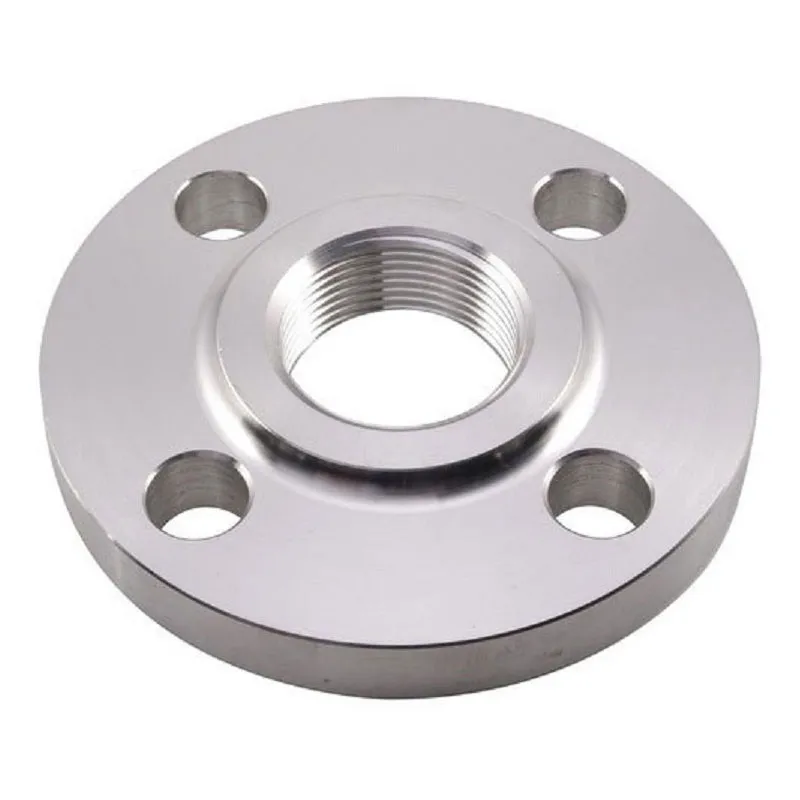
Best Sellingproducts
Best Selling Products-
 JIS 10K Overlay flanges
 -
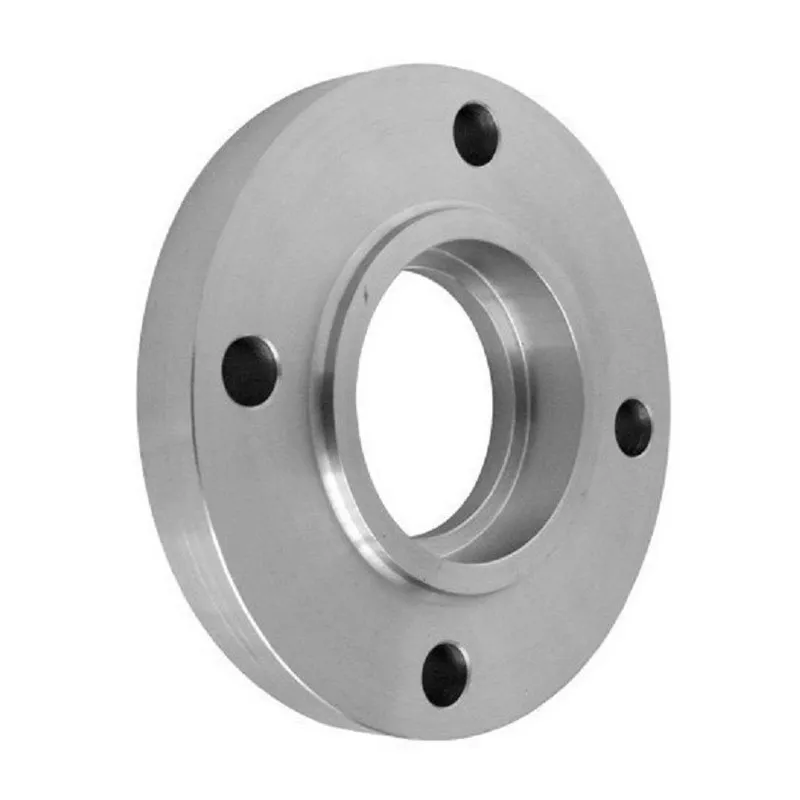 JIS 5K Socket Weld Flanges
 -
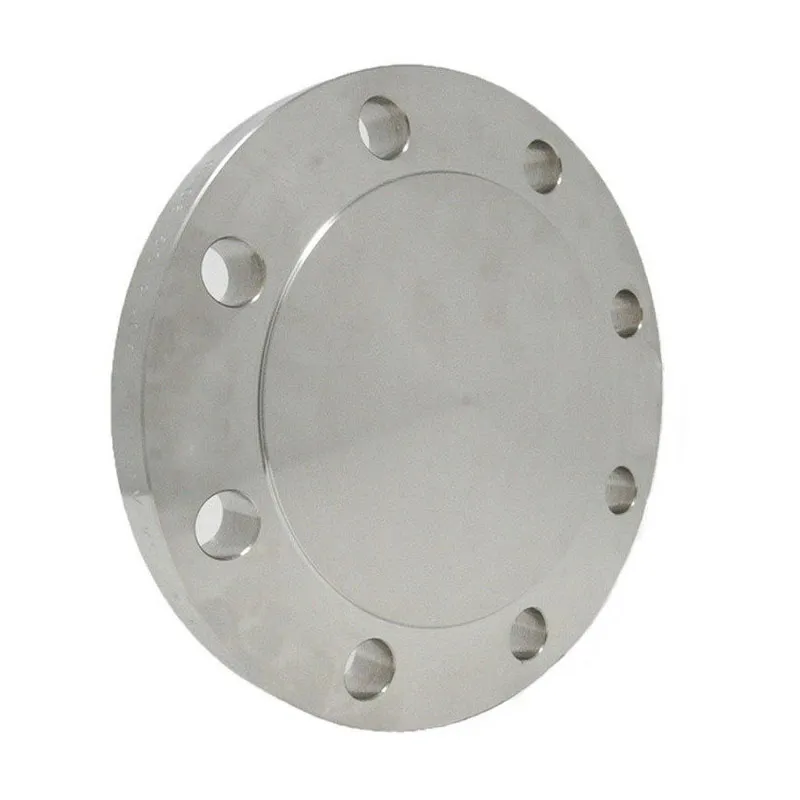 Blind flanges Class 150
 -
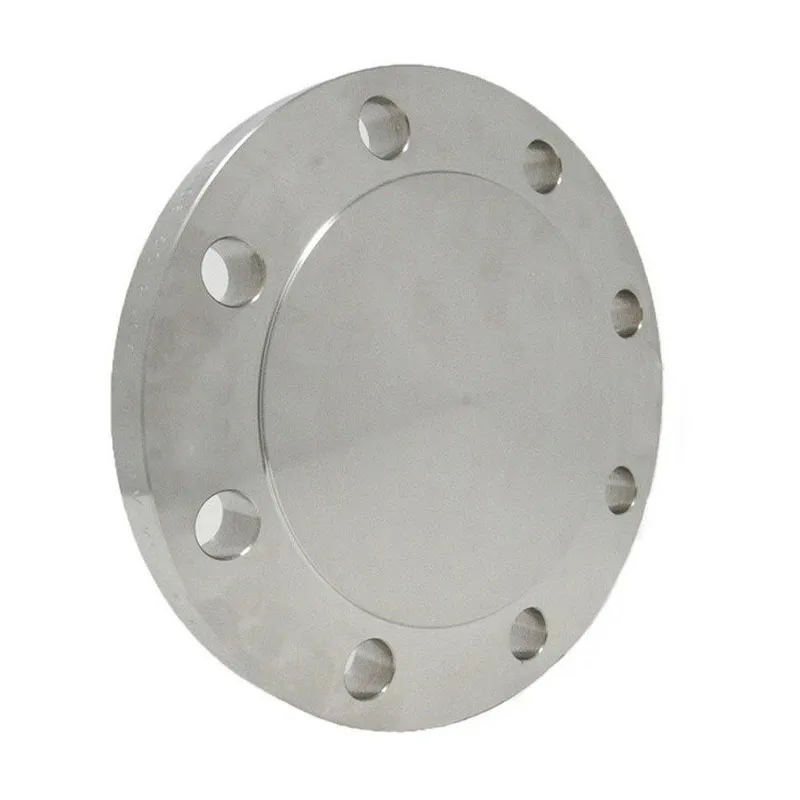 EN 1092-1 Blind flanges Type 05, PN10
 -
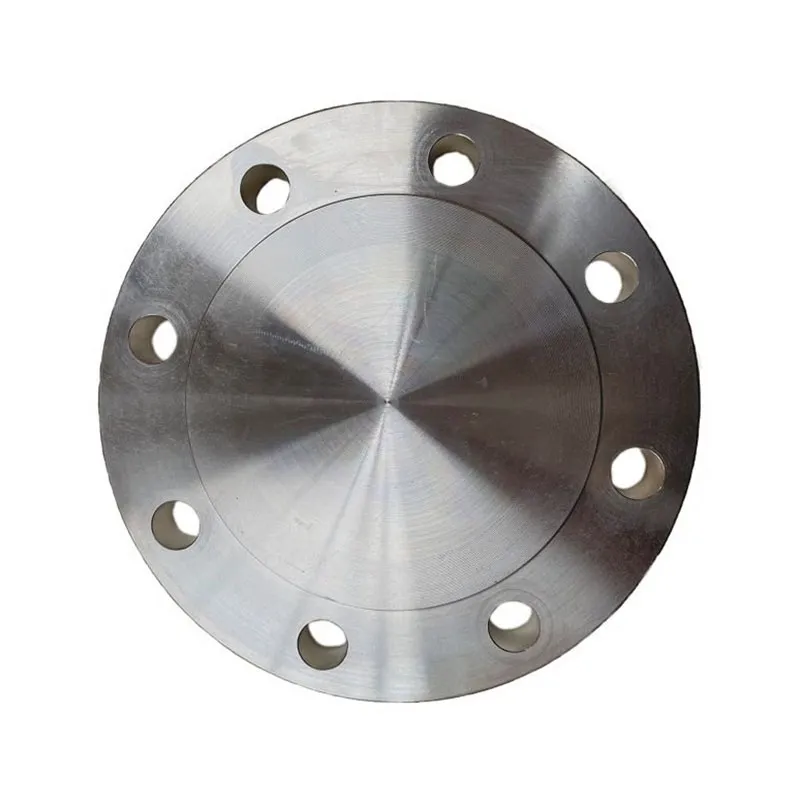 UNI 6092 Blind flanges PN10
 -
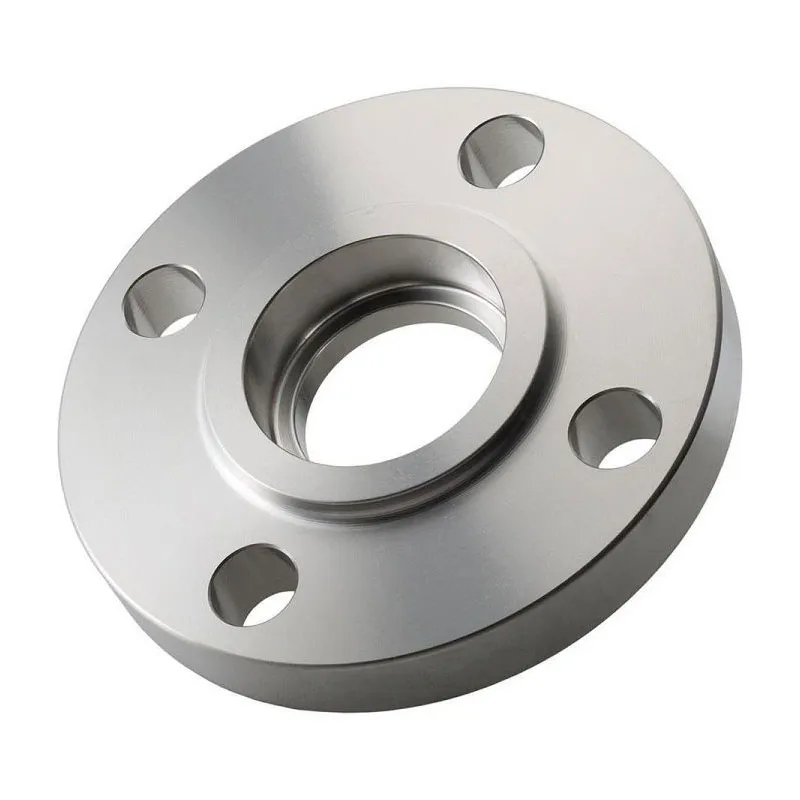 ANSI B16.5 Socket Weld Flanges Class 1500
 -
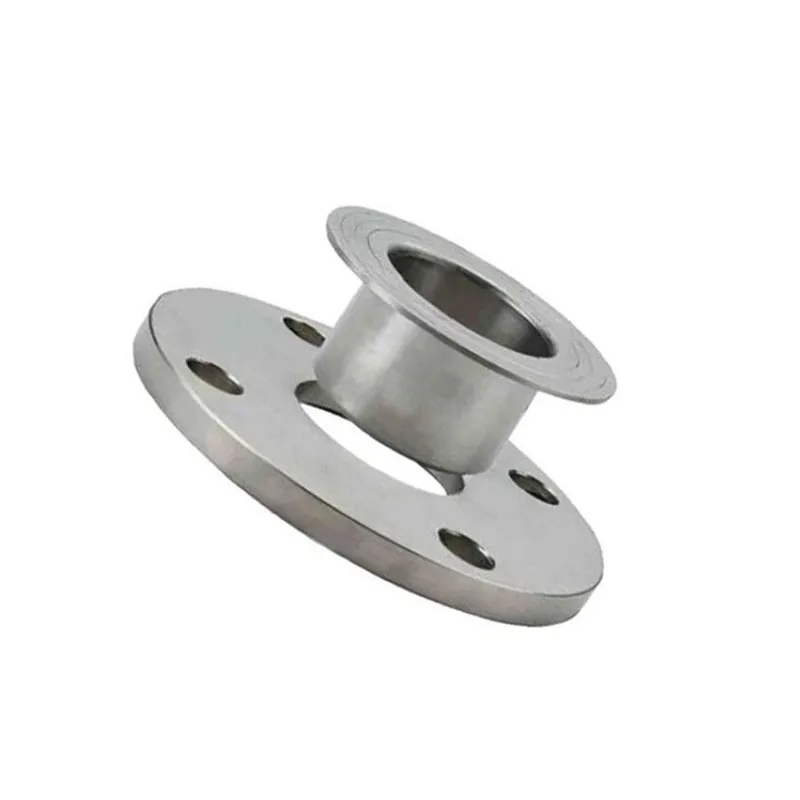 Free ring flanges Class 400
 -
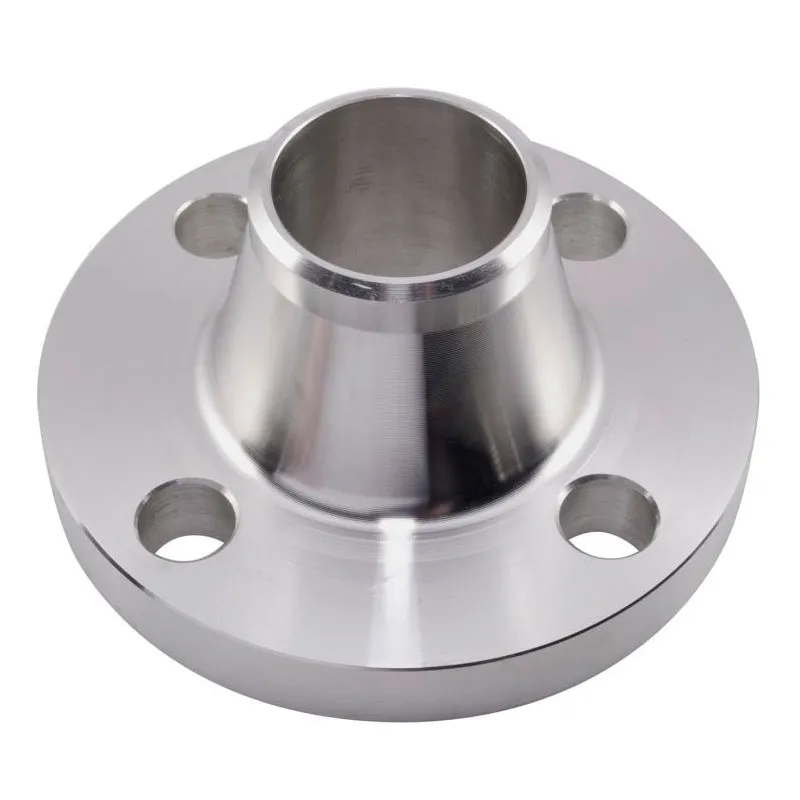 UNI 2281 Butt weld flanges PN10
 -
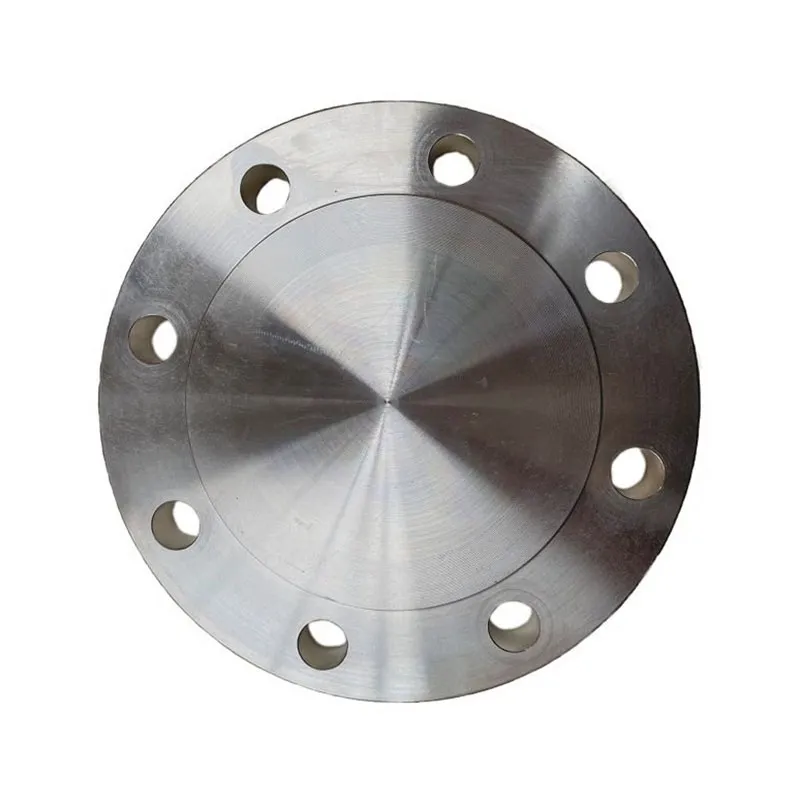 ASME B16.47 Ser.A Blind Flanges Class 400
 -
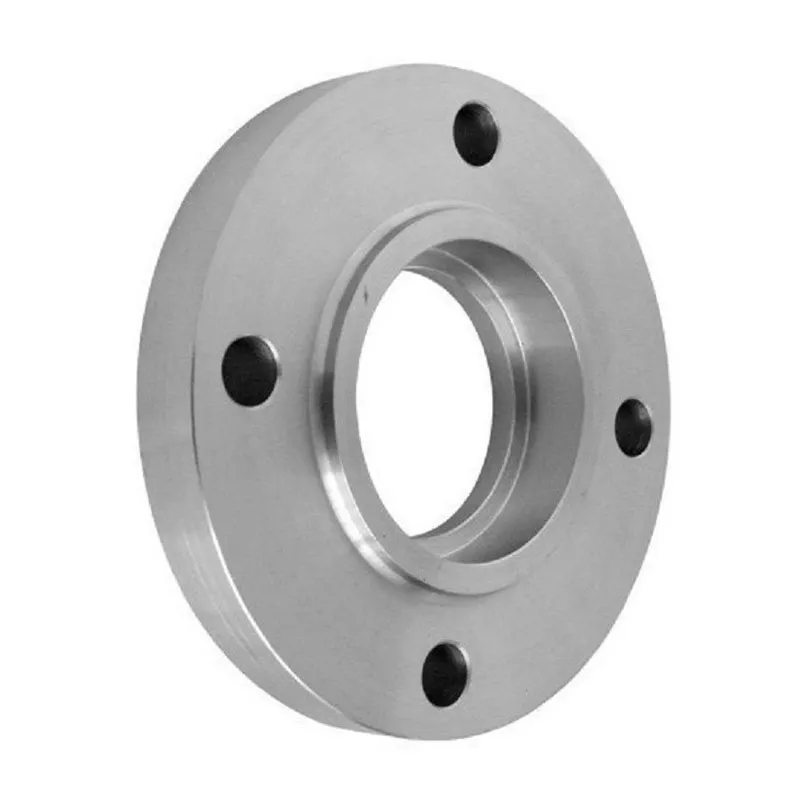 Socket Weld Flanges Class 300
 -
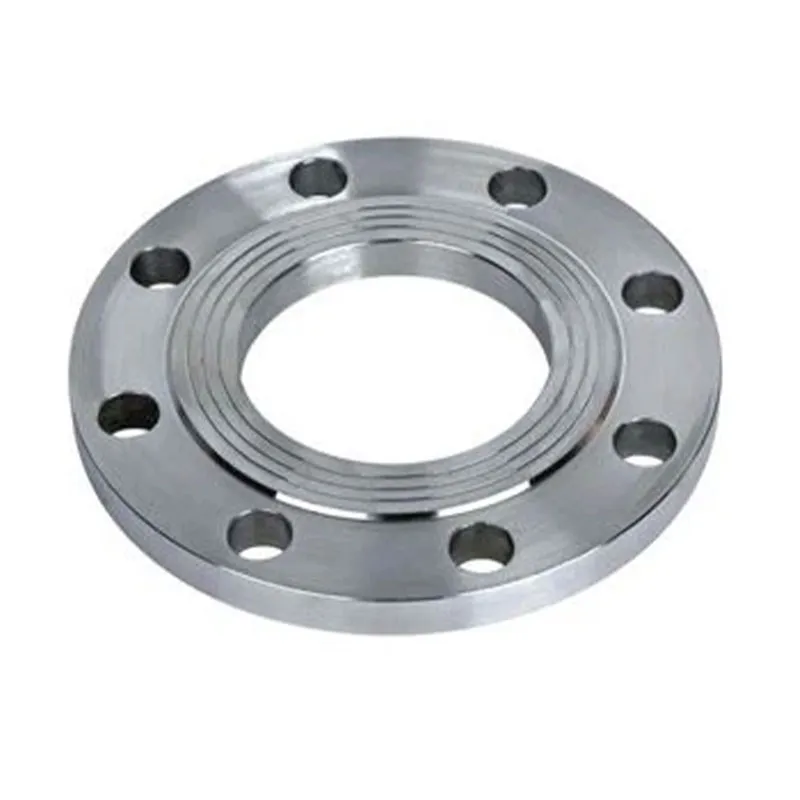 Butt weld flanges Class 150
 -
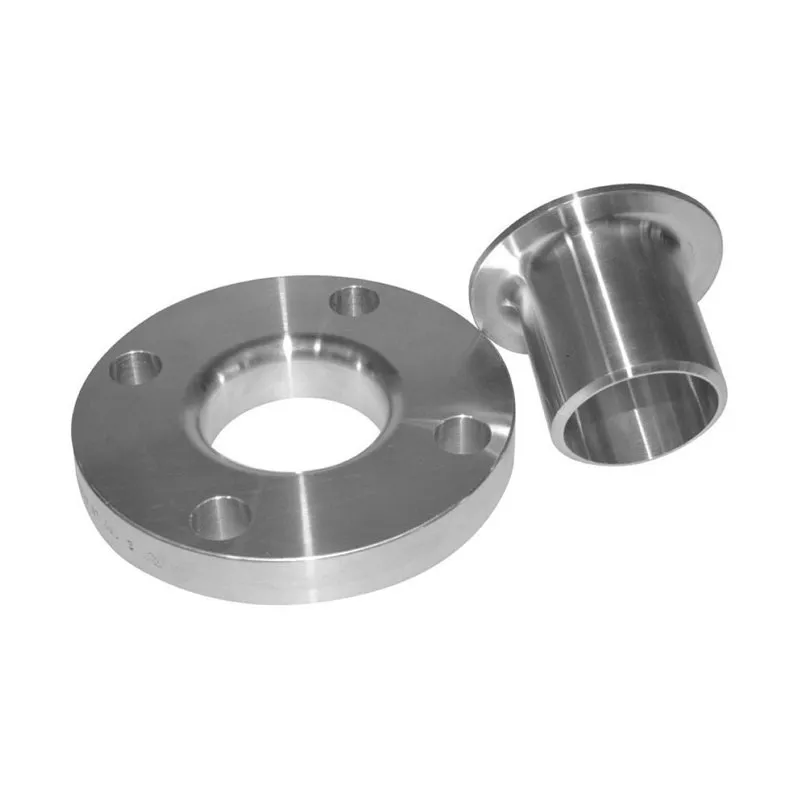 Free ring flanges Class 150