
-
-
Phone
+86-13623462298



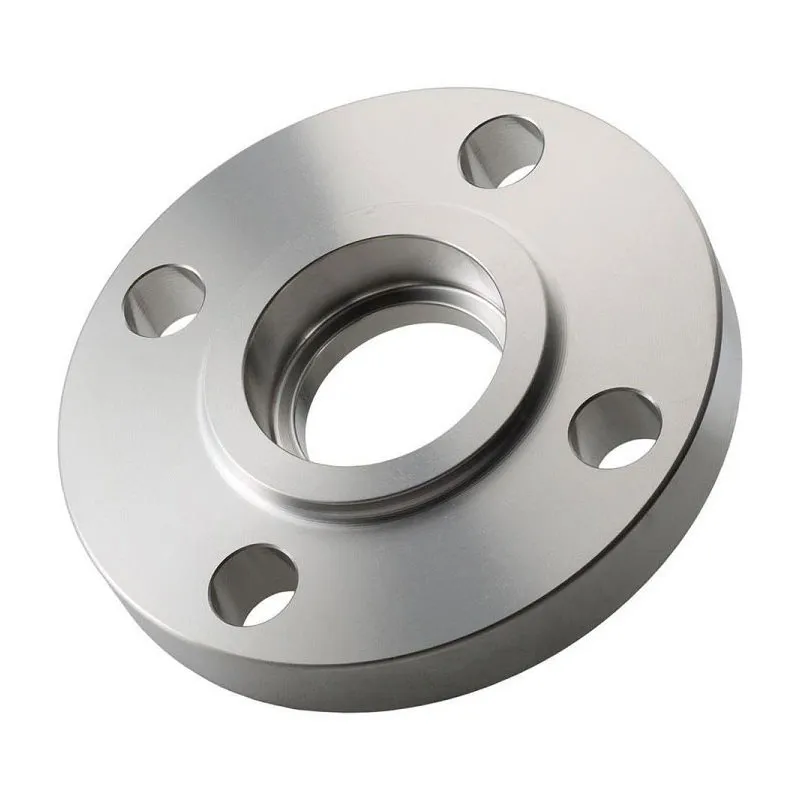
flange 42 mm
I’ll say right away - when you write “42 mm flange” in the specification, beginners’ eyes often linger. It seems that everything is simple: nominal diameter, select according to the table and order. But in practice, this figure, especially in connection with pressure and material, can bring surprises. A common mistake is to assume that this is about the outer size or that a 42 mm pipe will be ideal for it. In fact, if we are talking aboutflange 42 mmaccording to GOST or ASME, this is DN40, and under it there is a pipe with an outer diameter of, say, 48 mm according to GOST 8732 or 44.5 mm according to ASME B36.10. It’s already a discrepancy if you haven’t delved into it. I got burned by this about ten years ago, when a batch had to be urgently resharpened at the site—the seating surfaces did not converge due to differences in standards.
Why exactly 42 mm is not the most popular, but problematic
In large highways it is often in multiples of 50 - 50, 100, 200 mm. But 42 mm (DN40) is often found in branches, on auxiliary lines, and in control systems. And here is the subtlety: this size may be needed for docking with imported equipment that has a metric series. We have historically duplicated inch designations. Therefore, when a request simply comes in “42 mm flange?”, the first question is what standard? According to GOST 33259 (new, to replace the old GOST 12820), according to ASME B16.5, or maybe according to EN 1092-1? The geometry, thickness, and number of holes for the studs depend on this.
For example, according to GOST, a PN16 flange for DN40 will have an outer diameter of about 150 mm and 4 holes for M16 studs. Per ASME B16.5 Class 150 - Approximately 127mm outside diameter and 4 bolt holes ? inches. The difference is in the installation! If mixed in one assembly, the holes will not line up. There was a case at a chemical plant near Perm: it was necessary to dismantle the unit due to such incompatibility, although according to the passport both flanges were for “nominal diameter 40”. We lost two days to redo it.
And more on the material. For 42 mm, there is often a request for stainless steel 12Х18Н10Т (analogous to AISI 321) or carbon steel 20. But if the environment is aggressive, with temperature changes, it is sometimes better to look towards alloy steels like 09G2S. But this is a question of price and availability. Some suppliers have ?standard? 42 mm flange by default uses steel 20, even if the technical specifications indicate acid resistance. You should always check the steel grade in the documentation, and not just the size.
Manufacturing and control: where can they “float away”? dimensions
In manufacturing, especially forging, control after heat treatment is critical. Shrinkage, warping - for a 42 mm flange this may not be as noticeable as for a larger one, but if the flatness is broken or the perpendicularity of the end to the axis deviates, distortion and leakage will occur during tightening. We once received a batch from a Chinese factory - everything seemed to be according to the drawing, but during calibration it turned out that 30% of the products had a deviation in surface parallelism of more than 0.2 mm. I had to return it.
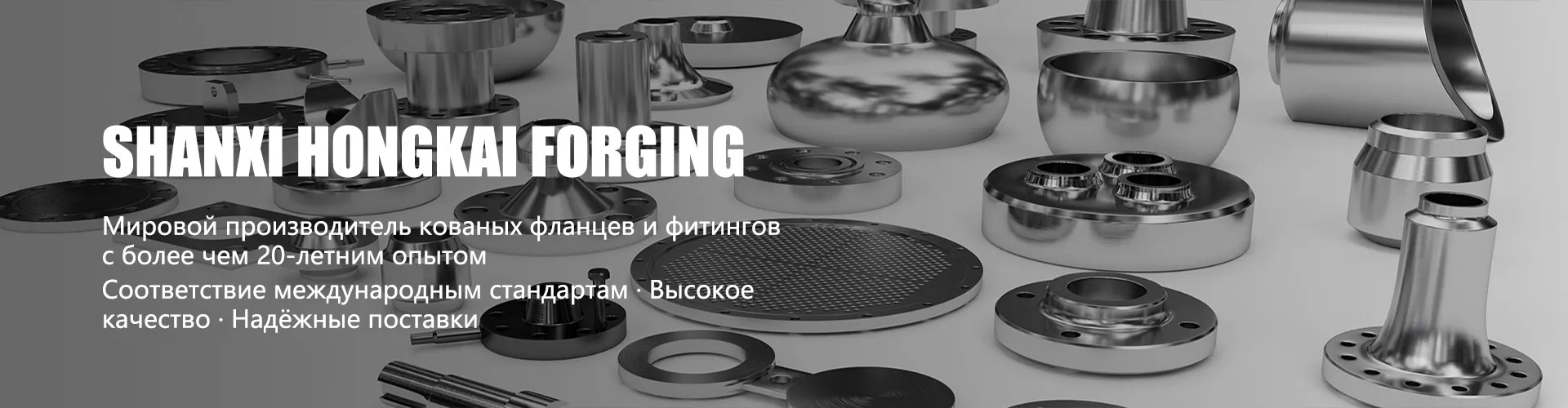
Now many are paying attention to manufacturers from China, where the forging industry is developed. For example,Shanxi Hongkai Forging Co.,Ltd(website -https://www.hkflange.ru) is just a manufacturer of forged flanges and forgings, one of the main centers of the forging industry in China. They work according to international standards (GOST, ASME, EN, DIN and others), and their range of sizes is wide - from DN15 right up to DN4000. For the size 42 mm (DN40), such factories usually have ready-made equipment, but it is important that they do not just “according to the standard,” but according to the specific conditions of the customer - for example, with enhanced ultrasonic control or with additional mechanical processing of the seating surfaces.
By the way, about processing. Sometimes a 42 mm flange does not require a standard design, but with special grooves for sealing rings (for example, the Ring Joint type according to ASME B16.20). This is already aerobatics, and here problems often arise with the quality of processing of the groove - if the geometry is broken, the ring will not fit tightly. We once tried to order such flanges from a local workshop - they were made using a regular milling machine, without CNC. As a result, when tested at a pressure of 100 atm, they leaked. I had to re-order from a specialized manufacturer, the sameShanxi Hongkai Forging Co.,Ltd, which produces flanges and forgings according to international and national standards, including GOST, ASME, EN, DIN, UNI, BS, JIS, as well as Chinese GB. Judging by the description, they also have non-standard products according to customer drawings - this is exactly the case when strict compliance with the drawing is needed.
Installation nuances that are not written in textbooks
When installing a 42 mm flange connection, the tightening torque is often underestimated. They take a torque wrench, but if the studs or nuts are not lubricated, the force will be uneven. And due to the small size (only 4 holes), the distortion is immediately felt. I recommend always using calibrated lubricant and tightening crosswise in several passes. And also check the condition of the threads on the studs. On a new batch of flanges, the threads may have burrs, and if they are not removed, the tightening torque will “jump”, and you can undertighten or, worse, break the thread.
Another practical point is thermal expansion. If a line with a 42 mm flange operates in a cyclic heating-cooling mode (say, in a boiler room or on a production line), standard graphite or paronite gaskets can quickly “shrink”. For such cases, it is better to look towards spiral wound gaskets (SPWG) with a stainless steel O-ring. But here it is important that the flange also has the appropriate surface - usually this is series B according to ASME. If the flange is made for a soft gasket, but a spiral-wound one is installed, the contact will be incomplete.
And about welding. If the 42 mm flange is butt welded (for example, according to GOST 33259 type 11 or ASME B16.5 Weld Neck), then it is important to properly prepare the pipe edge. A common mistake is to not maintain the bevel angle, and then the penetration of the root of the seam will be insufficient. Particularly critical for high pressures. I myself saw how time was saved on cleaning during the installation of a gas line - after six months a microcrack appeared along the seam. I had to cut out the entire assembly.
When a standard size requires a non-standard approach
There are tasks where a 42 mm flange is part of a complex assembly. For example, you need to cut into an existing line of a larger diameter through a transition pipe. It is important here that the flange itself is not just flat, but with a reinforced neck if vibrations are expected. Or the case when the flange should not be steel, but made of bimetal - the inner layer is made of corrosion-resistant steel, the outer layer is made of carbon. For the 42 mm size, such production is a non-trivial task; not every factory will undertake it.
We once placed an order for 42 mm bimetallic flanges for an offshore platform. The layer is made of duplex 2205, the base is steel 20. We were looking for a manufacturer who could provide a reliable connection of the layers (without delamination during heat treatment) and at the same time maintain the dimensions. In the end we worked with the sameShanxi Hongkai Forging Co.,Ltd- As a manufacturer of forged flanges and forgings, they have experience in custom products according to customer drawings. It was important that they do a full set of controls: ultrasonic testing of the weld between layers, surface hardness, chemical. material analysis. It seemed like they did it normally, but acceptance took twice as long - each flange was checked separately.
And also from practice - sometimes a 42 mm flange requires not a conventional design, but one with an anti-corrosion coating (galvanizing, for example). But if the coating is applied after machining, it may shrink? thread in holes. Therefore, it is better when the coating is applied before threading, or the threads are protected with plugs. This is a small thing, but it saves nerves during installation.
Instead of a conclusion: what is worth remembering when working with this size
So,flange 42 mmis not just a line in the specification. This is a unit that requires an understanding of the standard, operating conditions and installation features. Always check the full designation: standard, type, pressure, material. Do not hesitate to ask the supplier for certificates and test reports, especially if the environment is sensitive.
When choosing a manufacturer, look not only at the price, but also at the ability to make it exactly to suit your conditions. The same large manufacturers asShanxi Hongkai Forging Co.,Ltd, which manufacture flanges according to GOST, ASME, EN, DIN and other standards, can often offer technical advice - which material is better, which design to choose. It's valuable.
And most importantly, even for such a seemingly small size, never neglect control at the entrance and proper installation. It is better to spend an extra hour checking the geometry and tightening it than to then fix a leak in a working line. Tested from my own experience, and more than once.
Correspondingproducts
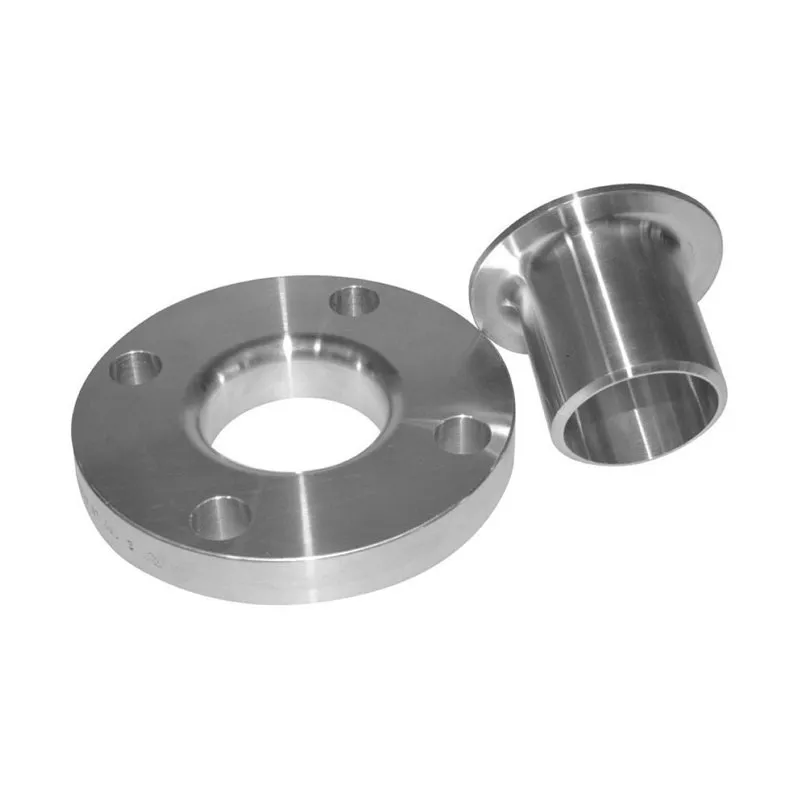
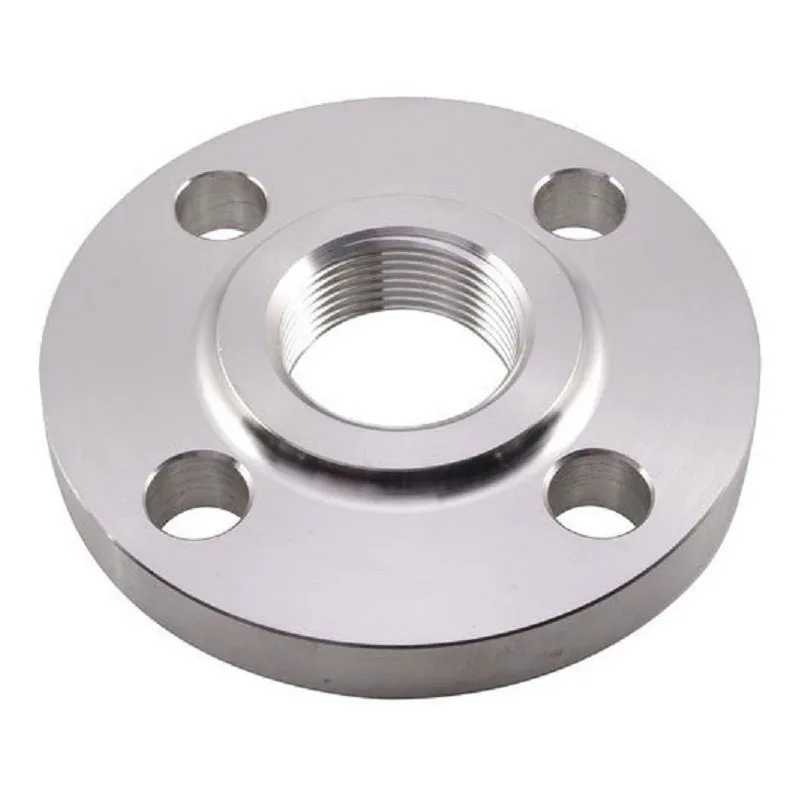
Related Products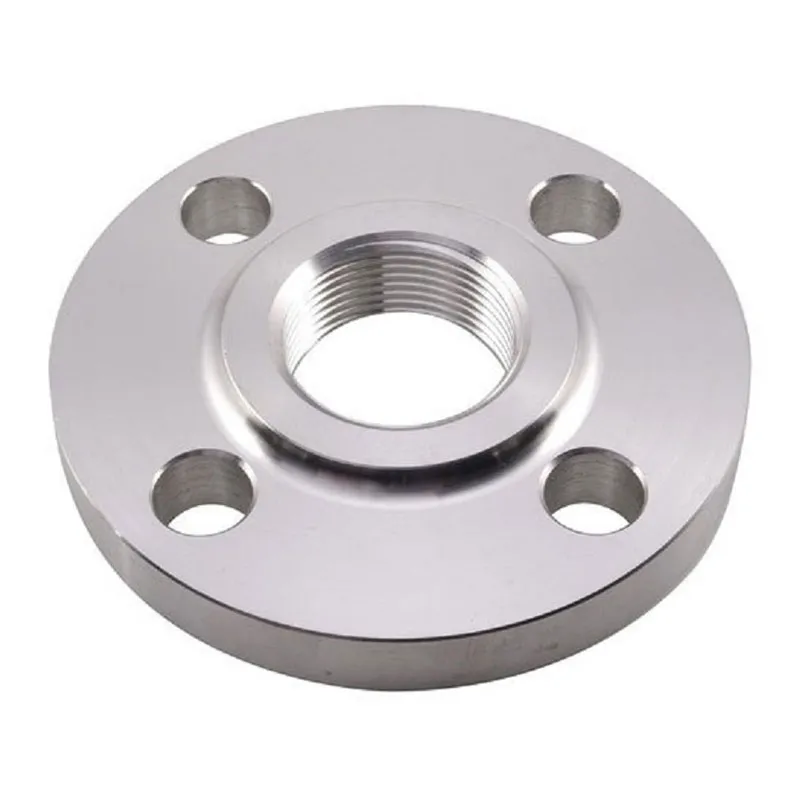
Best Sellingproducts
Best Selling Products-
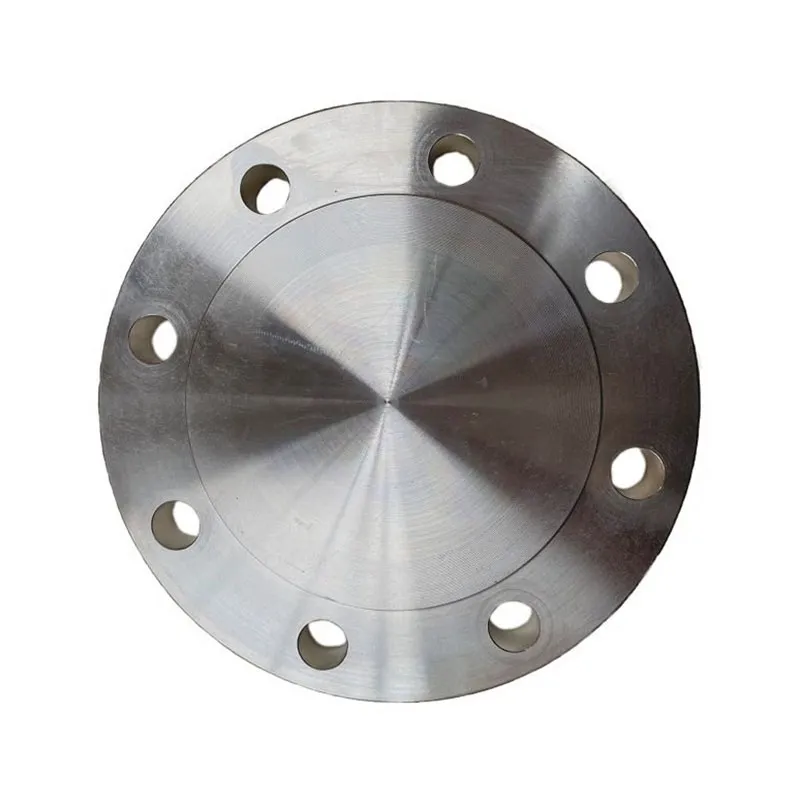 ASME B16.47 Ser.A Blind Flanges Class 400
 -
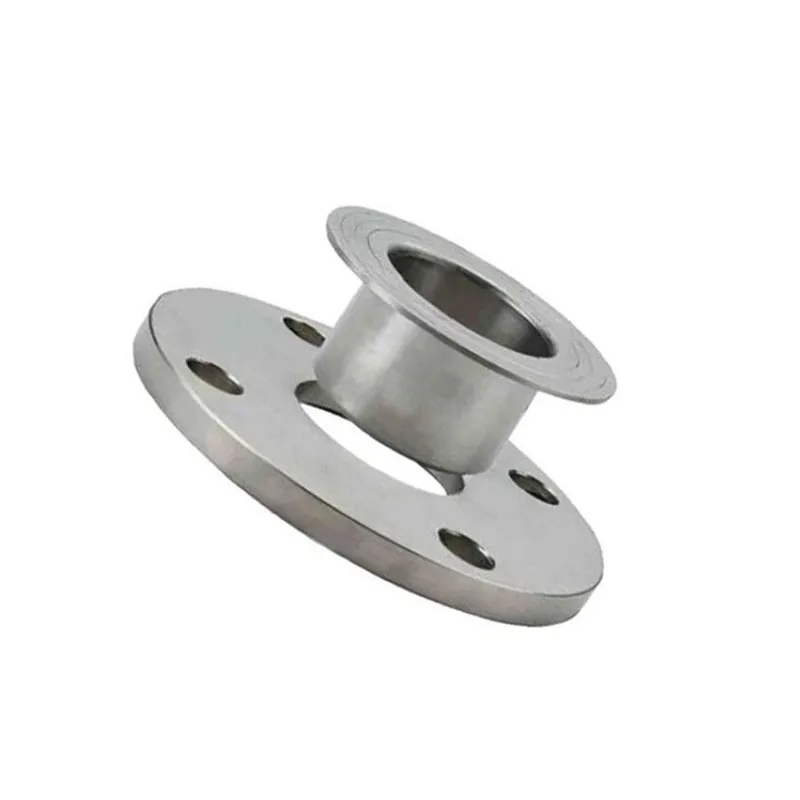 Free ring flanges Class 400
 -
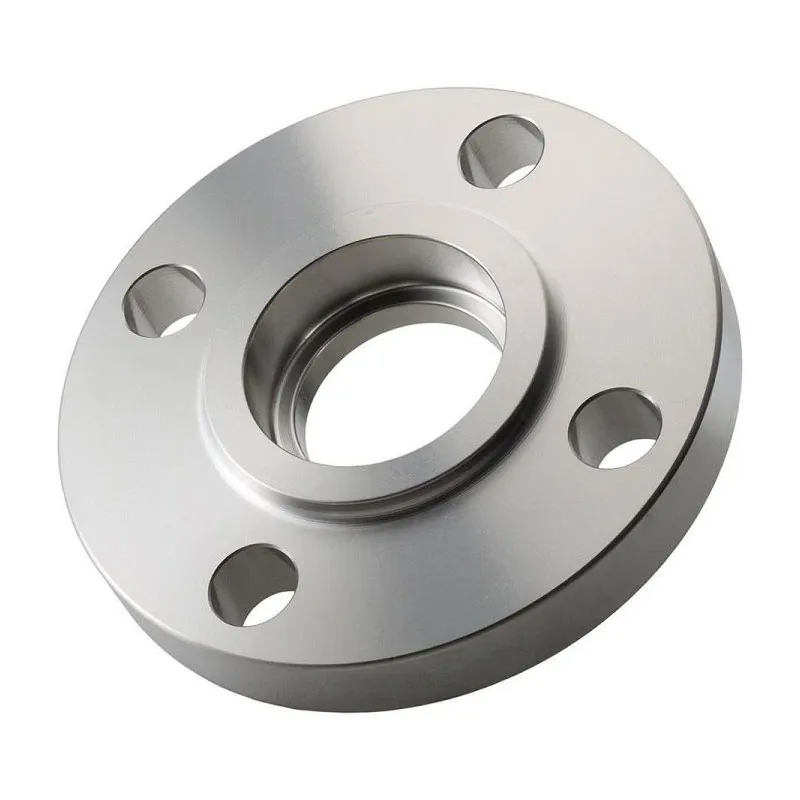 ANSI B16.5 Socket Weld Flanges Class 150
 -
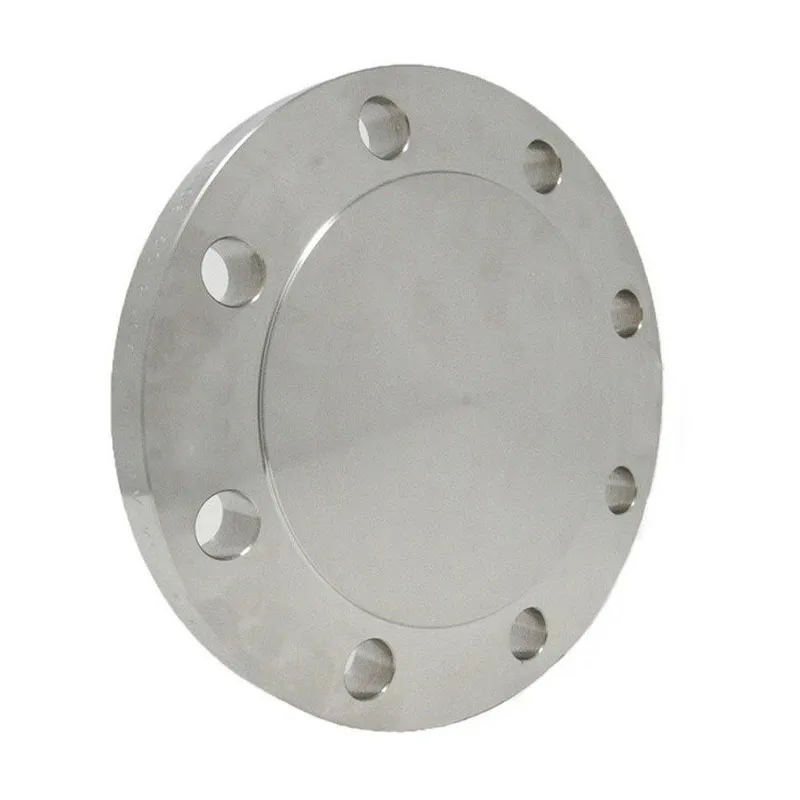 EN 1092-1 Blind flanges Type 05, PN10
 -
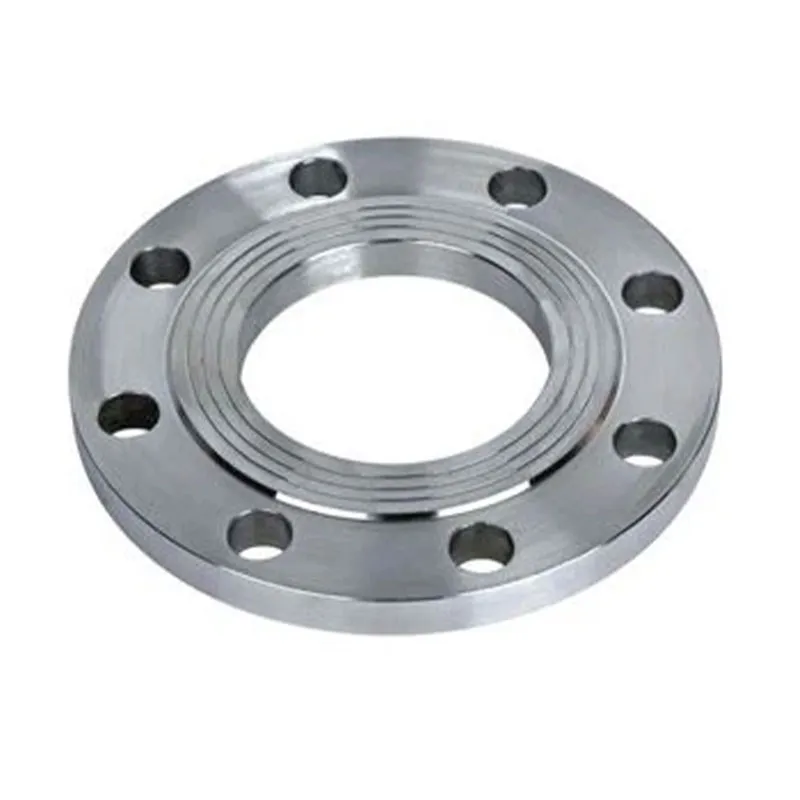 Butt weld flanges Class 150
 -
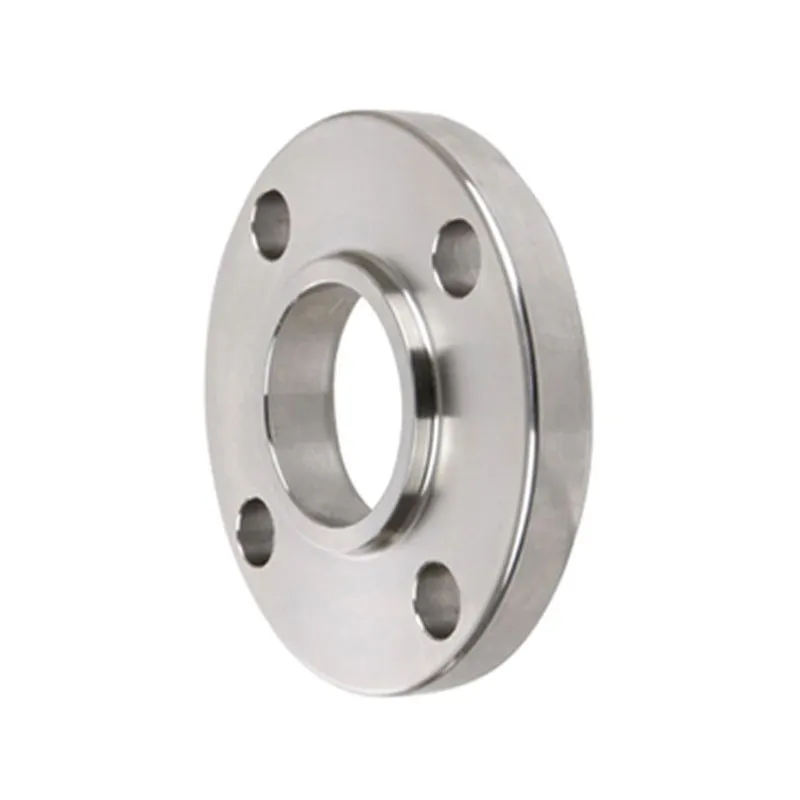 ANSI B16.5 Lap-on flanges Class 300
 -
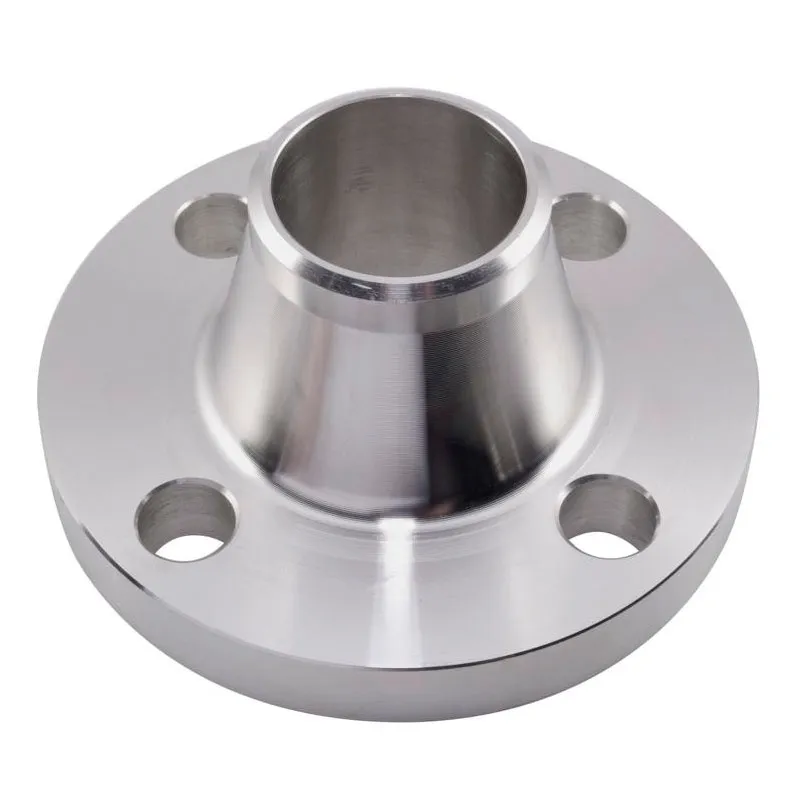 Butt weld flanges Class 900
 -
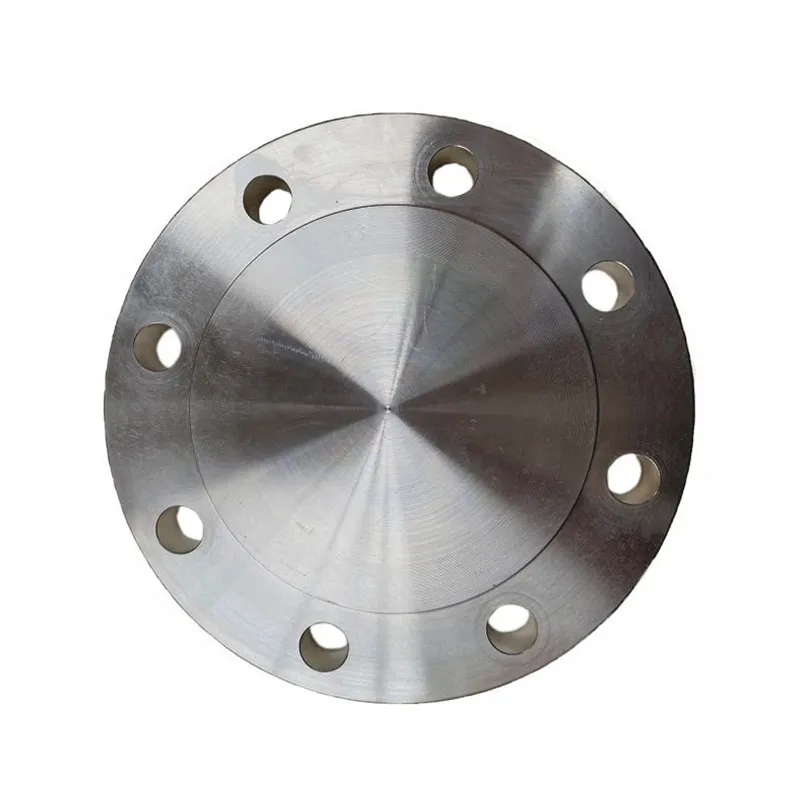 DIN 2527 Blind flanges PN10
 -
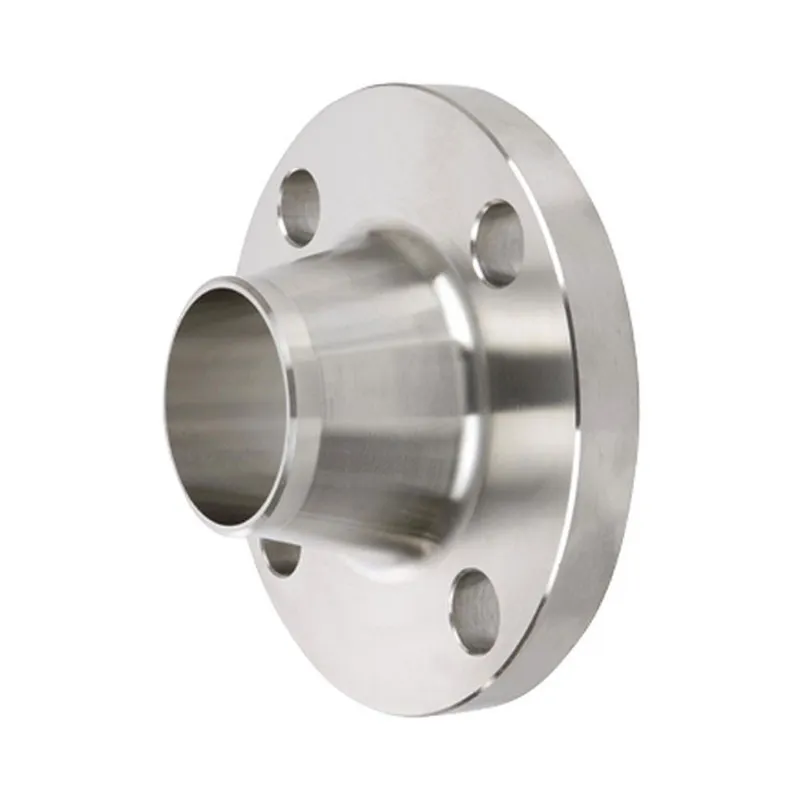 EN 1092-1 Butt weld flanges Type 11, PN25
 -
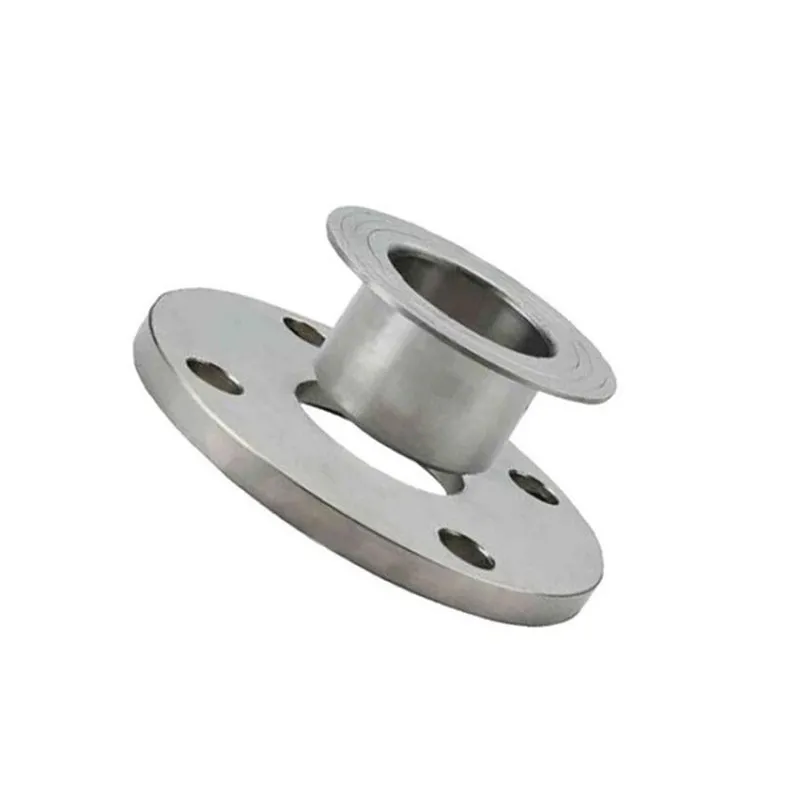 JIS 10K Loose Ring Flanges
 -
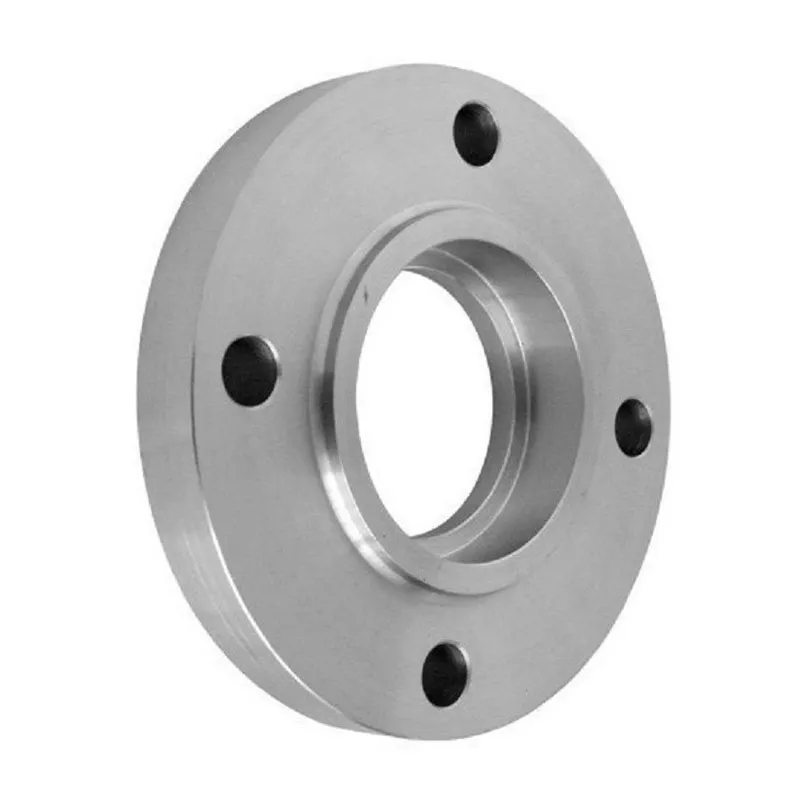 Socket Weld Flanges Class 300
 -
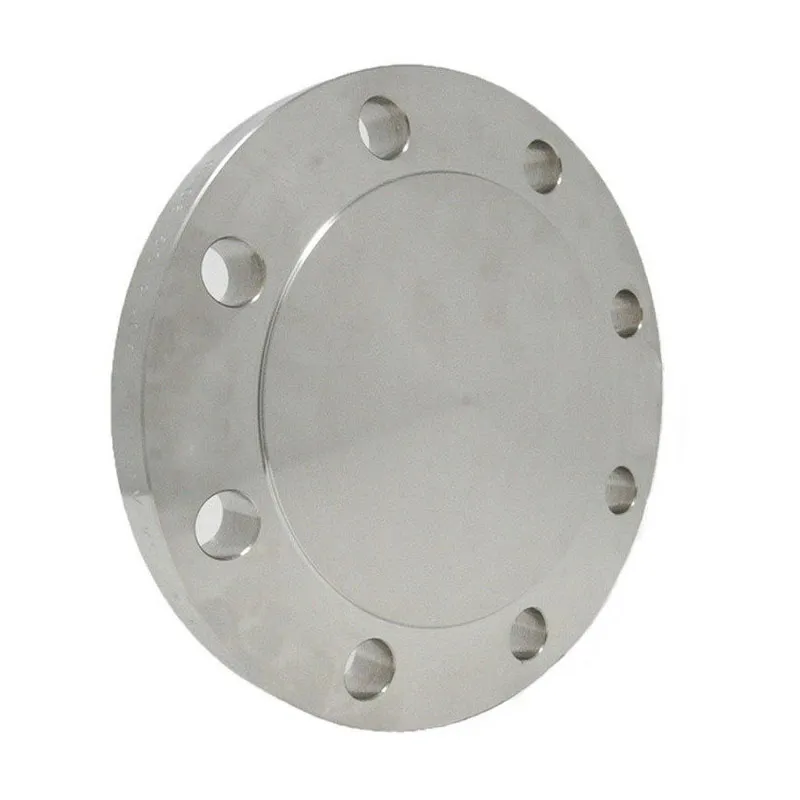 AWWA Blind Flanges Class D (Tables 1, 2, 3)