
-
-
Phone
+86-13623462298




flange 316
When you hear “flange 316”, the first thing that comes to mind is stainless steel, corrosion resistance, chemistry. But in practice, especially when you work with deliveries for real objects, you understand that these numbers hide a whole story. Many people, especially at the start, think that the main thing is the grade of steel, and the rest will be “adjusted”. An error that later comes back to haunt you during installation or, worse, during operation. 316 is not a magic wand, it is a specific set of properties that need to be very clearly understood in the context of the task.
What does ?316 really mean? for flange
If we take it by standards, then AISI 316, also known as 08Х17Н13М2 according to GOST 5632, also known as 1.4401. But these are just letters and numbers. The essence is the addition of molybdenum - 2-3%. It is this that gives that increased resistance to pitting and crevice corrosion, especially in environments with chlorides. Therefore, it is logical that these flanges are often used in facilities associated with sea water, chemical production, and the food industry, where there are aggressive detergents.
But here's a nuance that is often missed: resilience is not absolute. It all depends on the concentration, temperature, pH of the environment. I have seen cases where at a small food plant they installed 316 flanges in line with hot acid solutions, believing that “the better, the better?” And six months later, pinpoint lesions began in the gaps under the gasket. It turned out that the temperature was at the upper limit for this brand in this particular environment. I had to change it to something more durable, but with different budgets and a line stop.
Therefore, my rule is: never recommend “just 316”. You always need to find out the full passport of the medium - not only the name, but also the exact chemical. formula, temperature, pressure, presence of stagnant zones. Sometimes it turns out that 304 (08Х18Н10) is enough, and sometimes 316L (with low carbon) doesn’t help, you need Hastelloy. This is the very “professional assessment” that comes with experience and, alas, with several such “jambs”.
From forging blank to finished product: why the process is important
Here I would like to remind you about one of the suppliers with whom we have been working for a long time -Shanxi Hongkai Forging Co.,Ltd. Their website -hkflange.ru- is well known to those who are looking not just for flanges, but forged solutions. Their description clearly states: manufacturer of forged flanges and forgings, working to international standards. And for the 316 brand this is critically important.
Why? Because stainless steel, especially the austenitic class, which includes 316, is a capricious material. If the flange is simply cut out of a sheet or cast, the metal structure will be non-uniform and internal stresses may remain. And forging (especially stamping or forging on a press) improves this structure, makes the grain fine and uniform, increases mechanical properties - strength, impact strength. For critical pipelines operating under pressure and vibration conditions, this is not just “better”, but mandatory.
UHongkai ForgingThe product range includes a full range of forged flanges - butt-welded, flat, loose, and they do all this up to DN4000, which is a serious size for stainless steel. When we ordered a batch from themflanges 316for one port facility, not only the certificate for the material was important, but also reports on ultrasonic testing (ultrasonic testing) of forgings. To eliminate internal defects. This is the level of trust that is built on documentation and, ultimately, on the quality of installation and operation.
Standards and drawings: room for misunderstanding
Another big topic is standardization. On the websiteShanxi Hongkai Forging Co.,LtdAn impressive list is indicated: GOST, ASME, EN, DIN, etc. And when the customer says, “I need a 316 flange to ASME B16.5?”, everything seems to be simple. But ASME B16.5 is a standard for dimensions, tolerances, and surface types. And the material on ASME is already section II. And there 316 corresponds, for example, to SA-182 F316. And here you need to make sure that this designation is in the certificate.
There was a story with one contractor: they ordered “flanges according to ASME”, received them, and installed them. And upon acceptance, the inspector requested a report on the chemical composition specifically for SA-182. It turned out that the certificate contained the general “AISI 316”. I had to urgently request from the manufacturer (and this was notHongkai, and another supplier) extended certificate, prove compliance. Downtime of the facility for a week. Moral: it is necessary to clearly indicate not only the grade of steel, but also the standard of material according to which it must be supplied. Good manufacturers who work for export understand this and immediately provide all the necessary documents.
And of course, non-standard products. It often happens that a standard flange is not suitable due to cramped installation conditions or special weight requirements. Then working according to the customer’s drawings is the only way out. It is important here that the manufacturer has experience in such work and technological capabilities. The sameforged flange 316a non-standard shape with local thickening is a task for a serious forging and pressing production, and not for a small workshop.
Installation and pitfalls
Let's say the flanges are perfect, the material is confirmed, and the standards are met. But most of the problems with stainless flanges arise during installation. The first is pollution. If a crew installs both ferrous and stainless steel pipelines using the same tool, carbon steel particles may remain on the surfaceflange 316. In an aggressive environment, this will become a source of corrosion. You need to require a separate tool, abrasive wheels and brushes - only for stainless steel.
Second - gaskets. For chemically aggressive environments, fluoroplastic (PTFE) or graphite gaskets are often used. But you need to look at compatibility. And the most important thing is the puff. Stainless steel has a higher coefficient of thermal expansion than carbon steel. If tightened incorrectly (usually under-tightened) in operating mode, depressurization may occur during heating. And overtightening is a risk of stress corrosion cracking. It is necessary strictly according to the diagram and a torque wrench.
Third - welding. If the flange is welded neck, then the weld must be made with appropriate electrodes or wire, often with a high molybdenum content. And then be sure to clean and passivate the seam and heat-affected zone to restore the protective oxide layer. Without this, the seam will become the weakest link.
Summary: Thinking out loud about choice and responsibility
So, back to the beginning.Flange 316is not a product item in a catalog that you can simply select and buy. This is a technical solution. The decision, which begins with an analysis of the technological scheme, continues with the selection of a competent manufacturer capable of providing the correct workpiece (that same forging) and a complete package of documents, and ends with competent installation.
There are many offers on the market now, but when it comes to long-term and safe operation, it is better to work with those who specialize in this segment. Like, for example, the mentioned company from Shanxi, which focuses on forged products and knows all the intricacies of standards. Their website is more of a business card for professionals who already understand the difference between “just a flange?” and “forged flange to ASME SA-182 F316”.
For me personally, the key indicator is the supplier’s willingness to delve into the problem, ask clarifying questions about the medium and pressure, and suggest the optimal type of flange (sometimes a loose flange with a 316 ring turns out to be more profitable and easier to install than a welded butt). And of course, provide all first-hand certificates, from the metal and forging manufacturer to the finished product. Only then can you be more or less calm. Well, as much as possible in our work.
Correspondingproducts
Related Products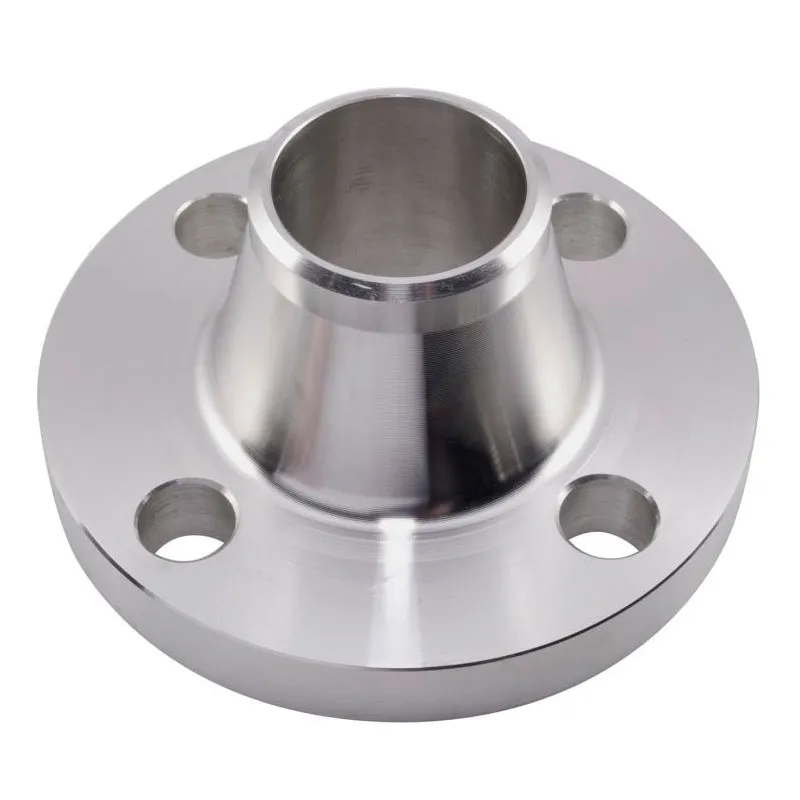
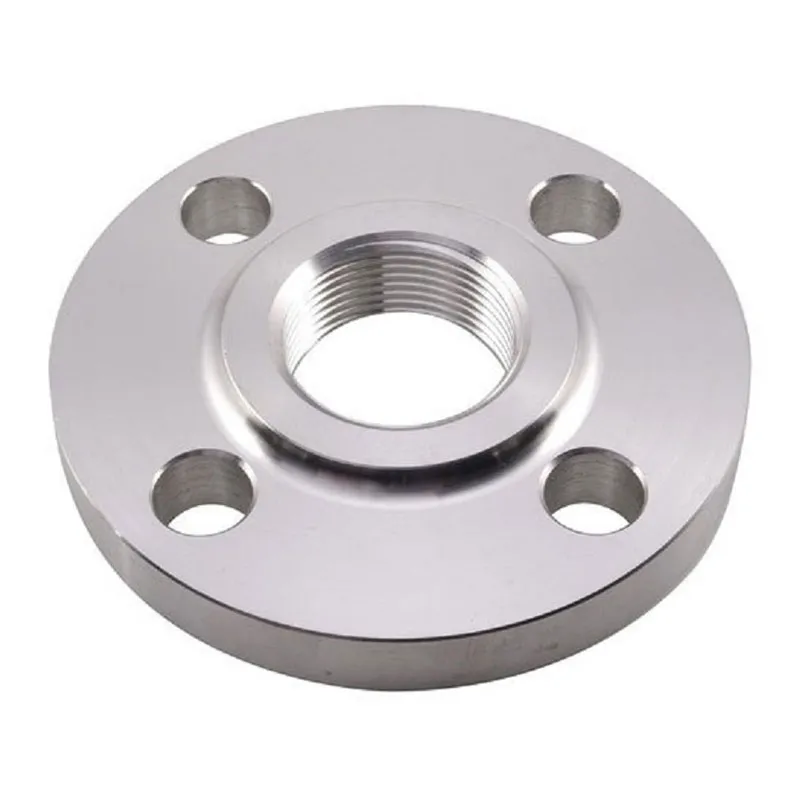
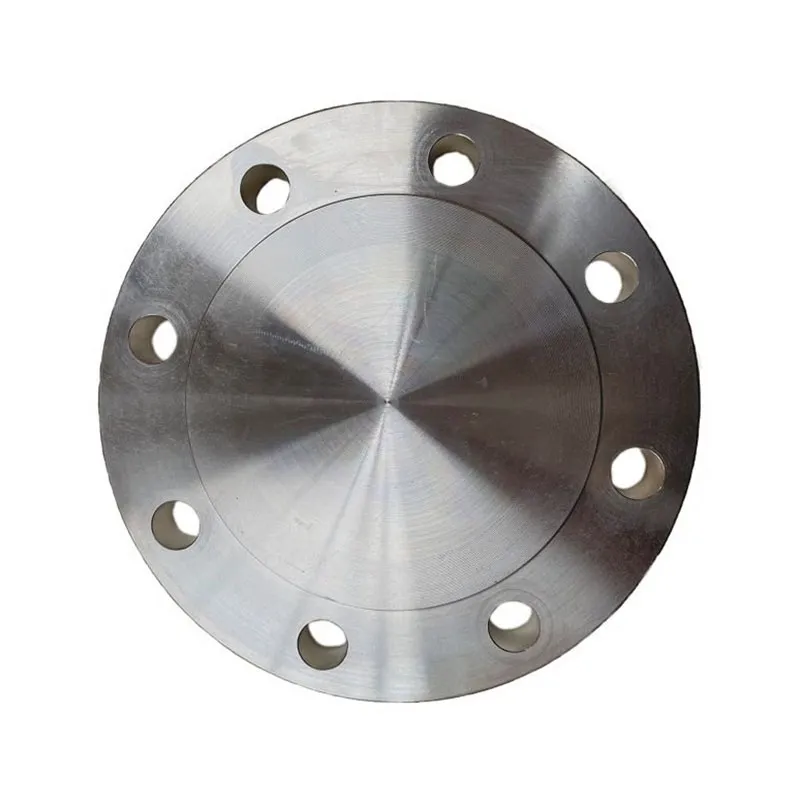
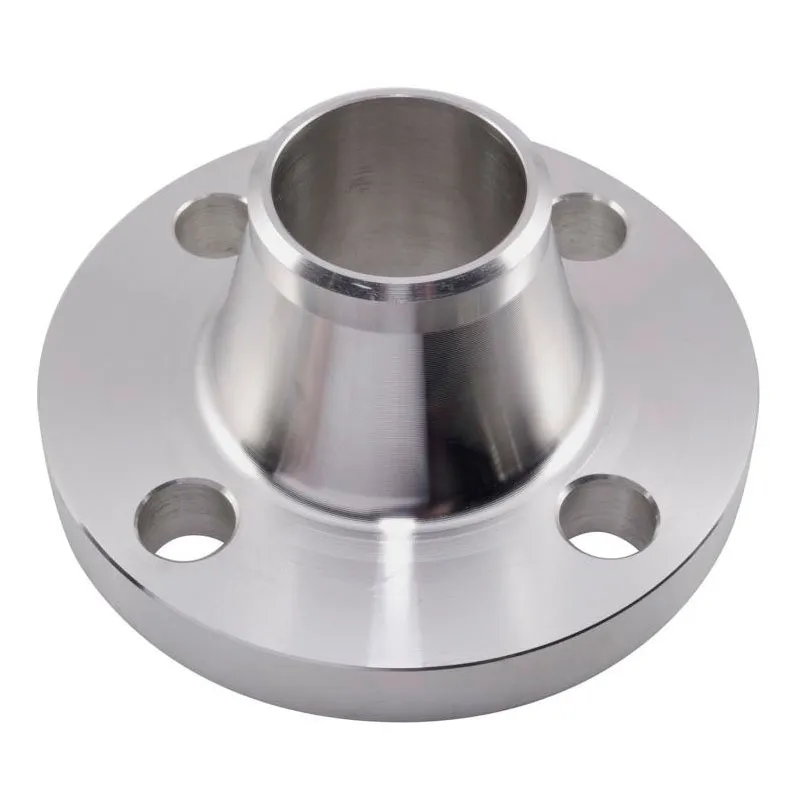
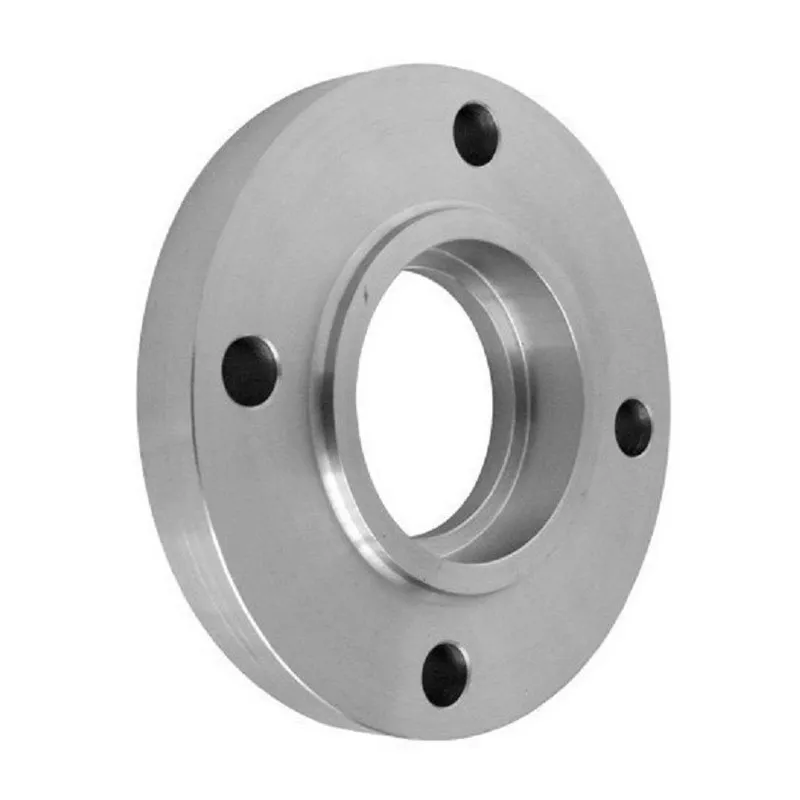
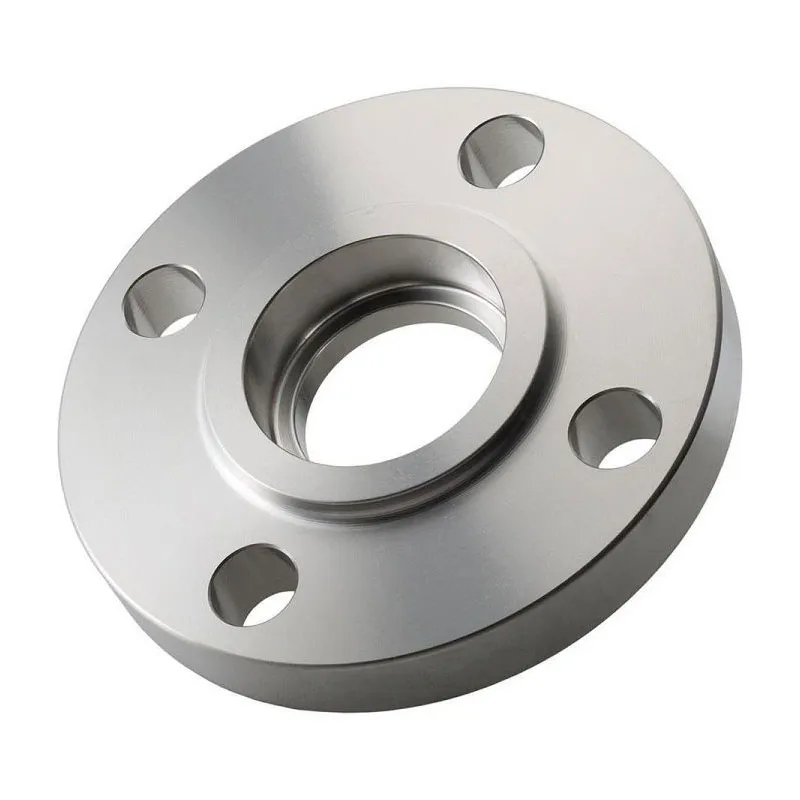
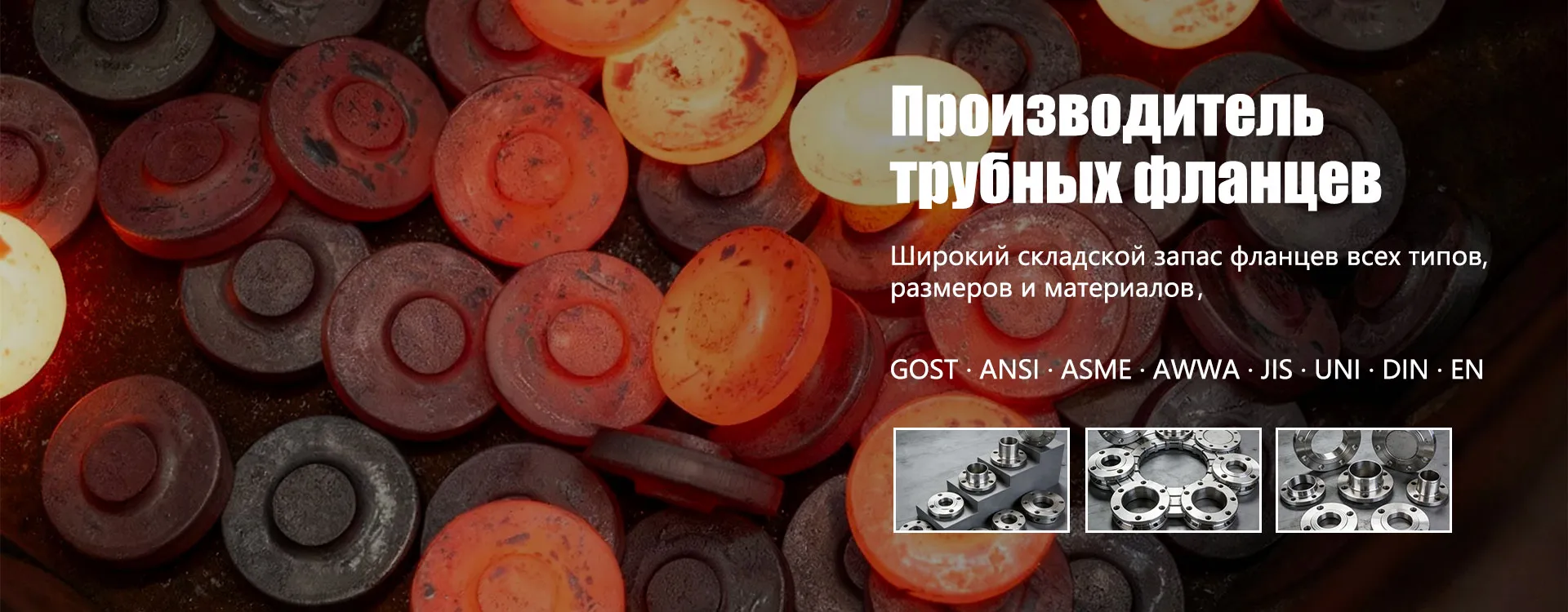
Best Sellingproducts
Best Selling Products-
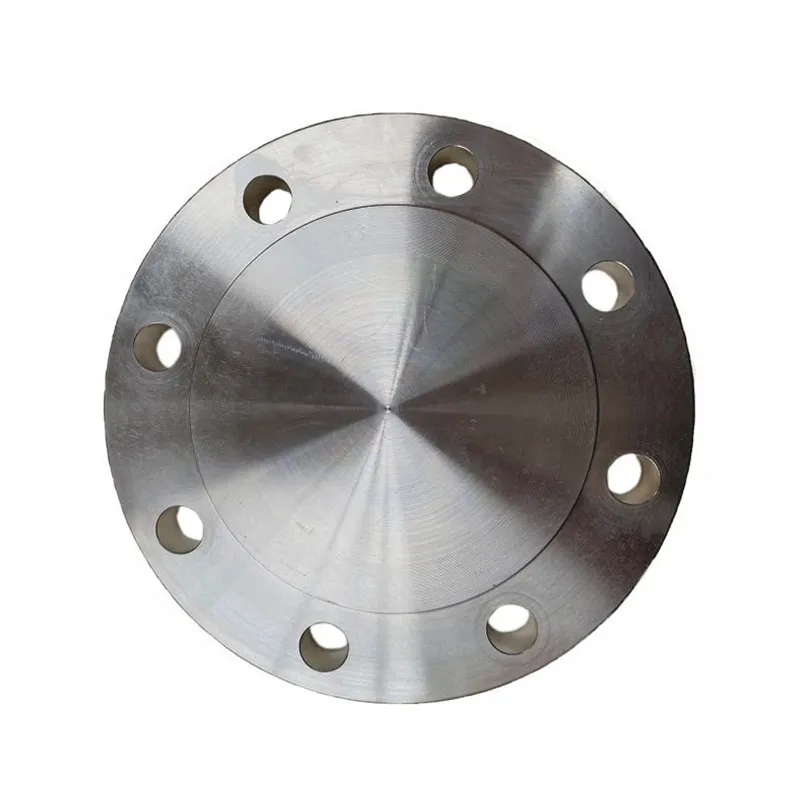 DIN 2527 Blind flanges PN10
 -
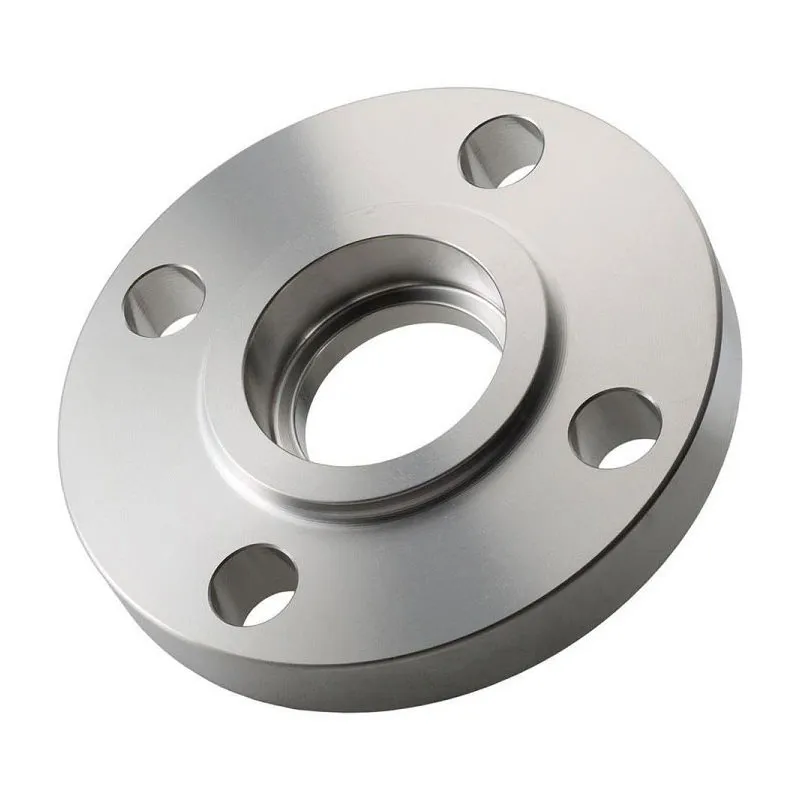 Flanges for socket welding
 -
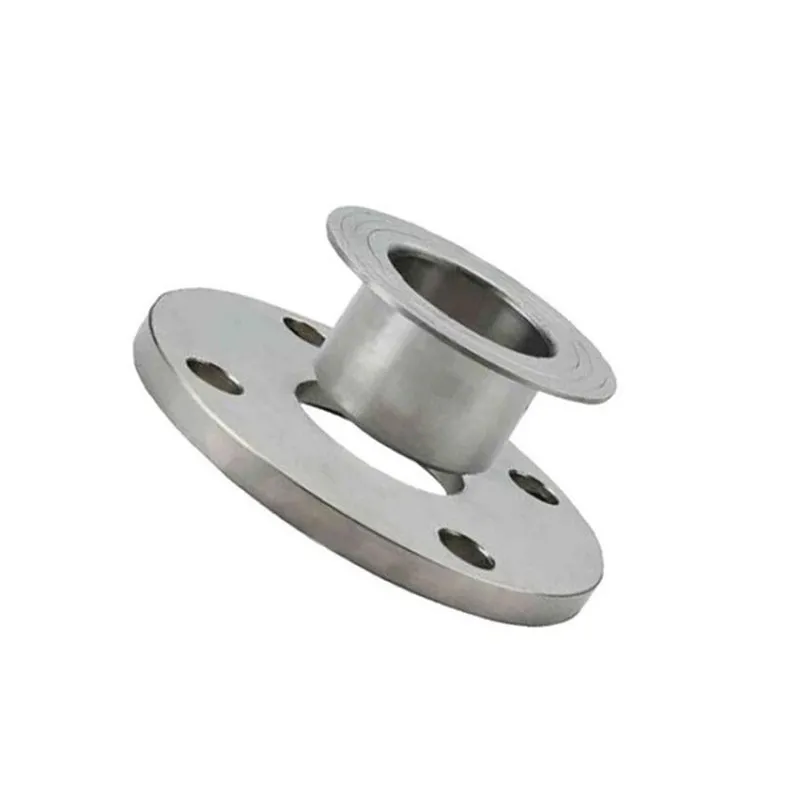 JIS 10K Loose Ring Flanges
 -
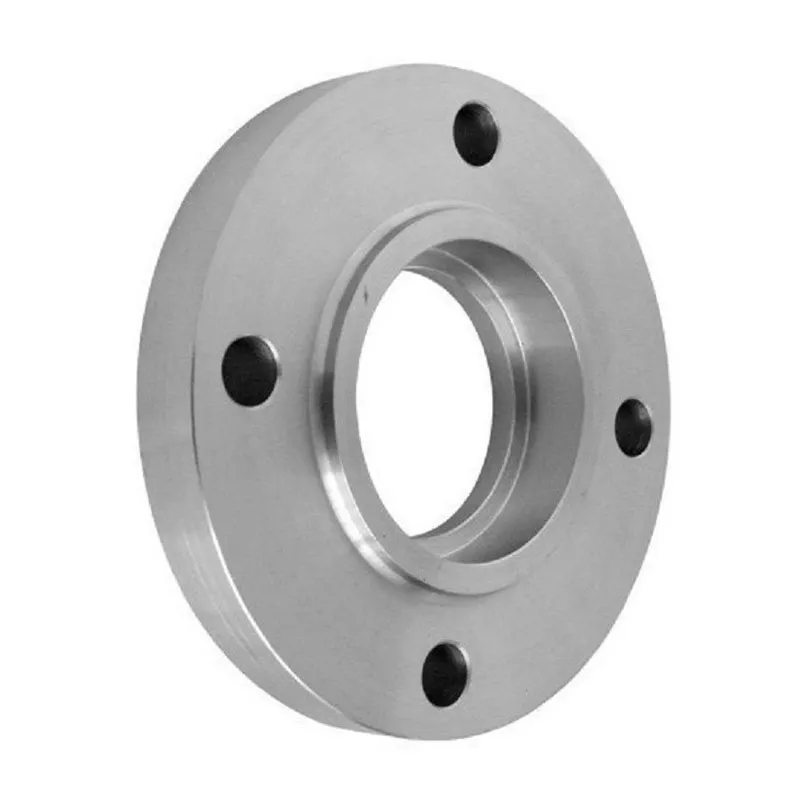 Socket Weld Flanges Class 300
 -
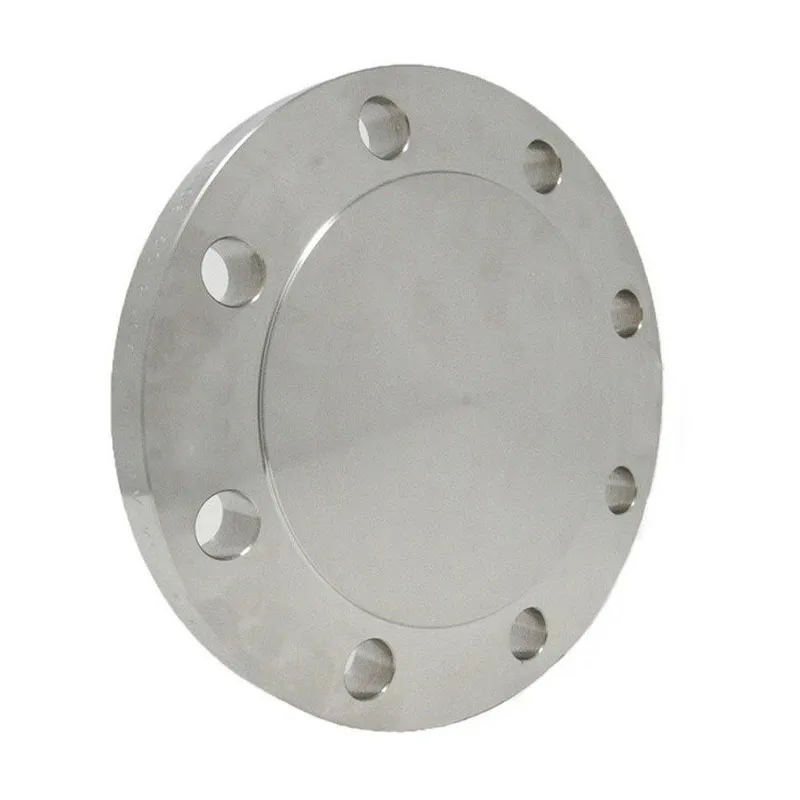 EN 1092-1 Blind flanges Type 05, PN10
 -
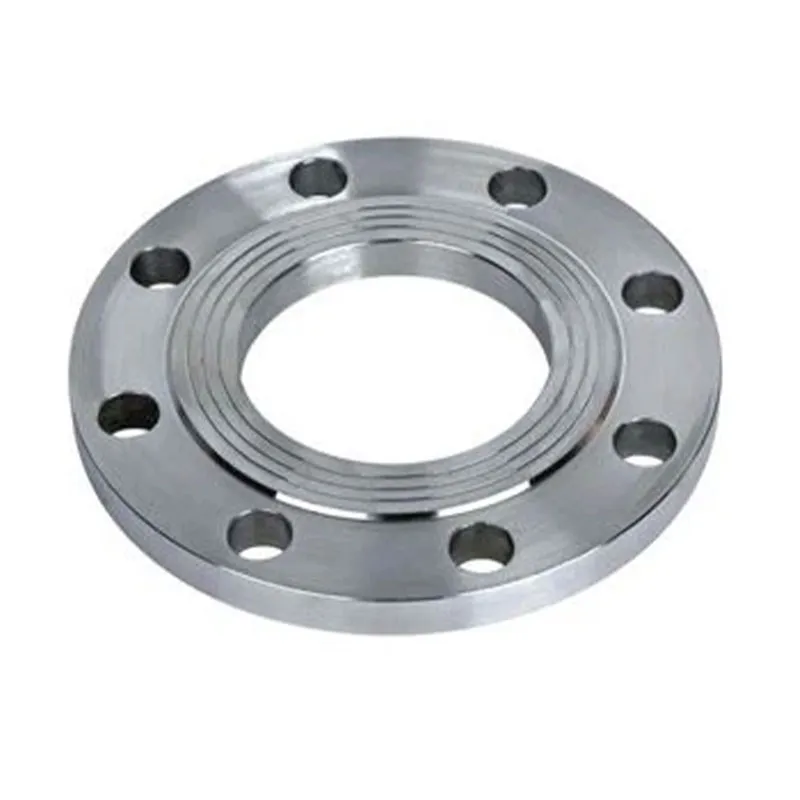 Butt weld flanges Class 150
 -
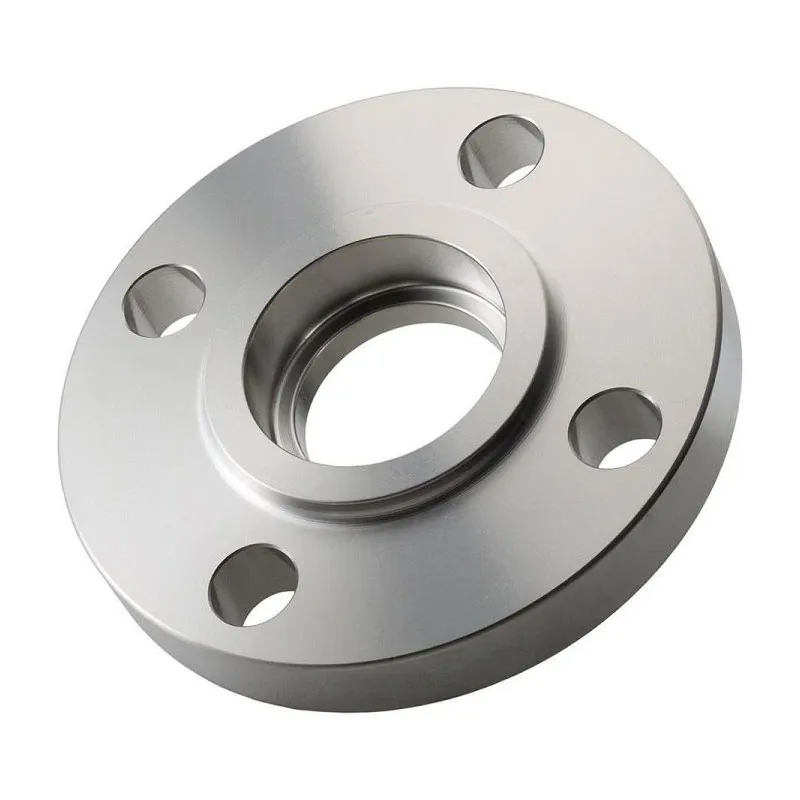 ANSI B16.5 Socket Weld Flanges Class 150
 -
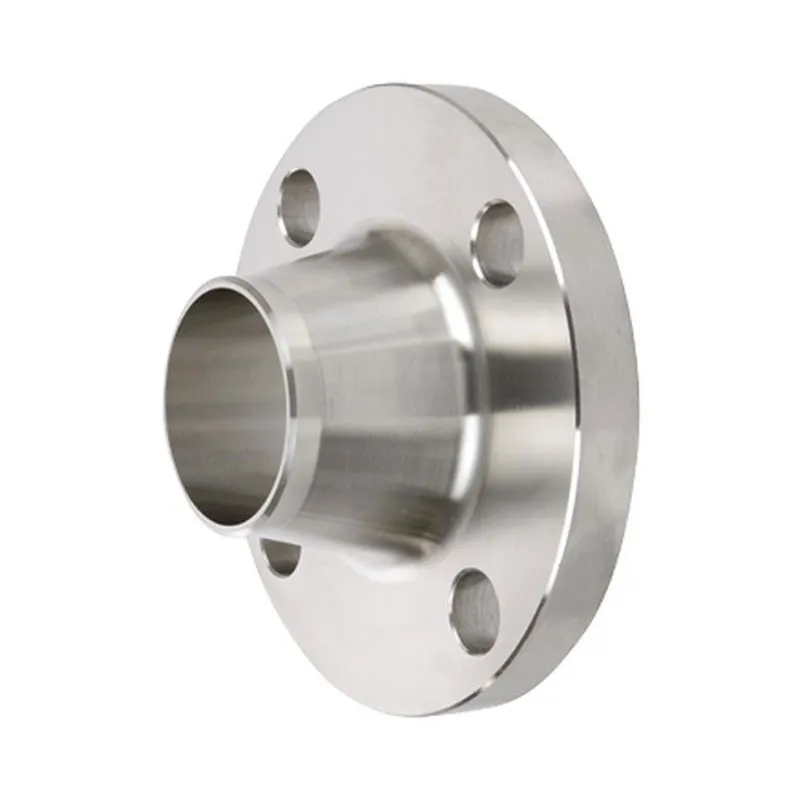 Ser.A Butt Weld Flanges Class 400
 -
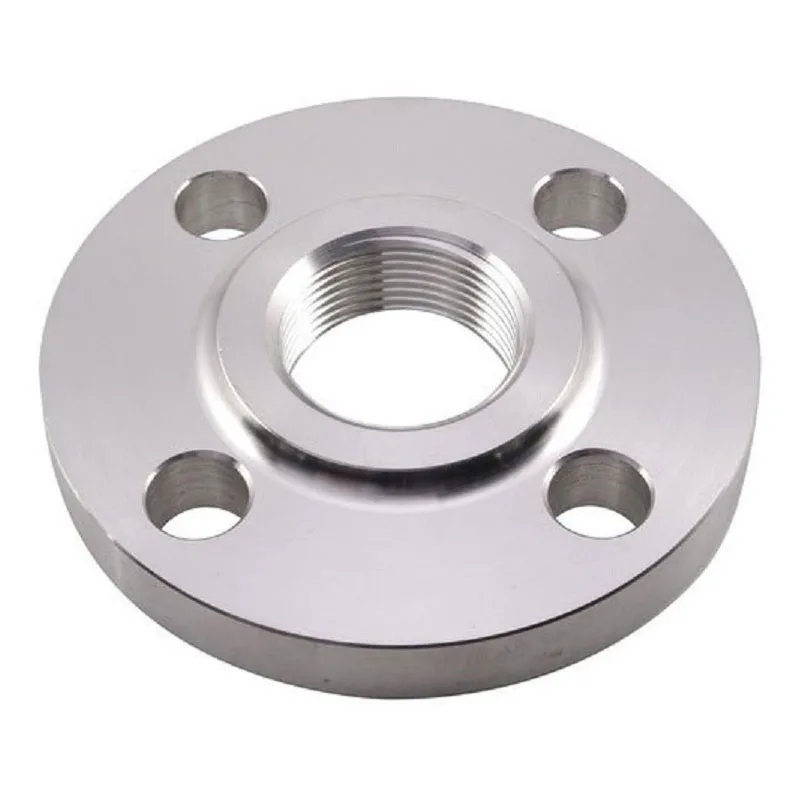 JIS 10K Threaded Flanges
 -
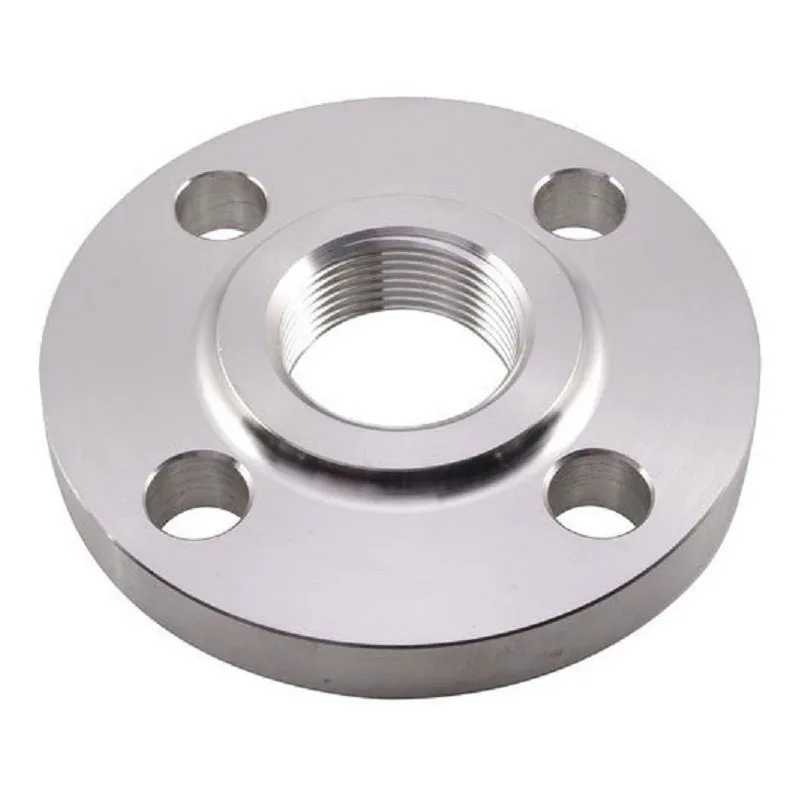 ANSI B16.5 Threaded Flanges Class 600
 -
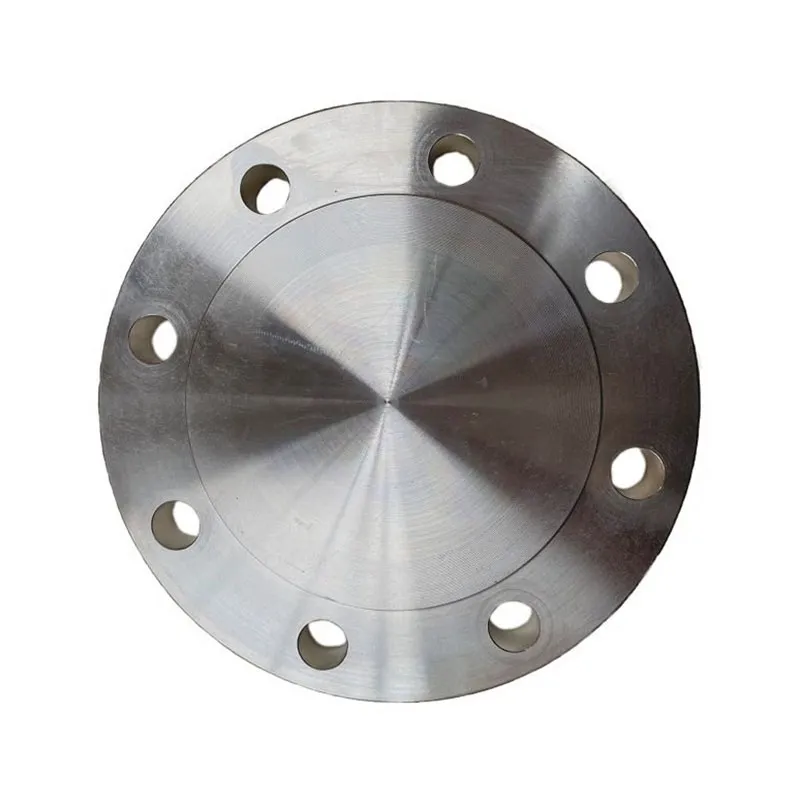 ASME B16.47 Ser.A Blind Flanges Class 400
 -
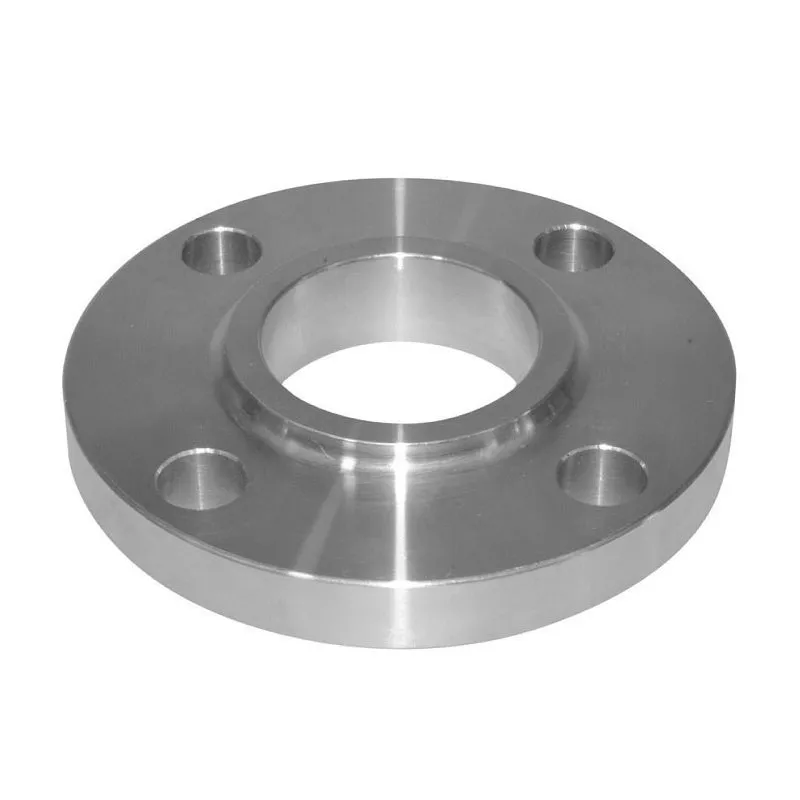 ANSI B16.5 Lap-on flanges Class 1500