
-
-
Phone
+86-13623462298



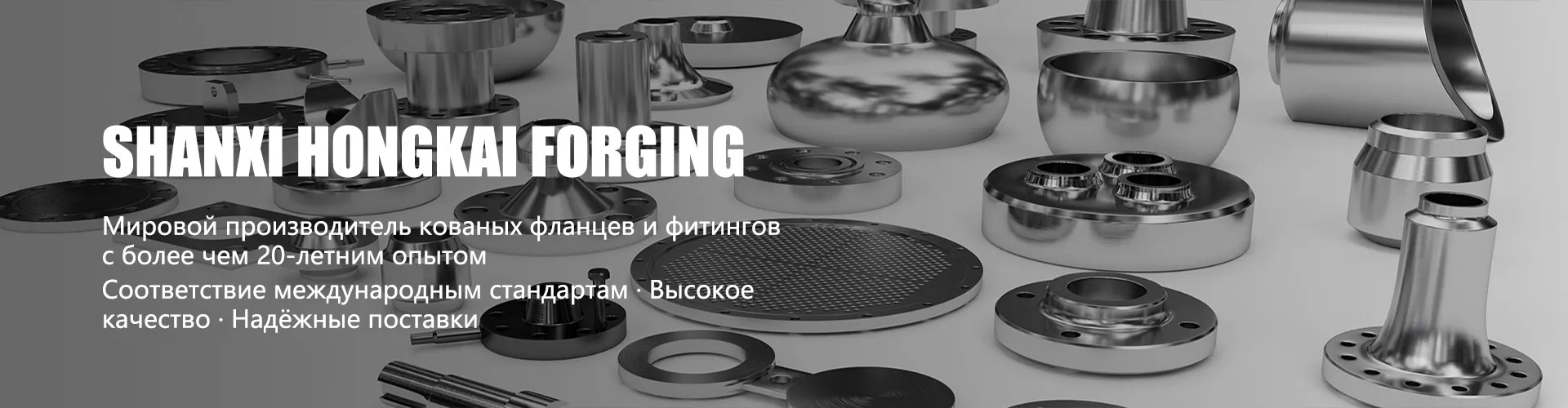
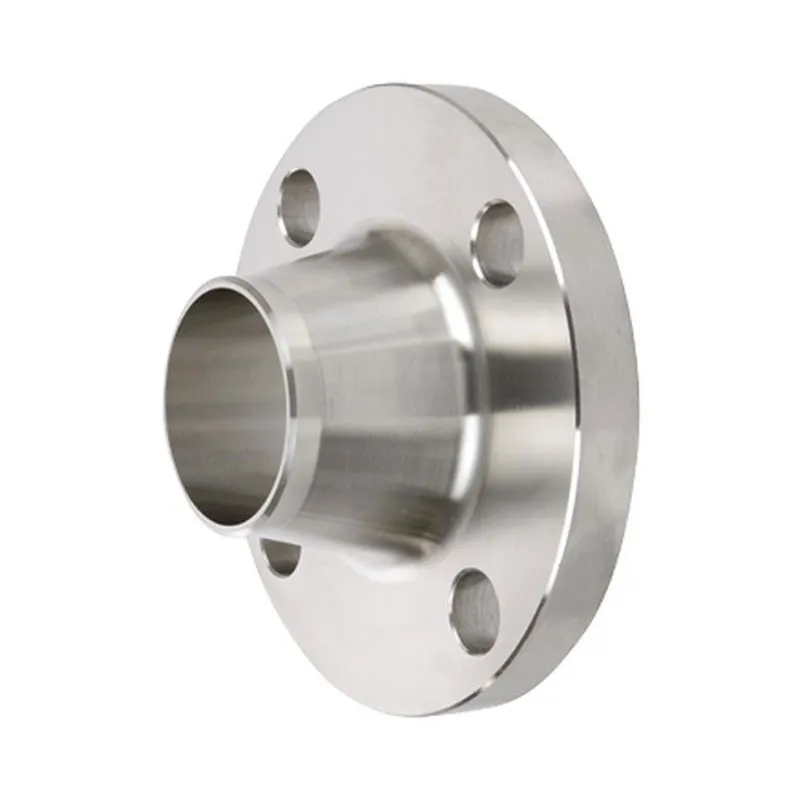
flange 70 mm
When they say “70 mm flange”, many people immediately think of DN65 or 2.5 inches. But here is the first pitfall - we can talk about the diameter of the nominal diameter, or maybe about the outer diameter of the flange itself, or even about the diameter of the bolt circle. Sometimes just “70” flashes in the specifications, and a beginner can get confused, especially when it comes to transitional or non-standard solutions. I encountered it myself when a shipment arrived at the site, but the holes did not line up - it turned out that the supplier and the customer interpreted this very “70 mm” differently. Therefore, the first rule: always specify what size it is, according to what standard, and most importantly, what pressure it is designed for. Because a 10 bar flange and a 160 bar flange with the same nominal diameter are two completely different products in terms of weight, thickness and geometry.
Where and why does the need for 70 mm arise?
Most often, this size comes up in the modernization of old Soviet lines, where DN65 pipes were installed, or in specific technological branches - supply to pumps, medium pressure piping, ventilation systems in factories. Not the most popular size, like, say, DN50 or DN100, but not exotic either. His cunning is in the “intermediateness”. Distributors do not always have it in stock, and sometimes it is easier and faster to order production for a specific task. This is where the fun begins.
When ordering, for example, from a manufacturer likeShanxi Hongkai Forging Co.,Ltd, it is important to give not just a sketch with the number 70. You need a complete package: a drawing indicating all diameters (internal, external, BOT), type of surface for the gasket, number and diameter of holes for studs, material. If this is a replacement, then it is better to attach a photo of the old model. I remember a case when repairing a heat exchanger requiredflange 70 mmaccording to GOST 12820-80 on Ru16. It seems to be standard, but it turned out that the old version used version B with a connecting projection, and not a flat surface. If they had done it according to the “default” standard, they would have had to redo the entire gasket assembly.
Material is a different story. For water or steam up to 150°C, St20 is often used, but if there are at least traces of an aggressive environment in the line, even the same wet carbon dioxide, you already need to look towards 09G2S or even 12Х18Н10Т. Chinese manufacturers such asShanxi Hongkai Forging Co.,Ltd, usually offer a large selection of steel grades that comply with GOST, ASME, and DIN. But here you need to be careful: a certificate for the material is a must have. Once we saved money on this and took a “similar” one. steel without documents - after six months microcracks appeared on the weld. I had to stop the line.
Practical difficulties during installation and selection
It would seem that there should be no problems with installing 70 mm flanges - the size is not gigantic. However, this is where people often get shot. little things. For example, a bolted connection. If the flange is in accordance with GOST, then there should be 8 holes for the studs. But according to ASME B16.5 for Class 150 of the same nominal bore there can be 4 holes. And if you assemble an assembly from different standard components, it is physically impossible to combine them. You have to either mill new holes (which weakens the structure and requires approval), or look for exactly the standard that is needed.
Another nuance is thickness.Flange 70 mmon Ru10 it will be thinner and lighter than on Ru40. And if during repairs they ask “what was in the warehouse?”, without looking at the calculated pressure, this is a direct emergency. I had a sad experience in practice at one of the boiler houses: they installed a flange on Ru6 instead of the required Ru25 at the outlet from the reduction unit. A month later, the connection began to leak under load, it’s good that they noticed it in time. The fault lies entirely with the installers who did not understand the labeling.
Also, don't forget about the gaskets. There is a whole range available for this size: paronite, fluoroplastic, metal with oval or octagonal cross-section. The choice depends on the medium, temperature and pressure. And here it is important that the surface of the flange (the same “mirror?”) is of the appropriate type. If the flange has a tongue-and-groove (protrusion-recess), and you try to install a flat gasket, you will not achieve a seal. When ordering from the manufacturer, always specify the type of sealing surface. On the websiteShanxi Hongkai Forging Co.,Ltd, for example, the nomenclature clearly defines the types: flat, for a lens gasket, with a connecting projection, tongue and groove. This makes life a lot easier.
Experience working with forging manufacturers
When you need non-standard solutions or large quantities, you often turn to direct forging manufacturers rather than resellers. Chinese factories specializing in forging, like the one mentionedShanxi Hongkai Forging Co.,Ltd, often provide good value for money, especially if we are talking about materials other than simple carbon steel. Their profile is just thatforged flangesaccording to customer drawings, including non-standard ones. Working with them has its own specifics.
The first is a long manufacturing cycle. If you need it urgently, within 2 weeks, this is not the place. Here we are talking about 4-8 weeks minimum: tooling manufacturing, forging, heat treatment, machining, control. But you can get exactly what you need, with the necessary tolerances. The second is the importance of technical specifications (TOR). The more detailed the technical specifications, indicating not only dimensions, but also control methods (for example, ultrasonic testing or hardness control), the fewer complaints later. We once ordered a batch of flanges made of 13HFA steel for low temperatures. The technical specifications specified the impact strength of KCU at -40°C. Acceptance with a customer representative at a factory in China saved the day - the batch passed all the tests, and the equipment is now working in the Far North.
Third is logistics. Flanges, even 70 mm in size, if there are 1000 pieces in a batch, are already several pallets. It is necessary to think in advance about packaging (preferably anti-corrosion), labeling of each item and delivery conditions. Working withhkflange.ru, noticed that they offer a full package of services, including manufacturing, testing, packaging and delivery to the port. This is convenient, but requires clear planning of shipment dates in order to avoid vessel downtime or delays at customs.
Non-standard situations and solutions
Sometimes ?70 mm flange? not required for the pipeline, but as part of the apparatus body, support element or cover. Here standard catalogs no longer help; strength calculations are needed. For example, for a hatch on a medium pressure tank. You have to consider the thickness of the plate, especially if there is internal pressure, and select the number and location of the pins not in a standard circle, but, say, in two rows. In such cases, a forged blank from a forging manufacturer is an ideal option because it allows you to obtain the desired shape with optimal metal distribution.
There was a project where an adapter flange was needed from a steel pipeline Du65 to an impulse line from a sensor with an M52x3 thread. I had to develop a drawing of the part, which on the one hand is standardflange 70 mm(along the outer diameter) with holes for studs, and on the other - a blind plug with a threaded hole in the center. Ordered fromShanxi Hongkai Forging Co.,Ltdas a non-standard forging. Made from stainless steel 12Х18Н10Т, everything came together the first time. The key was to correctly indicate in the drawing the alignment of the thread and the flange surface, as well as the cleanliness of the processing.
Another point is the repair of old flanges. Sometimes it’s easier not to change the entire assembly, but to increase wear or restore the damaged surface of the “mirror”. surfacing followed by mechanical processing. But for mission-critical environments this is risky. More often than not, replacement occurs. And here, if the original equipment manufacturer no longer exists, drawing manufacturers come to the rescue. The main thing is to take exact measurements from the old part, including hardness. Otherwise, you can get a flange that is identical in appearance, but whose mechanical properties will not withstand the load.
Instead of a conclusion: thinking out loud
So, going back toflange 70 mm. This is not just a line in the specification. This is always a story with context: for what, where, under what conditions, in return for what. Working with such seemingly small details, you understand that the reliability of the entire system often depends on attention to such “insignificant” details. nodes. Choosing between a standard stock product and a custom one, between carbon and alloy steel, between one type of seal and another is not an accounting economy, it is an engineering decision.
This is why having trusted suppliers who understand not only the metal, but also the operating conditions, is invaluable. Whether it's a Russian plant or a Chinese manufacturer with a serious approach, likeShanxi Hongkai Forging Co.,Ltd, it is important that the dialogue includes not only prices and terms, but questions: “What is your pressure?”, “What is the environment like?”, “Is there vibration?” Then this one tooflange 70 mmwill not be a problem, but an ordinary, reliable element in the design, which can be forgotten after installation - and this is the best assessment of the work.
In general, there are no trifles. Especially in flanged connections.
Correspondingproducts
Related Products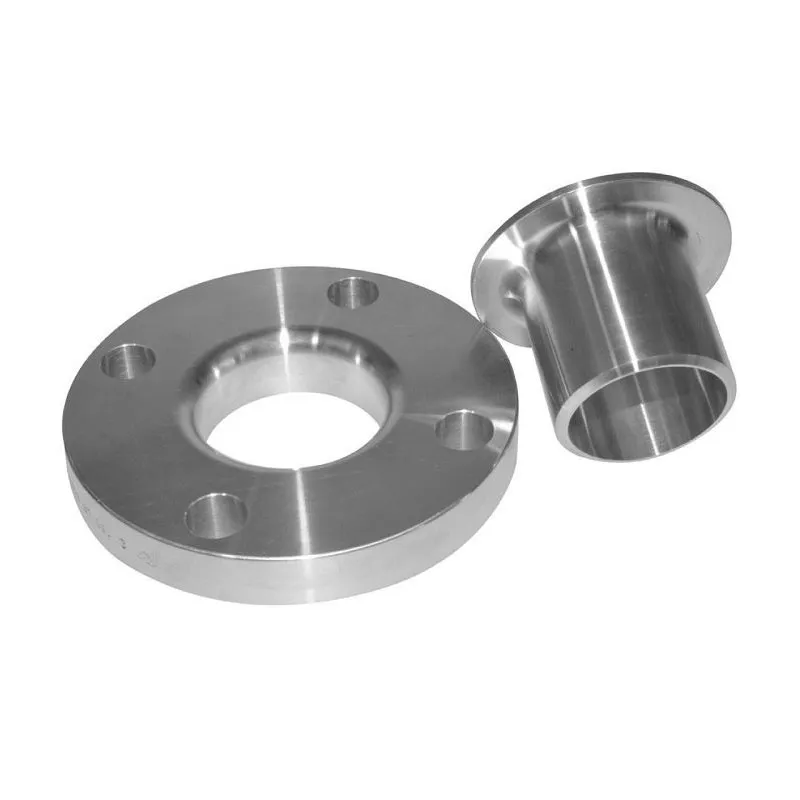
Best Sellingproducts
Best Selling Products-
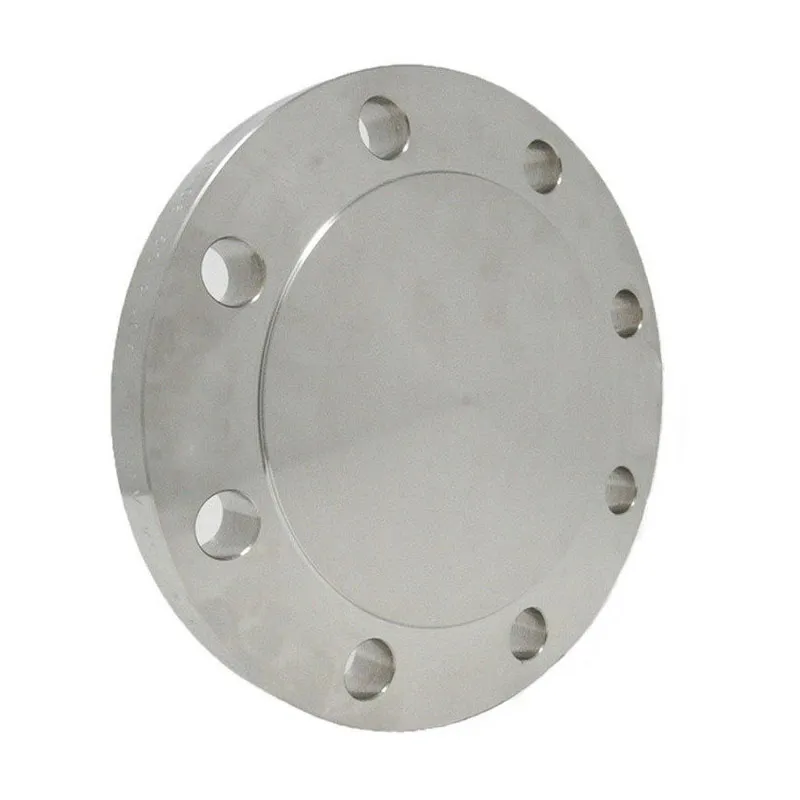
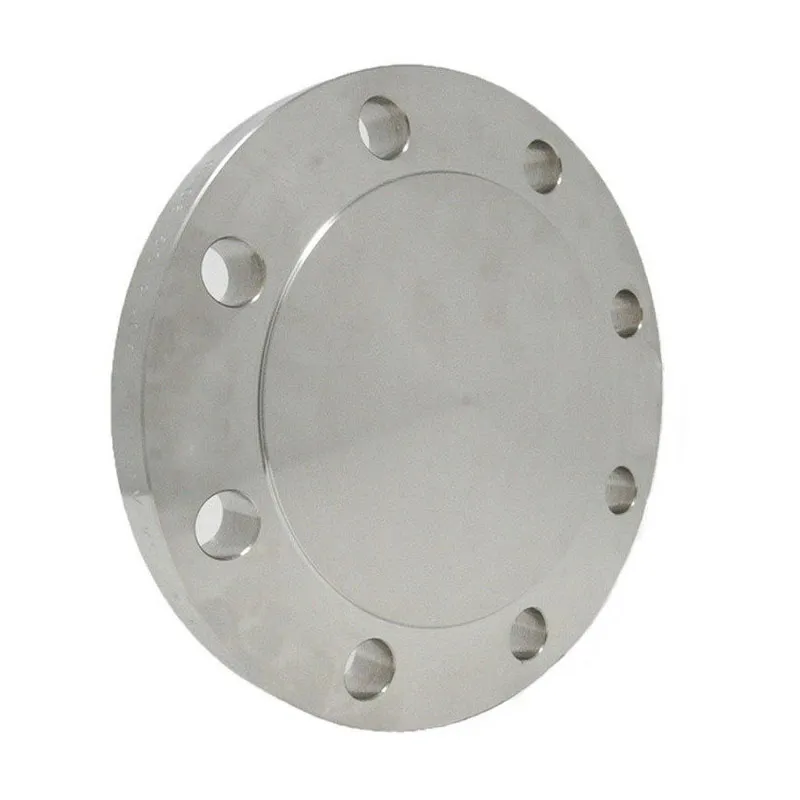 Blind flanges Class 150
 -
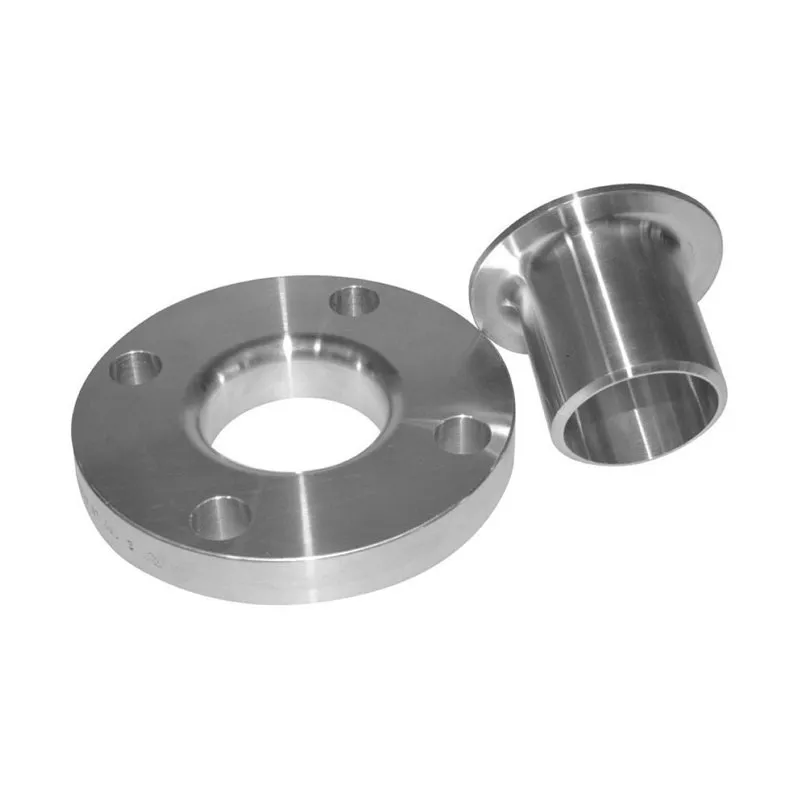 Free ring flanges Class 150
 -
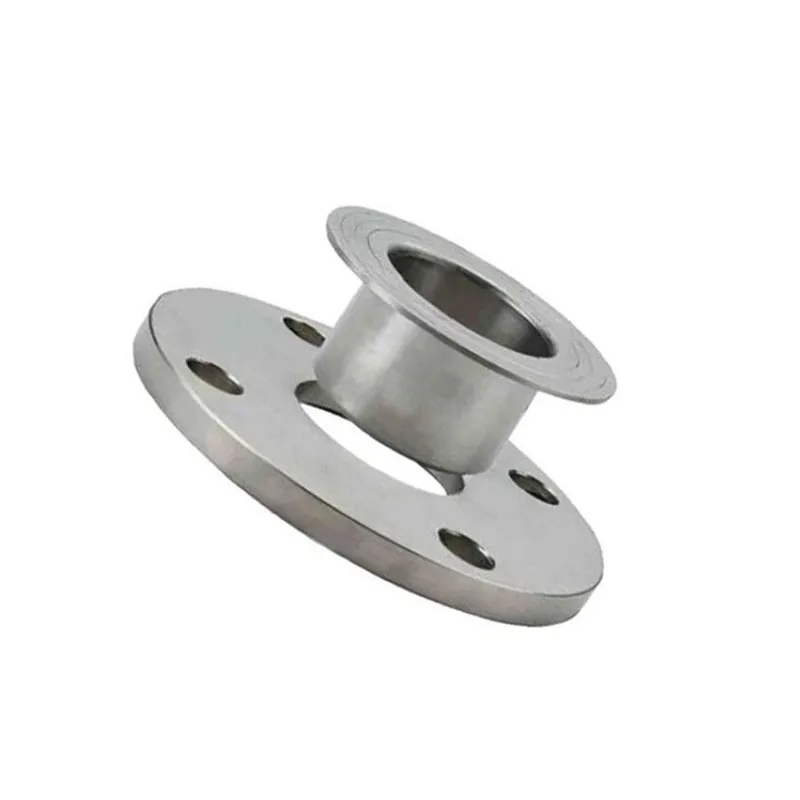
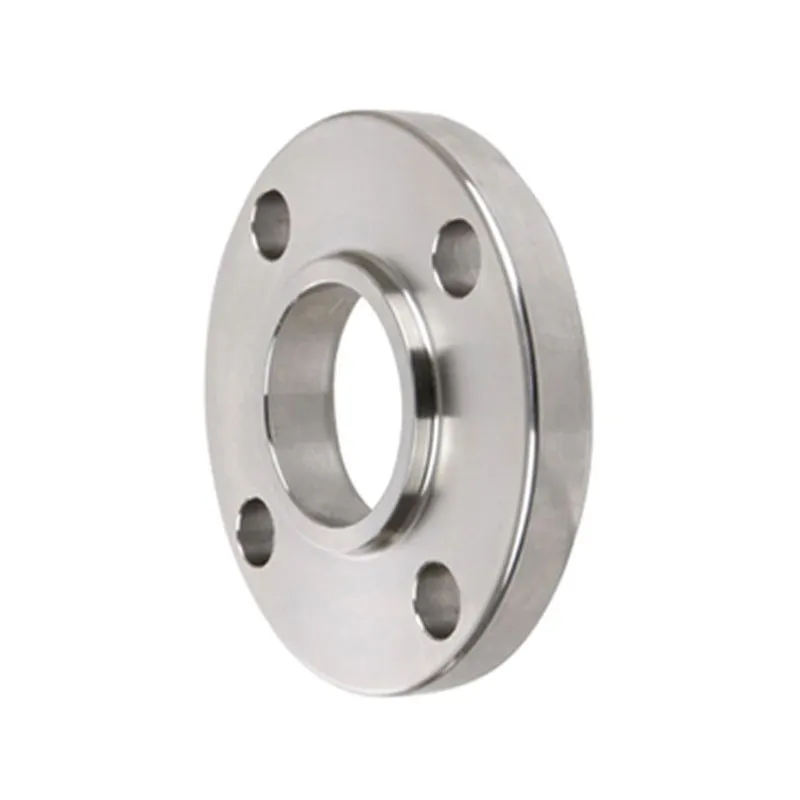 ANSI B16.5 Lap-on flanges Class 300
 -
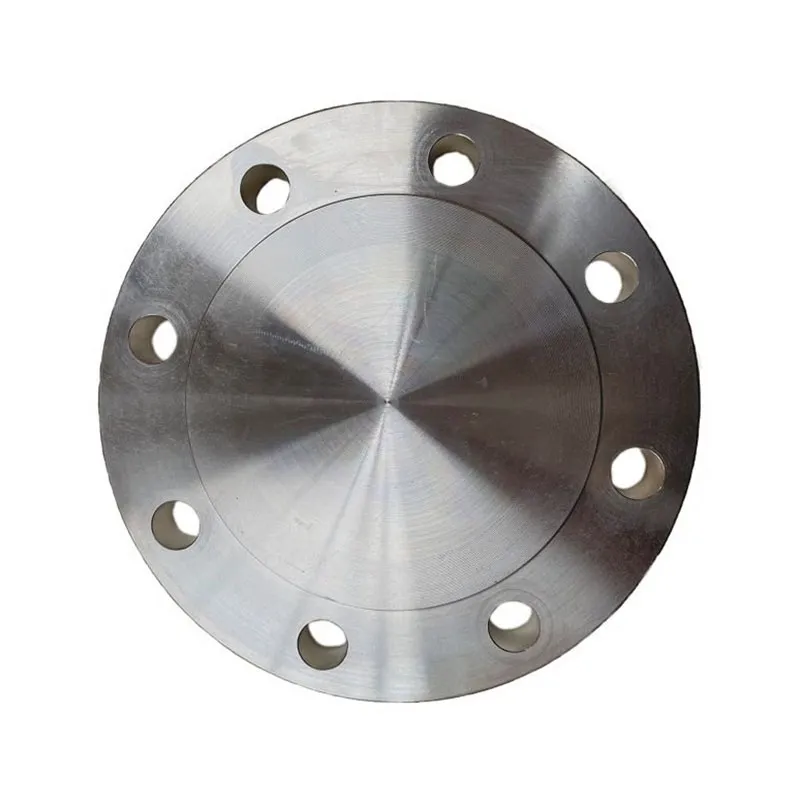 UNI 6092 Blind flanges PN10
 -
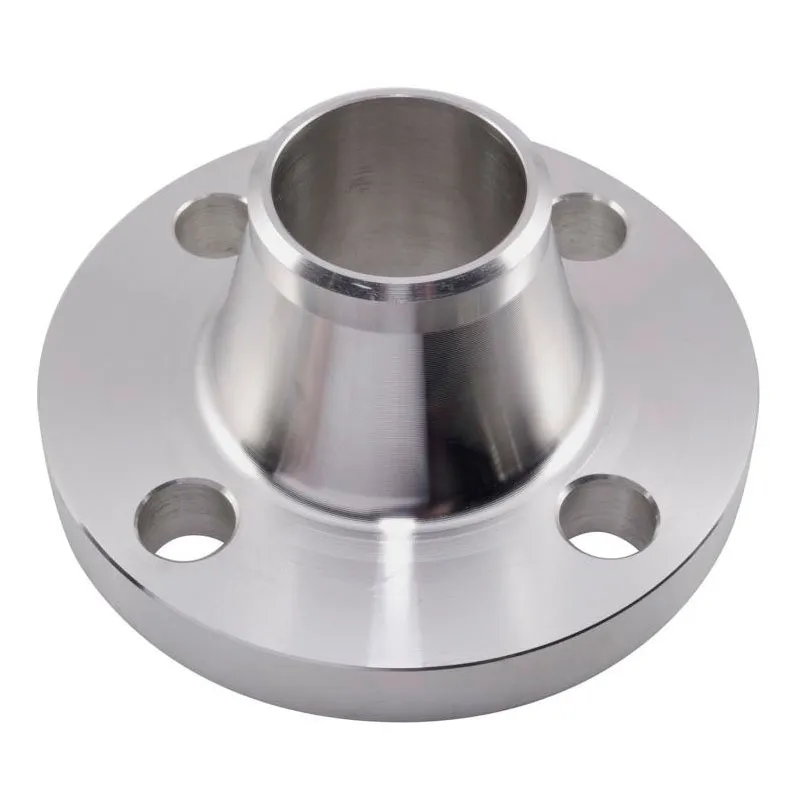 DIN Butt weld flanges PN10
 -
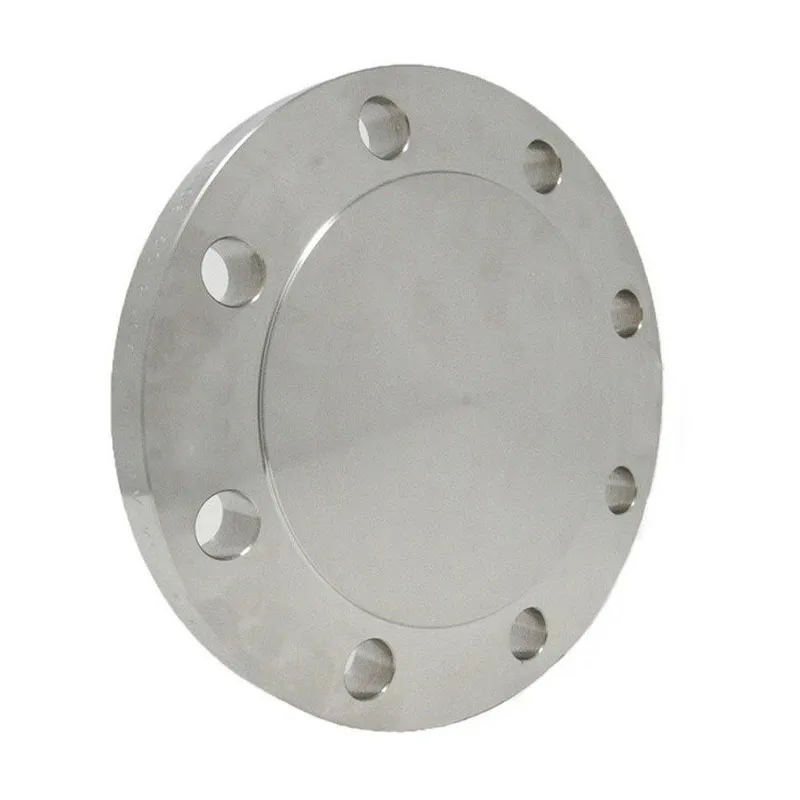 EN 1092-1 Blind flanges Type 05, PN10
 -
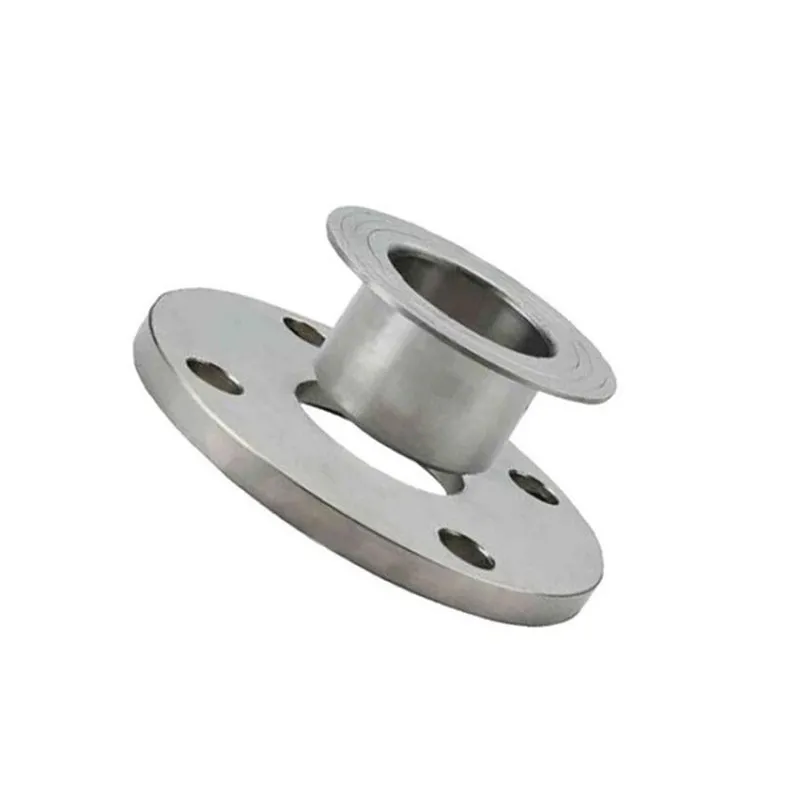 JIS 10K Loose Ring Flanges
 -
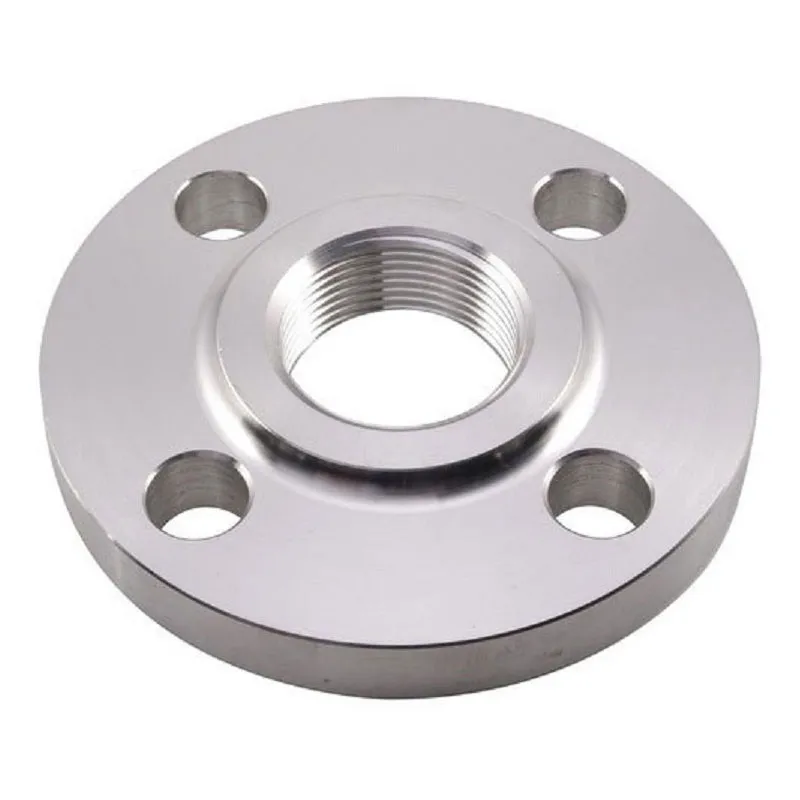 DIN 2565 Threaded flanges PN6
 -
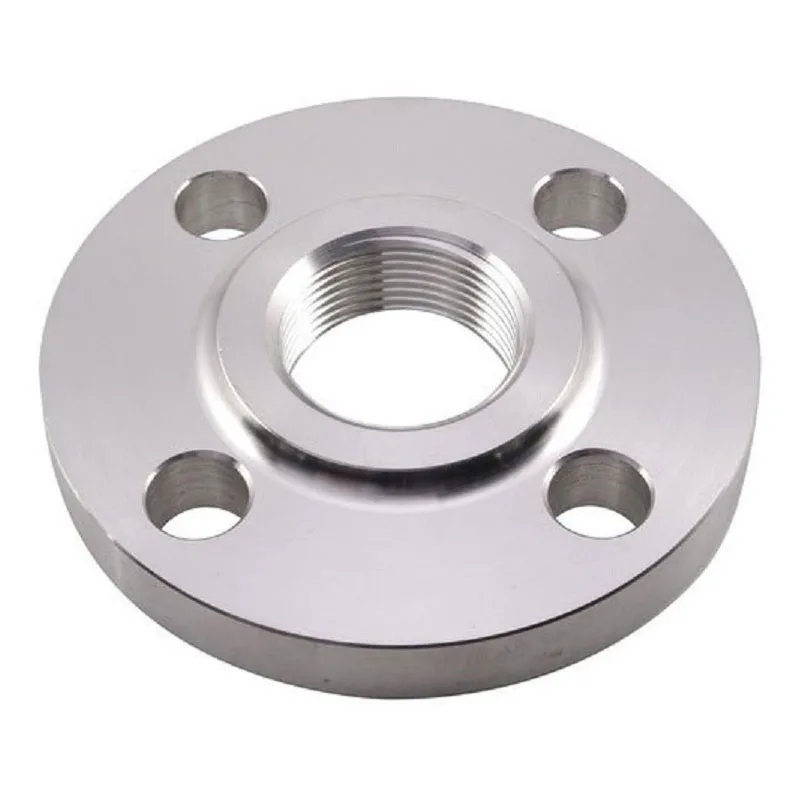 JIS 10K Threaded Flanges
 -
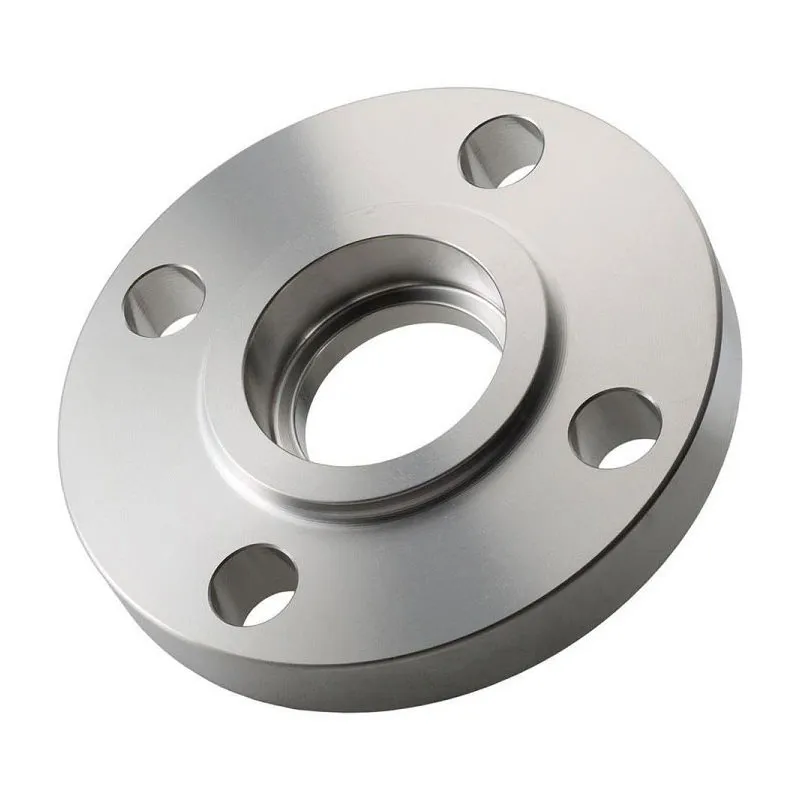 Flanges for socket welding
 -
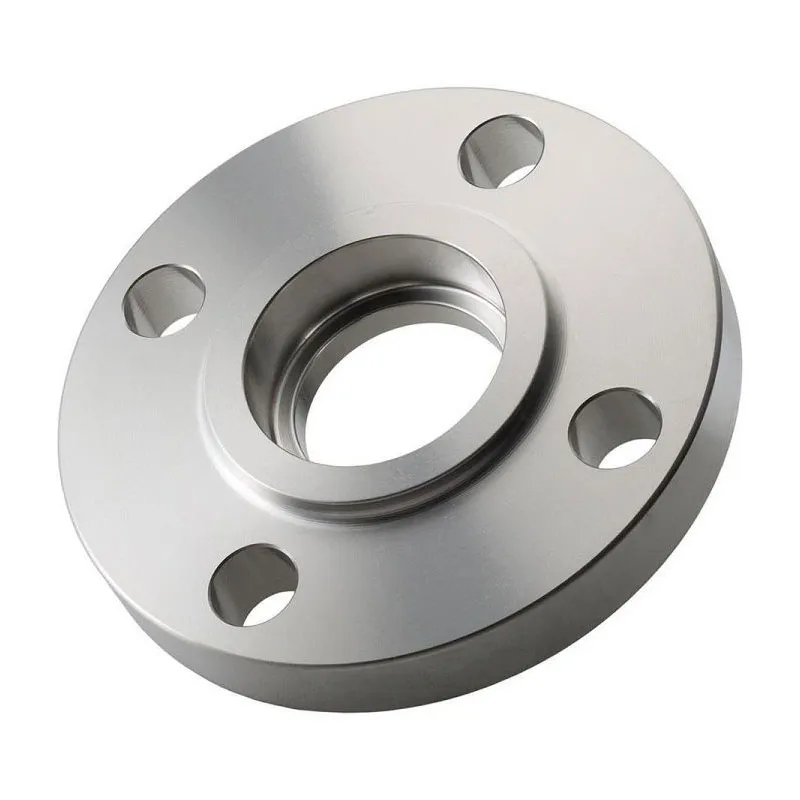 ANSI B16.5 Socket Weld Flanges Class 1500
 -
 Ser.A Butt Weld Flanges Class 400