
-
-
Phone
+86-13623462298



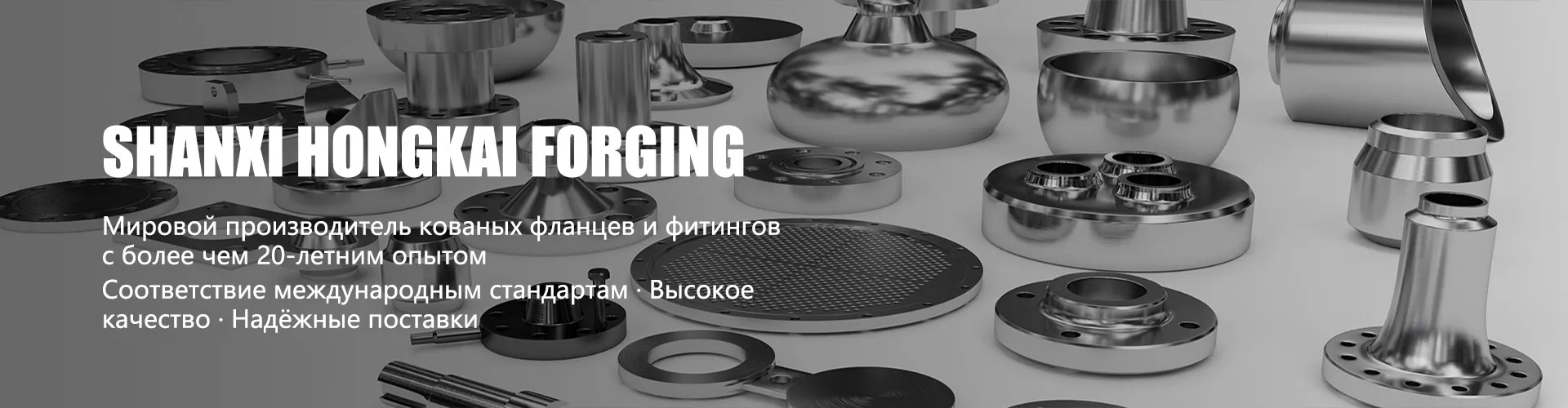
flanges DN250
When they talk about DN250 flanges, many people immediately think about the standard flow area and pressure. But in practice, especially when ordering for a specific project, it turns out that this figure hides a whole layer of nuances - from the type of sealing surface and material to the perpendicularity tolerances of the holes for the studs. A common mistake is to assume that a DN250 flange according to GOST will automatically fit an ASME B16.5 Class 150 flange. Differences in overall dimensions and hole locations can lead to costly rework on site.
Standards and pitfalls when choosing
When working with 250 mm connections, the first thing you encounter is the need for a clear understanding of the standard. Let's say the project requires flanges according to EN 1092-1. It would seem that we take type 01, version 1, and it’s done. But here the question arises about the material. For hydrocarbon environments at low temperatures, P265GH according to EN 10222 may be suitable, but if the environment contains hydrogen sulfide, hydrogen cracking resistance must be taken into account. I once saw a batch of supposedly “standard” ones lying in a warehouse. DN250 flanges made of steel 20, but without the necessary certificates according to NACE MR0175. We had to urgently look for a replacement, and the installation time was running out.
Here, by the way, it is useful to pay attention to manufacturers who work with a full cycle and can quickly confirm compliance. For example, on the siteShanxi Hongkai Forging Co.,Ltd (https://www.hkflange.ru) it is clear that they, as a manufacturer of forged flanges and forgings, declare work in accordance with GOST, ASME, EN, DIN. What is important is not the fact of listing the standards, but the ability to provide technical documentation for each. For Du250 this is critical, since these are already critical connections, often going to main pipelines or process lines.
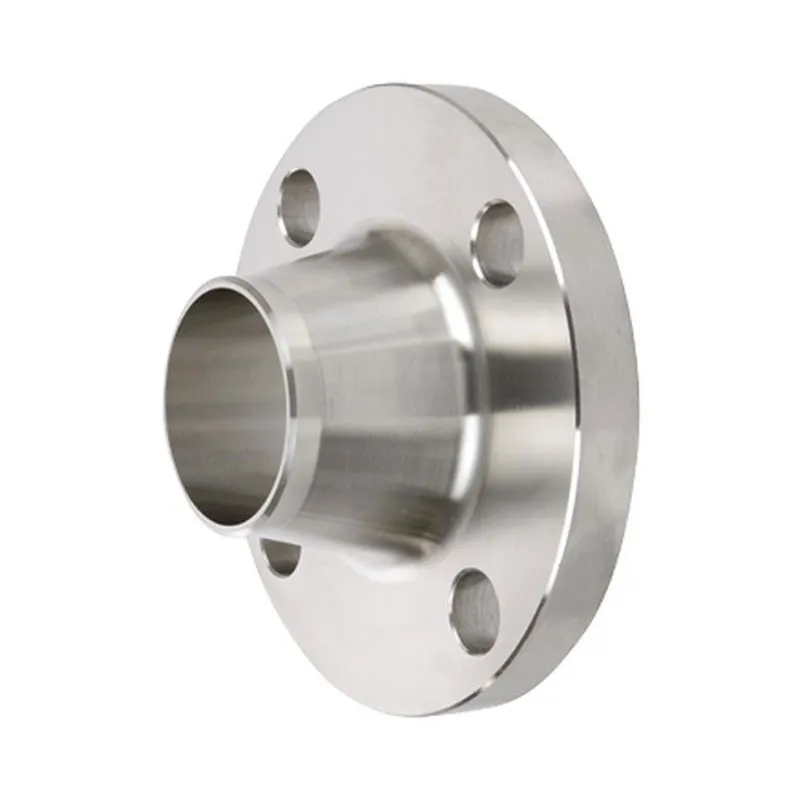
Another point is the type of flange. For Du250, butt welding (butt welding) is the most common, but not the only one. In cramped installation conditions or for frequent inspections, a loose flange with a welding ring may be required. But here it is important to remember about the ring thickness and alignment. A poor-quality ring can lead to misalignment during the screed and, as a result, to leakage. I went through this myself at one of the boiler houses; I had to remove and grind the ends.
Forging vs casting: why is it important for DN250
With a diameter of 250 millimeters, mechanical loads, especially during cyclic pressure and vibration, are distributed differently than at small diameters. Here the advantage of forged flanges becomes not a marketing trick, but a practical necessity. The fibrous structure of the metal after forging is more uniform; there are no internal cavities that can be found in cast pieces. For critical facilities, where every risk is considered, the choice in favor of forging is often a choice in favor of the predictability of the connection life.
Manufacturer seems to beShanxi Hongkai Forging Co.,Ltd, positioning itself as part of a forging center, usually has hot stamping presses in its arsenal. This gives good metal density. When accepting such flanges, we always looked not only at ultrasonic testing, but also at the quality of processing of the sealing surfaces - for a tongue-and-groove gasket. or under the lens gasket. On DN250, the slightest groove from the cutter can become a path for leakage.
I had a case with a non-standard DN250 flange for high pressure, which required urgent repairs. The manufacturer of standard products offered a period of 8 weeks. We turned to the manufacturer, who works according to the customer’s drawings. Forging made it possible to produce a workpiece faster, since there was no need to wait for casting equipment. The key was that they were able to provide calculations for machining allowances so that after turning we would get the desired hardness in the area of the stud holes.
Installation and "field" problems
Theory is theory, but editing decides everything. A DN250 flange, even a perfectly manufactured one, can be damaged during installation. The main mistake is uneven tightening of the studs. They recommend a “crosswise” pattern, but in practice, especially in hard-to-reach places, they often pull in a circle. The result is skew. We use torque wrenches, but there is a nuance here: lubricating the threads and nuts. Without it, the tightening torque does not correspond to the actual force on the flange connection.
Another common problem is misalignment of pipes before butt welding of DN250 flanges. There is approval according to GOST, but if the pipes are “removed?” during installation, the flange will be welded under tension. During hydrotests everything may be fine, but during thermal cycles this stress will come back to haunt you. We had to install temporary spacers and align pipe sections with a laser level before allowing welders.
The quality of the holes for the studs is also important. Sometimes you come across flanges where the holes have burrs or insufficient diameter. The pin fits in tightly, the installer begins to “finish off” it. with a sledgehammer, breaks the thread. Then - an emergency situation. Therefore, upon acceptance, we always tested a pair of studs from the kit to ensure they fit freely into all holes. It's a small thing, but it saves hours on site.
Non-standard situations and adaptation
The standard assortment is good, but life is richer. For example, a DN250 flange was required, but with a change to a different standard diameter or with a non-standard arrangement of additional bends. Or you need a blind flange (plug) DN250, but with reinforcement due to high pressure and temperature. Here it is important that the manufacturer has experience working according to customer drawings, and not just selling from a catalog.
In the descriptionShanxi Hongkai Forging Co.,Ltdthe range of sizes is indicated right up to DN4000 and the production of non-standard products. For DN250, this possibility means that you can order a flange with additional bosses for mounting sensors, with a special coating (for example, aluminizing for high temperatures) or from an exotic alloy. The main thing is to provide a competent technical request indicating all working environments, pressures, temperatures and load cycles.
Once I was faced with the need to install a DN250 flange connection on a pipeline that was already working, and it was impossible to disconnect it for a long time. The solution was to use a loose flange with a weld-on ring, which could be mounted on the new section of pipe on the ground, and then slipped onto the old pipe and welded on the ring. The speed and quality of manufacturing of the forged ring played a key role - the weld lay smoothly, without lack of fusion.
Logistics and packaging issues
It would seem that what is so difficult about supplying DN250 flanges? Received, loaded, sent. But in reality, confusion often arises with the configuration. The flange is not only the disk itself, but also studs, nuts, and gaskets. Some suppliers supply everything together, others only supply flanges. For DN250, the studs must be of the correct strength class, often 8.8 or higher. Nuts are preferably tall to ensure the required tightening stroke.
And here we return again to the importance of working with the manufacturer, and not just a reseller. If the plant is like mentionedShanxi Hongkai Forging Co.,Ltd, produces forgings himself, then, as a rule, he has the opportunity to supply a complete set of fasteners, selected according to the material and standard. This eliminates the headache of searching for compatible components externally and ensures that the entire assembly will work as a cohesive unit.
Another practical tip is to always require packaging that protects the sealing surfaces during shipping. I've seen beautiful machined surfaces of DN250 flanges come out scratched because they were simply thrown into a container without wooden gaskets or preservative lubricant. It had to be sent for re-machining, which disrupted the commissioning schedule.
As a result, working with DN250 flanges is a constant balance between the standard and specific project conditions, between calculation theory and installation practice. Choosing a trusted manufacturer who understands not only metalworking, but also the end use of their products, in this matter is not a whim, but a reasonable insurance against future problems at the site. And yes, it’s always worth double-checking the drawing and technical specifications before sending the order for work.
Correspondingproducts
Related Products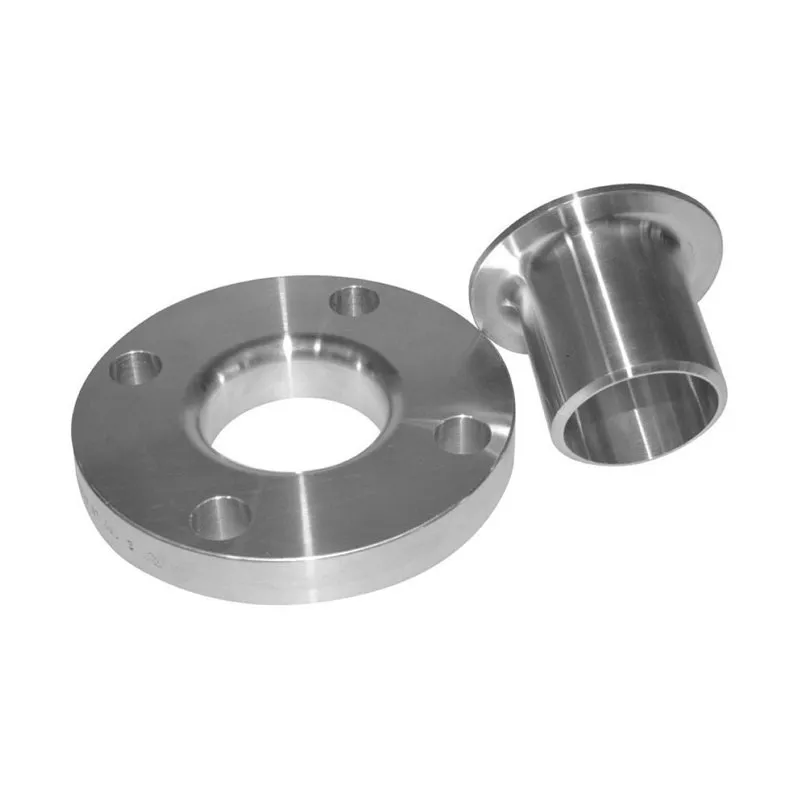
Best Sellingproducts
Best Selling Products-
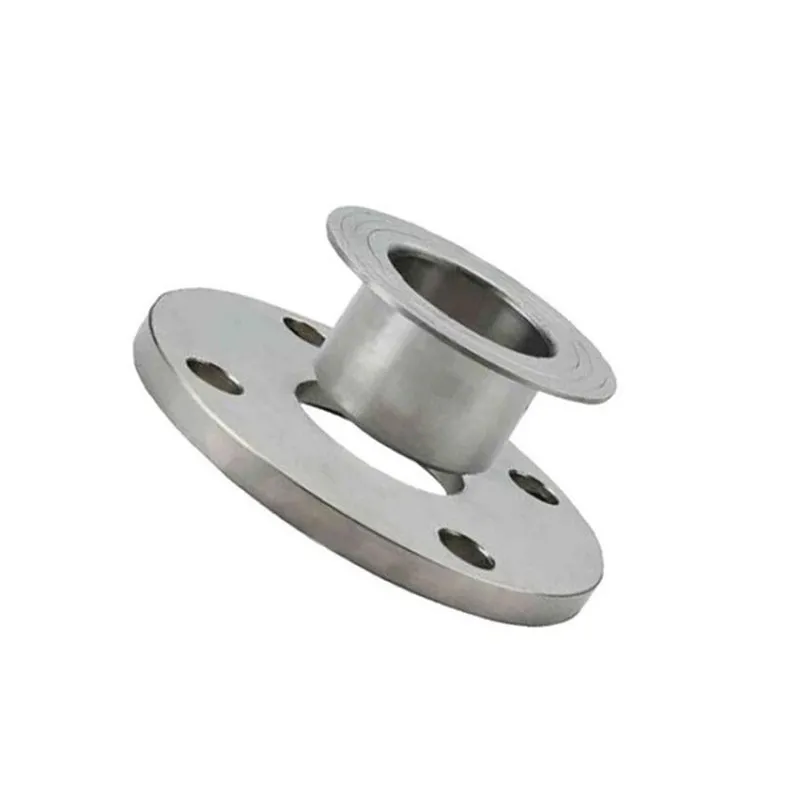 JIS 10K Loose Ring Flanges
 -
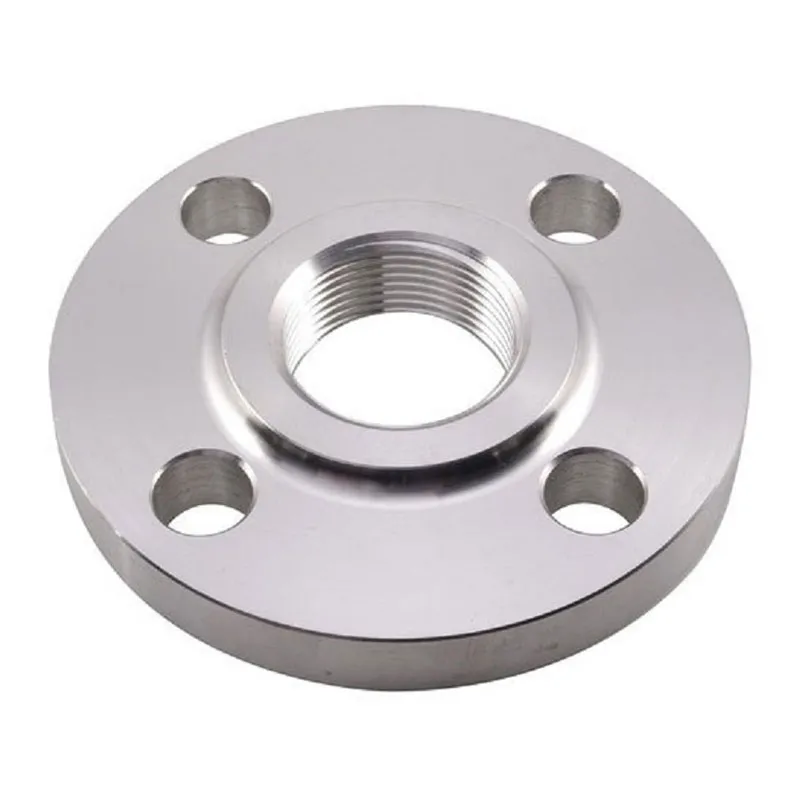 JIS 10K Overlay flanges
 -
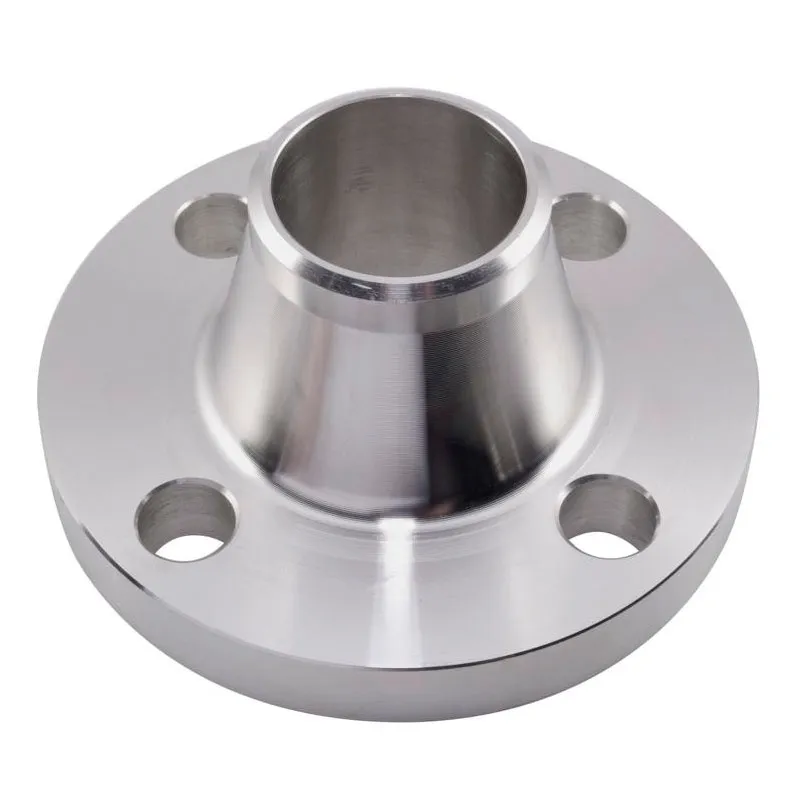 Butt weld flanges Class 900
 -
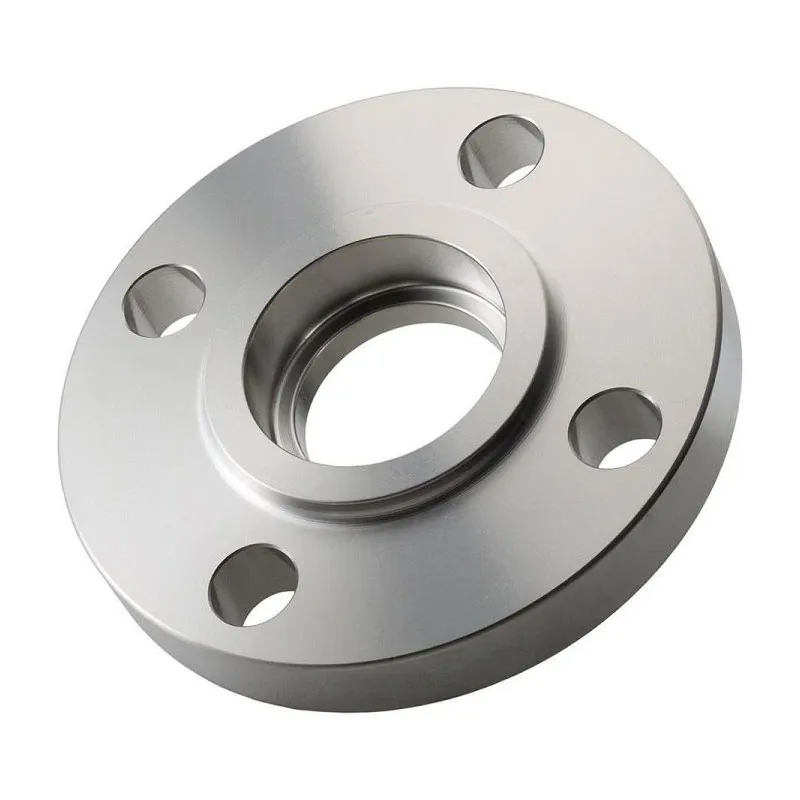 ANSI B16.5 Socket Weld Flanges Class 150
 -
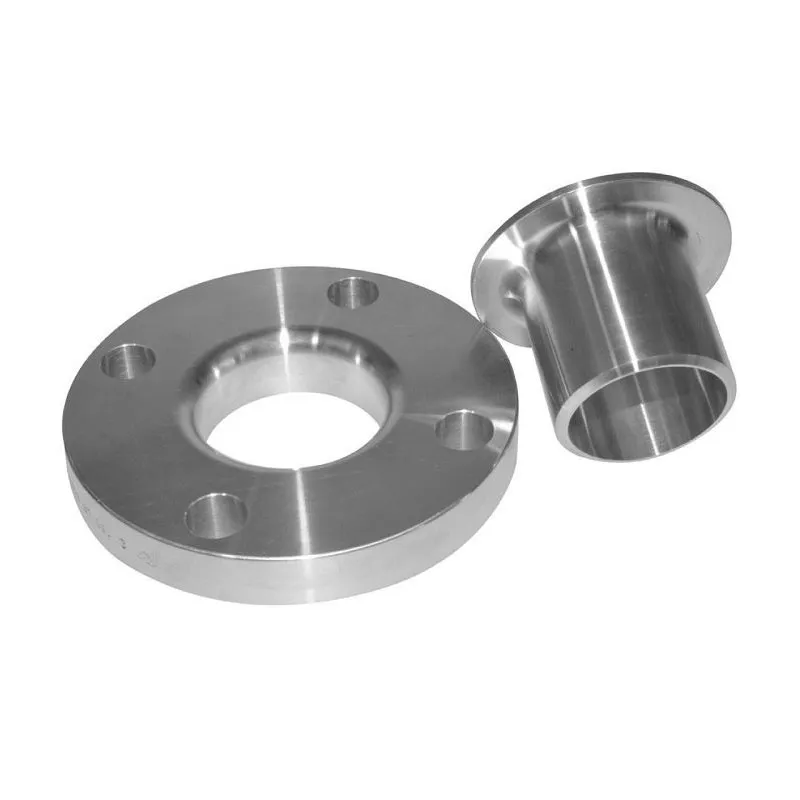 ANSI B16.5 Loose Ring Flanges Class 2500
 -
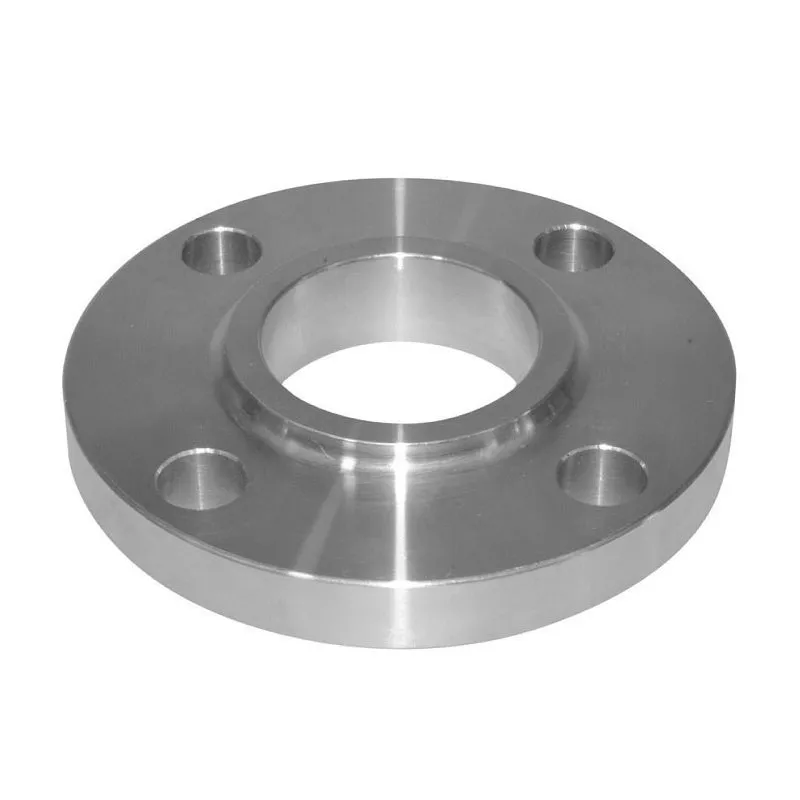 ANSI B16.5 Lap-on flanges Class 1500
 -
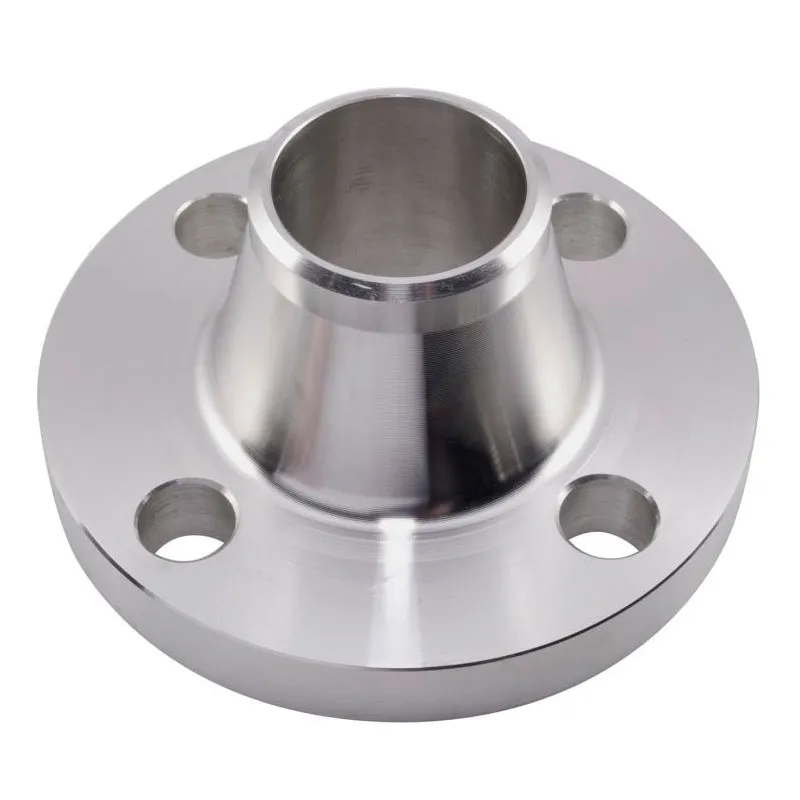 UNI 2281 Butt weld flanges PN10
 -
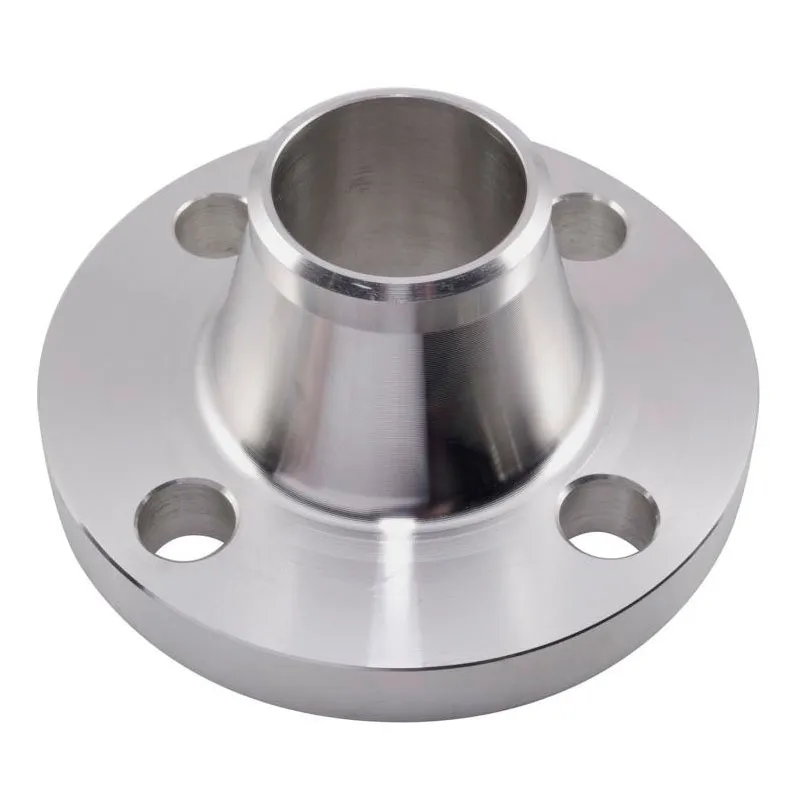 DIN Butt weld flanges PN10
 -
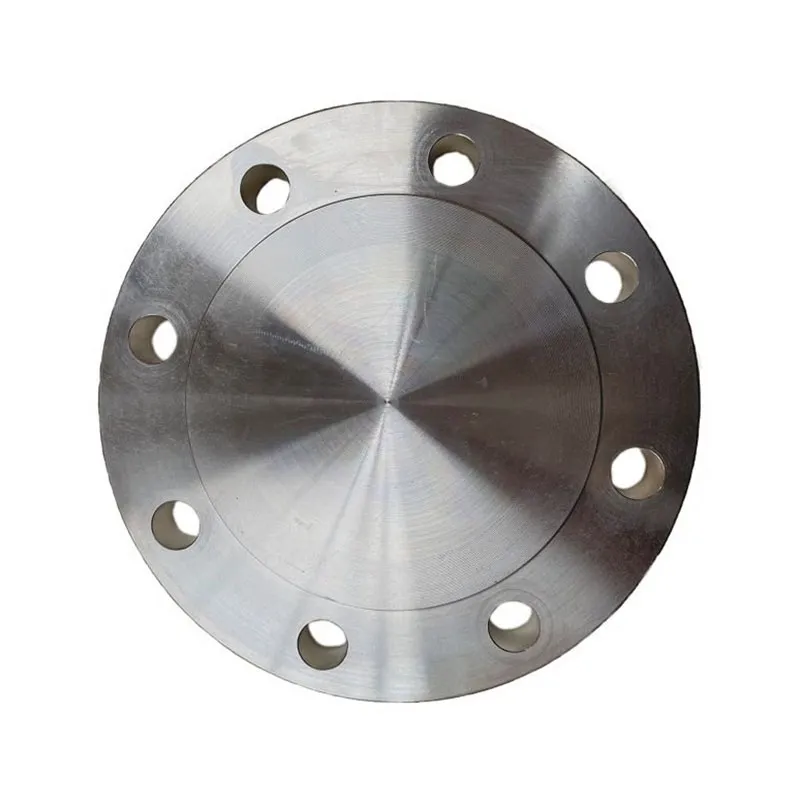 ASME B16.47 Ser.A Blind Flanges Class 400
 -
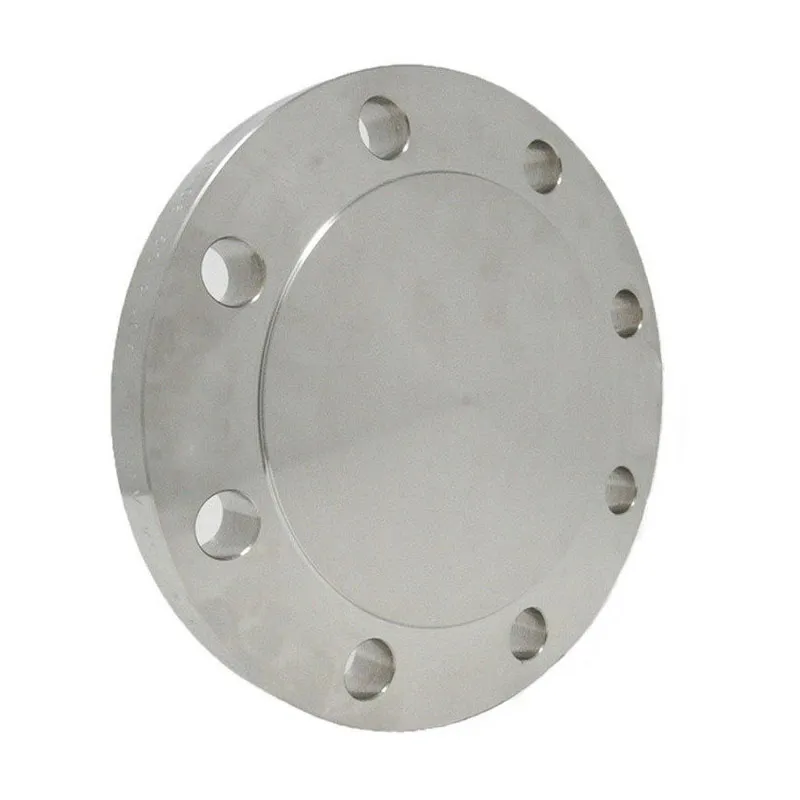 Blind flanges Class 150
 -
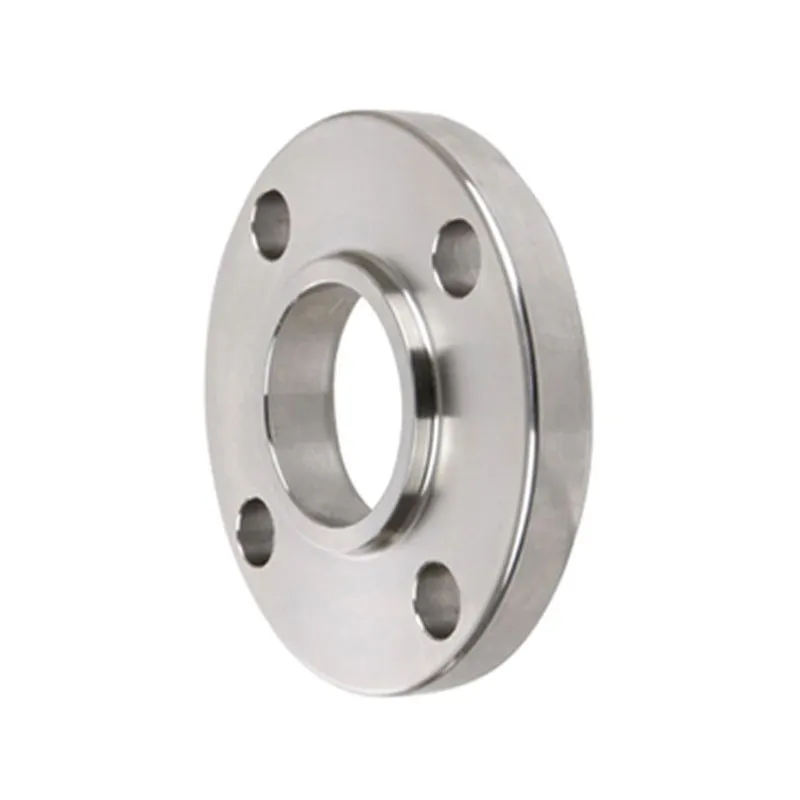 ANSI B16.5 Lap-on flanges Class 300
 -
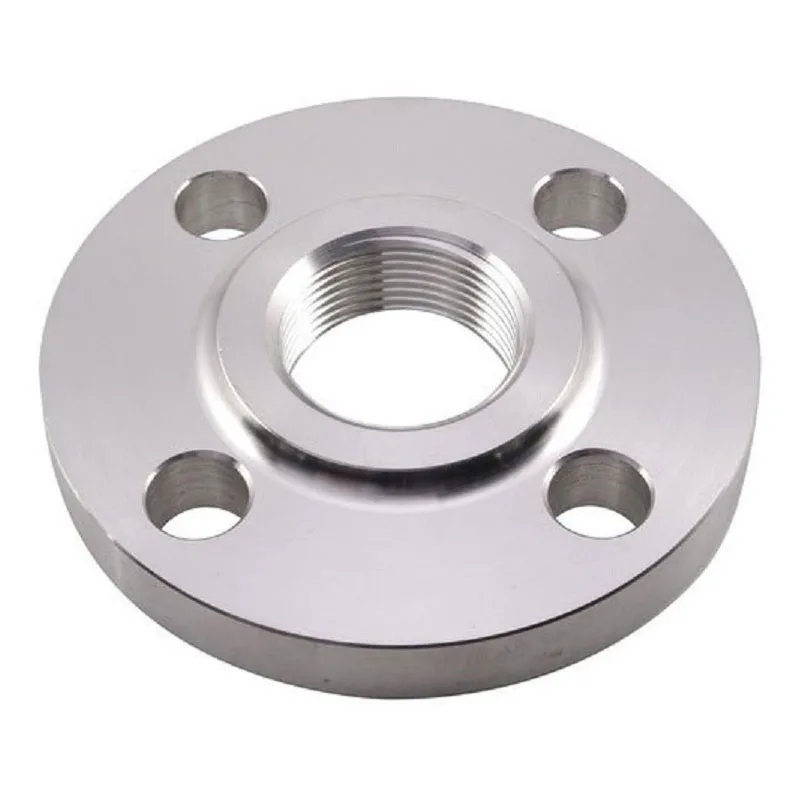 JIS 10K Threaded Flanges