
-
-
Phone
+86-13623462298



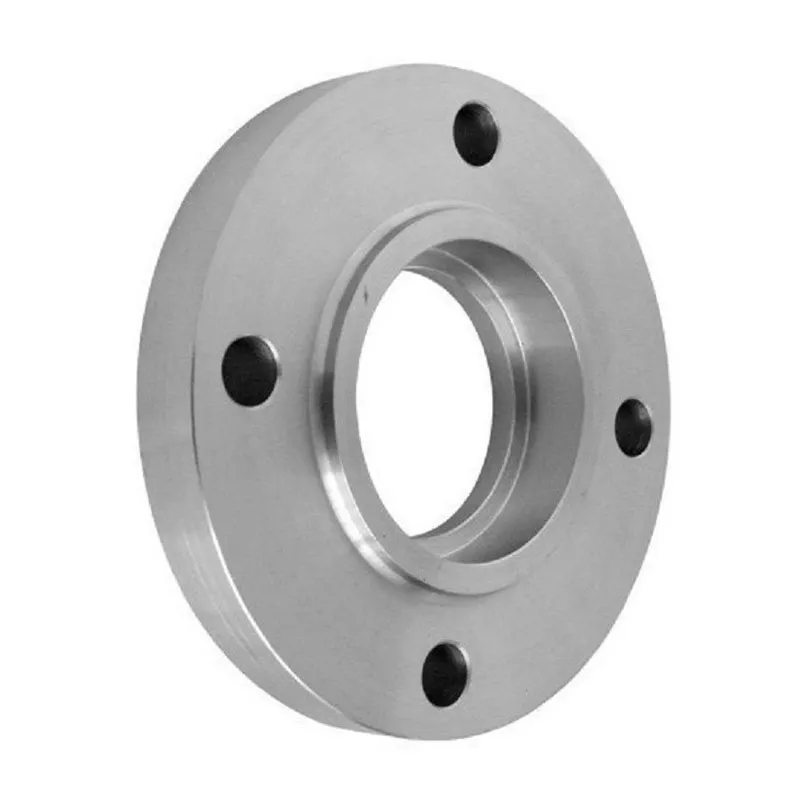
aluminum flanges
When they say “aluminum flanges,” many people immediately imagine something lightweight and corrosion-resistant, ideal for chemicals or aviation. But in practice, everything is not so clear. Often customers want aluminum for systems where the pressure or temperature simply “kills” them. this material. About five years ago, I persuaded one client to install aluminum flanges on a pipeline with moderate steam - as a result, after six months we got deformation and leakage at the joint. I had to urgently change it to steel. Since then, I always start with one question: “What exactly is the environment and parameters?” Because aluminum is not a universal solution, but a very specific choice.
Main misconceptions and pitfalls
The biggest misconception is to think that since aluminum does not rust, it is eternal. In fact, its durability is highly dependent on the alloy and conditions. For example, in environments with high alkalinity or certain acids, it can corrode faster than regular steel. Another point is mechanical properties.Aluminum flangeshave a significantly lower tensile strength and creep compared to steel. This means that under constant load, especially at elevated temperatures (already above 150-200°C), they can slowly deform. I saw how, in a food production facility, a flange made of alloy 6061-T6 on a hot circuit leaked after a year of service precisely because of creep - the bolts were tightened correctly, but the material “floated”.
The second ?stone? - This is welding work. Welding aluminum is an art in itself. It requires special edge preparation, a protective atmosphere (argon), and most importantly, an experienced welder. A poor-quality seam is a source of future corrosion and a weak point. Often problems arise not with the flange itself, but with the weld seam to the pipeline. We have to explain to clients that saving on welder qualifications will negate all the advantages of the material.
And the third point, which is often forgotten, is galvanic corrosion. If the system usesaluminum flangespaired with steel or brass fittings, bolts, proper insulation is needed. Without insulating gaskets or coatings, contact of two different metals in the presence of an electrolyte (the same condensation moisture) starts an electrochemical process where aluminum, as a more active metal, will be destroyed. I myself came across a situation where a customer bought expensive aluminum flanges, but saved on fasteners by using ordinary steel bolts. After a few months, white corrosion products and shells appeared in the area of the bolt holes.
Where aluminum is truly irreplaceable
Despite the risks, there are niches where there are practically no alternatives to aluminum. The first is the aerospace and transport industry, where every gram counts. Lightness is key. The second is cryogenic technology. At very low temperatures, aluminum, unlike many steels, does not become brittle, but retains good impact strength. An excellent option for liquefied gas systems.
The third is specific chemical production, where the purity of the product is important and there are no aggressive environments towards aluminum. For example, the production of certain pharmaceutical substances or highly pure food products. Aluminum forms a dense oxide film, which is inert and does not pollute the environment. Here it is important to use alloys without harmful impurities.
The fourth area is architecture and construction of engineering systems, where aesthetics and durability without painting are needed. Aluminum air ducts or elements of façade systems with flange connections look modern and do not require special maintenance. But again, only for indoor or protected from direct precipitation conditions in an aggressive industrial atmosphere.
Experience with suppliers and standards
Find quality sooneraluminum flangesat a reasonable price was a challenge. Many domestic workshops made pieces, expensively and not always according to standards. Now the situation has changed with the arrival of large specialized manufacturers from abroad. In recent years, we have successfully worked with a Chinese factory several timesShanxi Hongkai Forging Co.,Ltd (https://www.hkflange.ru). This is not a random choice. They are a forged profile, and for critical aluminum flanges, a forged blank provides much better metal structure and mechanical properties compared to casting or rolled processing.
What is important is that they work according to international standards - ASME, EN, DIN. This is critical for us, since projects are often based on European or American equipment. For example, for one order for the modernization of a cleanroom ventilation system, we required flanges in accordance with DIN EN 1092-1 made of aluminum alloy. UShanxi Hongkai Forging Co.,Ltdthere were ready-made equipment for this standard, and they provided all the necessary certificates for material and mechanical tests. The batch was produced and shipped quite quickly.
Another plus is the ability to make custom sizes. We had a project with an unusual rectangular flange connection for a large cross section of aluminum duct. They did it according to our drawings without any questions and in compliance with tolerances. Of course, with aluminum there are always nuances in controlling the hardness and condition of the material after heat treatment, but we managed to find a common language with them on the acceptance protocol.
Practical advice on selection and installation
Based on bitter and sweet experience, I formed several rules for myself. The first is to always request from the manufacturer or supplier a passport for a specific batch indicating the alloy grade, condition (temper), mechanical properties and results of continuity testing (for example, ultrasonic testing for forged blanks). This is even more important for aluminum than for steel.
The second is to carefully select fasteners. It is best to use bolts and nuts made from austenitic grade stainless steel (such as A2 or A4) or, ideally, aluminum itself, but a high-strength alloy. Be sure to install insulating washers (for example, made of paronite or plastic).
Third is tightening control. Aluminum is “softer”, so you should not allow the bolts to be overtightened - you will break the threads in the flange or deform it. A torque wrench must be used and the tightening torque specified in the flange manufacturer's standard or recommendations must be observed. It is advisable to re-tighten after the first heating-cooling cycles if the system operates in variable temperature conditions.
Looking to the future and alternatives
Nowadays there is more and more talk about composite materials for flange connections - glass fiber or carbon fiber reinforced plastic. They are lightweight and absolutely non-corrosive. But so far their use is limited to moderate pressures and temperatures, and the cost is high. For many applications that previously looked to aluminum, duplex or super-duplex stainless steels are now sometimes considered - they are stronger and often just as resistant, but heavier.
However, the nichealuminum flangesremains and, I think, will not disappear. The main trend is a request for more advanced alloys (for example, aluminum-lithium for aerospace) and for more comprehensive solutions from manufacturers. That is, not just a flange, but a ready-made assembly with selected fasteners, gaskets and installation instructions. Suppliers such as the one mentionedShanxi Hongkai Forging Co.,Ltd, which can offer a full cycle from forging a workpiece to finishing machining to the customer’s standard, will be in demand.
In the end, back to the beginning. ?Aluminum flanges? - this is not a magic wand, but a precision instrument. It must be applied with a full understanding of the limitations and with careful preparation of all stages - from alloy and supplier selection to on-site installation. Only then will the connection be reliable and durable. Mistakes here are costly, but correct application opens up possibilities for solutions that other materials cannot achieve.
Correspondingproducts
Related Products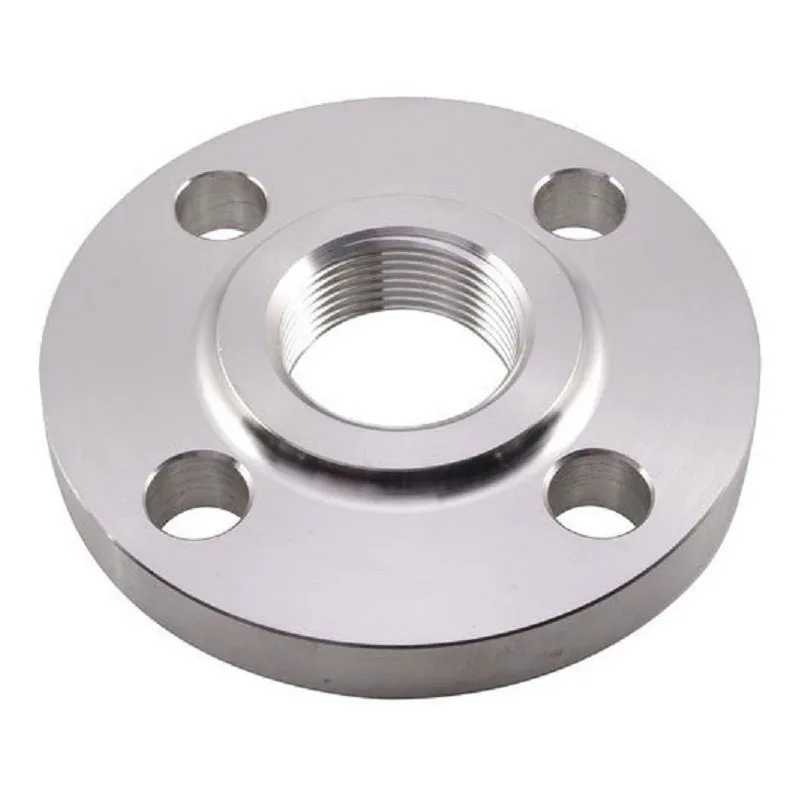
Best Sellingproducts
Best Selling Products-
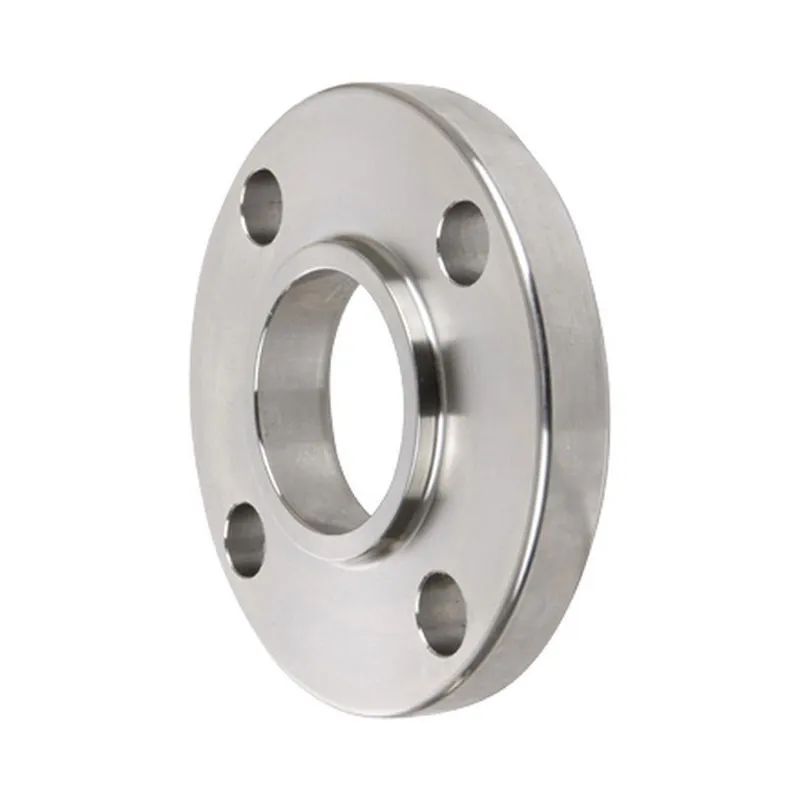 DIN 2501 Overlay flanges PN16
 -
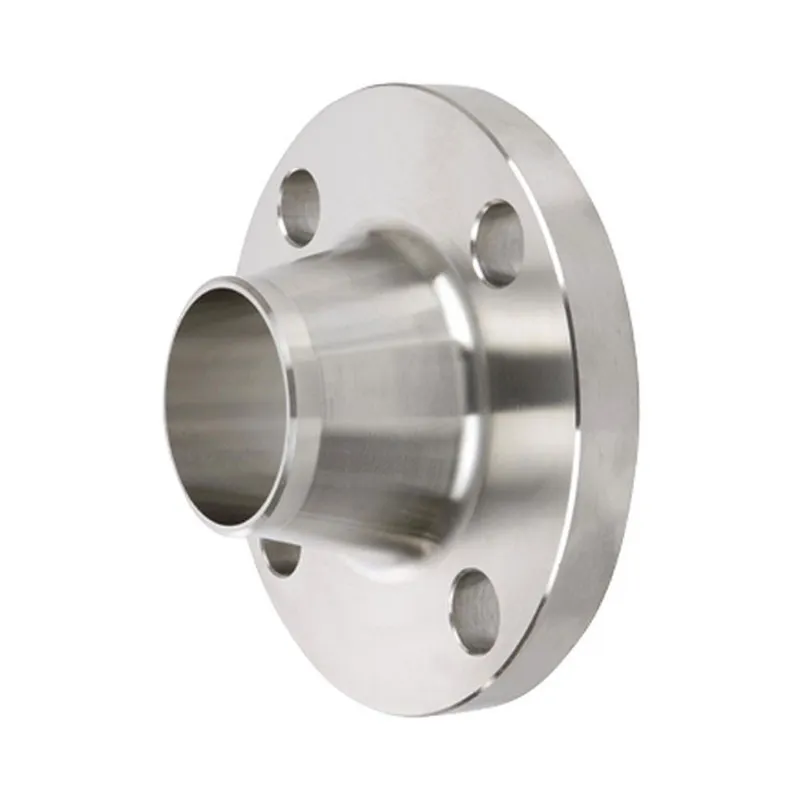 EN 1092-1 Butt weld flanges Type 11, PN25
 -
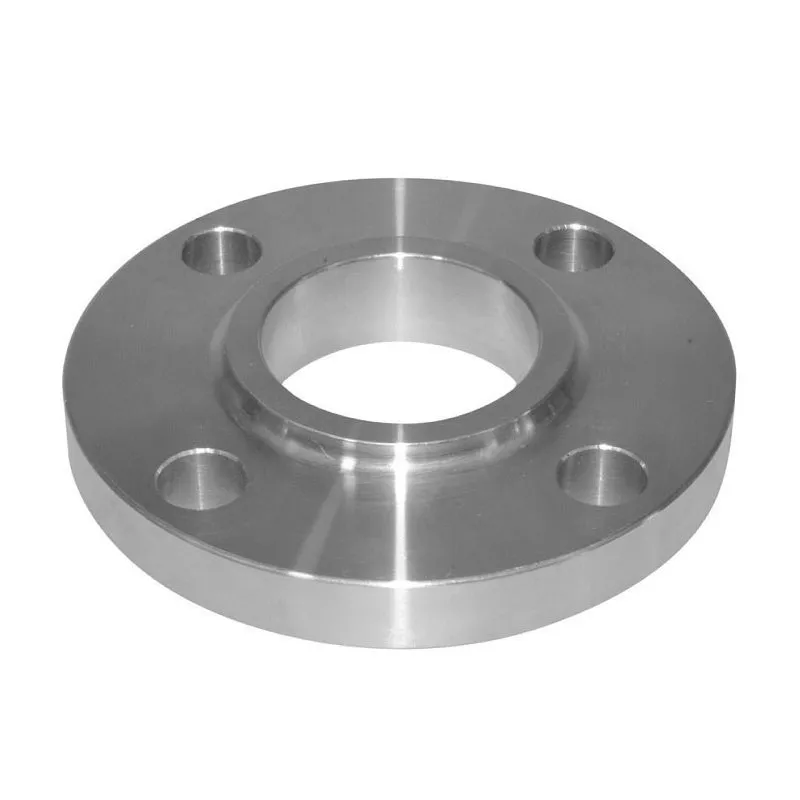 ANSI B16.5 Lap-on flanges Class 1500
 -
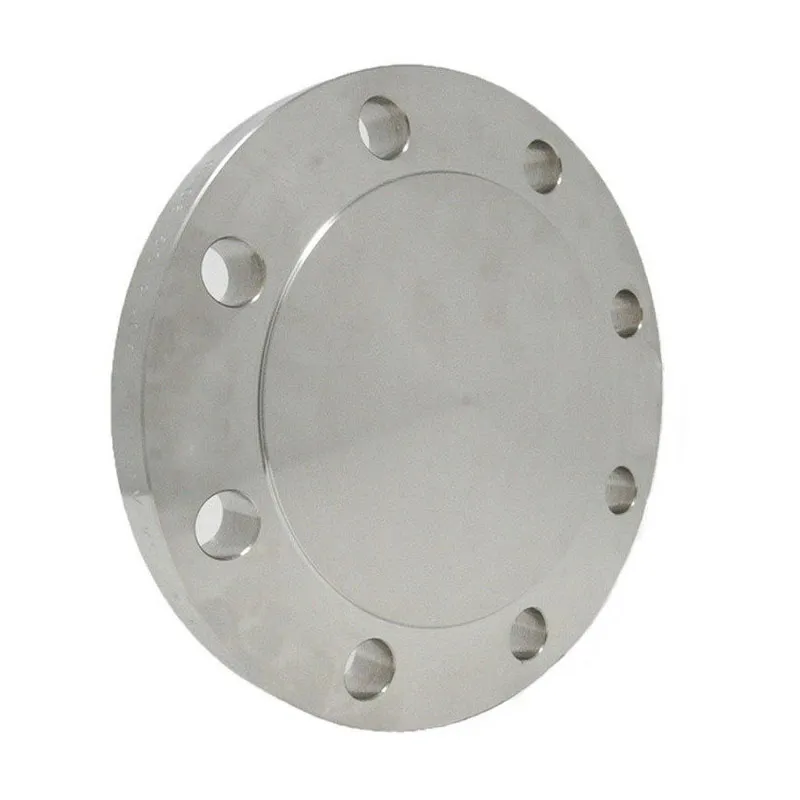 Blind flanges Class 150
 -
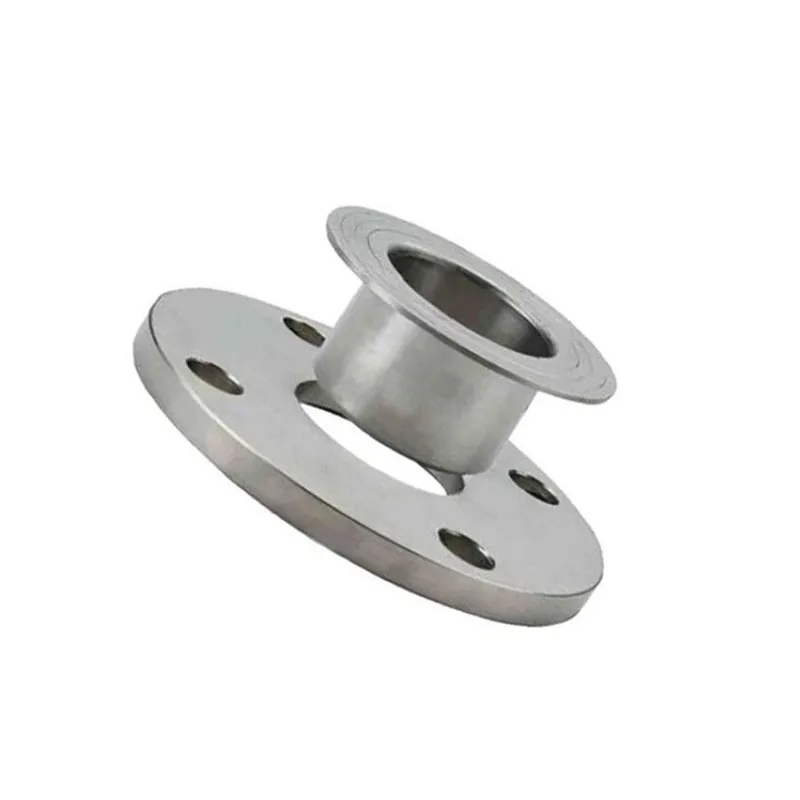 Free ring flanges Class 400
 -
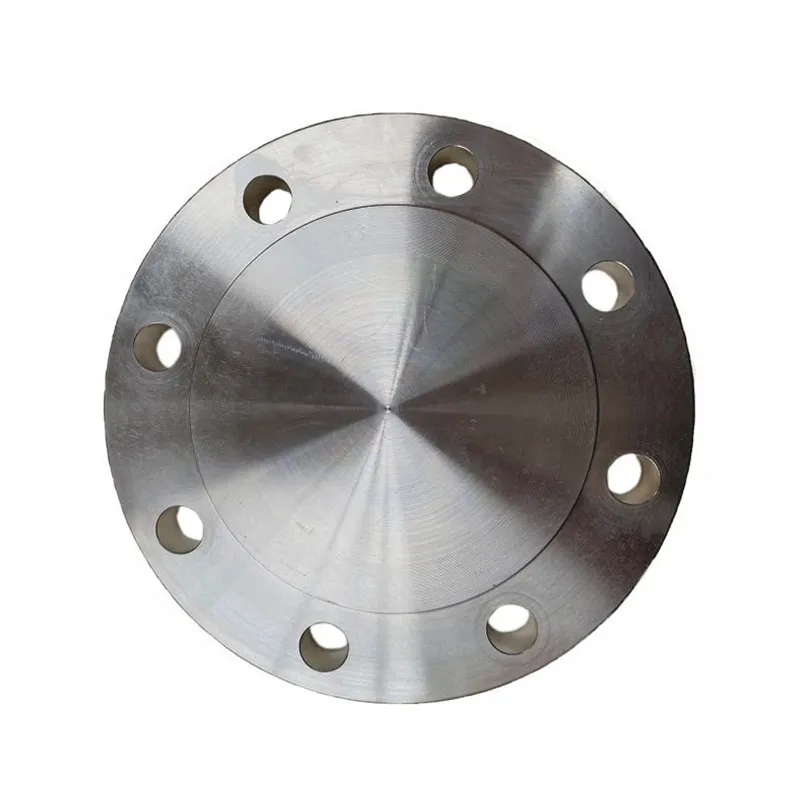 DIN 2527 Blind flanges PN10
 -
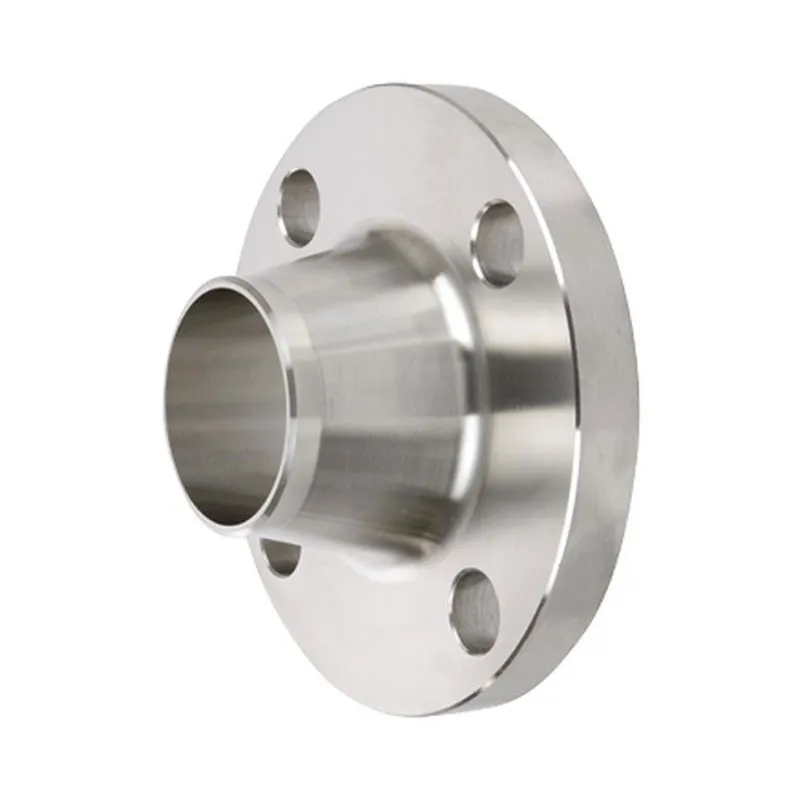 Ser.A Butt Weld Flanges Class 400
 -
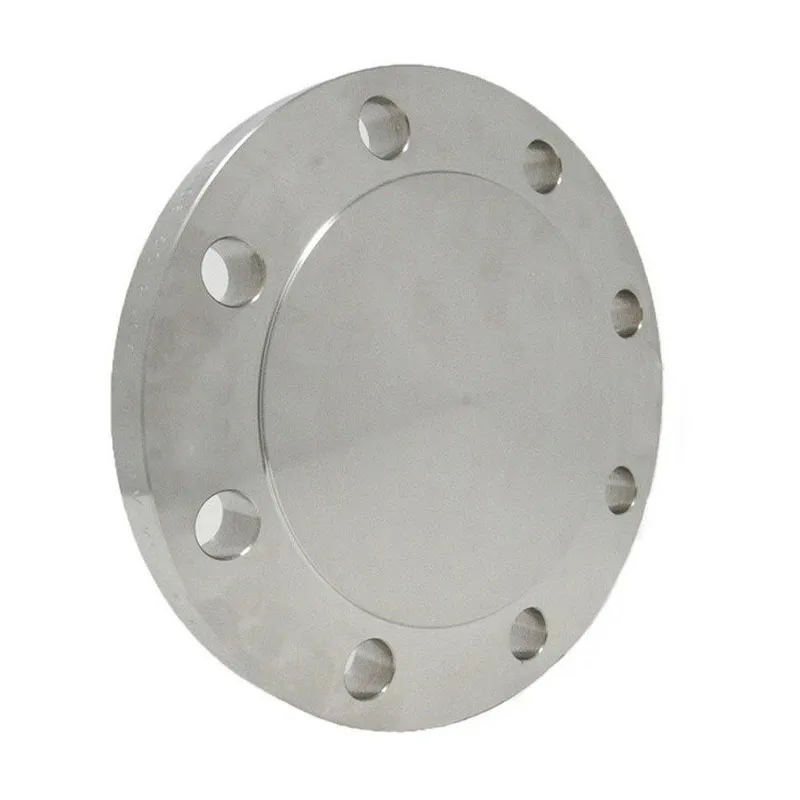 EN 1092-1 Blind flanges Type 05, PN10
 -
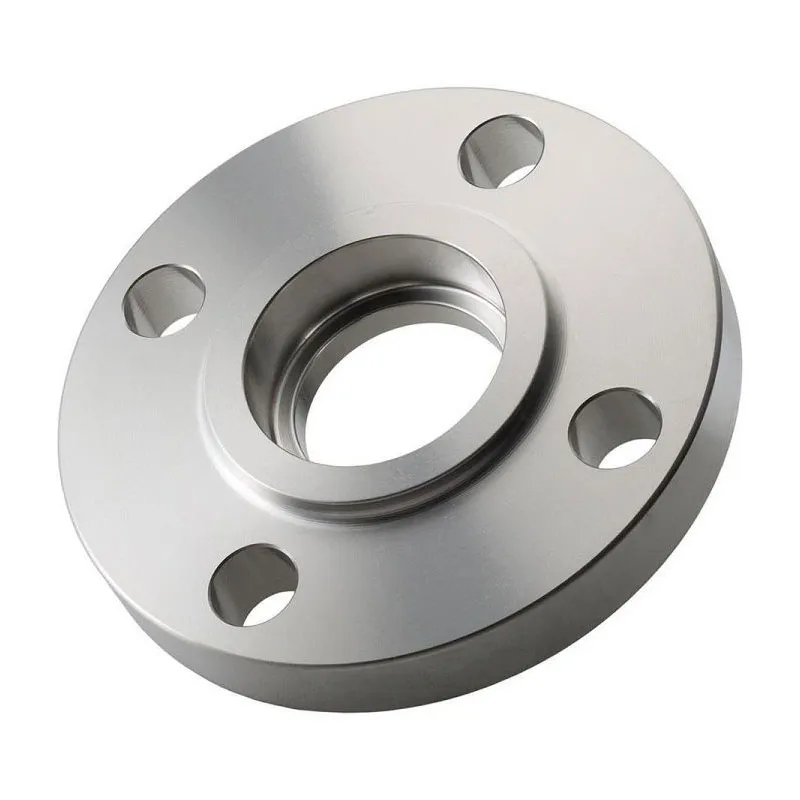 ANSI B16.5 Socket Weld Flanges Class 1500
 -
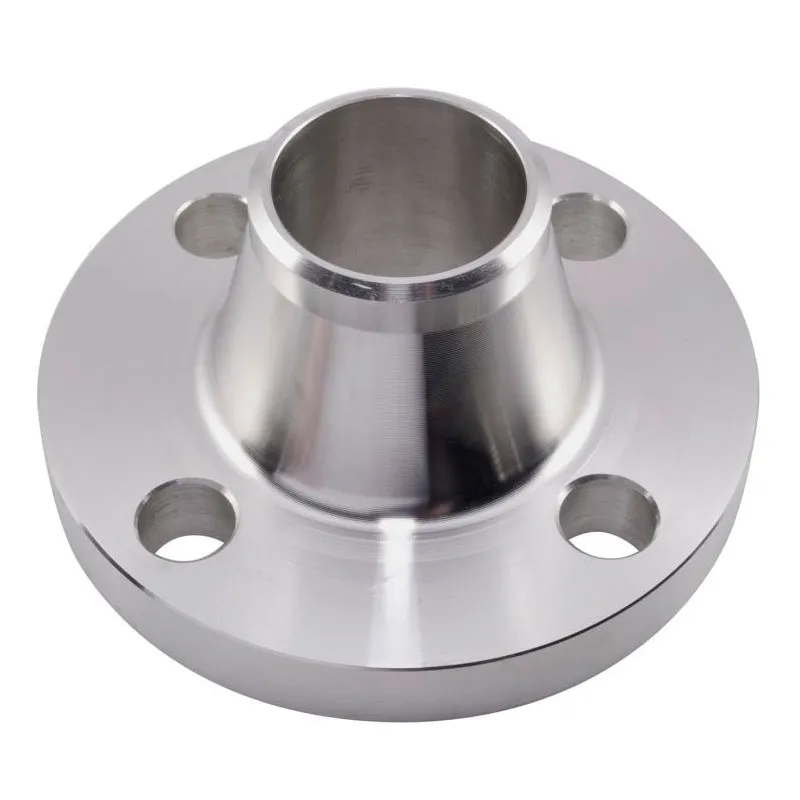 UNI 2281 Butt weld flanges PN10
 -
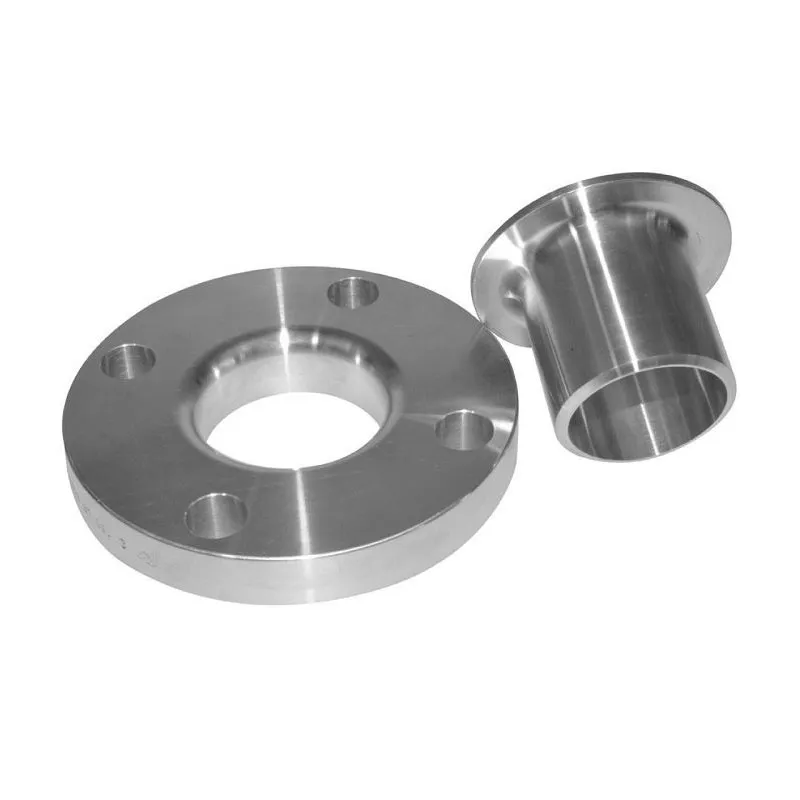 ANSI B16.5 Loose Ring Flanges Class 2500
 -
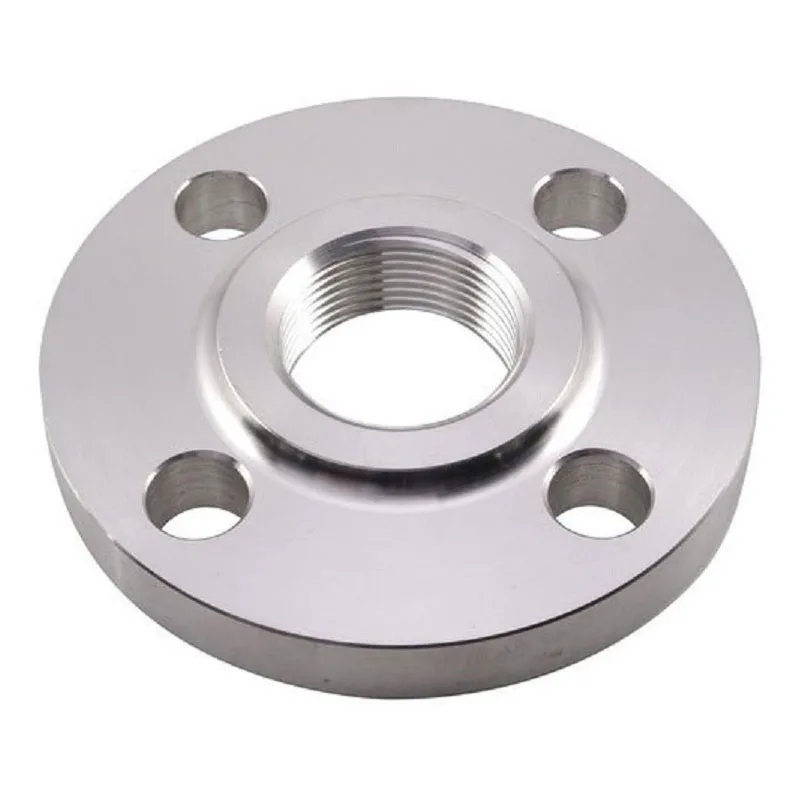 JIS 10K Threaded Flanges