
-
-
Phone
+86-13623462298



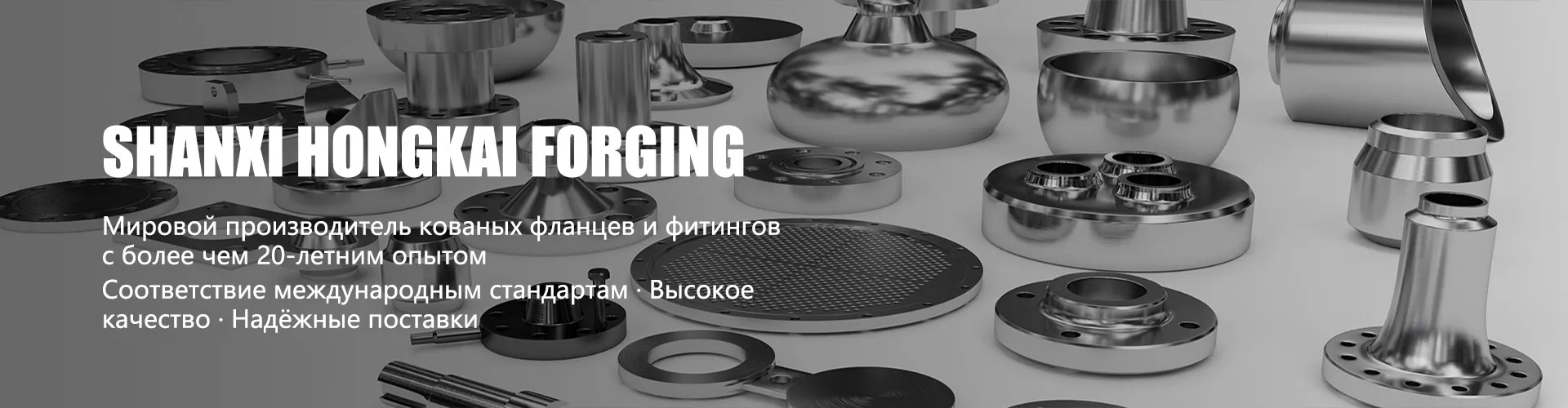
flange 80 pipe
When they say “flange 80 pipe?”, many people immediately think of a simple connection - take a DN 80 flange, put it on a pipe of the same nominal size, and you’re done. In practice, especially with our range from DN15 to DN4000, this combination can become the beginning of a long headache if a lot of nuances are not taken into account. The most common mistake is to assume that all flanges for the 80th pipe are interchangeable. GOST, ASME, EN - each standard has its own tolerances, thickness, number of holes for studs. If you make a mistake, when connecting to equipment or fittings, the holes will not line up, or the gasket will not cover the entire surface.
Why ?just 80? - this is not a specification
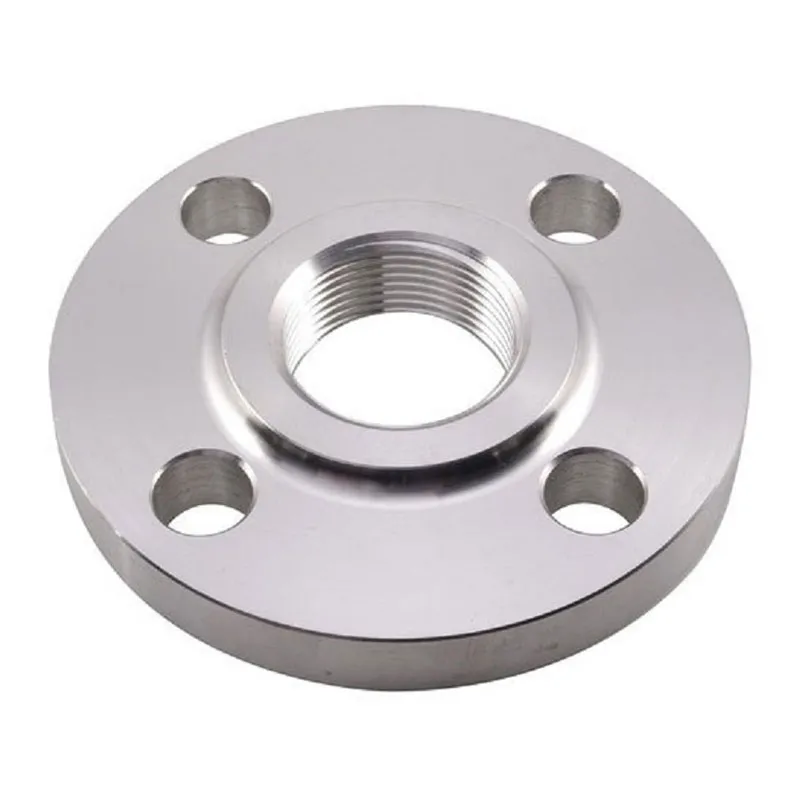
In the application they often write briefly: “flange 80”. What type? Butt weld (WN), flat (PL), loose with ring weld (SO)? For a static pipeline, a flat one may be suitable, but if we are talking about a system with vibration or thermal expansion, a butt one is better - it has a conical neck that better distributes stress. Threaded for 80th pipe is also available, but we rarely buy it for new projects - more for repairing old lines.
Pressure and environment are what dictate the choice. For water at 16 bar and for steam at 40 bar, these will be different flanges in terms of material and design of the sealing surface. Version ?B? according to GOST or RF (Raised Face) according to ASME? If the surface is smooth, but you need a tongue and groove (Tongue & Groove), the connection will not be airtight. I saw a case where a chemical plant installed flanges with RF instead of RTJ (Ring Type Joint) for high pressure - during pressure testing it developed a leak, and the entire batch had to be urgently replaced.
And the material, of course. Steel 20, 09G2S, 12Х18Н10Т, or maybe AISI 304 stainless steel? For "80 flange pipe" that will work outdoors in a moderate climate, carbon steel is often used. But if the pipe transports a weak acid solution, even at low pressure, corrosion-resistant steel is needed. We are inShanxi Hongkai Forging Co.,LtdWe just focus on selecting material for real conditions, and not just selling the most popular option. On the websitehkflange.ruWe have tables on the compatibility of materials with media - many clients do not look at them at first, and then call with questions.
Practical installation pitfalls
Let's say the flange is selected correctly. But then it arrives at the site, and the installers begin to install it. The first problem is alignment. The pipe may have a slight oval, especially after transportation. If it is not checked and tightened with tie rods, the flange may become warped. The tightness will only be on paper. I had to go to the site where they complained about a leak at the DN80 connection. It turned out that the pipe was slightly bent during unloading, and the flange was installed “as is”.
Tightening is a separate science. Tighten crosswise, with a torque wrench, to a certain torque - this is ideal. In life, they often twist anything until it stops. For a flange for an 80th pipe with a paronite gasket, this is death: the gasket is squeezed out, and then, when the medium is heated, it loses its elasticity and begins to leak. It is better to use graphite or spiral wound gaskets, but they also need to be tightened wisely.
And one more thing - the condition of the pipe itself. The flange is welded, but the end of the pipe is not cleaned of scale, rust, and the edge bevel is not prepared. The weld seam is of poor quality and corrosion occurs underneath it over time. This is especially critical for critical lines. We always advise clients who takebutt weld flangesfor installation on your own, do not skimp on pipe preparation. It is cheaper to spend time cleaning than to dismantle the area later.
When standards are not enough: non-standard situations
There are projects, especially in the modernization of old workshops, where it is necessary to connect a DN80 pipe to equipment according to an outdated or rare standard. Or do you need to switch from one type of flange to another? This is where the ability to manufacture comes in handynon-standard products according to customer drawings. In our production, such orders are not uncommon.
I remember there was an order from a gas processing company: a flange was needed to convert from an 80 mm pipe to a French-made valve with a non-standard center-to-center distance of holes. This cannot be found in ready-made catalogues. We made it according to their sketch, taking into account the material operating in a hydrogen sulfide environment (we had to use steel with increased resistance to hydrogen cracking). It was important not only to maintain the dimensions, but also to ensure proper heat treatment after forging in order to relieve internal stresses.
In such cases, dialogue with the customer’s engineer becomes key. It is necessary to understand not only the geometry, but also the operating conditions: temperature, pressure, load cycles, aggressiveness of the environment. Sometimes the drawing shows that the client simply wants to copy a broken part, but its design has an inherent flaw. Then we suggest modifying the drawing by strengthening the rib or changing the method of fastening. This is the same “forging” in the titleShanxi Hongkai Forging Co.,Ltd- not just stamping, but the ability to create an optimal shape under load.
Choosing a supplier: price vs. predictability
The market is flooded with offers for flanges. Why does someone choose us over a local or Turkish manufacturer? It's not just about price, although our position in one of the main forging centers in China gives an advantage in the cost of the workpiece. The point is predictability of quality and full compliance with the stated standard.
We had an unpleasant lesson about five years ago. We shipped a batch of flanges for DN80 according to the GOST standard. The client checked the hardness - it was below normal. We figured it out: in pursuit of deadlines, the heat treatment was not carried out according to the full cycle. I had to pick up the entire shipment at my own expense, redo it and compensate for the client’s downtime. Since then, selective hardness testing and ultrasonic testing have been introduced for critical positions in each batch. Now onour websitewe directly write that we supply products in accordance with GOST, ASME, EN, DIN and other standards, and these are not just words for a catalog, but a commitment.
For a customer looking for an "80 pipe flange", it is important to get a part that will fit on the first try and last for years. Therefore, we always request as much information as possible about the conditions of use. It’s better to spend ten minutes clarifying things over the phone than to deal with a complaint later. Our reputation as a manufacturer of forgings and flanges is built on the fact that after our product the installer will not scold it, and the operating engineer will not remember it until the next planned stop.
Instead of a conclusion: a thought afterward
So to summarize my experience, the request is ?80 pipe flange? is not a starting point, but rather a pointer to a whole labyrinth of technical solutions. The number 80 is just a starting point. This work begins with the questions: “for what?”, “under what conditions?”, “what is it attached to?” There is no ideal, universal flange.
Now, looking at our range, I understand that the main value is not in having everything from DN15 to DN4000 in stock. And the point is that for each of these sizes, including the very popular DN80, it is possible to offer exactly the option that will solve the client’s problem, and not create a new one. Whether it's a standard 20 steel flat flange or a complex forging for a special machine. It is this approach that seems to distinguish a simple hardware seller from a manufacturer who gets to the heart of the matter. And, frankly, this is the main interest in the work.
Correspondingproducts
Related Products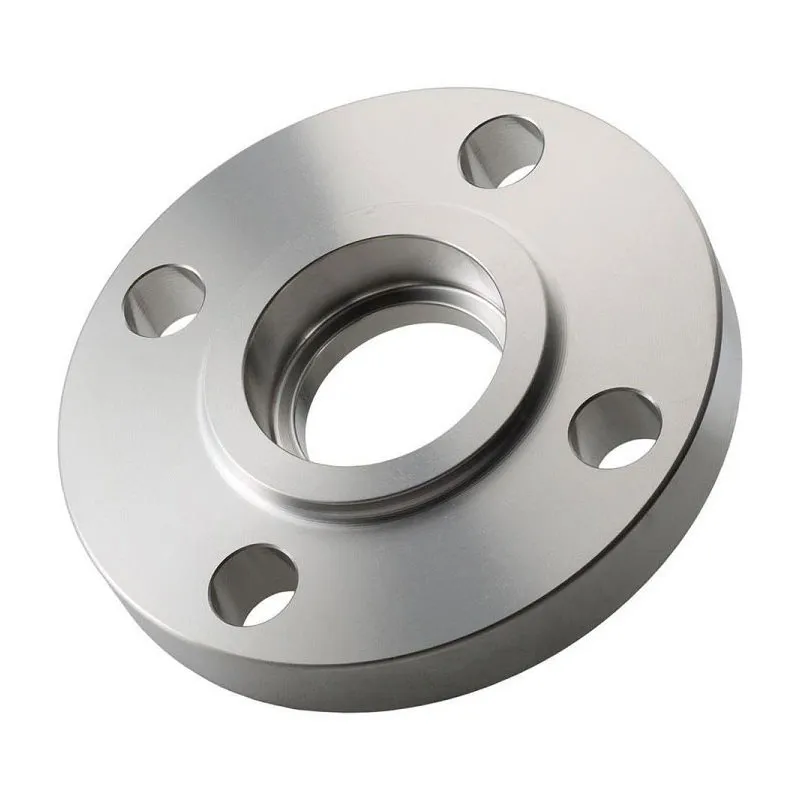
Best Sellingproducts
Best Selling Products-
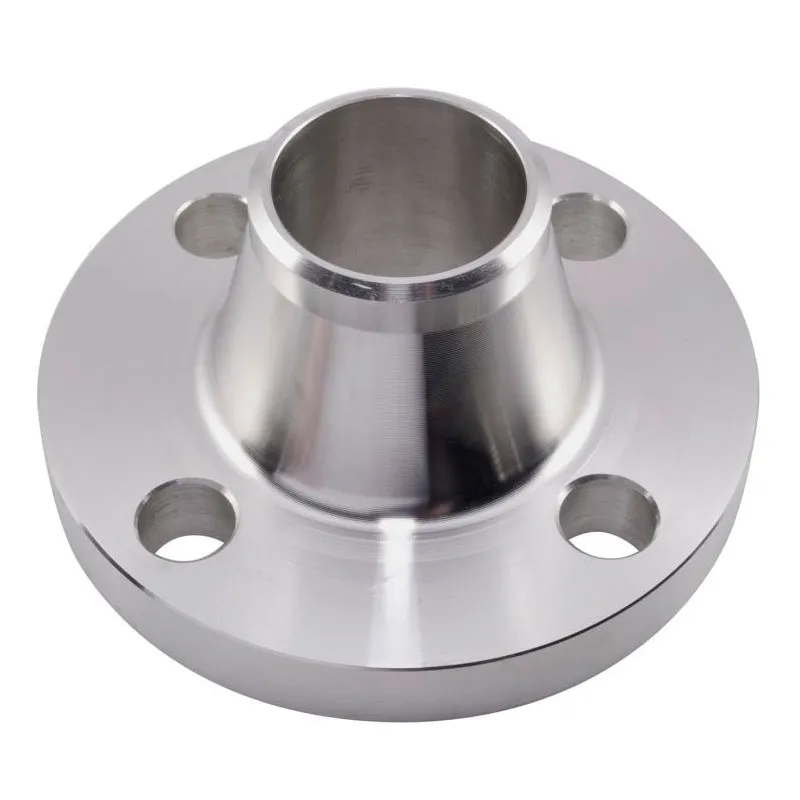 UNI 2281 Butt weld flanges PN10
 -
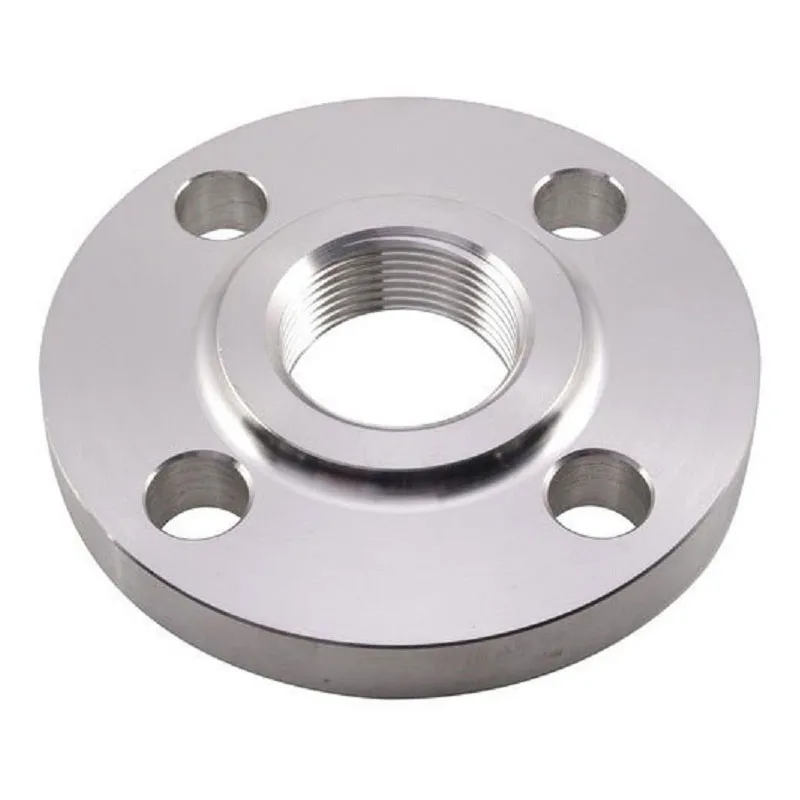 EN 1092-1 Threaded flanges Type 15, PN16
 -
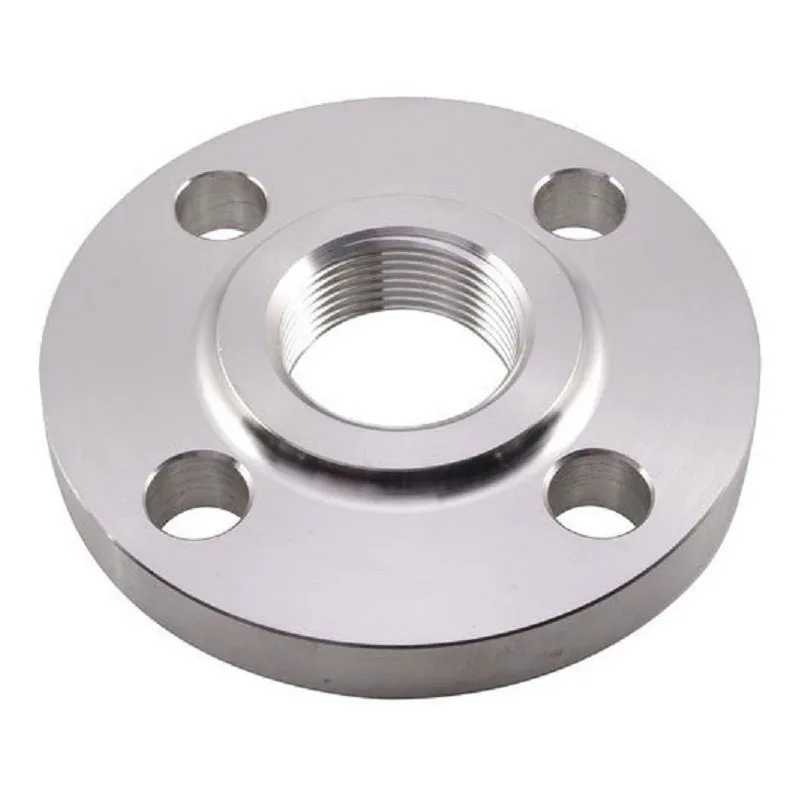 ANSI B16.5 Threaded Flanges Class 600
 -
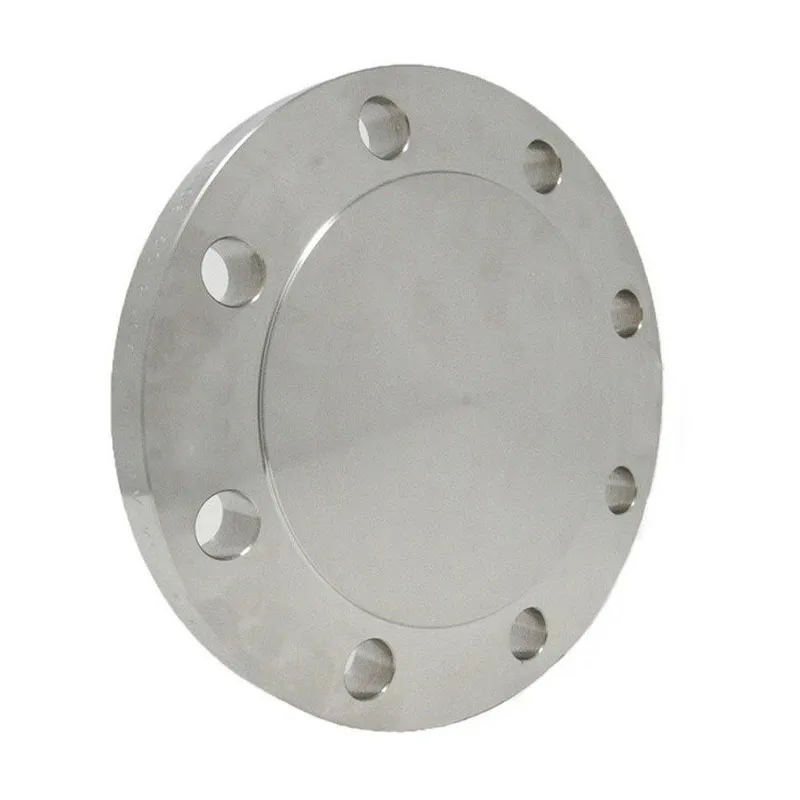
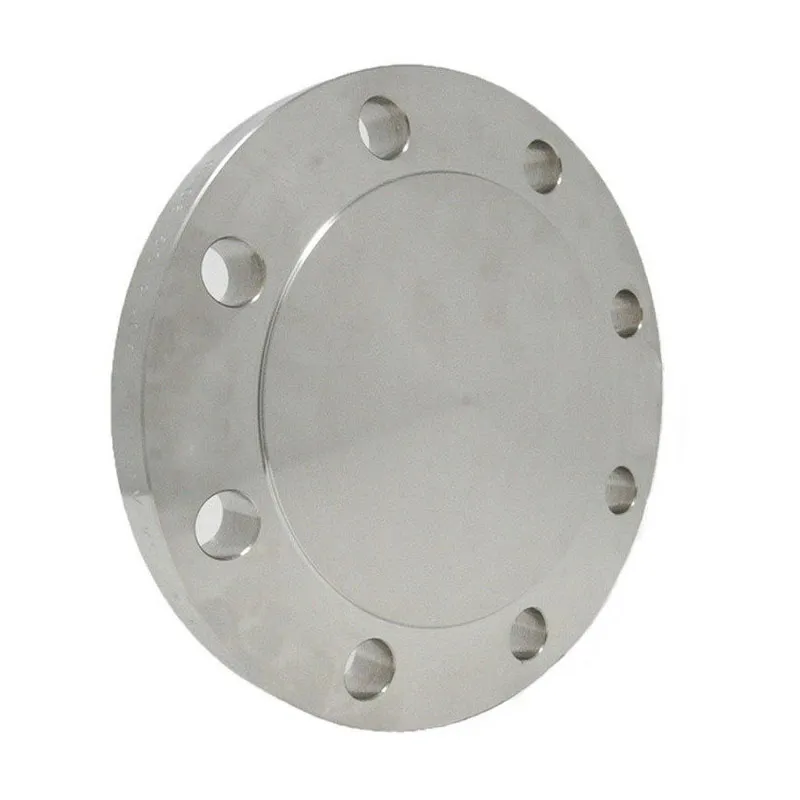
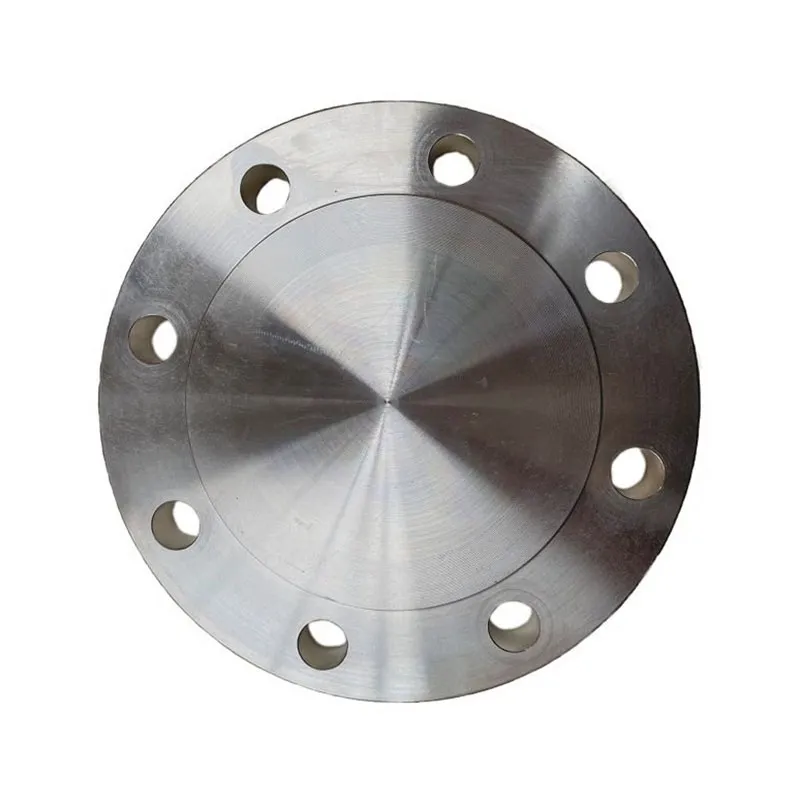 ASME B16.47 Ser.A Blind Flanges Class 400
 -
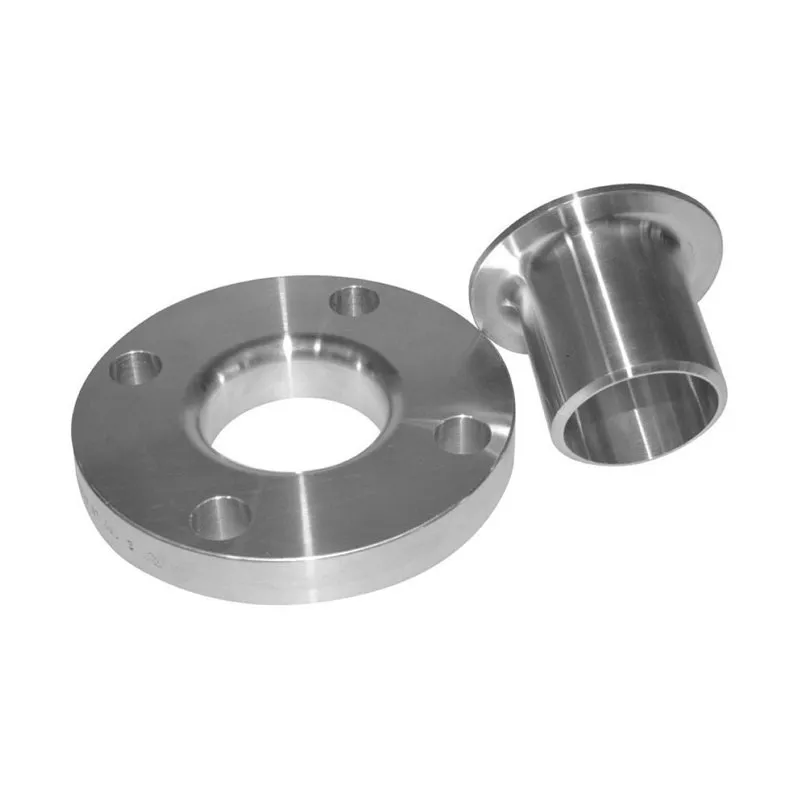 Free ring flanges Class 150
 -
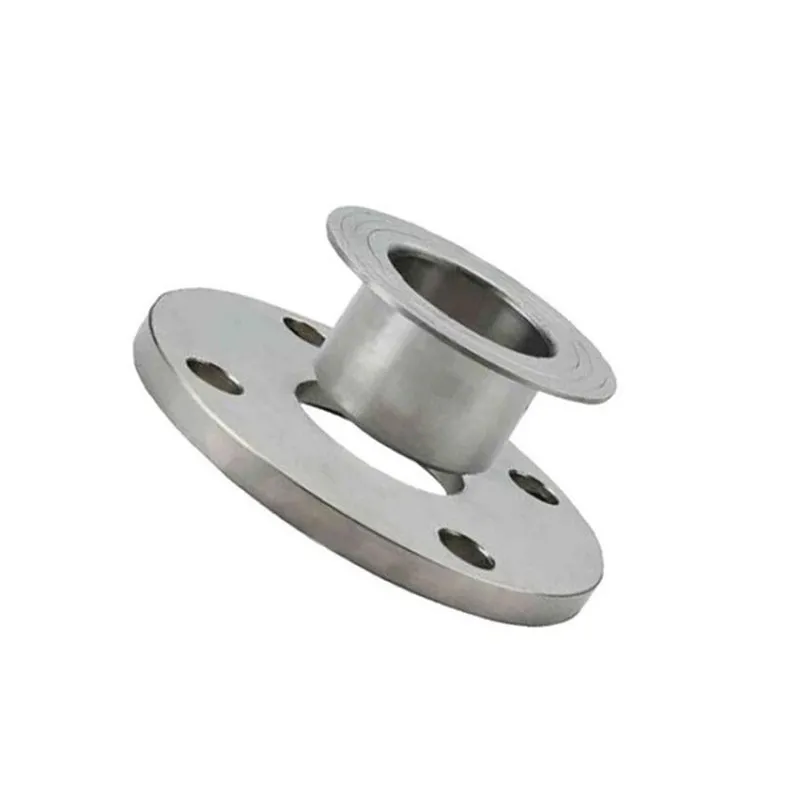
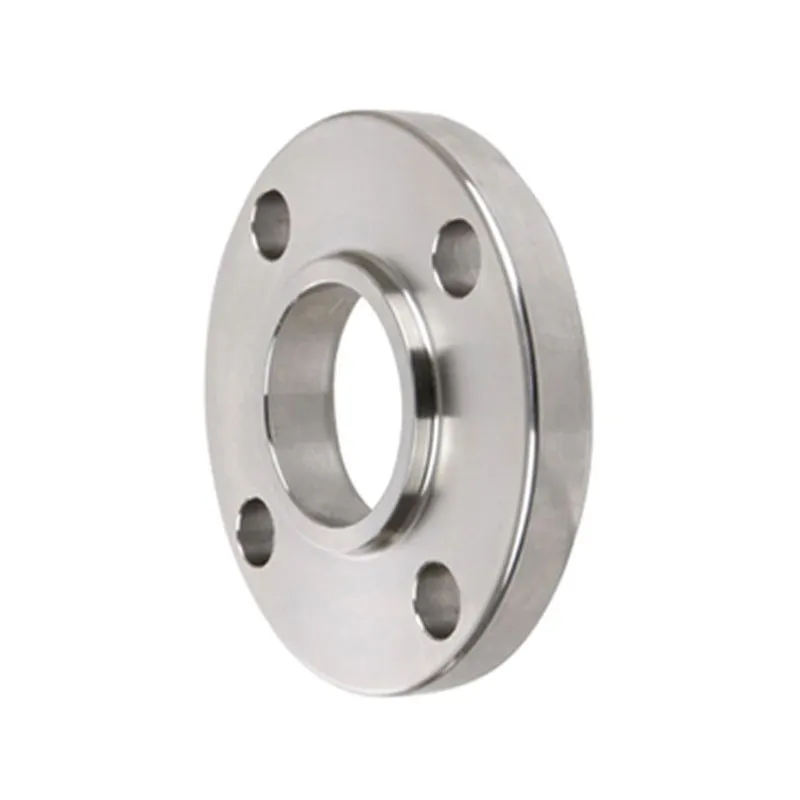 ANSI B16.5 Lap-on flanges Class 300
 -
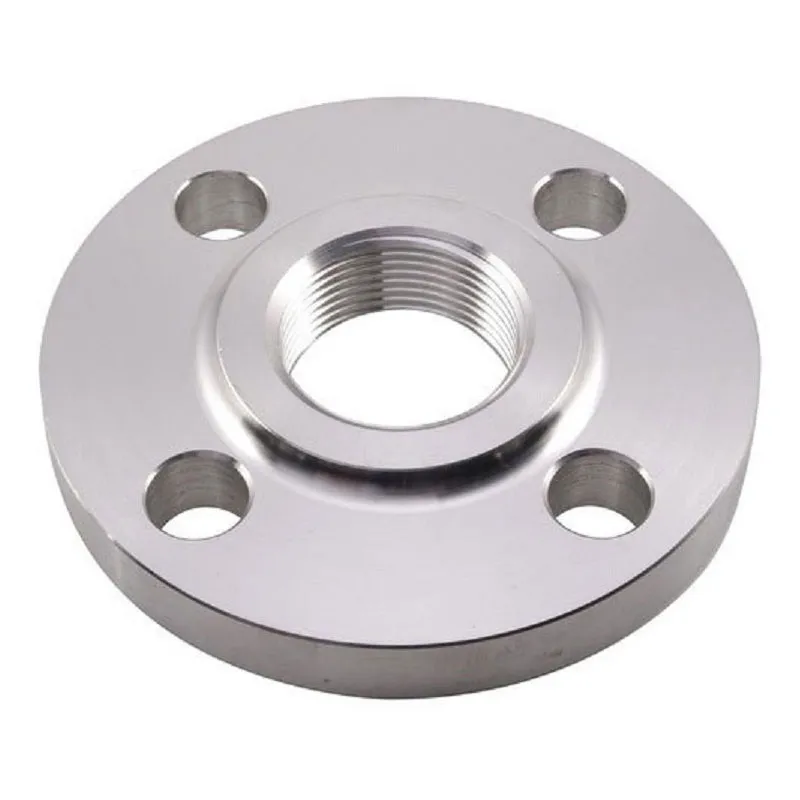 DIN 2565 Threaded flanges PN6
 -
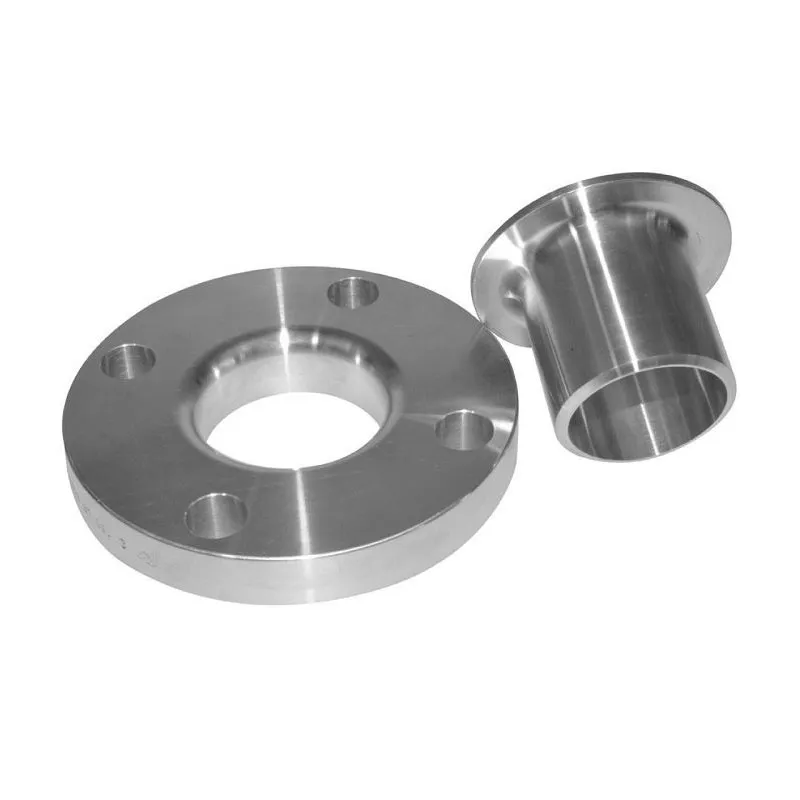 ANSI B16.5 Loose Ring Flanges Class 2500
 -
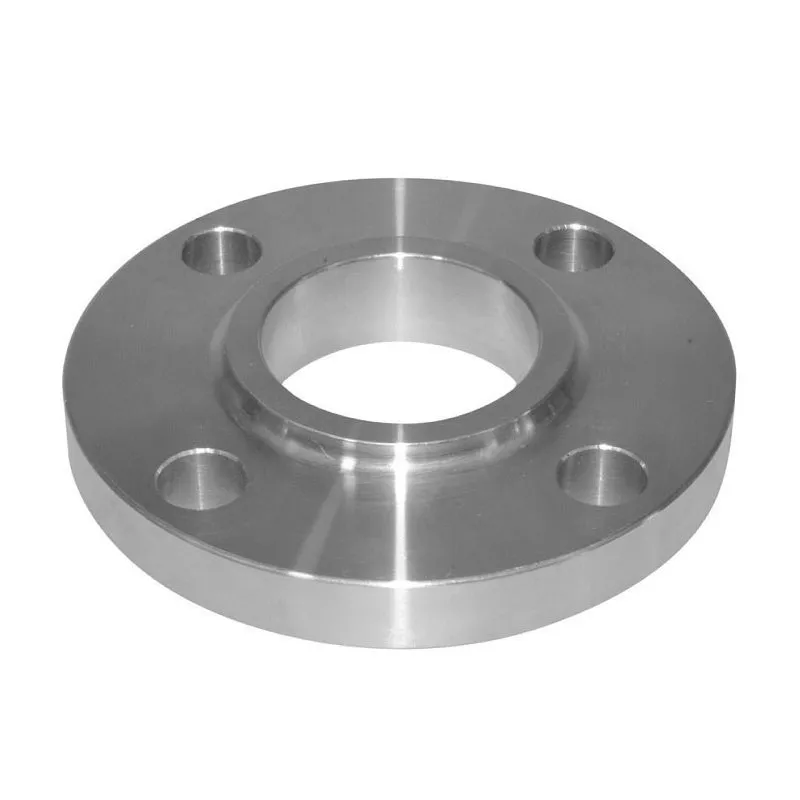 ANSI B16.5 Lap-on flanges Class 1500
 -
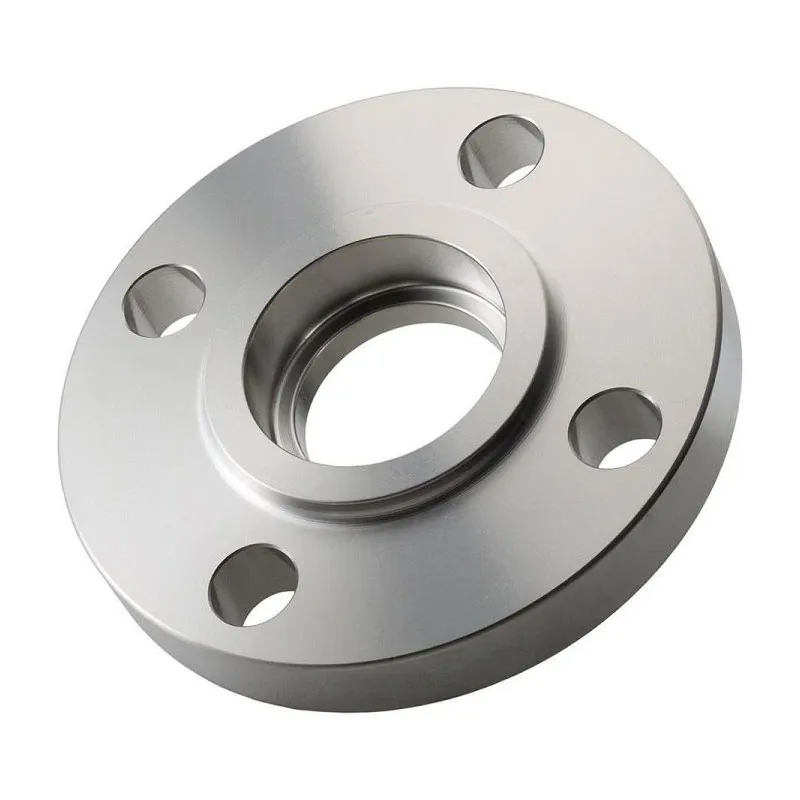 ANSI B16.5 Socket Weld Flanges Class 150
 -
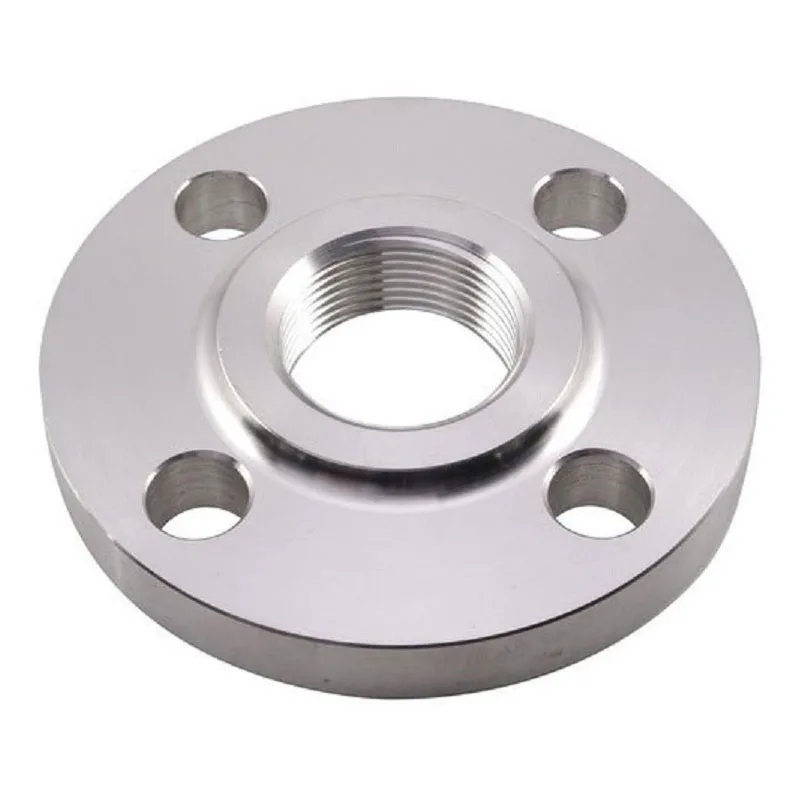 JIS 10K Threaded Flanges
 -
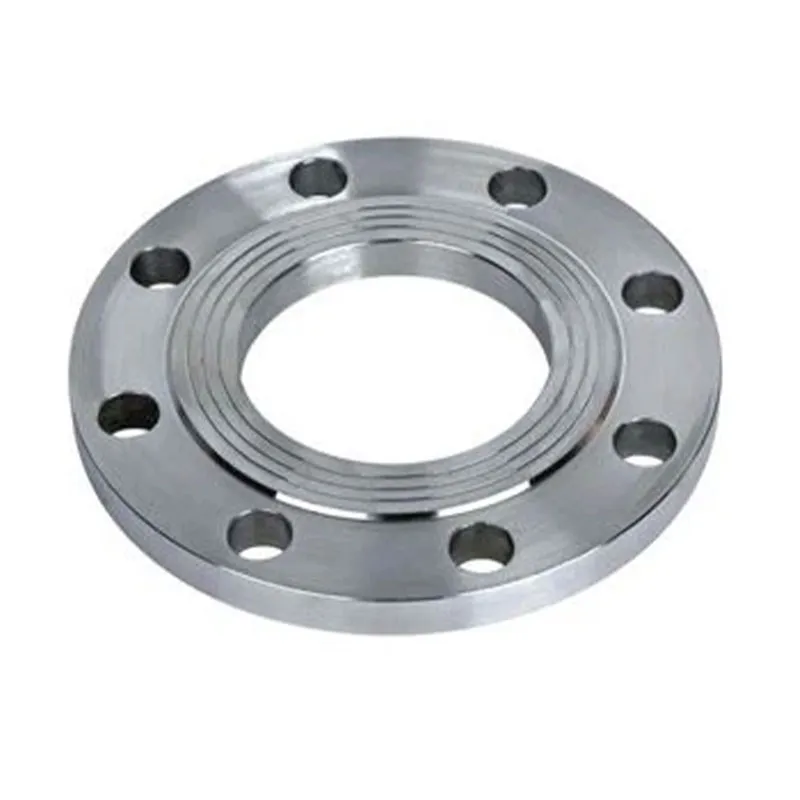 Butt weld flanges Class 150