
-
-
Phone
+86-13623462298



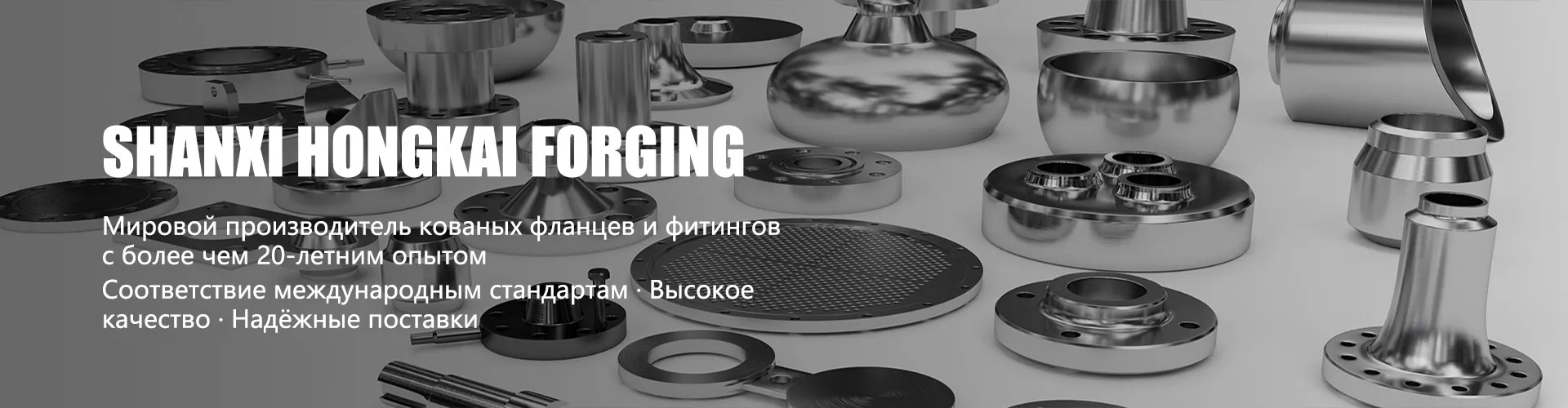
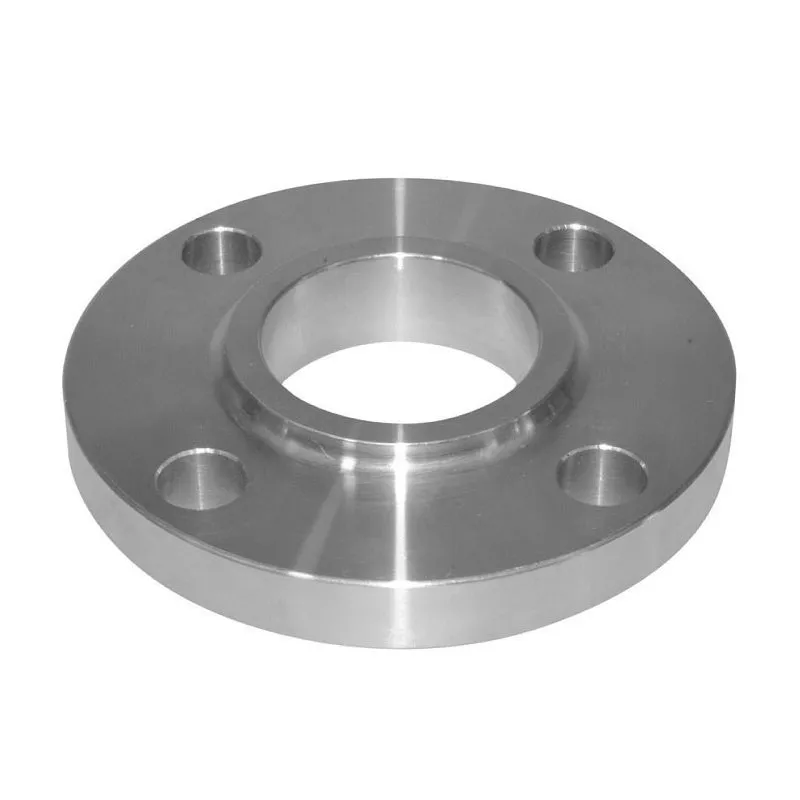
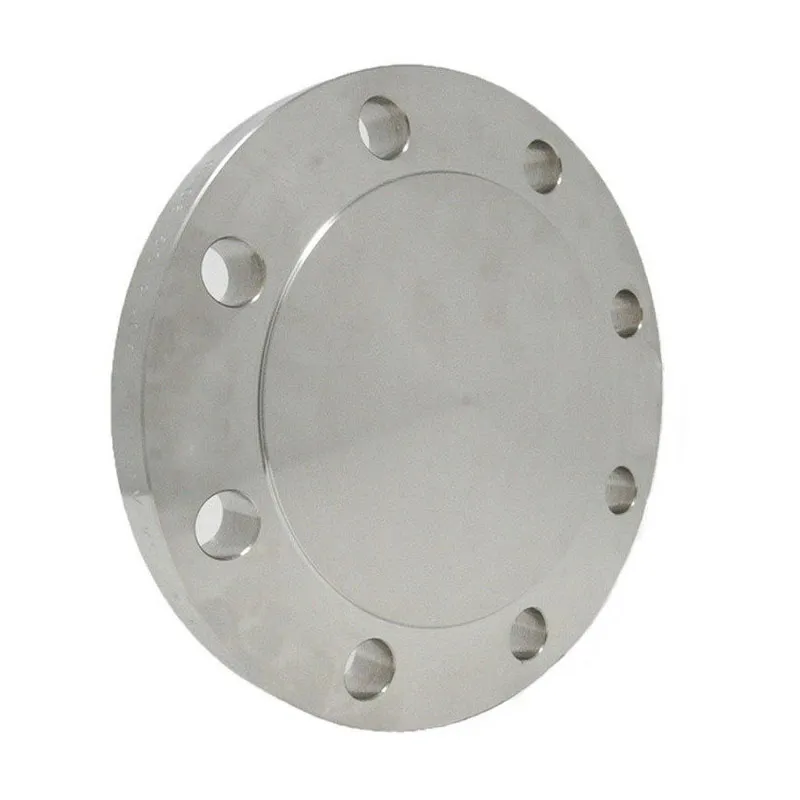
flanges 50 100
When you hear “flanges 50 100”, the first thing that comes to mind is just two standard sizes, DN50 and DN100. But in real work, especially in procurement or design, there are a lot of nuances here that are not written about in textbooks. Many people mistakenly think that the main thing is the diameter, and the material, standard, type of seal and even the manufacturer are a secondary matter. In practice, it is the selection for a specific task, and not abstract numbers, that determines whether the unit will work or fail in six months. Let's figure it out without water.
Why size is just the beginning
Take, for example, a DN100 flange. It would seem that what is so difficult here? But if thisbutt weld flangeaccording to ASME B16.5, then it will have the same geometric parameters and pressure. And if it’s the same DN100, but according to GOST (old GOST 12820-80), the parameters are already different, and connecting them directly without a transition gasket or recalculation is risky. I’ve seen cases where they tried to connect a hundred square meters at a site. according to DIN with ?weave? according to GOST, citing the fact that “the holes seem to match?”. The result is misalignment, leakage and urgent re-ordering.
Or another point - the material. For a conventional DN50 in a hot water system, you can get by with steel 20. But if this is the same DN50 in a steam line with a pressure above 16 bar, you already need to look towards 09G2S or even 12Х18Н10Т stainless steel. An error in labeling a material when ordering is a direct path to an accident. I remember one supplier “saved money” by shipping flanges 50 from St3 instead of the declared 20 for moderate parameters. The difference in price was a pittance, but during hydrotests in cold water everything went fine, and when the operating temperature reached 150°C, deformation began. I had to stop the line.
So when I see the request ?flanges 50 100?, first of all, I’ll clarify: for what, according to what standard, what pressure-temperature, what kind of environment? Without this context, any answer will be guesswork. By the way, good manufacturers, likeShanxi Hongkai Forging Co.,Ltd, always in catalogs and on the websitehkflange.ruindicate the full specification for each standard size. This is for a reason - it's a sign that the company works with tech-savvy clients.
Subtleties of production and quality control
Making flanges isn't just about cutting out a circle with holes. Especially for critical applications. The sameflanges 100, made by free forging, will have a much better mechanical structure of the metal and fatigue strength compared to stamped ones or, moreover, cut from a sheet. This is critical for vibration loads. CompanyShanxi Hongkai Forging Co.,Ltdpositions itself as a manufacturer of forged flanges, which for sizes DN50-DN100 may seem redundant, but for high parameters it is the right choice.
Control is a different story. It is important not only the availability of certificates, but also how control is carried out. For example, ultrasonic testing (UT) of a weld at collar flanges or magnetic particle testing to identify surface defects. In practice, I was faced with the fact that flanges purchased “cheaply” had microcracks in the area of the transition of the bushing to the disk. Visually it’s perfect, but under pressure this crack went further. After that, I prefer to work with trusted suppliers, where the control process is transparent.
Another point is the processing of sealing surfaces. Raised Face (RF) is often used for 50 and 100 mm flanges. The depth and pattern of processing (spiral-vortex or concentric) must comply with the standard. I have repeatedly seen how poor-quality processing led to the fact that even with a new graphite-metal gasket of the Spiral Wound type, the connection was “etched”. We had to manually, on the spot, refine the surface by grinding, which, of course, is not good.
Experience with non-standard situations and adaptation
There are tasks that do not fit into standard tables. Let's say you needflange 50, but with a non-standard arrangement of holes for the studs, because it needs to be connected to old equipment. Or a DN100 flange is required, but with an increased disk thickness to compensate for the increased bending moment from the connected pipeline. Here standard solutions off the shelf are not suitable.
In such cases, I turned to manufacturers who are ready to work according to the customer’s drawings. In the descriptionShanxi Hongkai Forging Co.,Ltdit is expressly stated that they produce non-standard products according to the client’s sketches. Personal experience: somehow I needed an adapter flange from DN100 to DN80 with offset centers (to bypass the existing structure). They sent the drawing for approval, discussed the materials (they decided to make it from 09G2S), and completed it on time. It was important that they themselves requested data on the environment and pressure in order to check the calculations for strength - this is a sign of a responsible approach, and not just “we’ll do it the way we drew it.”
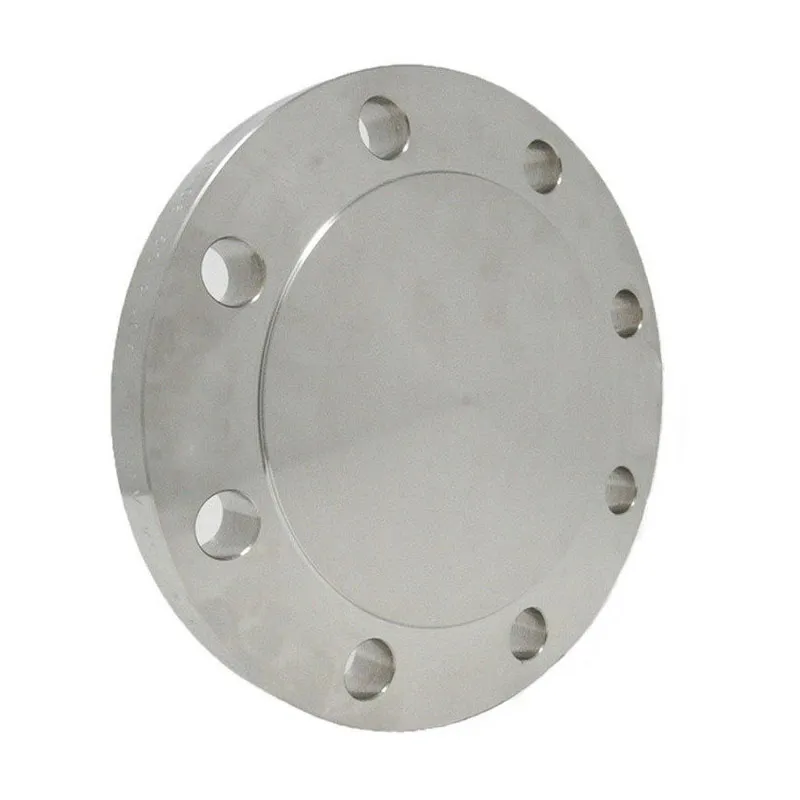
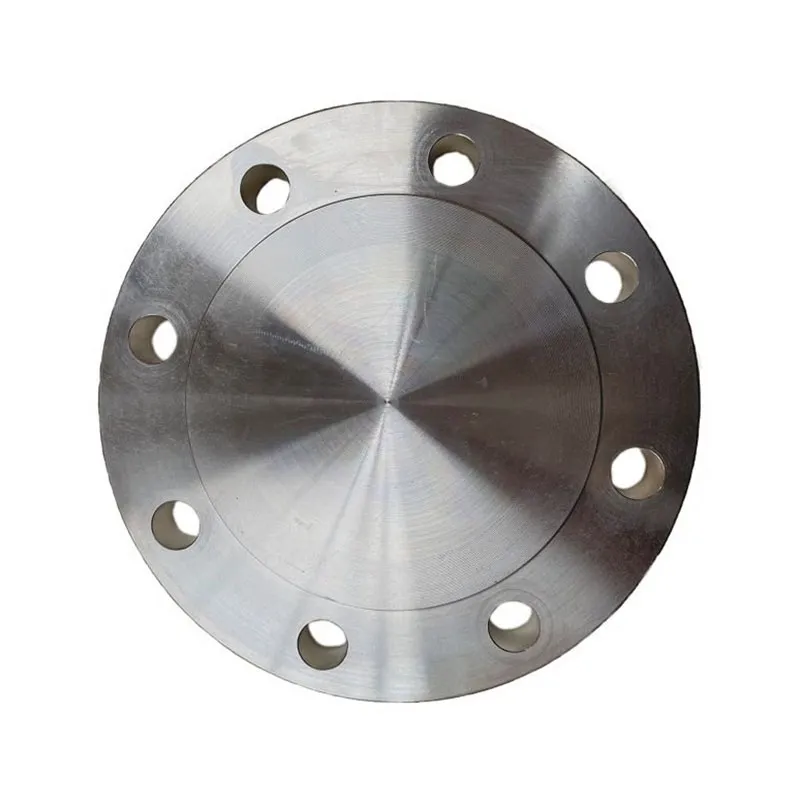
It was a disastrous experience too. I once ordered a batchflanges 100blanks (stubs) from an unknown supplier. According to the documents, everything was fine, steel 20, GOST. But when they began to weld them during installation, strange smoke began to appear and the weld seam was extremely poorly formed. It turned out that the material had a high content of sulfur and other impurities - obvious remelting. The whole party is getting married. Since then, for critical components, I have always requested chemical analysis and mechanical test protocols specifically for the batch, and not “standard” ones. On the websitehkflange.ruit is clear that the company works with international standards (GOST, ASME, EN, DIN), and this usually implies strict incoming control of raw materials.
Logistics, storage and installation details
It would seem, what’s wrong with the delivery and storage of flanges? But here, too, sizes 50 and 100 mm have their own characteristics. These flanges are often ordered in large quantities, on pallets. It is important that during transportation they are securely fixed and do not hit each other - nicks on the sealing surface are unacceptable. Packing in wooden boxes with separators is a good sign.
They can't just be piled up in a warehouse. Need shelving. And protection from an aggressive atmosphere is required if the warehouse is not heated. I saw carbon steel flanges that had been sitting in a damp warehouse for six months become covered with a layer of rust that had to be cleaned off before installation. This increases labor costs. Manufacturers who supply products with a preservative lubricant or in inhibitor paper are more trustworthy.
There are also little things during installation. For example, for a DN50-DN100 flange connection, it is important to follow the tightening order of the studs (crosswise) and use a torque wrench. Many installers, especially when working with such “small” ones. size, tighten “heartily”, with a wrench. This leads to misalignment and uneven load on the gasket. The result is leakage on one side. I always insist on monitoring the tightening torque, even for such seemingly simple connections.
Choosing a supplier: price versus reliability
The market is flooded with offers for flanges. When are you looking?flanges 50 100?, there are dozens of options with a price range of 2-3 times. The temptation to buy cheaper is great. But a simple rule works here: if it is not clear how the low price was achieved, it means that they saved on something important - on material, control, heat treatment.
For me, the key criteria when choosing are: transparency of the origin of raw materials (preferably, in-house production of blanks or working with well-known metallurgical plants), the availability of a full package of certificates (not only a quality certificate, but also material certificates, test reports), the ability to manufacture according to different standards and for non-standard tasks. Exploring the siteShanxi Hongkai Forging Co.,Ltd (hkflange.ru), I see that they cover the range from DN15 right up to DN4000 and work according to international standards. This indicates the scale of production and, most likely, well-established technological processes.
Of course, the price from such a manufacturer will be higher than from a small workshop that cuts flanges from sheet metal. But in the end, the cost of a flange assembly on a pipeline is a trifle compared to the cost of possible downtime, repairs or, God forbid, an accident due to its failure. Therefore, for important projects, the choice is always in favor of proven name players. And for non-essential, domestic needs - perhaps a “garage” one. option will do, but here at your own peril and risk.
In general, 50 and 100 flanges are a whole world. The reliability of the system depends on their correct selection and application. The main thing is not to dwell on the numbers in the request, but to dig deeper: standard, material, production, control. And then the connection will work like a clock.
Correspondingproducts
Related Products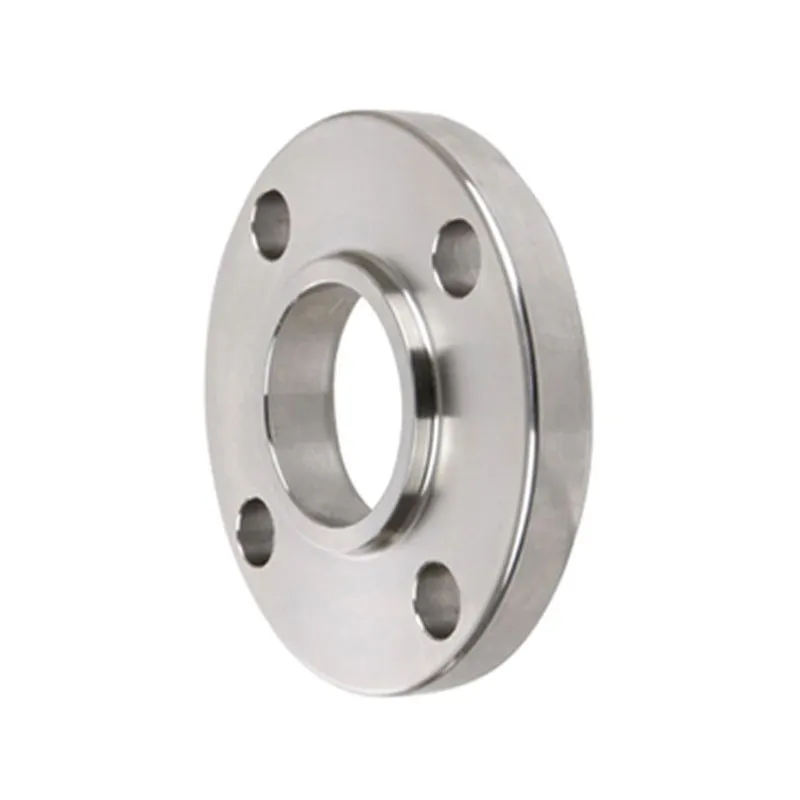
Best Sellingproducts
Best Selling Products-
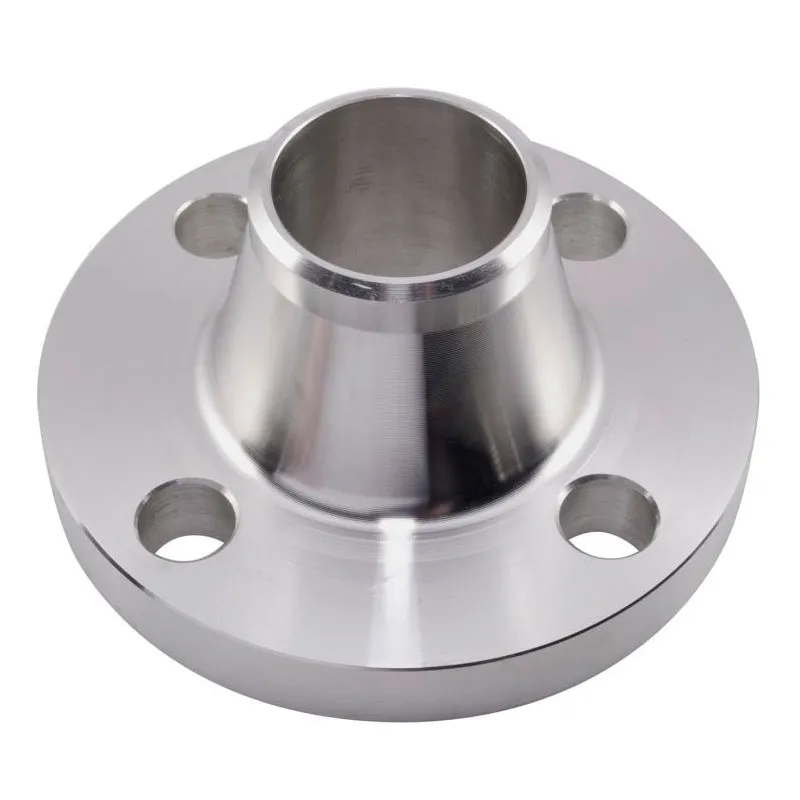 UNI 2281 Butt weld flanges PN10
 -
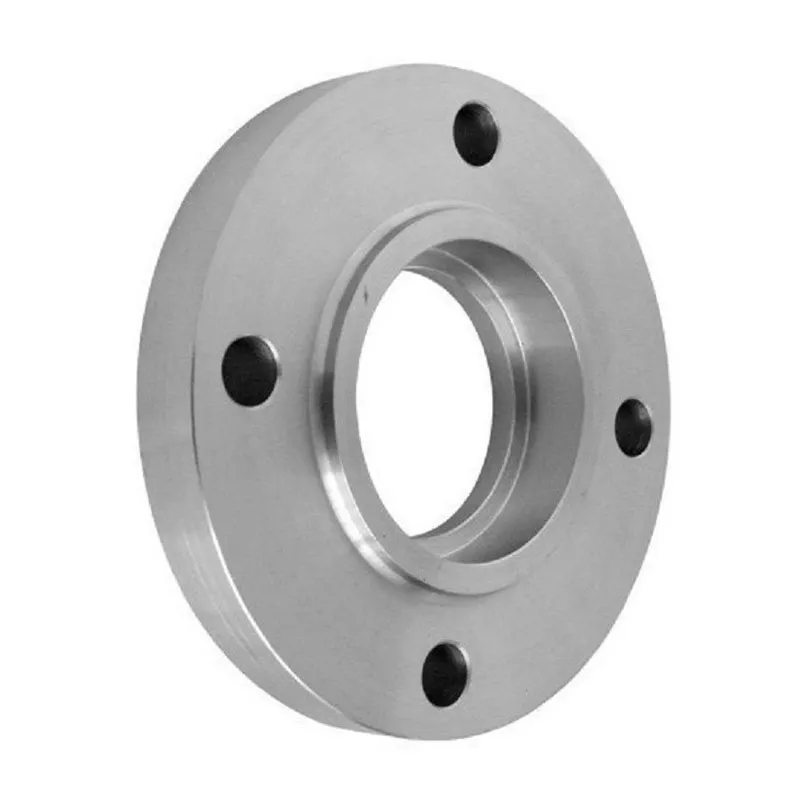 Socket Weld Flanges Class 300
 -
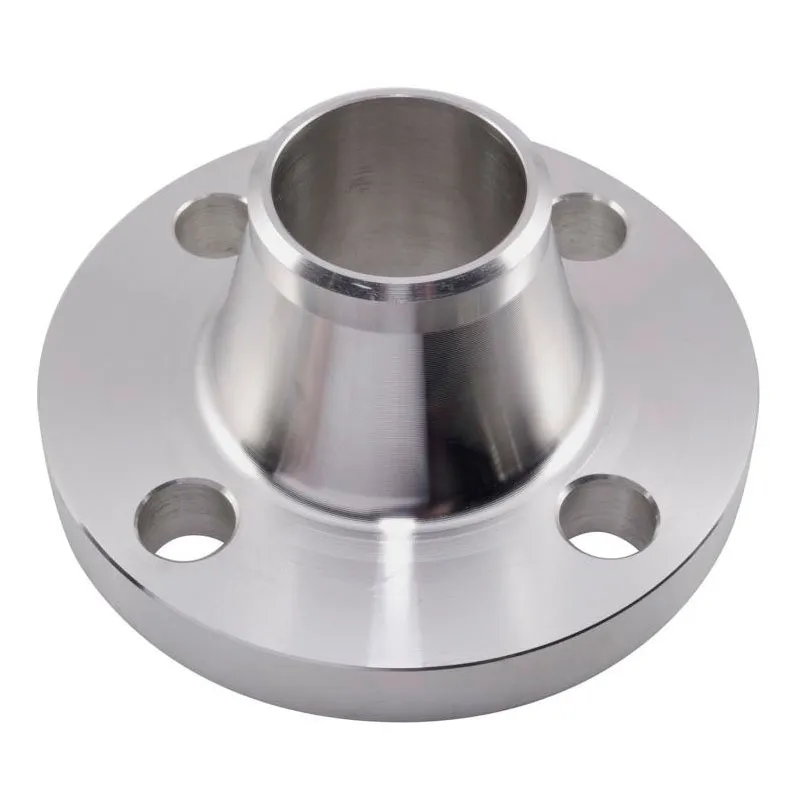 DIN Butt weld flanges PN10
 -
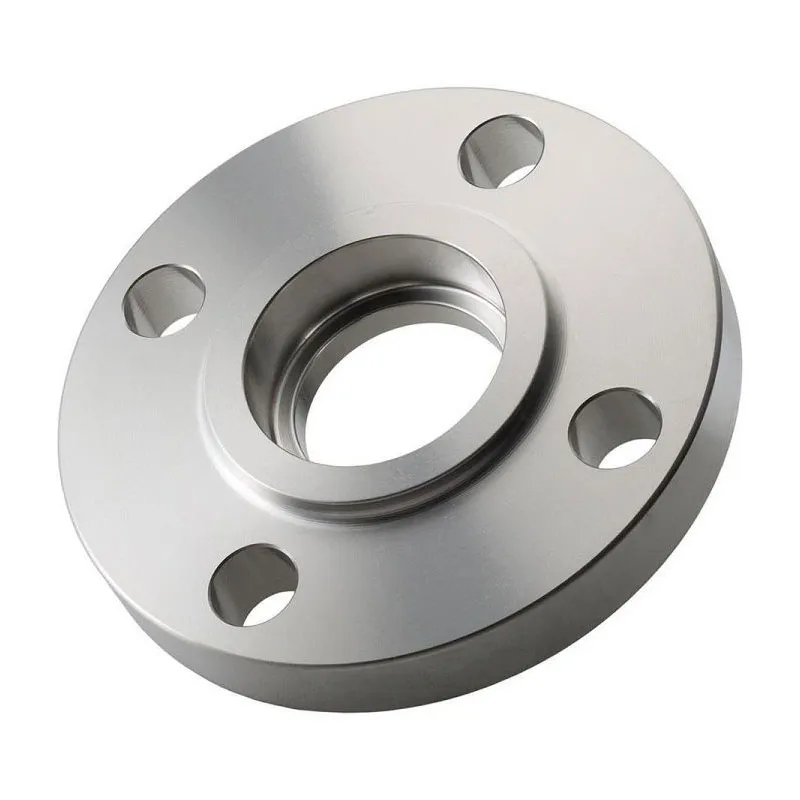 ANSI B16.5 Socket Weld Flanges Class 1500
 -
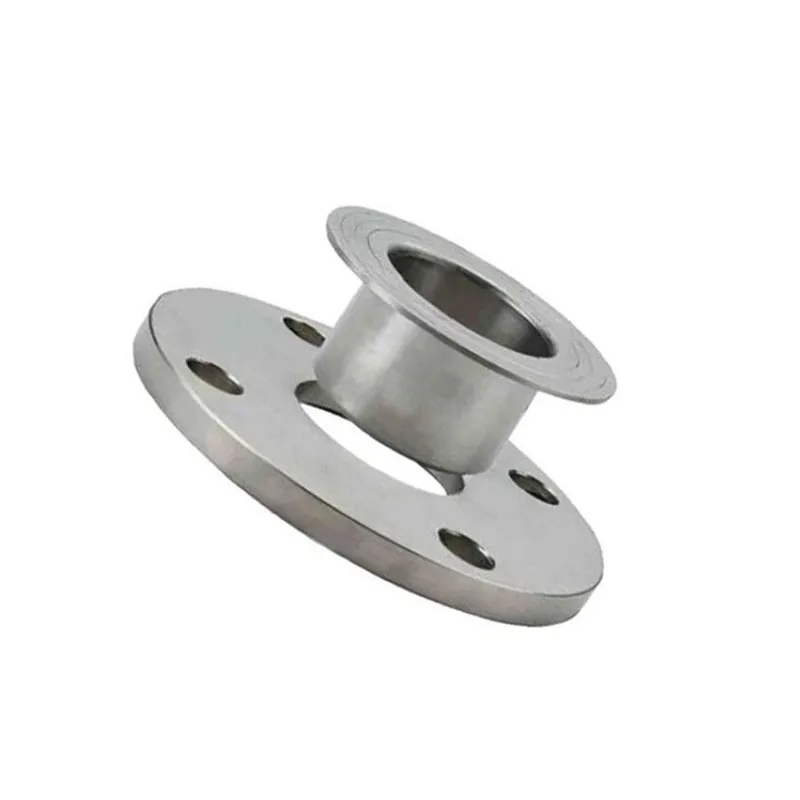 Free ring flanges Class 400
 -
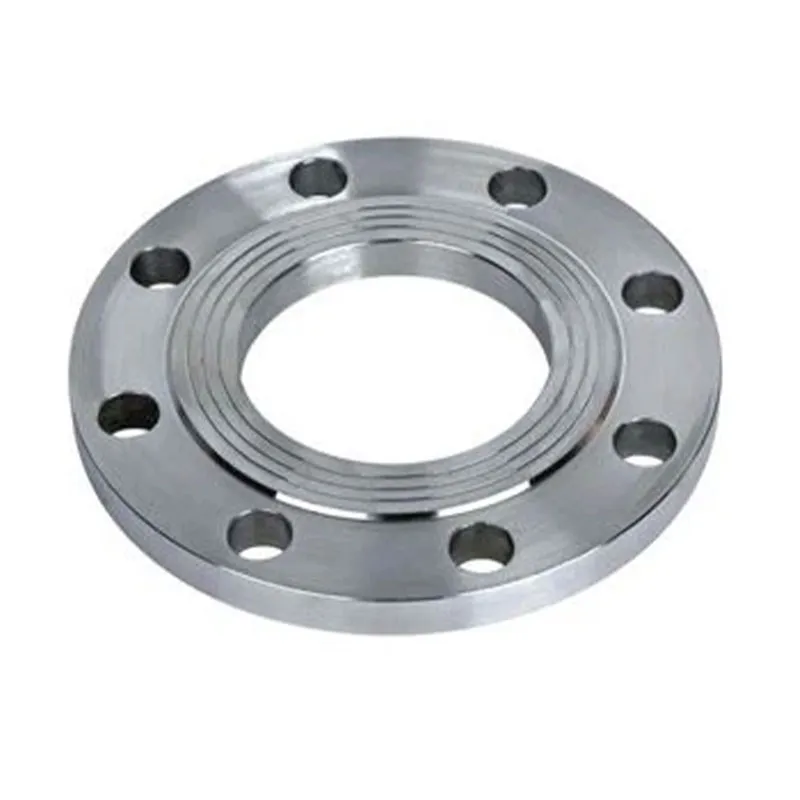 Butt weld flanges Class 150
 -
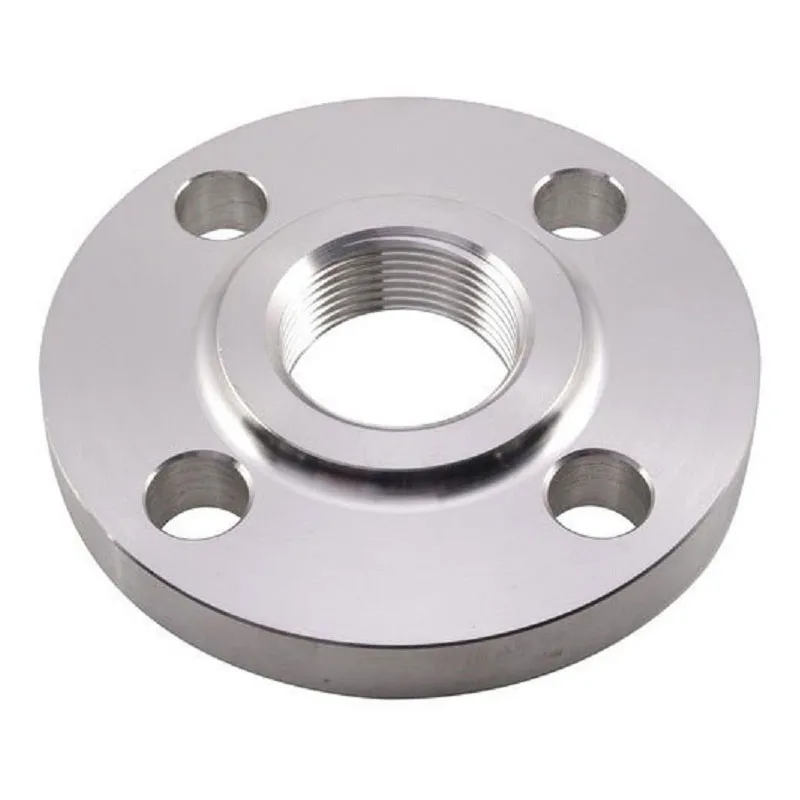 EN 1092-1 Threaded flanges Type 15, PN16
 -
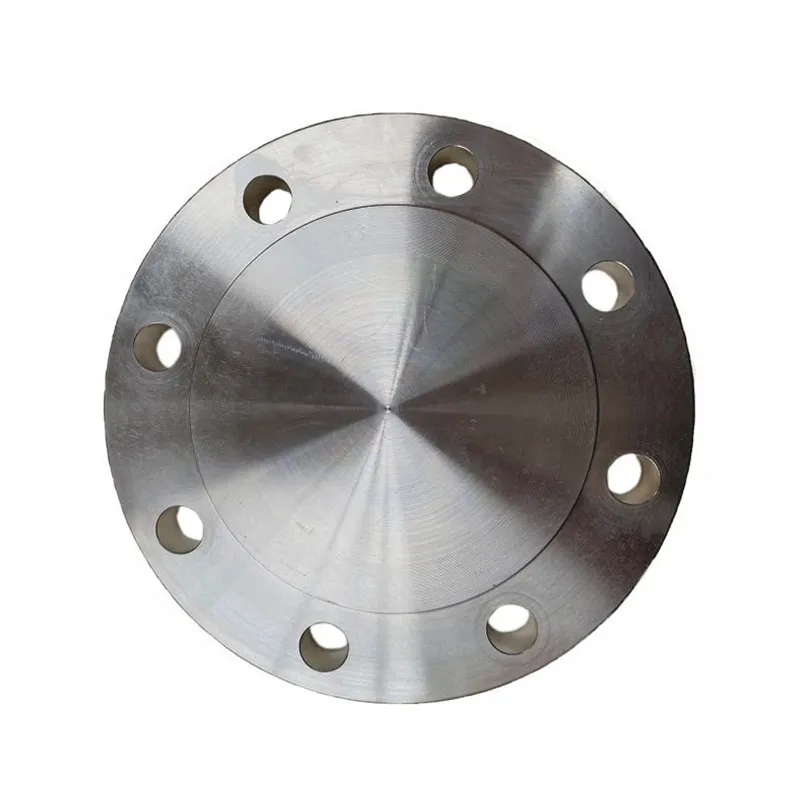 DIN 2527 Blind flanges PN10
 -
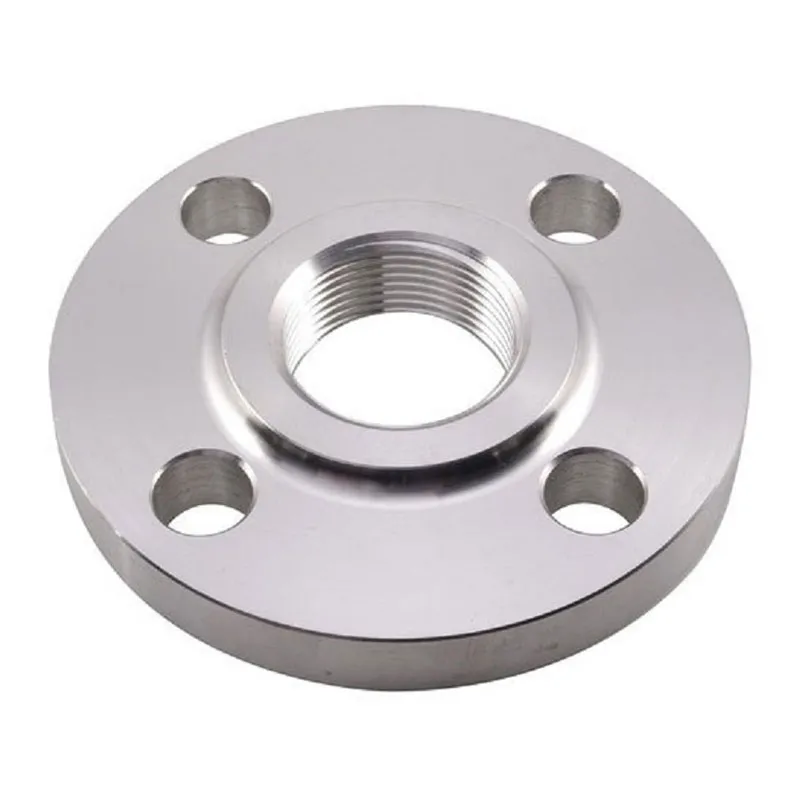 JIS 10K Overlay flanges
 -
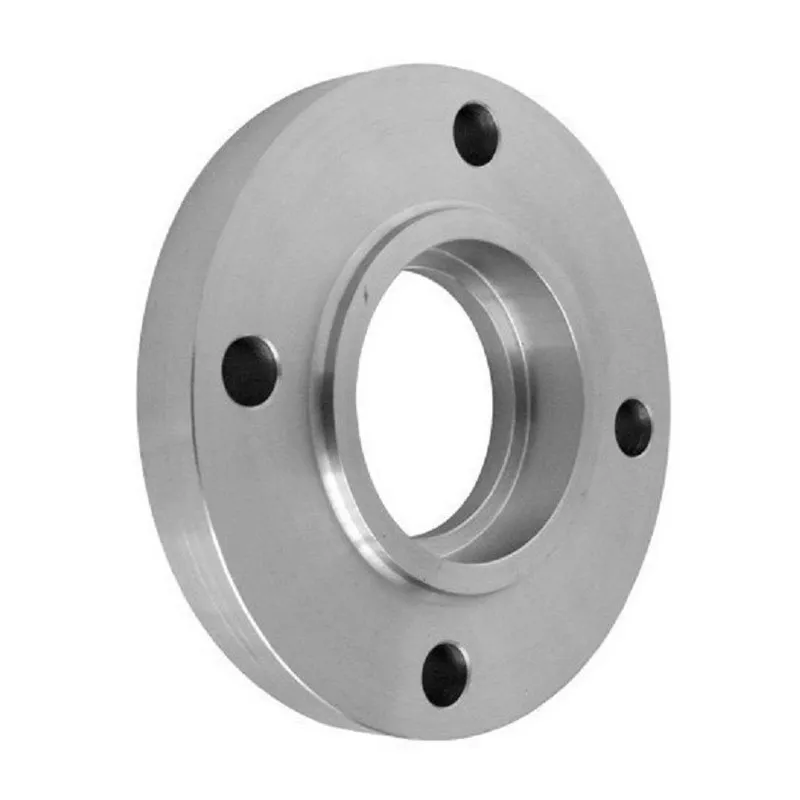 JIS 5K Socket Weld Flanges
 -
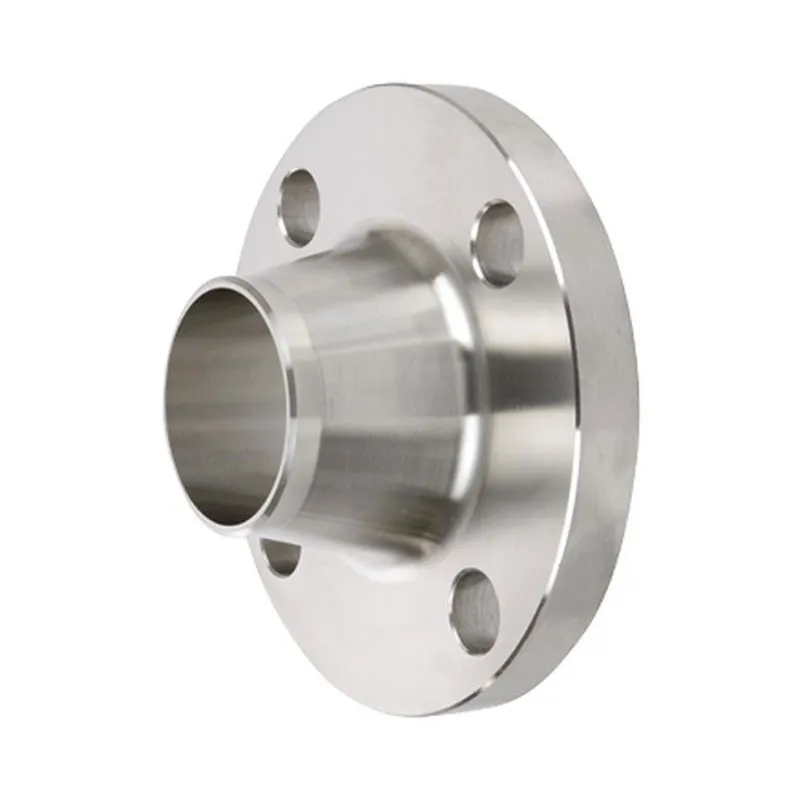 Ser.A Butt Weld Flanges Class 400
 -
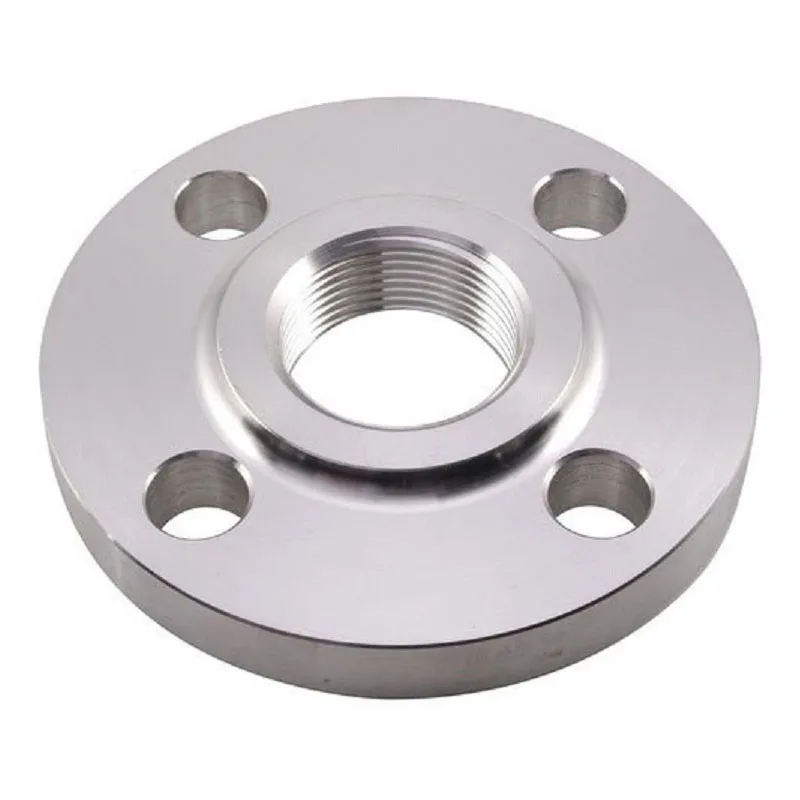 DIN 2566 Threaded flanges PN16