
-
-
Phone
+86-13623462298



flange HDPE 110
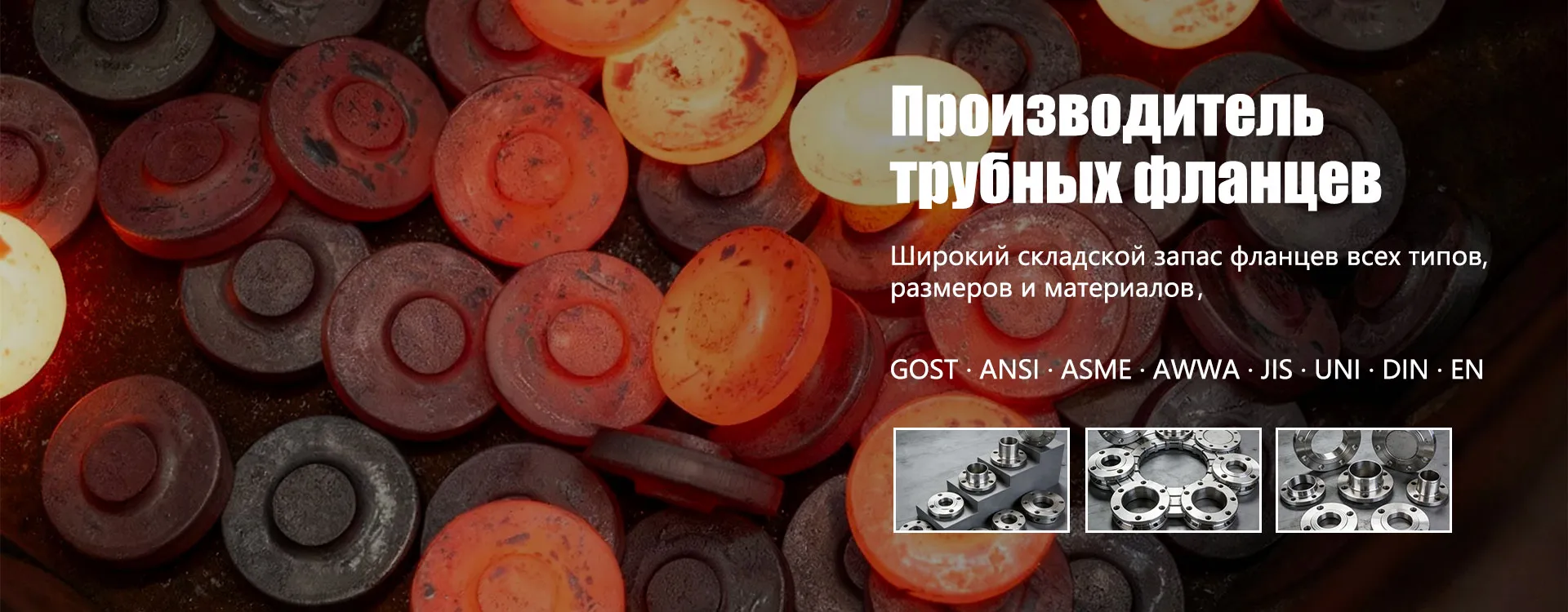
When they talk aboutflange HDPE 110, many people immediately think - well, low-density polyethylene, diameter 110 mm, what’s so complicated about that? But in reality, if you dig deeper, not everything is so simple. A common mistake is to assume that any flange of this standard size is equally suitable for water supply or gas distribution systems. But here the material of the seal is important, the type of connection, and most importantly, compliance with the pressures for which the pipeline fittings themselves are designed. I myself have encountered situations where a customer sent a request simply for “110 HDPE flange”, but in fact he needed to switch to a steel valve with the corresponding GOST, and he had to clarify the details so as not to ship the wrong thing.
What is hidden behind the numbers 110
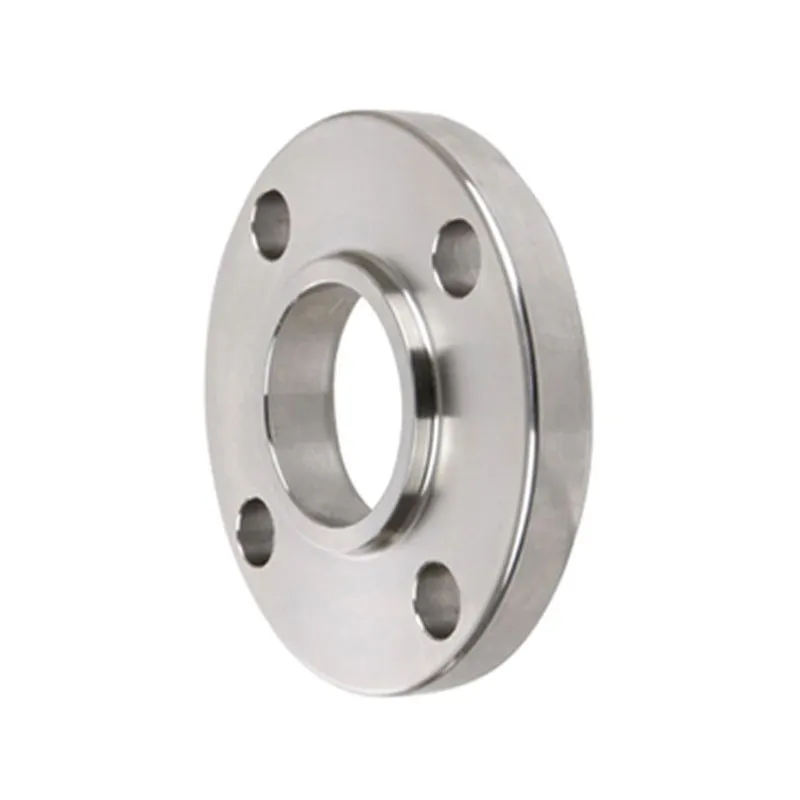
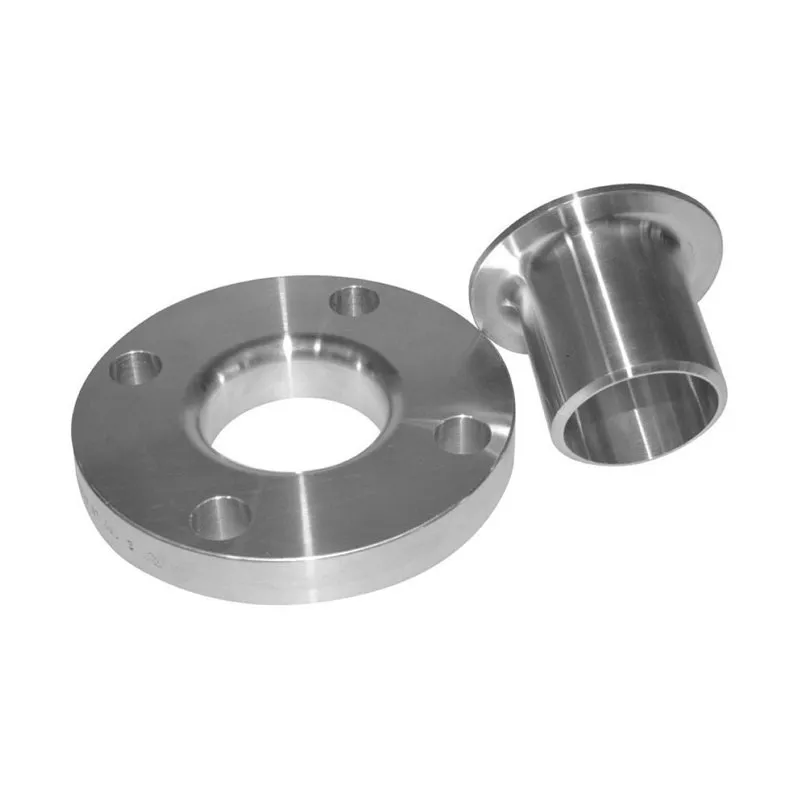
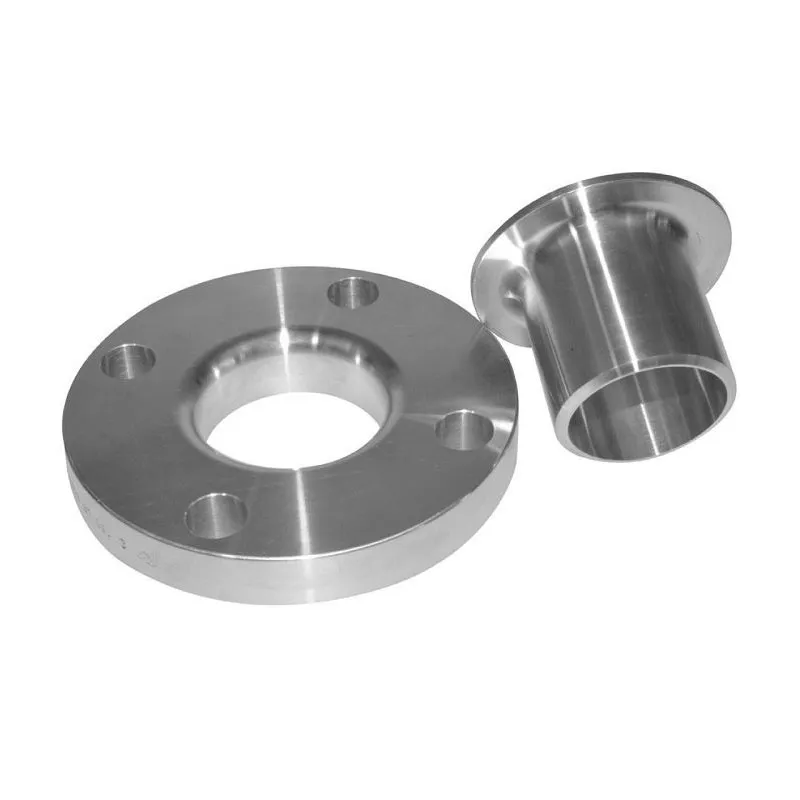
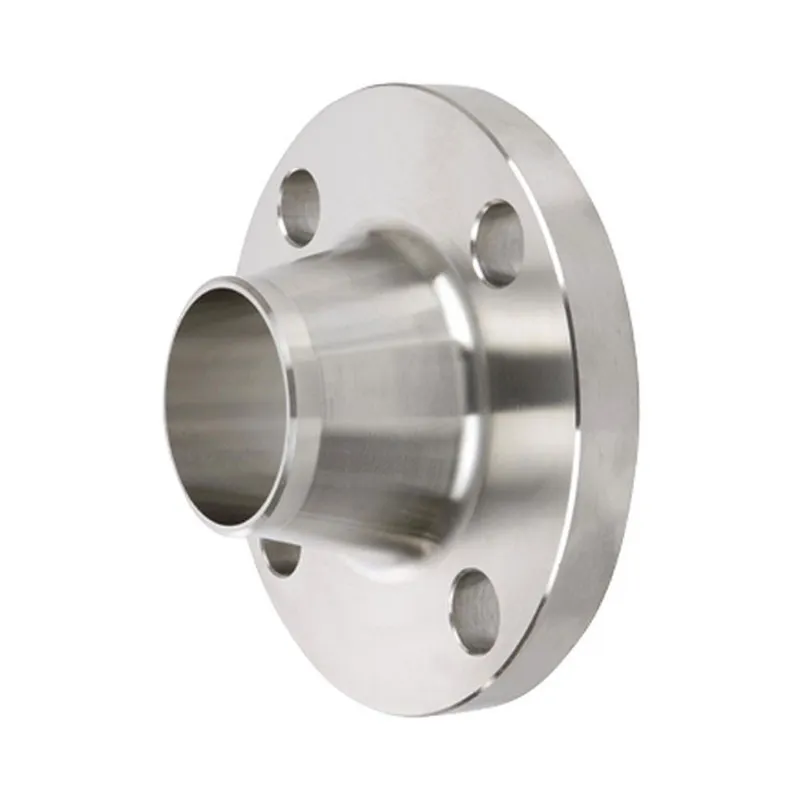
The number 110 is, of course, the nominal diameter. But in reality, when selectingflange HDPE 110you need to look at several parameters at the same time. Firstly, this is the pipe standard itself: for example, PE 100 SDR 17 or SDR 11 - the wall thickness is different, which means the flange seat may have nuances. Secondly, the type of flange: butt (welded), loose with a ring or, say, threaded. For polyethylene pipes, loose flanges with a welded ring are more often used - this is convenient for installation and dismantling, especially in cramped conditions.
But here’s a point that is sometimes missed: the ring should be specifically for HDPE, and not a universal “some kind?” The difference in the linear expansion coefficient of polyethylene and, conditionally, steel - if the ring is “rigid”, does not provide the necessary compensation, and with temperature changes, excess stress may occur at the joint. I checked it at one of the facilities about five years ago - there were complaints about leaks after seasonal fluctuations. It turned out that rings from another supplier were used, formally matching in diameter, but not in material and configuration of the stop.
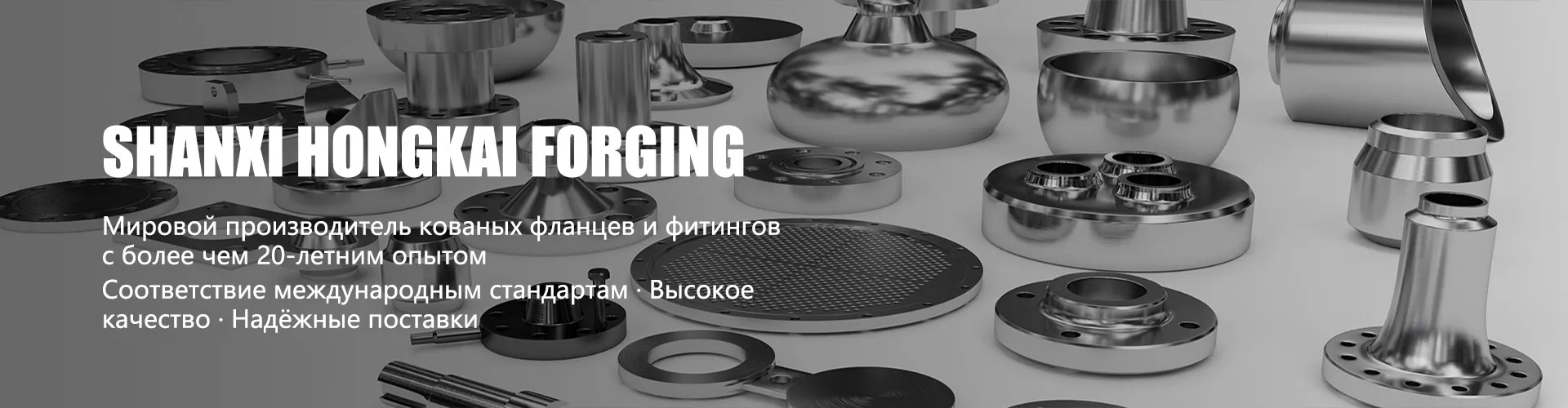
Another practical aspect is the casting or forging quality of the flange itself. Cheap stamped options sometimes have internal stresses or microcracks, which do not appear immediately, but after cyclic loads. Therefore, I always try to focus on trusted manufacturers who work according to full-fledged technological maps, and do not just “pour metal”. For example, atShanxi Hongkai Forging Co.,Ltd (https://www.hkflange.ru) the range includes forged flanges for various standards, including those that are compatible with polyethylene systems. Forging, unlike casting, gives a more uniform metal structure, which is critical for critical connections.
Installation nuances and common mistakes
With installationflange HDPE 110most of the problems at the facilities are related. It would seem that the instructions are simple: weld the ring to the pipe, assemble the assembly with the gasket, tighten the bolts. But the tightening is a different story. If you overtighten, you can damage the polyethylene ring or “pinch” it. gasket, after which it will quickly lose its tightness. If you don't tighten it enough, it will leak. The recommended tightening torque should always be checked against the flange manufacturer's specifications and not by eyeballing it. It is better to use a torque wrench, especially in critical areas.
Gaskets are also a common failure point. For water and gas they are often different in material. EPDM rubber, paronite, Teflon - each has its own range of operating pressures and temperatures, resistance to media. I saw how a regular rubber gasket was installed on a temporary water pipeline, and then the system was transferred to another coolant - the gasket swelled and squeezed out. I had to urgently sort out the node.
And one more thing about bolts. They must be galvanized or stainless steel, especially for outdoor installation. Black, without coating, in an aggressive environment they can “stick” tightly, and if revision is necessary, the connection will not be disassembled. There was an incident at a sewage pumping station: after three years, the flange pairs on the supply line had to be cut off because the bolts had turned into a monolith with nuts. Now I always emphasize this in the specifications.
Standards and transition to other materials
Working withflange HDPE 110, we constantly have to deal with transitions between standards systems. Polyethylene piping is often coupled to steel fittings or equipment. It is important here that the connecting dimensions of the flange - the diameter of the bolt circle, the number and size of holes - exactly correspond to the same GOST 12820 or EN 1092-1, if we are talking about European equipment. A discrepancy of even a millimeter can lead to misalignment and uneven load on the bolts.
Manufacturers who specialize in a wide range of products, such asShanxi Hongkai Forging Co.,Ltd, usually offer flanges to a variety of standards. This is convenient because you don’t need to look for adapters or adapters - you can immediately order a flange with the required parameters. Their product description indicates a range up to DN4000 and work in accordance with GOST, ASME, DIN and others - this just indicates the possibility of closing such requests for a specific project.
An interesting point with blind flanges (plugs) of 110 mm. They are sometimes installed to cut off branches or for future connections. But if this is a plug on a HDPE pipe, it is important that its material is also compatible with expansion and has an anti-corrosion coating if it is steel. Otherwise, electrochemical corrosion may begin at the point of contact between two different materials.
Practical cases and conclusions
One of the memorable projects was the modernization of a water intake, where it was necessary to replace a section of a steel pipe with HDPE 110. The task was to organize flange connections to be able to quickly disconnect the section. Loose flanges with welded rings were used. The most difficult thing was to accurately align the steel flange on the existing valve and the polyethylene ring on the new pipe before welding. The slightest misalignment and the gasket will not provide a tight seal. I had to do preliminary assembly using temporary bolts, check with a level, and only then finally weld the ring to the HDPE.
More from practice: for gas networks the requirements are stricter. They often require flanges with a higher strength class and gaskets certified specifically for gas. And product passports are required. Not all suppliers provide this right away, which delays the procedure for admitting the facility into operation.
Overall,flange HDPE 110- this is not just a piece of hardware with holes. This is a calculation node on which the reliability of the entire connection depends. His choice is always a compromise between cost, delivery time, installation characteristics and durability. And here experience suggests that it is better to carefully prepare the technical specifications once, agree on all the parameters with the installers and purchase products from a manufacturer with a clear reputation and a complete set of documentation, than to later correct errors on an already installed and backfilled route.
Towards non-standard solutions
Sometimes in projects there are not quite typical situations. For example, you needflange HDPE 110, but with a non-standard arrangement of holes for bolts - because it is connected to old equipment left over from Soviet times. Or a flange made of a certain grade of steel is required due to an aggressive environment. In such cases, it is impossible to do without manufacturing according to drawings.
Here it is important that the manufacturer has the opportunity to work according to individual sketches. On the same website hkflange.ru, the company description directly states that they manufacture non-standard products according to customer drawings. This is valuable because not every enterprise will take on a small batch or complex configuration. In my practice, there was an order for flanges with an increased plate thickness to compensate for high bending moments when turning a pipeline - they did it, and the unit has been working for several years without any complaints.
The main thing when ordering a non-standard product is to provide the most detailed drawing with tolerances and indicating all operating conditions (pressure, temperature, environment). And be sure to discuss the manufacturing technology - will it be forging or processing from forgings. For critical applications, forging is preferable.
As a result, working with such seemingly simple elements as a flange for a 110th polyethylene pipe turns out to be a whole layer of practical knowledge. Knowledge that is accumulated not from catalogs, but from objects, through problem solving and failure analysis. And it is this experience that allows us not just to “install a piece of hardware,” but to create a reliable and durable connection.
Correspondingproducts
Related Products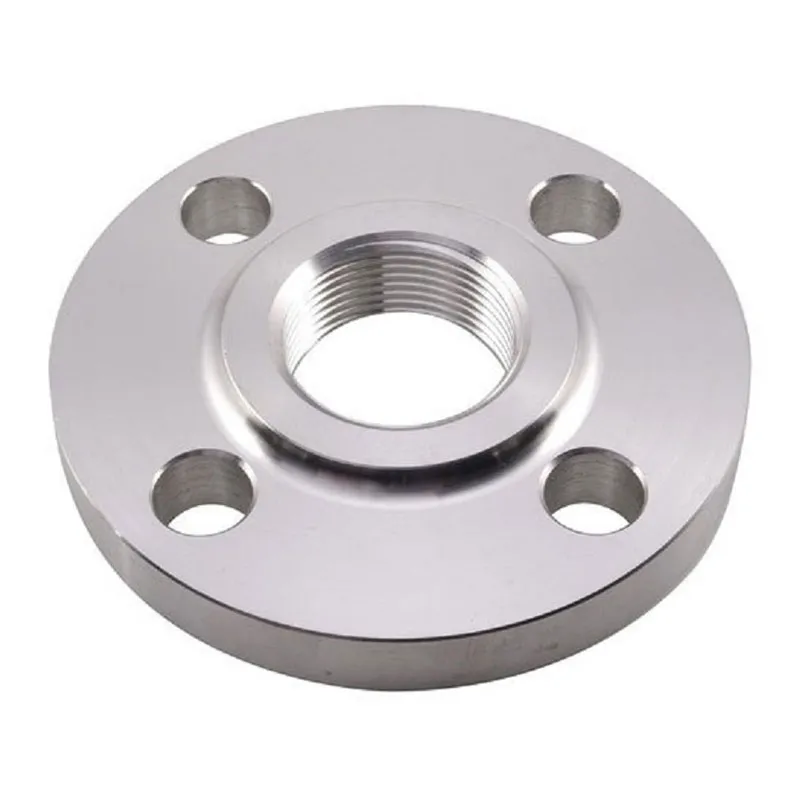
Best Sellingproducts
Best Selling Products-
 ANSI B16.5 Loose Ring Flanges Class 2500
 -
 ANSI B16.5 Lap-on flanges Class 1500
 -
 Ser.A Butt Weld Flanges Class 400
 -
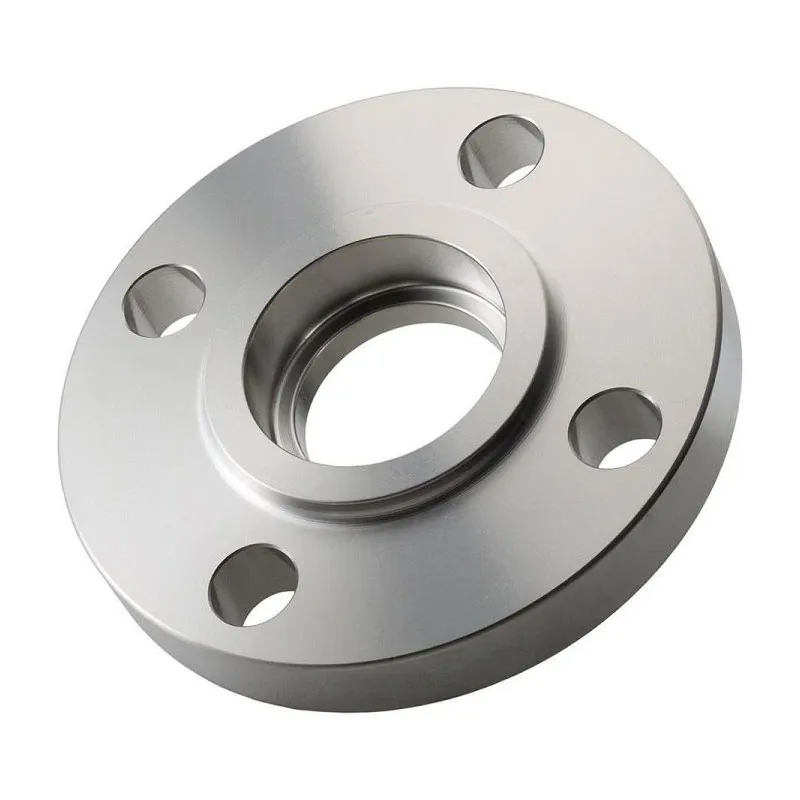 ANSI B16.5 Socket Weld Flanges Class 150
 -
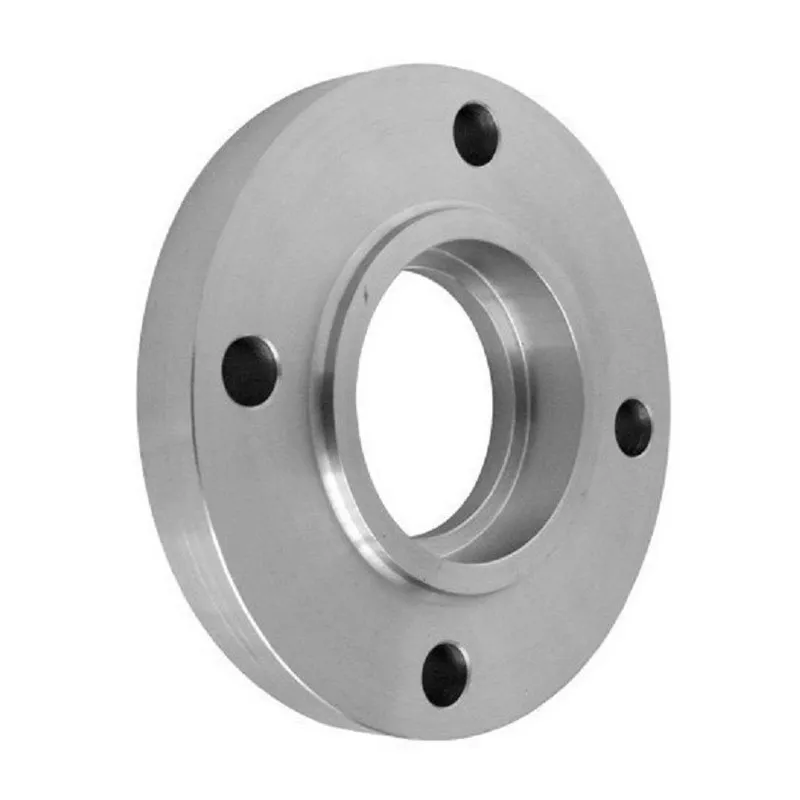 JIS 5K Socket Weld Flanges
 -
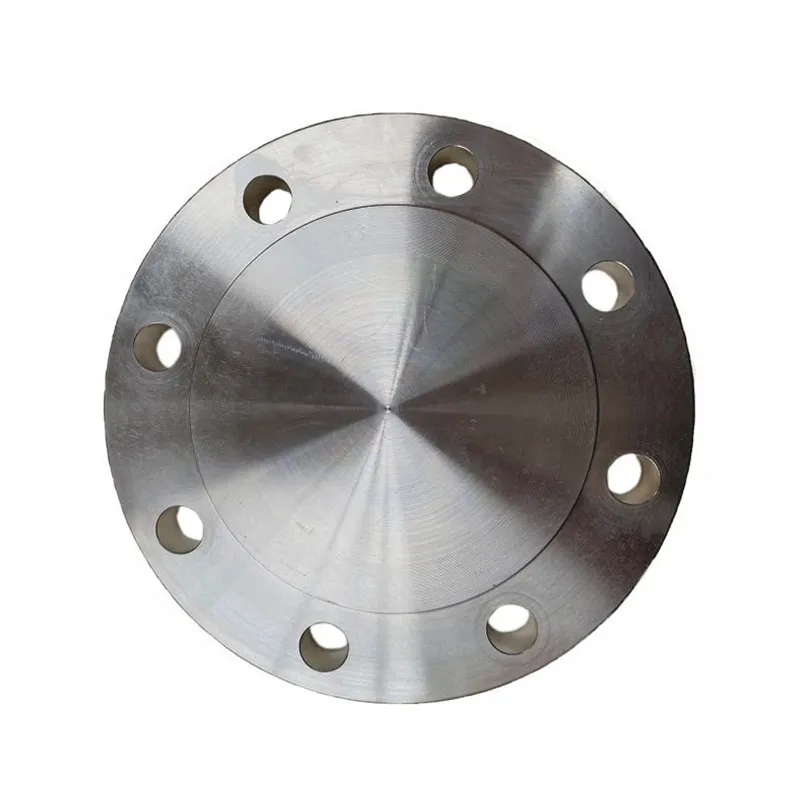 DIN 2527 Blind flanges PN10
 -
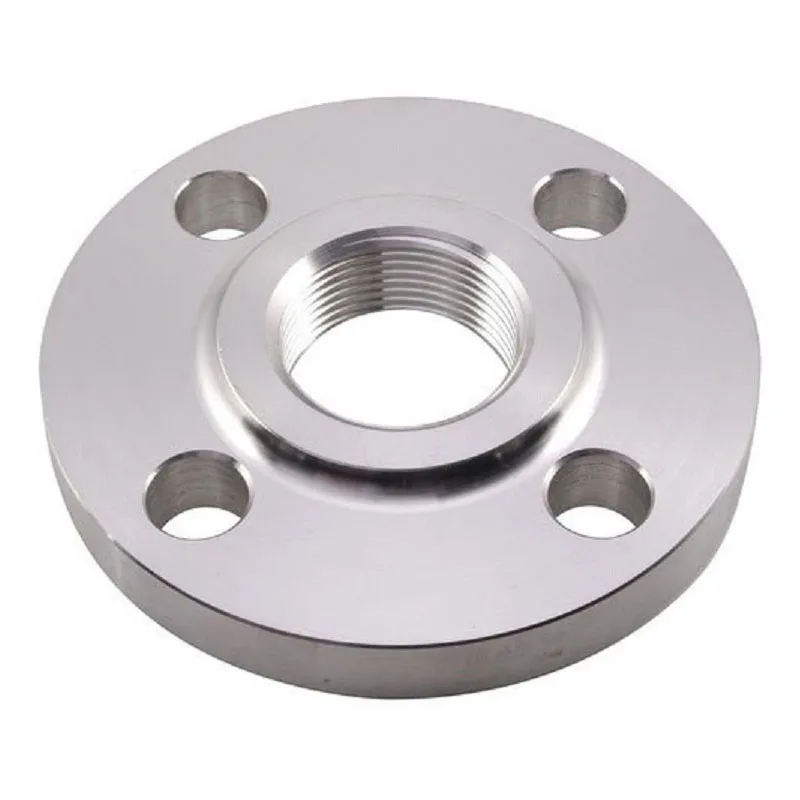 DIN 2566 Threaded flanges PN16
 -
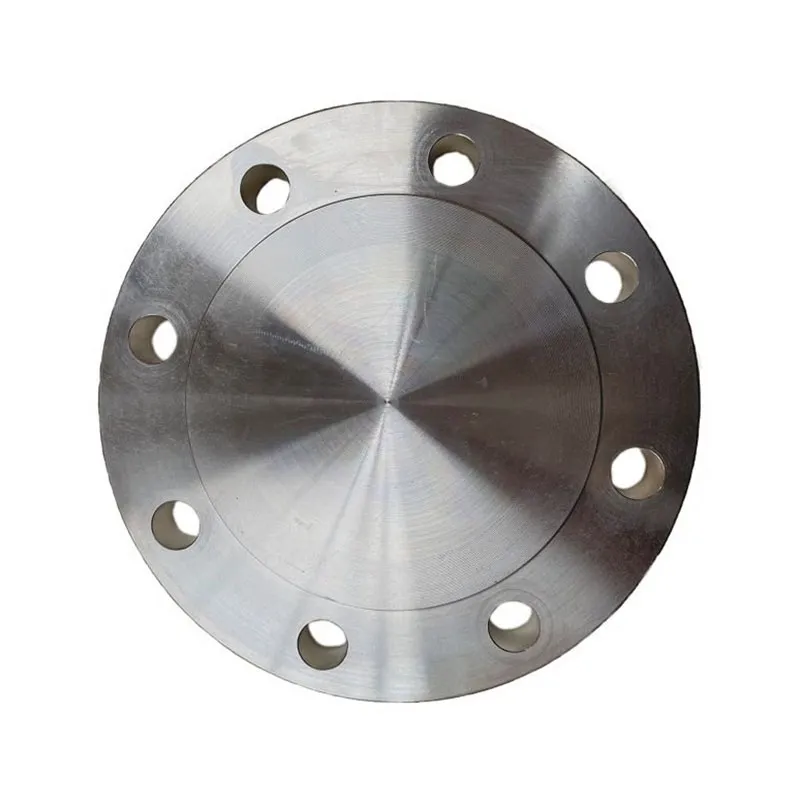 ASME B16.47 Ser.A Blind Flanges Class 400
 -
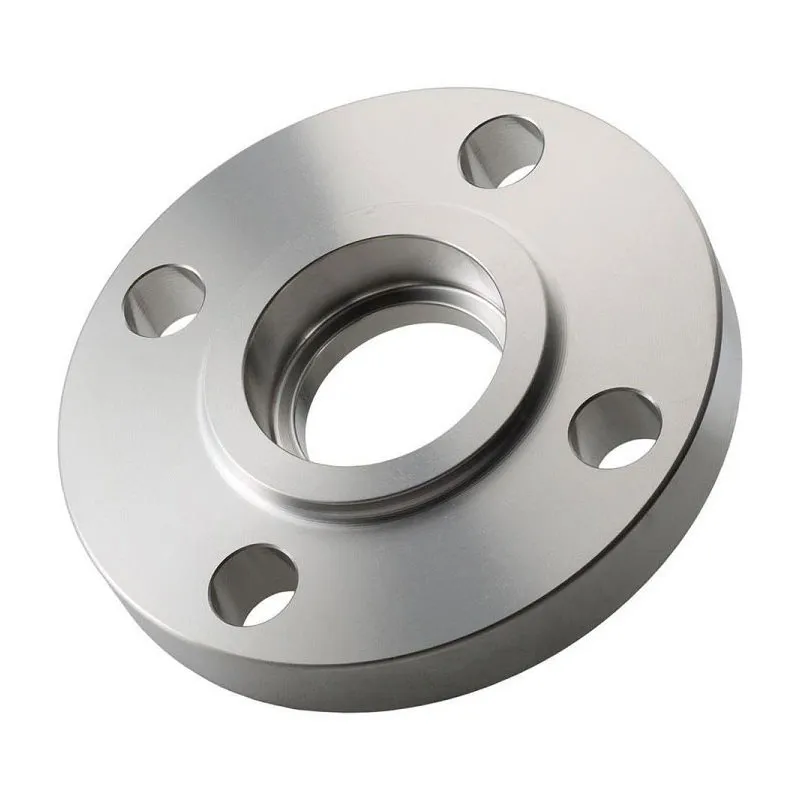 Flanges for socket welding
 -
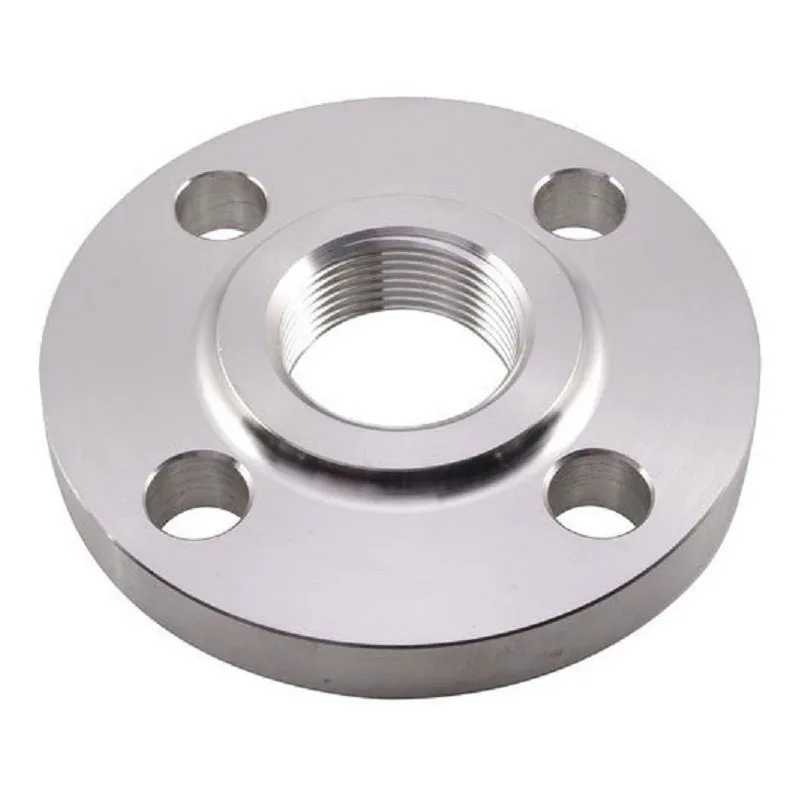 ANSI B16.5 Threaded Flanges Class 600
 -
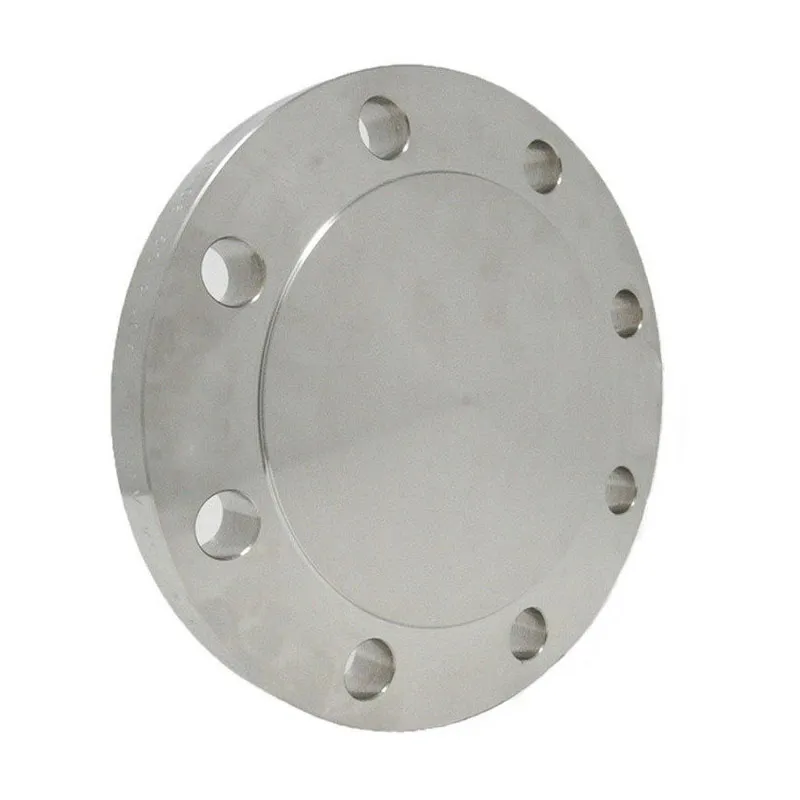 AWWA Blind Flanges Class D (Tables 1, 2, 3)
 -
 EN 1092-1 Butt weld flanges Type 11, PN25