
-
-
Phone
+86-13623462298



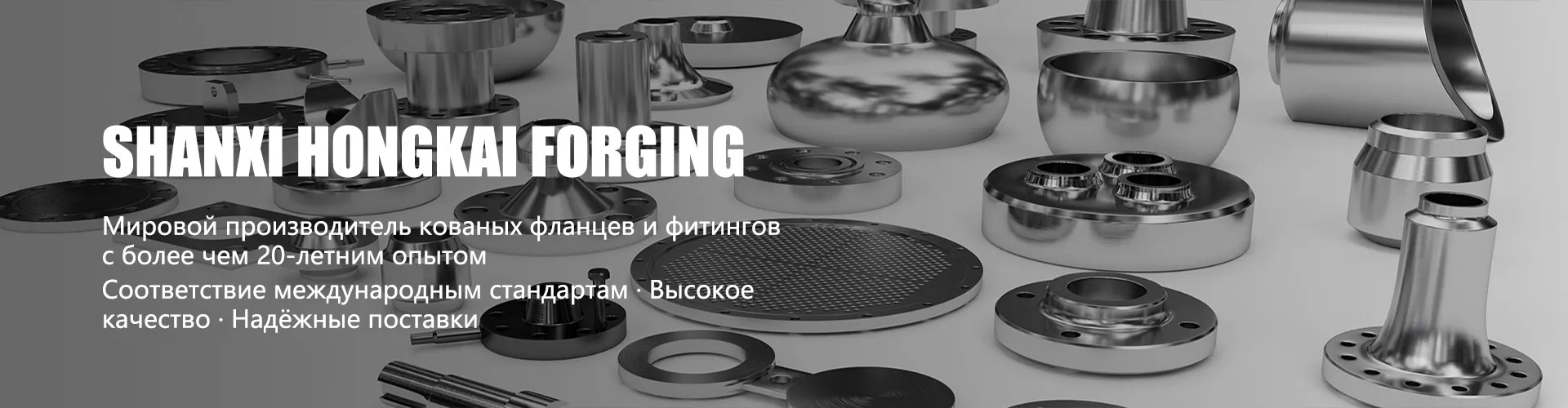
flange 80 16 11
These numbers - 80 16 11 - they are constantly written in applications, but not everyone understands what this is exactlyflange 80 16 11, and not just a set of parameters. Many people think that this is a conditional passage and pressure, and that’s all. In fact, if we are talking about GOST 12821-80, then this is a steel butt-weld flange for PN 16 kgf/cm2 with nominal diameter DN 80 and version 11 - that is, with a connecting projection. But here’s the nuance: version 11 according to the same GOST implies a certain type of sealing surface, and if the customer does not specify this, and in the technical specifications simply the line “flange 80 16 11?” If he quits, he might end up in trouble. We once had a story when they brought a batch according to these figures, but the customer had a pipeline according to ASME B16.5, and there were completely different tolerances for the same protrusion. I had to redo it. Therefore, now I always clarify: “What standard are you using?”
Breaking down the numbers piece by piece
Let's go in order. DN 80 seems clear. But in modern projects, DN 80 is also often found. In essence, it is the same thing, but when working with international standards, it is better to write DN so that there is no confusion with inches. Ru 16 is a working pressure of 1.6 MPa. It would seem that this is also standard. However, here the first pitfall often arises: this is the pressure for a temperature of 200 degrees Celsius. If the medium is hotter, the permissible pressure drops. The specifications sometimes miss this, and then they wonder why the flange “doesn’t hold?”. We have to explain that material and thickness are one thing, but temperature correction is something completely different.
But execution 11 is, one might say, the most interesting. This is a tongue and groove type of sealing surface. The tenon is on one flange, the groove is on the other. Good for pressurized environments, especially if there is vibration or you need to frequently disassemble and reassemble the unit. In this case, the gasket is well fixed and does not slip out. But! There is an important point in geometry here. The dimensions of the tenon and groove according to GOST must be maintained very accurately. If the tenon is slightly larger, the flanges will not fit together; if it’s a little less, there will be a leak. We always pay special attention to this in production, especially with large batches. Control not only with calipers, but also with gauges.
And here's another thing. Often in requests they simply write “flange 80 16 11”, without specifying the material. And this is critical. Steel 20, 09G2S, 12Х18Н10Т - all have different characteristics, price and, most importantly, application. For water or steam at low temperatures, St20 will do. And if the environment is aggressive or the temperatures are low, as in the North, then alloy steels cannot be used. For example, for Arctic projects we often make from 09G2S - it performs well at minus 60. But this is a completely different story and a different price.
Experience, failures and why the standard is not a panacea
I'll tell you a case from practice. The order arrived just in time forflange 80 16 11, material st3sp5, GOST 12821. Made, shipped. A month later a call: “Your flanges do not match our old ones!?”. We started to figure it out. It turned out that the customer had Soviet-made flanges in the system, and they apparently had their own factory approval for many years, slightly different from modern GOST. The tenon on our new flanges was in the upper tolerance range according to the drawing, and the groove in their old ones was in the lower tolerance. The result is a mismatch. We had to go to the site, measure their old flanges and make a new batch according to their actual dimensions. Conclusion: even within GOST there is room for maneuver, and sometimes you need to adapt to the real connection.
Therefore, now we always offer customers, especially when replacing or repairing, to send a sample or exact measurements from their side. It is better to spend time on clarifications than to deal with complaints later. This applies not only to 80 DN flanges, but also to all sizes. By the way, on the websiteShanxi Hongkai Forging Co.,Ltd (https://www.hkflange.ru) we have specially provided a form for requesting non-standard products - you can send a drawing or sketch. Because ready-made solutions from the catalog are often not enough.
Another point is coverage. Black flanges, galvanized, with anti-corrosion painting. For execution 11, covering the inner surface of the groove and tenon is a separate headache. If you paint it roughly, in a thick layer, the geometry will be disrupted and the seal will not be airtight. We have developed a technology where we apply the coating very thinly, and sometimes we do not apply it at all to the mating surfaces of the tenon and groove if the environment is not aggressive, or we use special compounds. This knowledge did not come from books, but after several unsuccessful shipments, when customers complained about the complexity of installation.
Production subtleties and control
Making such a seemingly simple product asflange 80 16 11, is a whole chain. It starts with forging. It is important that the metal is free of internal defects - shells, friability. We are in productionShanxi Hongkai Forging Co.,Ltd, as a manufacturer of forged flanges, we focus on forging rather than cutting from sheet metal. The forged workpiece has a better metal structure; the fibers follow the shape of the product, which increases strength, especially under cyclic loads. For a PN 16 flange this may not be as critical as for high pressures, but the principle is the same: it is better to build reliability from the very beginning.
Then mechanical processing. The key stage here is milling the same sealing surface of execution 11. The machine must be precise, the cutters must be sharp. The slightest chip or step on the edge of the groove - and the gasket will be cut when tightened. After milling, we always do scraping - we remove sharp edges by hand. This increases time, but ensures that the installer on site does not have to suffer.
And, of course, control. The finished flange is checked not only for dimensions, but also for hardness and macrostructure selectively. Especially for critical orders. We have everything for this in our laboratory. It happens that the customer asks to provide certificates according to GOST or even according to ASME. For a company that operates according to international standards, this is common practice. We manufacture products in accordance with GOST, ASME, EN, DIN and others, so we can always prepare both the product and documents to meet the required standard.
Where is it used and common installation errors
Such flanges are a classic for process pipelines in oil and gas, chemistry, and heat power. DN 80 is a common size for piping pumps, valves, and devices. But here's a mistake that installers often see: improper tightening. For a tongue-and-groove connection It is important to tighten the bolts evenly in a cross pattern to avoid distorting the flange. Otherwise, the tenon may rest against one side of the groove, and there will be no tightness. I saw the consequences of such a rush - leakage along the entire perimeter. We had to bleed off the medium, disassemble and reassemble.
Another point - gaskets. For version 11, fluoroplastic or paronite gaskets of the appropriate cross-section are usually used. But some, in order to save money, cut the gasket from the sheet themselves. And they almost always cut inaccurately, with gaps. This is a direct path to a leak. We always recommend that customers order gaskets ready-made, especially since we can supply them as a set, cut on a coordinate punching machine exactly to the dimensions of the groove.
And the last thing is labeling. On the finished flange, according to GOST, the steel grade, nominal pressure, nominal bore and manufacturer’s mark must be clearly stamped. This is not just a formality. At the site, especially after several years of operation, using this marking you can understand what kind of product is in front of you and select an analogue for it to replace it. We apply markings deeply and legibly. This is the face of the manufacturer, after all.
Instead of a conclusion: thinking out loud
So, when you see “flange 80 16 11” in the specification, you should not take this as a simple position. Behind it is a whole layer of technical requirements, production nuances and potential risks. An experienced procurement specialist or engineer will always expand this abbreviation into a full technical specification indicating the standard, material, type of coating and operating conditions. This will save time both for him and for us, the producers.
RegardingShanxi Hongkai Forging Co.,Ltd, then for us the production of such standard flanges is a routine, but a routine honed to the smallest detail. From forging on our own press-forging equipment in one of the main industrial centers of China to final inspection. The range of sizes from DN15 to DN4000 allows you to cover almost any need, from small piping to main pipelines. But the main thing is the readiness for dialogue. Because behind the dry numbers ?80 16 11? There is always a specific task at a specific site, and it needs to be solved reliably and without fuss. As is done in normal industrial practice.
Correspondingproducts
Related Products
Best Sellingproducts
Best Selling Products-
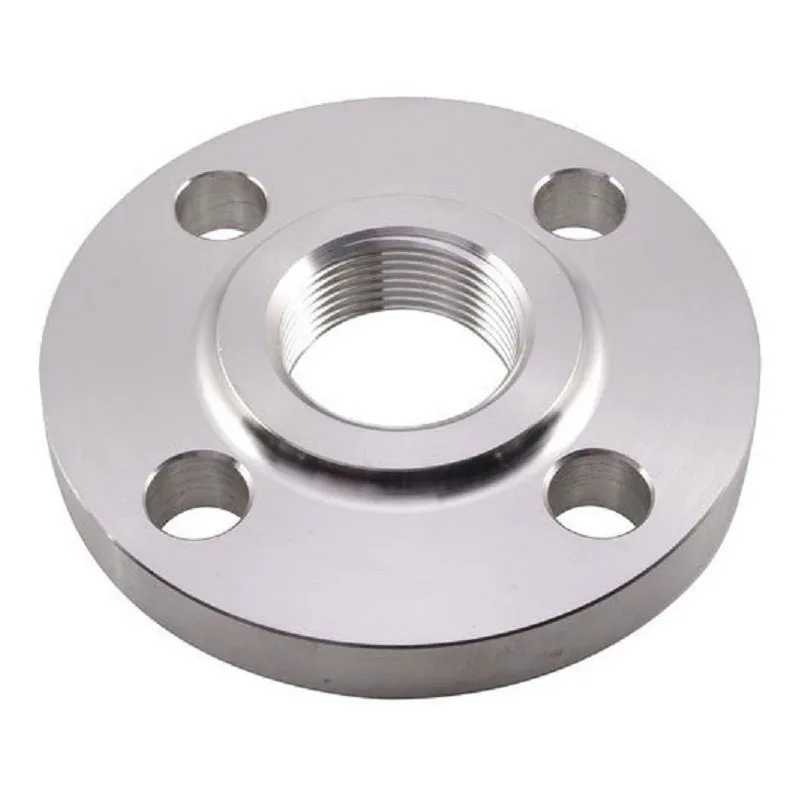 ANSI B16.5 Threaded Flanges Class 600
 -
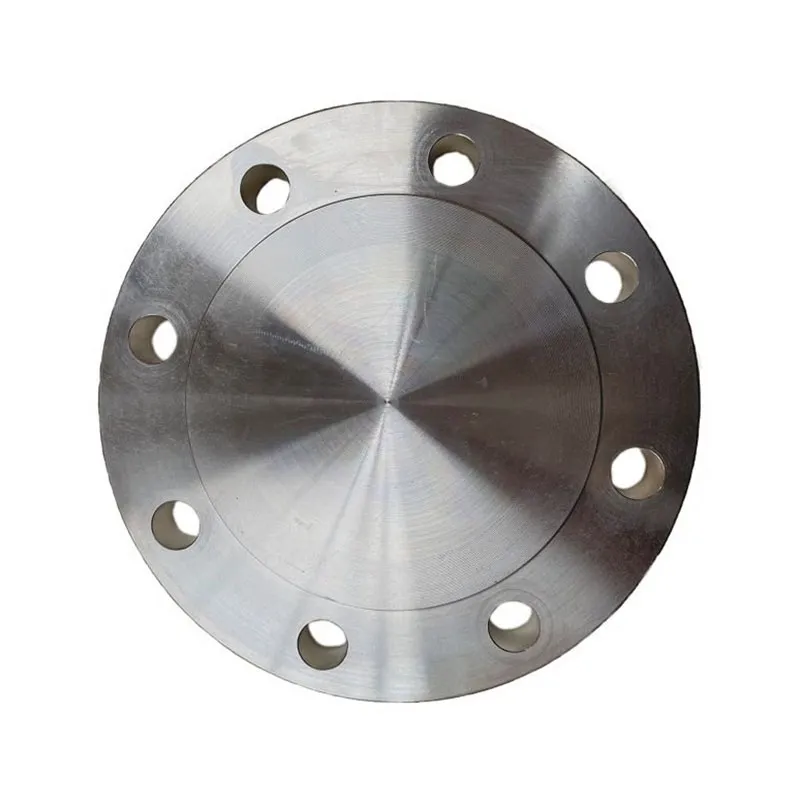 ASME B16.47 Ser.A Blind Flanges Class 400
 -
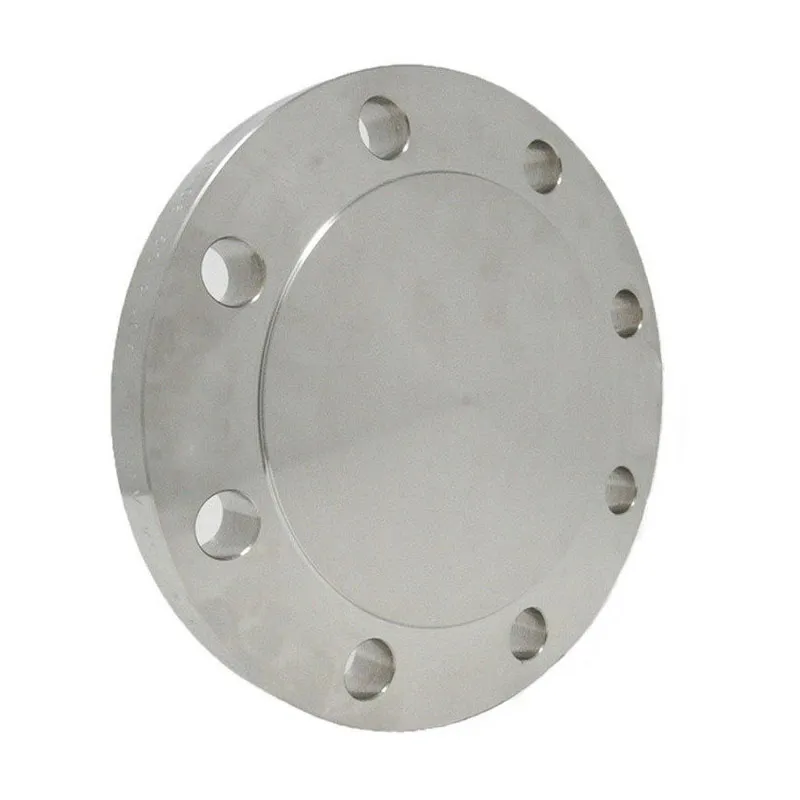 Blind flanges Class 150
 -
 AWWA Blind Flanges Class D (Tables 1, 2, 3)
 -
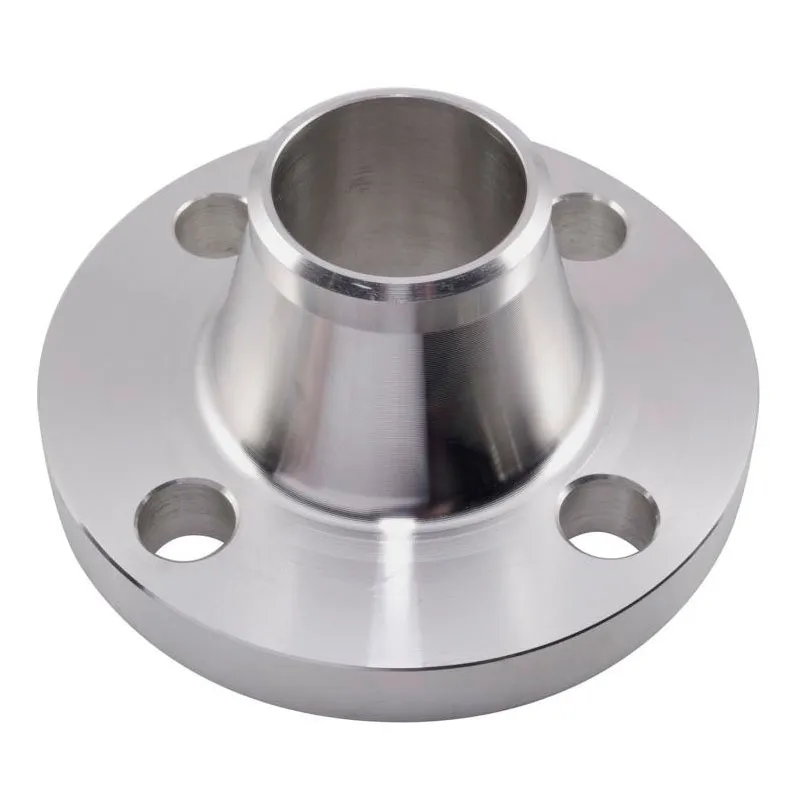 DIN Butt weld flanges PN10
 -
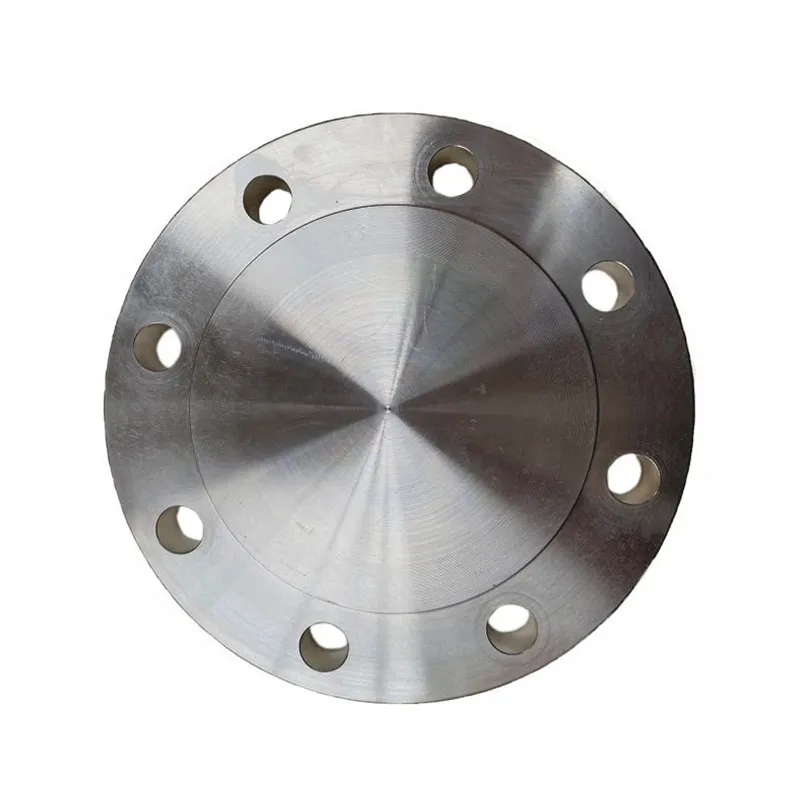 DIN 2527 Blind flanges PN10
 -
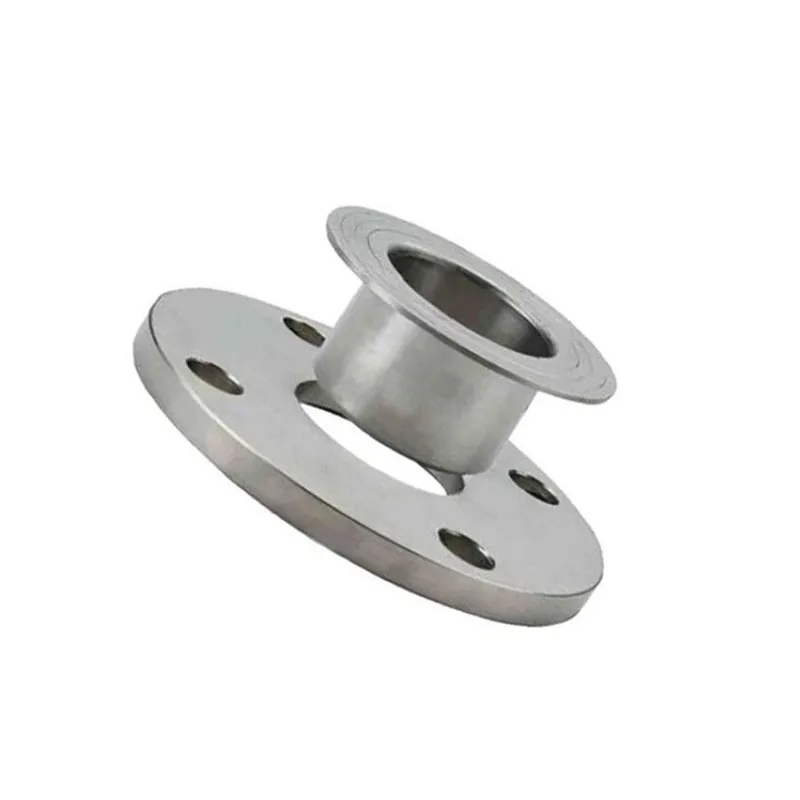 Free ring flanges Class 400
 -
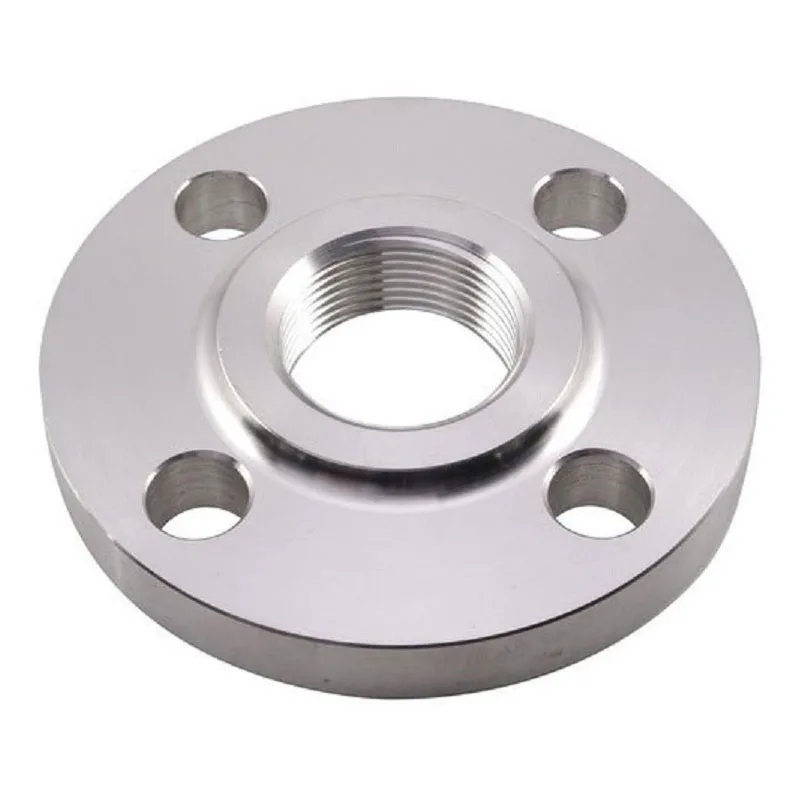 JIS 10K Threaded Flanges
 -
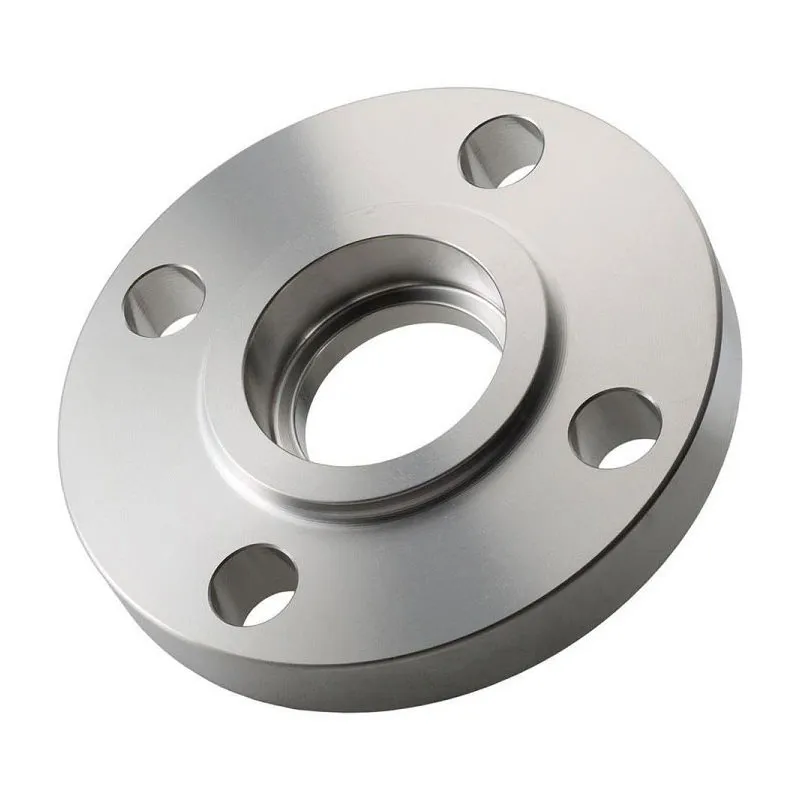 Flanges for socket welding
 -
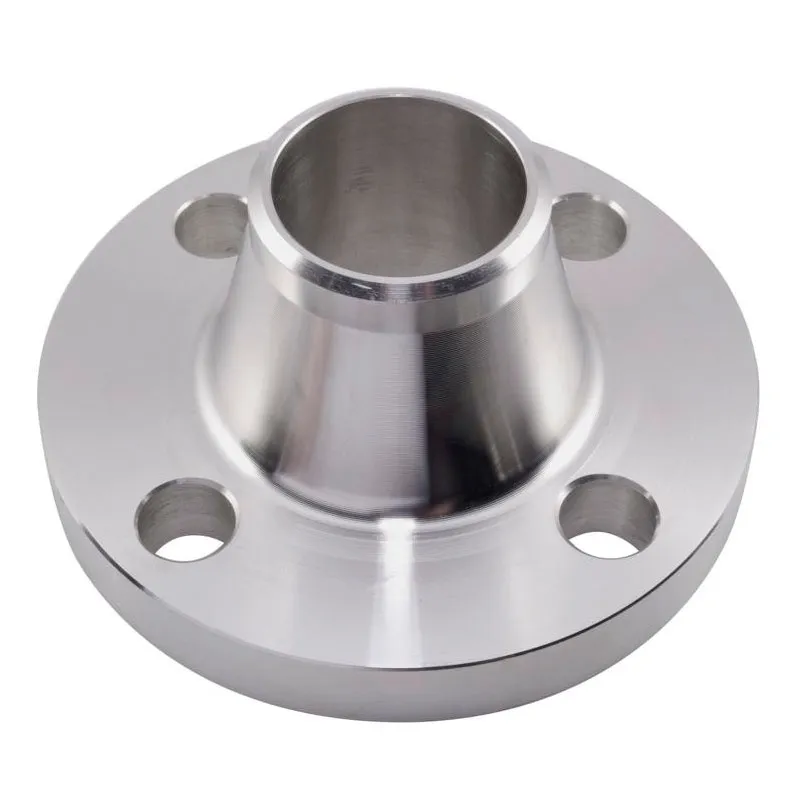 Butt weld flanges Class 900
 -
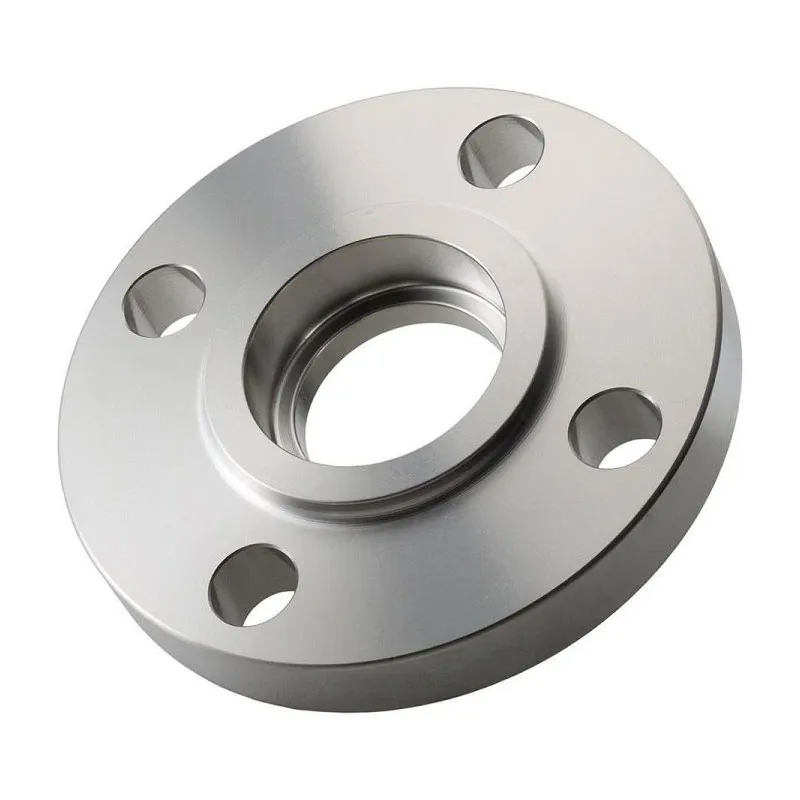 ANSI B16.5 Socket Weld Flanges Class 150
 -
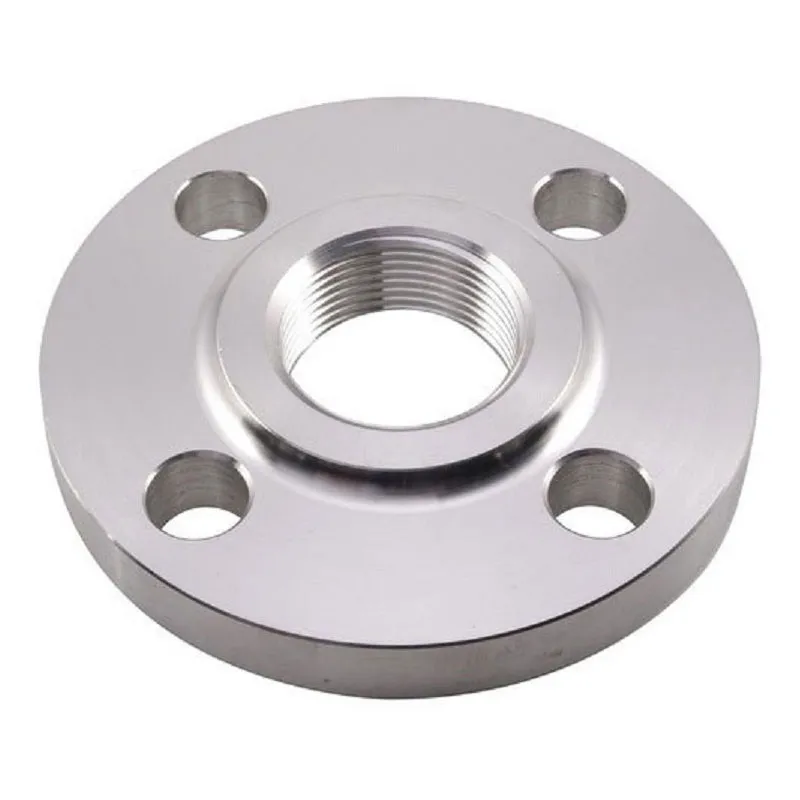 DIN 2565 Threaded flanges PN6