
-
-
Phone
+86-13623462298



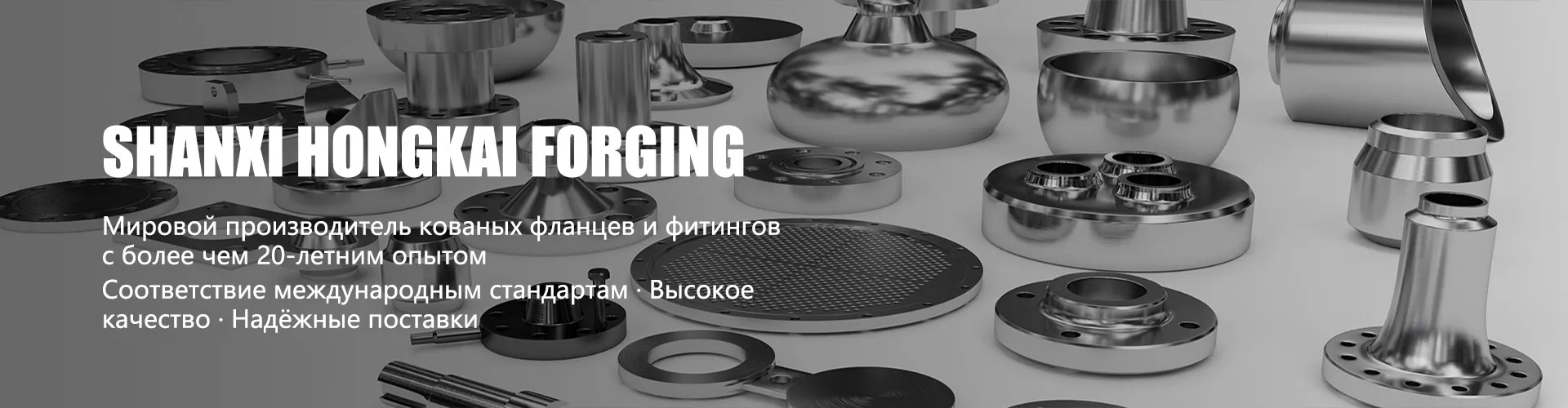
flanges Russia
When they say “Russian flanges?”, many people immediately think about domestic factories and GOST. This is, of course, the basics, but the reality is more complex. A mixture has been operating on the market for a long time: its own production, Belarusian supplies, and, what is important, Chinese manufacturers, who are no longer just a “cheap option”, but often reliable partners for specific tasks. But there is a nuance here: the Chinese flange is a flexible concept. You can buy a casting of dubious quality, or you can get a forged product that will not be inferior in characteristics, and sometimes even surpass its analogues. It is this second option that I would like to speculate about, because there are many myths and real cases associated with it.
Why forging? Personal experience and disappointments
I started, like many others, with the most accessible - cast flanges. The price was attractive and the delivery time was short. And the first projects, where the loads were low, went well. Until I encountered a story at one of the boiler houses near Voronezh. We ordered a batch of flanges for a medium pressure pipeline, the temperature of the working medium is about 300°C. After six months of work - microcracks on the surface, they began to "sweat" on welds. We looked into it and it turned out that the material of the cast billet was heterogeneous, there were hidden shells. Of course, the suppliers saved the day. After that, I began to look deeper into technology.
I switched to studying forged flanges. The difference in metal structure is not just words from a textbook. During forging, the fibers are deformed, compacted, and internal voids are removed. The mechanical properties, especially impact strength and fatigue resistance, are completely different. For Russia, with our temperature differences and long service life of pipelines, this is critically important. But here, too, not everything is simple: forging is different. There is free forging, and there is a more precise one - stamping. For critical components, especially in the energy sector, stamped forgings are often required.
Here I came across the manufacturer while searchingflangesfrom China, but with a clear specialization in forging -Shanxi Hongkai Forging Co.,Ltd. Their websitehkflange.ruinitially caused skepticism: Russian-speaking, but clearly a Chinese manufacturer. However, the description caught my attention: “one of the main centers of the forging and pressing industry in China.” I decided to check it out. I began to ask them not just for a catalog, but for technical documentation on the processes: how exactly they forge, on what equipment, test reports of mechanical properties. They didn’t respond right away, but they sent it. This was the first plus.
Standards and ?Russian? dimensions: where are the pitfalls
The main headache when ordering flanges from abroad is compliance with standards. In Russia, GOST is historically strong, but in real projects both ASME and DIN are found, especially in joint ventures. A common mistake is to think that if the flange is DIN, then it will automatically fit our pipeline. No, it won't do. Holes for bolts, thickness, diameters - everything can differ by millimeters, which then becomes a nightmare for installers.
Here atShanxi Hongkai Forging Co.,Ltdin the declared nomenclature I saw both GOST, ASME, EN, DIN. I decided to conduct a test for “Russianness”. I requested a calculation and drawing for the most popular GOST flange (old 12820-80) for pressure Ru16, DN100. They sent it quickly, with full geometry. I checked it with our album of typical parts and it matched. But something else was more interesting: they separately specified which cutting method they would use to make chamfers and surface treatment for the gasket. This is already a detail that speaks of practice, and not just the presence of a standard on the list.
The problem with certificates is a separate issue. Many suppliers send ?general? quality certificates from the factory. To pass the examination and gain access to the facility, we need certificates tied to a specific batch, with the heat number, ultrasonic testing or x-ray results. When I started raising this issue with Hunkai, after some deliberation they provided a sample of such a certificate, which they are preparing for supplies to the CIS. It had all the necessary columns. This was the decisive argument for the trial order.
Trial order: from drawing to customs
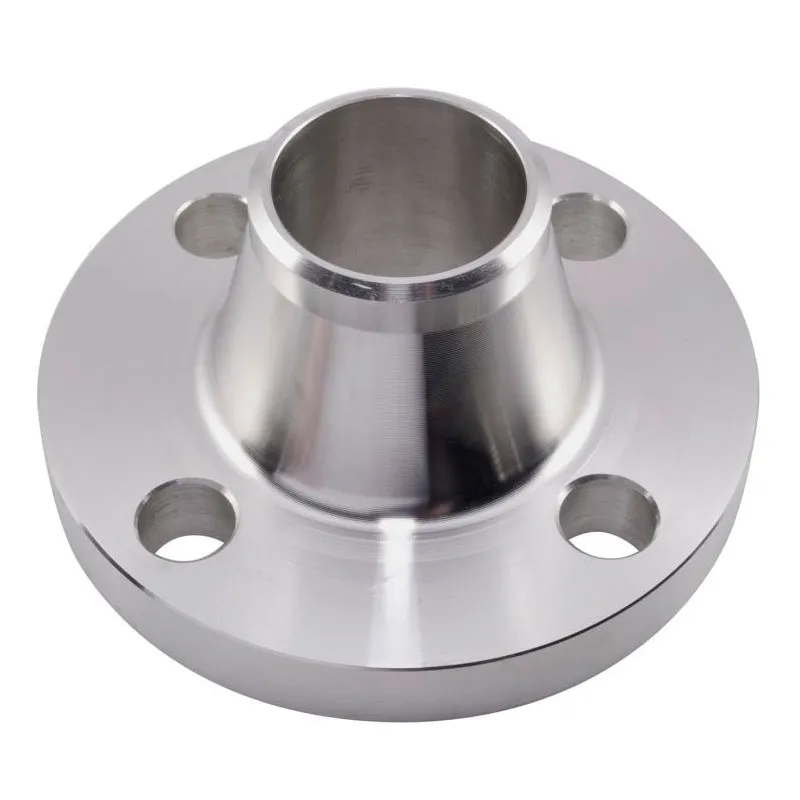
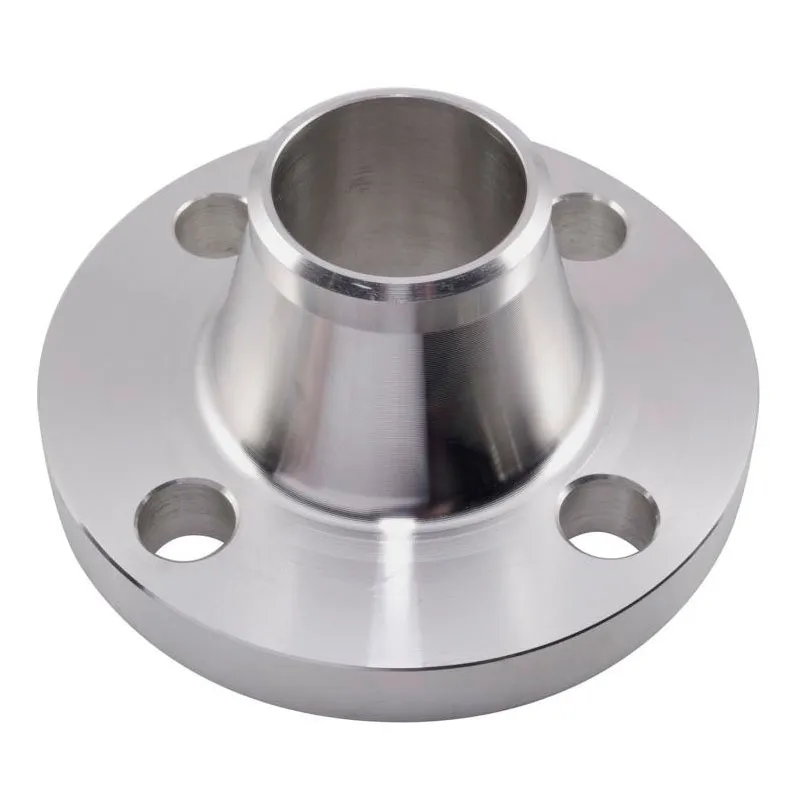
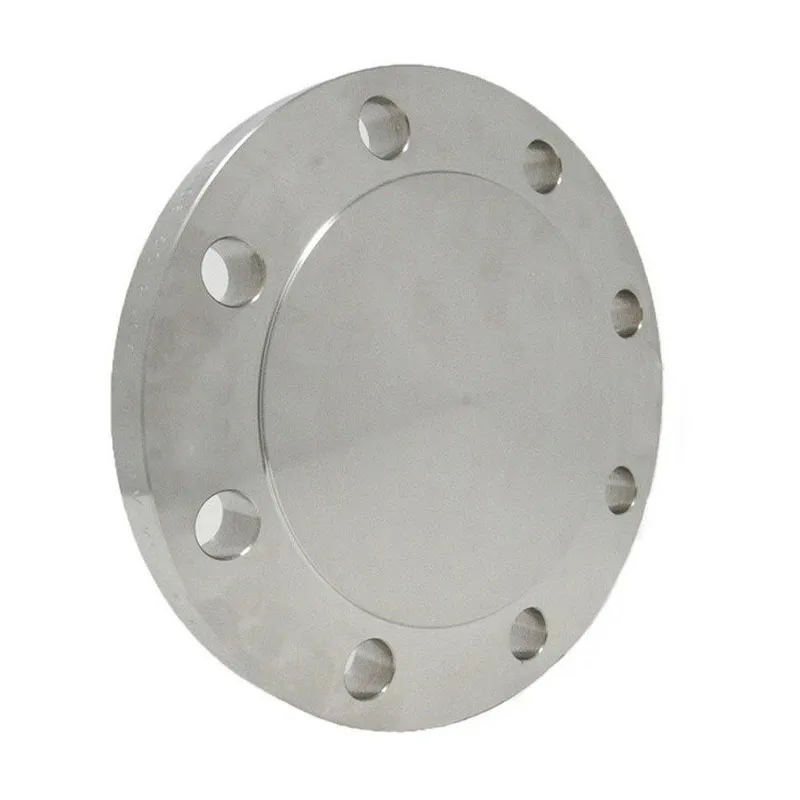
We decided to take a chance with a small batch for a not very important project - reconstruction of the heating network in one of the residential areas. Were neededbutt weld flanges(collar) according to GOST, DN250 and DN300, material St20. Plus several non-standard plugs based on our sketches. The main fear was not even about quality, but about timing and logistics. Chinese colleagues offered two options: production to order (about 45 days) or shipment from a ready warehouse (15 days). For non-standard products, of course, only production.
The process of discussing the terms of reference was difficult due to the language barrier, but not through Google translator, but through their Russian-speaking manager, who clearly understood the terms. He asked about the type of end processing (for a flat gasket or for a tongue and groove), about the need for galvanic coating (we often require galvanizing). This was reassuring. Based on the drawings for non-standard parts, they asked a bunch of clarifying questions about tolerances - where you can use a standard tolerance, and where you need a special one. I even had to call each other.
The biggest surprise came at the customs clearance stage. In the delivery documents (flanges Russiaas the country of destination) there was a small but critical error in the HS code. Their logisticians used a general code for ferrous products rather than a specific one for forged flanges. This caused delays at customs. I had to urgently contact and fix it. Conclusion: even if the manufacturer is experienced in production, you should always personally check all accompanying documents in accordance with Russian rules. They then took this situation into account, and the next time the documents were perfect.
What's the result? Quality, price and long-term prospects
The received flanges passed the incoming inspection at our warehouse. Visually - clean processing, no burrs, clear markings (material, pressure, nominal diameter, factory mark). We measured the geometry - everything is within tolerances. The non-standard plugs also matched. They put us to work. The welders noted that the metal was welded normally, without any strange inclusions, and the seam lay flat. A year and a half has passed and there are no complaints.
The price turned out to be 15-20% more profitable than similar forged flanges from some domestic resellers (which, as it turned out, are also often imported from China, but with markup). But it's not just about the price. Flexibility turned out to be more important. When later you needed it urgentlyflanges are loosewith a larger diameter (DN600), they were able to find the blank in stock and ship it faster than anyone else.
Now I consider them as one of the regular suppliers for projects where a Russian certificate of origin is not required (not for government orders). Their strong point is precisely in custom-made forged products, especially large diameters, up to the very DN4000 that they claim. For standard small flanges, it is easier and faster to work with local warehouses. But when you need a non-standard forging or large sizes -Shanxi Hongkai Forging Co.,Ltdturns out to be a completely workable option. The main thing is to discuss all technical issues down to the smallest detail and not be lazy to check the documents.
Thoughts out loud about the market and the future
The flange market in Russia now is a strange mixture. On the one hand, there are powerful domestic factories, but they are often loaded with large government orders, and it is unrealistic for small and medium-sized businesses to expect anything from them. On the other hand, there are many trading houses that sell “pig in a poke”. Direct supply from foreign manufacturers, especially highly specialized ones like this Chinese forge, is an attempt to escape this uncertainty.
Will this always work? Not a fact. Currency risks, logistical instability, tightening certification requirements - all this complicates the scheme. But the trend, it seems to me, is towards deepening specialization. Not just a “flange supplier”, but a “supplier of large diameter forged flanges made of a specific steel to a specific standard?”. In this sense, positioning Hongkai as a manufacturer of forged products from the center of the forging industry is the right move.
What did I learn for myself? Keyword in the request?flanges Russia? today it is not only the geography of production, but rather, compliance with Russian working conditions: our standards, our climatic requirements, our bureaucratic procedures. And if a foreign manufacturer is ready to understand this and adapt, as in the case of preparing the correct certificates or clarifying GOST approvals, then it has every right to a share of this market. And we, as specialists, can only check everything more carefully and accumulate our experience in order to distinguish professionals from amateurs, regardless of the country on the sign.
Correspondingproducts
Related Products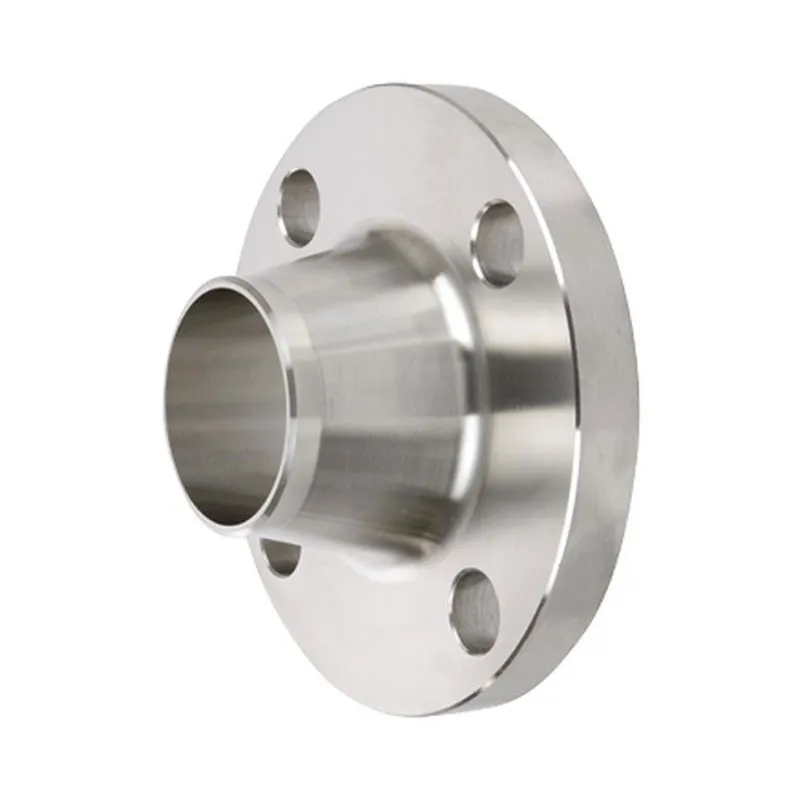
Best Sellingproducts
Best Selling Products-
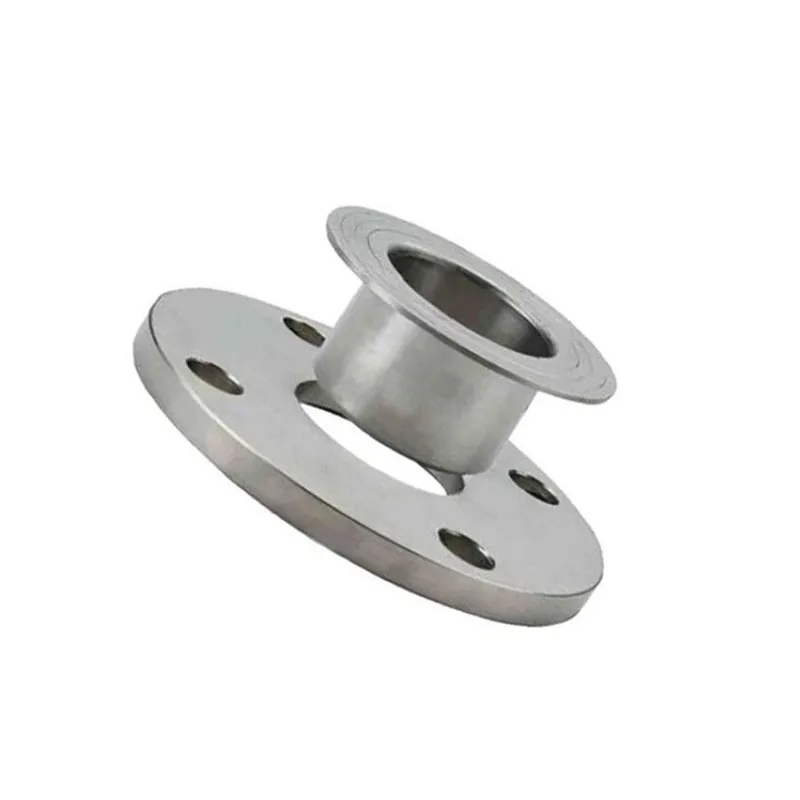 Free ring flanges Class 400
 -
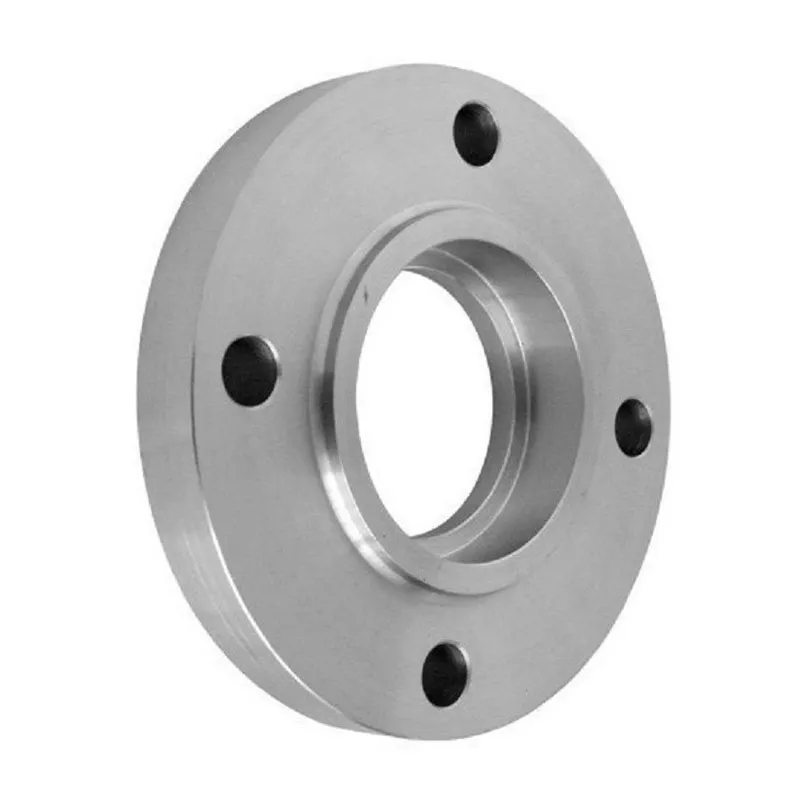 Socket Weld Flanges Class 300
 -
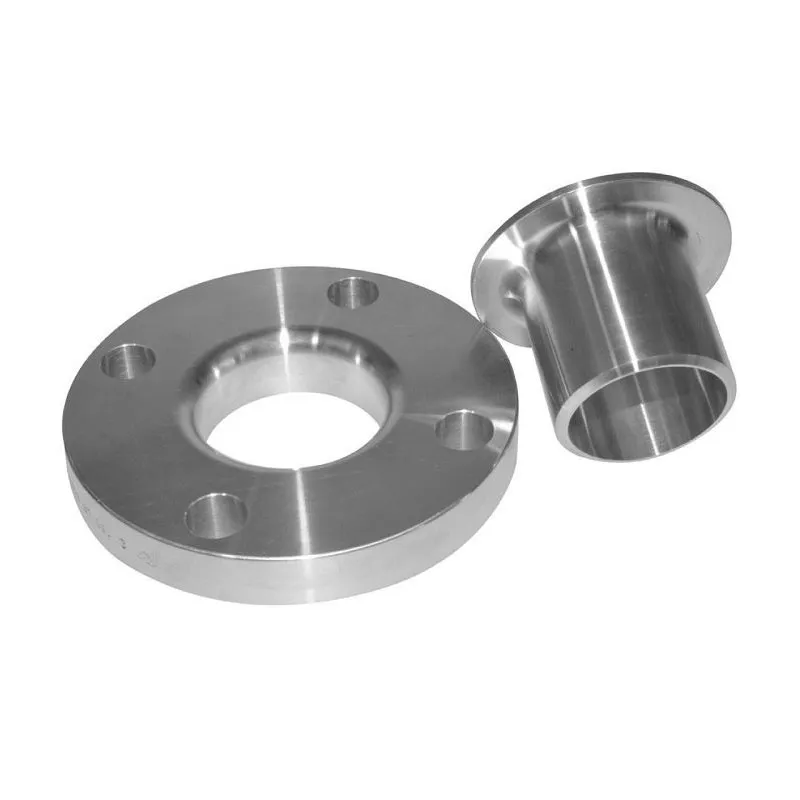 ANSI B16.5 Loose Ring Flanges Class 2500
 -
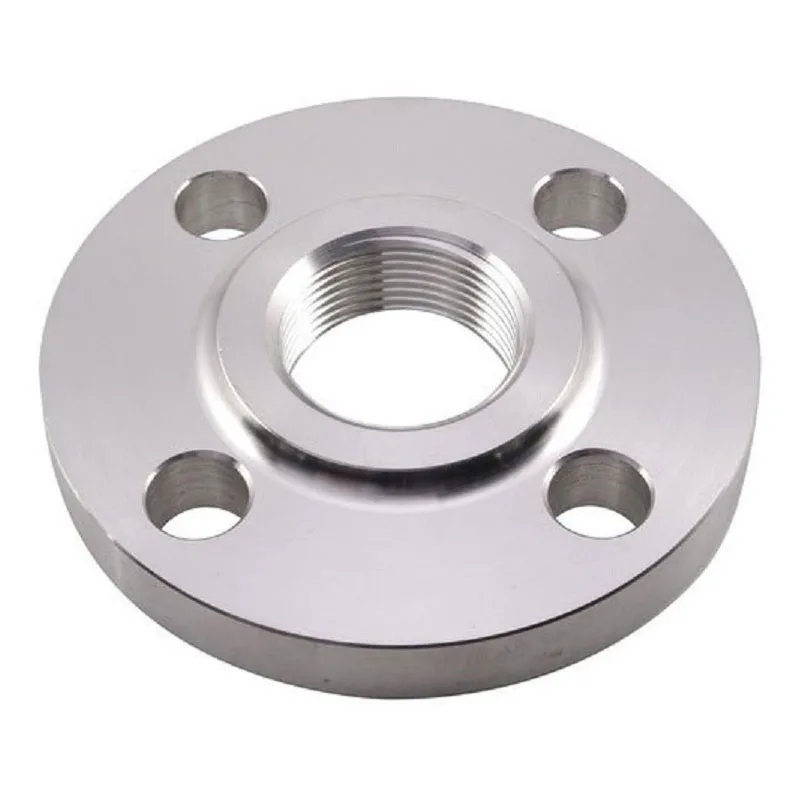 JIS 10K Threaded Flanges
 -
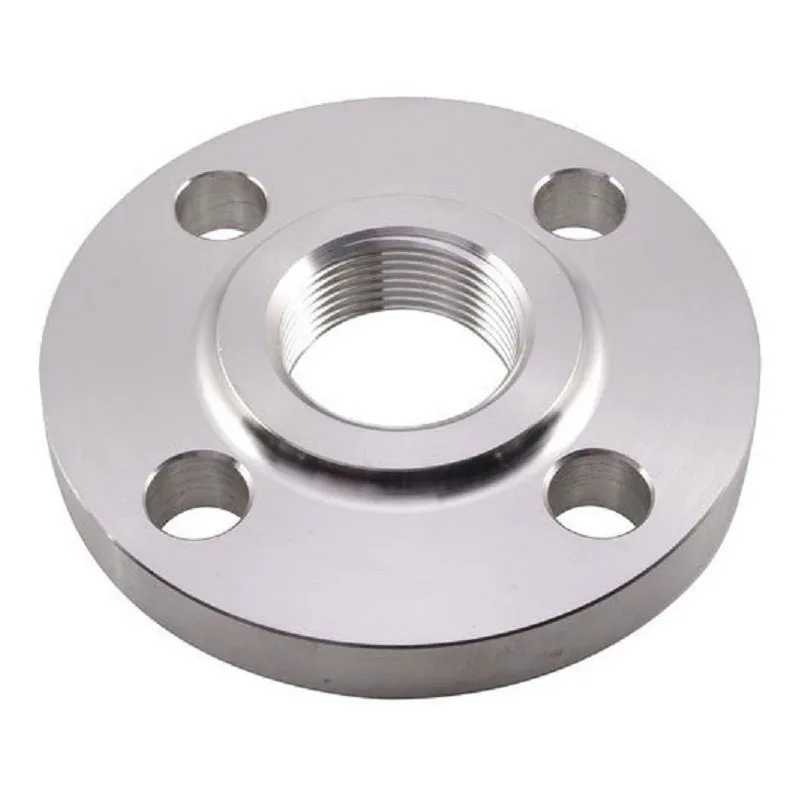 ANSI B16.5 Threaded Flanges Class 600
 -
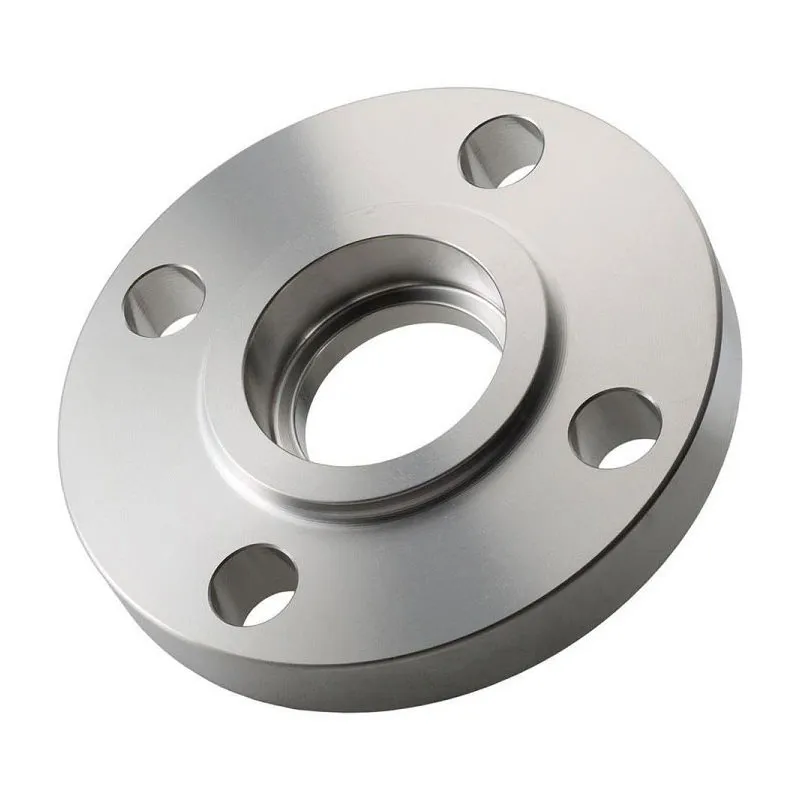 Flanges for socket welding
 -
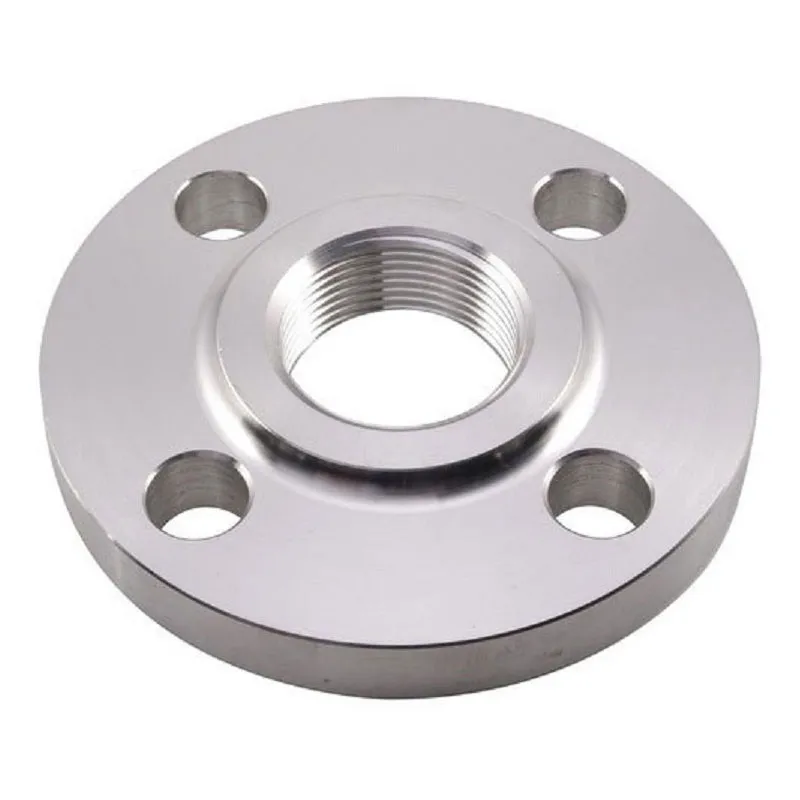 DIN 2565 Threaded flanges PN6
 -
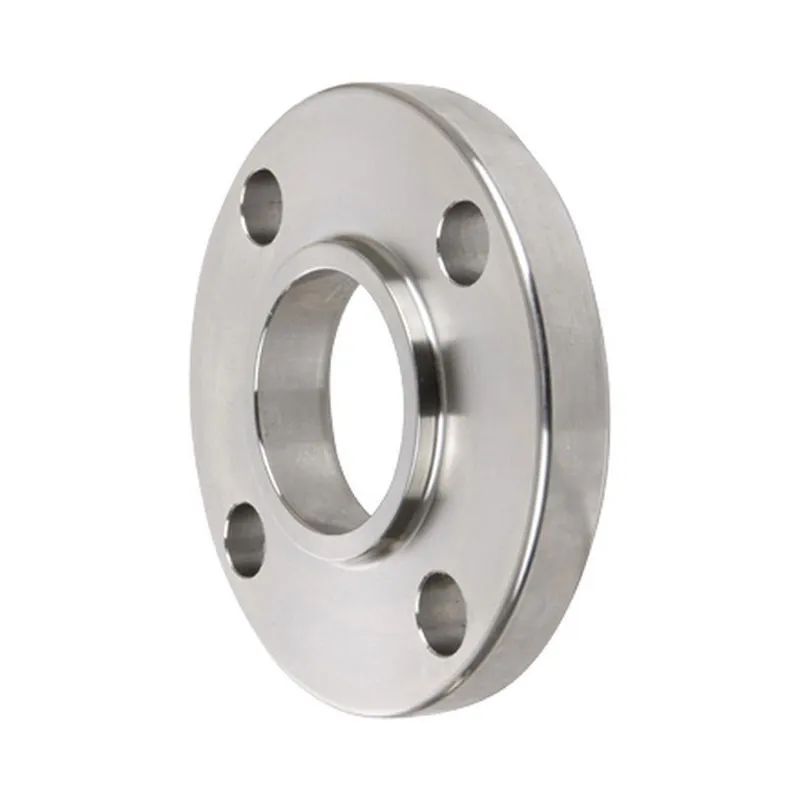 DIN 2501 Overlay flanges PN16
 -
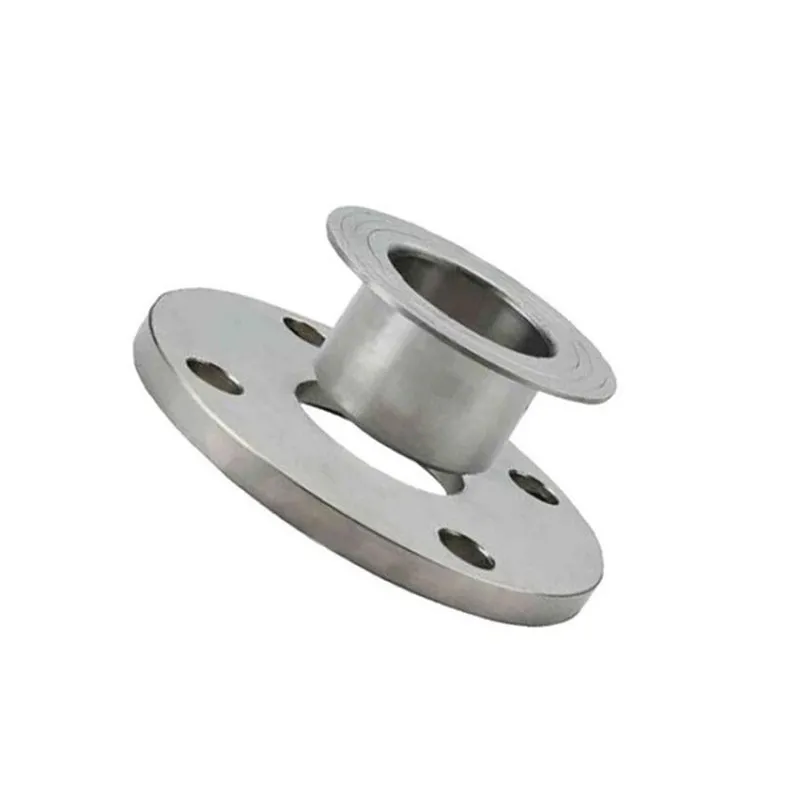 JIS 10K Loose Ring Flanges
 -
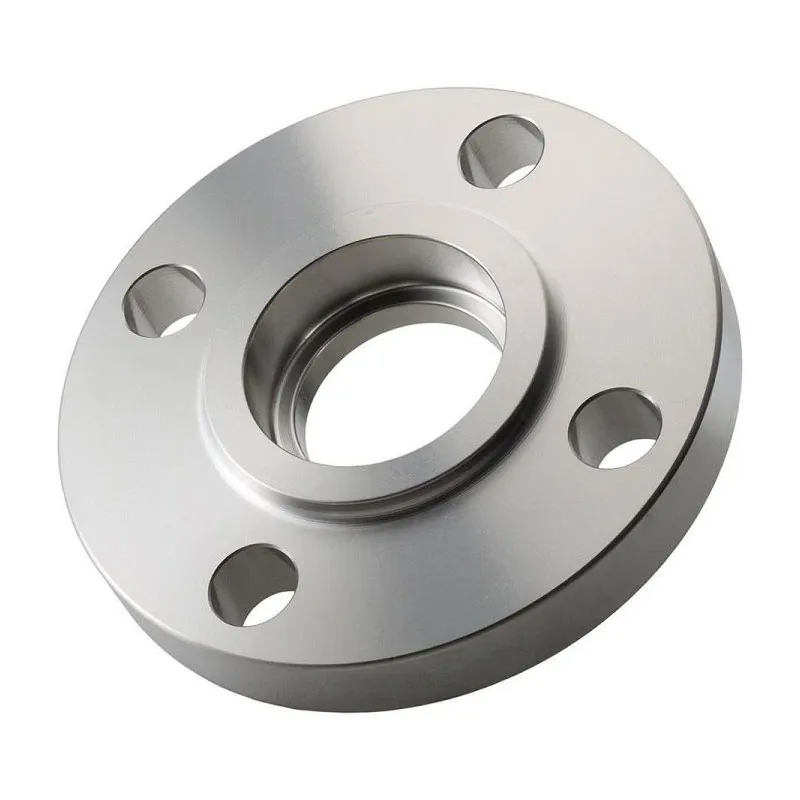 ANSI B16.5 Socket Weld Flanges Class 150
 -
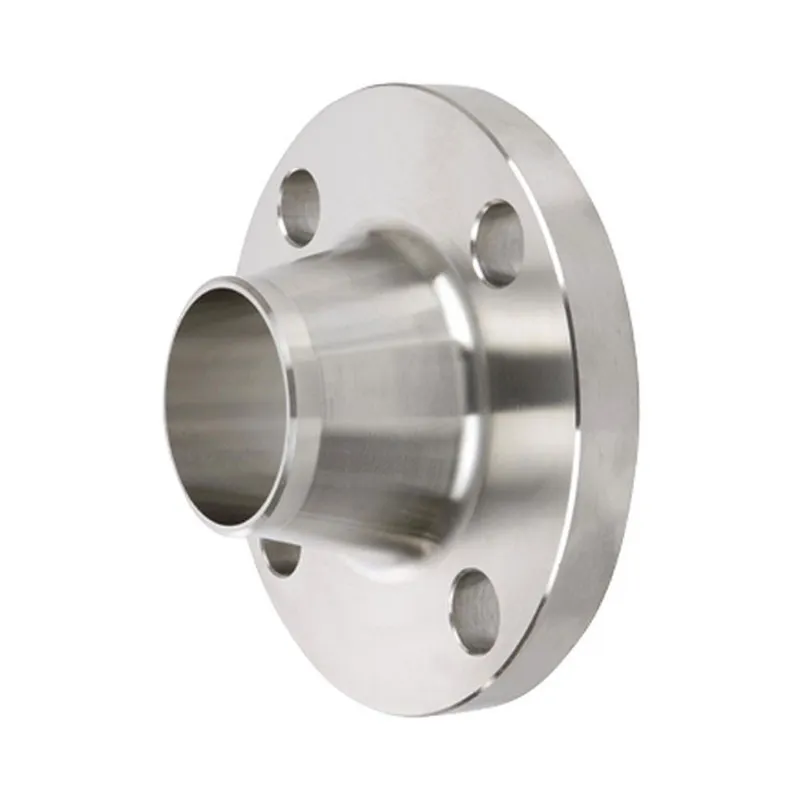 EN 1092-1 Butt weld flanges Type 11, PN25
 -
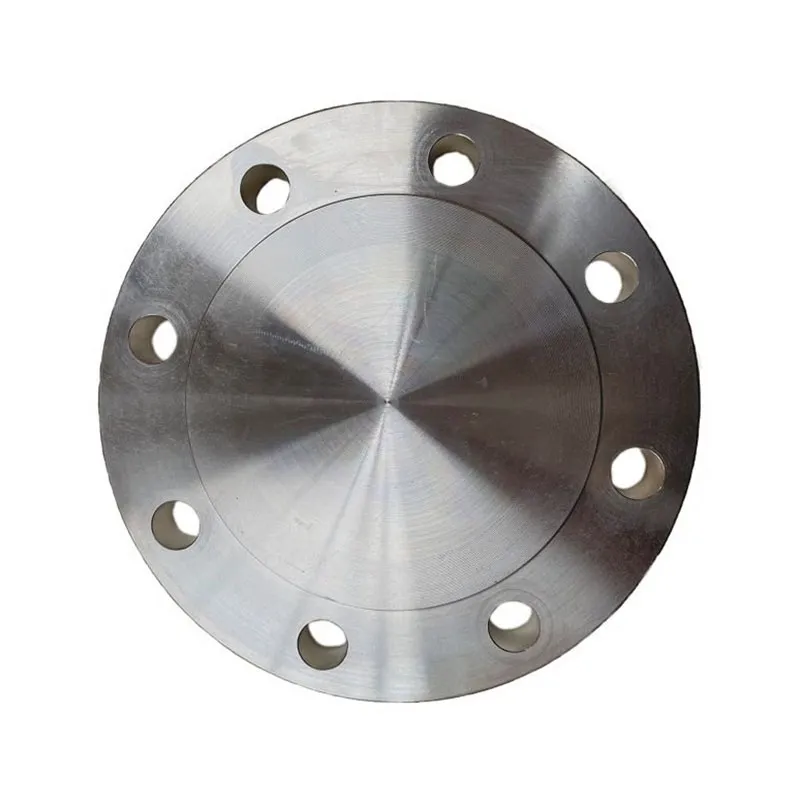 UNI 6092 Blind flanges PN10