
-
-
Phone
+86-13623462298



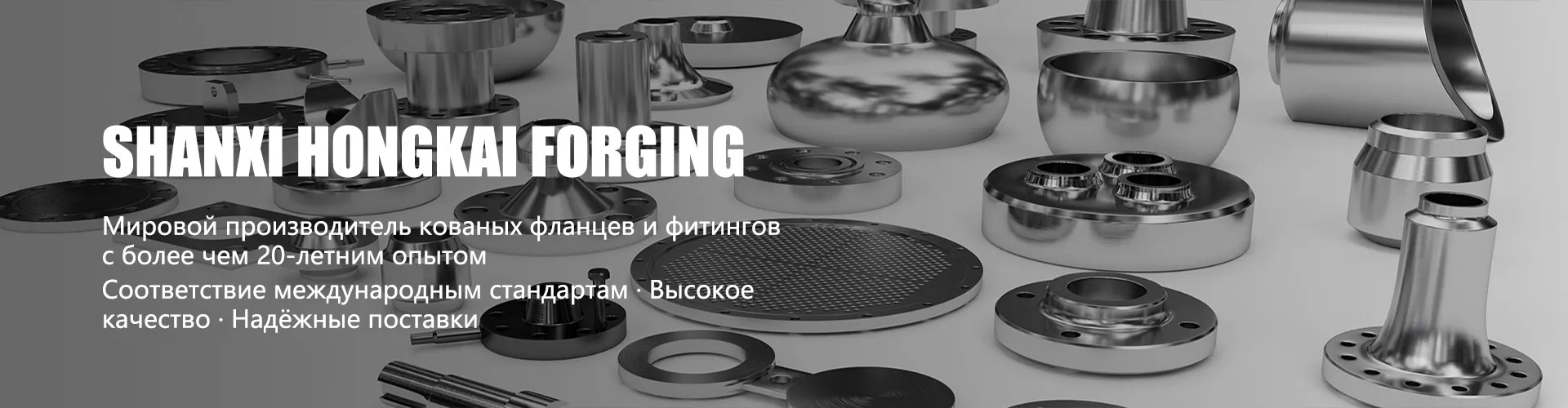
steel flanges type 1
When you hear “steel flanges type 1”, the first thing that comes to mind is probably a flat flange in accordance with GOST 12820-80. This is what many people think, and this is the main pitfall. In practice, especially when dealing with import orders or renovations of older properties, this labeling can be confusing. Type 1 is not only about GOST. For example, we had a case with a supply for modernizing a pipeline at one of the chemical plants near Nizhny Novgorod. The specifications included exactlysteel flanges type 1, but according to the drawings it turned out that we needed products with a chamfer for welding, corresponding rather to EN 1092-1 Type 01. If they had not double-checked, they would have shipped classic flat ones, and there would have been a huge problem with installation. Therefore, now we always clarify: type 1 according to what standard? This is fundamental.
From standard to metal: understanding the basics
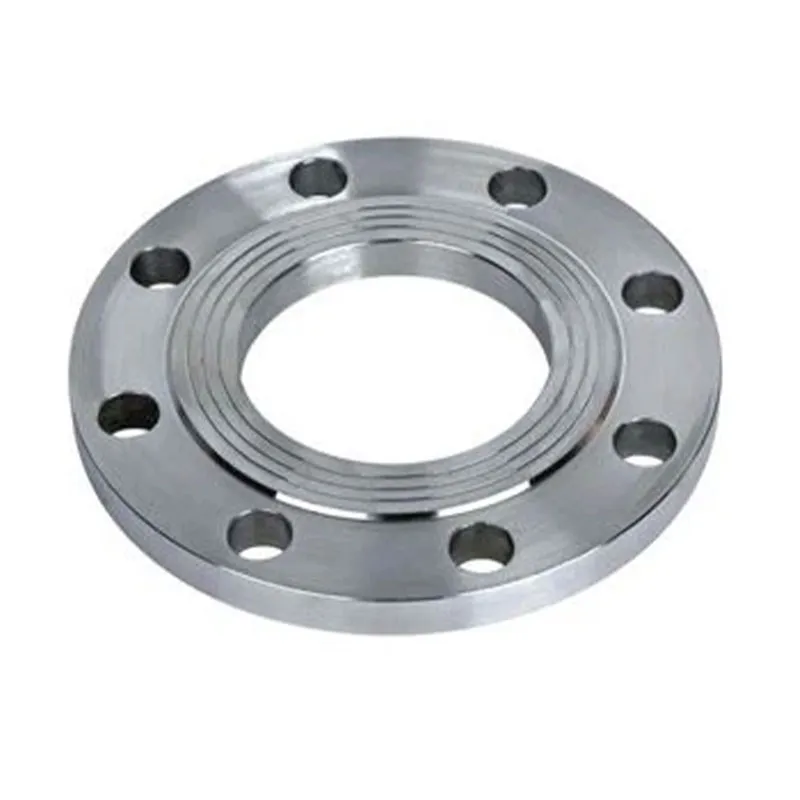
So, if we take our native GOST, thensteel flanges type 1- these are really flat flanges. Structurally, it is a ring with holes for studs and a flat welding surface. It would seem nothing complicated. But here’s a nuance that is often overlooked when ordering: for pressures above 2.5 MPa at temperatures above 300 °C, they can no longer always be used. I saw how at a thermal power plant they tried to install these on a medium-pressure steam pipeline - after six months, leaks began to appear around the perimeter. The reason is insufficient rigidity of the structure during thermal expansion; the flat flange simply “failed”.
As for the material, not everything is clear here either. St3sp, 20, 09G2S - this is a standard set. But for aggressive environments, say, in chemical production, 12Х18Н10Т or even duplex is often required. I remember we onceShanxi Hongkai Forging Co.,LtdWe produced a batch of non-standard Type 1 flanges according to EN from AISI 316L for a client in Europe. A customer from Germany sent his requirements for impact strength at low temperatures (KV min 40 J at -46 °C). The main issue was not the forging itself, but the subsequent heat treatment to achieve these values without losing corrosion resistance. I had to try several modes.
It is in such moments that the difference between simple stamping and high-quality forging is visible. On the websitehkflange.ruThey correctly emphasize that they deal specifically with forgings. These are not just words. During forging, the metal fibers follow the contour of the product, which gives better mechanical characteristics, especially for bending and fatigue. For those same flat flanges that seem simple, this is critical in the transition area from the hub (if there is one) to the rim.
Experience and rake: practical cases with type 1
I’ll tell you about one bad experience that taught me a lot. The order was from a contractor who was building a water treatment facility. The specification includes steel flanges type 1 DN150 to PN16. Everything is standard. We manufactured it according to GOST 12820 and shipped it. A month later - a complaint: the flanges do not fit with the fittings. It turned out that the reinforcement was according to ASME B16.5 Class 150. And this, as it turned out, was a different surface design, different circle diameters of the holes for the studs and, most importantly, a different distance between the holes (PCD). The GOST flange simply did not physically fit onto the reinforcement studs. I had to redo everything. Now we have an iron rule: even if the application says “type 1”, we request a full standard, a drawing, and ideally a sample for verification.
Another point is coverage. Galvanizing (galvanizing) is a common request for protection against atmospheric corrosion. But for flanges that will work in tandem with stainless fittings or in contact with other metals, this can provoke electrochemical corrosion. There was an incident at a food plant where galvanizedsteel flanges type 1We connected a section made of carbon steel with a section made of AISI 304. After a year, pockets of corrosion appeared in the area of the flange connection on the stainless steel. I had to change it to flanges with a polymer coating or originally made of stainless steel.
But the positive case is connected precisely with the possibility of producing non-standard ones. We received a request via the websiteShanxi Hongkai Forging Co.,Ltdfrom an engineering company. We needed a flat flange (the same type 1) of large diameter - DN2200, but with non-standard thickness and additional technological holes in addition to mounting ones. According to GOST there is no such size. We worked directly according to their drawings. The difficulty was in heat treating such a massive forging in order to relieve internal stresses and avoid warping. Normalization was done in an oven with precise control of temperature and holding time. In the end, everything came together perfectly and the facility was launched.
Choosing a supplier: what to look for besides price
Price is, of course, important. But when it comes to connecting elements for pipelines that can operate under pressure, toxic or flammable media, reliability comes to the fore. What do I check when evaluating a manufacturer, the sameHongkai Forging? Firstly, the presence of our own forging and pressing equipment, and not just a machining shop where they work with purchased workpieces. Forging is the basis. Secondly, the laboratory. I definitely ask about ultrasonic testing (UT) of forgings, chemical analysis and mechanical testing. Papers with protocols are not a formality, they are a guarantee.
Secondly, flexibility. Ability to work not only according to standard size tables, but also according to customer sketches. Standardsteel flanges type 1- this is good, but life often makes adjustments. Do you need a flange with a transition to another standard, with a non-standard sealing groove (such as a ring joint), or made of a specific alloy - can the factory do this? Experience suggests that large manufacturers that are focused on mass production often refuse small non-standard orders or charge exorbitant prices and terms for them.
And third is logistics and document flow. Clear deadlines, correct execution of certificates, passports, packaging that will protect the threads and sealing surfaces during transportation. How many times have I seen flanges that arrived at the site with nicks and scratches on the contact surfaces - such a connection will no longer be airtight. Therefore, now we always stipulate the packaging conditions - racks, wooden sheathing, protective plastic plugs.
Looking to the Future: What Else Could Type 1 Be?
The trend in recent years is digitalization and traceability. Increasingly, requirements, especially from Western customers, include a clause on the need to mark each product not just with paint, but by branding or laser engraving. A unique number must be applied to the flange, by which you can find its entire history: the melt from which the metal is made, the results of ultrasonic testing, heat treatment. This is no longer the future, but the present. For products such as forged flanges, this is a logical step towards increased responsibility and trust.
Another trend is weight optimization. Especially for the oil and gas shelf or high-rise construction, where every kilogram counts. The standard flat flange type 1 is a fairly massive product. Now there are developments (and some are already being implemented) of lightweight versions with calculated cavities or modified geometry, but without loss of load-bearing capacity. This requires serious engineering calculations and, again, high-quality forging to ensure strength in new conditions.
Back to the beginning.Steel flanges type 1- this is not always simple and obvious. Behind two words and a number there is a huge layer of technical nuances: standards, materials, media, pressure, installation. A mistake in understanding or ordering can be very costly - both literally and figuratively. Therefore, the main advice that I can give, based on my experience: always go into detail. Request drawings, clarify standards, request test reports. And choose manufacturers who don’t just sell hardware, but understand what it’s for and how it will work. As, in fact, is what the company whose website I mentioned does, there is a sense of a technical, and not just a commercial, approach to business.
Correspondingproducts
Related Products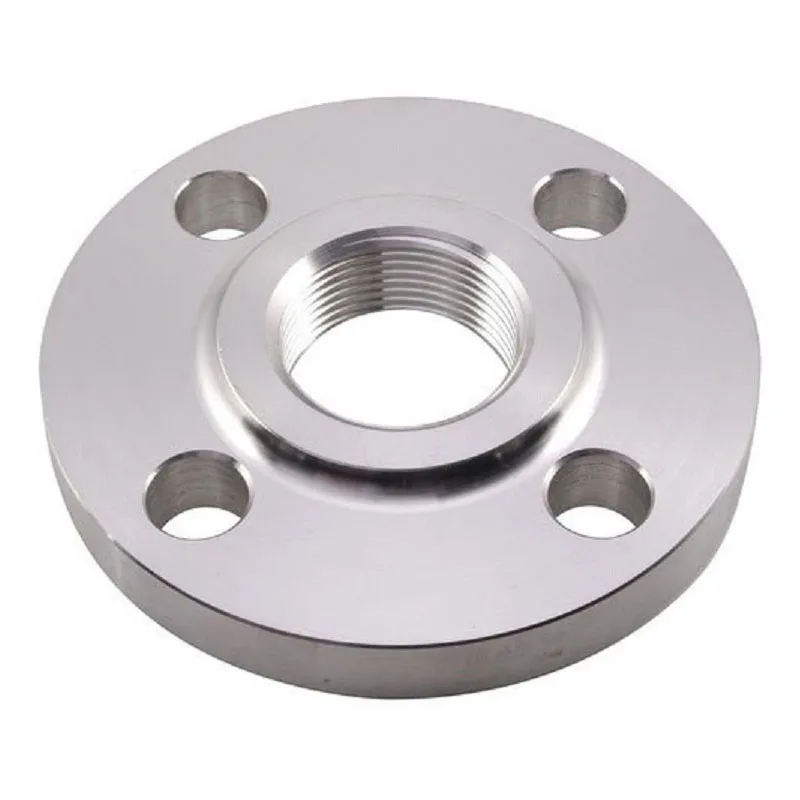
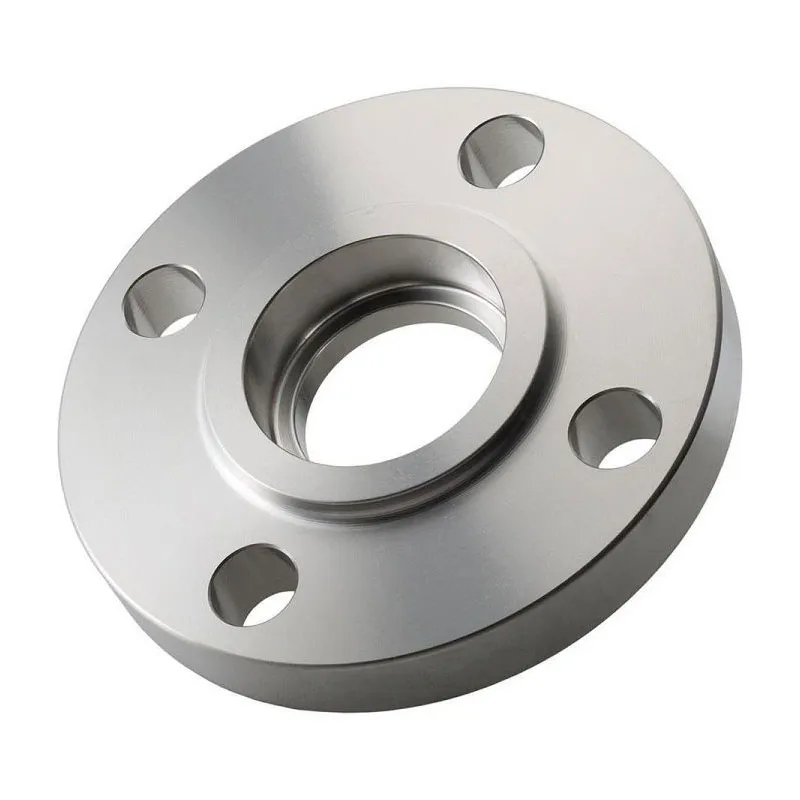
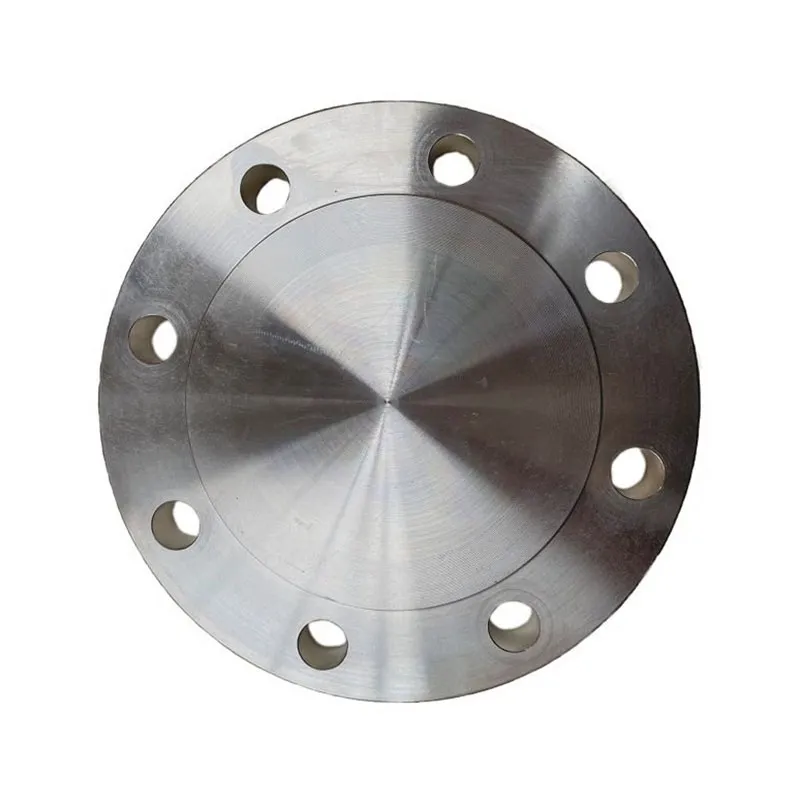
Best Sellingproducts
Best Selling Products-
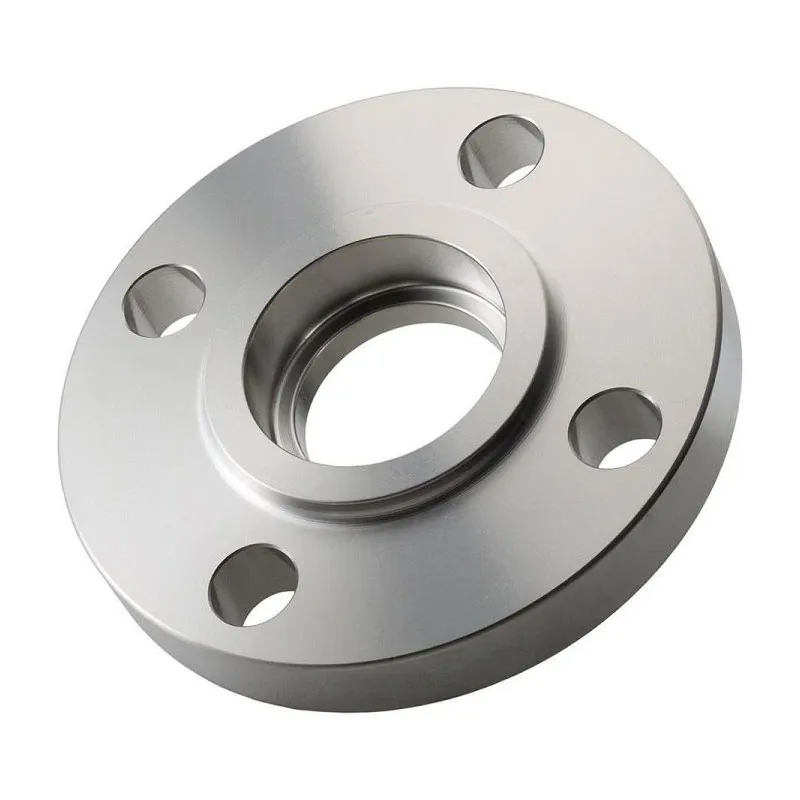 ANSI B16.5 Socket Weld Flanges Class 150
 -
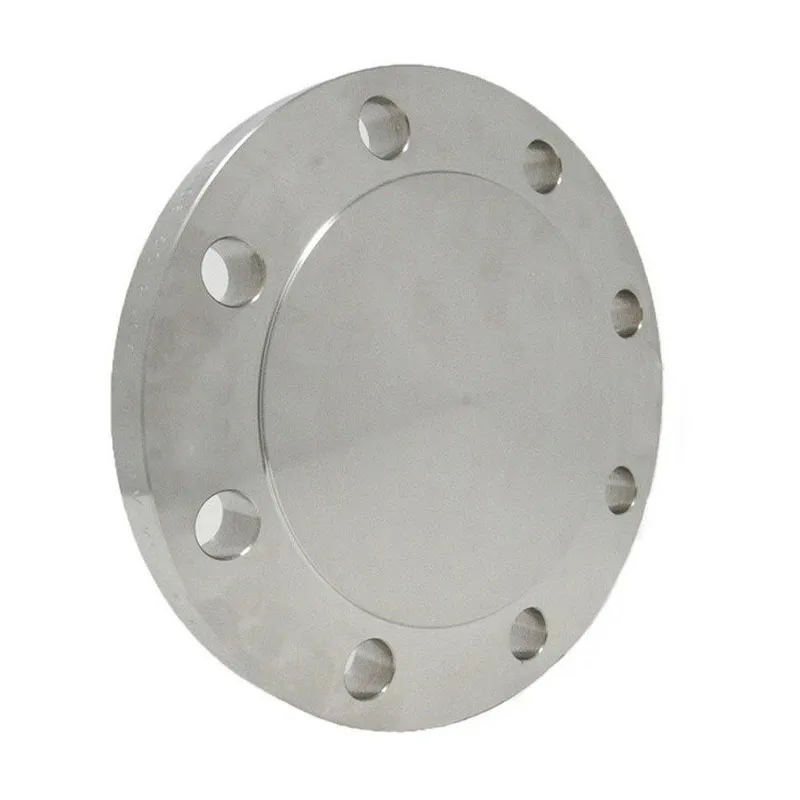 EN 1092-1 Blind flanges Type 05, PN10
 -
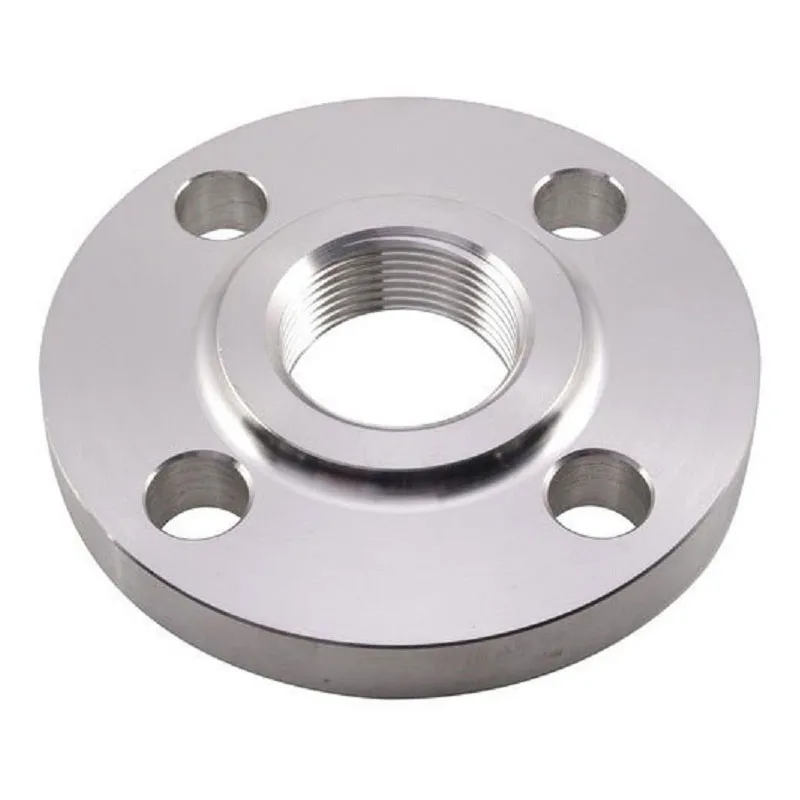 EN 1092-1 Threaded flanges Type 15, PN16
 -
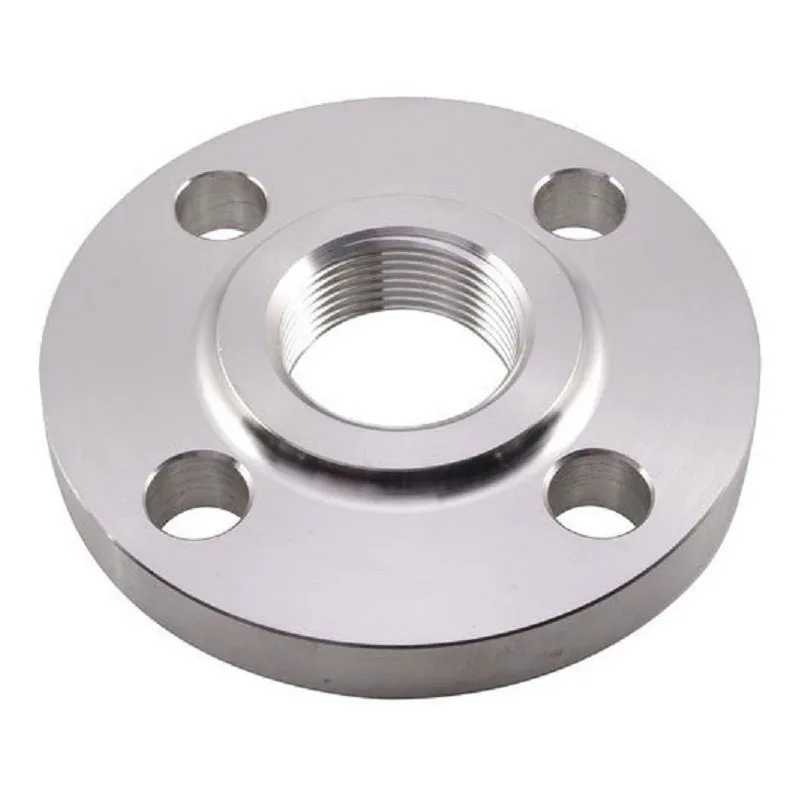 ANSI B16.5 Threaded Flanges Class 600
 -
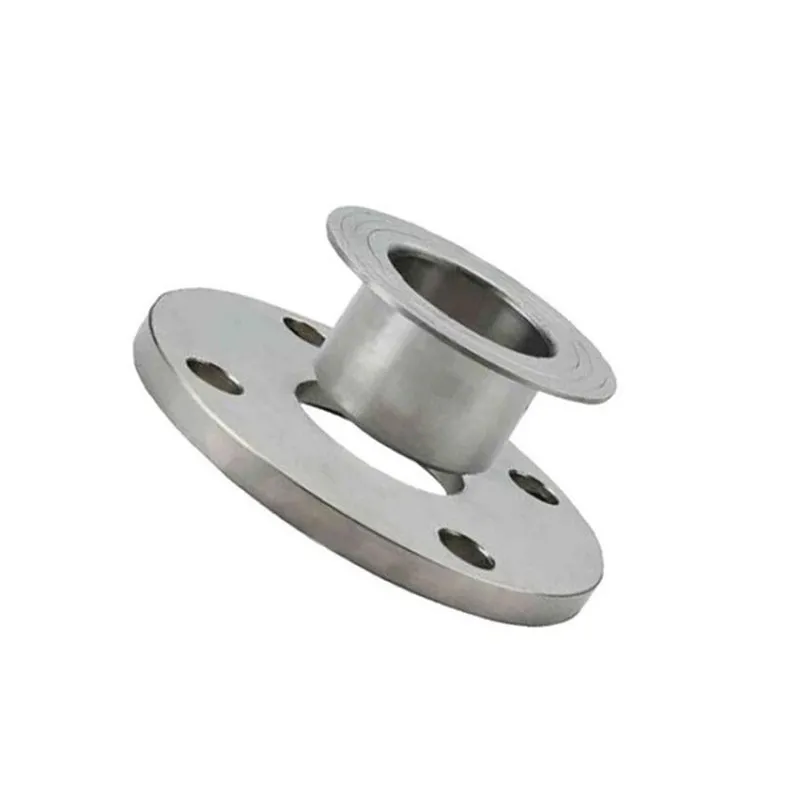 JIS 10K Loose Ring Flanges
 -
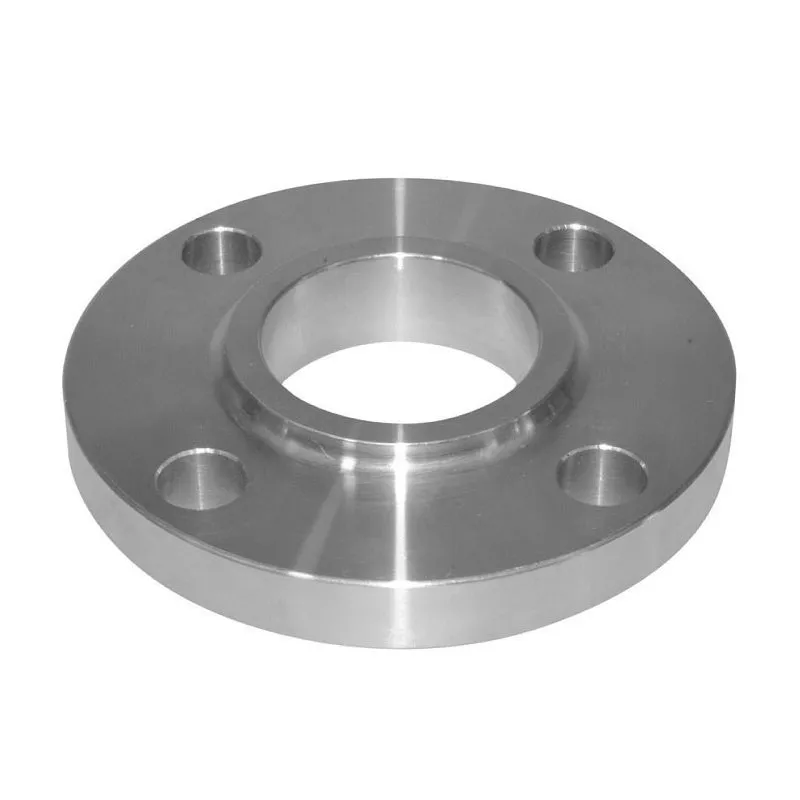 ANSI B16.5 Lap-on flanges Class 1500
 -
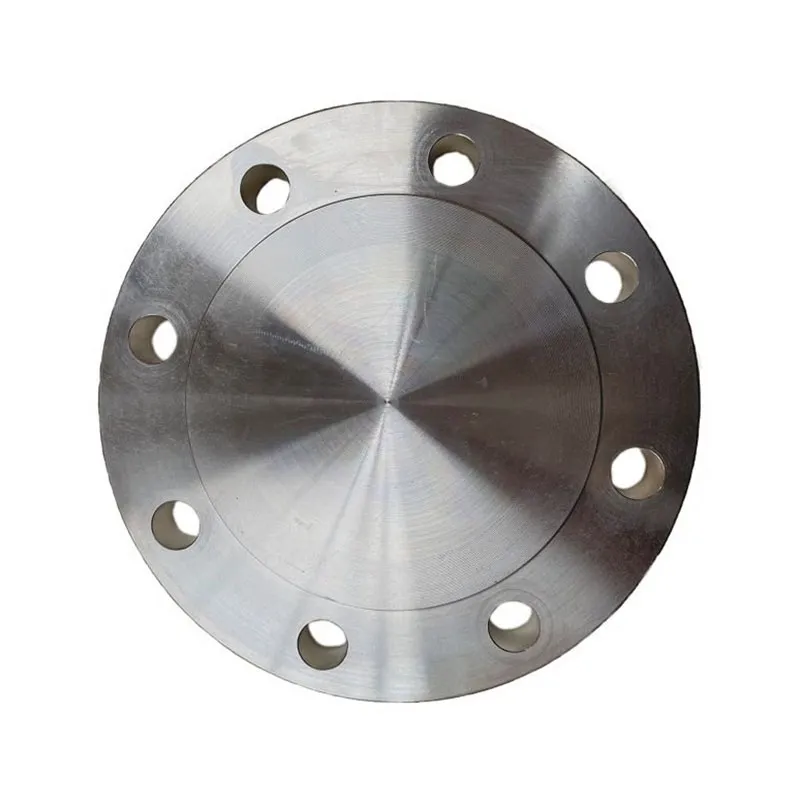 ASME B16.47 Ser.A Blind Flanges Class 400
 -
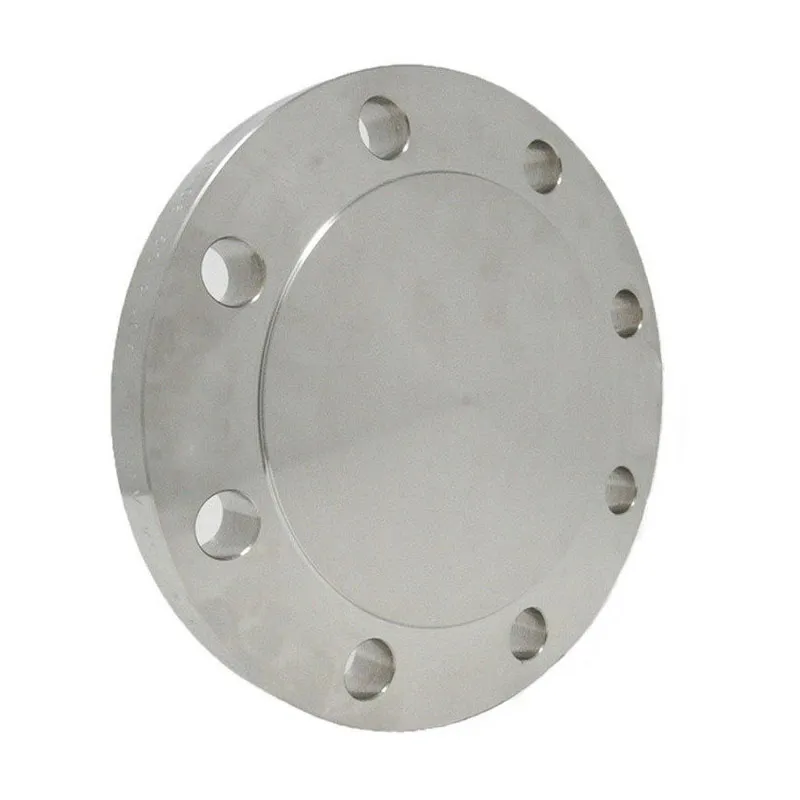 Blind flanges Class 150
 -
 AWWA Blind Flanges Class D (Tables 1, 2, 3)
 -
 Butt weld flanges Class 150
 -
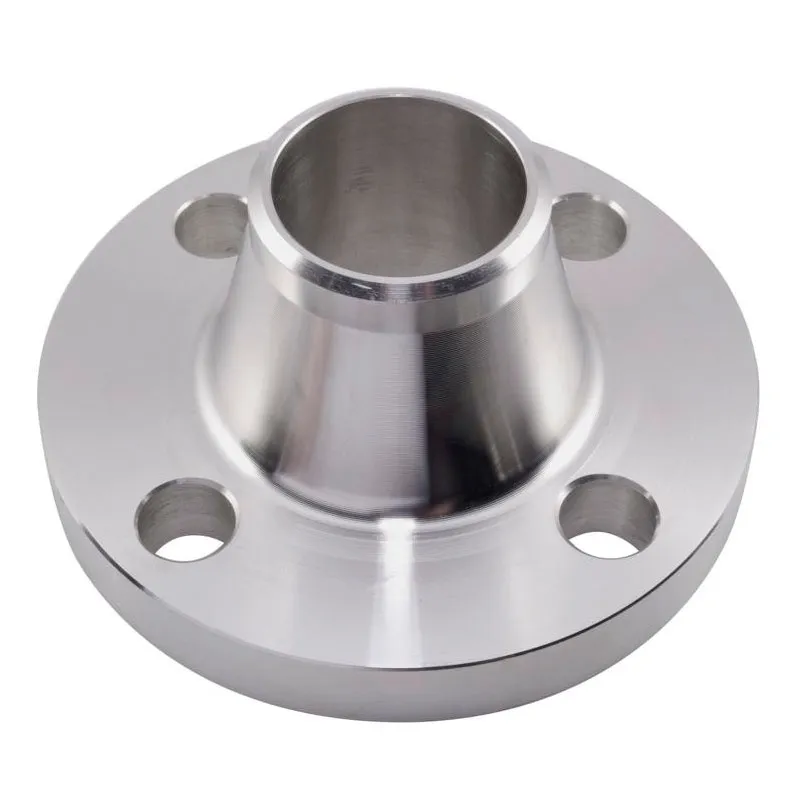 Butt weld flanges Class 900
 -
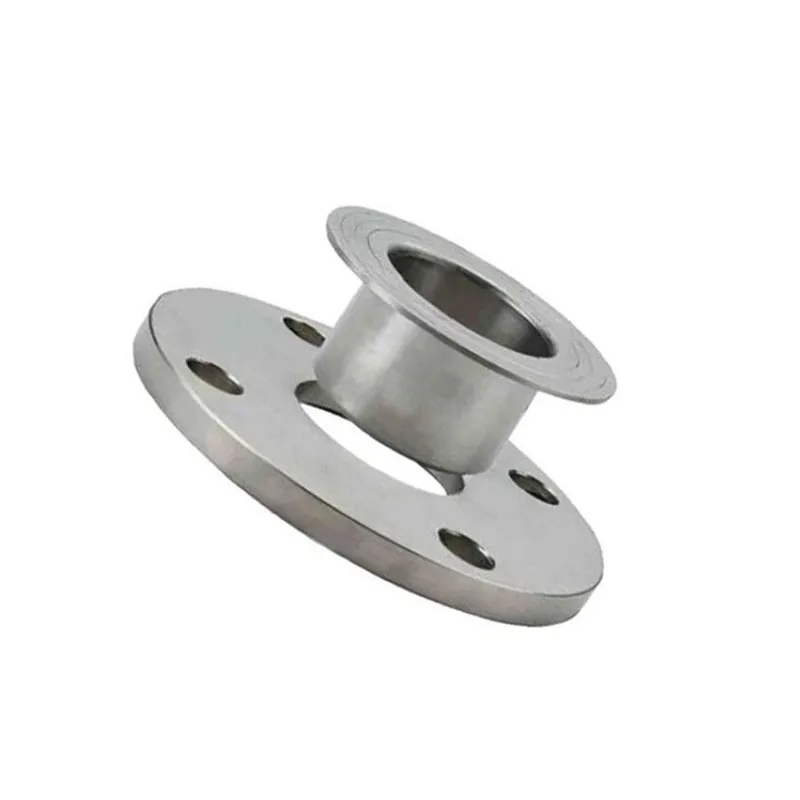 Free ring flanges Class 400