
-
-
Phone
+86-13623462298



flange dn125
When they talk about the dn125 flange, many people immediately think - “standard thing, what’s so complicated about it?” On paper, yes, but when working with it, details constantly emerge that are not highlighted in bold in catalogs. The same nominal diameter of 125 mm is one thing, but the seating surfaces, thickness, and number of holes for the studs already depend on the type and standard. And this is where the fun begins, because under one DN there can be several different “pieces of hardware” hidden, and if you don’t look into it, there will be an inconsistency in the object, in the literal sense of the word.
We understand the types and standards for DN125
Let's take, for example, GOST for butt-welded flanges. For DN125, the dimensions are clearly stated there, but when you start comparing with the same ASME B16.5 for class 150, you find discrepancies in thickness and outer diameter. This is critical if a line assembled using imported fittings is being replaced or modernized. We had a case at one thermal power plant: they installed our flanges, seemingly according to GOST, but the bolt circles did not converge by a couple of millimeters. I had to urgently redo it.
Or here are flat flanges according to GOST 12820-80. For DN125 they are often used in low pressure systems, but it is important to look at the material. If the environment is aggressive, say, some alkaline solutions, then steel 20 or 09G2S may not be suitable; a stainless steel, such as 12Х18Н10Т, is needed. And this is a completely different story in terms of price and production time.
Therefore, when to visit usShanxi Hongkai Forging Co.,Ltda request comes forflange dn125, first of all, we specify not just “flange for 125”, but a full set of parameters: type (butt weld, flat, loose), standard (GOST, ASME, DIN), pressure (PN or Class), material and design of the sealing surface. Without this, even starting a conversation is pointless - you can make the perfect part, but not what the customer needs.
Practical pitfalls during installation and selection
One of the common problems that you encounter in practice is the quality of the end surfaces. Let's say the flange is made in full accordance with the drawing, the geometry is consistent. But if there are small scratches or risks from processing on the surface, the seal (paronite, fluoroplastic) may not provide a tight seal. This is especially sensitive for high pressure or vacuum connections. We have to demand special control over finishing processing from production, sometimes even polishing.
Another point is compatibility with counter fittings. Often the customer sends a request for a flange according to his drawing, taken from an old, already working unit. And there may be their own people there, “established?” years of deviation. We always recommend that you provide a physical sample for measurement if possible. It's more reliable. Because making an exact copy from a worn-out drawing is always a risk.
By the way, about non-standard solutions. DN125 sometimes requires flanges with a non-standard hole pattern or with additional technological bosses. Our production, which is specifically focused on forging, allows us to produce such things without problems. The main thing is to have a clear technical request. For example, we made an adapter flange from DN125 to DN100 with offset axes for one chemical plant - we solved the problem of joining the old and new sections of the pipeline.
Material is the basis of reliability
The choice of steel grade is, perhaps, 70% of success for the further service of the flange. For standard conditions (water, low-pressure steam), carbon steel 20 or 25 is often used. But if we are talking about the oil and gas or chemical industries, then the requirements for impact strength and resistance to hydrogen sulfide cracking come into force. Then we look towards alloy steels of type 09G2S or even 12Х18Н10Т for corrosive environments.
Our companyShanxi Hongkai Forging Co.,Ltd, works with this entire range of materials. Forging, as a manufacturing method, gives a good dense metal structure, which is especially important for products operating under variable loads. For the sameflange dn125, which is located at a pumping station with constant vibration, this is a fundamental point - the cast workpiece may not withstand it.
We had a prototype made of 30ХМА steel for high-temperature parameters. The customer tested it on a stand with cyclic heating and cooling. As a result, they came to the conclusion that for their specific conditions they still needed a different brand, with a higher chromium content. This is a normal work story - it doesn’t always work out the first time, it’s important to have a dialogue and be able to quickly adjust production.
Quality control: from procurement to packaging
Many people think that since the flange is a simple part, then there is nothing special to control there. This is a misconception. Control begins with a metal certificate, then there is a check of the geometry of the forging blank. After machining, it is mandatory to check all dimensions, especially bolt hole diameters and alignment.
A mandatory step is hardness testing (usually Brinell) and ultrasonic testing to identify internal defects. This is especially true for critical facilities. We do all this in our laboratory, the data is entered into the product passport. Without this passport, the flange does not leave the factory.
And the last thing is labeling and packaging. Each flange must be clearly marked: diameter, pressure, steel grade, manufacturer's mark. We pack in wooden boxes protected from moisture so that when delivered, say, to the port of Vladivostok, rust does not appear. It's a small thing, but it shows the attitude towards the product as a whole.
Where and how DN125 is used, based on experience
This size is one of the most popular in utilities and general industry. Water supply pumping stations, heating points, workshop ventilation systems - it is found everywhere. Often paired with valves or gate valves of exactly this nominal size.
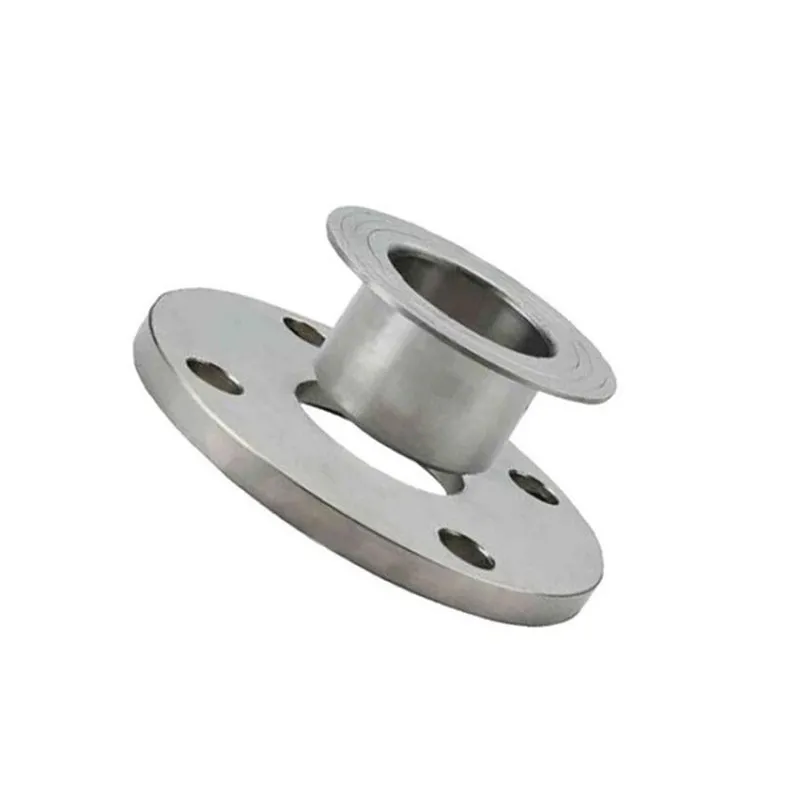
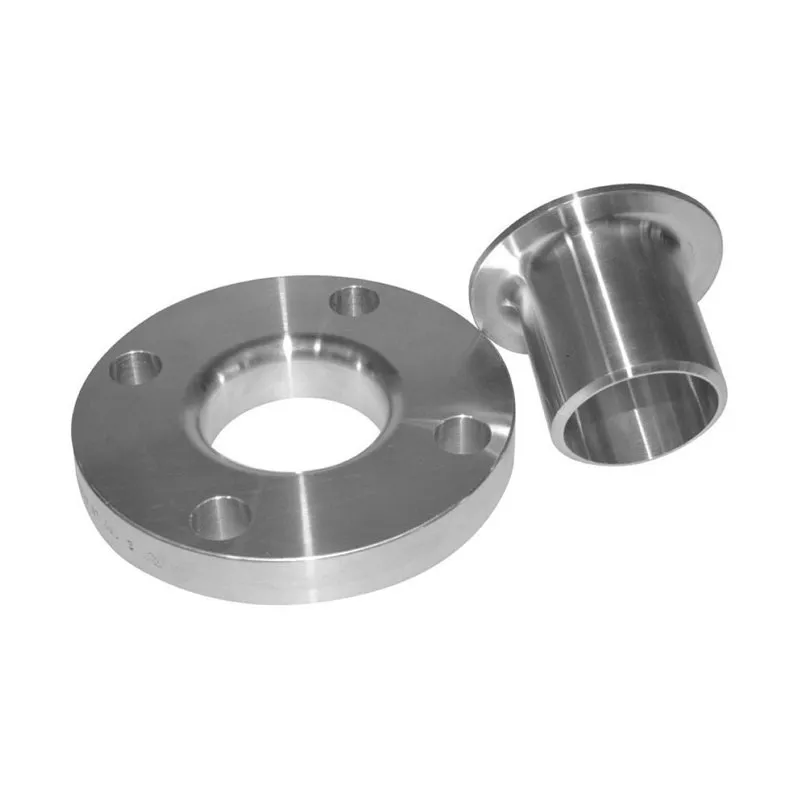
An interesting case was with a machine-building plant. They needed loose flanges onflange dn125for quick release connections on test benches. There, the key requirement was minimum weight while maintaining strength, since operators had to frequently remove and install them. They made it from a lightweight forging, processed it, and the client was satisfied.
In general, to summarize, working with a DN125 flange is always a story about attention to detail. It seems that everything is simple and clear, but it is precisely in this “simplicity”? and there are hidden pitfalls that can only be learned through practice. The main thing is not to strive for universality, but to clearly understand in what conditions the product will work, and prepare it for these conditions. Our task as a manufacturer is not just to sell a piece of hardware, but to ensure that this piece of hardware falls into place and works without problems for many years. You can always find out more about our approach to manufacturing athttps://www.hkflange.ru— there is all the information on standards, materials and production capabilities, right down to non-standard forgings according to drawings.
Correspondingproducts
Related Products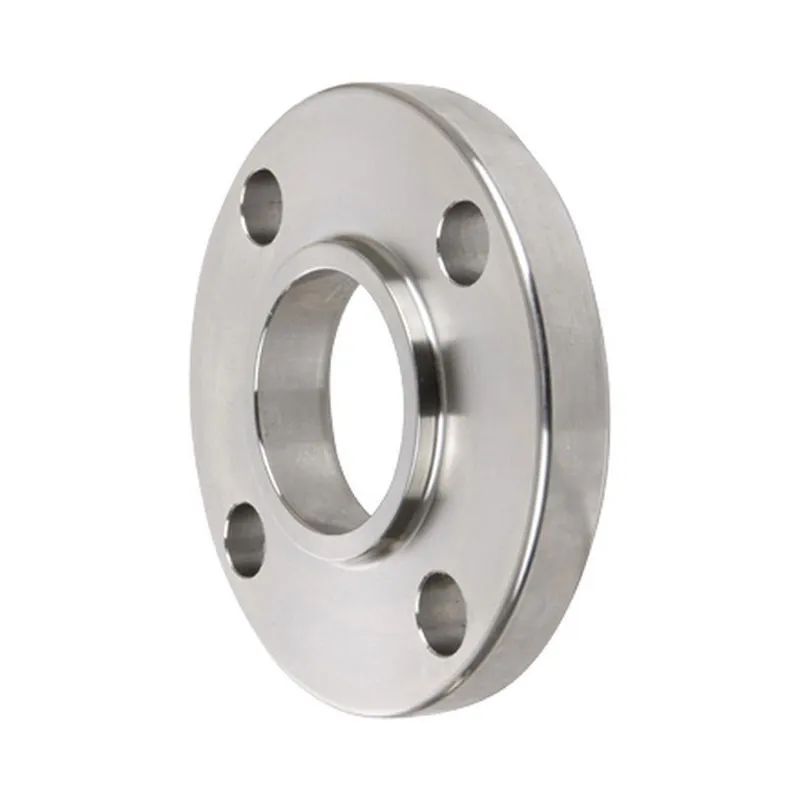
Best Sellingproducts
Best Selling Products-
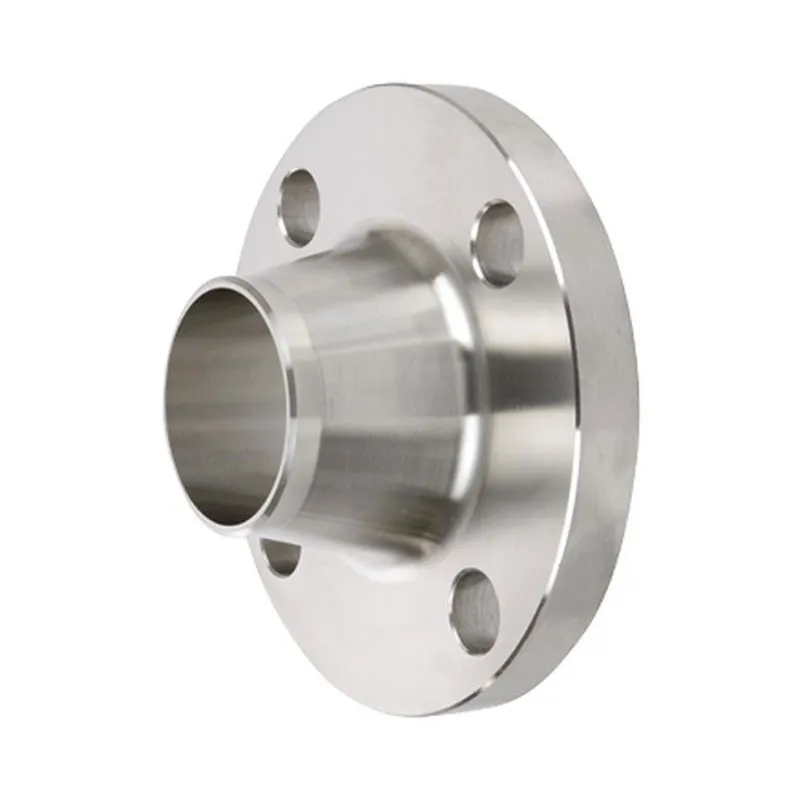 Ser.A Butt Weld Flanges Class 400
 -
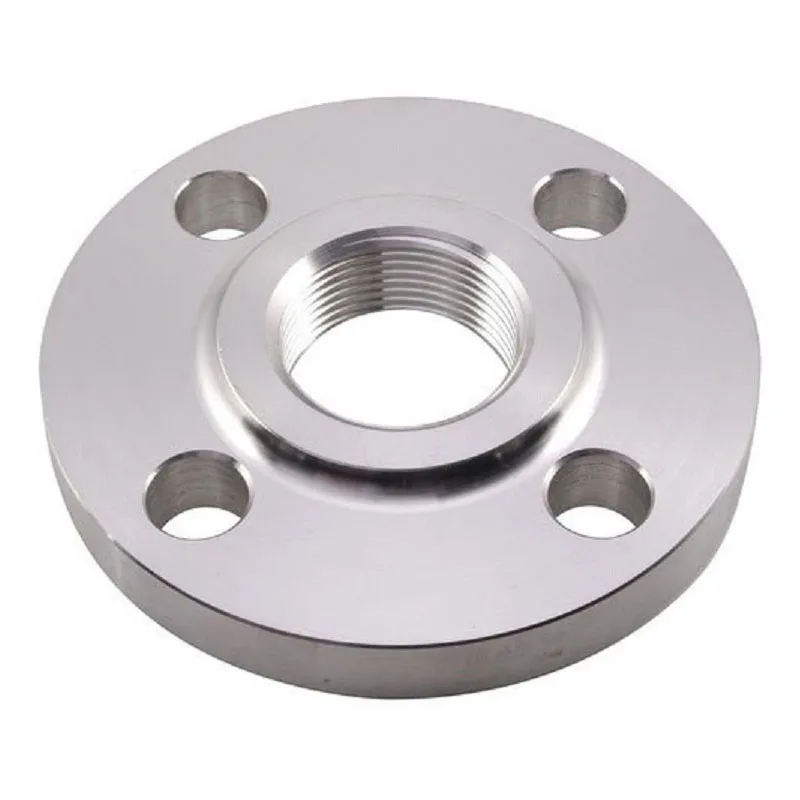 DIN 2566 Threaded flanges PN16
 -
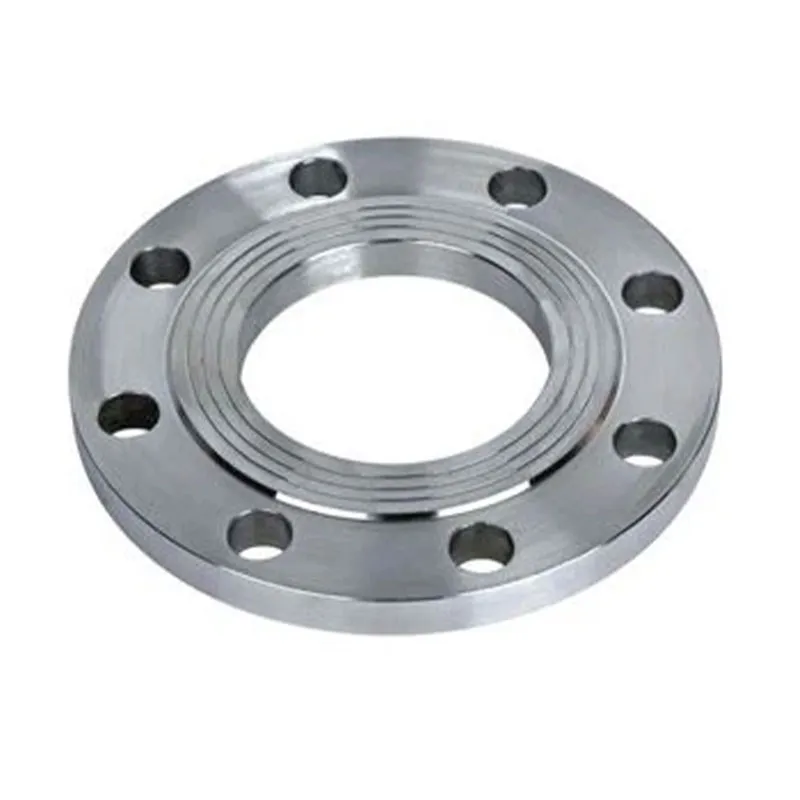 Butt weld flanges Class 150
 -
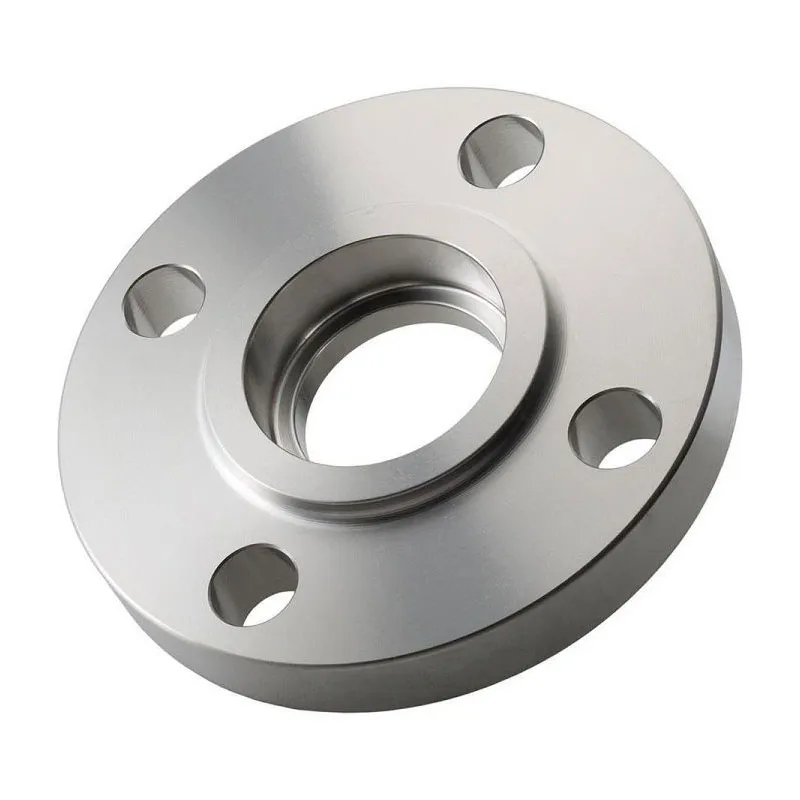 ANSI B16.5 Socket Weld Flanges Class 1500
 -
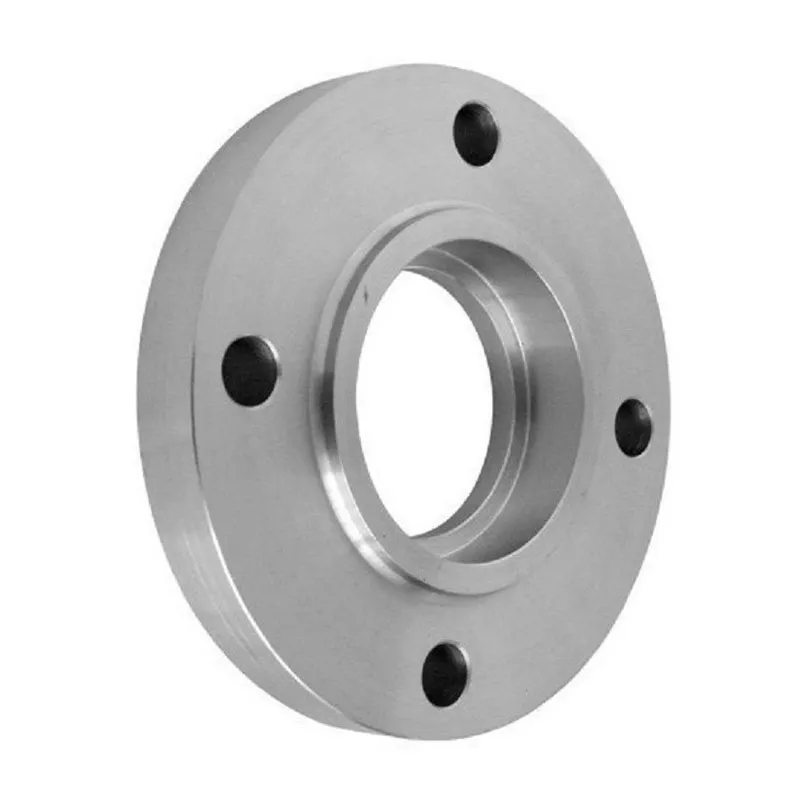 Socket Weld Flanges Class 300
 -
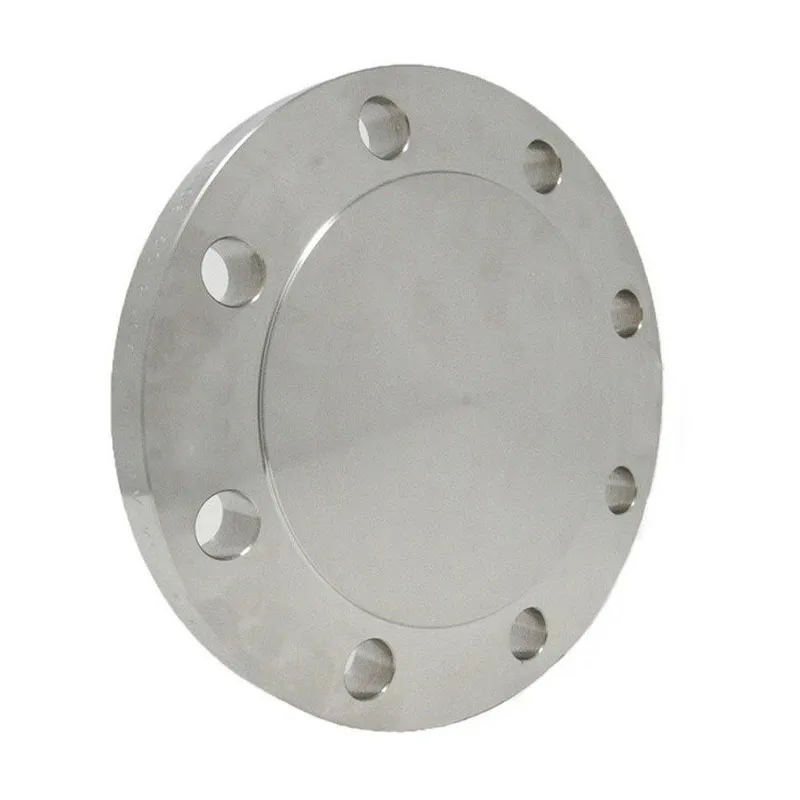 EN 1092-1 Blind flanges Type 05, PN10
 -
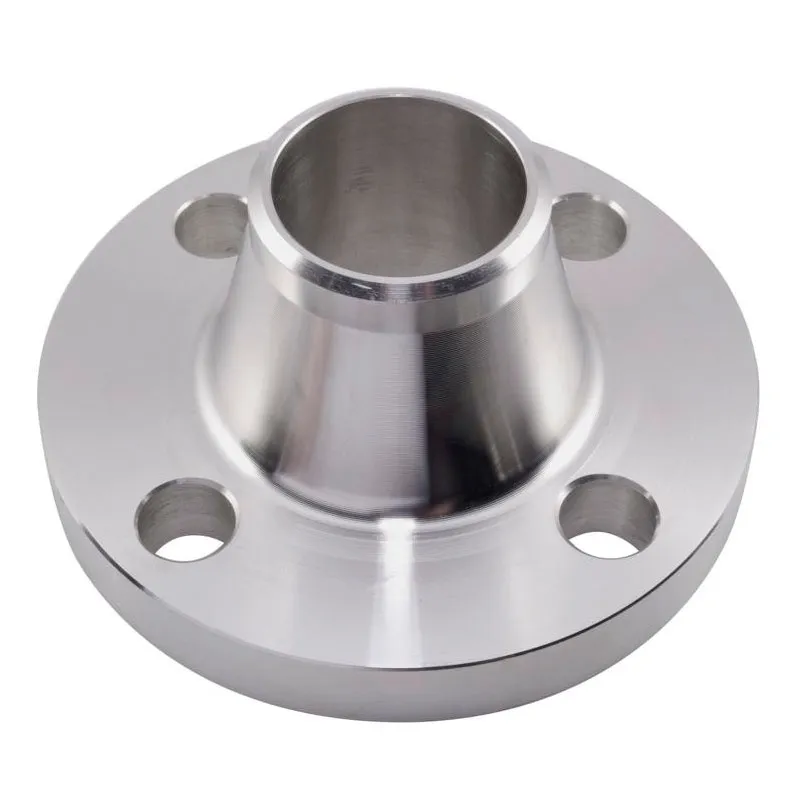 Butt weld flanges Class 900
 -
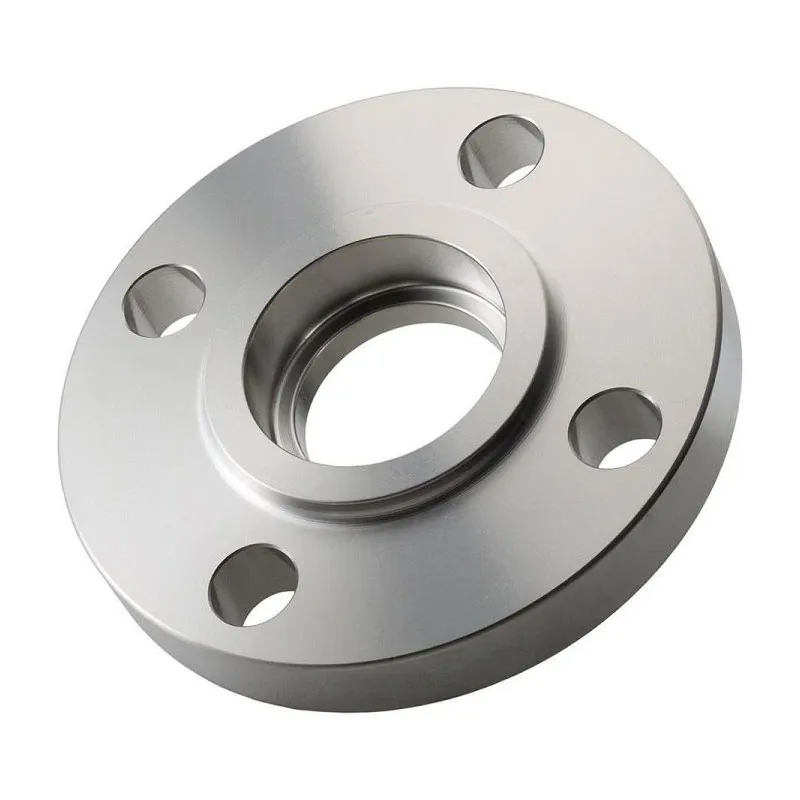 ANSI B16.5 Socket Weld Flanges Class 150
 -
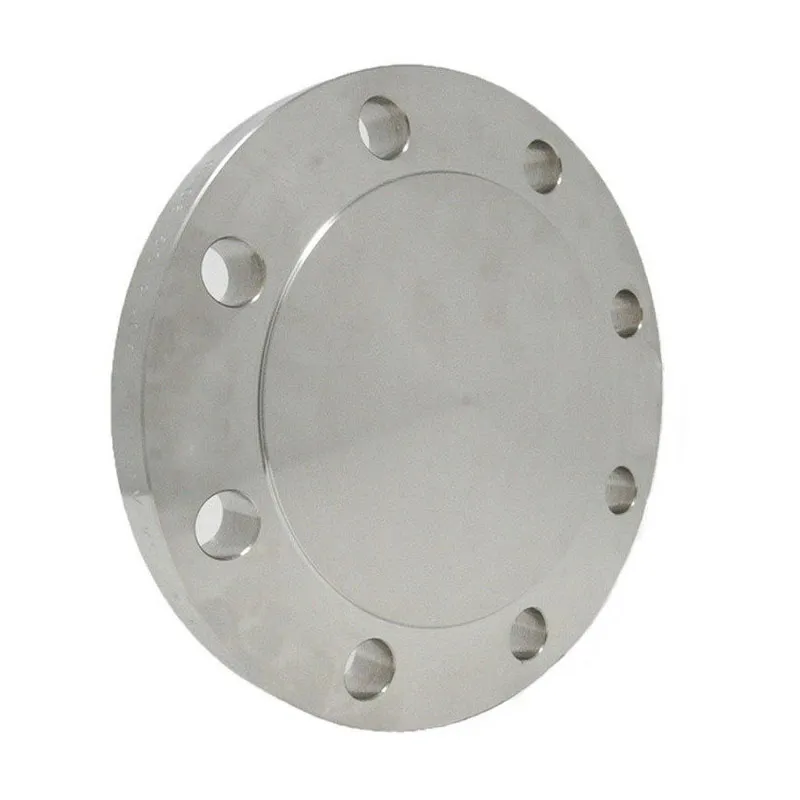 Blind flanges Class 150
 -
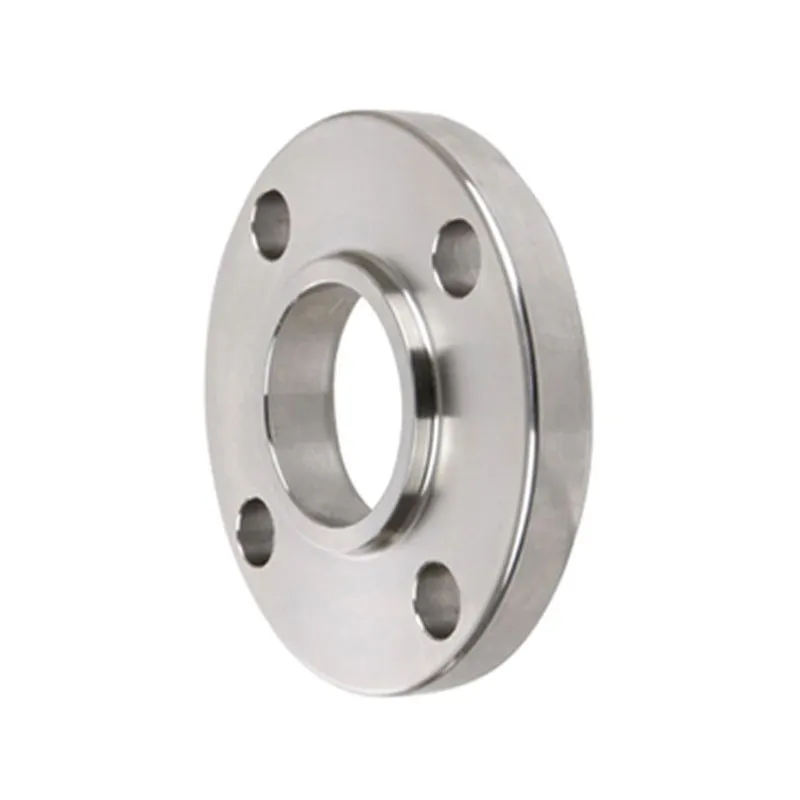 ANSI B16.5 Lap-on flanges Class 300
 -
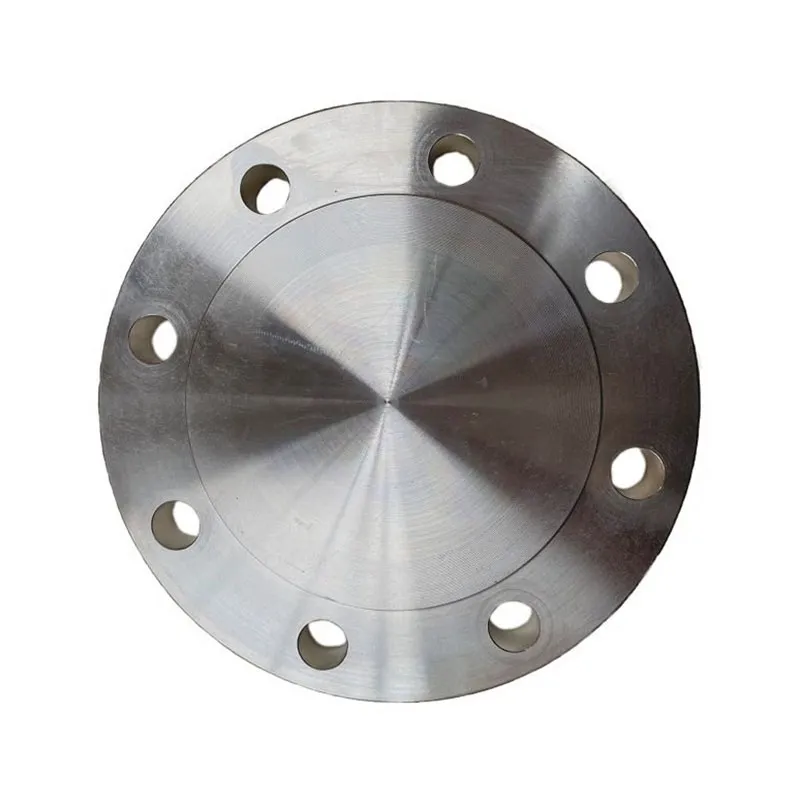 ASME B16.47 Ser.A Blind Flanges Class 400
 -
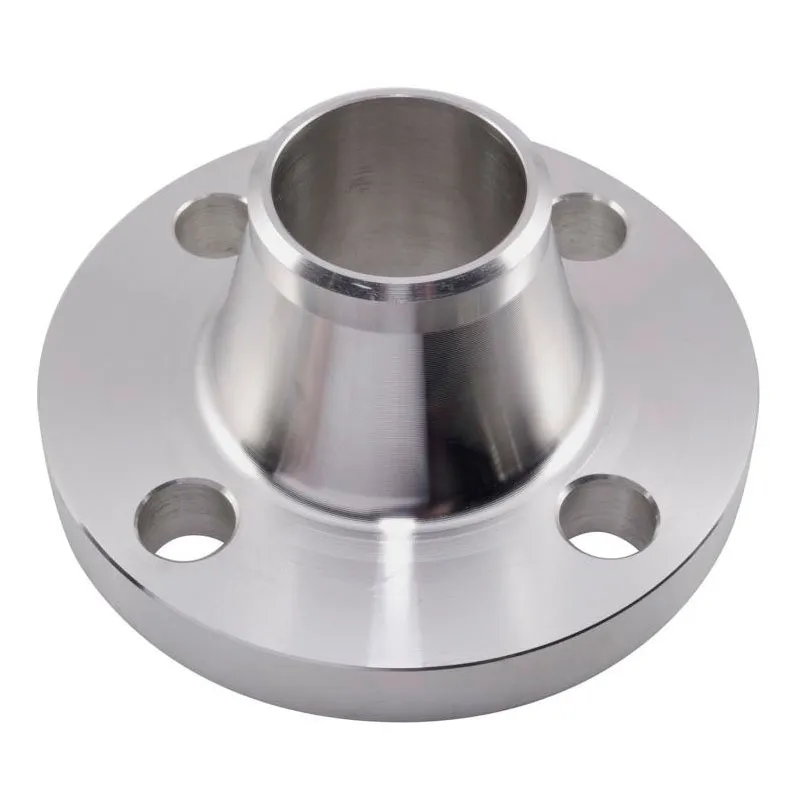 DIN Butt weld flanges PN10