
-
-
Phone
+86-13623462298




flange pn 50
When they say “pn 50 flange”, many people immediately imagine simply high pressure. But in practice, especially with forged products, there are a lot of nuances here that cannot be written in the specifications. Many years ago I myself thought that since the nominal pressure is 50 bar, that’s it - take any that meets the standard. Until I encountered a situation at one of the installations, where a flange, formally suitable according to GOST, leaked not along the plane, but precisely in the neck transition zone. It turned out that for PN 50 not only the thickness is critical, but also the quality of the forging itself and the uniformity of the metal. This is especially important for large diameters. This is where you understand why some suppliers focus on forging, rather than stamping or cutting from sheet metal.
What is actually hidden behind the designation PN 50
Nominal pressure is, of course, the base. But when working with pn 50 flanges, it is important to look at the temperature range of application. The same steel grade 20 or 09G2S behaves differently at +300°C and at -40°C. And the permissible working pressure will be different. A common mistake is to take a flange based only on pressure, forgetting about the temperature of the medium. In my practice, I saw how flanges designed for PN 50 at room temperature were installed on heating networks, but with constant operation at 250-280 degrees, problems began with the gaskets and even with the bolts themselves. We had to reconsider the entire assembly, taking into account temperature degradation.
Another point is the design of the sealing surface. PN 50 often requires tongue and groove (RF) or tongue and groove (T/G). But if we are talking about aggressive environments, sometimes it is more logical to look towards flanges for an oval gasket or even for metal lenses. These are already non-standard solutions, but they also exist. In the catalogs, for example, from the same manufacturer Shanxi Hongkai Forging LLC, you can see that they make flanges according to GOST, ASME, DIN, but at the same time they always stipulate the possibility of manufacturing according to customer drawings. This is an important point, because sometimes the standard pn 50 flange according to GOST 33259 does not fit exactly into the old system, designed according to Soviet standards, and a slight modification is needed in thickness or in the location of the holes.
And of course, we must not forget about the equipment. The flange itself is half the battle. Studs, nuts, washers - their strength class must correspond. It happens that they save on fasteners and set the class to 4.6, but for pn 50, and even at elevated temperatures, you need at least 8.8. Otherwise, the first load, and the connection loses its tightness. I checked it at one of the petrochemical facilities - this was exactly the problem.
Forging vs. Other Methods: Why It Matters for Pressure
Nowadays many people make flanges. The sheet is cut, stamped, and forged. For low pressures, perhaps the difference is not so critical. But when it comes to pn 50 flanges, especially large diameters - DN500 and above - here forging comes to the fore. Why? Metal fibers. When forged, they are deformed and follow the contour of the product, which creates a more uniform and durable structure. In a product cut from a thick sheet, the fibers break along the contour, and cracks may occur in areas of high stress (the neck of a butt-welded flange).
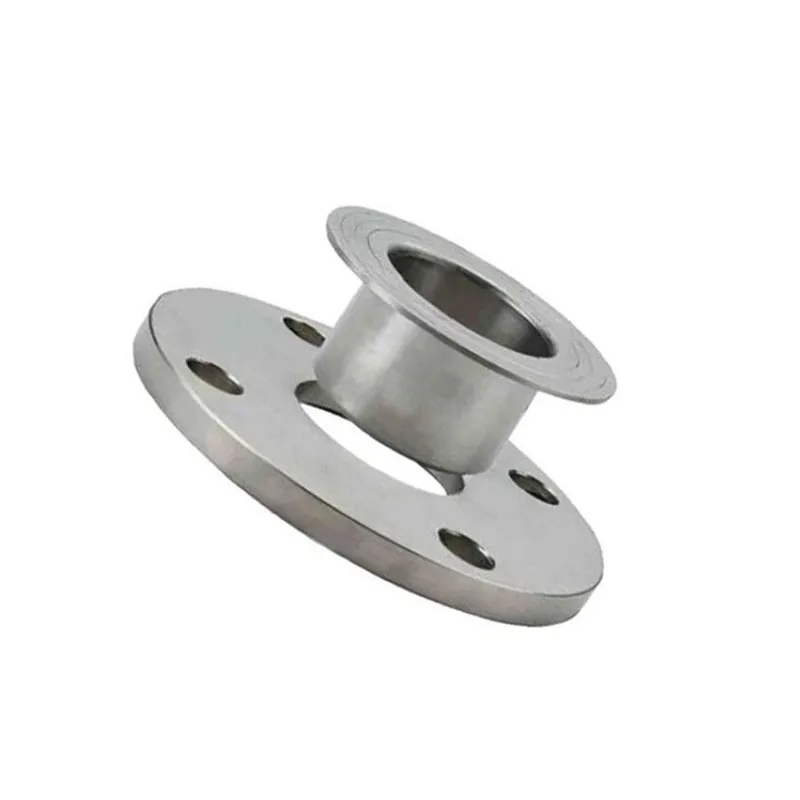
Worked with forgings from different factories. Chinese manufacturers who specialize specifically in forging, like Shanxi Hongkai, often have an advantage in this. This is historically their main profile - forging and pressing production. I saw their products at sites - butt-welded flanges, flat, even loose on a welded ring at pn 50. The quality of the forging surface is good, the scale has been cleaned off, the markings are clear. This indicates output control. But there is a nuance here: you always need to request certificates for exactly that batch, especially for the chemical composition and impact strength. For northern performance this is mandatory.
But I would be careful with stamped flanges under such pressure. Technology allows it, but you need to look very carefully at the quality of the workpiece and heat treatment after stamping. Once we came across flanges that, after installation, gave a slight deformation along the plane - apparently, the residual stresses were not removed. I had to remove it and sand it in place, which, of course, did not add joy.
Standards and reality: how not to get confused
There are many standards: GOST, ASME, EN, DIN. A flange pn 50 according to GOST is one thing, according to DIN EN 1092-1 - another, according to ASME B16.5 Class 300 - although this is close, it is also not the same thing. Geometry, dimensions of sealing surfaces, diameters of bolt circles may differ. A classic headache is when equipment of different origins is mixed at a facility. Let's say the pipe and fittings have flanges according to GOST, and the pump comes with flanges according to DIN. The nominal pressure seems to be the same, PN 50 and PN 40 (DIN), but they cannot be connected directly. An adapter flange or overwelding is needed.
Manufacturers who work on the international market, like the company mentioned, usually understand this well. On their website https://www.hkflange.ru it is clear that the nomenclature covers all the main standards. This is convenient when you need a comprehensive supply for a project. But here it is important that the manager is technically savvy, and not just selected from a catalog. I usually always ask not just for a “flange dn 200 pn 50 according to GOST,” but attach a sketch indicating all dimensions, including the surface design and the type of holes for the studs. This eliminates misunderstandings.
Another practical tip is to always consider the corrosion reserve. For a pn 50 flange that will operate for 20-30 years, an increase in corrosion of 1-2 mm to the thickness can be decisive. Especially for chemical or marine environments. This is not always specified in the standards; this is an engineering decision.
Installation and operation: where the pitfalls lie
The highest quality flange can be damaged during installation. For connections at pn 50, uniform tightening is critical. A diagonal circuit and a torque wrench are not just nice words, but a necessity. I saw how the crew tightened the studs sequentially in a circle - as a result, they became distorted and leaked during the first tests. I had to unscrew it, change the gasket (which, by the way, should also be designed for such pressure) and tighten it again, but with torque control.
Gaskets are a separate issue. For pn 50, general purpose paronite may not be suitable if the temperature is high. You need to look at graphite, spiral wound or metal. And here it is important that the flange surface is adequately clean. Roughness Ra 3.2 is the minimum. It happens that flanges come from the factory with light rust or small nicks. They must be cleaned before installation. Don’t be lazy, take a petal circle.
And, of course, control during operation. Especially for flange connections on vibrating equipment (pumps, compressors). The bolted connection may “come off”. The tightening torque must be checked periodically. For critical components, we even put marks on the nuts and studs to visually see rotation.
Non-standard situations and conclusions
Sometimes you have to deal with problems that are not in textbooks. For example, a pn 50 flange was needed for a diameter of DN300, but with a non-standard arrangement of holes in order to mate with the old valve. The standard ones didn't fit. We contacted the manufacturer, who works according to the drawings. As a result, they made a forging, processed it, and the problem was solved. In such cases, it is important to provide the most detailed drawing and indicate the operating material. Chinese factories, such as Shanxi Hongkai Forging, often meet such requests halfway, because their production is tailored to a wide range, up to DN4000.
My conclusion is this: a pn 50 flange is not just a piece of metal with holes. This includes calculation, material, manufacturing technology (where forging has a key advantage), exact compliance with the standard with an understanding of its limitations and, no less important, competent installation. Savings at any of these stages come out sideways, often literally, in the form of a fountain from under the gasket. Therefore, choosing a supplier is a choice in favor of someone who understands this entire chain, and does not just sell hardware. You need to look at specialization, the fleet of equipment (presses, ovens), and the presence of your own laboratory. All this ultimately affects the reliability of the connection, which must hold not just pressure, but responsibility.
After all, a good flange is one that you forget about after installation. It just works. And for this to happen, you need to delve into the details, even if it seems that everything is already obvious. Experience, basically, consists of just these most “non-obvious” ones. little things.
Correspondingproducts
Related Products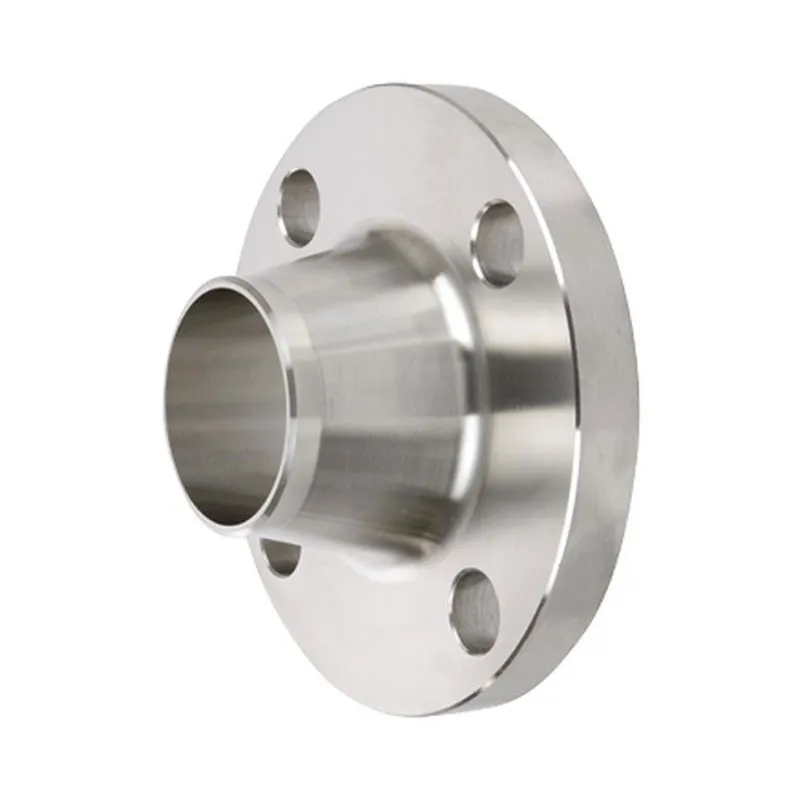
Best Sellingproducts
Best Selling Products-
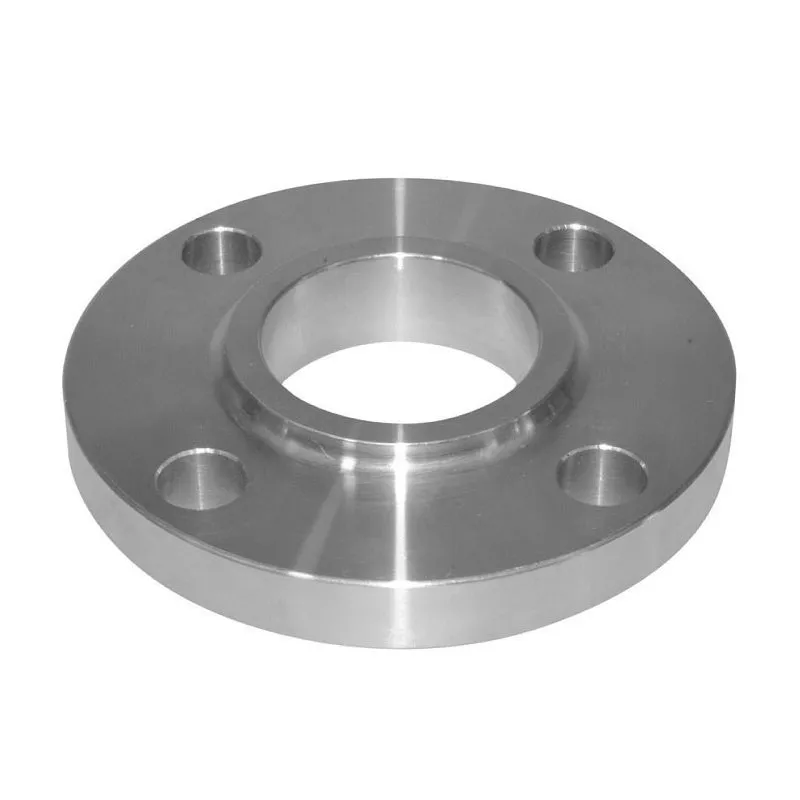 ANSI B16.5 Lap-on flanges Class 1500
 -
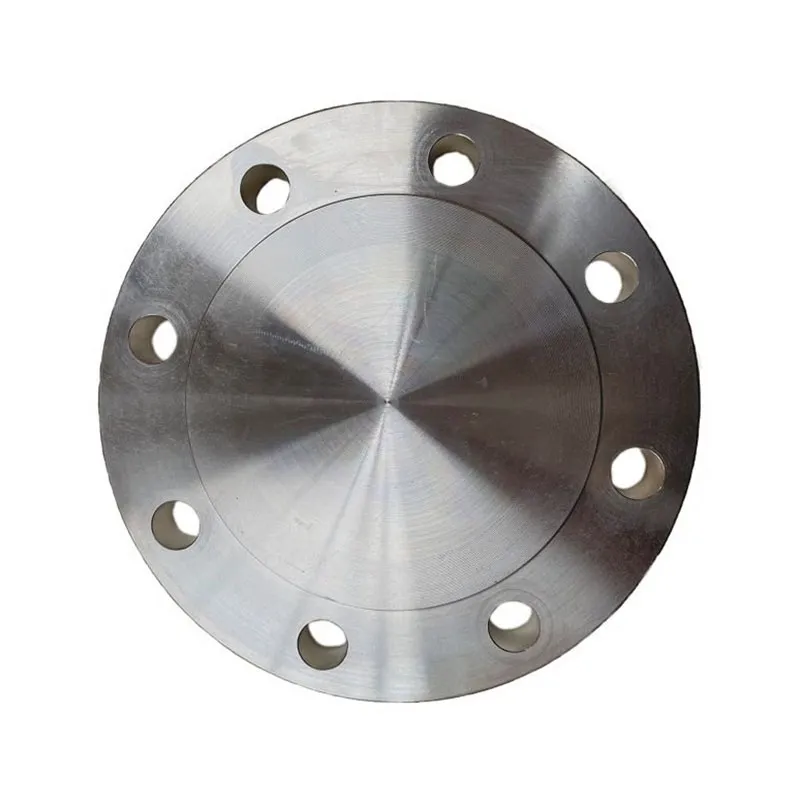 UNI 6092 Blind flanges PN10
 -
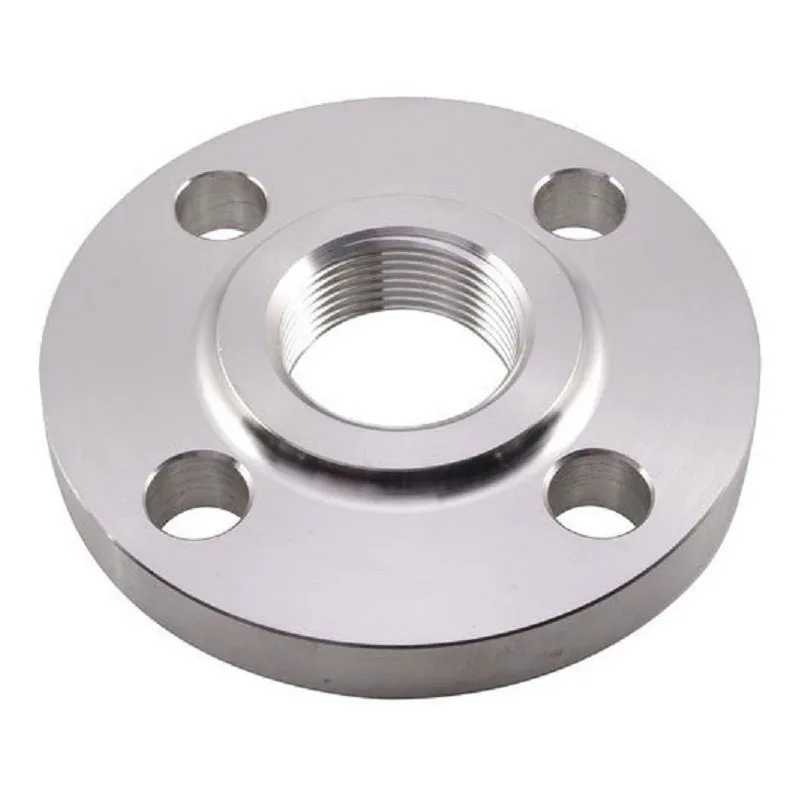 ANSI B16.5 Threaded Flanges Class 600
 -
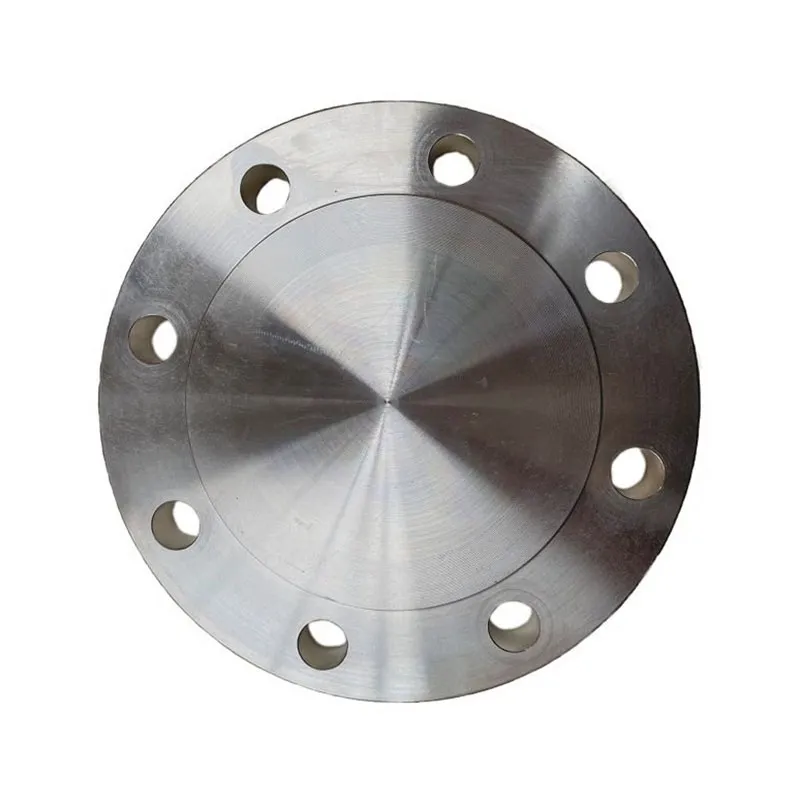 ASME B16.47 Ser.A Blind Flanges Class 400
 -
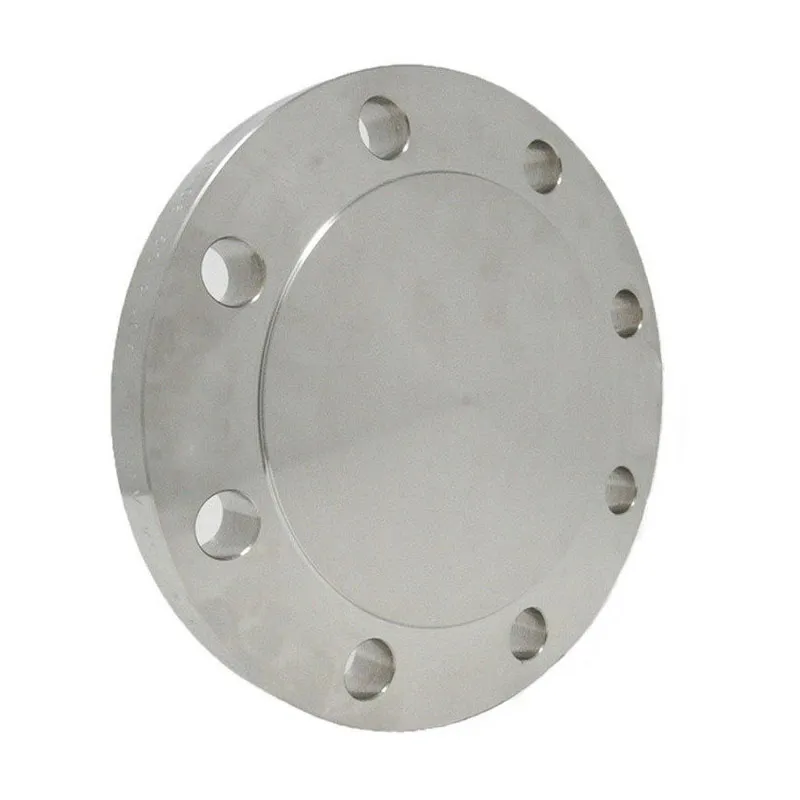 Blind flanges Class 150
 -
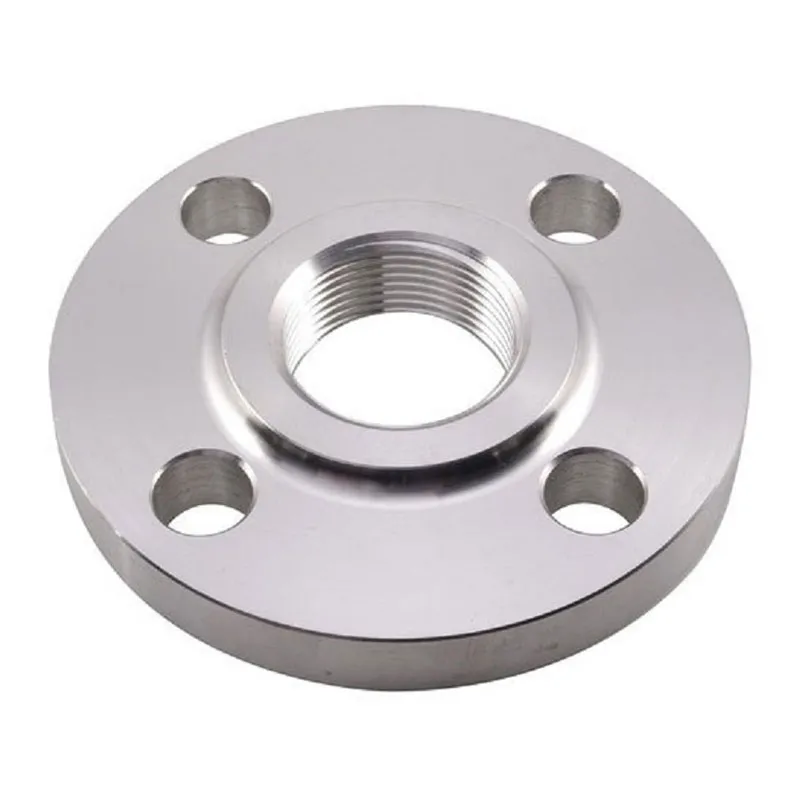 JIS 10K Overlay flanges
 -
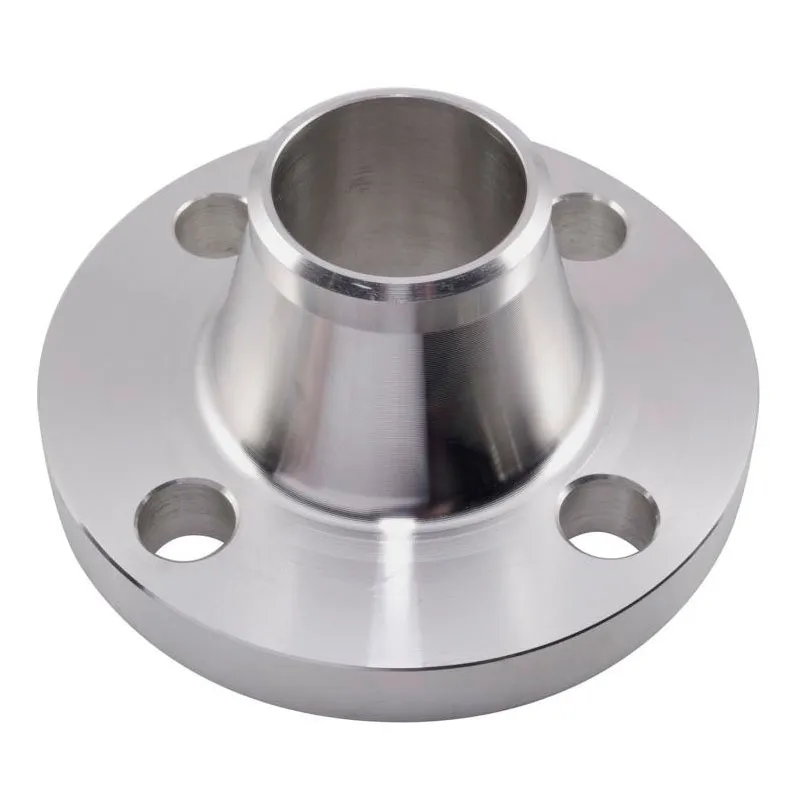 DIN Butt weld flanges PN10
 -
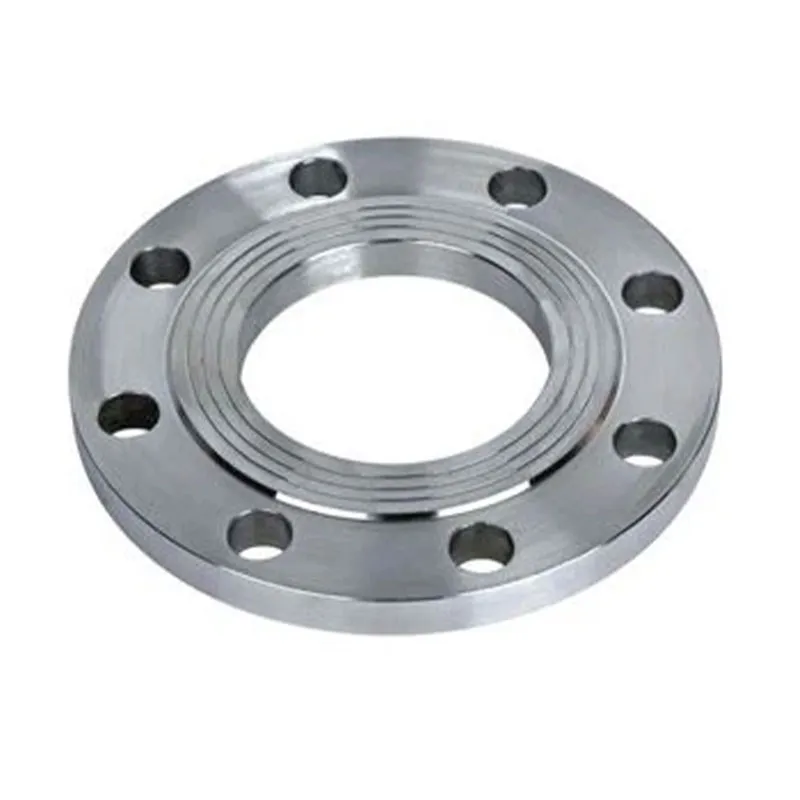 Butt weld flanges Class 150
 -
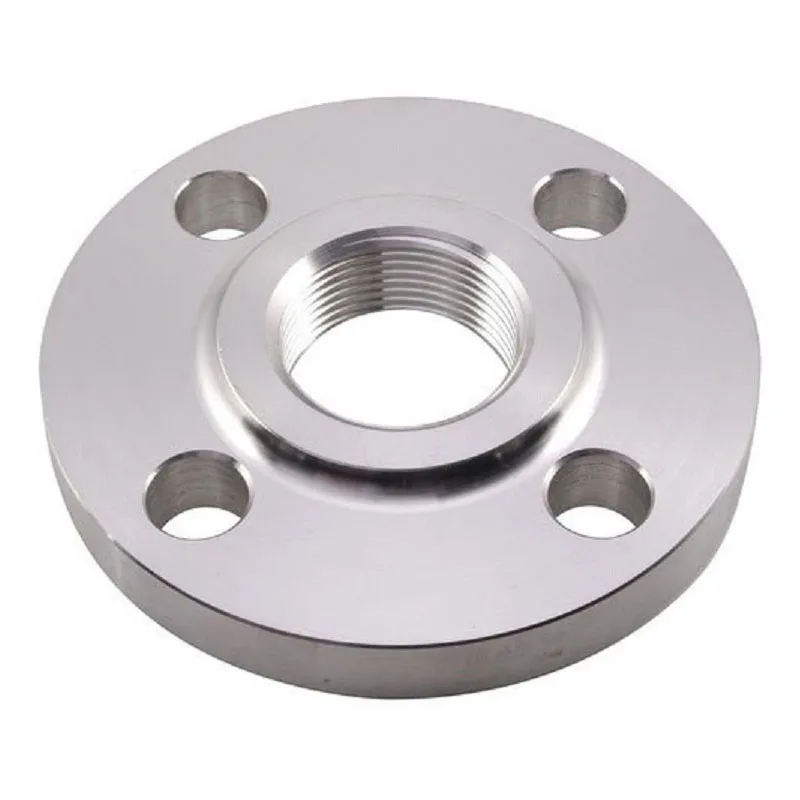 DIN 2566 Threaded flanges PN16
 -
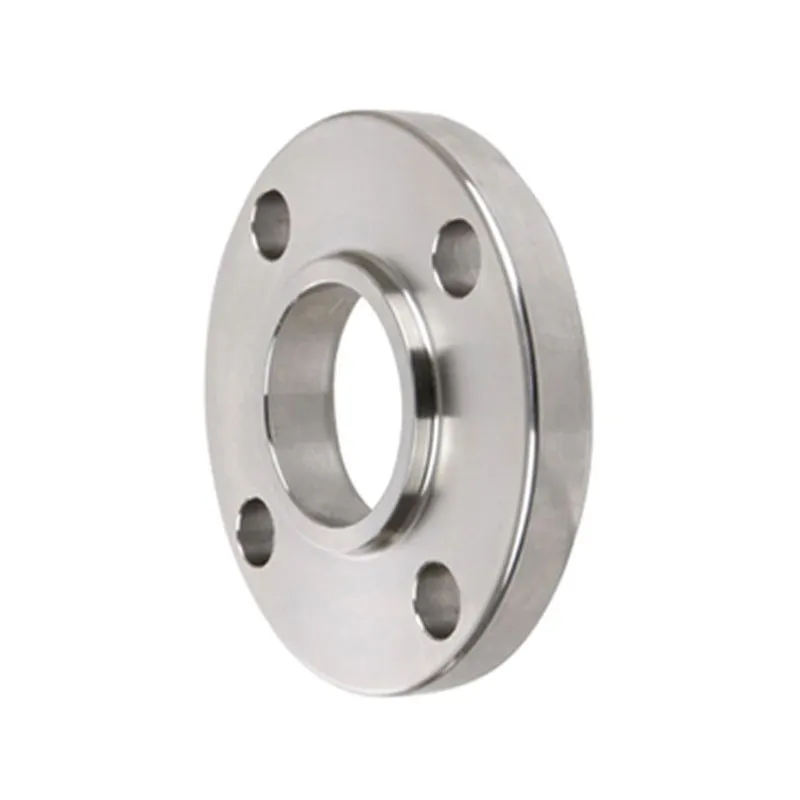 ANSI B16.5 Lap-on flanges Class 300
 -
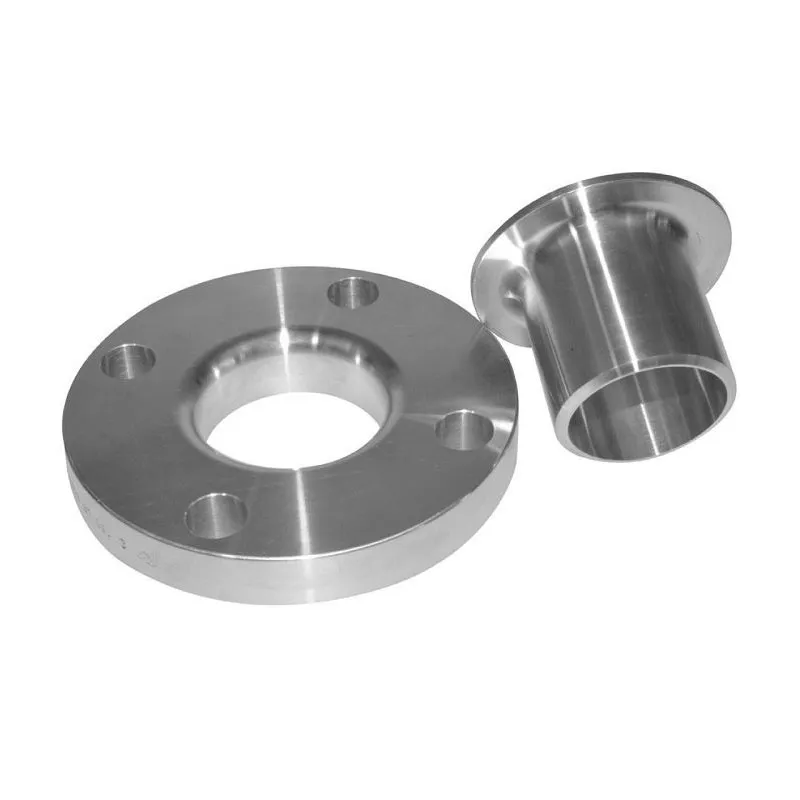 ANSI B16.5 Loose Ring Flanges Class 2500
 -
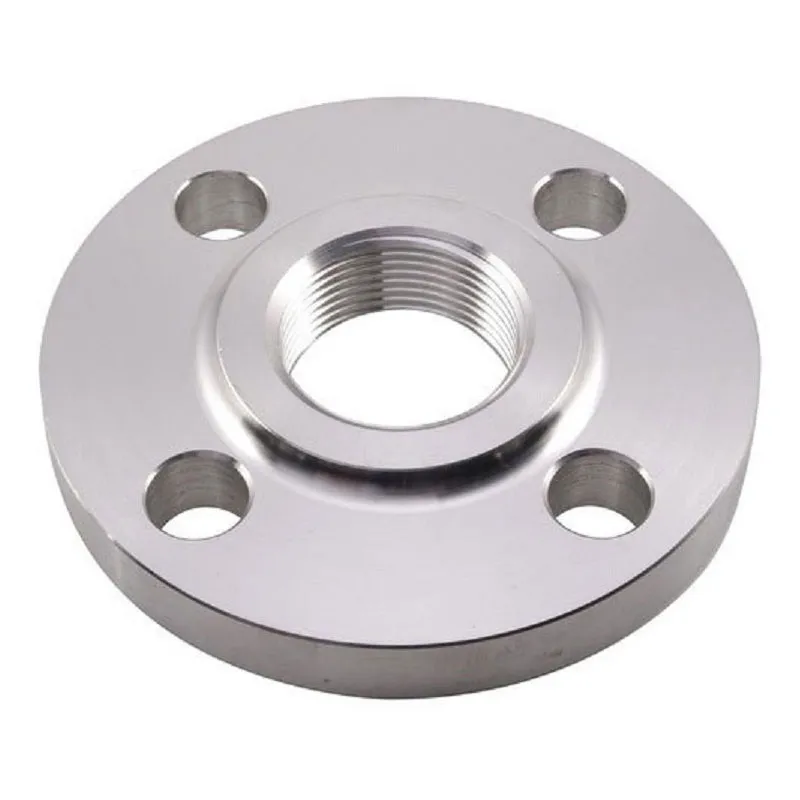 DIN 2565 Threaded flanges PN6