
-
-
Phone
+86-13623462298



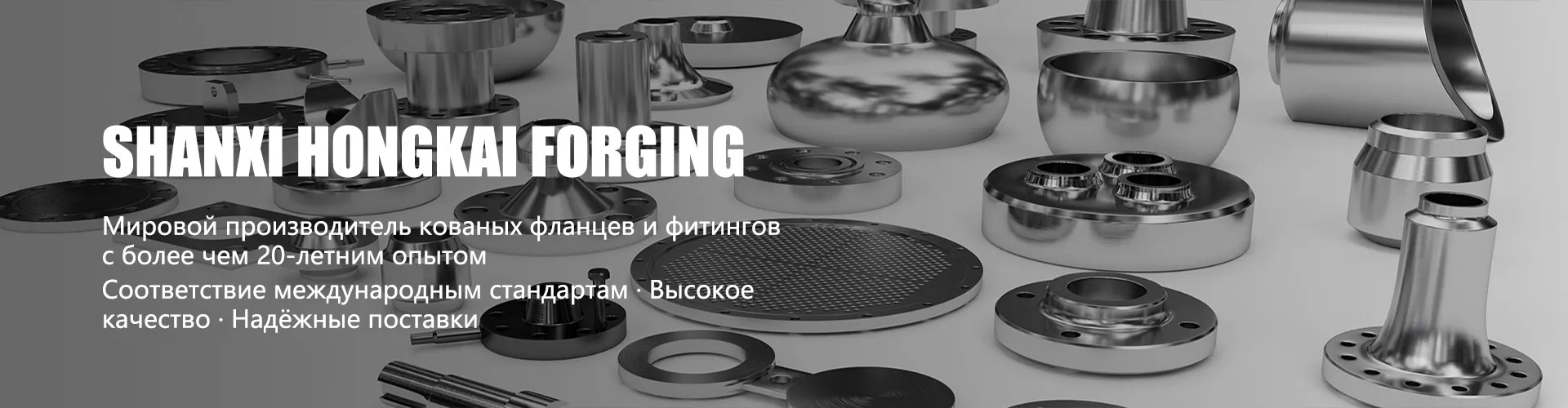
flange 2 150
When you hear “flange 2 150”, the first thing that comes to mind is probably nominal bore and pressure, right? Two inches, 150 psi. But here's the catch: in real orders and warehouses, this combination can turn out to be unexpected. Many people, especially those who are just starting to work with pipeline fittings, think that this is an unambiguous standard. But in fact, this request may hide both a butt weld flange according to ASME B16.5 and a flat flange according to GOST 12820-80, and these are completely different parts in terms of weight, geometry and, critically, installation. I got burned by this myself when the invoice came with a “flange 2 150”, but in fact it was a product with a different drill diameter, and I had to urgently look for a transitional solution. Therefore, the key is to always clarify the standard. Without this, the entire specification hangs in the air.
Getting to the basics: more than just numbers
So let's take ourflange 2 150. The number ?2? - this is DN, nominal diameter, approximately corresponding to 50 mm. And ?150? is a pressure class most often related to the American ASME standard, where it is 150 psi, that is, about 20 atmospheres. But if we are talking about the GOST or DIN standard, then pressure is designated differently there - PN, for example, PN16 or PN20. And this is a different dimension, a different calculation of strength. A common mistake is to consider them interchangeable. They are not. I have seen projects where engineers, saving time, simply put “2 150” in the specification, and then at the site it turned out that flanges from different suppliers, conventionally both Chinese and Russian, do not fit together due to the difference in thickness and distance between the holes.
What else is important? Material. One and the sameflange 2 150can be made from A105 carbon steel, 304 stainless steel or even alloy steel. Its application depends on this - water, steam, aggressive environments. I had a case at a small boiler room: they put steel flanges in a circuit with chemically purified water, and after six months red streaks began to appear. It turned out that stainless steel was needed, but the material was not detailed in the order, so they took whatever was cheaper. Dear lesson.
And of course, the type of flange. Welding neck is the most reliable for high pressures, but is more expensive and more difficult to install. Flat (slip-on) - simpler and cheaper, but requires precise cutting of the pipe and a double weld. Threaded is good where you can’t cook. For ?2 150? all these types exist, and the choice depends not on habit, but on the technical conditions of the project. I always advise my colleagues: draw in the specification not just a line, but a sketch with dimensions, especially the diameter of the hole circle and the size of the hub.
Delivery experience and standardization rake
Working with different factories, I realized one thing: even within the same standard there are tolerances, and even more so between standards. For example, the sameflange 2 150according to ASME B16.5, the outer diameter will be about 120.7 mm, and according to GOST 12820-80 - 125 mm. A difference of 4 mm - and the gasket may not fit correctly, the bolts may not fit. One day we had to urgently mill holes on site in order to connect imported equipment to our pipelines. Now I always require complete dimensional drawings from the supplier before confirming an order.
You need to be especially careful with combined deliveries. Let's say you take some flanges according to ASME for pumps, and some according to DIN for heat exchangers. And if the project does not specify unification, you end up with two different boxes with outwardly similar, but technically incompatible parts. A good supplier will always warn you about this. For example, I often turn to specialized manufacturers likeShanxi Hongkai Forging Co.,Ltd. They focus on production according to different standards - ASME, GOST, EN, and DIN. This can be seen on their websitehkflange.ru, where the nomenclature is clearly laid out. For me, this is an indicator that the company works for the international market and understands these nuances. He doesn’t just stamp, but knows for which market which part is needed.
By the way, about non-standard. Often the request is ?flange 2 150? comes with the caveat ?as we had before? or “under the old valve?”. And here the most interesting part begins - searching through old drawings, measuring samples. Standard products from the factory are not suitable; an individual order is required. This is where the ability to manufacture according to customer drawings is important, which is declared by many manufacturers, including the mentioned company. But there is a nuance here: not every factory will take on a small batch of 2-3 pieces without a huge markup. We need to look for those whose production flexibility allows it.
Practical aspects of installation and inspection
Let's say a flange is purchased and the standard is checked. The fun begins at the site. The first thing I look at upon acceptance is the markings. The standard, material, nominal pressure, nominal diameter and manufacturer's mark must be clearly stamped on the body of the flange (not with paint!). If there is no marking or it is unreadable, this is a reason for rejection. Once we received a shipment where the markings were painted on parts of the flanges and were erased during transportation. We had to do an incoming inspection with measurements of all parameters, which delayed the work.
The second point is the quality of the seal surface. A Class 150 flange typically has a smooth or serrated seal surface. This is important for gasket selection. It happened that installers placed a spiral-wound gasket on a smooth surface, and when tightening it, it “failed”, causing a leak. I had to explain that for a smooth surface, a soft gasket made of paronite or rubber is better.
And the third thing is the puff. Forflange 2 150this is usually 8 M12 bolts. The key word is “evenly”. A star-shaped tightening pattern and a torque wrench are not a whim, but a necessity. I saw how ?experienced? The plumbers tightened the bolts in a circle, as a result the flange began to wobble, a misalignment appeared and, as a result, a leak along the entire perimeter. I had to remove it, change the gasket and do everything wisely. It's a small thing, but it affects everything.
Choosing a supplier: price vs. reliability
The market is flooded with offers for flanges. Prices may vary significantly. The temptation to buy cheaper is great, but this is exactly the case where the stingy pays twice. Cheapflange 2 150often means: substandard metal, non-heat-treated workpiece, broken geometry, poor surface treatment. Consequences: cracks during installation, corrosion, leaks. Therefore, I always request from the supplier certificates for the material (for example, for steel 20 or 09G2S), test reports, and, ideally, the possibility of selective control at its base or by an independent laboratory.
Large manufacturers who specialize in forgings likeShanxi Hongkai Forging Co.,Ltdlisted on their websitehkflange.ruAs a manufacturer of forged flanges and forgings in one of the main industrial centers of China, we usually have a complete cycle from forging to machining. This gives quality control at all stages. Forging, as opposed to casting or cutting from sheet metal, provides better metal structure, greater strength and reliability, especially for critical objects. And their declared size range up to DN4000 speaks of serious power.
But even with a good supplier you need to speak the same language. That is, the order must contain a comprehensive specification: standard, type, material, pressure, type of sealing surface, execution (for example, for cryogenic temperatures), coating (galvanized, primed). The more details, the less chance of error. I usually create a table in Excel and attach it to the commercial proposal as an integral part.
Summary: do not complicate, but do not simplify either
In the end, what isflange 2 150? This is not a code for automatic ordering, but a starting point for a dialogue between the engineer, supplier and manufacturer. This is a story about attention to detail. You can install a pipeline correctly a hundred times, and one incorrectly selected flange will ruin all the work. My approach now is to create internal enterprise standards even for such seemingly simple things. Checklist for ordering flanges: standard, type, material, pressure, surface pattern, availability of certificates.
And of course, develop a base of trusted suppliers. Those who not just sell, but advise, warn about possible inconsistencies, and provide complete documentation. As those who claim to manufacture according to international and national standards, including GOST, ASME, EN, DIN. This reduces risks and ultimately saves time and stress. Because in our work there are no trifles, especially when it comes to pressure and tightness.
So, if you come across “flange 2 150” in a project or application, don’t pass it by. Stop, clarify, check. This is the very detail on which it depends whether the system will work or everything will have to be redone. Tested from my own, sometimes bitter, experience.
Correspondingproducts
Related Products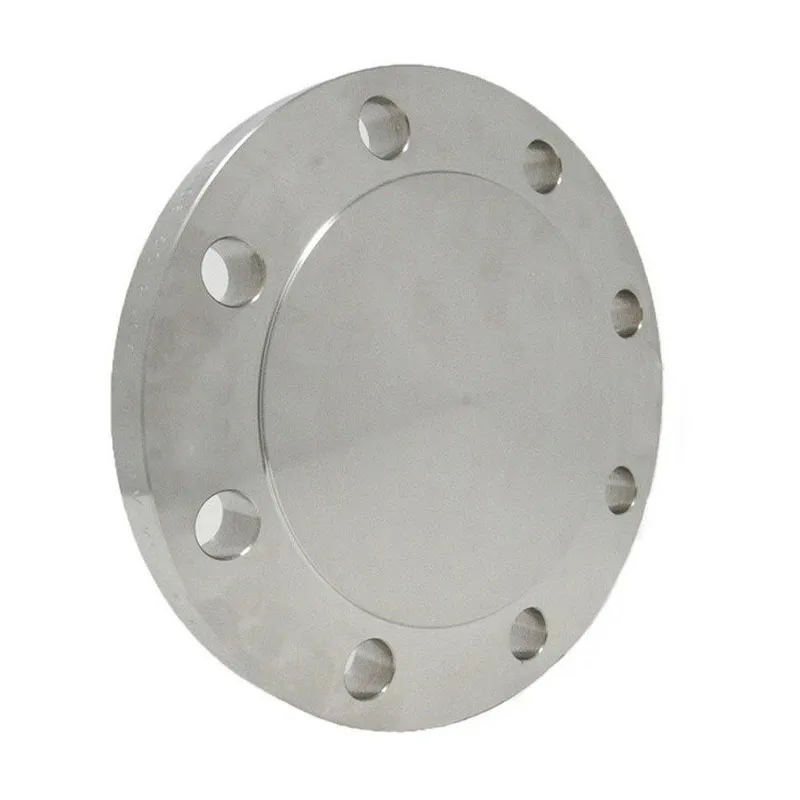
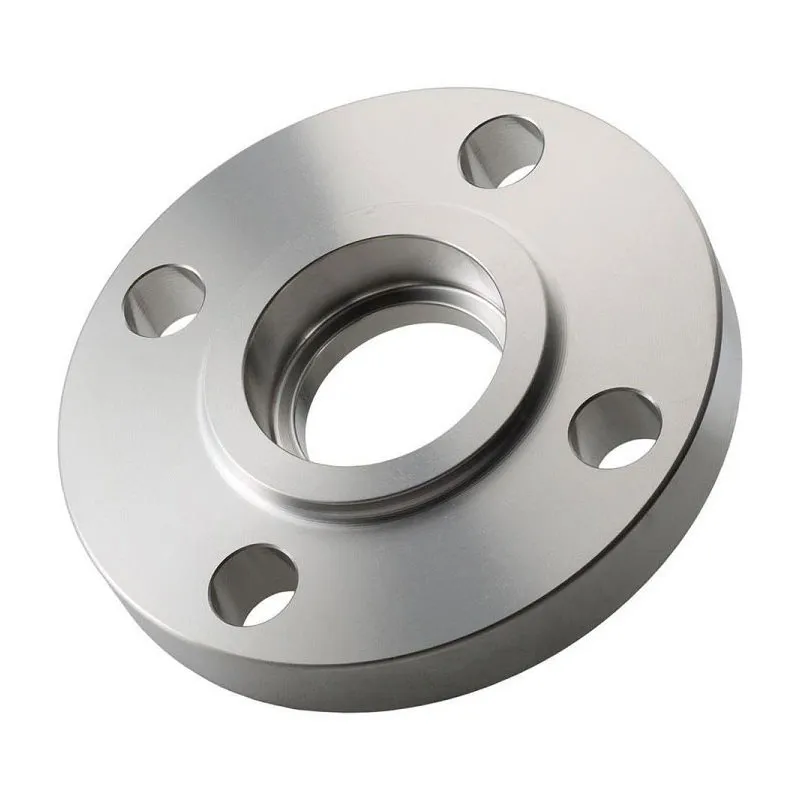
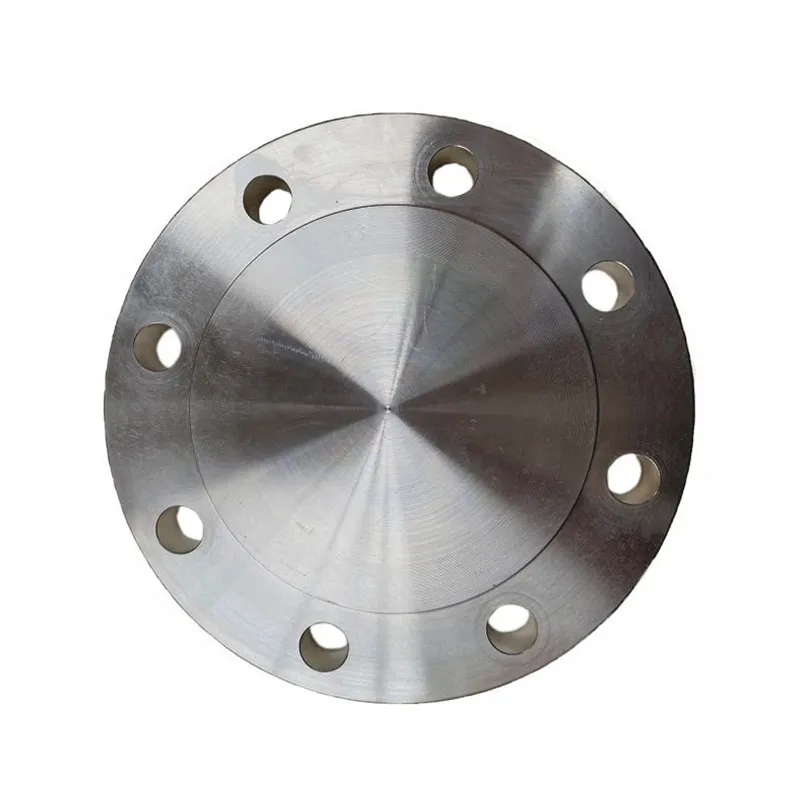
Best Sellingproducts
Best Selling Products-
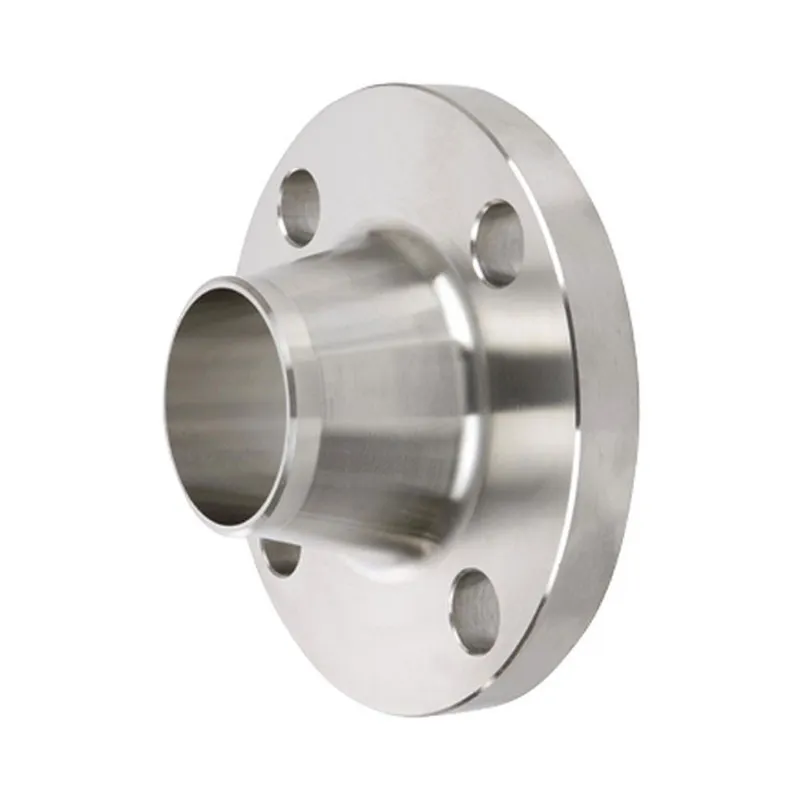 EN 1092-1 Butt weld flanges Type 11, PN25
 -
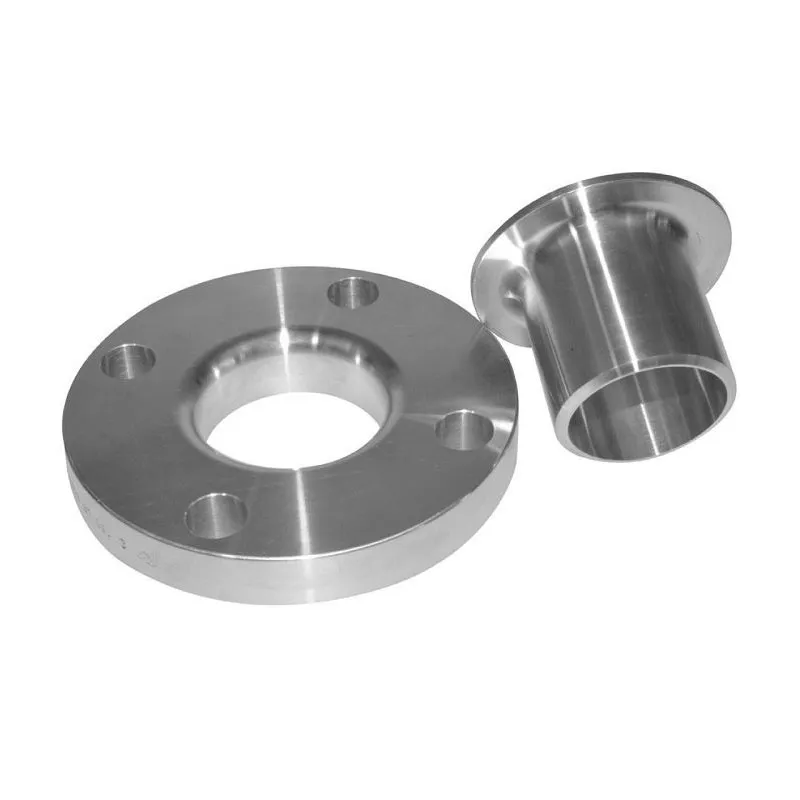 ANSI B16.5 Loose Ring Flanges Class 2500
 -
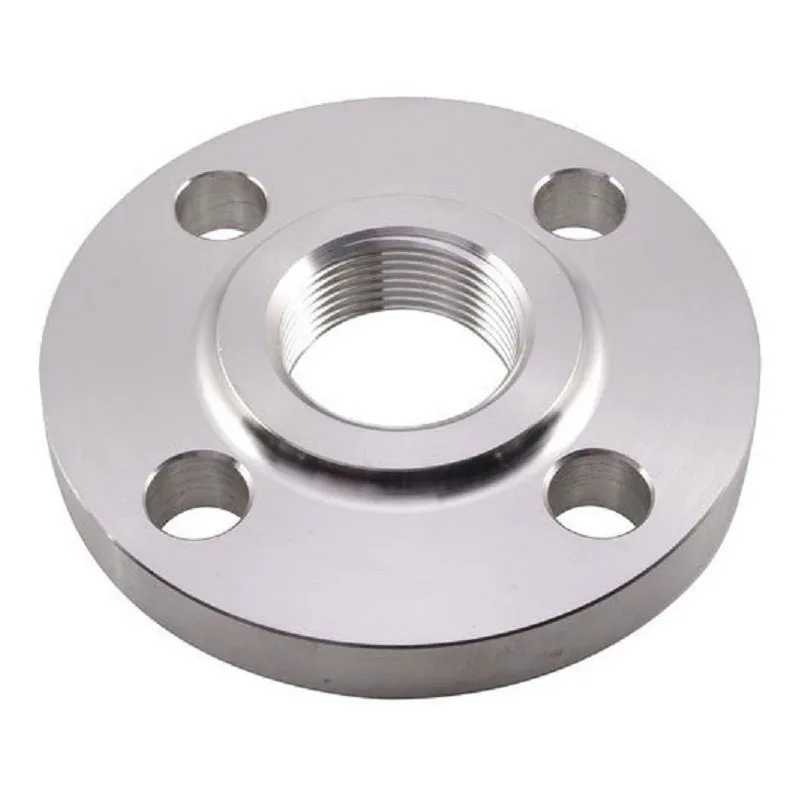 ANSI B16.5 Threaded Flanges Class 600
 -
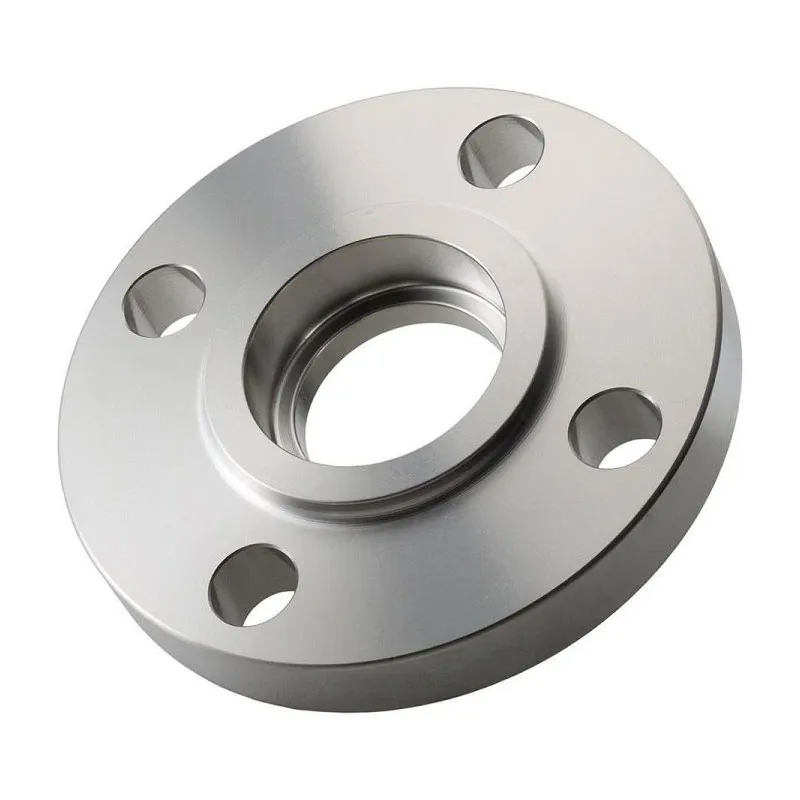
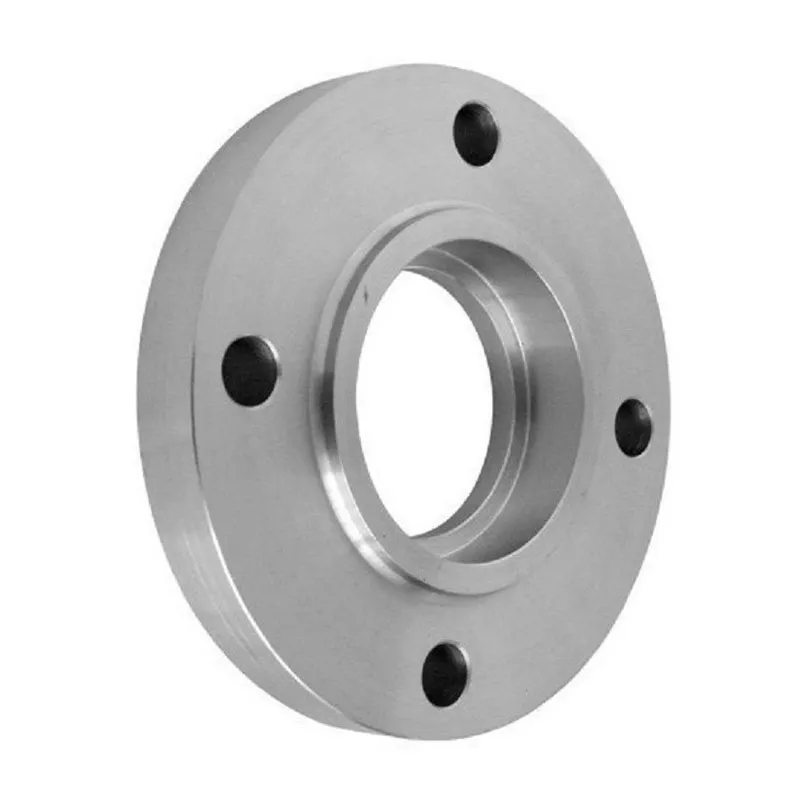 Socket Weld Flanges Class 300
 -
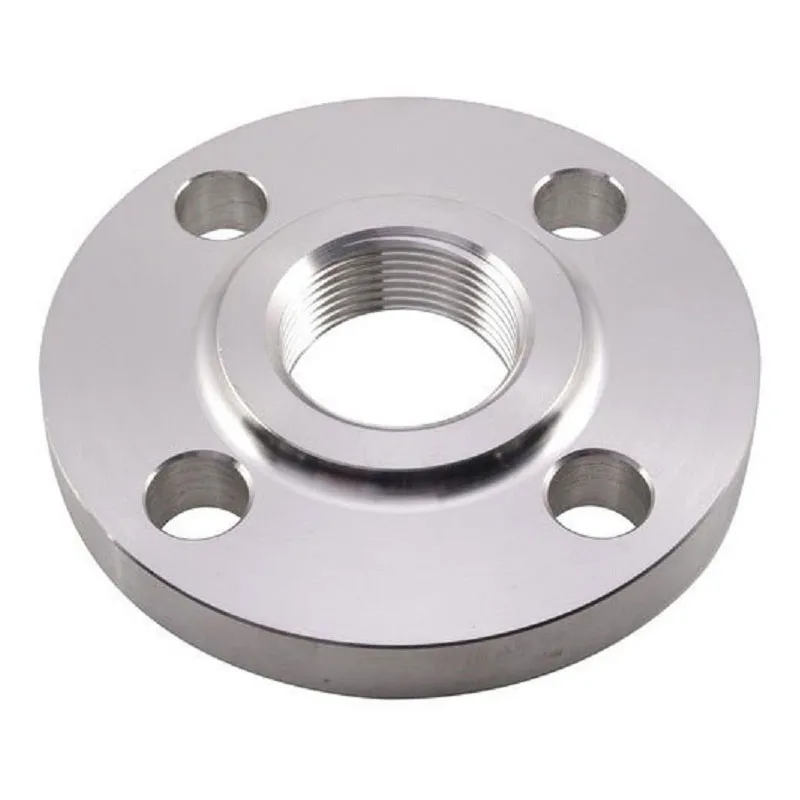 EN 1092-1 Threaded flanges Type 15, PN16
 -
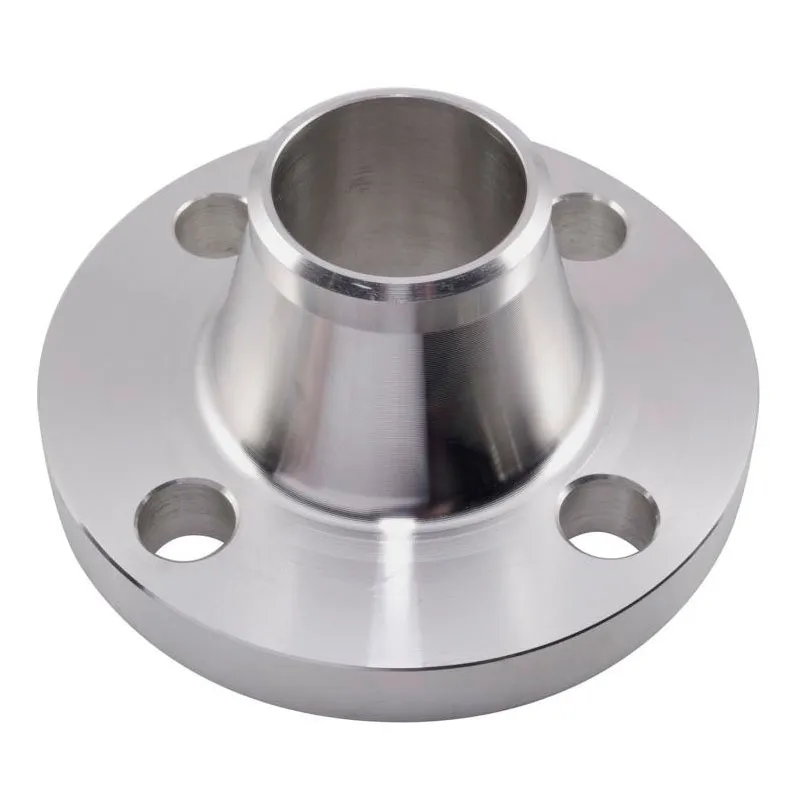 DIN Butt weld flanges PN10
 -
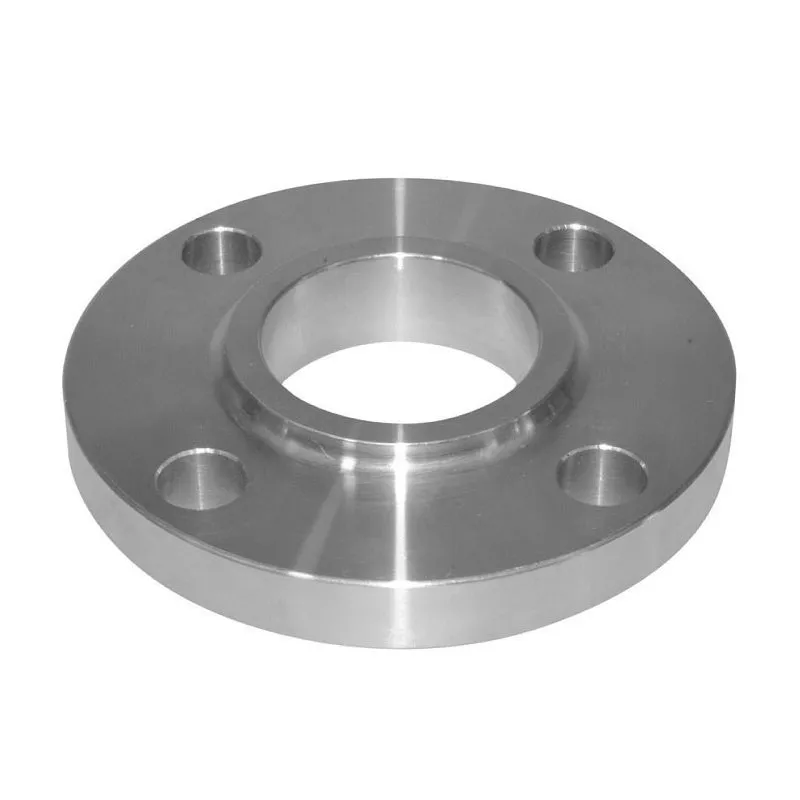 ANSI B16.5 Lap-on flanges Class 1500
 -
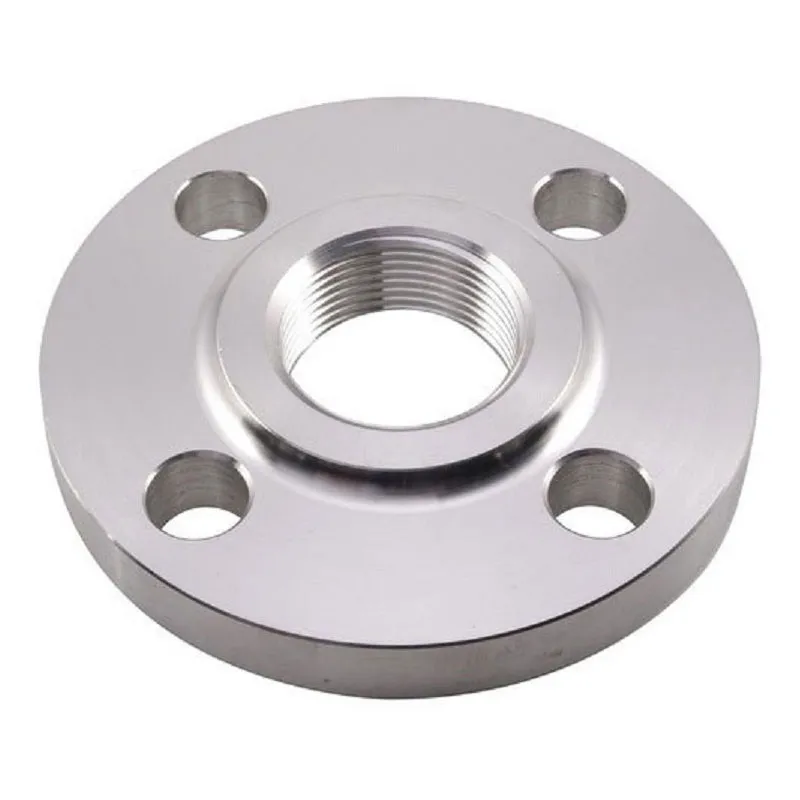 DIN 2565 Threaded flanges PN6
 -
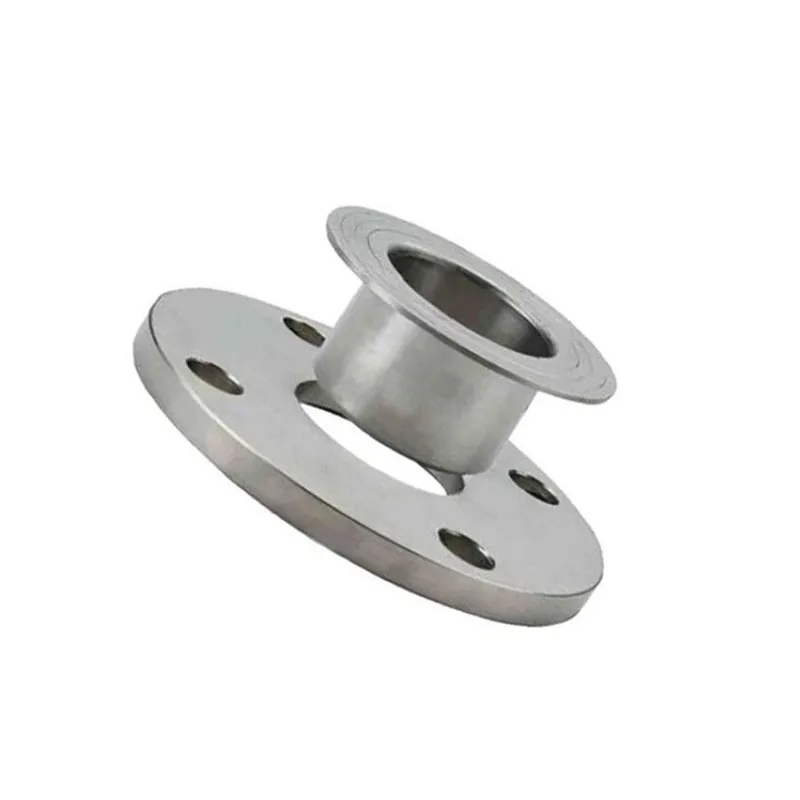 Free ring flanges Class 400
 -
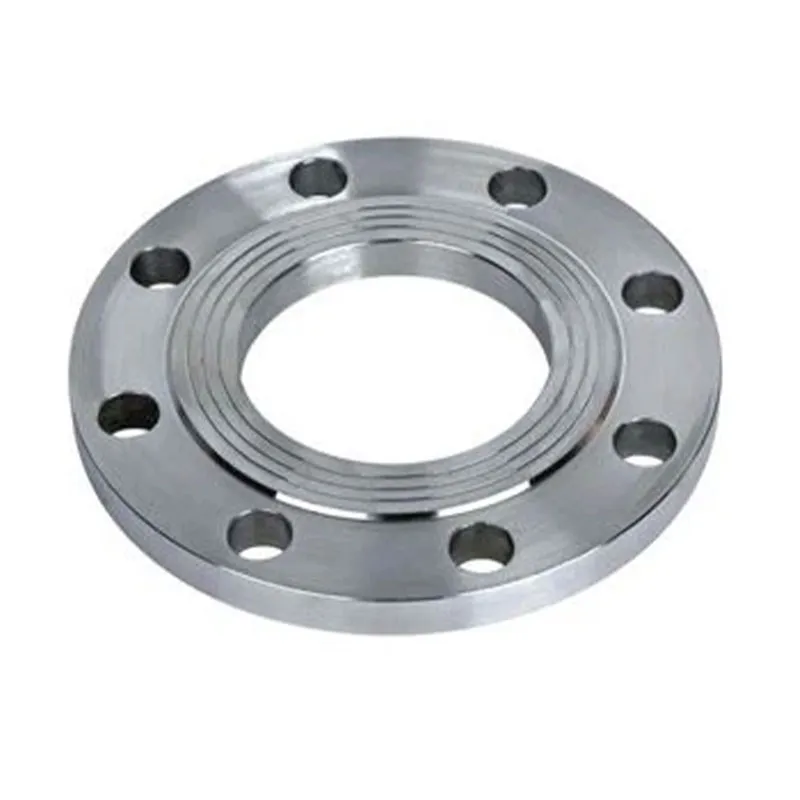 Butt weld flanges Class 150
 -
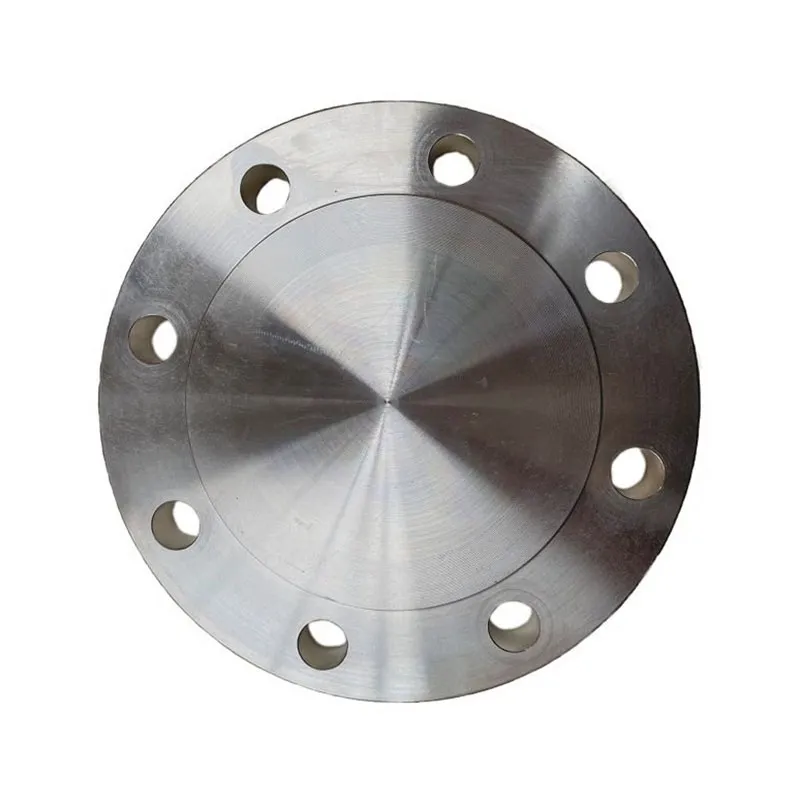
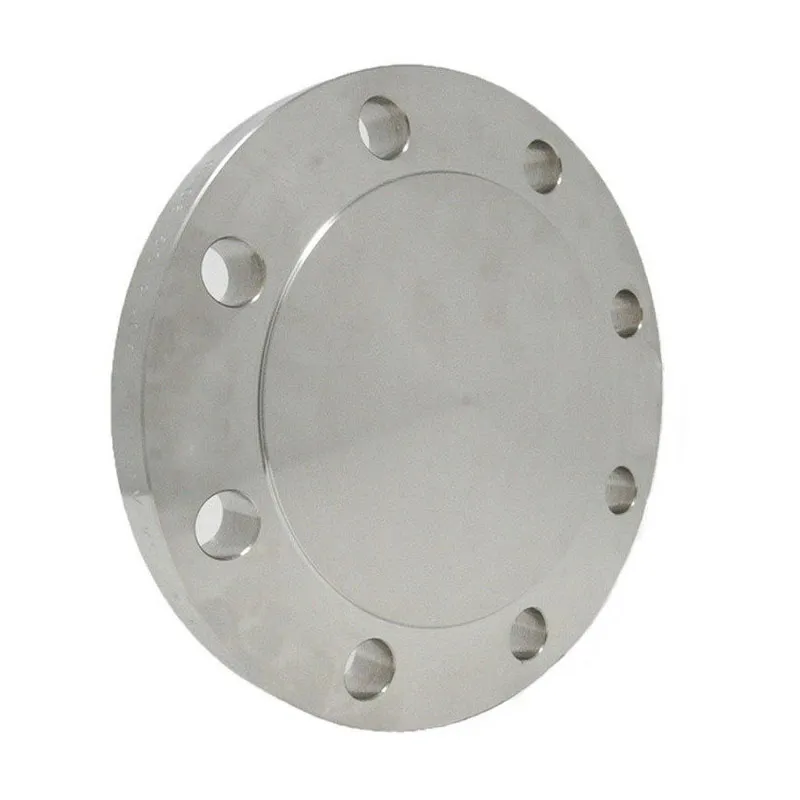 Blind flanges Class 150
 -
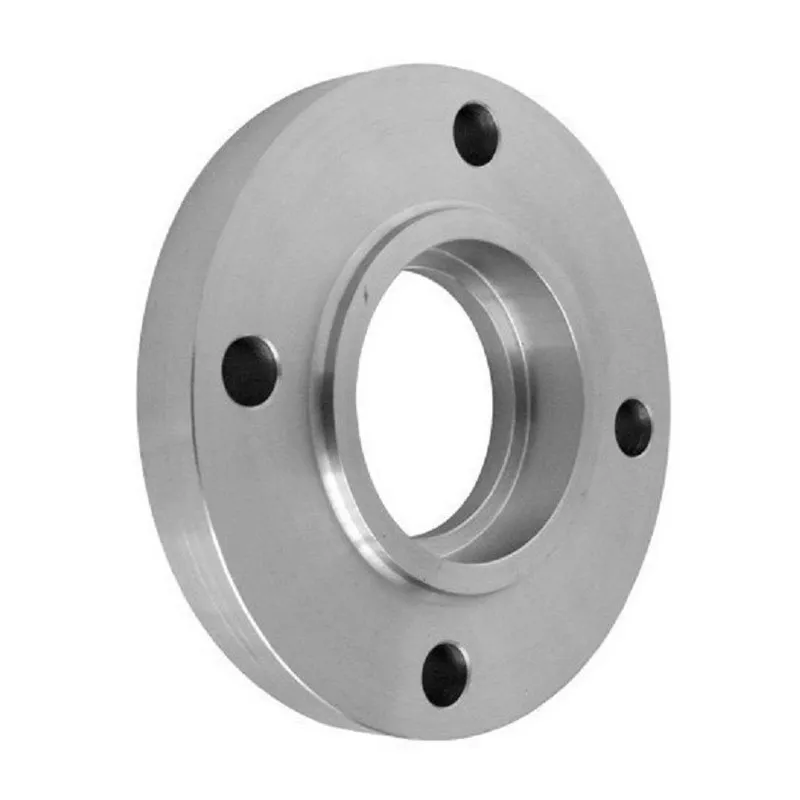 JIS 5K Socket Weld Flanges