
-
-
Phone
+86-13623462298



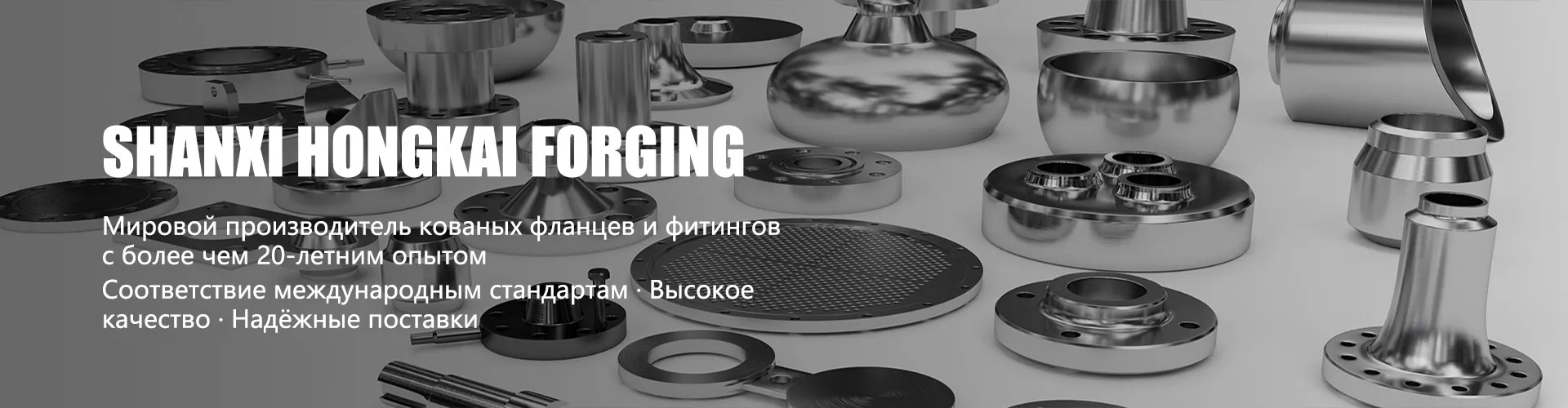
steel flanges 250
When they say “steel flanges 250”, many people immediately think about pressure, and in general this is true, but there is a nuance here that is often missed in the specifications. The number 250 is the conditional pressure, Ru, in kgf/cm2, but in modern projects, especially with imported equipment, they have long been working in MPa or bar. And this is where the confusion begins: a steel flange for 250 kgf is not the same as for PN 25 according to EN, although it is numerically close. The material of execution, the temperature of the environment - all this “eats up” permissible operating pressure. I myself saw how a batch of supposedly suitablesteel flanges 250according to the old GOST, but in fact at 200°C and an aggressive environment their actual resistance was closer to 160. We had to urgently look for a replacement.
Material and standard: where is the catch?
If we take a classic example - flanges for main pipelines with a nominal bore, say, DN300. The customer requires “steel 250”. It would seem that you open a catalog and choose. But the first question is: by what standard? GOST 12820-80 for flat welds or GOST 12821-80 for butt welds? For a pressure of 2.5 MPa (which approximately corresponds to 250 kgf/cm2), butt jointing is preferable - better load distribution. But if the installation was in a cramped chamber, sometimes they were forced to install flat ones, although they knew that this was a compromise on the reliability of the connection.
Material is a different story. St3sp5, 20, 09G2S - the difference is in price and, most importantly, in cold resistance and weldability. For northern projects, 09G2S is almost mandatory, but not all suppliers immediately voice this. I remember a case with one manufacturing plant that supplied a batch of St3 for a facility in the Yamal-Nenets Autonomous Okrug. On paper everything seemed fine, but at low temperatures the risk of brittle fracture increased sharply. They didn’t pass the acceptance, the losses were huge.
Here it is worth mentioning manufacturers who work with a full cycle and understand these subtleties. For example,Shanxi Hongkai Forging Co.,Ltd(website -https://www.hkflange.ru). This is not just a trading company, but a manufacturer of forged flanges and forgings from China, which is important. Why? Because forging gives a better metal structure compared to casting or cutting from sheet metal, especially for critical components. They declare work in accordance with GOST, ASME, EN - and this is critically important. When you have mixed standards at your facility—pipes according to DIN and fittings according to GOST—you need a supplier who can accurately produce adapter flanges.
Editing practice: theory diverges from reality
Let's say the flanges have been delivered, the material and markings have been checked. Assembly begins. This is where all the “peculiarities” come out. Geometry is the weakest point even in seemingly high-quality products. The runout of the plane, the deviation in the size of the holes for the studs are little things that will later result in a leak. One day we received a shipmentsteel flanges 250DN150, where the holes were shifted a couple of millimeters. It seems like nonsense, but when tightening the tie, uneven tension is created, the gasket is not pressed as it should. I had to drill it manually on site, wasting time.
Gaskets are a whole science. For a pressure of 250 kgf/cm2, paronite or metal oval/octagonal cross-section? Often the decision depends not on the engineer, but on what the installers have in stock. I saw how they put paronite gaskets on superheated steam, because “that’s how they’ve always done it?” Six months later - replacement. You need to look at the environment: for steam, petroleum products, alkalis - your materials.
Tightening the studs seems to be a simple matter. But if you tighten it, you can “rip it off” threads or cause metal creep at high temperatures. If you don't do it enough, it will leak. A torque wrench is a must. But at many objects they still use the eye? or using an impact wrench, which is strictly unacceptable for such parameters. Best practice is a star tightening pattern. and control by dynamometer torque, and ideally by stud elongation.
Non-standard situations and adaptation
Often the project contains standardsteel flanges 250, but on the spot it turns out that a non-standard offset or additional reinforcement is needed. For example, when connecting to an old valve whose connecting dimensions do not meet modern standards. There are two ways: either use adapter rings (which increases the number of joints - potential leak points), or order a flange according to specific drawings.
This is where the manufacturer’s ability to work with individual drawings is invaluable. Returning toShanxi Hongkai Forging Co.,Ltd: They position themselves as a company that produces custom products according to customer drawings. These are not empty words. We worked with them on a complex order for flanges for the reconstruction of a chemical plant - products with non-standard holes for fasteners and a special coating were needed. They did it, and provided strength calculations. An important point is that they operate in the range up to DN4000, which indicates the capabilities of the equipment for large energy or petrochemical projects.
Coverage is another point. Galvanizing, priming, galvanizing. For interior spaces, you can sometimes save money. But for outdoor installation, especially in a marine atmosphere or in workshops with aggressive vapors, protection is required. And it must be compatible with the material of the pipes and gaskets so that electrochemical corrosion does not occur.
Quality control: what you need to check yourself
Even if you have all the certificates, your own control is never superfluous. Visual - for the absence of cavities, cracks, burrs. Measuring geometric parameters - with a caliper, or better yet, with a template. Particular attention is paid to the quality of the seal surface. There should be a certain roughness, without marks. Sometimes during transportation the end breaks and scuffs appear - such a flange must be sent for machining.
Testing the material - If you have a portable spectrometer, this is ideal. No, you can send the sample to a laboratory. This is standard practice for critical facilities. I remember how they were “caught?” flange, where instead of the declared steel 20 there was St3 - the spectral analysis did not lie.
Tests. Support flanges are often tested for leaks at the factory (pneumatic or hydraulic). But if in doubt, you can request the reports of these tests. For particularly critical cases (say, flanges for reactor compartments), ultrasonic testing or even radiography of welds is carried out (if the flange is welded to the pipe).
Conclusions and subjective observations
So what are steel flanges 250? in reality? It's not just a line in the specification. This is the node on which the security and uninterrupted operation of the entire system depends. The choice is always a balance between cost, delivery time and real quality. Working with trusted manufacturers who have their own forging and press production, like the Chinese company mentioned, often reduces risks. They understand the technology from the inside out and don't just resell it.
The main lesson I've learned over the years is: never ignore the little things. Markings, surface condition, tightening pattern - everything is important. And one more thing: always have a backup option or a supplier who can quickly produce a replacement in case of defects. Because the downtime of an object due to one flange costs several times more than the highest quality batch.
Ultimately, the reliability of a flange connection is the sum of correct selection, quality manufacturing and proper installation. If you miss one, you'll get a problem. And a pressure of 250 atmospheres is no joke.
Correspondingproducts
Related Products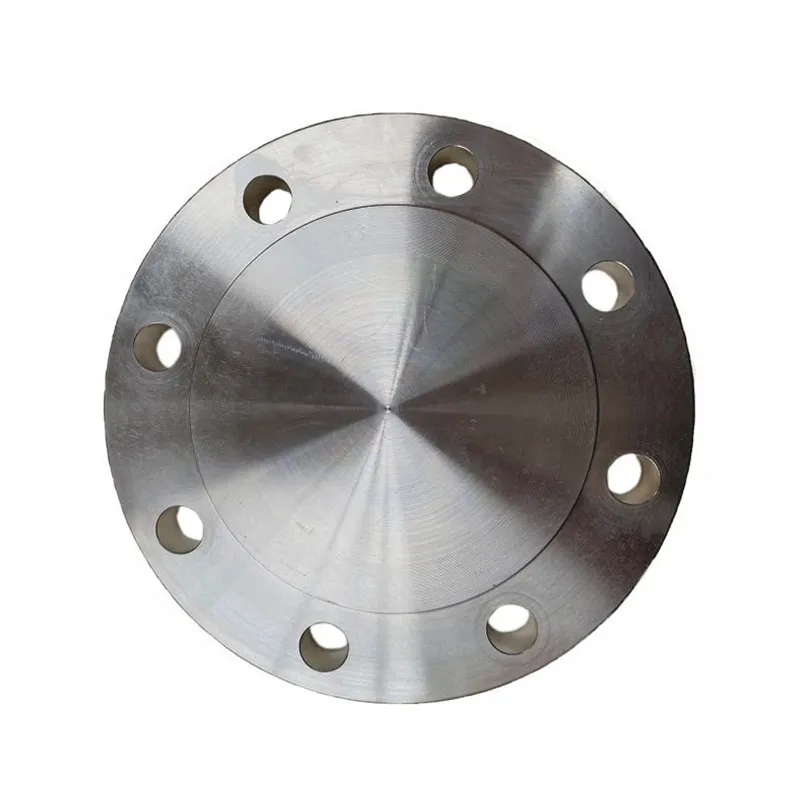
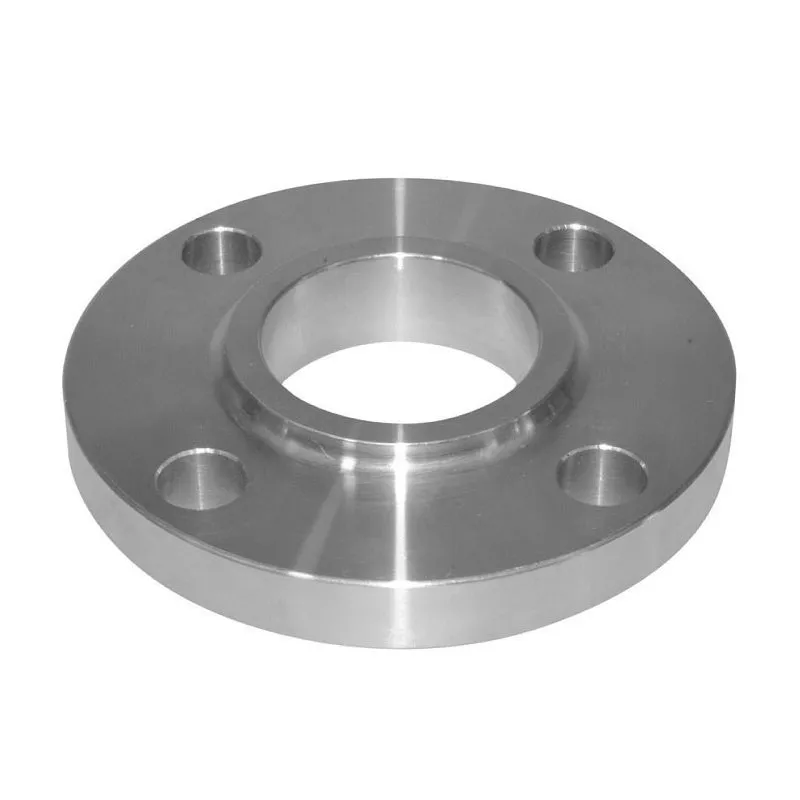
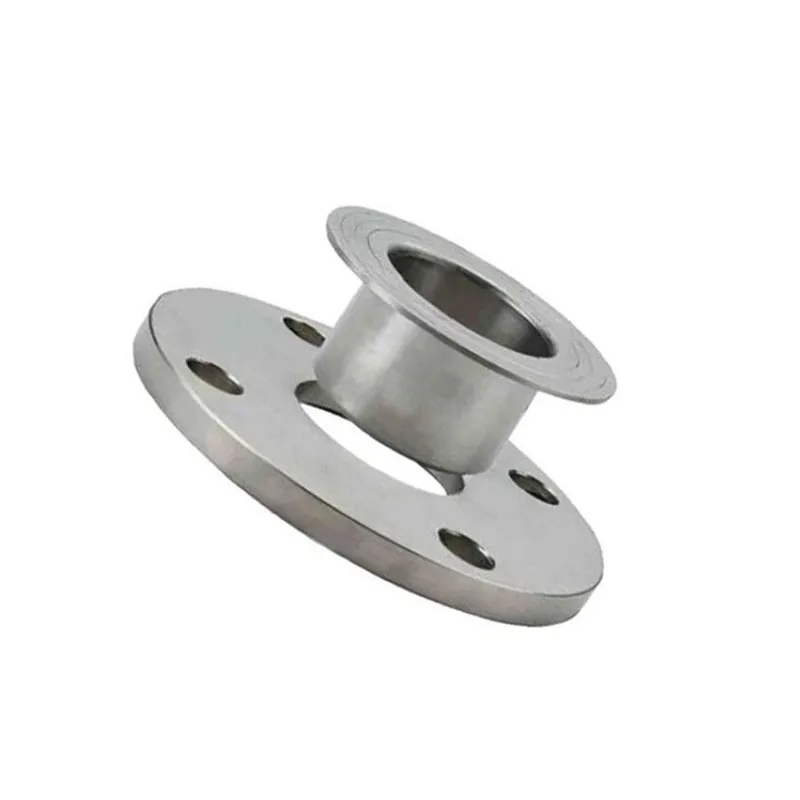
Best Sellingproducts
Best Selling Products-
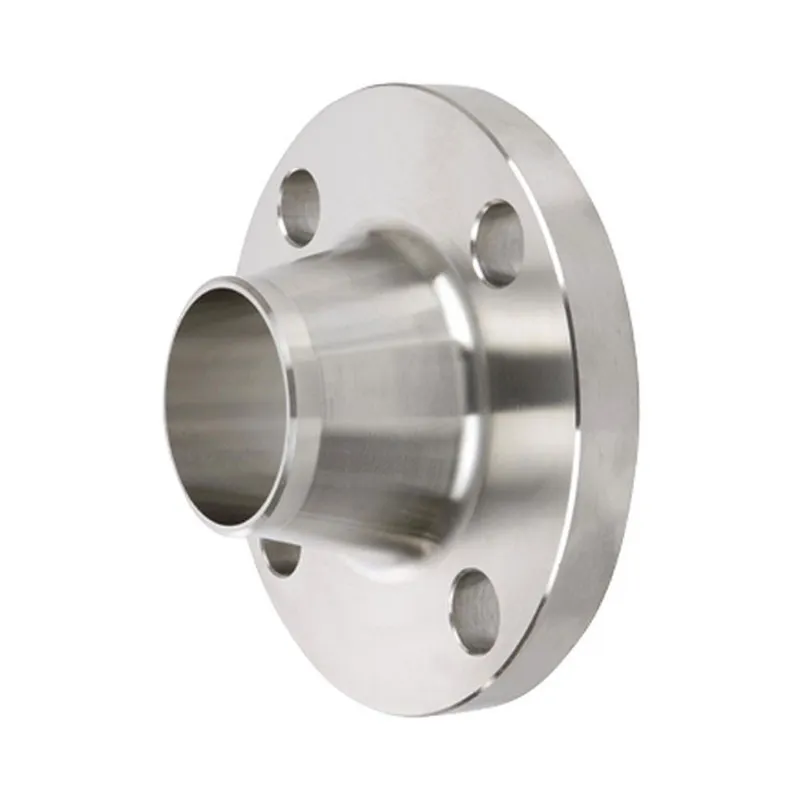 EN 1092-1 Butt weld flanges Type 11, PN25
 -
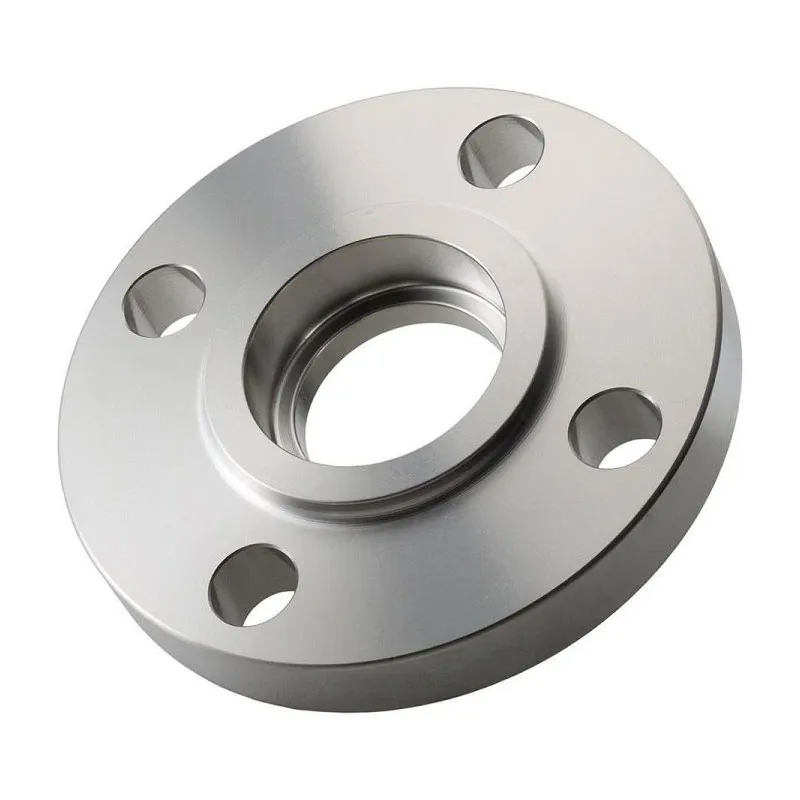 ANSI B16.5 Socket Weld Flanges Class 150
 -
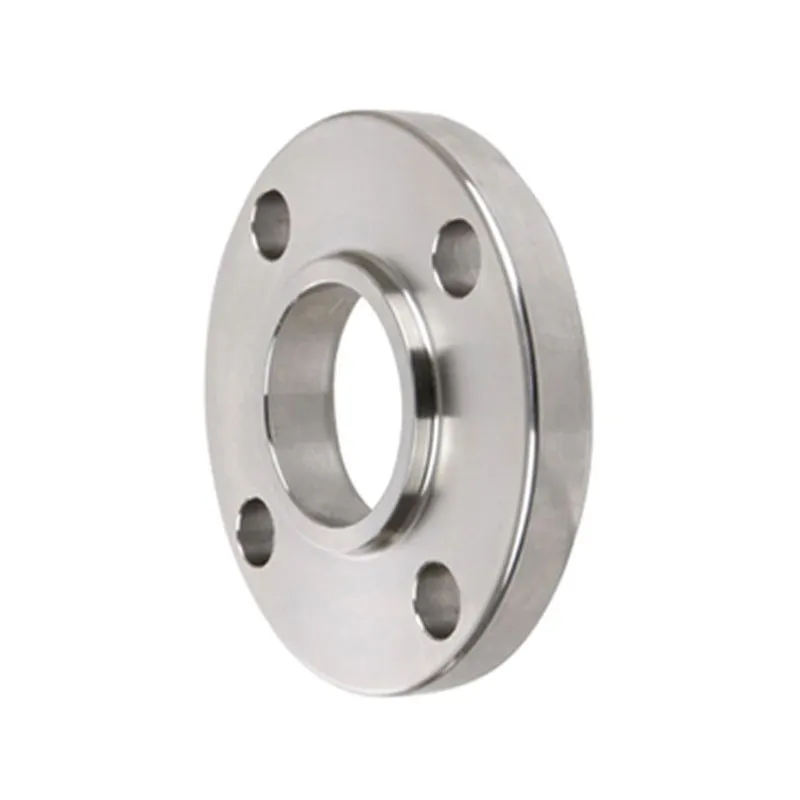 ANSI B16.5 Lap-on flanges Class 300
 -
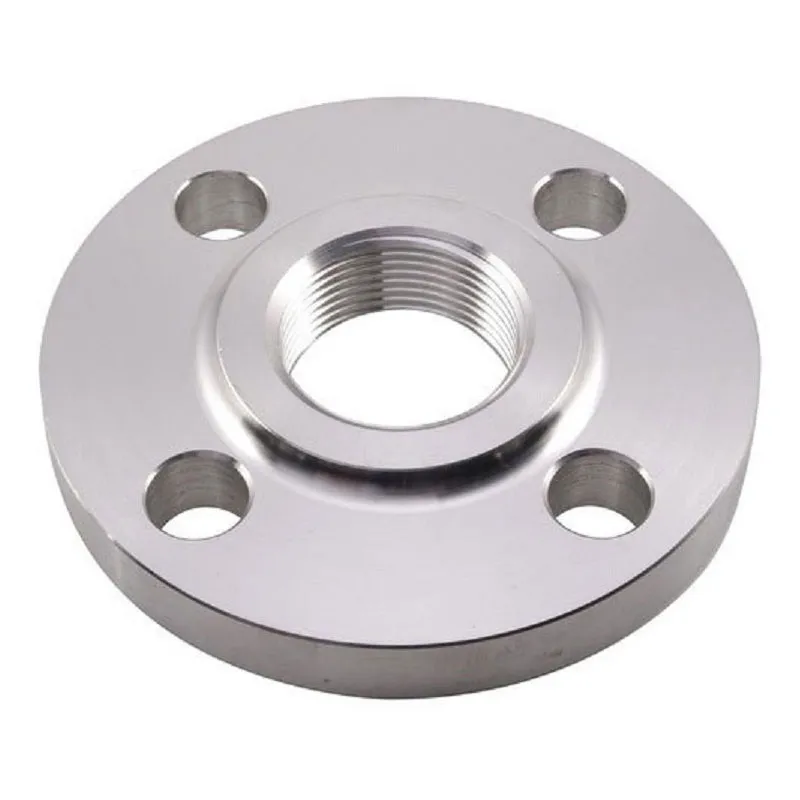 DIN 2565 Threaded flanges PN6
 -
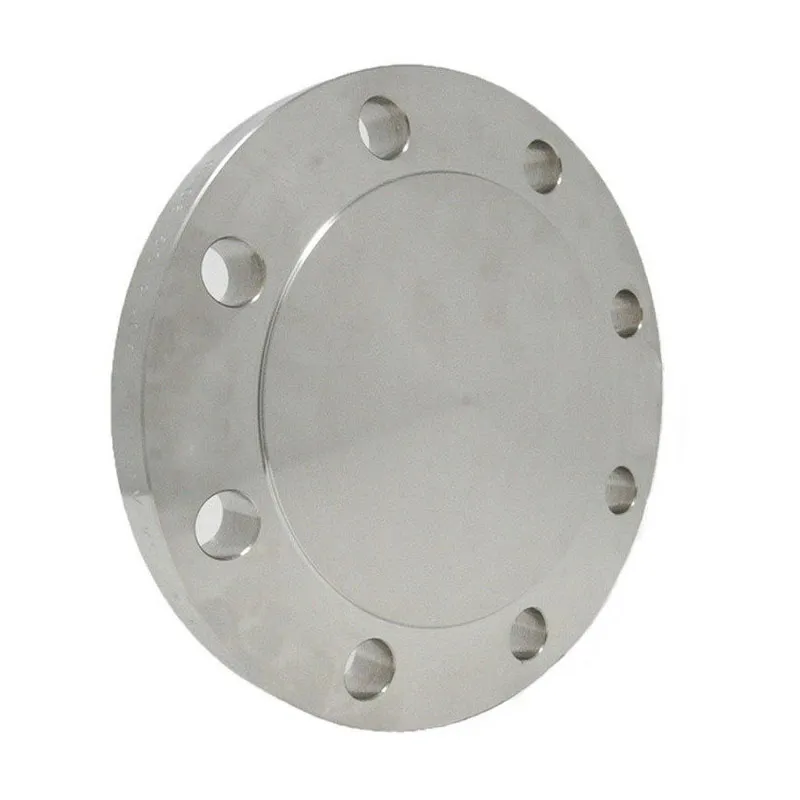 AWWA Blind Flanges Class D (Tables 1, 2, 3)
 -
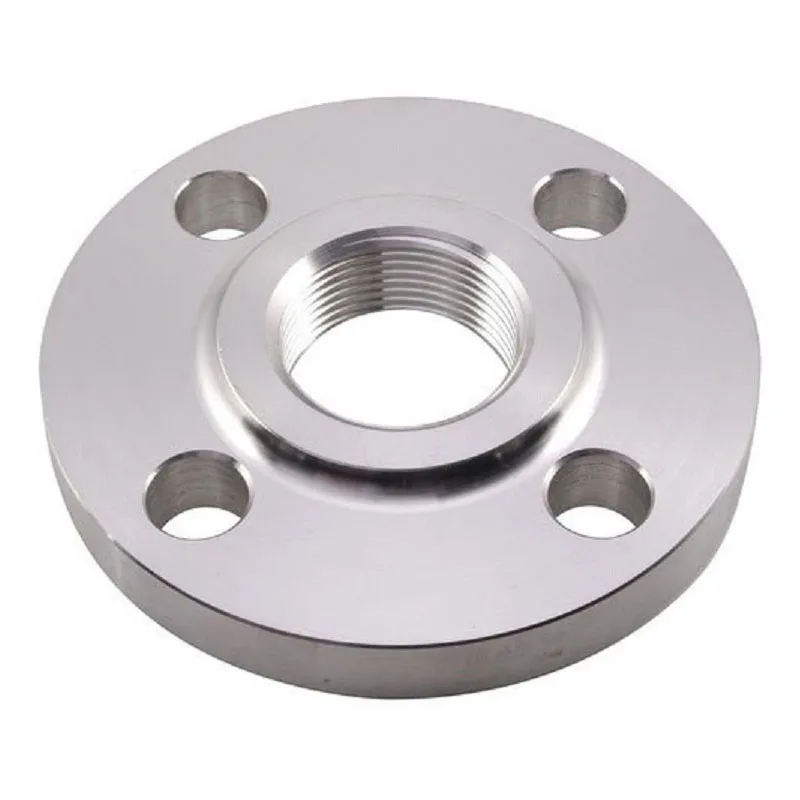 DIN 2566 Threaded flanges PN16
 -
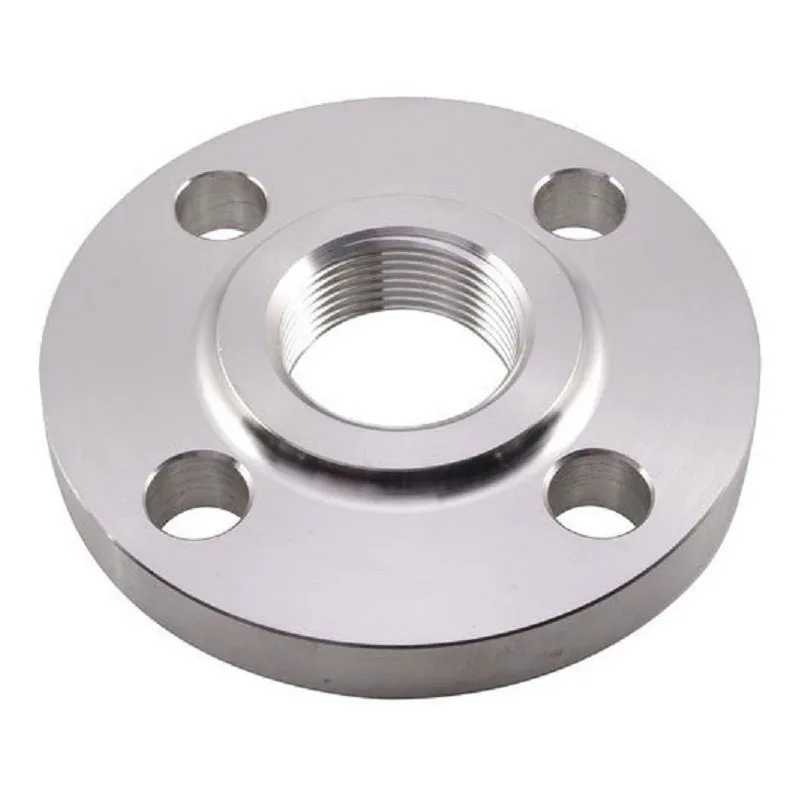 ANSI B16.5 Threaded Flanges Class 600
 -
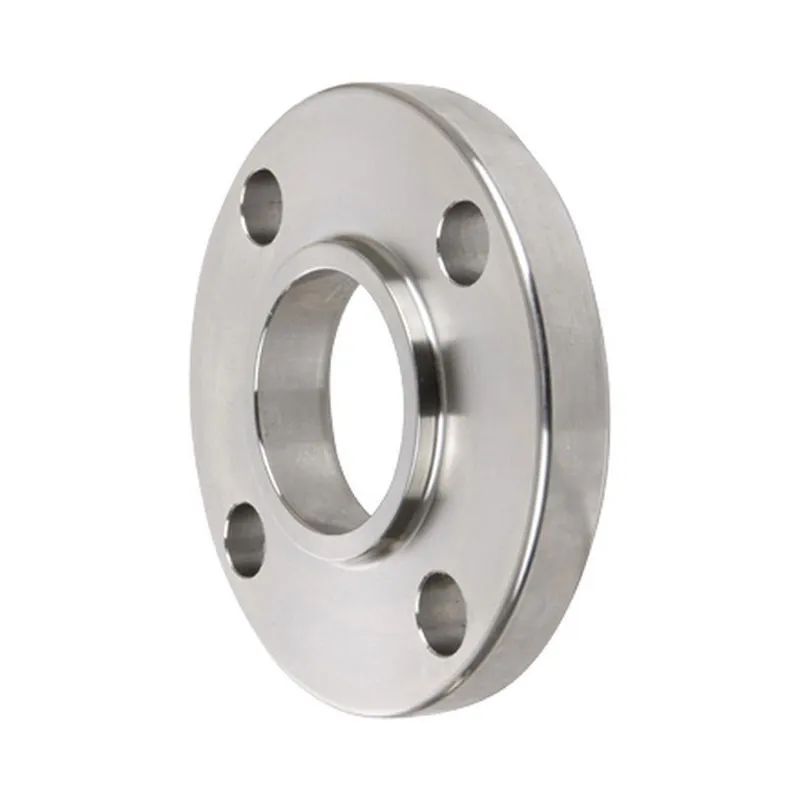 DIN 2501 Overlay flanges PN16
 -
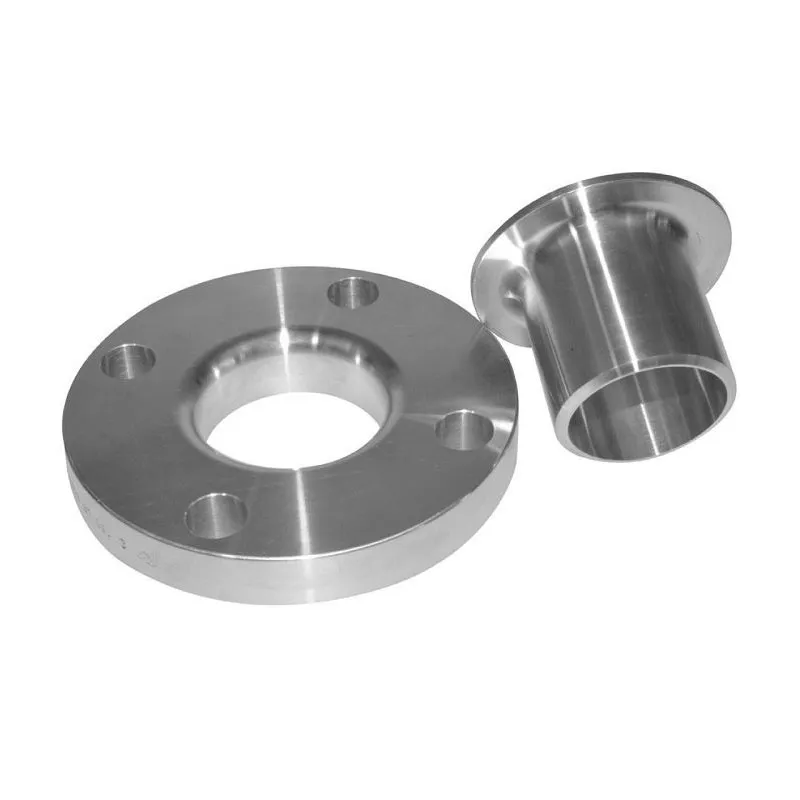 ANSI B16.5 Loose Ring Flanges Class 2500
 -
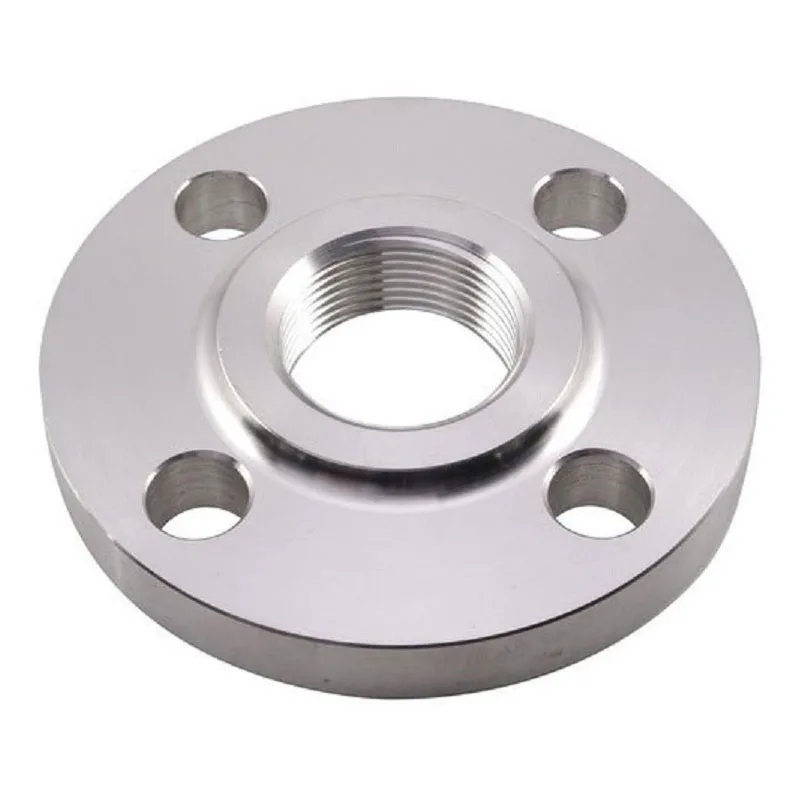 JIS 10K Threaded Flanges
 -
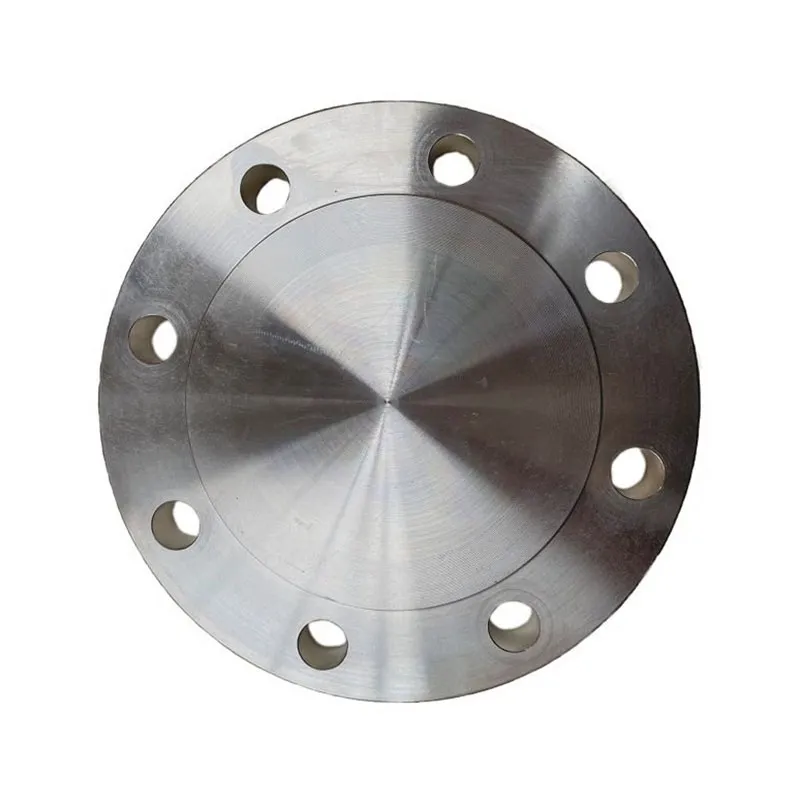 UNI 6092 Blind flanges PN10
 -
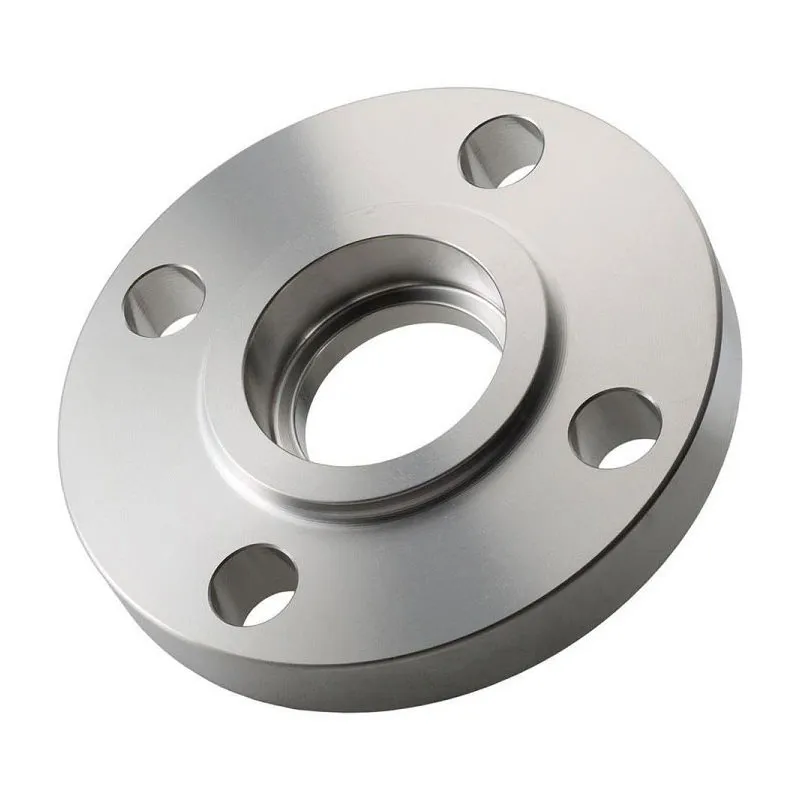 Flanges for socket welding