
-
-
Phone
+86-13623462298



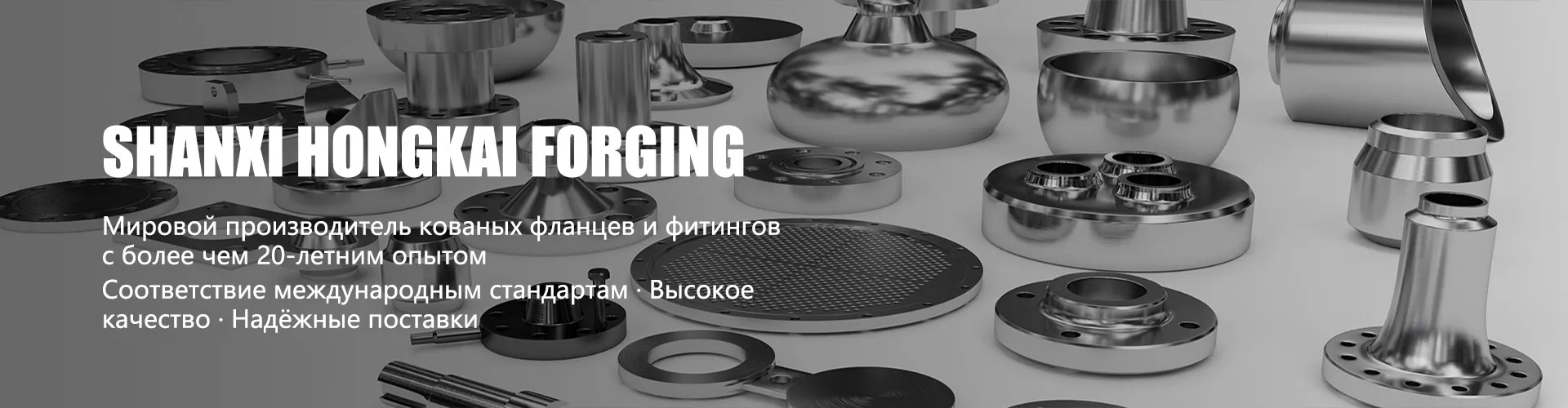
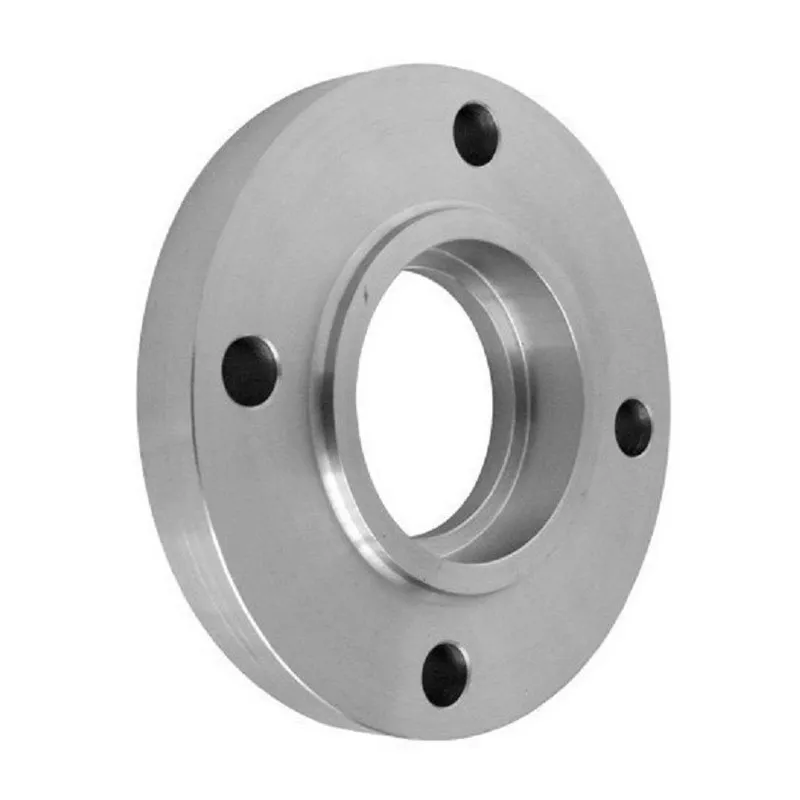
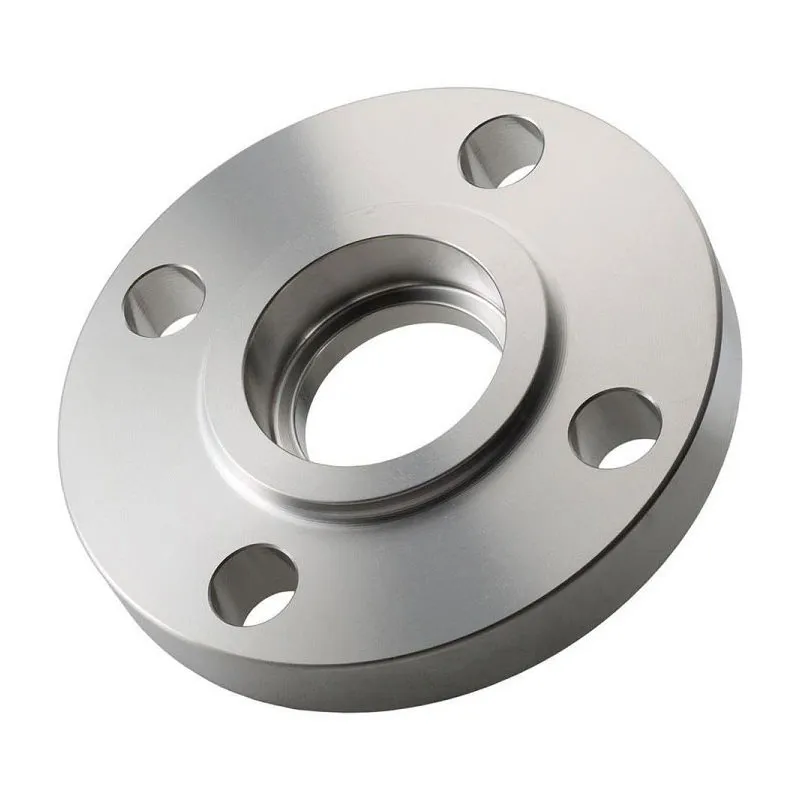
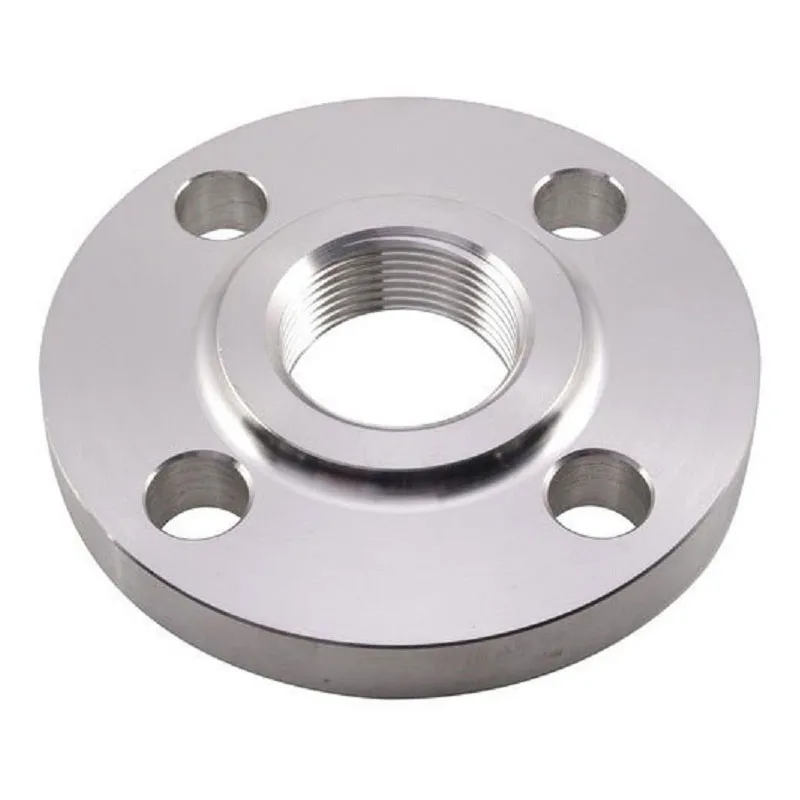
steel flanges DN 200
When people talk about steel flanges DN 200, many people immediately imagine just a steel disk with holes. But in practice, especially when working with medium-pressure pipelines, you begin to notice details that are often missed in catalogs. For example, not everyone takes into account that for a nominal bore of 200 mm, the thickness of the flange and the diameter of the bolt circle can vary greatly depending on the standard - the same GOST 12820-80 and ASME B16.5 give different geometries for the same nominal diameter. A common mistake is to simply order a 'DN 200 flange', without taking into account the pressure (RU or PN) and the design of the sealing surface. Then during installation it turns out that the surfaces do not fit together or the bolts do not work.
Key differences between standards and their impact on choice
This is what you constantly come across: the client asks for a DN 200 flange according to GOST. It would seem that everything is simple. But further clarifications begin - for what pressure? Execution 1, 2 or 3? Flat or butt weld? For example, for systems with PN16, flat flanges according to GOST 12820 are often used, but if we are talking about vibration loads or high temperatures, then butt flanges (GOST 12821) are more reliable, although more expensive. By the way, about the thickness - a flat flange on DN200 under RU16 has a thickness of about 24-26 mm, and a butt flange can be 32 mm, depending on the material. This affects weight, cost, and installation.
Working with suppliers, like Shanxi Hongkai Forging LLC (their website - https://www.hkflange.ru - I often look at the specifications), you see how they throw up their hands when a request arrives without complete data. As a manufacturer of forged flanges and forgings in one of the key forging centers in China, they make products to many standards - from GOST and ASME to EN and DIN. And for them, the difference between, say, a steel flange of DN 200 according to DIN EN 1092-1 (PN16) and one of the same diameter according to ASME B16.5 Class 150 is completely different technological maps and equipment.
There was a case when, to repair a section of an old pipeline, exactly DU200 flat flanges were required according to the old Soviet drawing. According to the catalog, the standard version seemed to be suitable, but upon detailed comparison it turned out that the diameter of the holes for the bolts was 2 mm smaller, and the bolts themselves were not 8, but 12. I had to order a non-standard product. This is where the ability to manufacture according to customer drawings, which is offered by similar manufacturers, comes in handy. The main thing is to provide an accurate sketch with tolerances.
Material and forging: why it's not just 'steel'
The mention of 'steel' in the name is just the tip of the iceberg. For DN200 flanges, which are often used in main pipelines or industrial facilities, material is everything. St3sp, 20, 09G2S, 12Х18Н10Т - each option has its own conditions. For example, St20 is sufficient for moderate temperatures and non-aggressive environments. But if we are talking about a heating plant or chemical production, you are already looking towards alloy or stainless steels. Forging, rather than casting or stamping, provides a key advantage here - a more uniform metal structure, the absence of internal cavities, and increased impact strength. This is especially critical for flanges for pressures from RU25 and above.
On the Shanxi Hongkai Forging LLC website, the company description focuses specifically on forged flanges and forgings. This is an important marker. A forged flange DN 200, especially made of carbon or alloy steel, better withstands cyclic loads - heating and cooling, pressure pulsations. I remember an incident at the boiler room, where a crack appeared on the weld of a cast flange (not supplied by us) right at the transition line from the hub to the disk. After replacing it with a forged analogue, there were no problems. The microstructure of the metal obtained during forging directs the fibers along the contours of the product, increasing strength.
Another practical point is surface treatment. The sealing surface of the flange (most often it is a protrusion-recess, tongue-groove or simply smooth) must have a certain roughness. Too smooth - the gasket may 'float', too rough - it will not provide a tight seal. For steel flanges DN200 for different types of gaskets (paronite, fluoroplastic, metal ribbed) the processing requirements are different. This is often overlooked during procurement, and then leaks during pressure testing.
Installation and common errors on site
It would seem that it was complicated: I welded the flange, connected it with bolts, and tightened it. But with a diameter of 200 mm, its nuances begin. First, alignment. Even a slight displacement of the axes of two flanges during joining creates enormous stresses in the bolts. When tightening with a torque wrench (and tightening 'by eye' for the DU200 is a crime), the load is distributed unevenly. The standard pattern - crosswise - is required here. Secondly, the bolts themselves. Do they need washers? What material? For high temperature applications, thermal expansion bolts are sometimes required, otherwise the circuit will lose its seal after warming up.
One of the most annoying mistakes is ignoring thermal expansion. On a long straight section of pipeline with an ambient temperature of 150-200°C, a DN 200 steel flange will expand differently than the fittings or apparatus attached to it. If everything is firmly fixed, the valve or pump body may move. Therefore, sometimes expansion joints are installed or a 'floating' connection is made using loose flanges on a welded ring. By the way, in the range of many manufacturers, including the mentioned company, there are such free flanges for DN200 - they are convenient for installation in hard-to-reach places, since they do not require rotation of the pipe.
Gaskets are a separate issue. For a flange connection DU200 for water and steam up to 16 atmospheres, paronite is usually used. But if the medium is oil or hydrocarbons, paronite can swell and lose strength. You need fluoroplastic or metalgraphite. The size of the gasket's internal hole must exactly match the internal diameter of the flange, otherwise turbulent flows and erosion will occur. I saw how at a thermal power plant they installed a gasket with a hole 10 mm smaller - after six months a cavity appeared on the cut of the flange due to cavitation.
Non-standard situations and production according to drawings
The standard assortment is good, but life is richer. It happens that you need a steel flange DN 200, but with a non-standard arrangement of holes - for example, to avoid a conflict with the foundation design. Or, increased disc thickness is required to compensate for future corrosion. Or you need a transition from DN200 to DN150, but not concentric, but eccentric, in order to maintain the level of the lower generatrix of the pipe. This is where the ability to manufacture according to customer drawings comes in handy.
Manufacturers who work with a range of sizes right up to DN4000, like Shanxi Hongkai Forging LLC, usually have no problems with non-standard orders for relatively small diameters, such as DN200. The main thing is to provide a competent drawing indicating not only dimensions, but also tolerances, roughness, hardness of the material, type of heat treatment (normalization, tempering). Sometimes it makes sense to order a trial batch of 1-2 pieces for on-site testing before starting mass production.
From personal experience: a flange was required to connect a DU200 pipe to an old tank. The holes on the tank were drilled out and broken, the standard flange did not fit. We made a sketch and indicated the actual dimensions and angles taken with a caliper. We received a product with oval holes for bolts and an offset center. During installation I had to tinker a little with the adjustment, but the connection fit perfectly. Without an individual approach, the tank itself would have to be redone, which is several times more expensive.
Quality control and what to check upon acceptance
When a batch of DN 200 steel flanges arrives, even from a trusted supplier, you cannot relax. The first is a visual inspection. No cracks, holes, deep marks on the sealing surface. Checking the geometry - using a caliper we measure the thickness of the disk, the height of the hub (for butt-mounted ones), the diameters of the bolt holes and the circumference. Particular attention is paid to the alignment of the bolt holes. It happens that the holes are drilled with a slight offset, and then the bolt does not fit freely, it is “led”, which creates a misalignment.
Be sure to check the labeling. Each flange must be stamped (not with paint!) with the material, nominal bore (DN200), nominal pressure (RU or PN), standard, and manufacturer’s trademark. For critical applications, we request certificates of conformity and mechanical test results (tensile strength, impact strength). For flanges made of alloy steels, there is also a chemical analysis. Manufacturers working on international markets, as a rule, have all this documentation in order. The same website hkflange.ru shows that the company is focused on compliance with international and national standards, and this implies strict output control.
Sometimes it is useful to do an application check. For example, apply two flanges from a batch to each other with their sealing surfaces - they should fit tightly, without gaps. Or try to tighten all the bolts - they should go in manually, without using force. Such simple steps can save a lot of time and nerves during installation. I remember how, due to a batch of flanges whose holes were half a millimeter smaller than stated, I had to urgently drill out everything on site, wasting a day.
Correspondingproducts
Related Products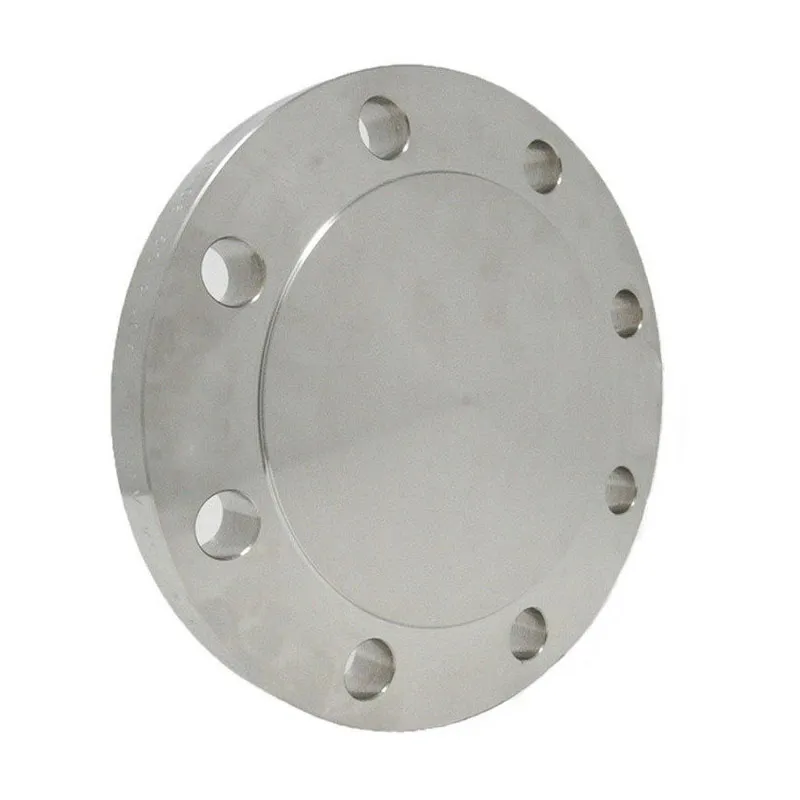
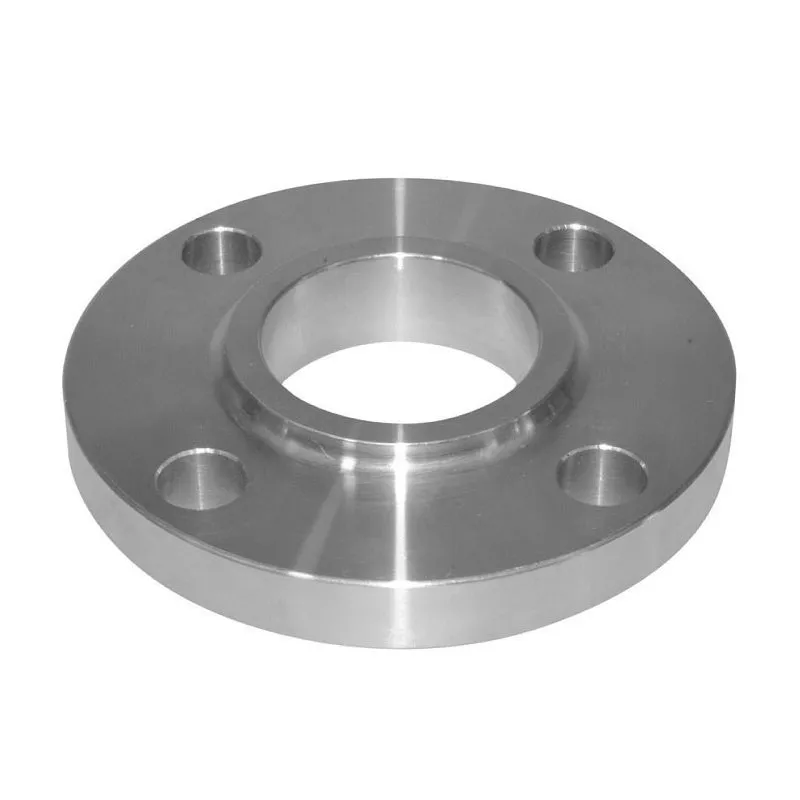
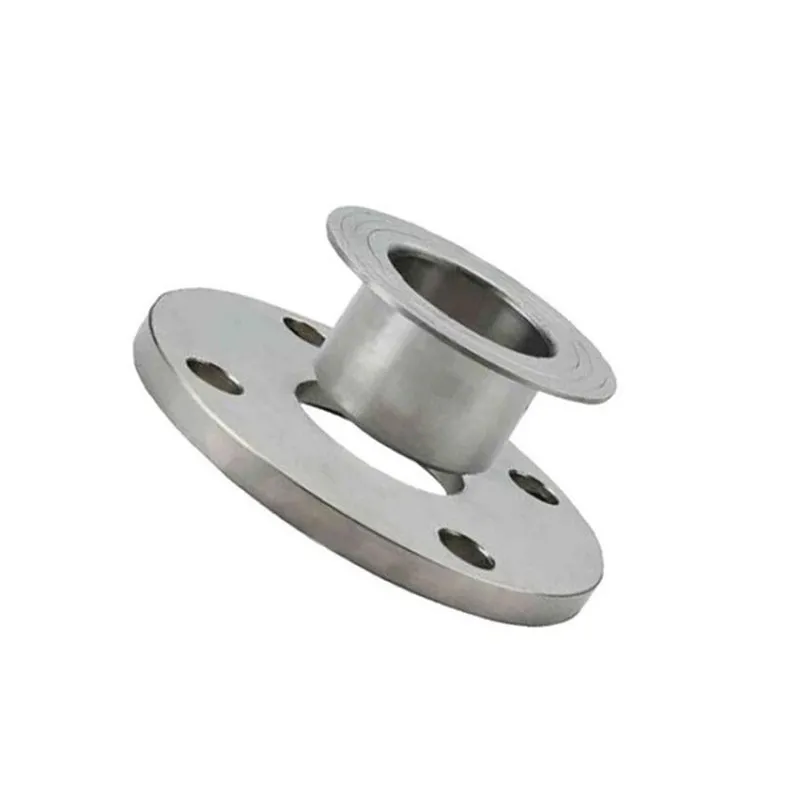
Best Sellingproducts
Best Selling Products-
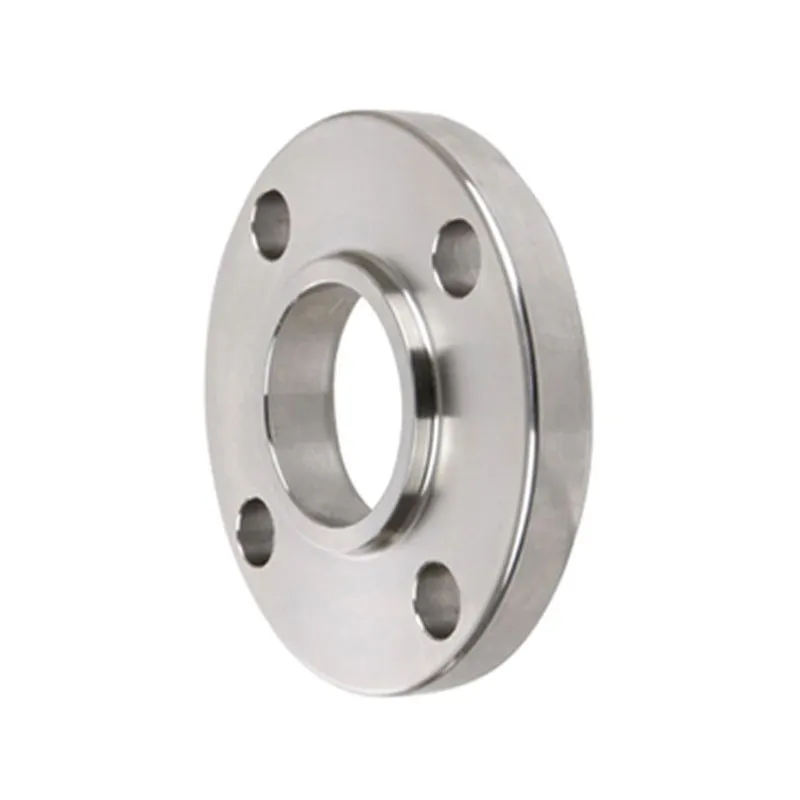 ANSI B16.5 Lap-on flanges Class 300
 -
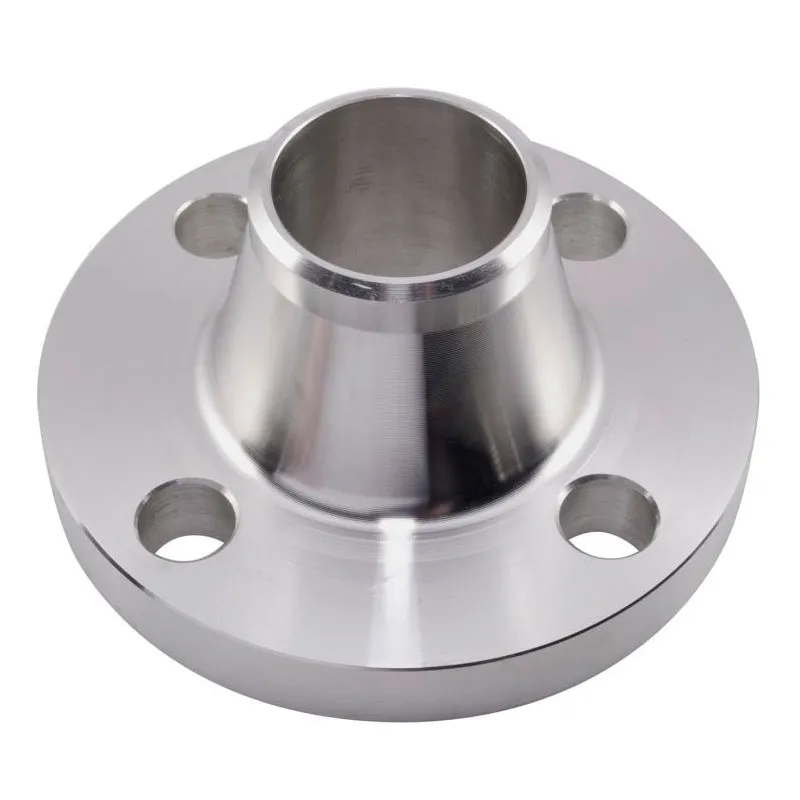 UNI 2281 Butt weld flanges PN10
 -
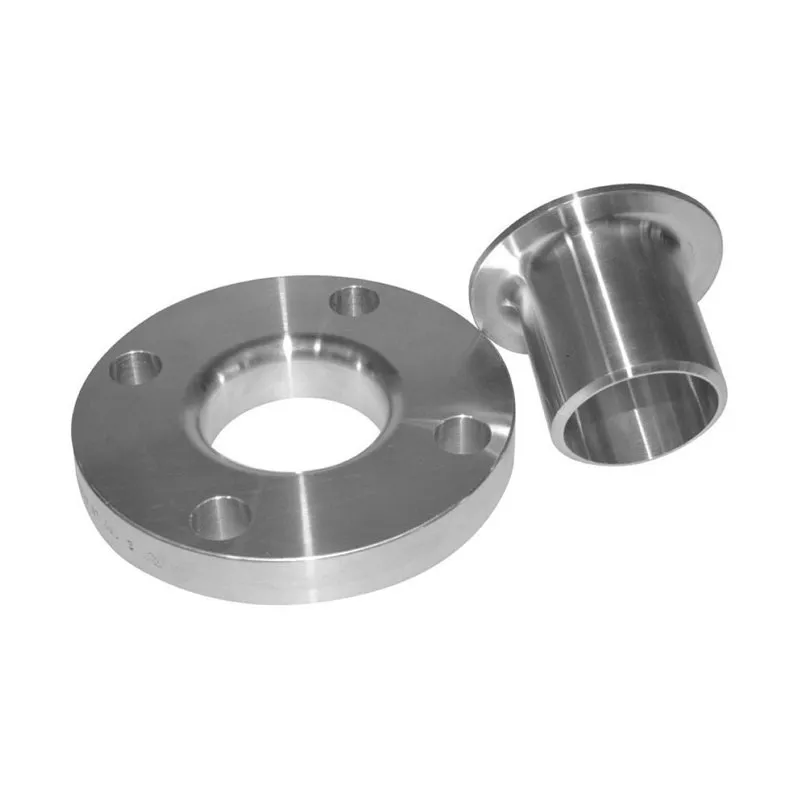 Free ring flanges Class 150
 -
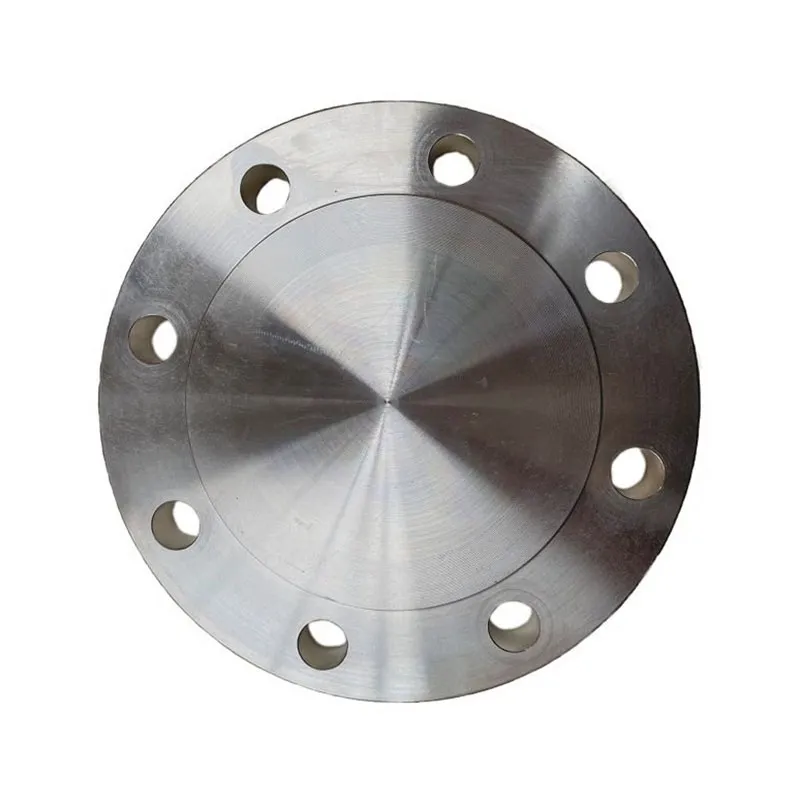 ASME B16.47 Ser.A Blind Flanges Class 400
 -
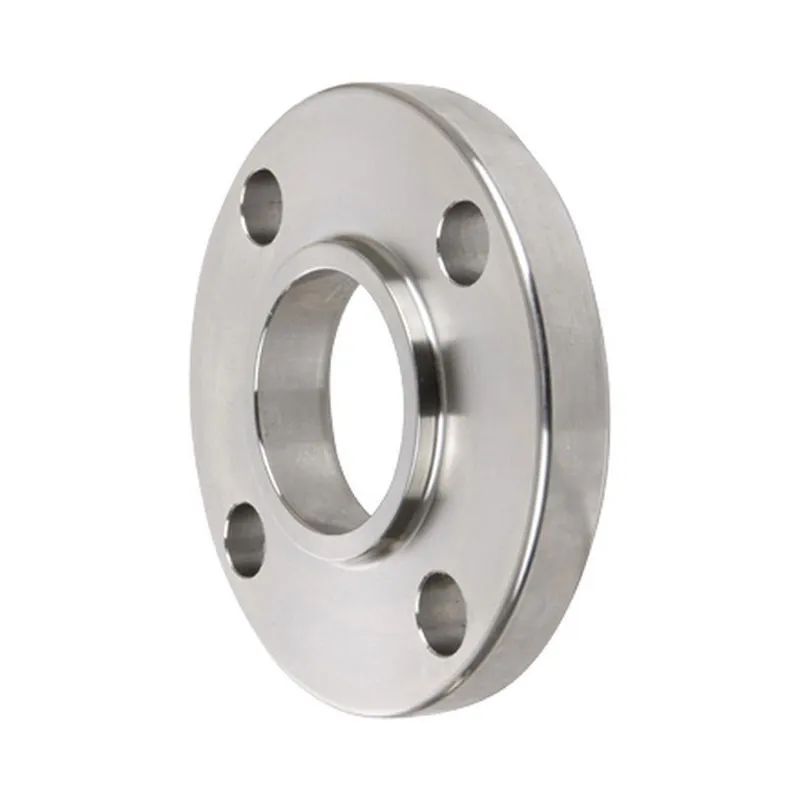 DIN 2501 Overlay flanges PN16
 -
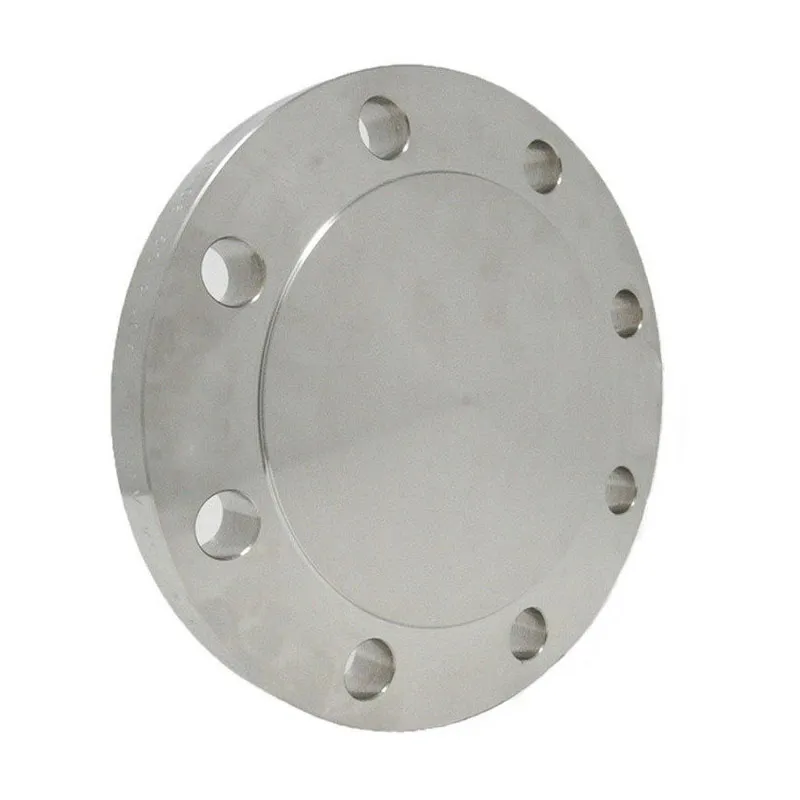 AWWA Blind Flanges Class D (Tables 1, 2, 3)
 -
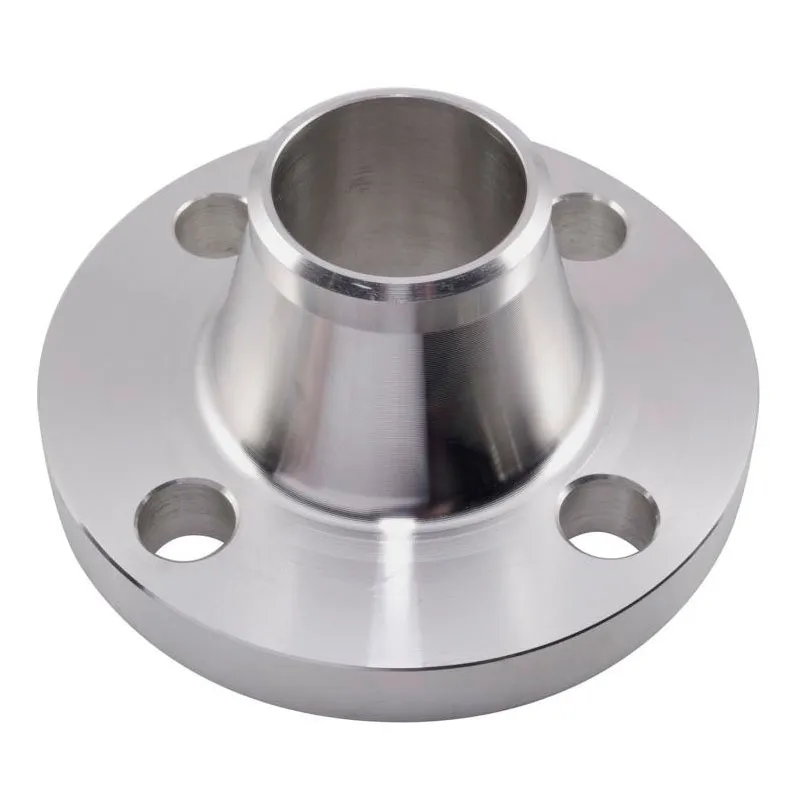 DIN Butt weld flanges PN10
 -
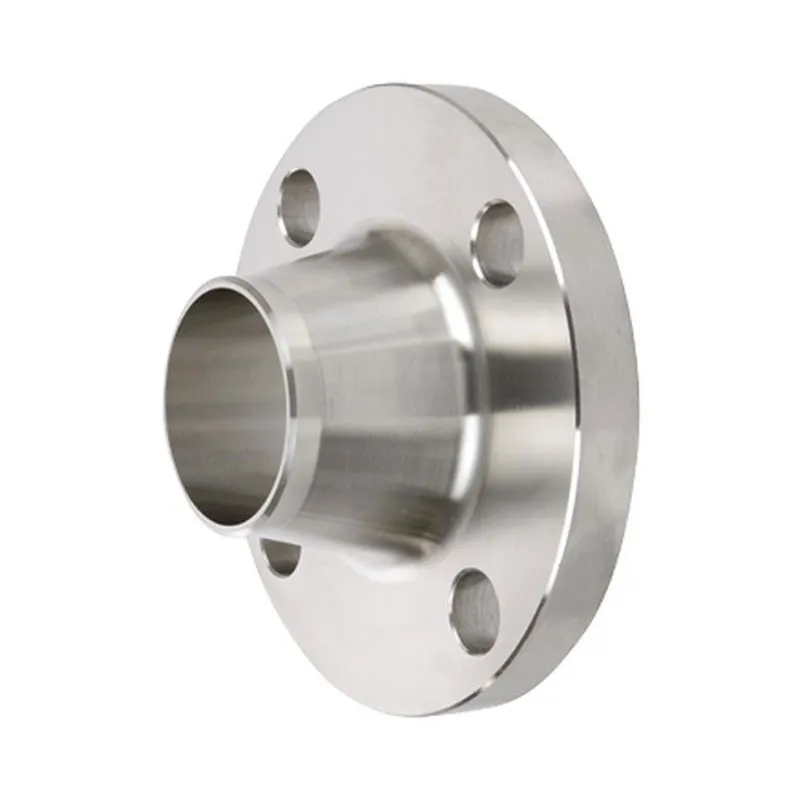 Ser.A Butt Weld Flanges Class 400
 -
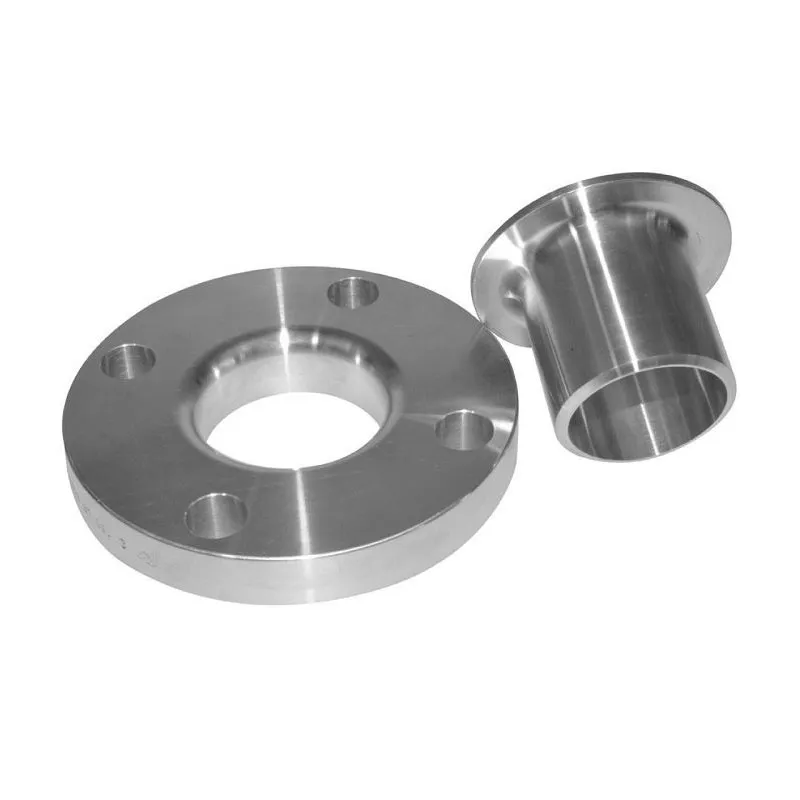 ANSI B16.5 Loose Ring Flanges Class 2500
 -
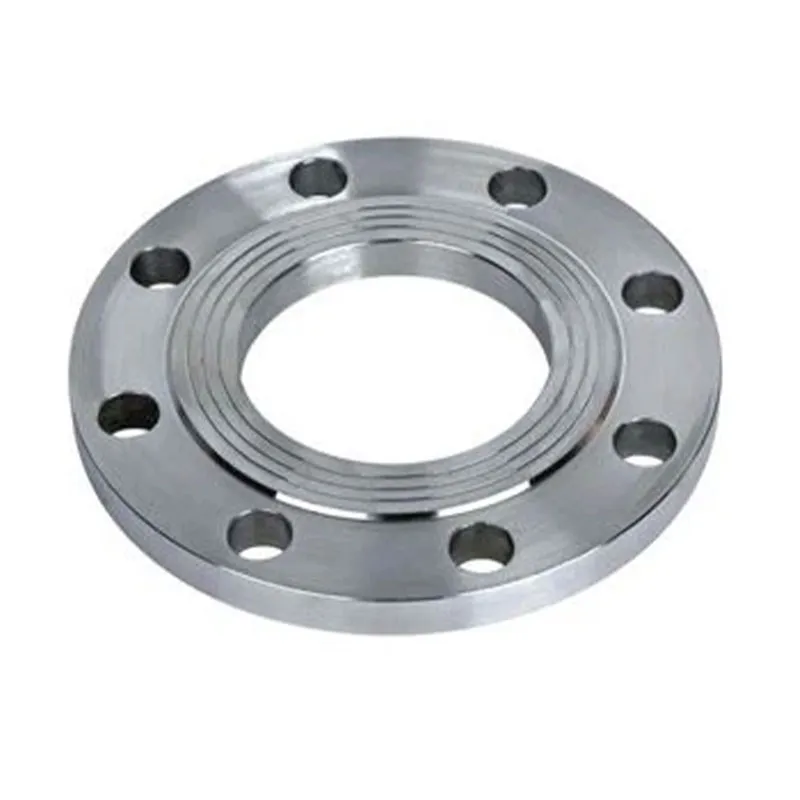 Butt weld flanges Class 150
 -
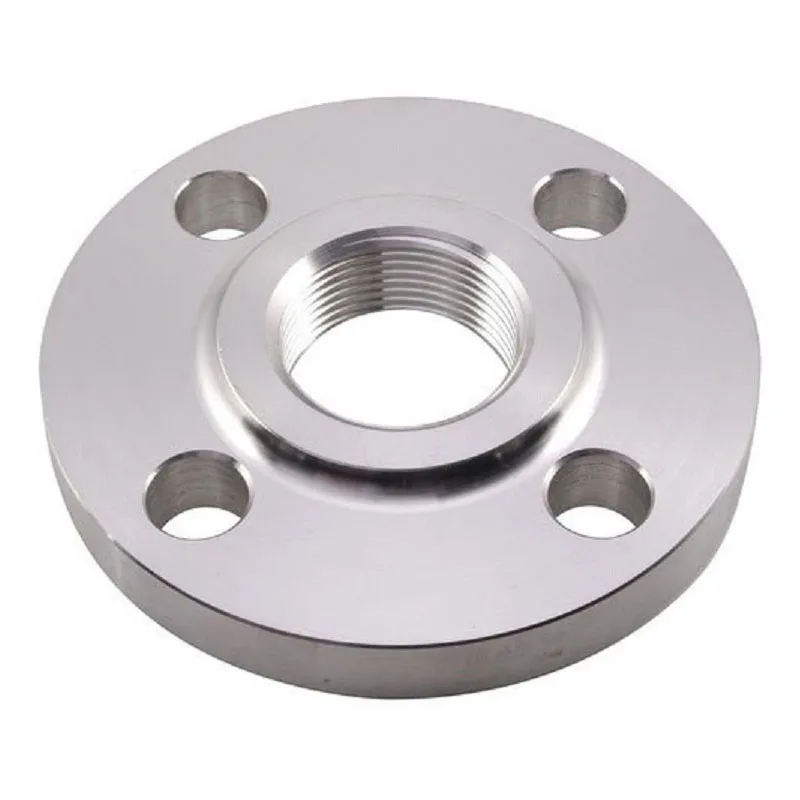 DIN 2566 Threaded flanges PN16
 -
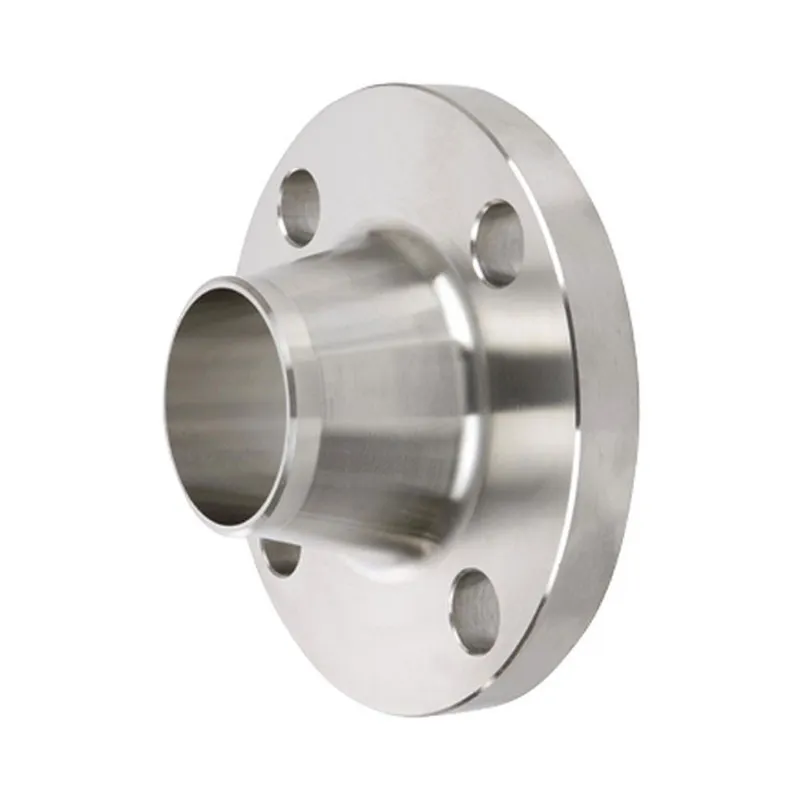 EN 1092-1 Butt weld flanges Type 11, PN25