
-
-
Phone
+86-13623462298



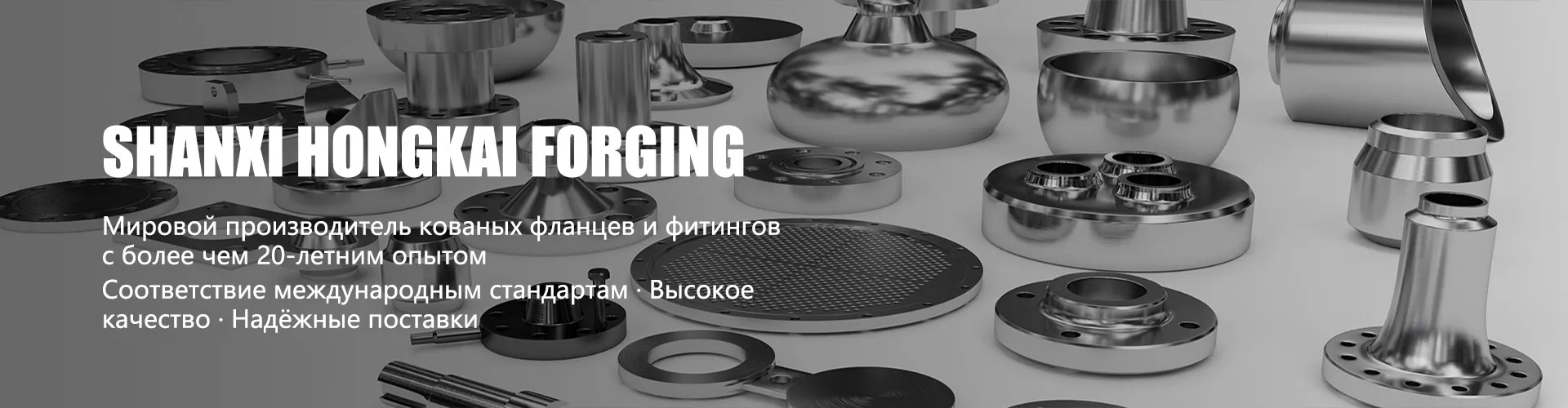
flange sdr 11
When you see “SDR 11 flange” in a specification or request, the first thing that comes to mind is a pressure piping system, usually polyethylene. But this is where the fun begins, because many, especially those who work more with steel, immediately look into tables according to GOST or ASME, looking for compliance. And it may not be there in its usual form. SDR is a standard dimensional ratio primarily used for thermoplastic pipes. And when it comes to a flange for such a pipe, it is often the flange that connects to the SDR 11 polyethylene pipe that is meant, and not the one that itself has this parameter. This is a key point that gives rise to a lot of misunderstandings at the procurement stage. I myself found myself in a situation a couple of times when steel flanges according to ASME B16.5 were delivered, and the customer was waiting for adapters for PE pipes with the corresponding SDR. I had to urgently look for a manufacturer who makes just such transition elements.
What is hidden behind the SDR numbers in relation to flanges
Let's go in order. SDR (Standard Dimension Ratio) is the ratio of the outer diameter of the pipe to the thickness of its wall. For SDR 11 this is a fixed value. Accordingly, the flange that will be connected to this pipe must have a fitting diameter and design that ensures a reliable connection with the pipe of this SDR. Most often, this is not a solid cast or forged metal flange marked SDR 11, but a special transition flange - a steel welded flange with a welded or threaded polyethylene sleeve, or the so-called “butt flange for PE pipes,” which is welded to the pipe using the butt welding method. This is where high precision is needed. If the sleeve or seat geometry does not exactly match the outside diameter of the SDR 11 pipe, there will be problems with sealing or joint strength.
In our practice, we have often encountered requests for the production of just such transition elements for specific projects. For example, for water supply networks, where the main main pipeline is steel, and branches or tie-ins are made with polyethylene pipe SDR 11. A steel flange was needed in accordance with GOST (analogous to EN 1092-1) with a PE sleeve welded at the factory. It would seem that it couldn’t be simpler: take a flange, take a piece of PE pipe, and weld it. But no. It is important that the sleeve material is compatible with the PE pipe (PE 100, PE 80) so that the quality of the weld between steel and plastic is flawless - this is a potential failure point. We started with simple solutions, but after a couple of incidents with microcracks at the interface of materials, we switched to cooperation with specialized factories that specialize in such hybrid products.
One of such reliable partners in this segment isShanxi Hongkai Forging Co.,Ltd. Why? They don't just sell flanges, but as a manufacturer of forged flanges and forgings, they understand the importance of the metal part. But what is more valuable is that they work according to customer drawings and produce non-standard products. In the case of switching to an SDR 11 pipe, this is often a non-standard solution: you need to accurately maintain the diameter, ensure the correct chamfer angle on the steel flange for welding the sleeve, and sometimes provide additional fastening elements. Their websitehttps://www.hkflange.ruis essentially a technical base where you can find or discuss the basis for such a product. They make forgings in accordance with GOST, ASME, EN, which gives confidence in the quality of the most critical part - the steel flange. And then comes the assembly with the polymer element. It is important that they are located in one of the forging centers of China, that is, they have direct control over the initial workpiece - the forging.
Errors during selection and installation: personal experience
I’ll tell you about one incident that I remember well. There was a facility, a heating main, reconstruction. At the site, they decided to replace the old steel with a PE pipe SDR 11. Flange connections were required at the insertion point into the existing main. The project simply stated: “steel flange DN200 on SDR 11”. Out of habit, we ordered standard flat welded flanges GOST 12820-80 for DN200. When installers arrived at the site with polyethylene pipes, it turned out that it was impossible to connect. What was needed was either an adapter flange with a PE sleeve, or a separate adapter adapter. Deadlines were running out. As a result, we found a quick, but not ideal solution - we used a saddle with a flanged outlet, which is placed on the pipe. This was a necessary measure, and in terms of reliability it was inferior to a solid adapter flange. After that, we made a clear rule for ourselves: always clarify what exactly the flange is needed to connect to WHAT. If the parameters includeSDR 11- 99% that we are talking about a polyethylene pipe.
Another subtlety is pressure. The SDR 11 pipe is designed for a specific operating pressure (PN). The flange, especially its metal part, must have a pressure rating of at least no less. But here a dilemma often arises. A steel flange according to GOST or ASME easily takes pressure several times higher than a PE pipe can withstand. It would seem, take anyone. However, if an adapter flange with a plastic sleeve is used, the weak link is precisely the connection between the sleeve and the steel and the sleeve and the pipe. Therefore, what is important here is not so much the grade of steel of the flange, but the quality of manufacturing and testing of this particular adapter assembly. No GOST for a steel flange separately guarantees this. You need either test reports from the manufacturer of the prefabricated assembly, or, ideally, a questionnaire indicating the operating conditions: environment, temperature, pressure, load cycling.
Sometimes it is easier and more reliable to use not a monolithic adapter flange, but a combination: a standard steel flange + a separate polyethylene sleeve flange (integral flange), which is welded to the pipe and then bolted to the steel one. This gives greater freedom during installation and replacement. But there is a pitfall here too - alignment. If there is a misalignment during butt welding of the PE flange-sleeve to the pipe, then when bolted to a steel flange, stresses will arise that can lead to leaks. I saw this while installing gas networks. I had to cut it and digest it.
Production nuances and supplier selection
When it comes to ordering specific products such as a flangeSDR 11, working with the manufacturer becomes a key factor. Not every factory, even with a good forging shop, will undertake this. You either need to have your own production of polymer components, or established cooperation. As I already mentioned,Shanxi Hongkai Forging Co.,LtdIn this regard, they are interesting to us precisely as a manufacturer of metal bases. Their profile is forged flanges and forgings according to standards from GOST to ASME and DIN, up to sizes DN4000. This means they can forge and machine virtually any flange blank that will then become part of the adapter assembly.
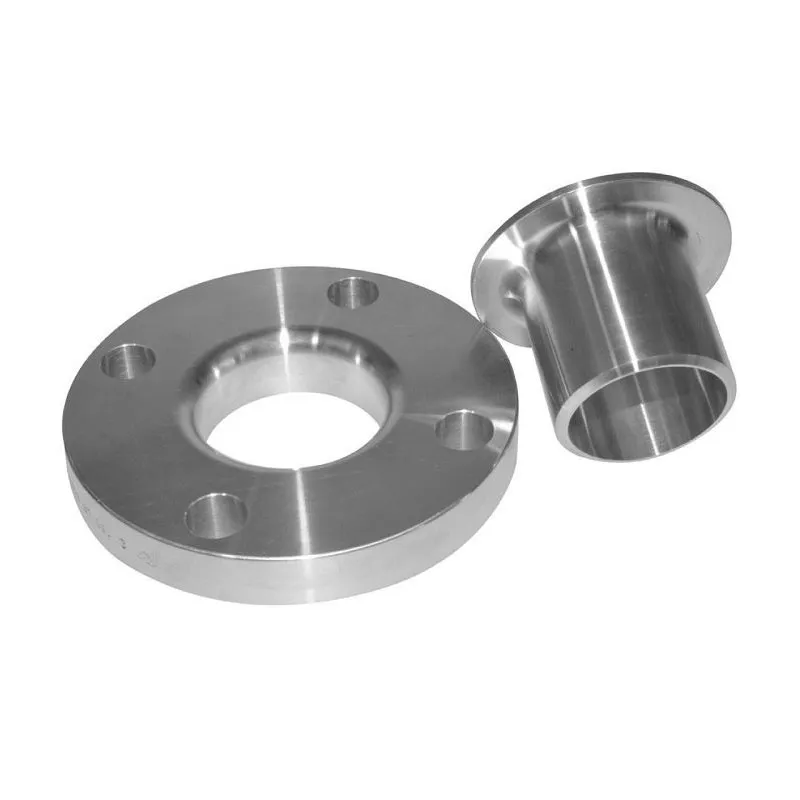
What do I value about working with such suppliers? Opportunity to discuss details in technical language. Not just “we need a flange for the 200th pipe?”, but “we need a transition from the GOST 33259 Type 11 PN16 flange to the PE 100 SDR 11 pipe, with a chamfer angle for butt welding of 30 degrees, flange material - st. 20?”. When a manufacturer does forging himself, he understands that everything depends on the quality of the forging, the direction of the fibers, and the absence of internal defects. For critical components, especially in the energy sector or at chemical plants, where even in a polyethylene section there can be pressure surges, this is critical. On their website you can see that the range is wide: butt welded, flat, and free. This means that you can select the optimal type of flange for a specific type of connection (for example, a loose flange with a welding ring can simplify installation in a hard-to-reach place).
However, it is important to understand that they are metalheads. If you need a ready-made unit on a turnkey basis? with a welded PE bushing, this issue needs to be discussed separately. Perhaps they do this through partners, perhaps they only offer the metal part. But even in this case, if you have a high-quality forging, you can find a specialized company that will do the final assembly. That's what we did: we ordered forged flanges fromHongkaiaccording to their own drawings, and then transferred them for modification to another plant, which was engaged in welding with polymers. The results were consistently good because the foundation was right. Cheap cast flanges from unknown manufacturers often have micro-cavities and heterogeneity of structure, which is unacceptable in a hybrid connection.
Practical tips for use and installation
Based on my experience, I can give some scattered but important tips for working with flange connections for SDR 11 pipes. First, never neglect the preparation of the pipe end. Before welding the PE flange-sleeve, the end must be cleaned and degreased, and the butt welding machine must be correctly configured for the specific grade of polyethylene and diameter. Incorrect heating or compression force will result in a weak seam. Second, when bolting a steel and polyethylene flange, tighten the bolts in a crisscross pattern using a torque wrench to the torque specified by the flange manufacturer. The banner can lead? plastic part, if it is not tight enough, it will leak.
Third, consider thermal expansion. The coefficient of linear expansion of polyethylene is an order of magnitude higher than that of steel. If a section of SDR 11 pipe is long and sandwiched between two steel flanges without an expansion joint, huge stresses on the joints can occur due to temperature changes. Sometimes it makes sense to install a loose flange with a weld ring to give a little freedom. Fourthly, for aggressive environments, check the brand of polyethylene. PE 100 is not always suitable; there may be special modifications. And accordingly, the material of the bushing in the flange should be the same.
And the last thing is documentation. When accepting a batch of adapter flanges forSDR 11require not only certificates for steel, but also for polymer materials, and ideally, tensile or pressure test reports for the assembled unit. This protects against unpleasant surprises. I remember how we once received a shipment where the bushings were made from regranulate of unknown origin. They passed visual inspection, but during pressure tests they leaked along the body of the material, and not along the seam. I had to return the entire batch.
Instead of a conclusion: thinking out loud
In general, the topicflange SDR 11is an excellent example of how important it is to understand not just terms, but the physics and technology of connecting dissimilar materials. This is not just a piece of hardware with a hole. This is an engineering unit on which the trouble-free operation of the pipeline section depends. Chasing for the lowest price here is more expensive for yourself. It's best to find a reliable supplier of quality metal base that understands what the forging is for and can ensure consistent geometry and mechanical properties. And then, with this foundation, take the next step. For us, the company has become such a partner in terms of metalShanxi Hongkai Forging Co.,Ltd, whose production is focused on standards and individual projects. Their approach, when you can send a drawing and discuss the details, and not just choose from a catalog, is invaluable for complex transitions to polyethylene pipes. The main thing is to always clearly formulate the task: not “SDR 11 flange”, but “transition from such and such a steel flange to a PE pipe of such and such diameter and SDR 11, for such and such operating conditions?”. Then the result will be predictable, and the object will work without problems. And this, ultimately, is the main goal.
Correspondingproducts
Related Products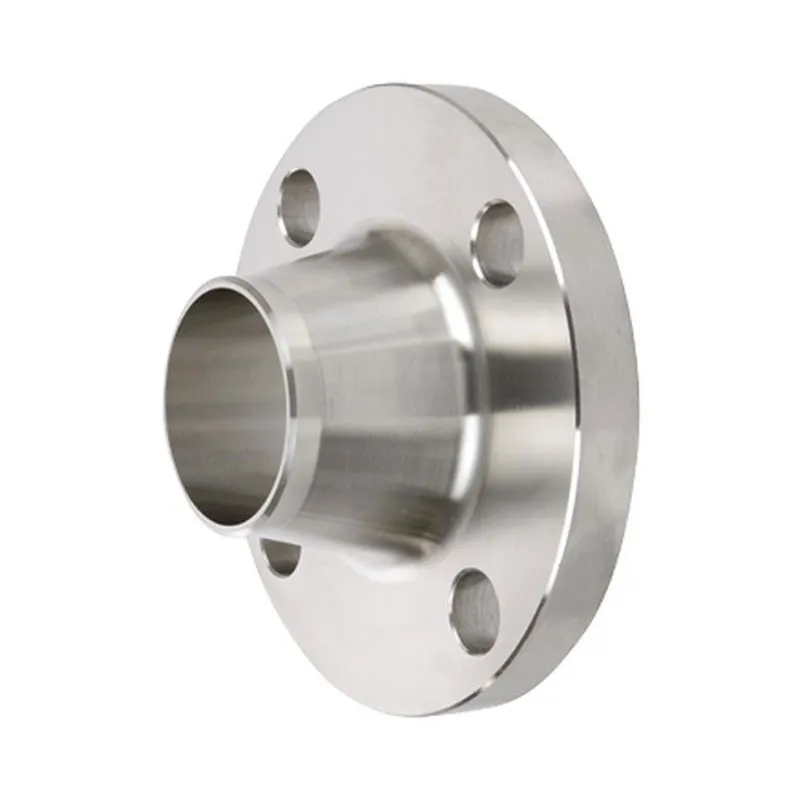
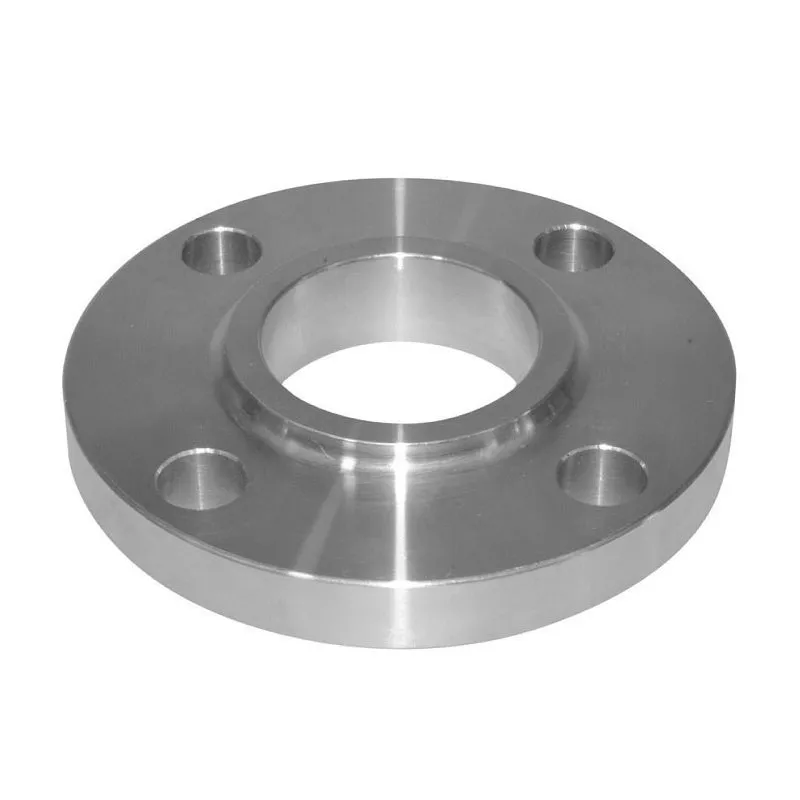
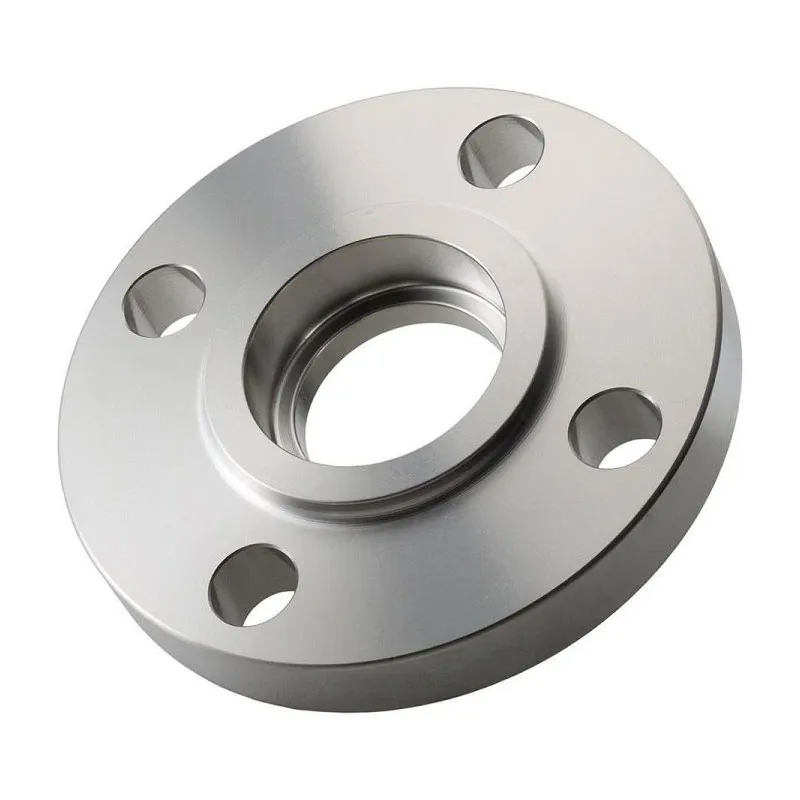
Best Sellingproducts
Best Selling Products-
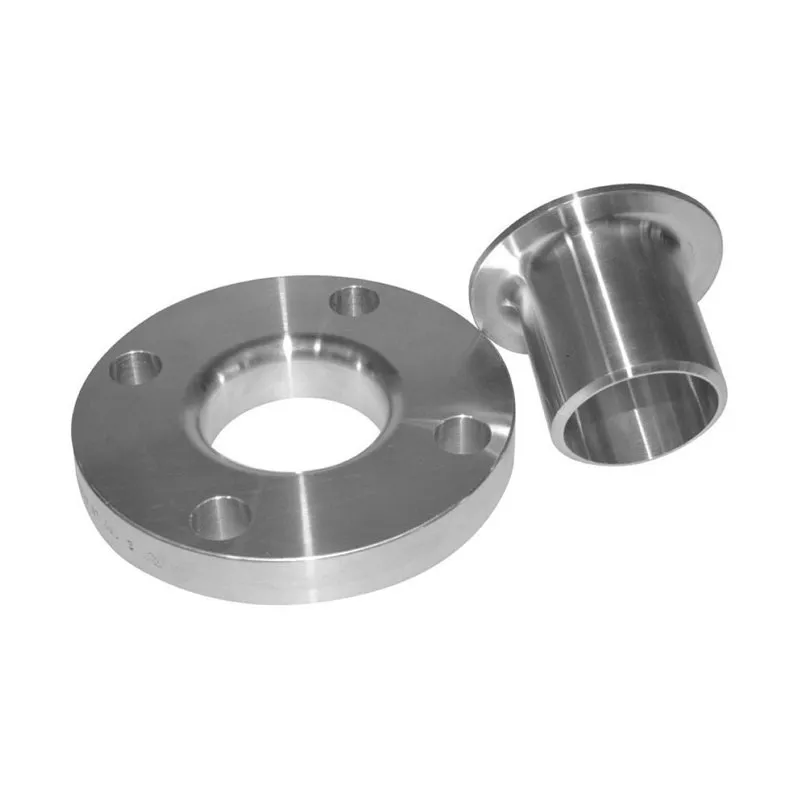 Free ring flanges Class 150
 -
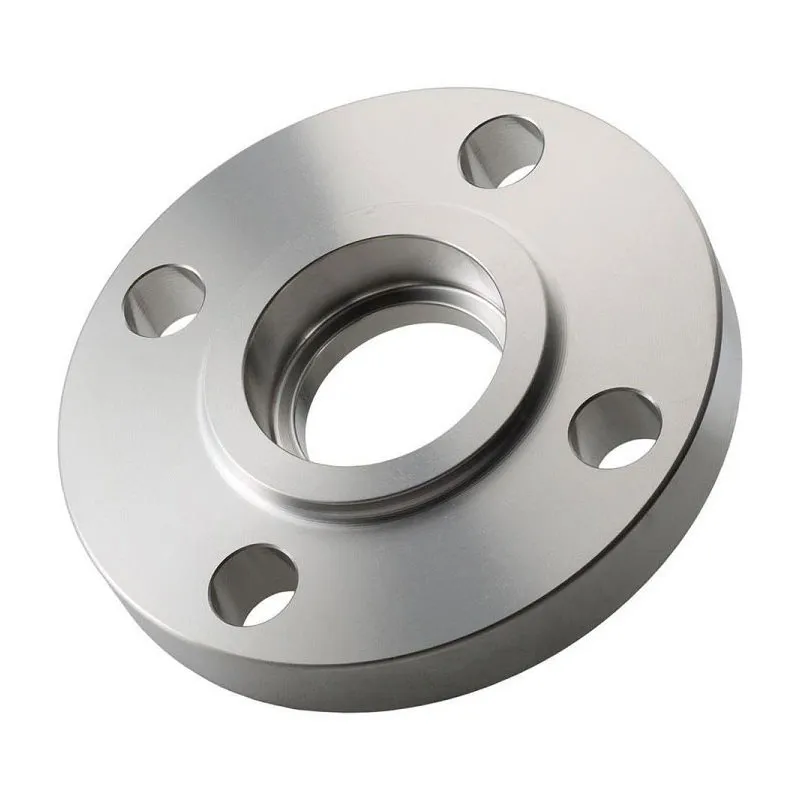 Flanges for socket welding
 -
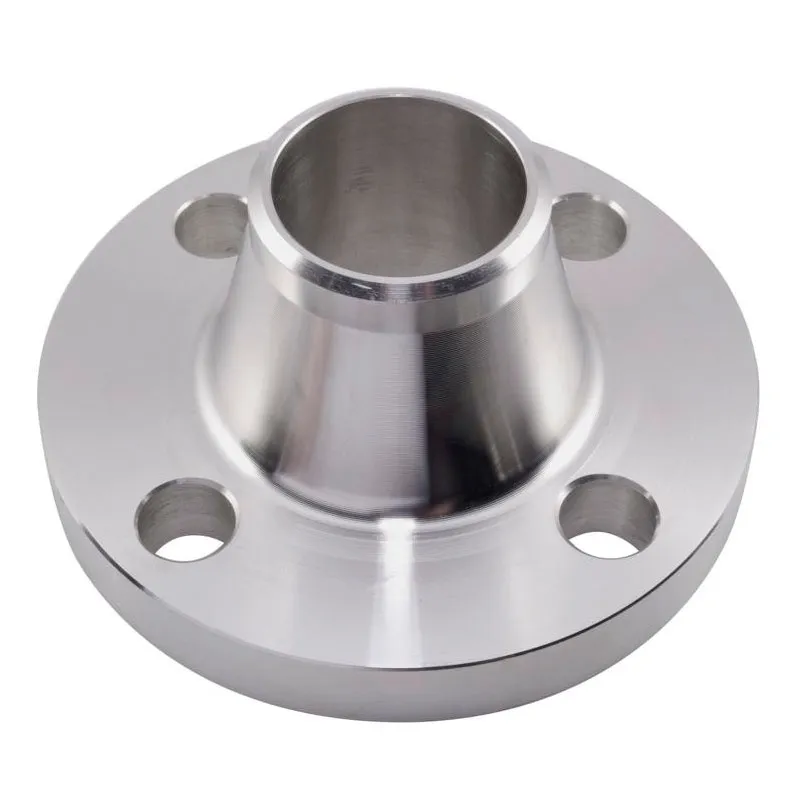 Butt weld flanges Class 900
 -
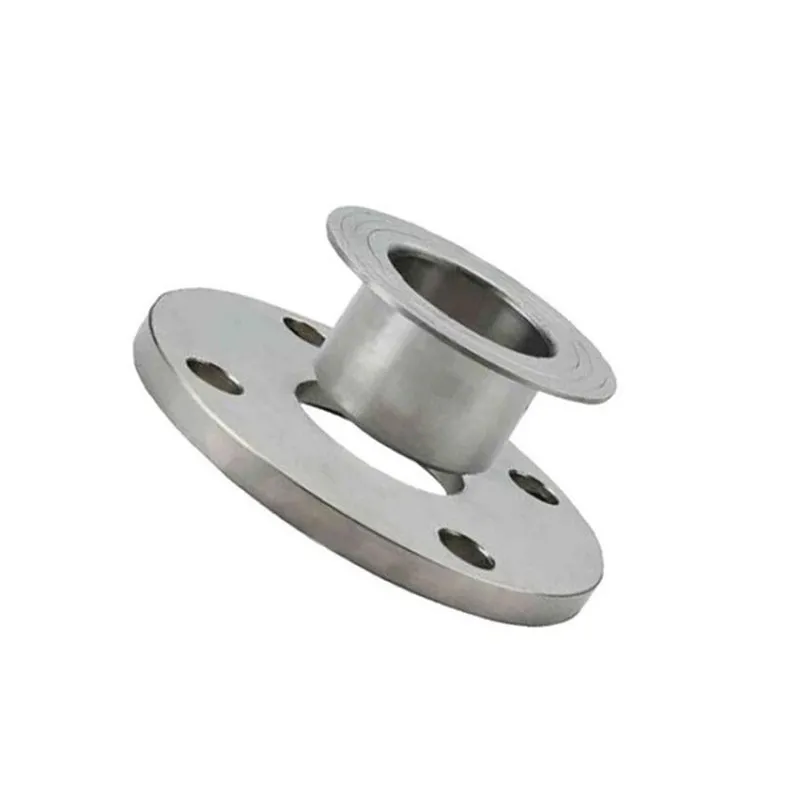 JIS 10K Loose Ring Flanges
 -
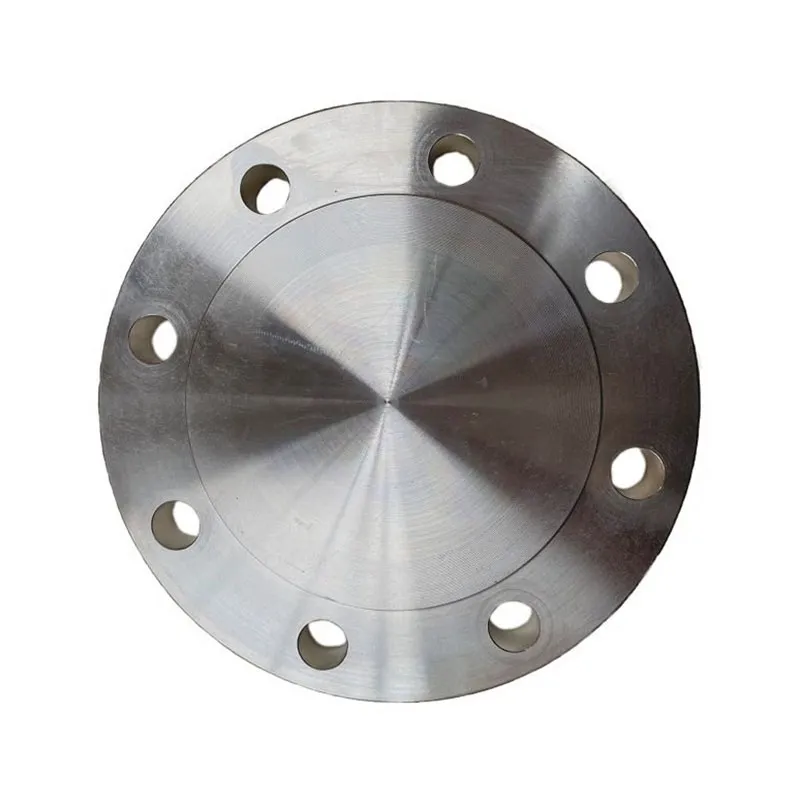 ASME B16.47 Ser.A Blind Flanges Class 400
 -
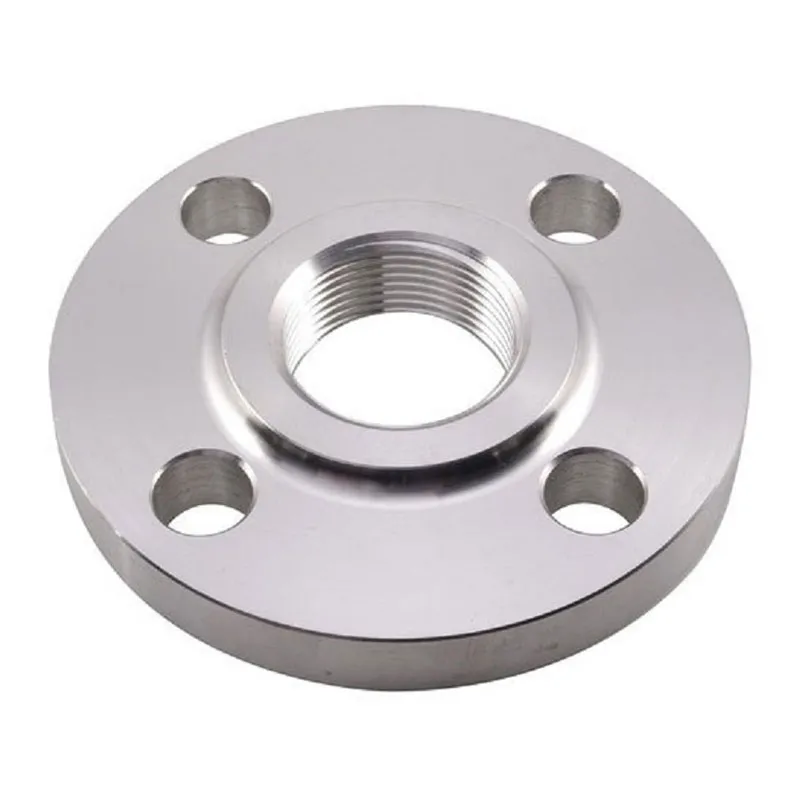 JIS 10K Overlay flanges
 -
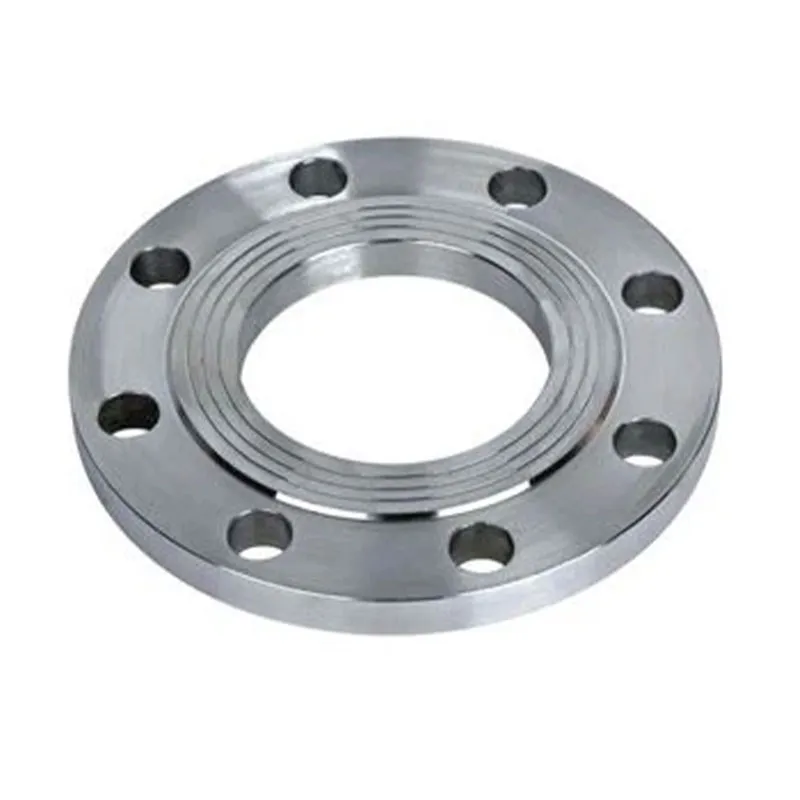 Butt weld flanges Class 150
 -
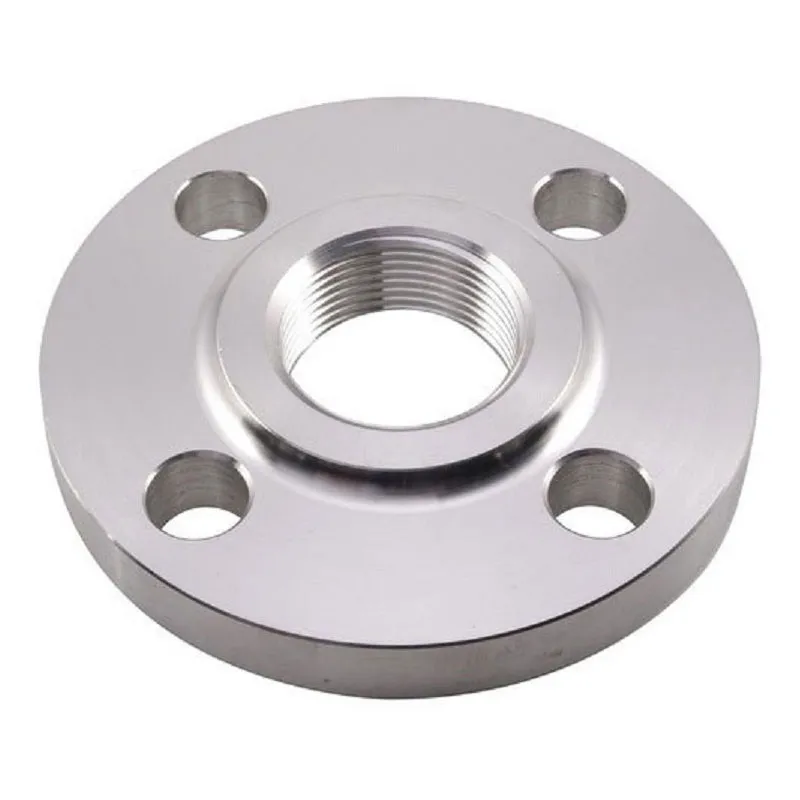 DIN 2565 Threaded flanges PN6
 -
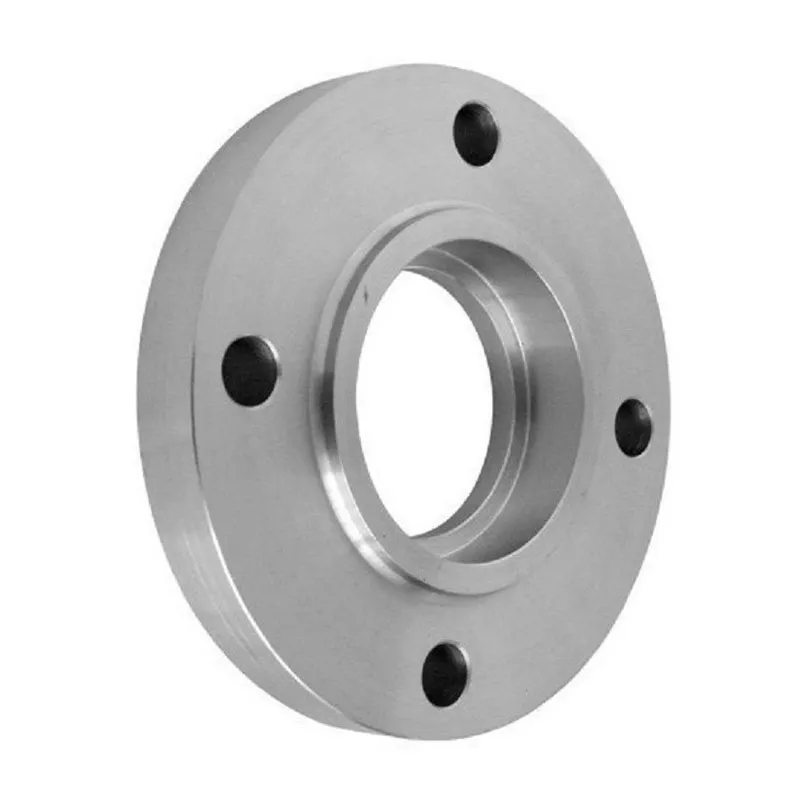 Socket Weld Flanges Class 300
 -
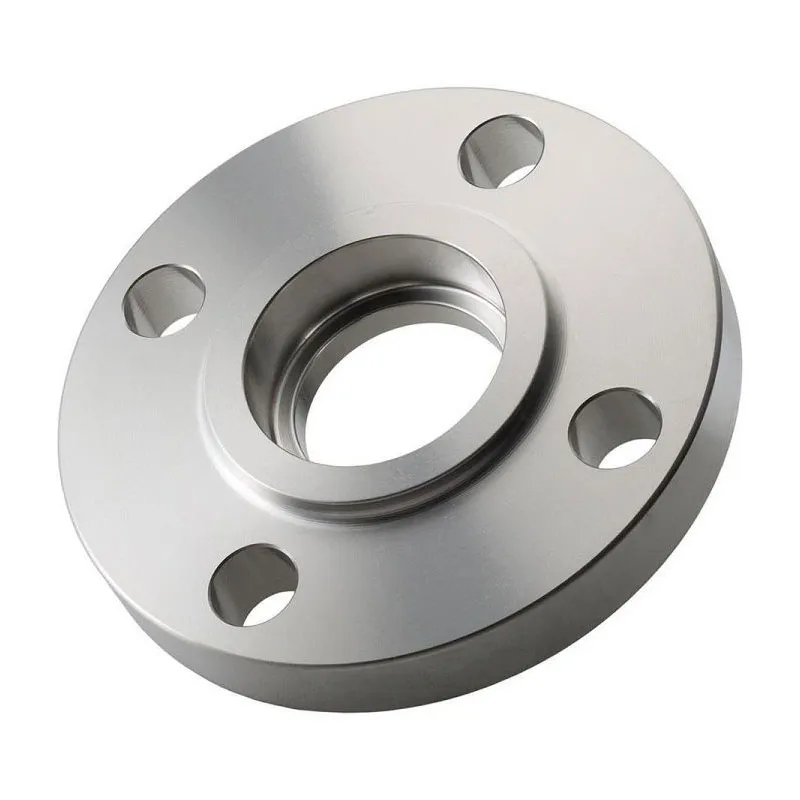 ANSI B16.5 Socket Weld Flanges Class 1500
 -
 DIN 2527 Blind flanges PN10
 -
 ANSI B16.5 Loose Ring Flanges Class 2500