
-
-
Phone
+86-13623462298



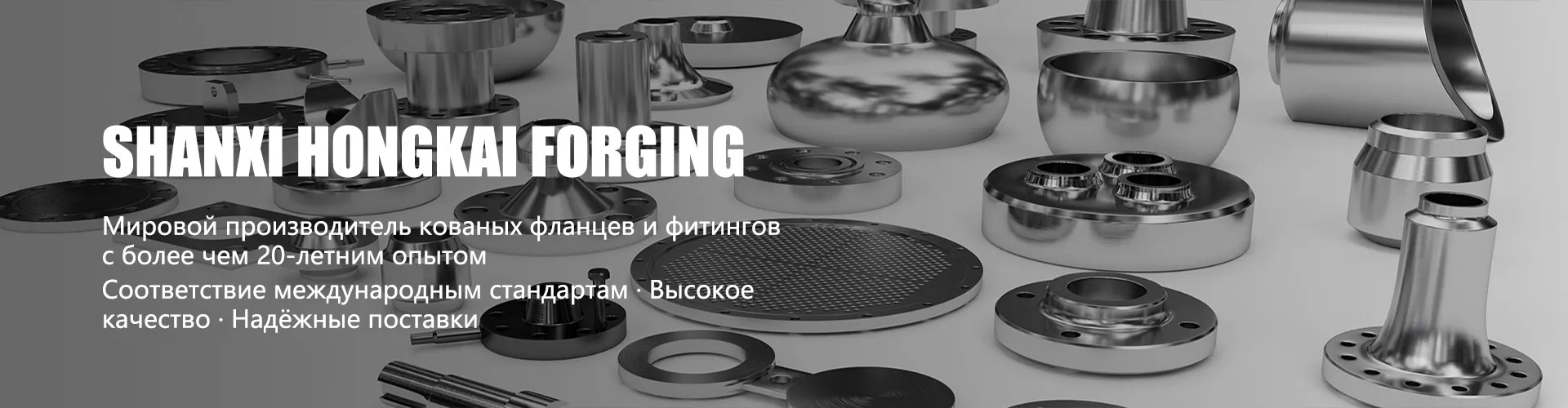
flanges pressure 10
When you see “flanges pressure 10” in a request, the first thing that comes to mind is that a person is looking for flanges for a nominal pressure of 10 kgf/cm2 (or PN10). And then the classic confusion begins. Everyone remembers that PN10 is not an absolute working pressure, but a nominal one, tied to certain materials and temperatures. But in practice, especially when purchasing for non-aggressive environments at moderate temperatures, many people argue like this: “We need a pressure of 10 atmospheres, we take PN10 flanges.” And in 80% of cases for water or steam up to 120°C this happens. However, I wouldn't simplify it that much. I got burned by this myself when I ordered PN10 steel flanges for a circuit with temperature jumps of up to 200°C, and then had to urgently change to PN16 due to a drop in the permissible pressure. Number ?10? in a request, this is only an entry point, behind which a whole forest of nuances is hidden: material of execution, type of seal, standard, and, what is critical, real parameters of the medium, and not just pressure.
Why is PN10 not just “ten atmospheres”?
Let's look at the basics, without which any conversation about flanges is just idle chatter. Conditional pressure PN is the maximum excess operating pressure of a medium with a temperature of 20°C, at which the specified service life of the connection is ensured. The key word is “at 20°C”. As the temperature rises, the permissible pressure drops. For carbon steel, moving from 20°C to 200°C can reduce the allowable pressure by 15-20%. Therefore, when the request “flanges pressure 10” comes in, the first clarifying question should be about temperature. If you do not specify, you can either overpay for excess safety margin (PN16 or PN25), or, worse, compromise safety.
The second point is the standard. A PN10 flange according to GOST (the new interstate standard that replaced the old GOST 12820-80) and a PN10 flange according to EN 1092-1 are not always the same thing. The geometry and dimensions of the sealing surfaces (for example, type B1 according to EN vs type plane according to GOST) may differ. Mixing them in one system is a direct path to leaks. We had a case during the installation of a production line: the customer brought some flanges according to DIN, some according to GOST, both with the PN10 marking. When joining, it turned out that the bolt wraps were the same, but the distance from the axis of the hole to the sealing surface was different. As a result, the gasket worked unevenly, and the connection leaked. after the first hydrotests. I had to urgently order transition kits.
And the third, often overlooked aspect is the material. For PN10, steel 20, steel 09G2S, and even stainless steel 12Х18Н10Т can be used. The permissible pressure for the same PN10 will be different for them at high temperatures. For example, for stainless steel the pressure drop with increasing temperature is less pronounced. Therefore, the correct sequence is environment (pressure, temperature, aggressiveness) -> material -> standard -> standard size. Not the other way around.
Selection experience and typical errors in orders
Working with suppliers likeShanxi Hongkai Forging Co.,Ltd(their website ishkflange.ru), you see a pattern. Competent technologists send a request with complete data: medium, Pwork, Tmax, flange standard, preferred material. And there are simple requests: “Flanges DN100 PN10, 10 pcs.?”. This is a red flag. You have to initiate a whole questionnaire. Mistakes are especially common when ordering flanges for systems that pump not water, but, say, oil or alkaline solutions. For PN10 it is important that the gasket material is compatible with the medium. PTFE or paronite gaskets are worlds apart in terms of chemical resistance.
One of our own mistakes of past years was saving on flange material for the saturated steam pipeline. The pressure was within the limits for PN10, the temperature was about 180°C. We thought that steel 20 would do the job. And in static conditions she might have managed it. But there were cyclic loads, stops and starts. After a year and a half, microcracks appeared on several flanges in the transition zone from the collar to the disk. Analysis showed fatigue failure. We switched to flanges made of 09G2S steel with higher strength characteristics at operating temperatures, and the problem went away. Conclusion: for dynamic loads, you need to reserve both for the material and, often, for the pressure class. Sometimes it's better to takeflanges pressure 10conditional, but from higher quality steel than switching to PN16 from ordinary material.
Another practical point is the presence of a chamfer on the hole for the stud/bolt. It seems like a small thing. But if it’s not there, you can “rip it off” during installation. threads when tightening, especially on hard steel flanges. At the sameShanxi Hongkai Forging Co.,LtdIn the product description, I noticed that they make forged flanges, and forging, as a rule, provides better metal quality and the ability to perform such technological details as chamfers and smooth transitions, which directly affects the resource. This is important for responsible nodes.
Loose flanges on PN10: where are they actually used and what are the pitfalls
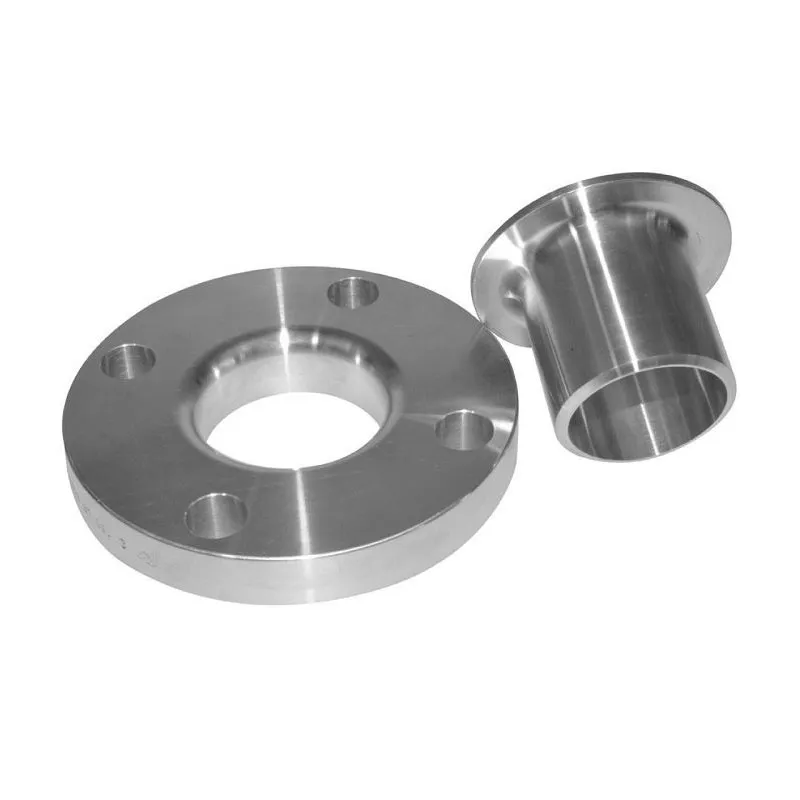
We should also talk about loose flanges (flanges on a welded ring) for pressure 10. They are often ordered for installation in hard-to-reach places or for connection to equipment made of non-ferrous metals. The beauty is that the ring is welded to the pipe, and the flange itself rotates freely, which greatly simplifies the alignment of the bolt holes. But with PN10 there are some specifics.
The main problem is the quality and accuracy of manufacturing of the ring itself and the free flange. If the gap between them is too large, the loose flange may become distorted when tightened, creating an uneven load on the gasket. The standard regulates these gaps, but not all manufacturers comply with them. When ordering, this point must be explicitly stated. In our practice, for critical lines we always request size control charts, especially for bore diameters.
The second point is the material of the pair. The ring, naturally, must be made of pipe material. But the free flange can be made of cheaper steel. But here it is important to check the compatibility by electrochemical potential if the medium is electrically conductive, so as not to get a corrosive couple. For ordinary water this is not critical, but for sea water or some chemical solutions it can already become a problem.
And the third, purely installation aspect. When using loose flanges on PN10, it is often forgotten that after preliminary assembly and alignment, the final welding of the ring to the pipe must be performed. There were cases when installers, having made their life easier with a loose flange, forgot to completely scald it. As a result, under pressure, the connection could leak due to lack of fusion. This is already a matter of on-site control, but the designer must include this possibility in the specification and installation diagrams.
Non-standard situations and production according to drawings
Often the request is ?flanges pressure 10? depends on a non-standard size or configuration. The standard series is good, but life is more complicated. For example, you need to connect a DN80 pipe to a heat exchanger with a center-to-center distance that does not coincide with the standard PN10 flange. Or a flange with an additional drainage hole, or a thicker collar is required. Here work is already underway according to the customer’s drawings.
In such cases, cooperate with a manufacturer who has experience in forging and machining, such asShanxi Hongkai Forging Co.,Ltd(they position themselves as a manufacturer of forged flanges and forgings, including according to drawings), becomes key. It is important not just to send a drawing, but to agree on technological aspects: the direction of the metal fibers during forging (it should go along the contour, and not across, to avoid cracks), the testing method (ultrasonic testing, for example), heat treatment to relieve stress.
We had a project that required an adapter flange from DN150 to DN200, both on PN10, but with a common set of holes for studs from a larger diameter. There is no such thing as standard. Made according to the drawing. The main question was a calculation check: will the structure withstand the pressure, because the geometry is non-standard. The manufacturer provided strength calculations, which we independently verified. Everything came together. Made from forging 09G2S and installed. It has been working for several years. Moral: for non-standardflanges pressure 10Dialogue with the manufacturer's engineers is as important as the correct drawing.
Instead of a conclusion: a few short tips on PN10
So, to summarize the scattered thoughts. If you need flanges for nominal pressure 10, do not stop at this figure. 1) Always check the maximum operating temperature. 2) Strictly define the standard (GOST, EN, ASME) and demand compliance with it in the delivery. 3) Carefully select the flange and gasket material for the specific environment. 4) For loose flanges, control the quality of manufacture of the “ring-flange” pair. 5) For custom solutions, look for a manufacturer with experience in forging and a willingness to dialogue, like the mentioned company from Shanxi, which works to international standards and makes products up to DN4000.
And the last thing that comes to mind. I often hear: “PN10 is for low pressures, you can save money?” You can save on something else, but not on the quality of the flange itself and the correctness of its choice. Because the cost of a flange in the system is pennies, and the cost of eliminating a leak, especially on a stopped line, is completely different figures. Selection and Applicationflanges pressure 10is not a rocket science, but it is a discipline based on attention to detail. Details that make all the difference in our business.
Correspondingproducts
Related Products
Best Sellingproducts
Best Selling Products-
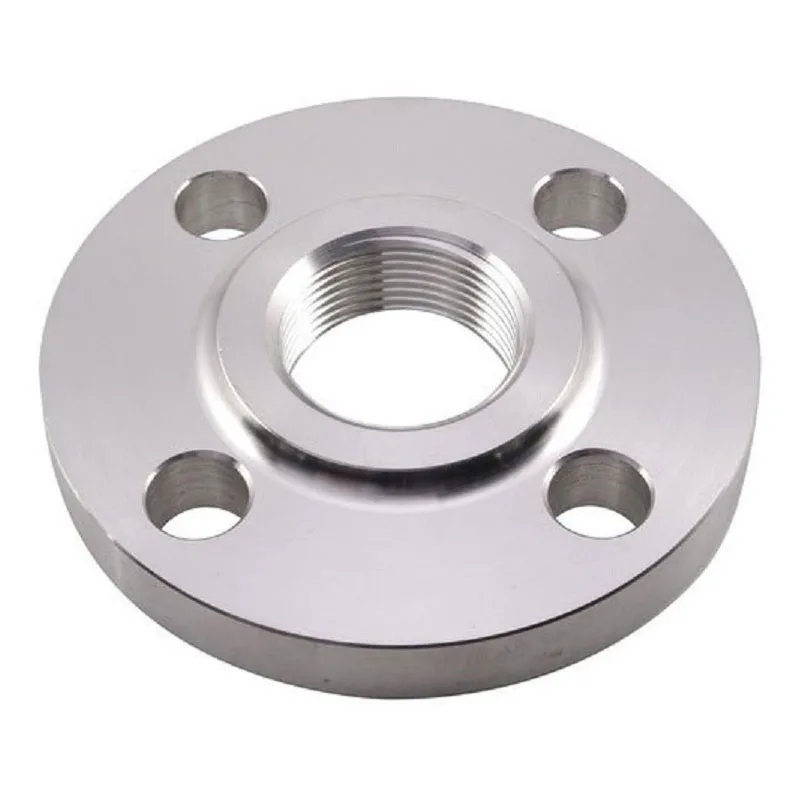 JIS 10K Threaded Flanges
 -
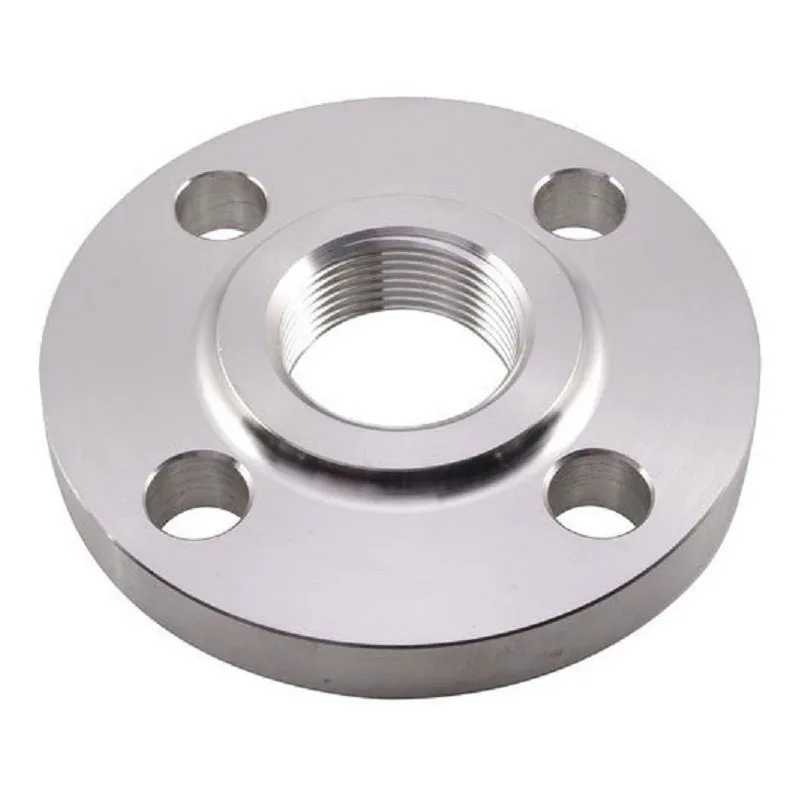 ANSI B16.5 Threaded Flanges Class 600
 -
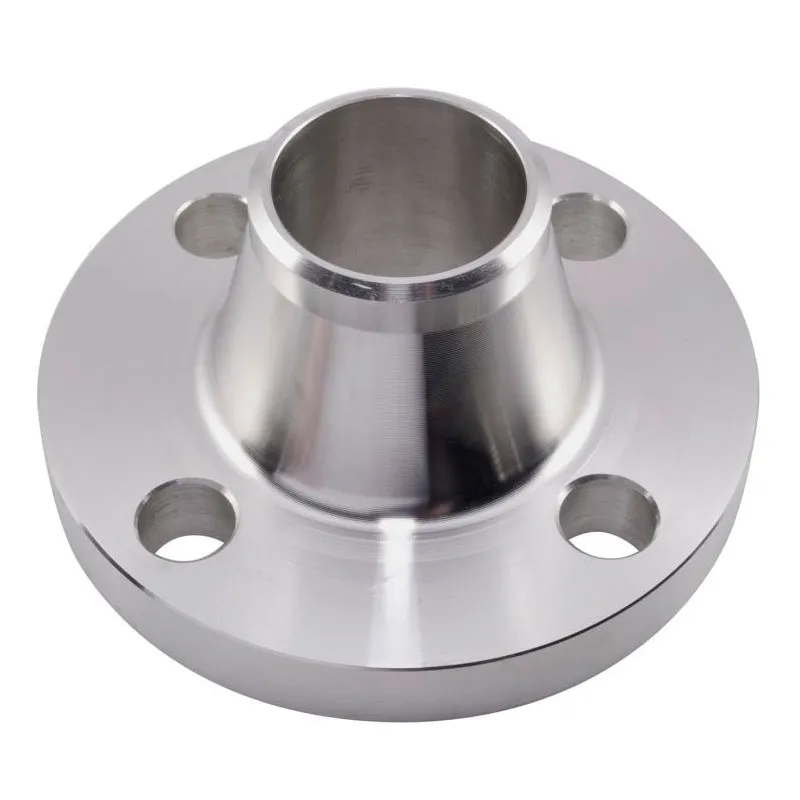 UNI 2281 Butt weld flanges PN10
 -
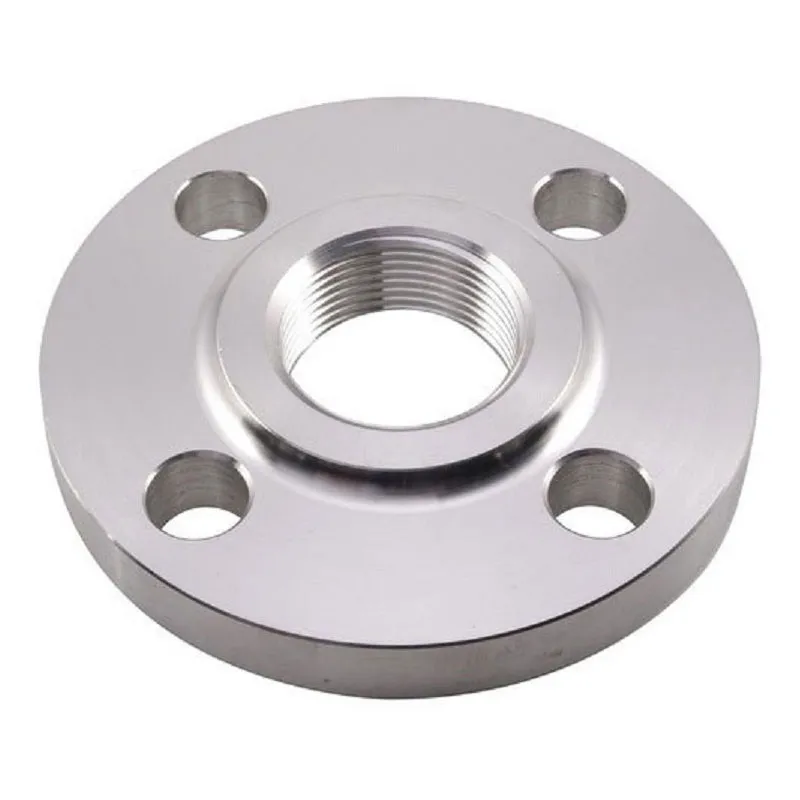 DIN 2565 Threaded flanges PN6
 -
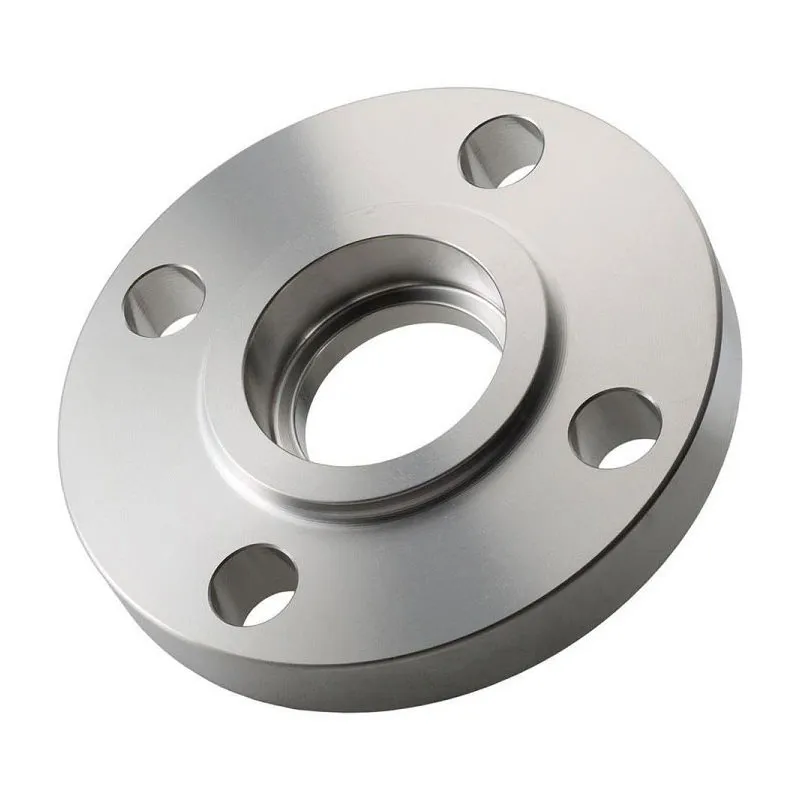 Flanges for socket welding
 -
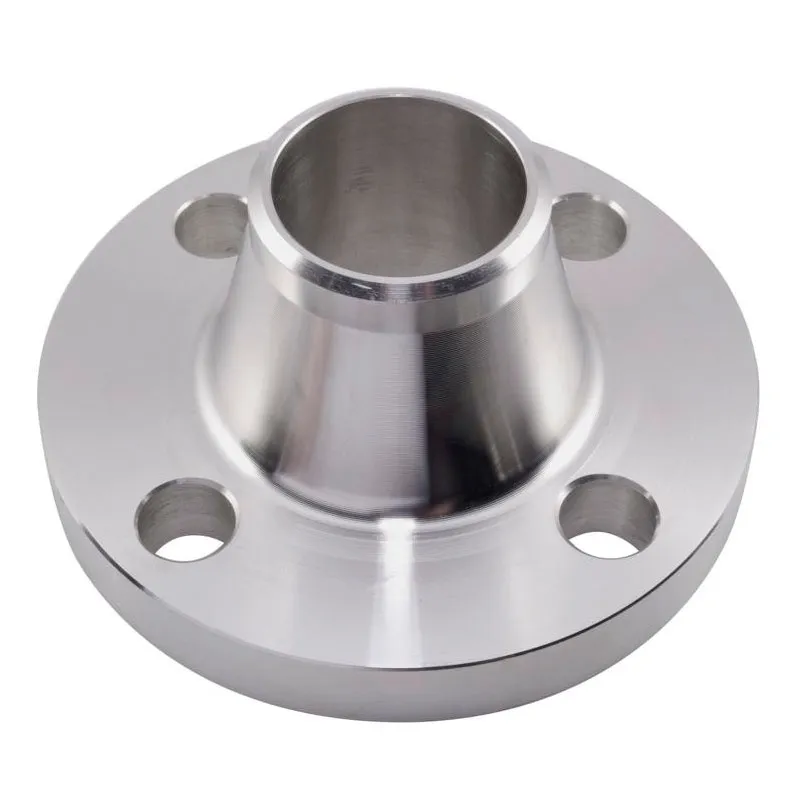 Butt weld flanges Class 900
 -
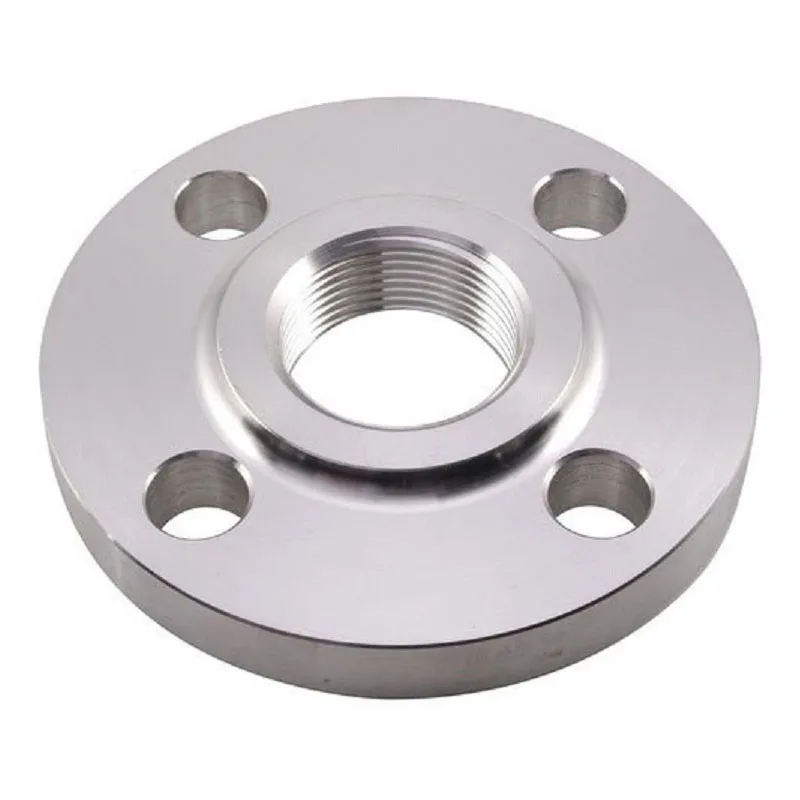 DIN 2566 Threaded flanges PN16
 -
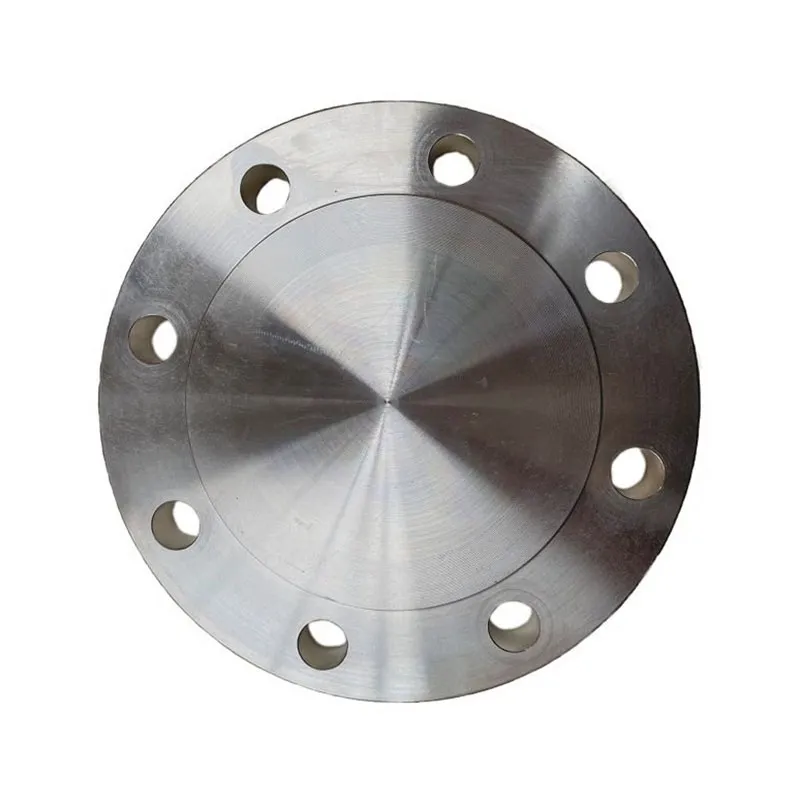 ASME B16.47 Ser.A Blind Flanges Class 400
 -
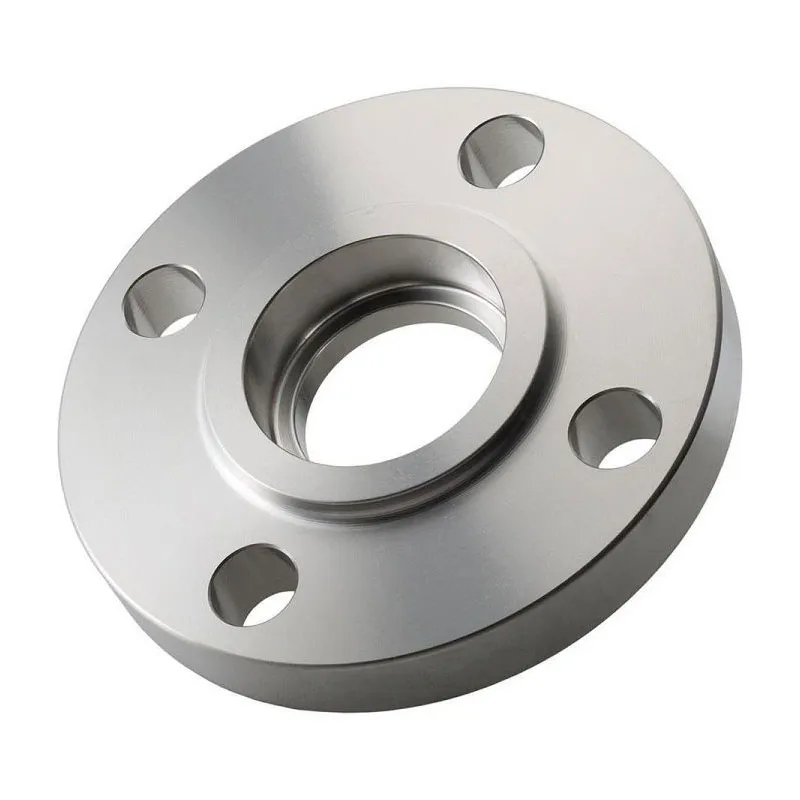 ANSI B16.5 Socket Weld Flanges Class 1500
 -
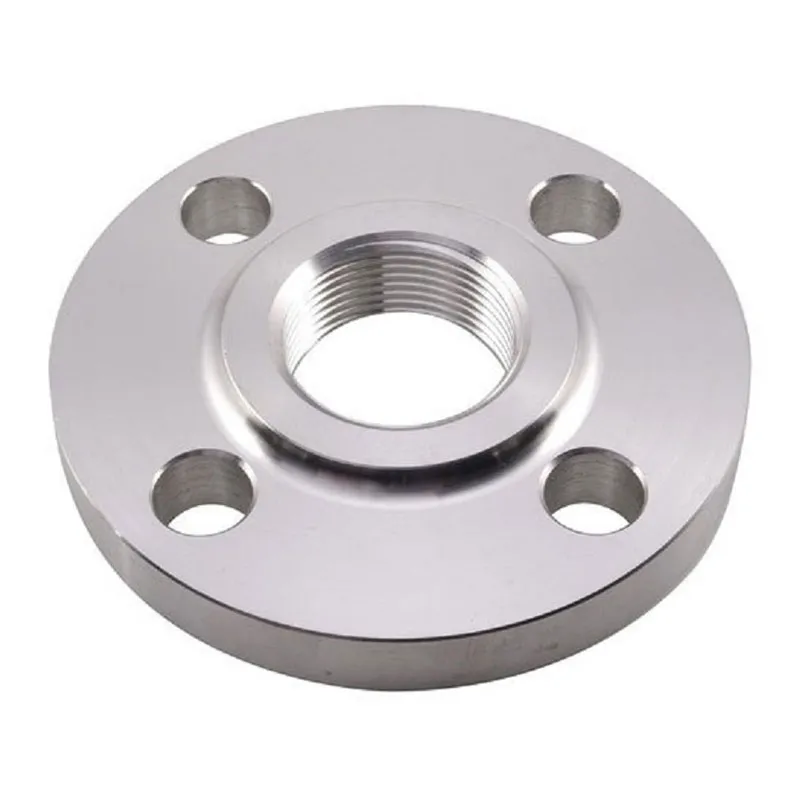 JIS 10K Overlay flanges
 -
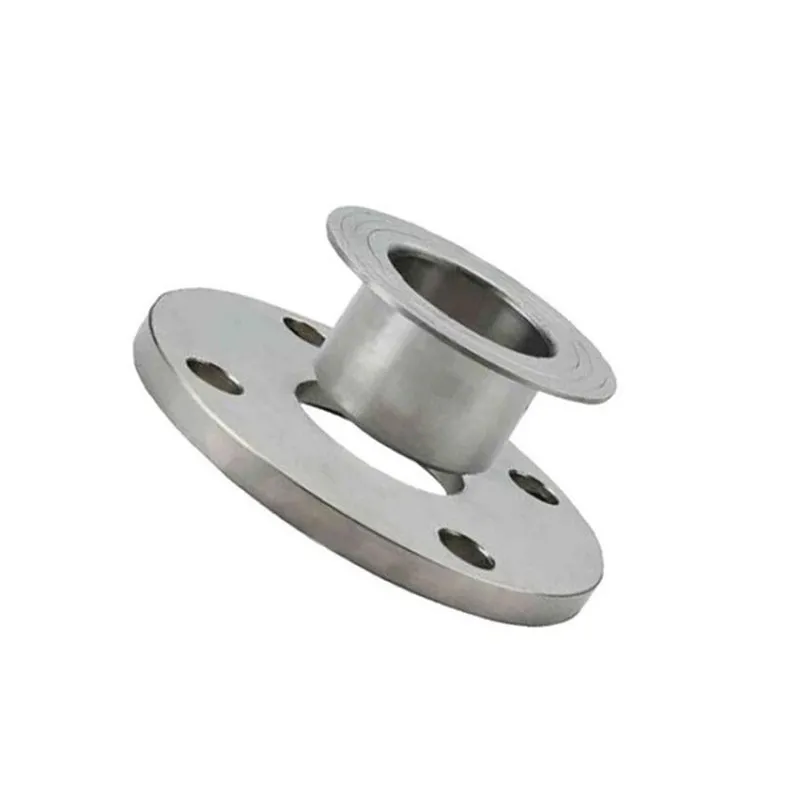 JIS 10K Loose Ring Flanges
 -
 ANSI B16.5 Loose Ring Flanges Class 2500