
-
-
Phone
+86-13623462298



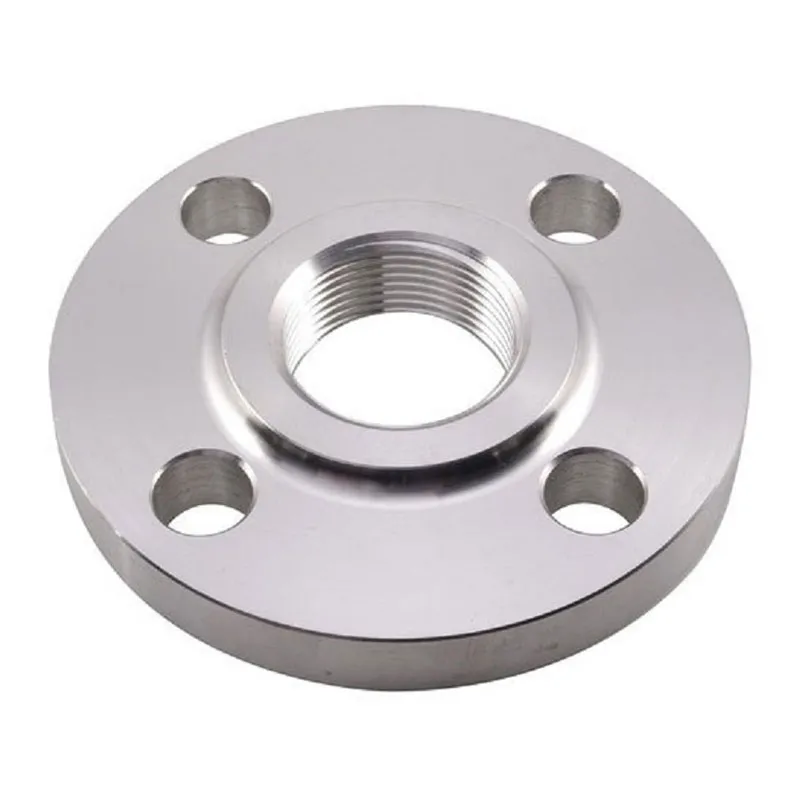
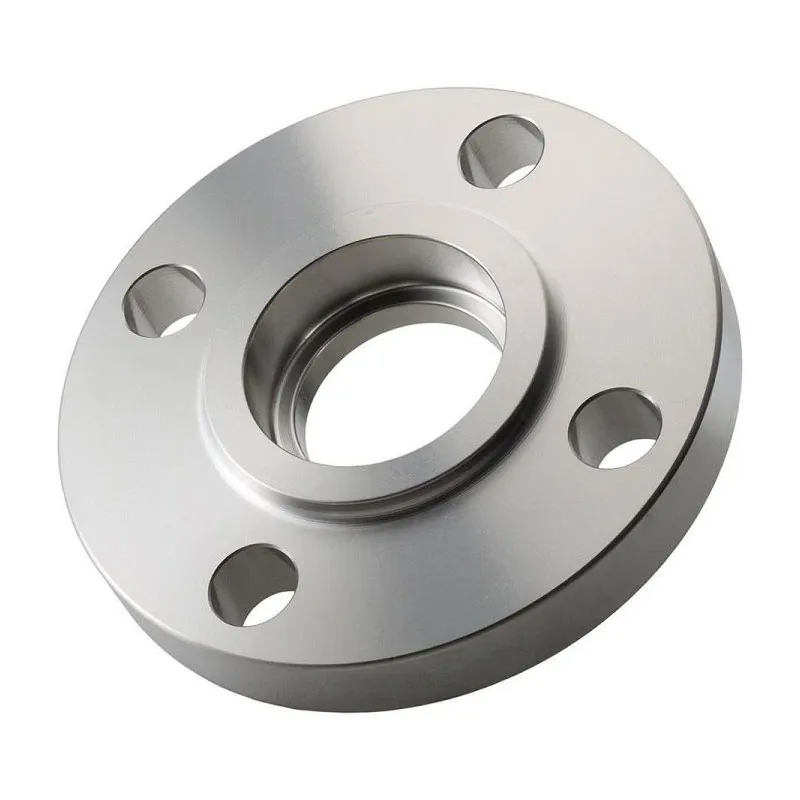
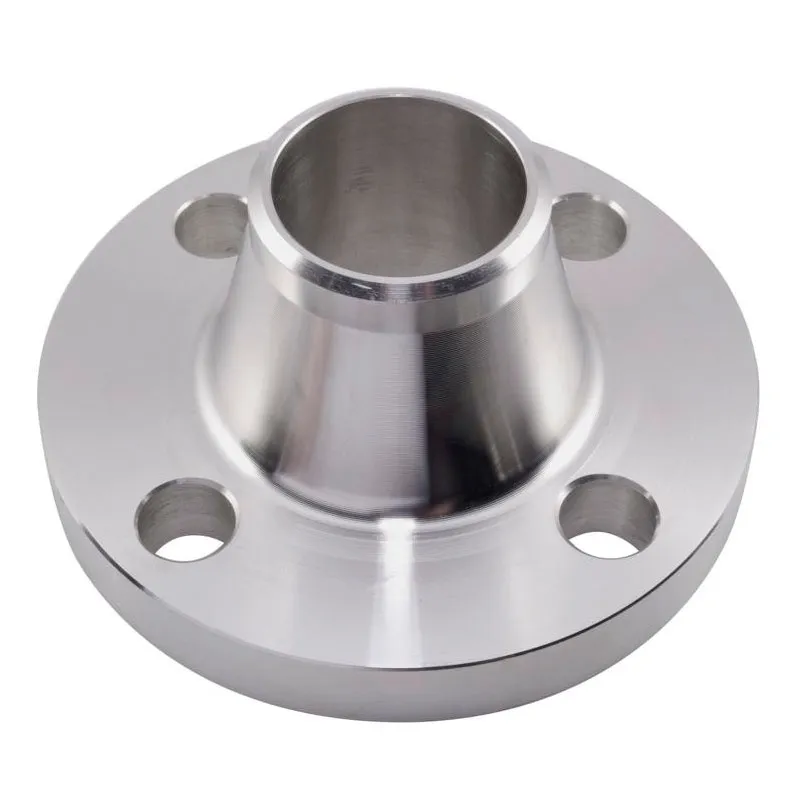
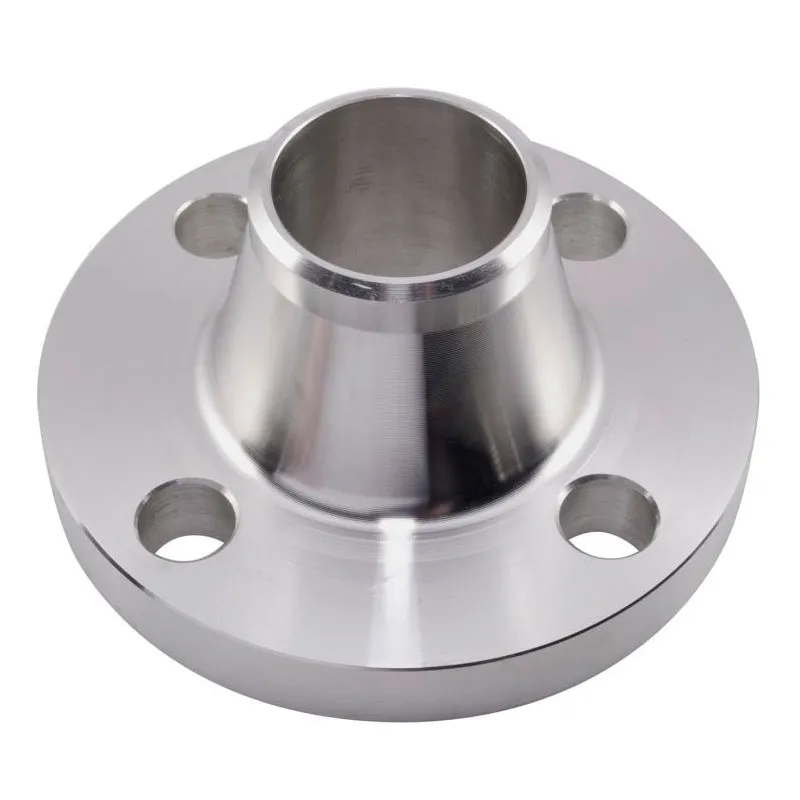
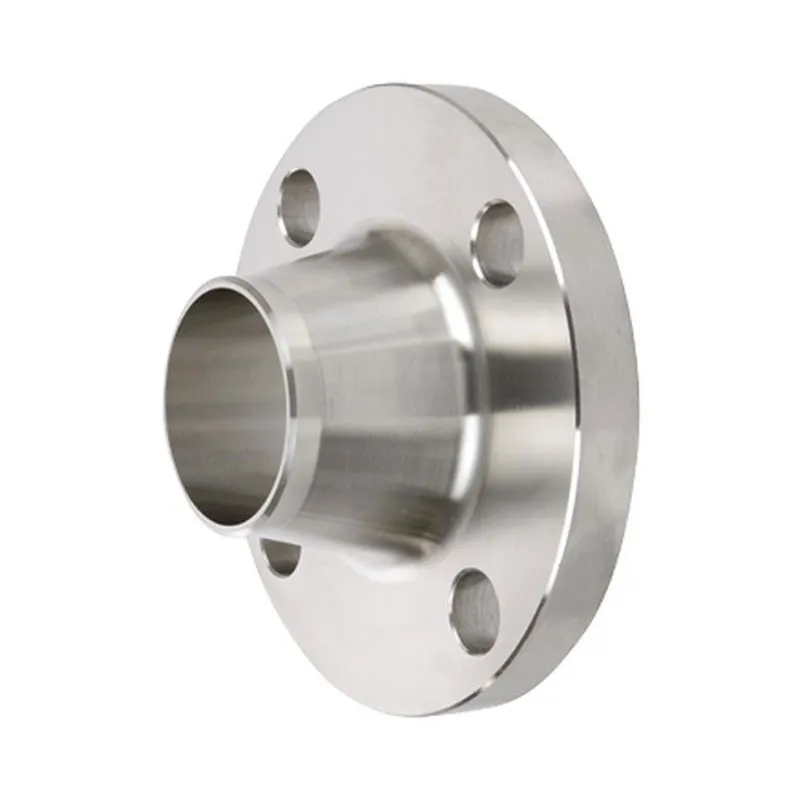
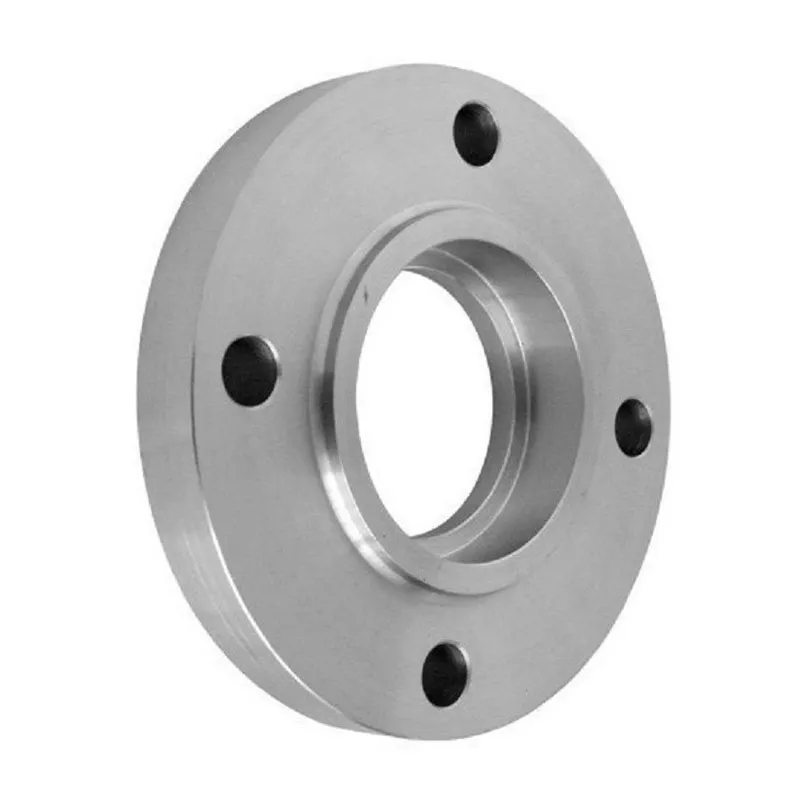
flange 4 holes
When they say “4-hole flange,” many people immediately imagine the simplest part - a ring with four holes. But in this apparent simplicity lies the first pitfall. In practice, this short formulation may hide a dozen different designs, and if you do not specify the standard, type, and, critically,hole locationRegarding technological elements, you can get something completely different from what is needed for installation. I encountered it myself when a batch was brought to the site, and the holes did not coincide with the counter holes due to different angular displacements. I had to urgently look for a turner and finish it on the spot - a waste of time and money.
Not just four holes: geometry and standards
The main confusion begins with the hole circle diameter (PCD) and, in fact, the holes themselves. You can order a flange for a pressure of 10 kgf/cm2 according to GOST 12820-80, but if you do not specify the version (and there are several of them), you will get a nominal diameter, but the diameters of the bolts may be different. For PN16 according to EN 1092-1 there is a different picture. Often in applications they simply write “flange 4 holes DN100”, and then they wonder why it doesn’t fit with imported fittings. Key point -flange 4 holesThis is not an independent product, it is a characteristic of the fastener of a specific flange.
The important thing here is to look at the couple. It is rare that flanges work alone, usually in mating pairs. And if one is made according to ASME B16.5 Class 150, and they try to fit the other one according to GOST 12821-80, not only the PCD may not agree, but also the thickness and protrusion for the gasket. We had a case during the assembly of a heat exchanger - we had to completely change the batch due to such incompatibility. Now we always require full marking: standard, type, pressure, material, and only then the number of holes.
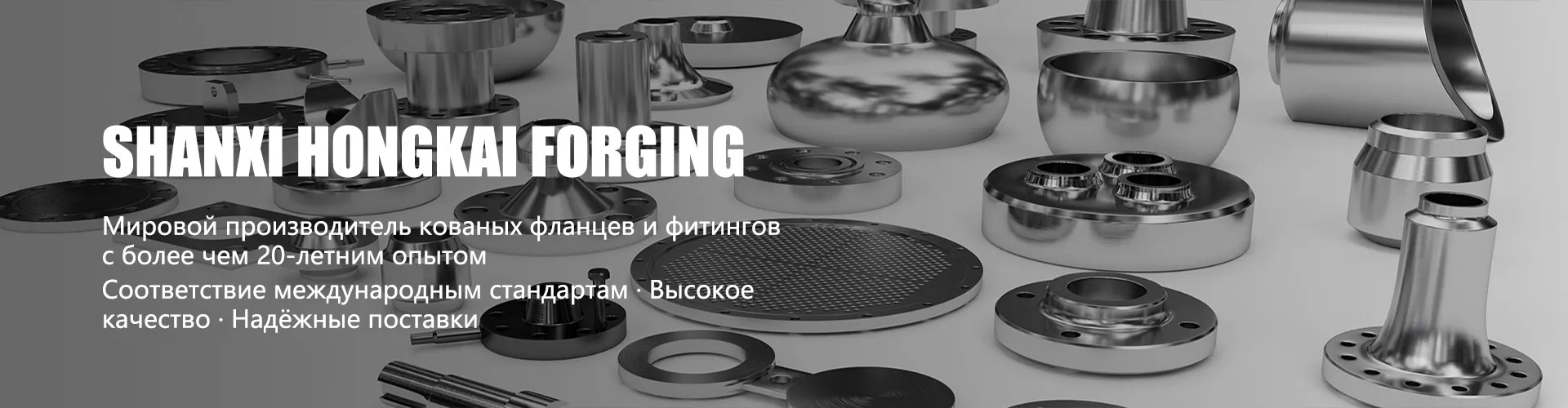
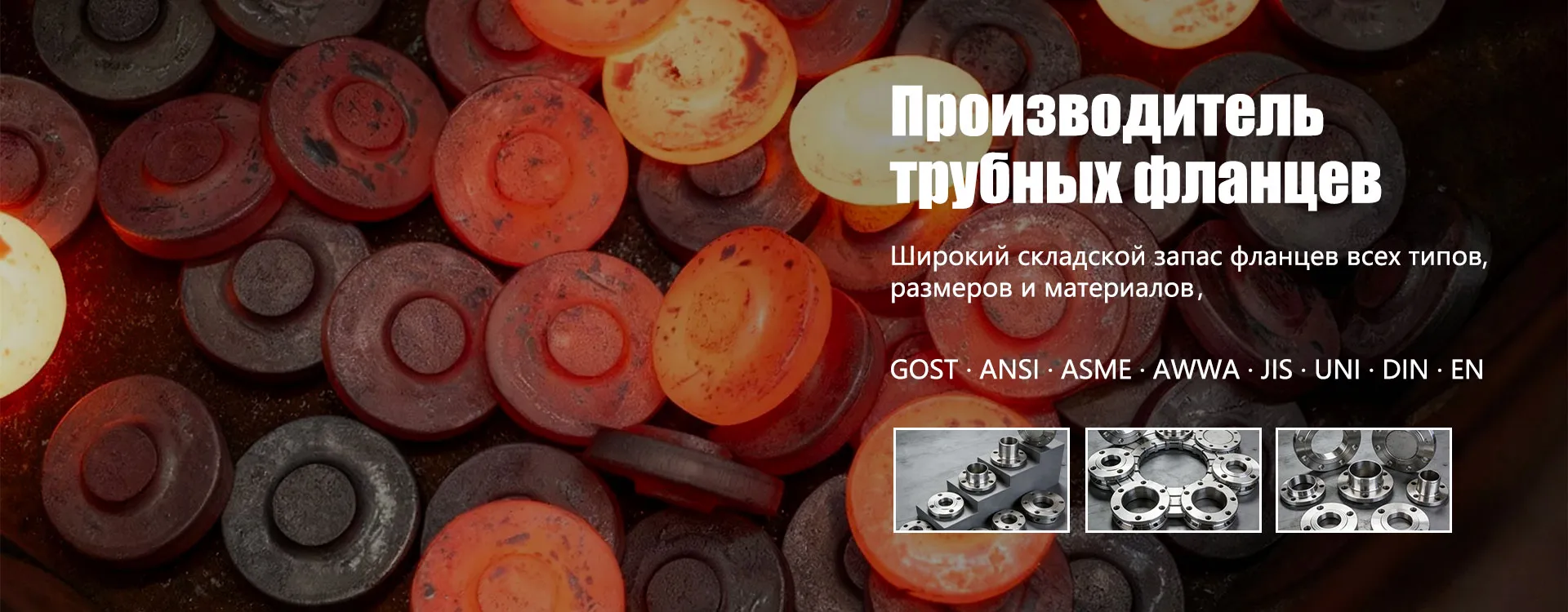
As for manufacturers, you are looking for someone who can clearly work according to different standards. For example, I see it often flashes in the specificationsShanxi Hongkai Forging Co.,Ltd. I went to their websitehkflange.ru, where it is indicated that they produce forged flanges in accordance with GOST, ASME, EN, DIN and other standards. For me, this is an important marker - if a plant declares a wide range of standards, it means there is a technical basis and understanding of these nuances. Their range, by the way, includes flat, end-to-end, and loose flanges up to DN4000, which indicates production capabilities.
Material and forging: why is it not just hardware?
The second layer of problems is the material. A 4-hole flange for water supply and for a hydrogen sulfide-containing environment are two big differences. They often try to save money by using steel 20 instead of 09G2S or even alloy steels like 15X5M. In a non-aggressive environment, it might work. But when there are temperature changes or vibration, a material without the proper properties may simply not withstand tensile loads precisely in the area of the holes, where the stress concentration is maximum.
This is precisely the advantage of forged flanges over cast ones or, moreover, those made from cut sheets. For forgings, the fiber structure is deformed, which gives better mechanical properties. In the same descriptionShanxi Hongkai Forging Co.,LtdIt is directly stated that they are a manufacturer of forged flanges and forgings. This is no accident. For critical components, forging is preferable. I remember a project where, due to the use of cast flanges (it was cheaper), microcracks appeared along the perimeter of the holes on a couple of heating networks after several “heating-cooling” cycles. We replaced them with forged ones and the problem went away.
That is why in technical specifications I always look not only at the steel grade, but also at the manufacturing method. Forging, especially stamping, produces more predictable quality and uniformity. And forflange 4 holesthis is critical because the load from tightening the bolts is distributed between these four points. Inhomogeneity of material can result in uneven tightening and leakage.
Editing and the “human factor”: stories from the site
The most interesting part begins at the construction site. You can have flanges made perfectly according to the drawings, but install them crookedly. A typical story is when installers tighten bolts not crosswise, but in a circle. As a result, the gasket is displaced, a misalignment is created, and a leak appears under pressure. Or an epic with bolts. It would seem like a small thing: they installed bolts of strength class 4.6 instead of the required 8.8. The flange will hold up, but the bolts on the fourth hole may stretch or break the threads during hydrotesting.
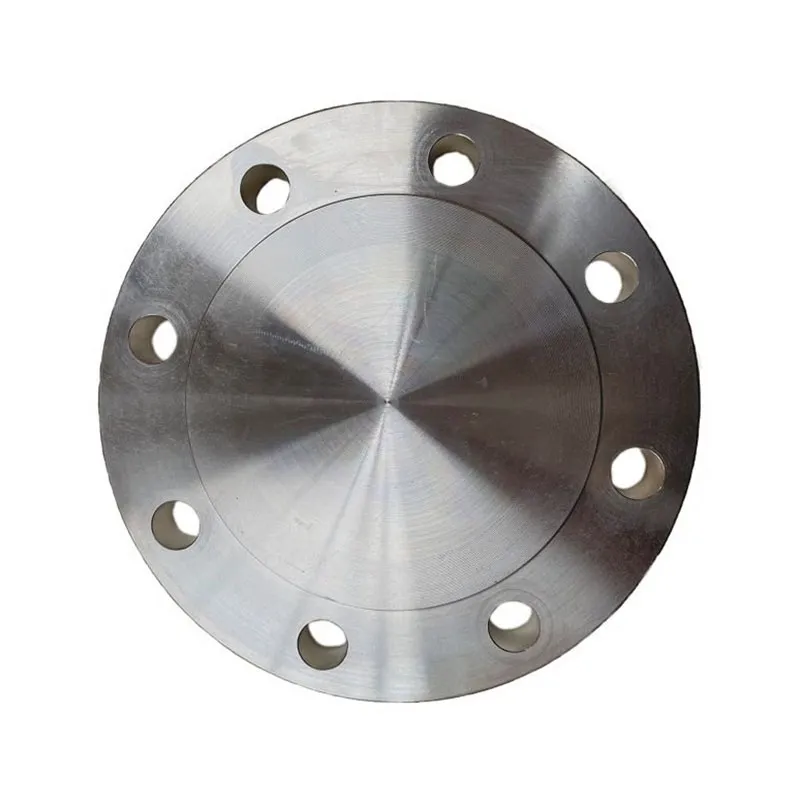
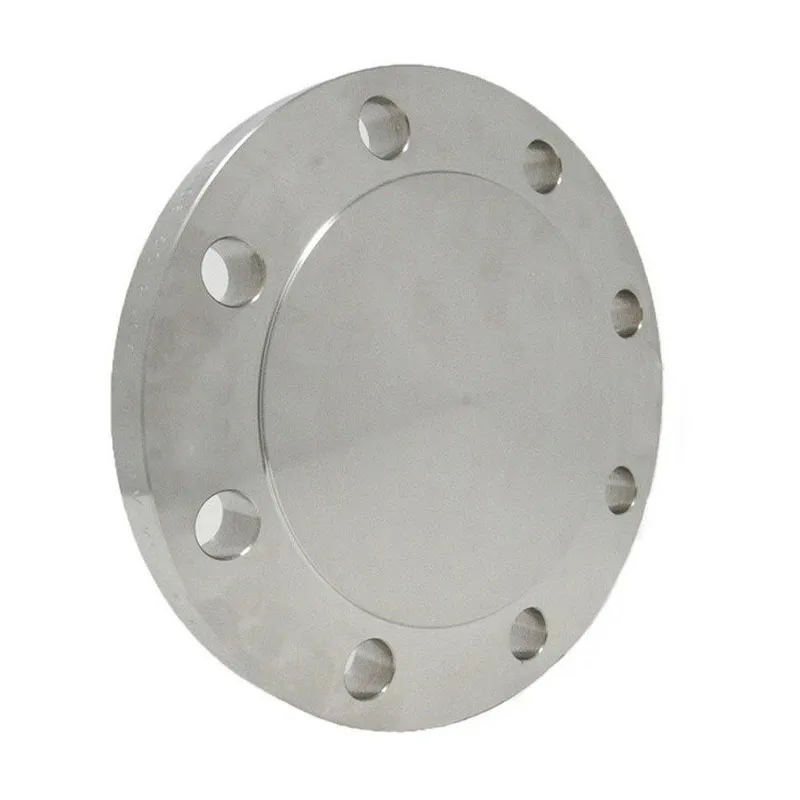
I had an illustrative case withflange 4 holesblind (plug) at the end of the pipeline section. They placed it on a temporary plug, but forgot to take into account the vibration from the pump working nearby. A month later, fatigue cracks appeared on the bolts - the vibration load was not calculated. I had to install a flange with bosses for a more rigid fastening. Trifle? No, this is a matter of designing the assembly as a whole, and not just choosing a part.
Sometimes the problem is in the package itself. You order flanges, and bolts, nuts and gaskets separately from other suppliers. And if the holes are for M20 bolts, and they brought M20 bolts, but with a large thread pitch instead of the normal one, the “fun” begins. Now I try, if possible, to order complete sets from the manufacturer, who can provide both fasteners and gaskets in the kit. This reduces risks. On the same website hkflange.ru it is clear that the company also works according to customer drawings - which means you can send them the entire assembly diagram so that they can select compatible elements.
Non-standard situations and custom solutions
Standard flanges are good, but life is richer. Often it is necessary to shift the holes relative to the standard circle, or increase the diameter of the holes for more powerful fasteners, or even oval holes to compensate for thermal expansion. This is where the supplier's flexibility is tested. Mention on the siteShanxi Hongkai Forging Co.,Ltdabout non-standard products according to drawings - this is exactly what is needed for such tasks.
We once worked on the reconstruction of an old workshop, where the pipelines were installed according to Soviet standards, but some of the fittings needed to be replaced with modern, imported ones. The standards were not the same. It helped that we found a manufacturer who, according to our sketch, made adapter flanges - on one side there are holes according to GOST, on the other - according to DIN. And exactly 4 holes, because there was no more space for fasteners. They were made forged from 09G2S steel to hold the pressure. It still works.
An important nuance in such non-standard orders is the presence of technical specialists who can read the drawing and ask clarifying questions. It’s ideal when the manager not only accepts the order, but asks again: “Have you taken into account the thickness of the gasket for this design?” or “For this pressure we recommend increasing the thickness of the skirt?”. This is a sign of a serious approach. When you see the phrase “one of the main centers of the forging and pressing industry” in the company’s description, you assume that they must have such expertise.
Results: what to look for when choosing
So what is itflange 4 holesin the end? This is not just a line in the specification. This is a unit that requires a comprehensive look: standard, material, manufacturing technology, mating elements and operating conditions. Savings at any of these stages can result in many times higher costs for rework or an accident.
I have developed a rule for myself: always request full certificates and passports for the batch, especially for the material and impact strength for low temperatures. Visually check the quality of hole processing - there should be no burrs or axis displacement. And, of course, try to work with trusted manufacturers who have experience in your industry.
To summarize, the success of using such a seemingly simple detail depends on attention to detail. And here it is important that the supplier is not just a factory, but a technically savvy partner. How, judging by the description, it positions itselfShanxi Hongkai Forging Co.,Ltdis a manufacturer with a wide range and the ability to work according to different standards and drawings. Ultimately, this is what is needed to ensure that the four holes in the metal ring reliably connect the two sections of the pipeline for many years to come.
Correspondingproducts
Related Products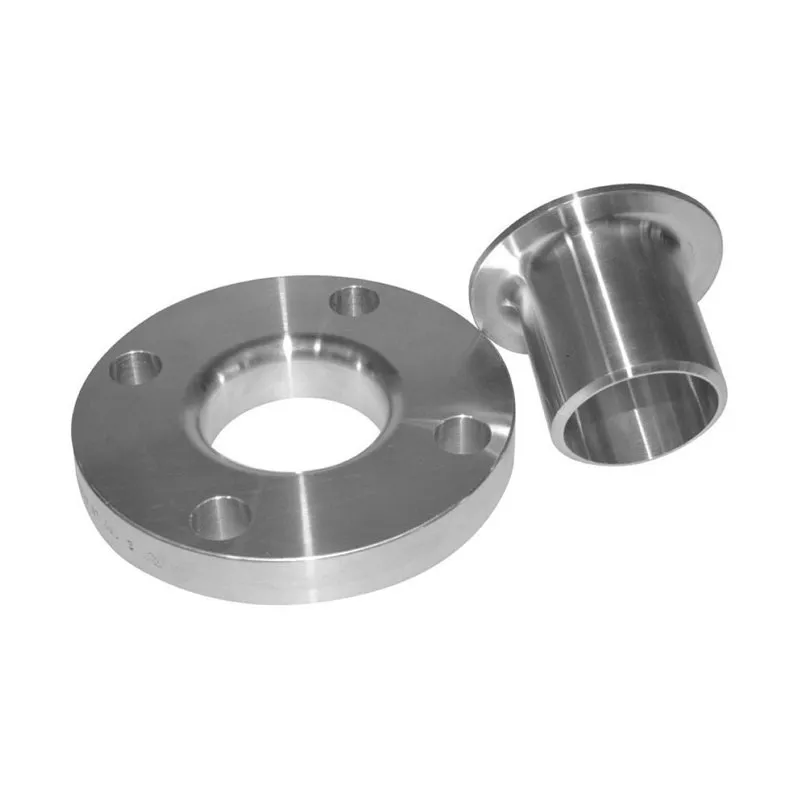
Best Sellingproducts
Best Selling Products-
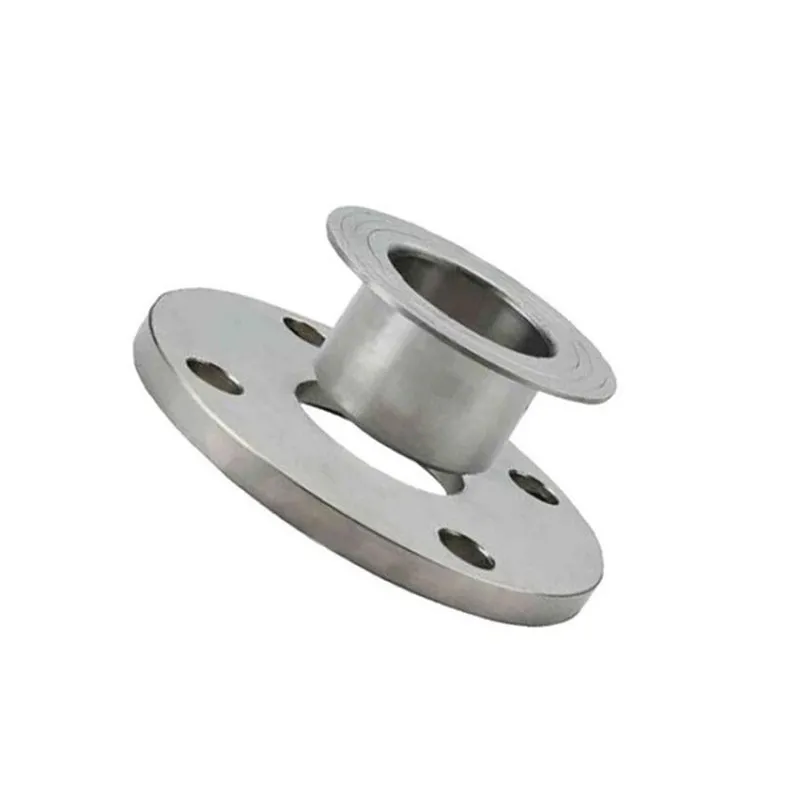 JIS 10K Loose Ring Flanges
 -
 UNI 2281 Butt weld flanges PN10
 -
 Ser.A Butt Weld Flanges Class 400
 -
 Socket Weld Flanges Class 300
 -
 EN 1092-1 Blind flanges Type 05, PN10
 -
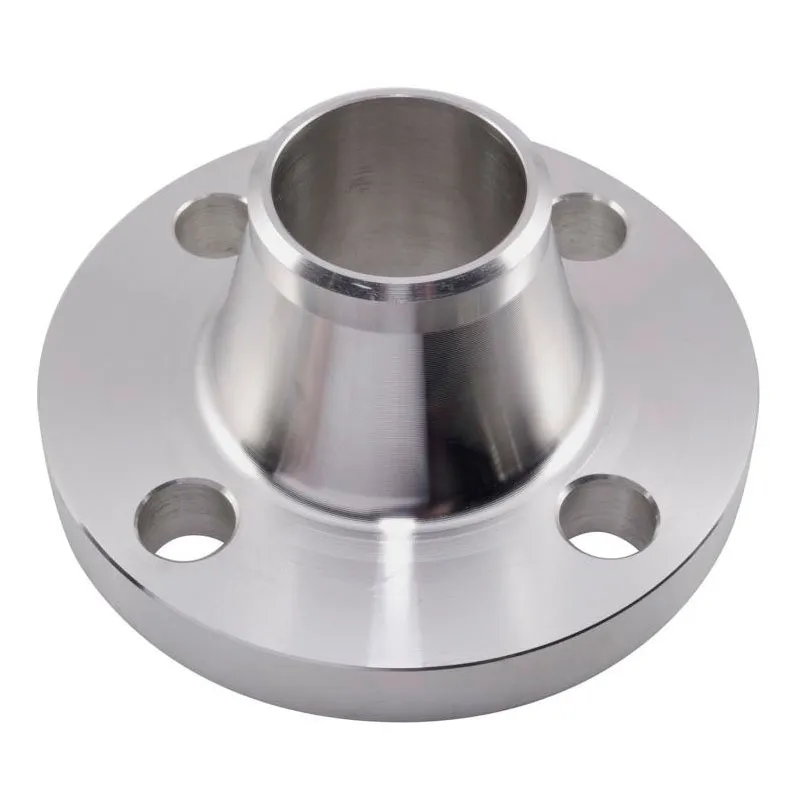 DIN Butt weld flanges PN10
 -
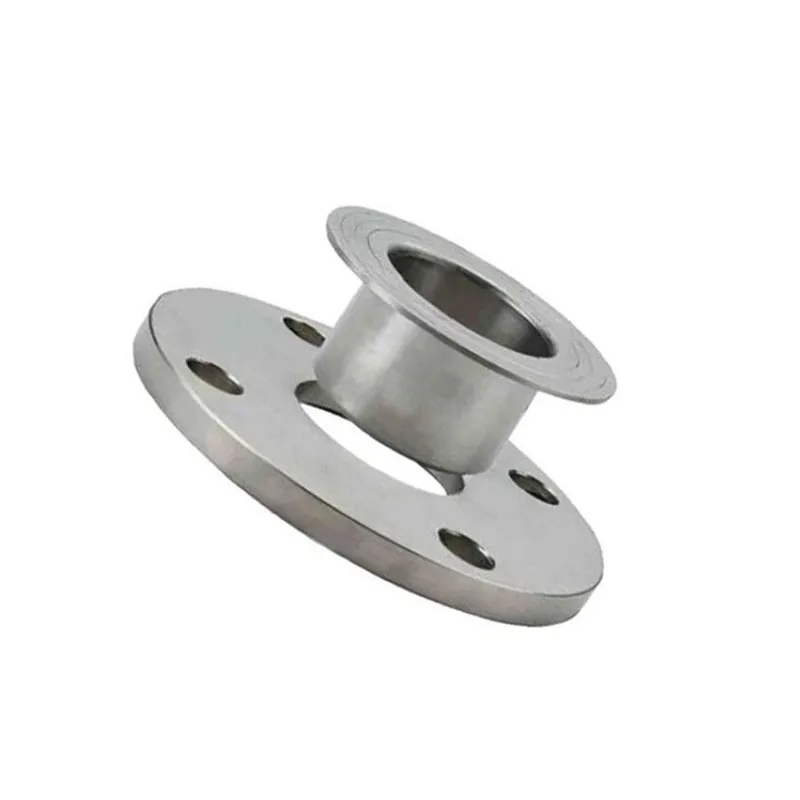 Free ring flanges Class 400
 -
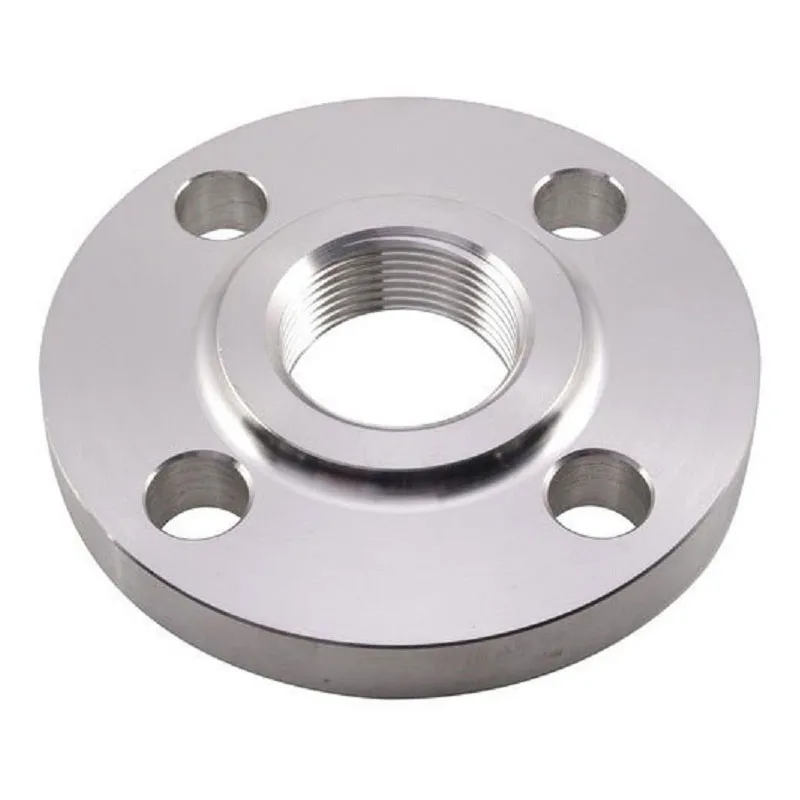 EN 1092-1 Threaded flanges Type 15, PN16
 -
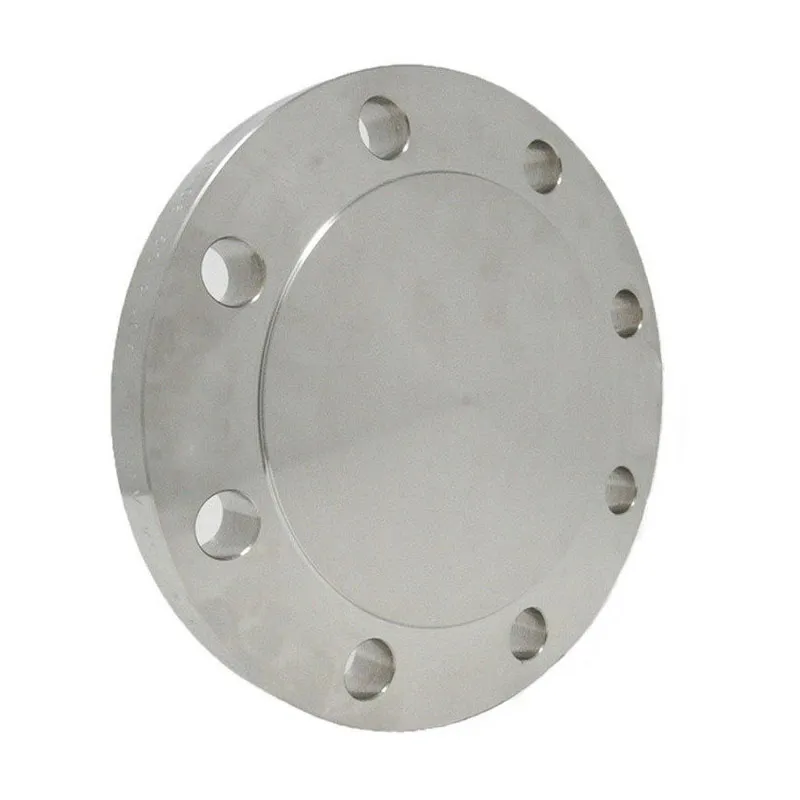 Blind flanges Class 150
 -
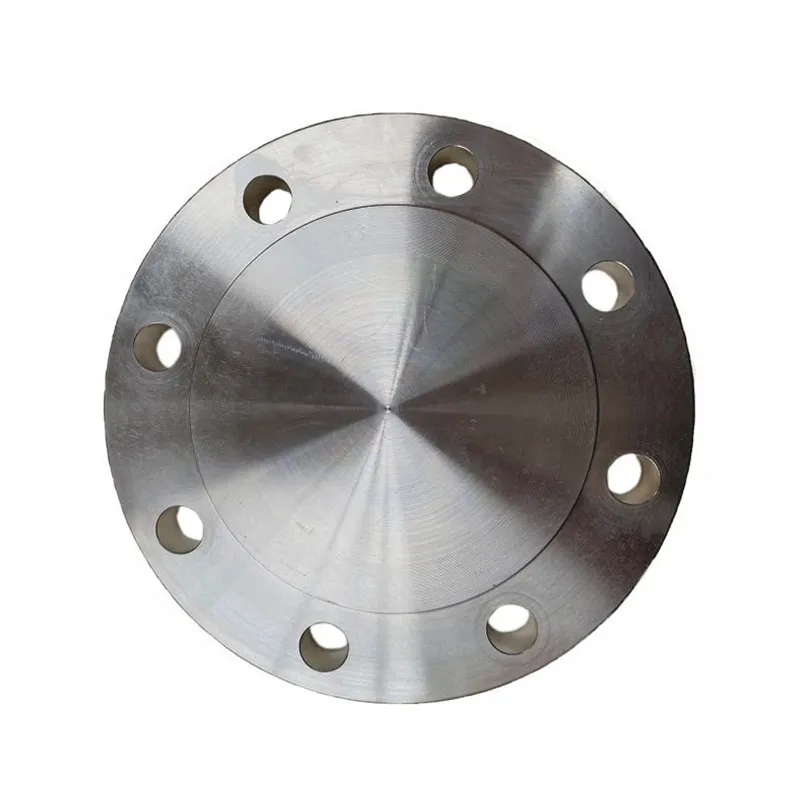 DIN 2527 Blind flanges PN10
 -
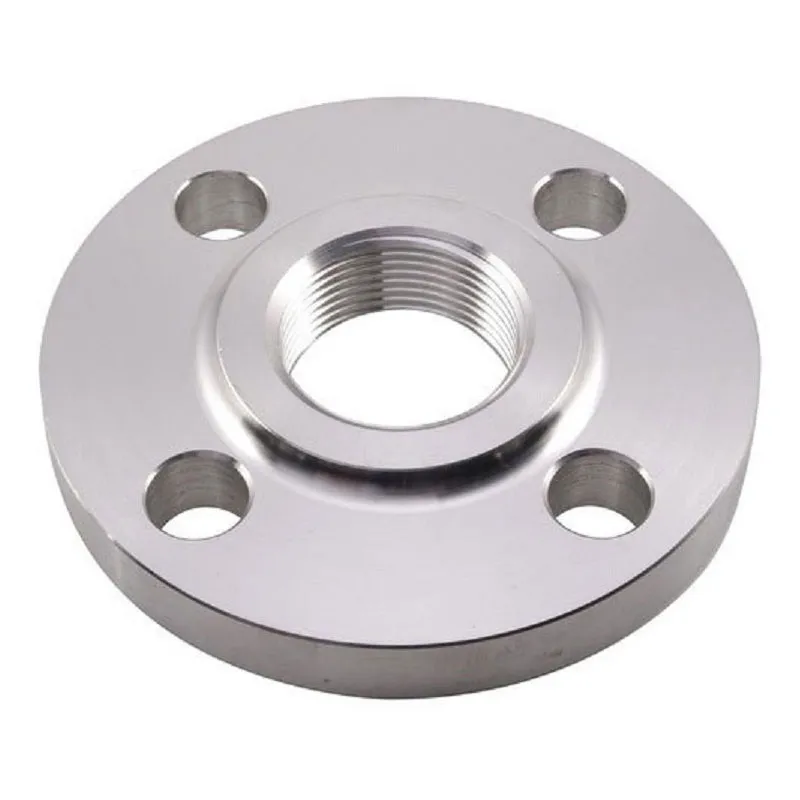 DIN 2565 Threaded flanges PN6
 -
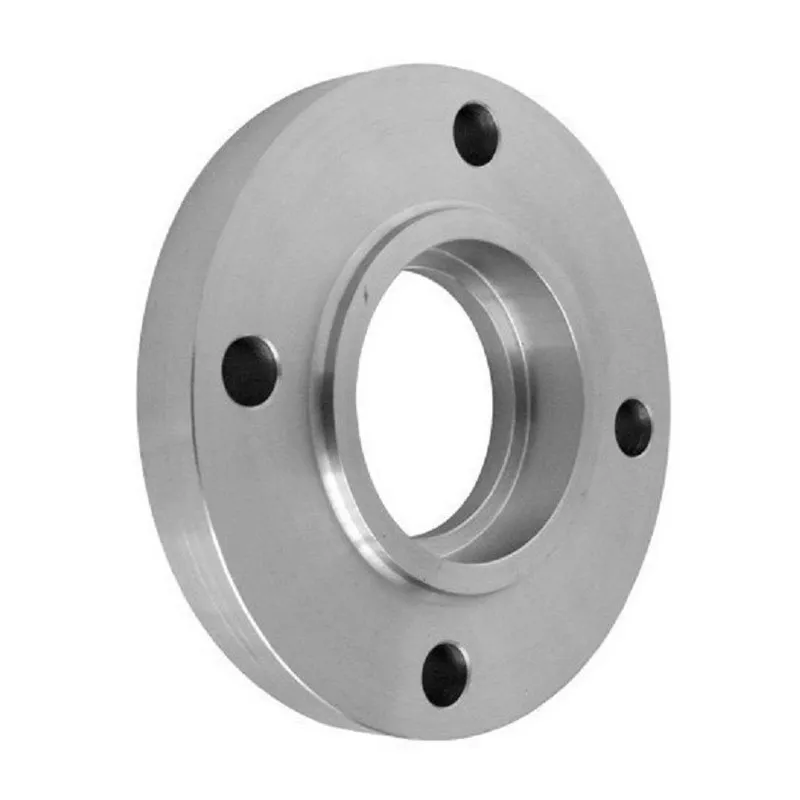 JIS 5K Socket Weld Flanges