
-
-
Phone
+86-13623462298



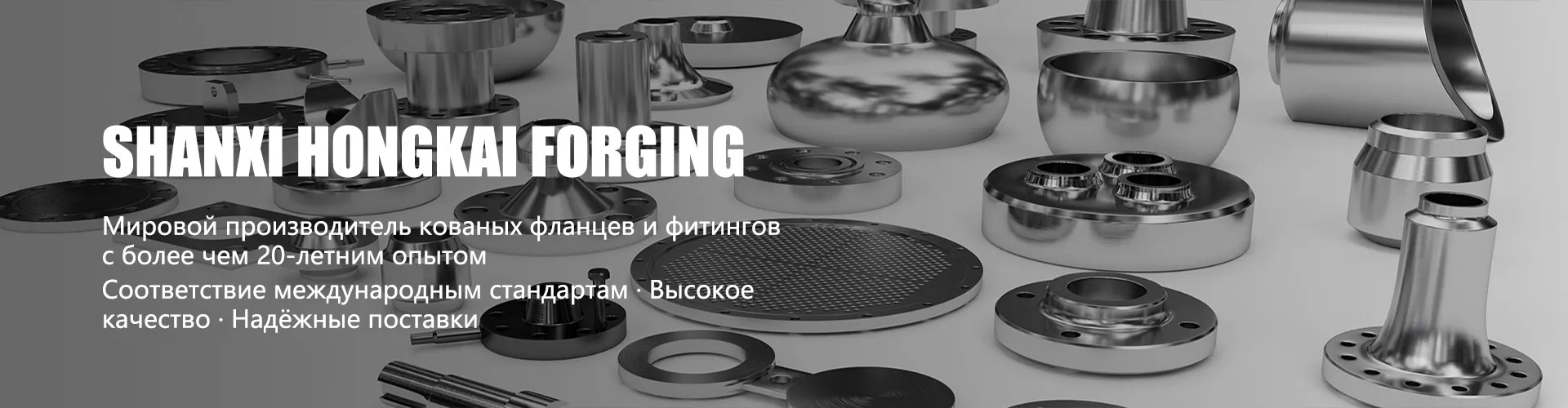
flange width
This is what is often forgotten when they talk aboutflange width- this is not just an overall size that needs to be maintained. This is essentially a guarantee that the seal will work and the bolts will not bend. Many, especially at the ordering stage, look at the internal diameter, pressure, material - and take the width “as per the standard”. And then during assembly it turns out that the surfaces are not parallel, or there is not enough space for the turnkey. I went through this myself.
What is really hidden behind the term?
When I first started working with suppliers, e.g.Shanxi Hongkai Forging Co.,Ltd, then I thought thatflange width- this is the distance from the outer edge to the inner one. But no. In a professional environment, this is often understood as the size from the circumference of the bolt holes to the outer contour. This is critical for calculating the tightening torque. If the width is small, there will not be the necessary shoulder for a uniform load, the seal will “float”. On the one side.
We had a case with flanges for a pipeline according to GOST 12820-80. We ordered everything, it seems, according to the catalogue. But in the specification, the engineer copied the old values without looking. When did the shipment arrive from their website?hkflange.ru, it turned out that the width was a couple of millimeters less than calculated for our new, thicker O-ring. I had to urgently decide whether to change the rings or reorder the flanges. There was a misfire.
This is why I always include full dimensional drawings in their product descriptions that list the DN15-DN4000 range, especially for sizes above DN600. Because with such diameters even standardflange widthcan ?swim? depending on the forging technology and subsequent machining. As a manufacturer of forgings, they have their own specifics - the workpiece can shrink, and this must be compensated for in advance.
Installation mistakes and how to avoid them
The most common problem on site is when installers, without thinking, put flanges of different widths end-to-end. Let's say one is from a valve, the other is from a pipe. It seems that if the diameters and pressures match, then everything is fine. But ifflange widthone has more - the bolt load will be distributed unevenly. Over time it will leak. I saw this on heating networks.
Now we always require from the supplier, be itShanxi Hongkai Forging Co.,Ltdor another, provide not only certificates according to ASME or EN, but also measurement reports for selected products from the batch. Especially for loose flanges - the geometry is more complicated there. They have this in their assortment, and this is a serious plus.
Another nuance is the coating. It would seem, what does width have to do with it? And despite the fact that a thick layer of epoxy or zinc can “eat” it. The actual width after processing is reduced. We once received a batch of flat flanges according to DIN 2576, where the coating was applied too thickly at the ends. I had to clean it manually - otherwise the joint would not fit together. Now in the technical specifications we write in a separate line: “geometric dimensions - for metal, before coating?”.
Non-standard solutions and work according to drawings
When it comes to non-standard products, here is the understandingflange widthcomes to the fore. You can’t just take the closest analogue and increase the thickness. You need to calculate the load, look at the available space for installation. The mentioned company, judging by the description, makes such things “according to the customer’s drawings”.
We had a project involving the reconstruction of an old workshop, where it was necessary to fit a new section of pipeline between the existing structures. Space is running out. The standard flange didn't fit. I had to develop my own, with an increased internal groove, but at the same time with a reduced externalflange widthso that there are at least some gaps for the key. Sent the drawing tohkflange.ru. The main question from their side was precisely the width: “Are you sure about the torsion calculations?” With such a width and a pressure of 40 bar, is there a risk? I had to recalculate together with their technologists.
In such situations, their experience as a forging manufacturer is very important. They may advise, for example, not to reduce the width, but to change the shape of the contour - make it not round, but hexagonal in the area of the bolts, in order to save millimeters, but not lose strength. This is already a level above simple manufacturing.
Relationship with other parameters
Width cannot be considered in isolation. It is directly related to the bolt circle diameter (PCD) and spanner size. For butt weld flanges, which are included in their nomenclature, this is especially critical. If the width is small, there may not be enough space to weld the neck well. I saw a defect when the welder, in order not to touch the bolt heads, did not weld the seam to the end.
Also, for standards such as GOST or JIS, there is often a rigid link between the width and the nominal pressure. But when you make a transition from one standard to another (for example, from ASME B16.5 to GOST), these tables do not work. We need to build a new blueprint. And here again, the key parameter for coordination is often preciselyflange width, not the diameter.
When ordering blind flanges with a large diameter, say DN2000, the width becomes decisive for the choice of material. Because a massive forging with a large width means a huge weight. Their technologist once rightly noted that sometimes it is cheaper and more reliable to make a composite flange with the same design width, but from two parts, than to forge a solid colossus, which can then have internal stresses.
Conclusions for practitioners
So why am I doing all this? To the point thatflange width- this is as important a parameter as the pressure class. It cannot be ignored or taken ?from the table? without reference to actual installation and operating conditions. Especially when you work with important objects.
Experienced producers likeShanxi Hongkai Forging Co.,Ltd, they understand this. Their website is not just a catalog, but, in fact, a starting point for dialogue. When you see in the description “manufactured in accordance with international and national standards”, this should mean that they are aware of all these subtleties and are ready to discuss them.
Therefore, my advice is: never stop at the number in the specification. Request a drawing, discuss with the technologist how this width was obtained, and ask about forging and machining tolerances. This will save a lot of time and nerves on site. Tested more than once, including on their products for components operating under high pressure. It's a small thing, but it solves everything.
Correspondingproducts
Related Products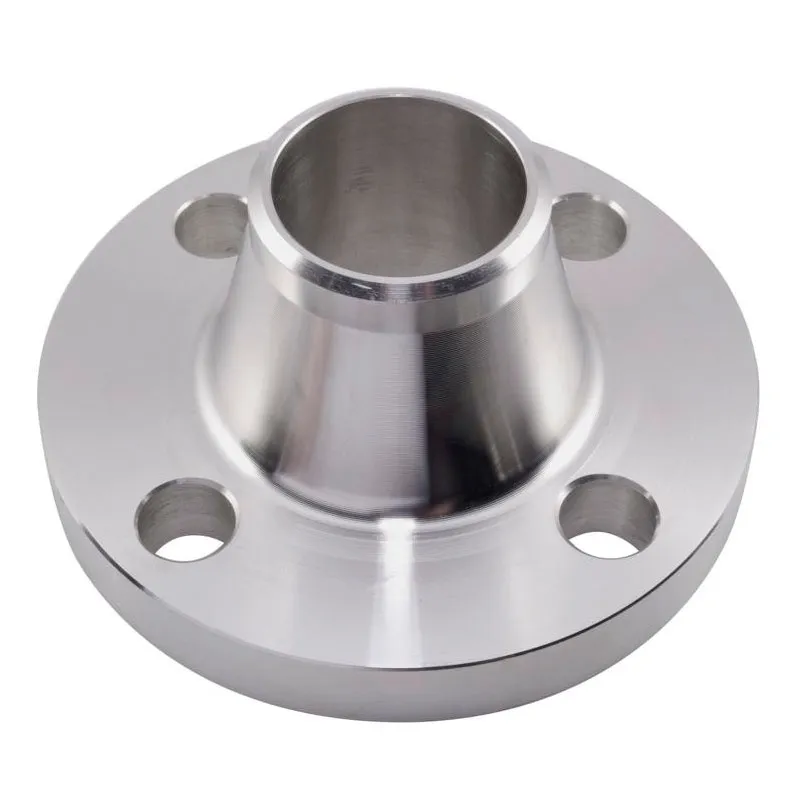
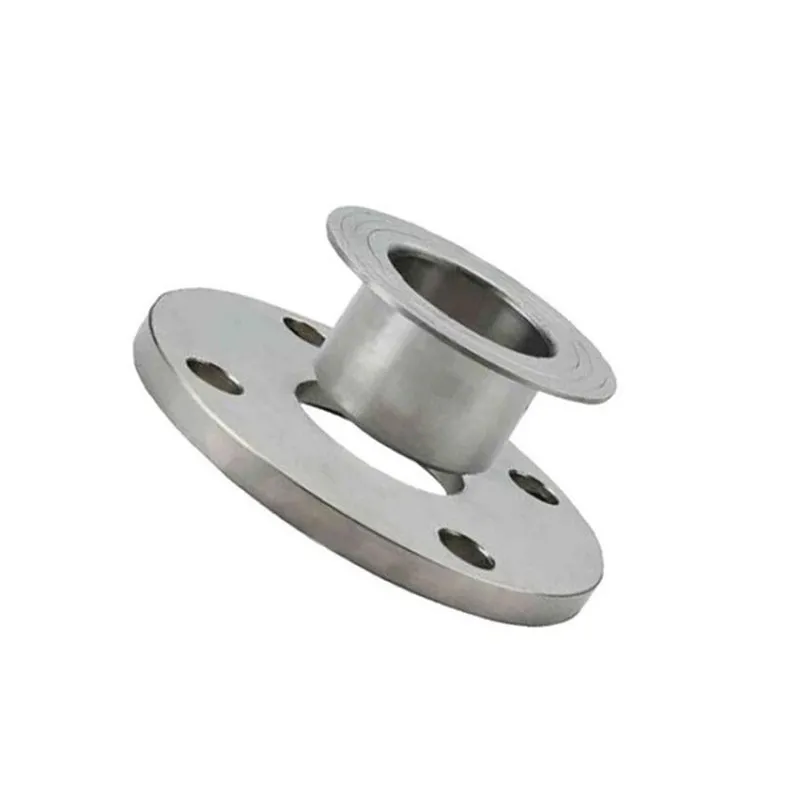
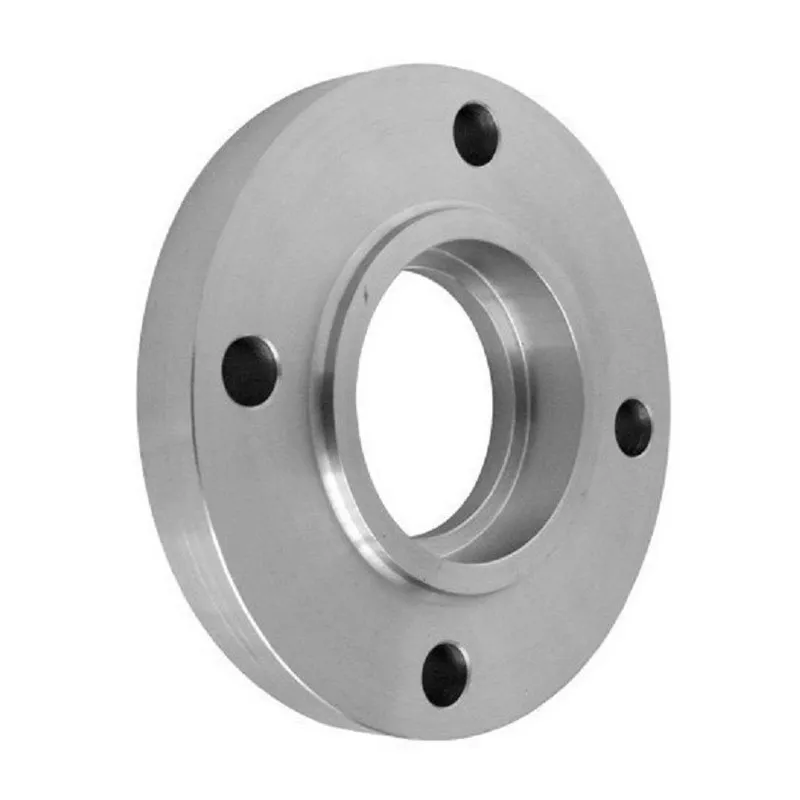
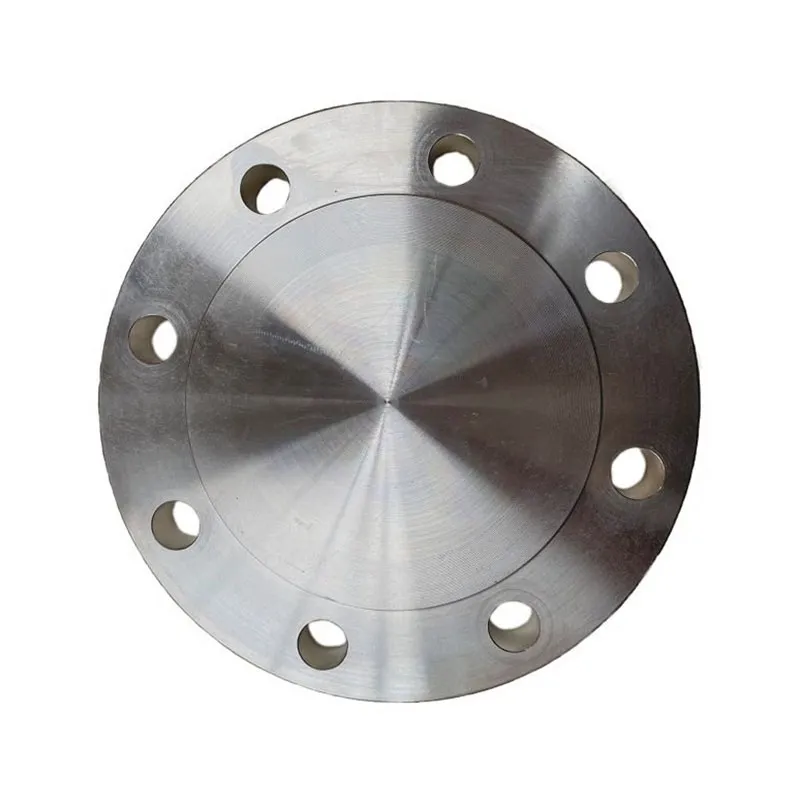
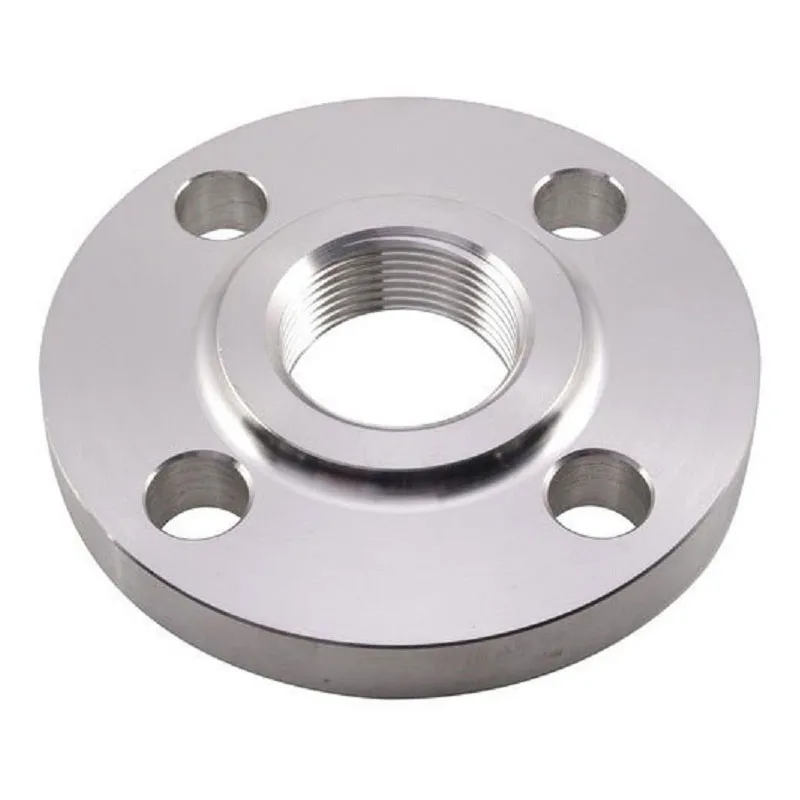
Best Sellingproducts
Best Selling Products-
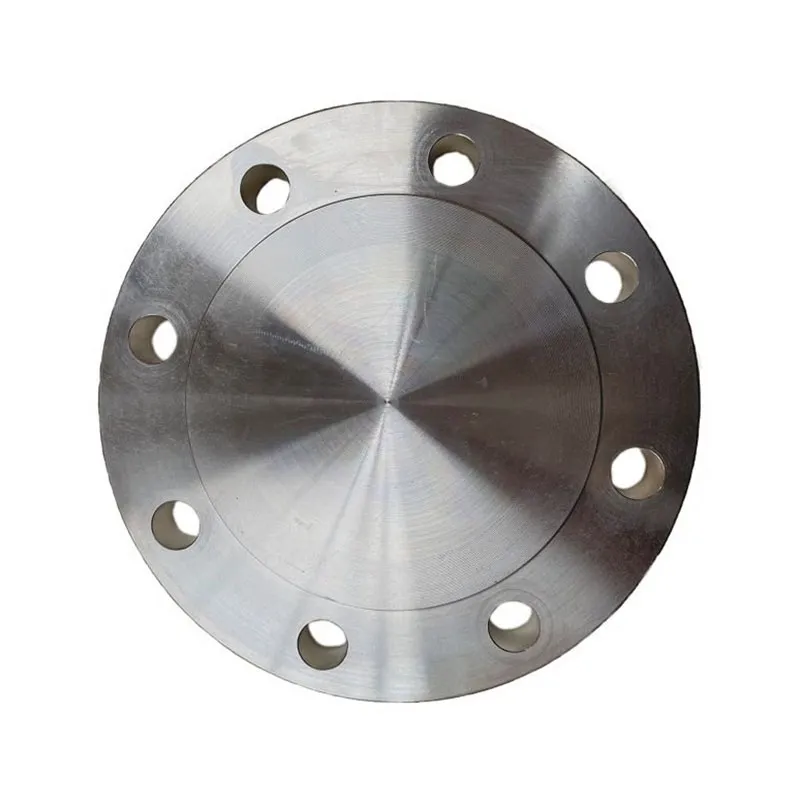 ASME B16.47 Ser.A Blind Flanges Class 400
 -
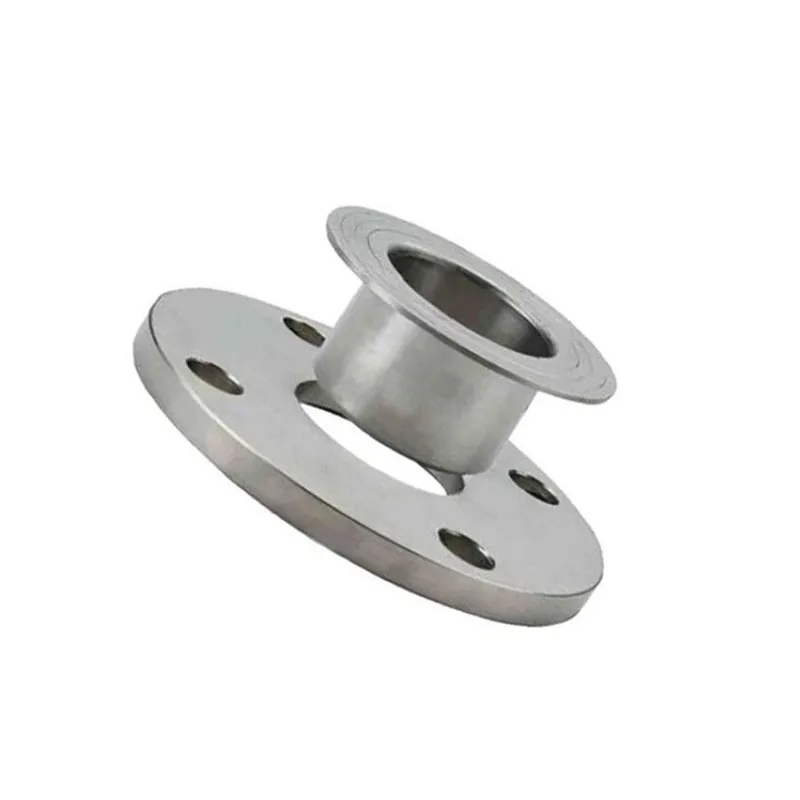 Free ring flanges Class 400
 -
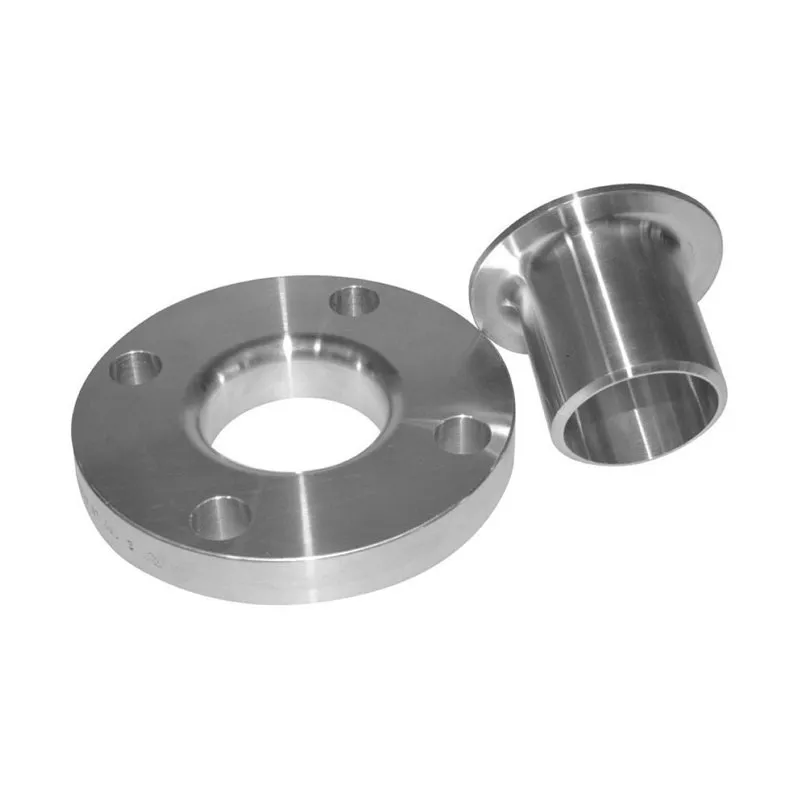 Free ring flanges Class 150
 -
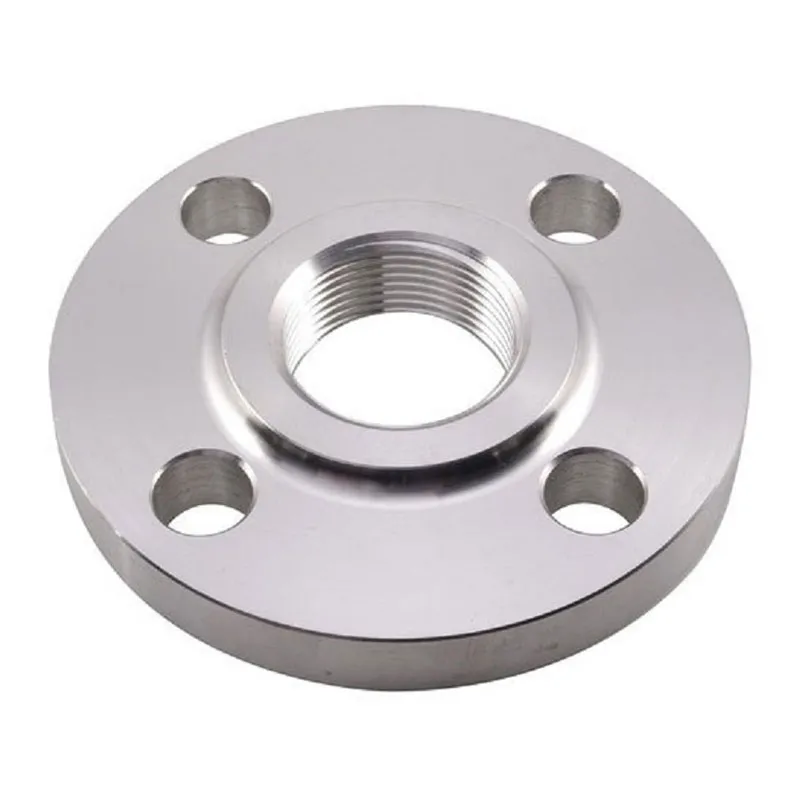 JIS 10K Overlay flanges
 -
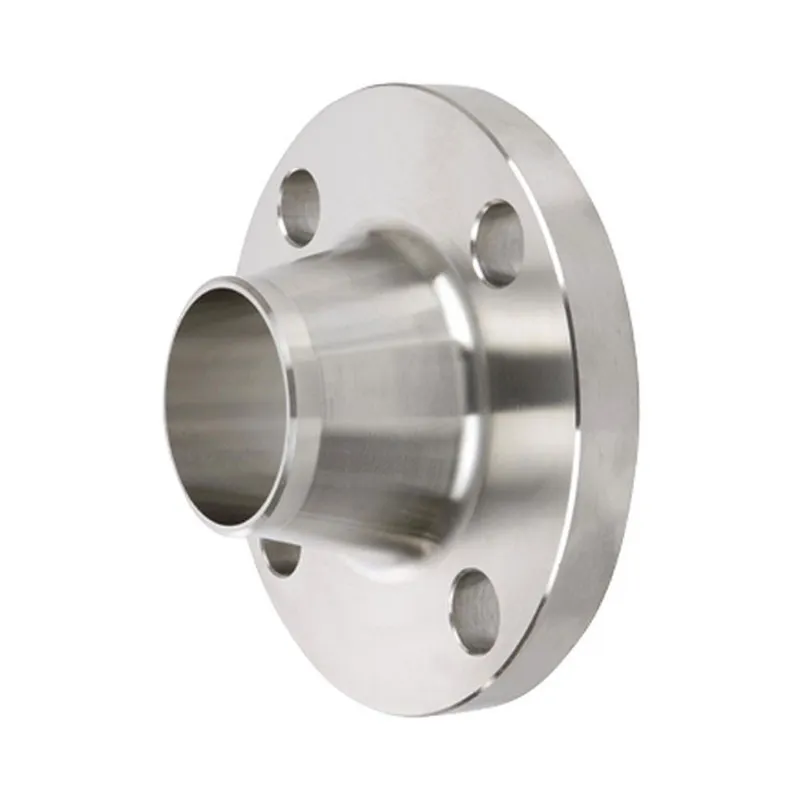 EN 1092-1 Butt weld flanges Type 11, PN25
 -
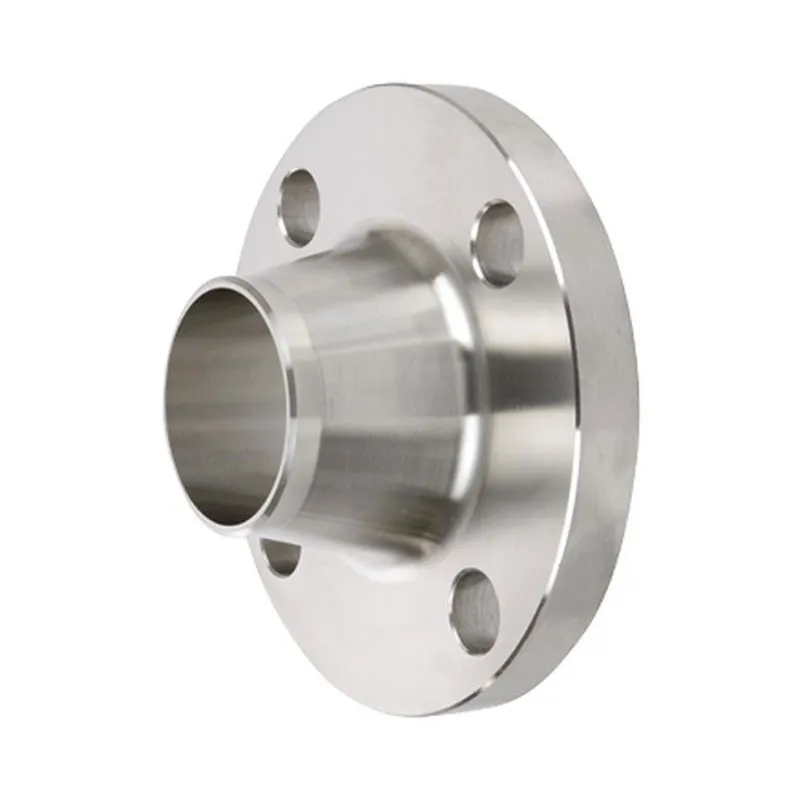 Ser.A Butt Weld Flanges Class 400
 -
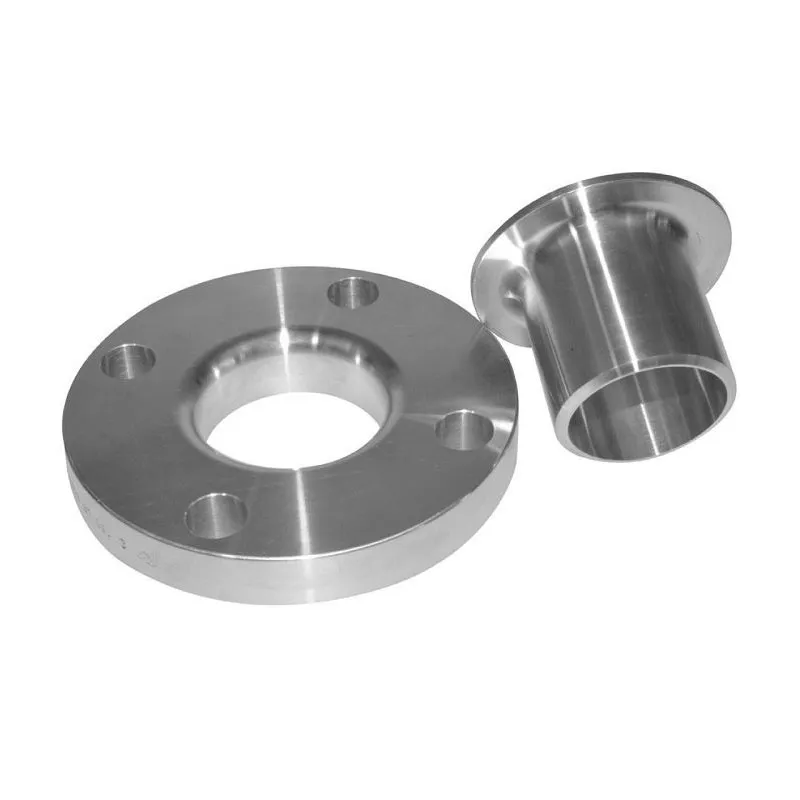 ANSI B16.5 Loose Ring Flanges Class 2500
 -
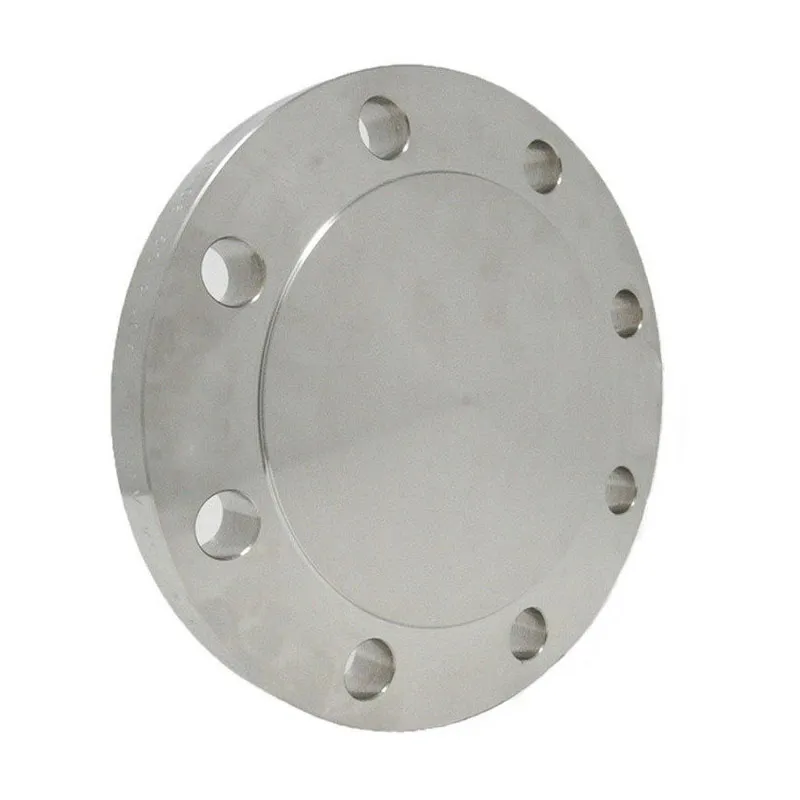 AWWA Blind Flanges Class D (Tables 1, 2, 3)
 -
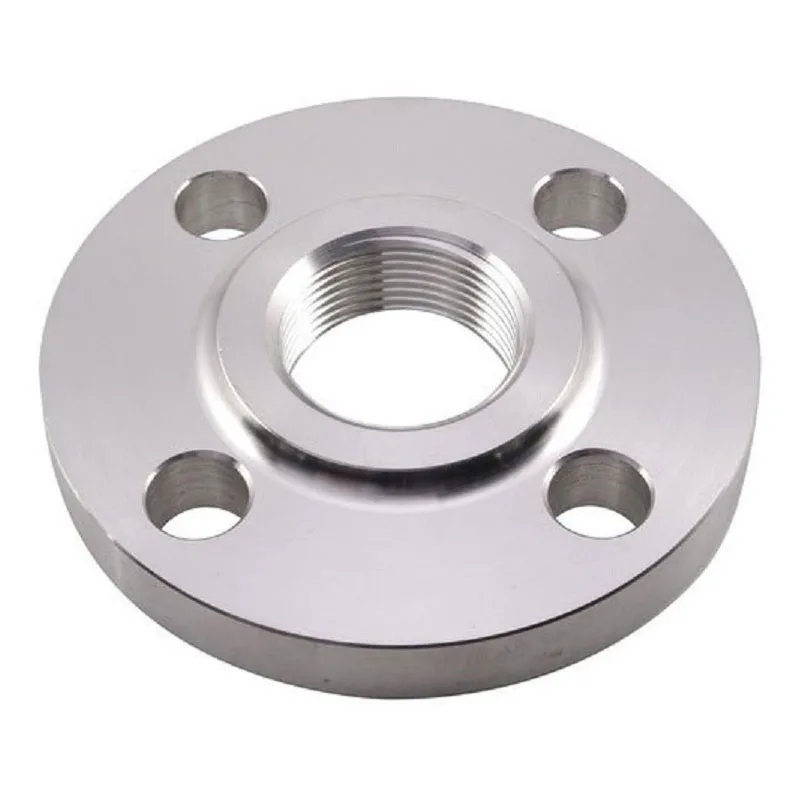 JIS 10K Threaded Flanges
 -
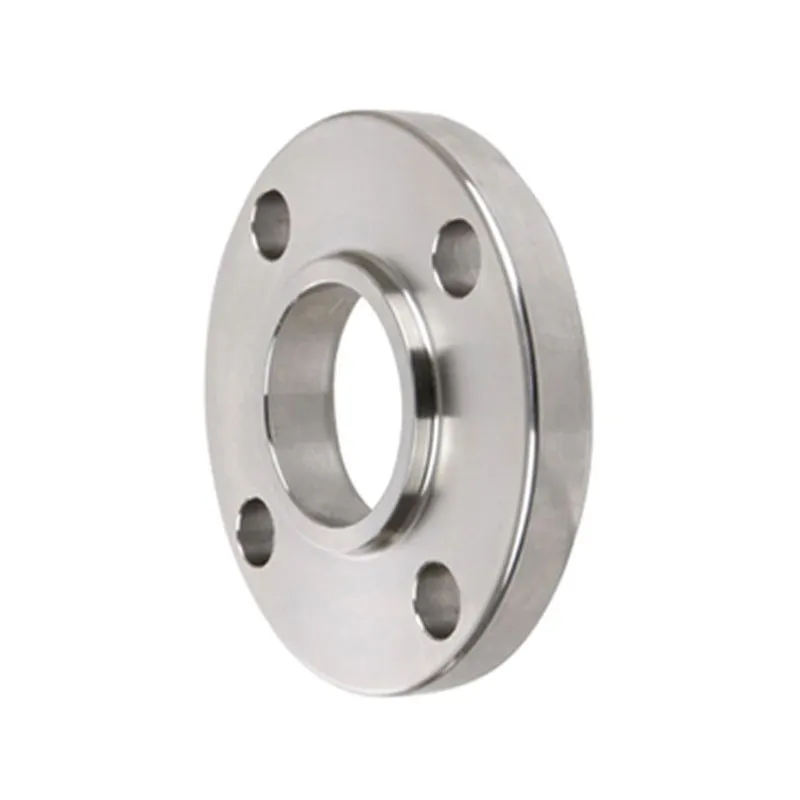 ANSI B16.5 Lap-on flanges Class 300
 -
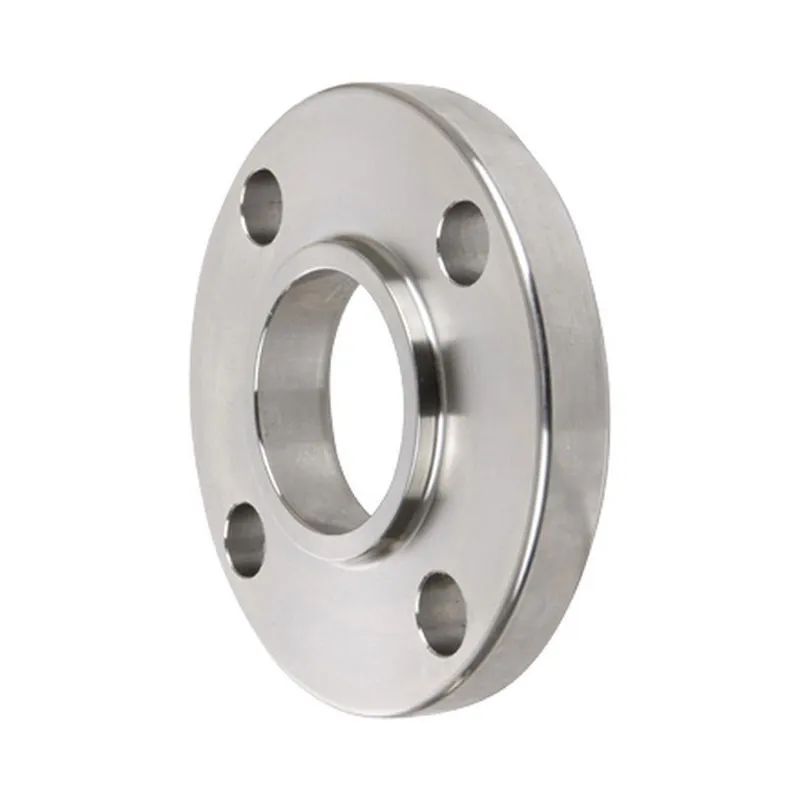 DIN 2501 Overlay flanges PN16
 -
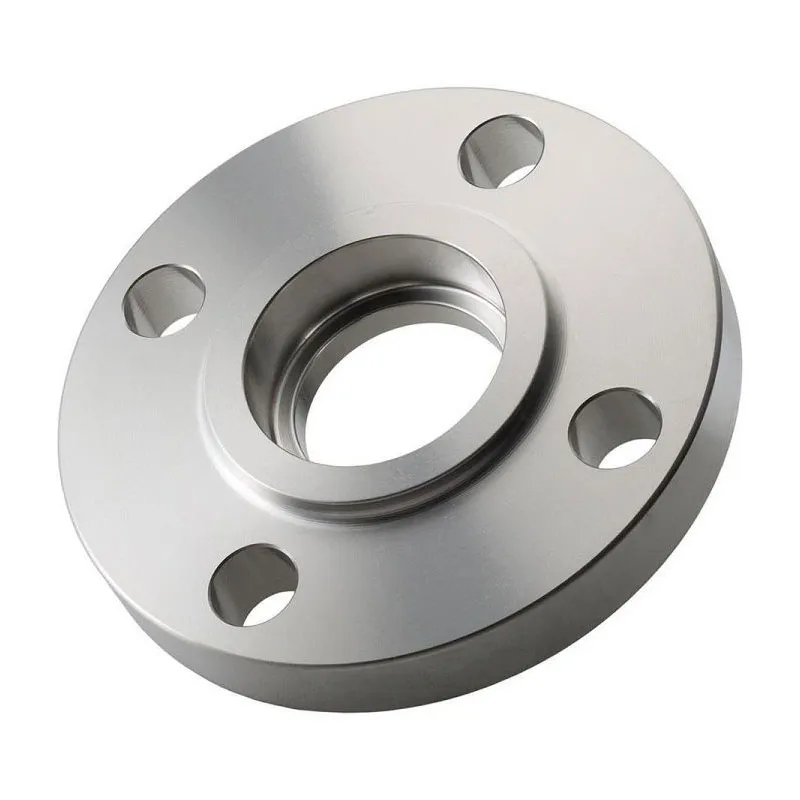 ANSI B16.5 Socket Weld Flanges Class 1500