
-
-
Phone
+86-13623462298



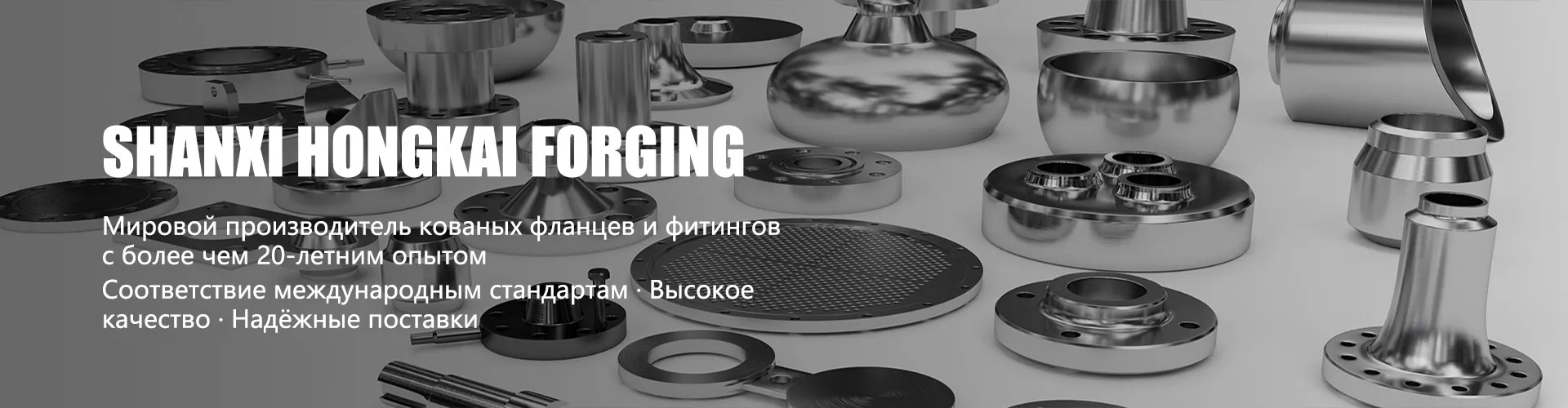
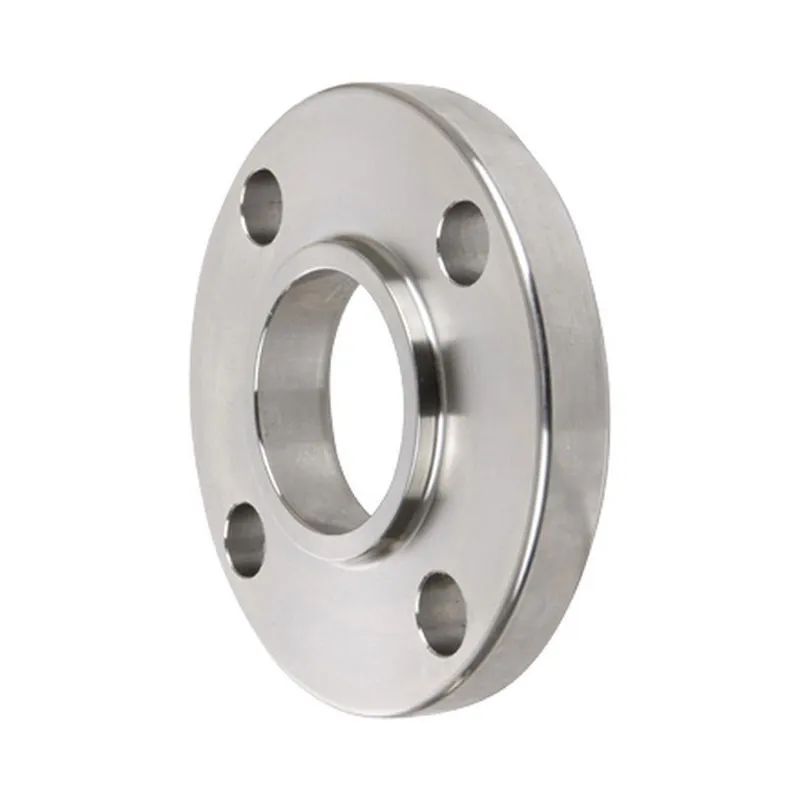
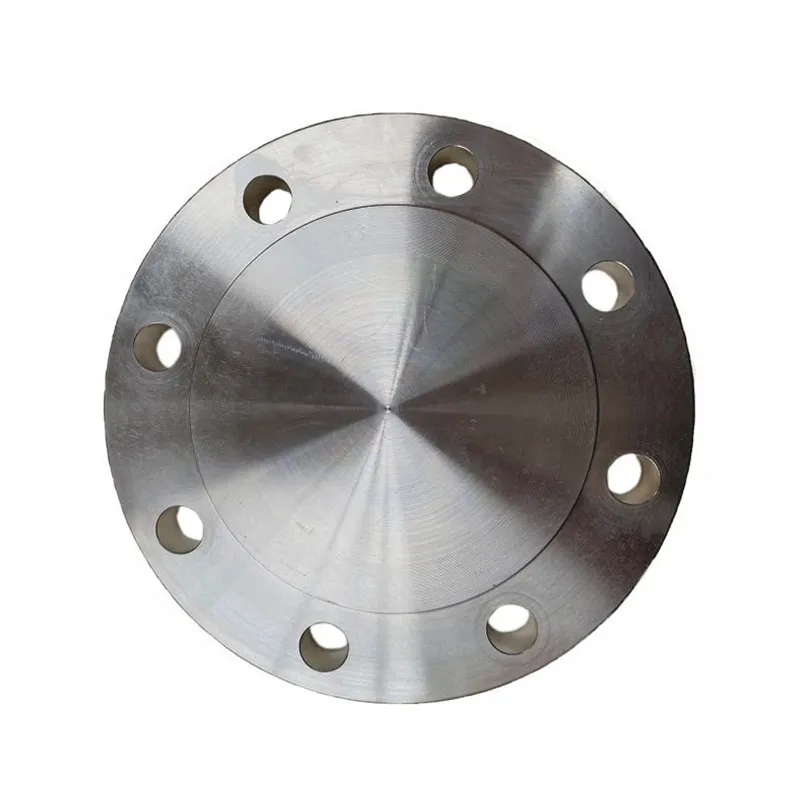
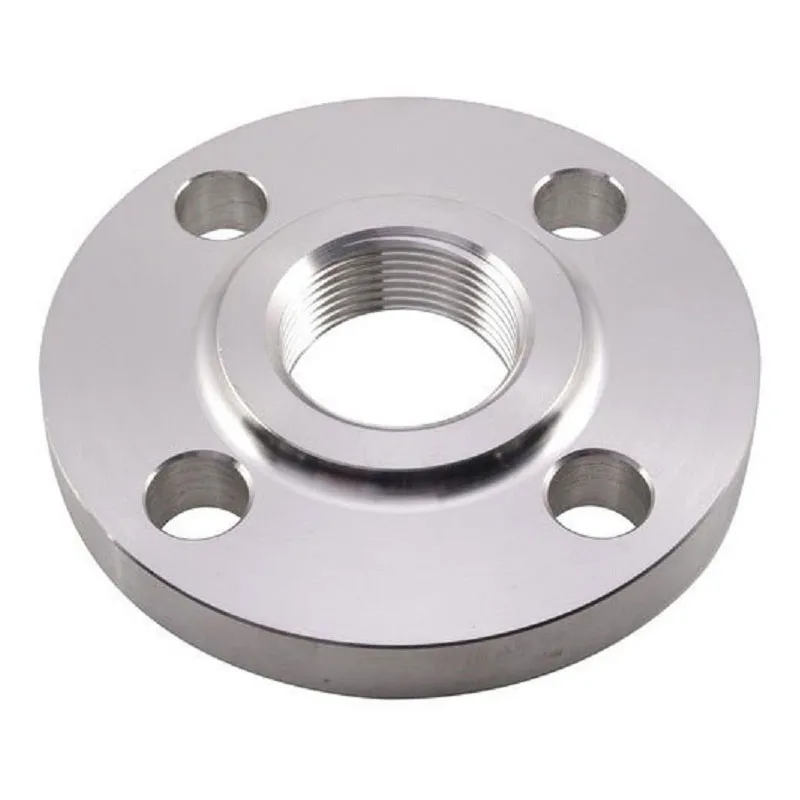
steel flanges for welding
When they say “steel welding flanges?”, many people immediately imagine just a steel disk with holes. In fact, this is perhaps the most critical node on the pipeline, and there are no trifles here. I often come across the fact that customers, especially those who are just starting to work with industrial networks, are chasing the thickness of the metal or low price, losing sight of much more important things: the quality of the forging itself, the geometry of the chamfer for the weld and, what is critical, the compliance of the material not just with “steel 20”, but with a specific chemical composition to the required standard. It is precisely because of the discrepancy in carbon or alloying elements that cracks then occur in the heat-affected zone after welding.
From drawing to forging: where the pitfalls lie
Let's take, for example, the most popular flange according to GOST (also an analogue of ASME B16.5) for nominal diameter DN100. It would seem that everything is simple: take the workpiece, cut it out, drill it. But if this is done from sheet metal, especially for pressures from PN16 and above, this is a direct path to problems. Residual stresses in metal after plasma or gas cutting are a time bomb. They may appear during installation or, worse, during operation under variable loads.
Therefore, in our workshop we always insist on forged blanks for critical components. Forging, especially when it comes to a manufacturer such asShanxi Hongkai Forging Co.,Ltd, gives a fibrous metal structure that follows the contours of the product. These are not just words. The macrosection shows how the fibers “flow around?” holes and hub, and do not break off, as when machining from a slab. This is a key point for fatigue strength.
Once there was an incident during the installation of a gas pipeline: they installed flanges made from forgings of dubious quality. After hydrotesting, microcracks appeared at one of the joints right along the border of the hub and the disk. We looked into it - it turned out that the workpiece contained a shell, which was welded and then simply sanded. The defect is not visible visually, but under load it manifested itself. After this, we work only with trusted suppliers who provide a full package of documents, including ultrasonic testing of forgings.
Geometry is not just for show in Quality Control Department
Have you often measured the chamfer angle on the mounting surface of a butt weld flange? Or did you check the alignment of the holes for the studs relative to the center? Many installers wave their hand: “it’ll be welded like that?” And then problems arise with the alignment of the counter flange from the pump or valve, and additional bending moments appear.
Production culture is important here. On the same sitehkflange.ruit is clear that the company works according to a whole range of standards - from GOST and ASME to EN and DIN. This is not just marketing. Each standard has its own, sometimes very strict, requirements for geometry tolerances. For example, for ASME B16.5 butt weld flanges, not only the height of the hub is critical, but also the smoothness of the transition from hub to disc. An abrupt transition is a voltage riser.
In my experience, when accepting a batch, I always take a caliper and a protractor. It happened that flanges were shipped where the chamfer for welding was 30 degrees instead of the required 37.5 ± 2.5 according to the same GOST. It would seem like a small thing. But the welder then has to lay out an extra volume of deposited metal to fill this groove, which leads to overheating of the zone and unnecessary internal stresses. Now this is a mandatory item in our checklist.
Material: ?steel? - this is too broad a concept
Another common myth: “the flange is steel, so it will fit?”. In fact, different grades of steel are needed for different environments and temperatures. Steel 20 for steam up to 425°C is one thing, but 09G2S for low temperatures or 12Х18Н10Т for aggressive environments are completely different stories, and primarily in terms of weldability.
Manufacturer in its assortment, like the sameShanxi Hongkai Forging Co.,Ltd, usually indicates what brands the product is made from. This is important. We once purchased a batch of flanges for a facility in the northern region. The passports said “Steel 20”. Welded and assembled. And in winter, at -40, brittle cracks appeared in the welds. Upon detailed analysis, it turned out that the supplier did not have certificates with subzero impact strength (KCU). The metal simply did not pass the cold brittleness test. The flanges were good, but not for this task.
Therefore, now we always request not just a certificate of conformity, but a quality certificate from the manufacturer, which states in black and white: steel grade according to GOST or ASTM, chemical composition, mechanical properties (yield strength, tensile strength, relative elongation) and the results of ultrasonic testing. If required for the project, then the results of impact tests.
Non-standard solutions: when standard catalogs do not save
Often in projects there are components where a flange with a non-standard arrangement of holes, thickening in one zone or a special type of sealing surface is needed. Here you can’t get away with choosing from a catalog for DN150. You need to work with a manufacturer who is capable of making forgings according to an individual drawing.
In the company descriptionShanxi Hongkai Forging Co.,LtdIt is expressly stated that they manufacture non-standard products according to customer drawings. This is a valuable opportunity. We had a project with a unique heat exchanger that required an adapter flange from DN800 to DN600 with offset axes. We made a 3D model and sent a request. The key question was: how will they ensure the quality of forgings for such complex geometry? In response, they sent a technological map with the stages of forging on the press and a diagram of the location of the dies. This gave me confidence.
The finished product arrived with mechanical processing already completed. An important nuance that the installers appreciated: a smooth fillet was made on the inner surface of the transition, rather than a sharp angle. This reduced local stresses and simplified subsequent anti-corrosion treatment. Such details indicate engineering work on the manufacturer's side.
Bottom line: what to look for when choosing
So what's the bottom line?Steel flanges for welding- this is not a product off the shelf. Their choice is a comprehensive assessment. First, the origin of the workpiece: forging is preferred for critical applications. Secondly, the confirmed quality of the material and its compliance specifically with your conditions (temperature, environment, pressure). Thirdly, geometric precision and production culture, which are visible in small details - in the cleanliness of surface treatment, in observing the chamfer angles.
Sites likehttps://www.hkflange.ruuseful as a source of information about the manufacturer’s capabilities: size range up to DN4000, work according to multiple standards, availability of its own forging and press production. This indicates the seriousness of the approach. But then you need to delve into the details: request specific certificates, clarify the technology for non-standard items, perhaps even request a sample to assess the quality of machining.
The main conclusion that has come over the years: the reliability of pipeline fittings begins not with a valve or a pump, but with such “simple” ones. parts, such as a welded flange. You can save a penny on its quality, but the cost of subsequent repairs or line downtime will be orders of magnitude higher. Therefore, it is better to carefully check once and choose someone who does it not as a product, but as an engineering product.
Correspondingproducts
Related Products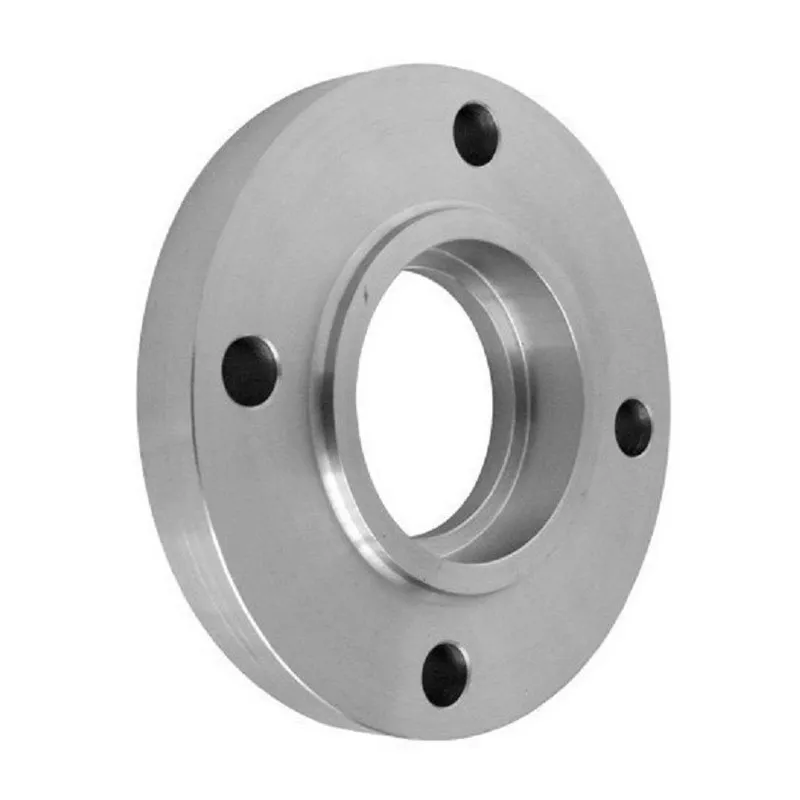
Best Sellingproducts
Best Selling Products-
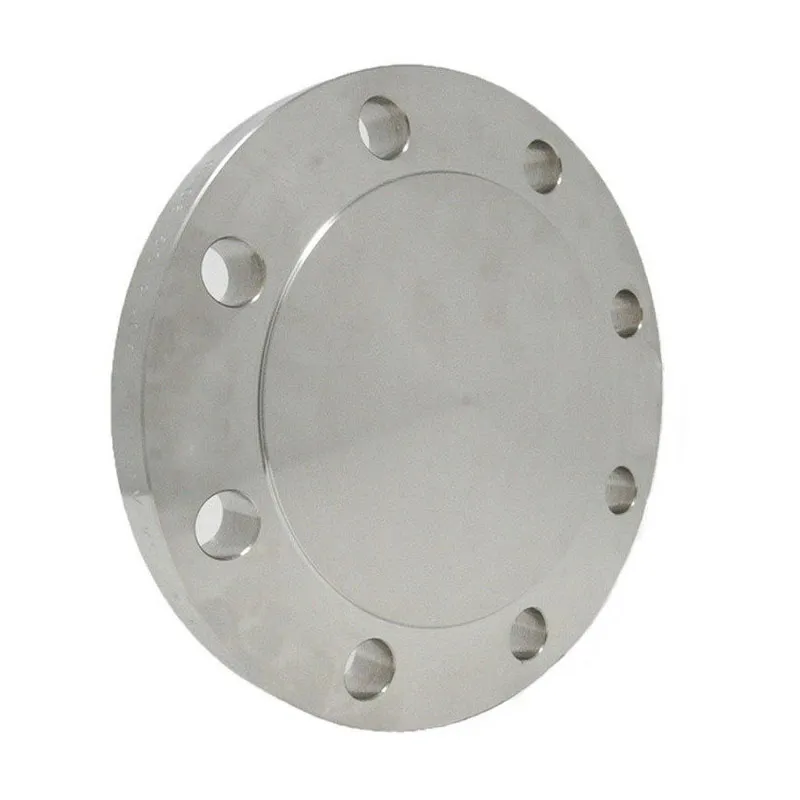
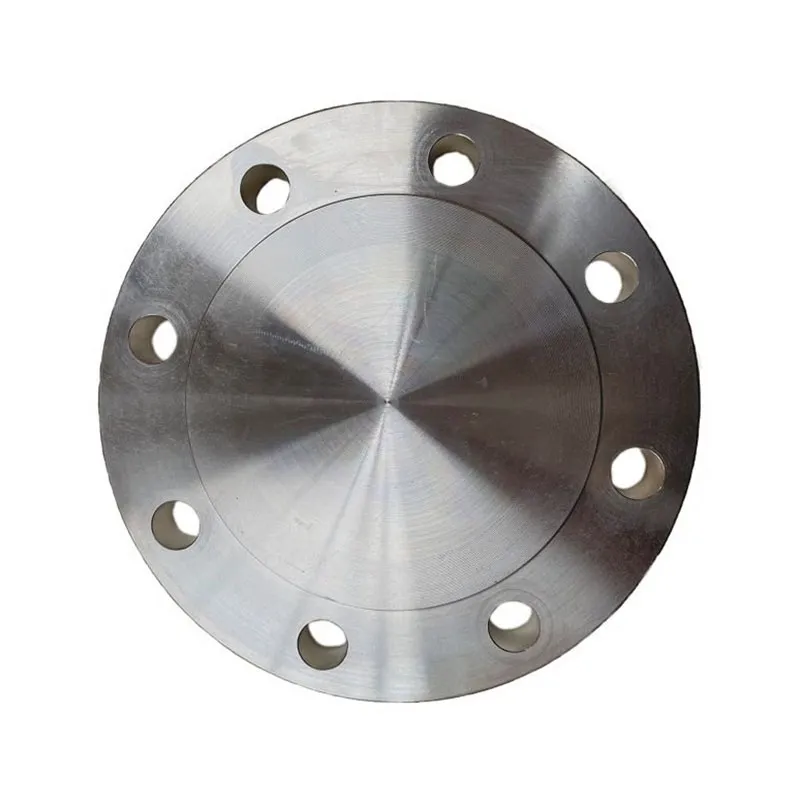 UNI 6092 Blind flanges PN10
 -
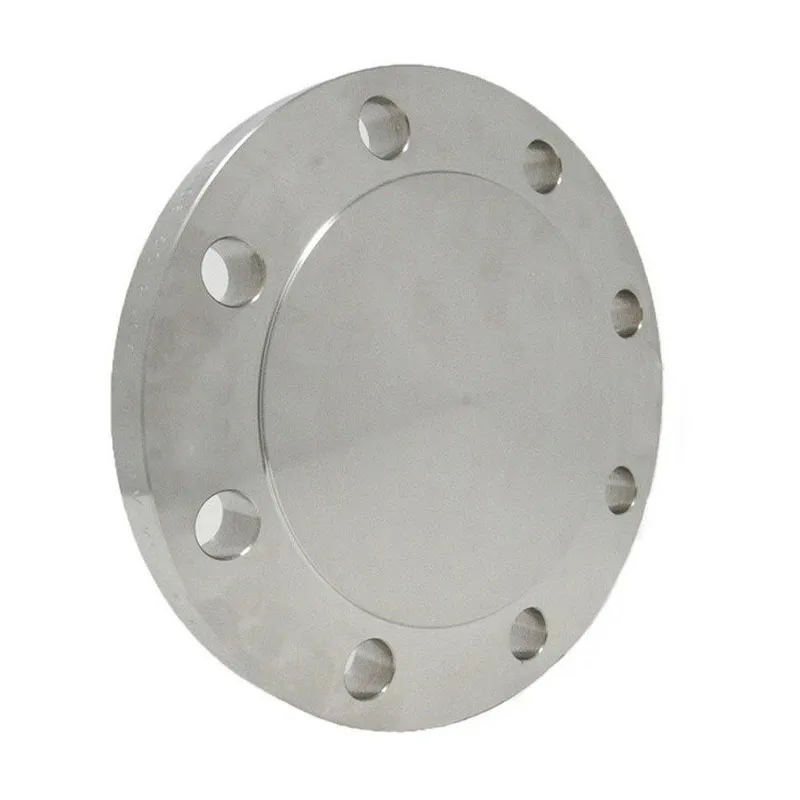 EN 1092-1 Blind flanges Type 05, PN10
 -
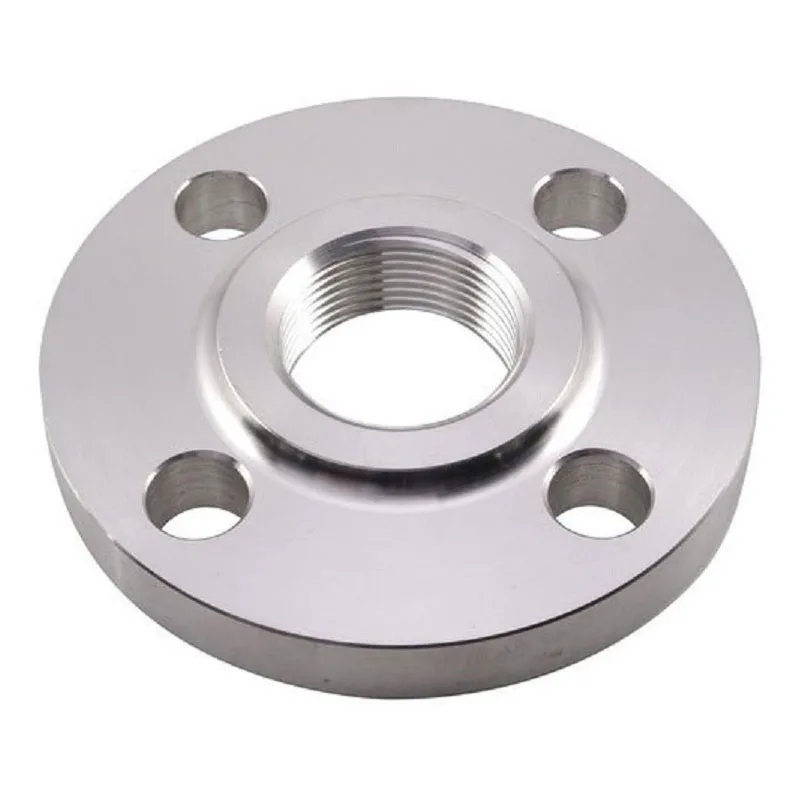 JIS 10K Threaded Flanges
 -
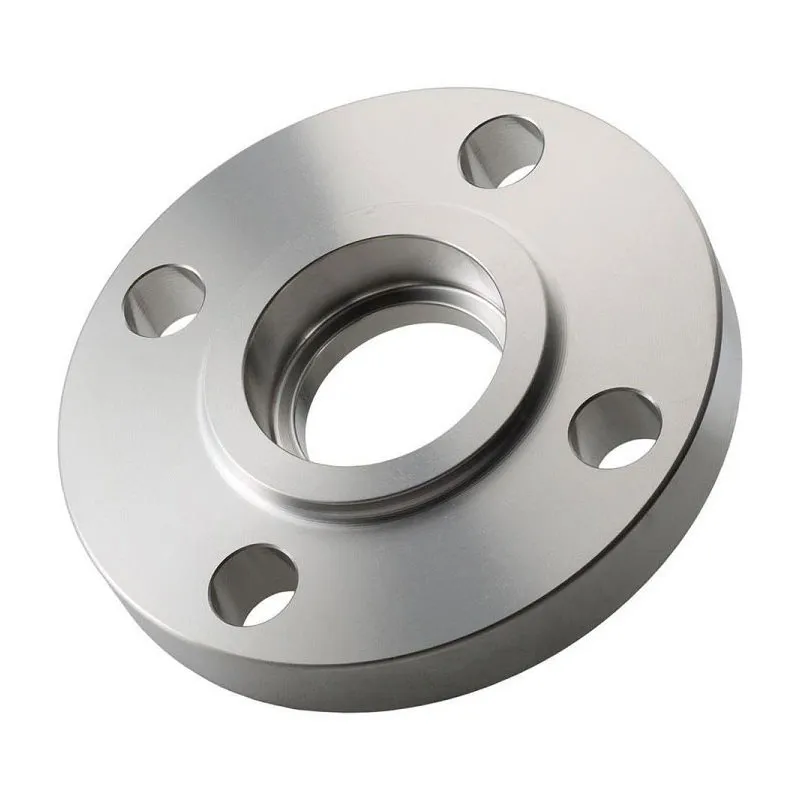 Flanges for socket welding
 -
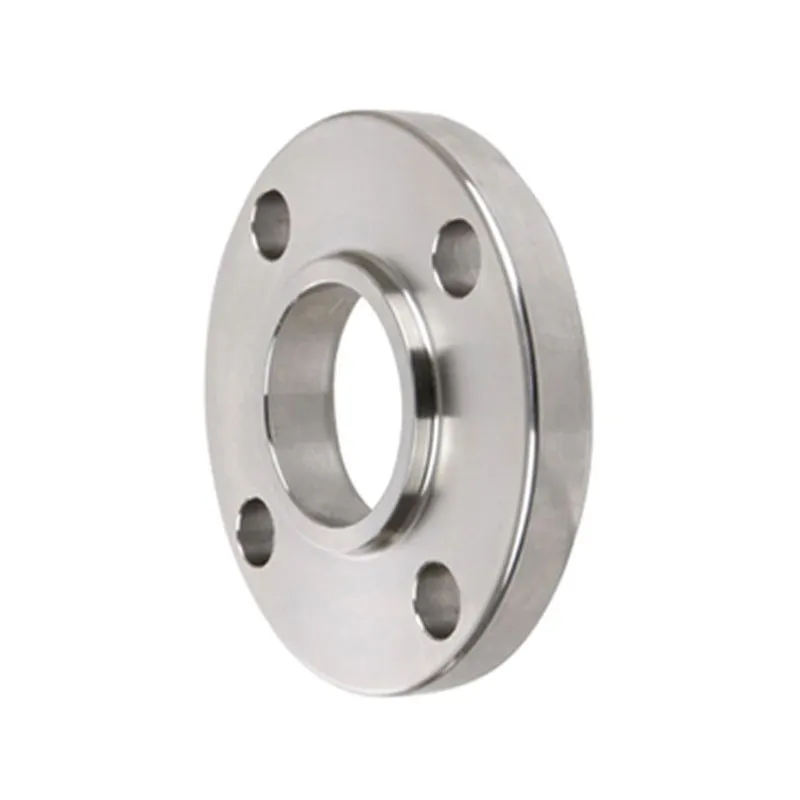 ANSI B16.5 Lap-on flanges Class 300
 -
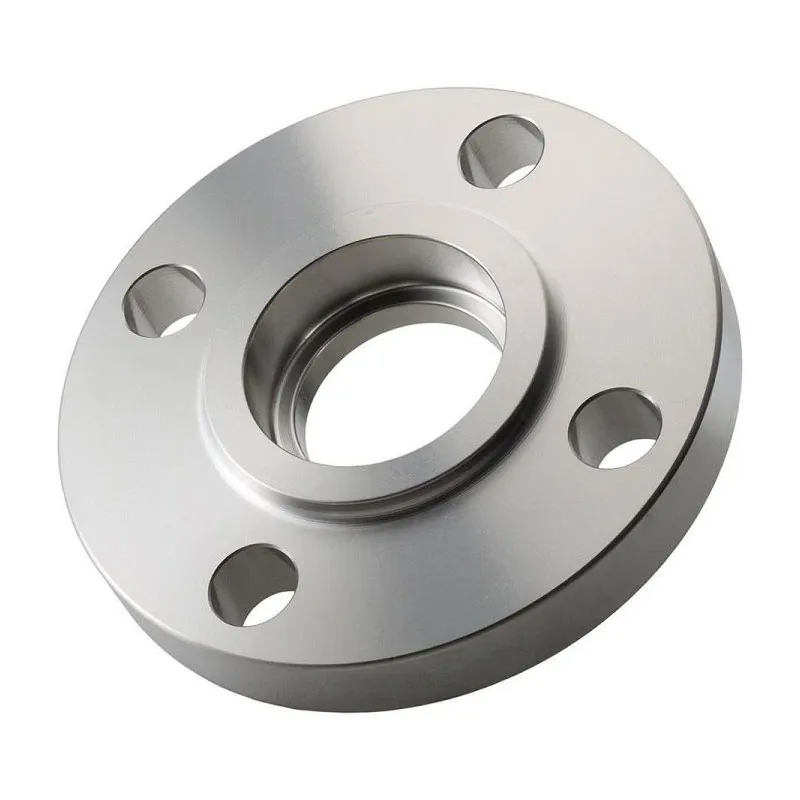 ANSI B16.5 Socket Weld Flanges Class 150
 -
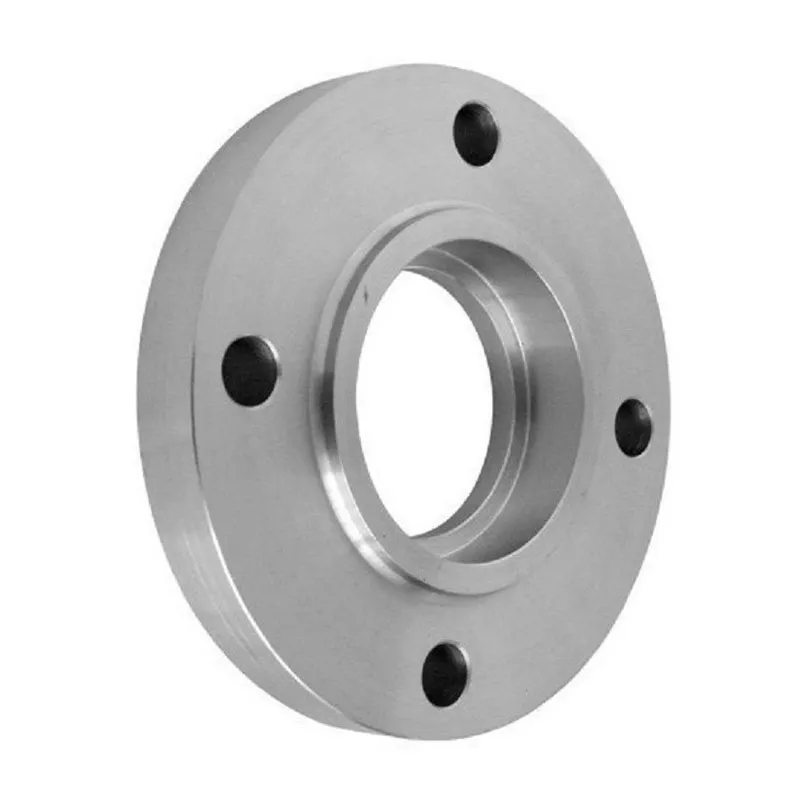 Socket Weld Flanges Class 300
 -
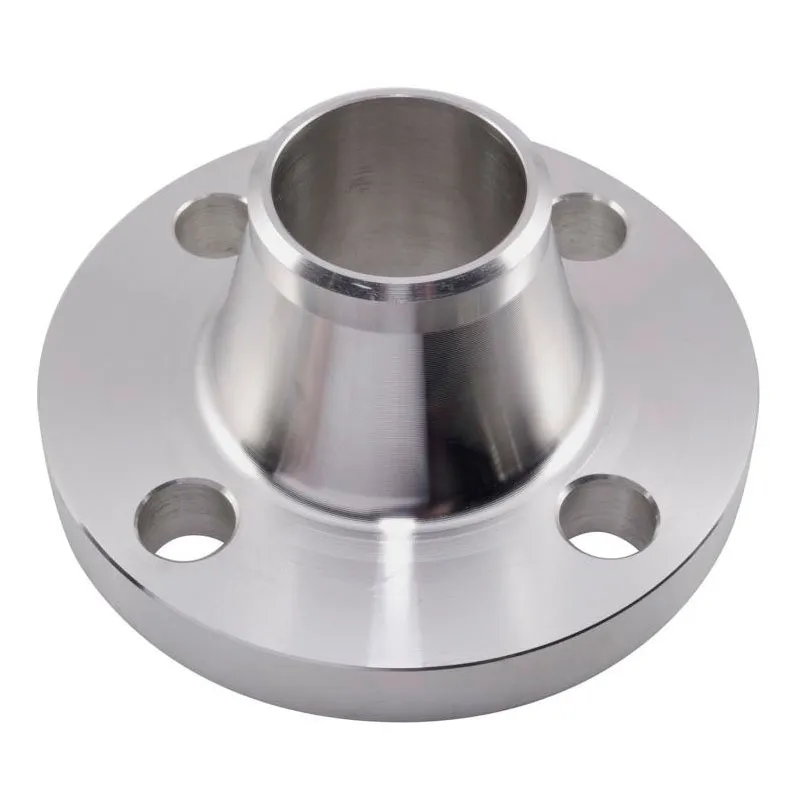
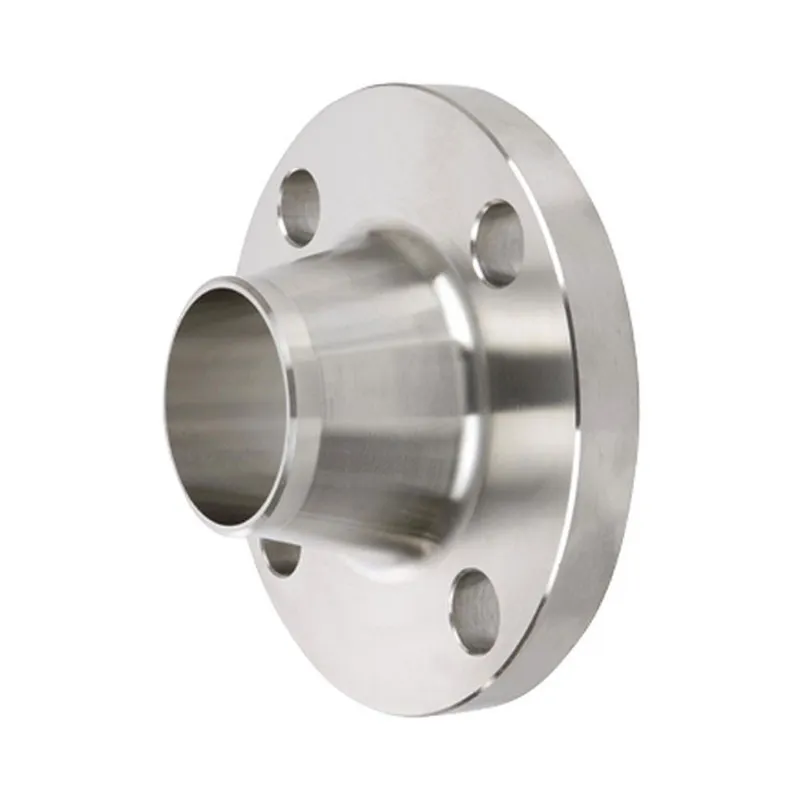 EN 1092-1 Butt weld flanges Type 11, PN25
 -
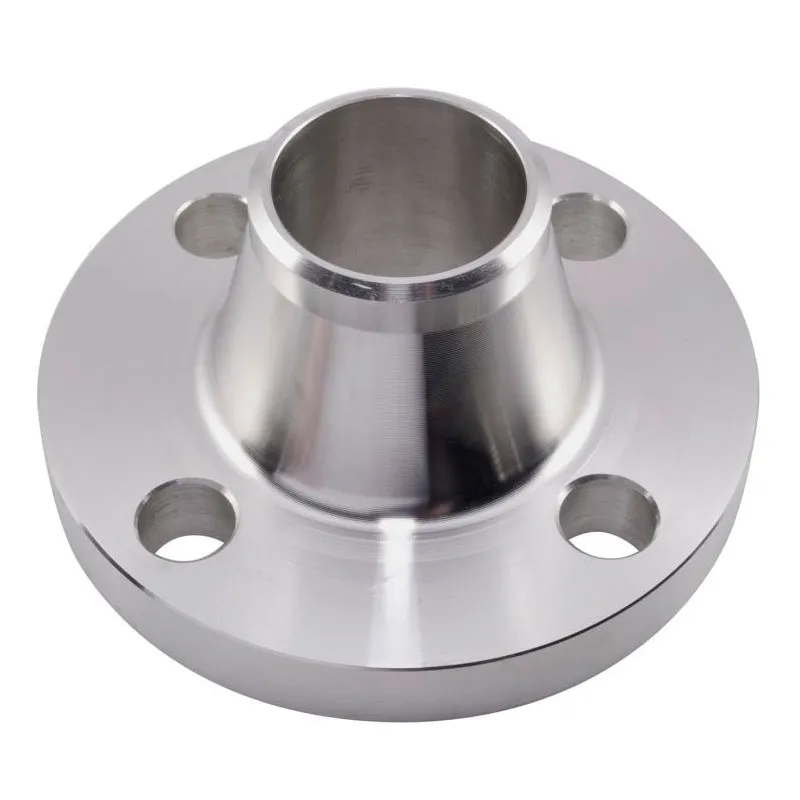 UNI 2281 Butt weld flanges PN10
 -
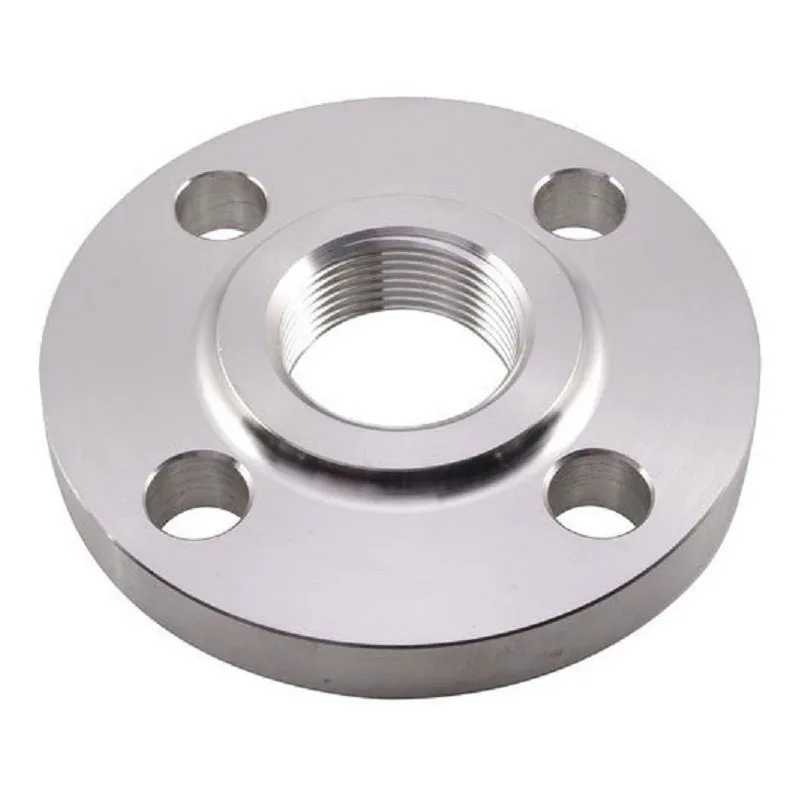 ANSI B16.5 Threaded Flanges Class 600
 -
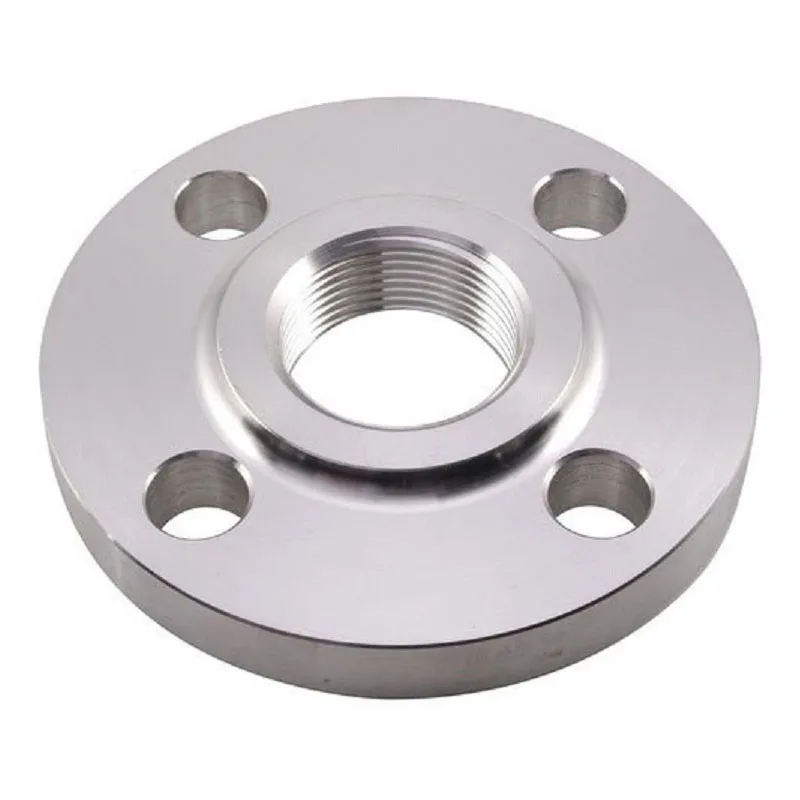 DIN 2566 Threaded flanges PN16
 -
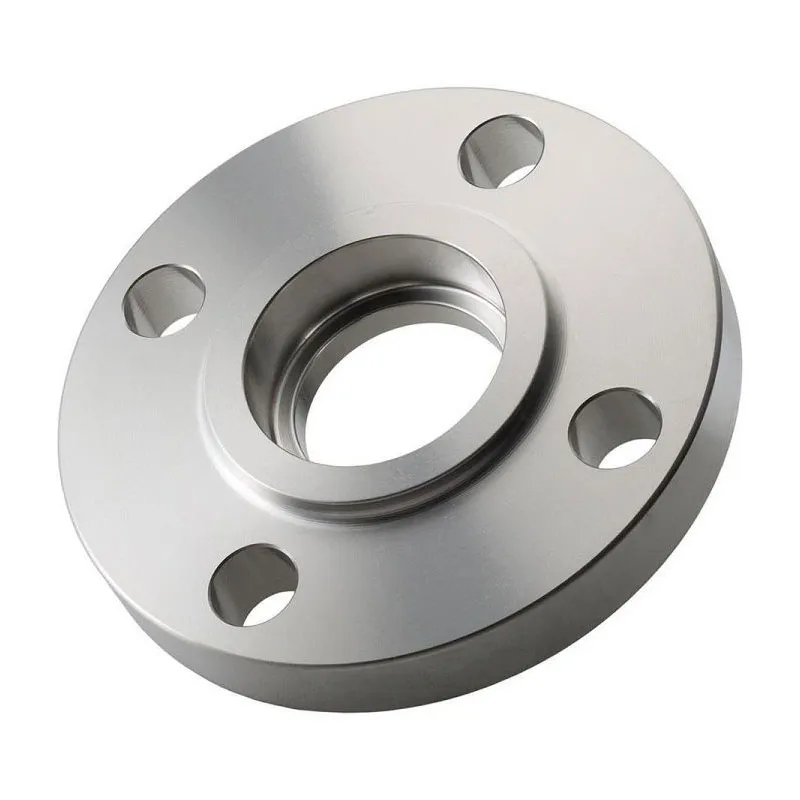 ANSI B16.5 Socket Weld Flanges Class 1500