
-
-
Phone
+86-13623462298



flange 1 150 10
When you see “flange 1 150 10” in a specification or request, the first thing that comes to mind is most likely a flat flange for a pressure of 10 kgf/cm2 and DN 150. But this is where the fun begins, and often confusion. Because ?1? according to GOST 12820-80 - this is just version 1, that is, a flat flange. And then there are the nuances: material, surface quality, tolerances. Many people, especially at the start, think that since there is one standard, then the flange is the same everywhere. But in practice, the difference between a batch of, say, ordinary steel 3 and one made of 09G2S, and even with proper heat treatment, is the difference between regular work on the line and an unscheduled stop for repairs after six months.
Decoding and pitfalls of the standard
We take our conventional flange 1 150 10. Version 1 is, I repeat, a flat flange for welding. DN 150 - conditional diameter. Pressure Ru 10. It would seem that everything is transparent. But GOST 12820-80 is a drawing, geometry. But the material is a different story; it is selected according to GOST 12816-80 or other industry standards, depending on the environment. And here is the first decision point. For water or steam, non-aggressive parameters often use St3sp. But if we are talking about something more serious, alloy steels are needed. I have seen cases where a customer saved on material and installed “black?” a flange from St3 on a line with a moderately aggressive environment, and after a year and a half, intense corrosion began along the contour of the bolt holes. I had to change the entire set.
Another point is the quality of processing of the sealing surface. For Ru 10, execution ?D? is usually sufficient. (smooth without marks). But if the environment requires the use of soft gaskets (paronite, fluoroplastic), then even micro-risks from turning can “eat away” over time. gasket Sometimes it is worth considering a finer finish or even sanding. This is, of course, more expensive, but for critical units it is a necessity. Specifications rarely pay attention to this until they are faced with constant leaks.
And of course, geometry. Disc thickness, center hole diameter, bolt pattern. According to the standard - one. But in practice, especially when connecting equipment from different manufacturers or an old fleet with a new one, there are discrepancies. You should always have a caliper on hand and check not only with the papers, but also with the real part. I remember the story of the delivery to one thermal power plant: the flanges according to GOST seemed to be ideal, but during installation it turned out that the holes for the studs in the equipment were shifted by half a millimeter. I had to drill it out on site. A trifle, but simple.
Experience working with suppliers: from a pig in a poke to a reliable partnership
The market for flange products is huge. You can buy outright consumer goods, which do not meet the chemistry requirements and do not hold up to normal welding. Or you can find a manufacturer who works conscientiously. For me, one of the landmarks recently has been the companyShanxi Hongkai Forging Co.,Ltd. Not for advertising sake, but for experience. On their websitehttps://www.hkflange.ruit is clear that they specialize specifically in forged flanges and forgings, and this is a different level of reliability compared to cast or cut from sheet metal. Forging gives a better metal structure and less internal stress.
What is important in working with such a supplier? Firstly, they declare production according to a whole range of standards: GOST, ASME, DIN, etc. These are not just words. We once ordered a batch from themflanges 1 150 10exactly according to GOST, but for a project with additional requirements for impact strength at low temperatures. Their technical department quickly got their bearings, offered the 09G2S material and provided test reports from their laboratory. This eliminates a lot of headaches during acceptance.
Secondly, nomenclature. They have a stated range from DN15 right up to DN4000. I personally have not encountered gigantic sizes, but the fact that they also make non-standard drawings speaks of flexibility. Often the problem is not in the standard flange, but in the transition or special element for repairing old equipment. The ability and willingness to do this is a big plus. As well as having a complete set - not only the flange itself, but also fasteners and gaskets, if necessary.
Installation and operation: mistakes that can be avoided
Let's say the flange is of high quality and the material is chosen correctly. But installation can ruin everything. The most common mistake is uneven tightening of bolts. The classic "criss-cross" pattern with a torque wrench is often ignored, especially in emergency situations. As a result, a misalignment is created, the gasket is pressed unevenly, and a leak appears in the most loaded place after a couple of thermal cycles. Forflange 1 150 10on Ru 10 this is critical, although the pressure is low. I always insist on controlling the tightening.
The second problem is joint corrosion. The joint between the flange and the pipe (weld) and the area around the bolts are the most vulnerable points. If the environment is aggressive or the conditions are humid, you need to immediately think about protection - painting, coatings. Sometimes you see a perfectly painted pipe, but the flange and bolts are covered in rust. This is the hearth.
And third - visual and instrumental control before installation. Be sure to check the sealing surface for nicks and marks. Check the geometry to see if the flange has moved due to welding or during transportation. It used to happen that you get a perfect part out of the package, and after tacking it with a pipe, it leads. We have to edit. It is better to identify this before the general assembly of the unit begins.
When a standard 1 150 10 flange is not enough
There are situations when you need to deviate from the standard. For example, it is necessary to increase the thickness of the disk due to high bending moments (long bend, vibration). Or make a flange from a special alloy that is not in the standard material selection tables. Or do you need a combined element - a flange with an outlet, a flange with a fitting. This is where the ability to order non-standard products according to drawings comes in handy.
At the sameShanxi Hongkai Forging Co.,Ltdin the description this is clearly stated as one of the services. In my practice, there was a case when, to modernize a pipeline section, an adapter flange from DN150 to DN200 was required, but with the retention of seats for the old fittings and with a limitation on the overall length. We drew a sketch and sent it. They made it from forging, with the necessary tolerances. It has been working for five years without any complaints.
The key to such orders is a clear technical specification. The more detailed the drawing or sketch, indicating not only dimensions, but also tolerances, roughness parameters, testing requirements (for example, ultrasonic testing of welds, if any), the less misunderstanding at the end. A good manufacturer will always ask clarifying questions if something is unclear. This is normal workflow.
Instead of a conclusion: just about the complex
So what is itflange 1 150 10? This is not just a line on a statement. This is the unit on which the tightness and safety of the pipeline section depends. His choice is a chain of decisions: standard, material, manufacturer, control, installation. You can take the simple route - buy something cheaper. Or you can delve into it once, find a reliable supplier like a specialized manufacturing plant, get the right part and forget about the problems at this interface for many years.
For me personally, the quality criterion is simple: when, during the next inspection or repair, you see a flange connection on which there are no traces of leaks, rusty stains, and the bolts and nuts are not covered with a layer of “scaling”. from repeated attempts at tightening, it means everything was done correctly. And the numbers ?1 150 10? in this case, it is not just a formality, but a guarantee. A guarantee, which, however, must be supported by competent calculations, high-quality metal, and the hands of installers. Without this, any specification, even the most correct one, is just paper.
Correspondingproducts
Related Products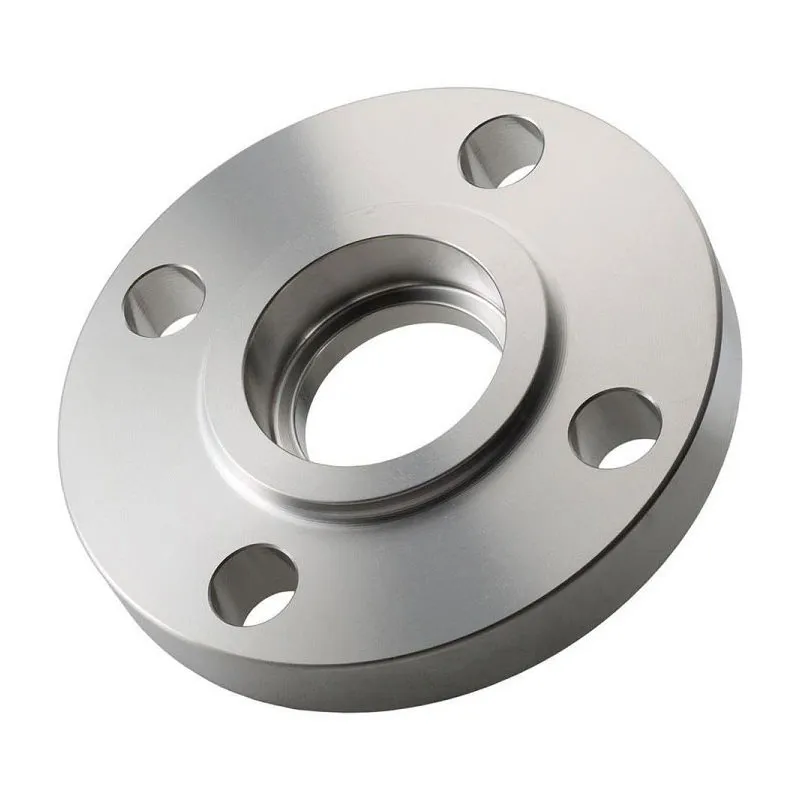
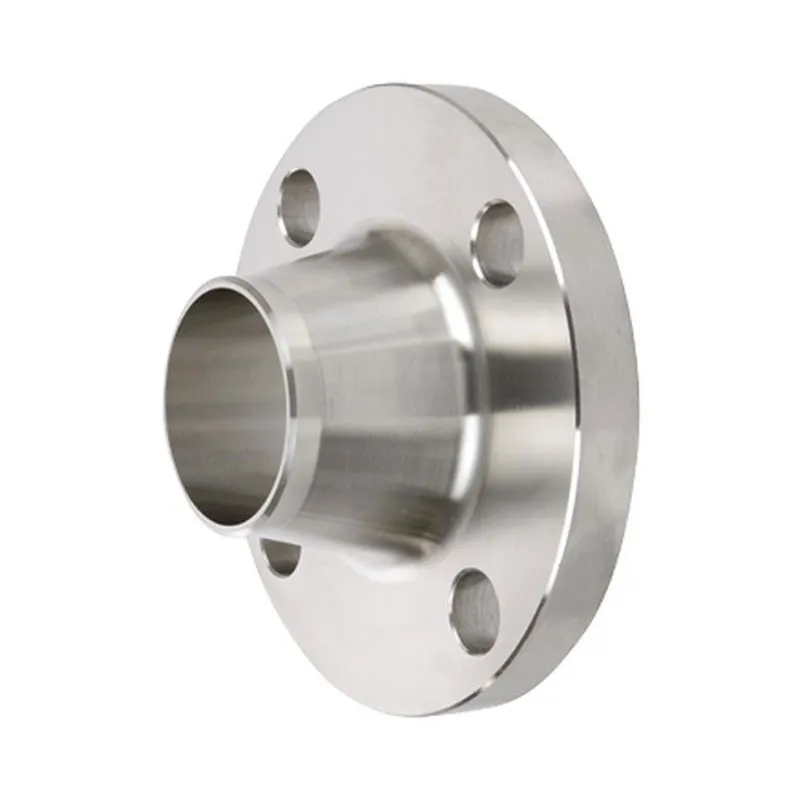
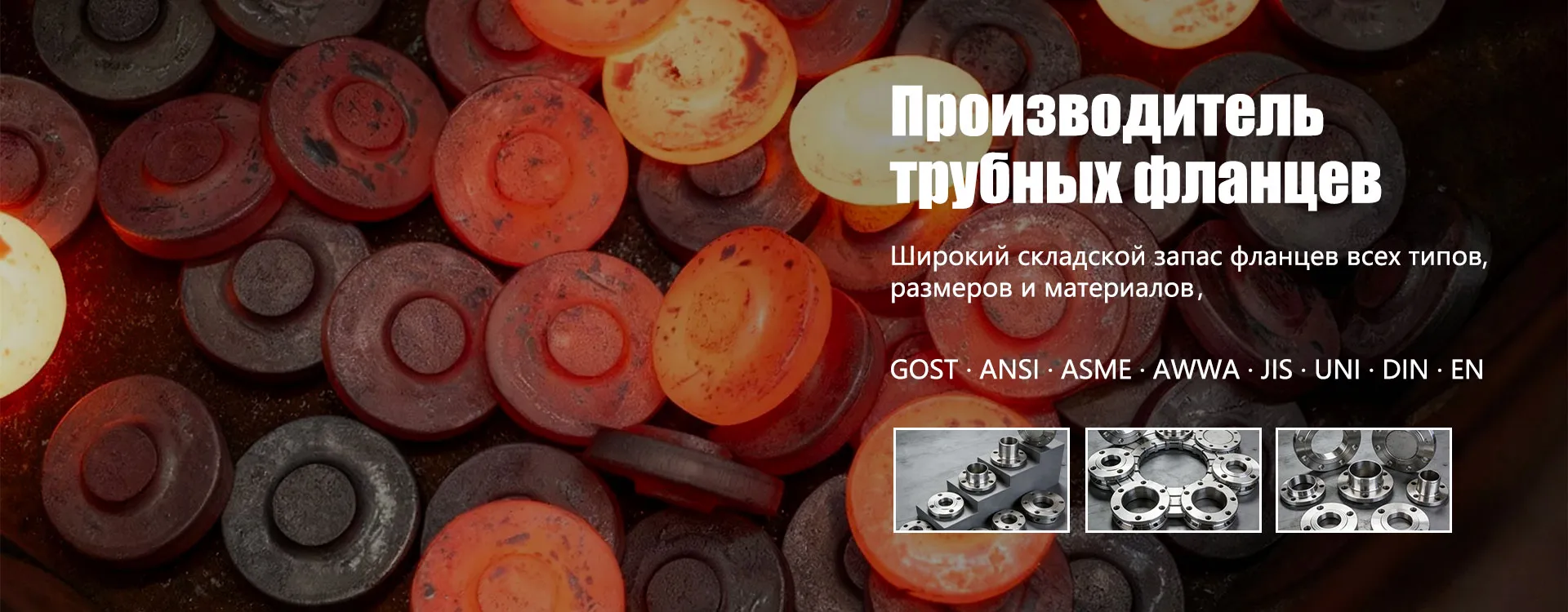
Best Sellingproducts
Best Selling Products-
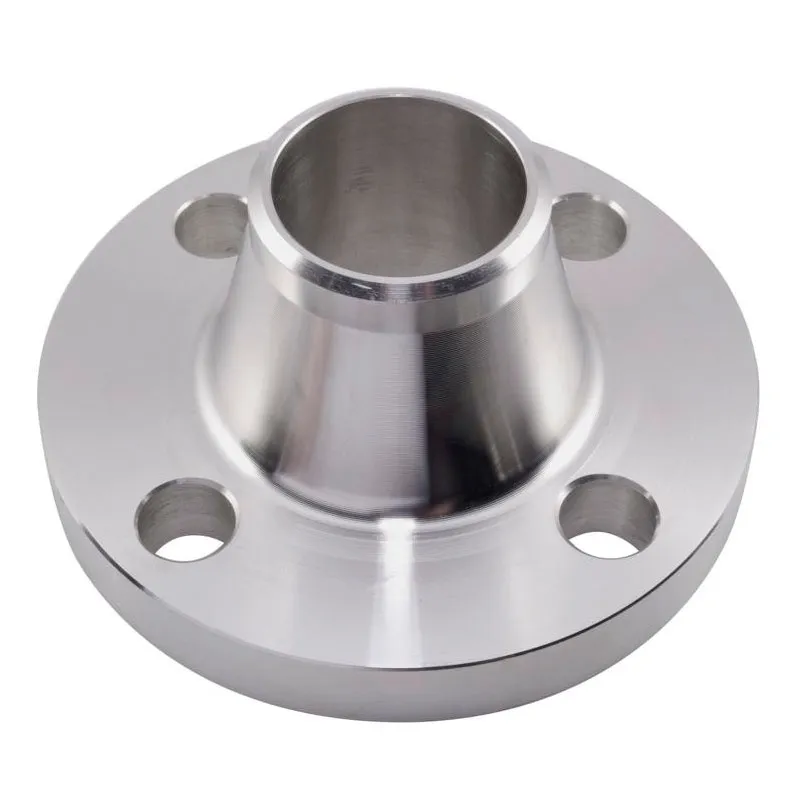 Butt weld flanges Class 900
 -
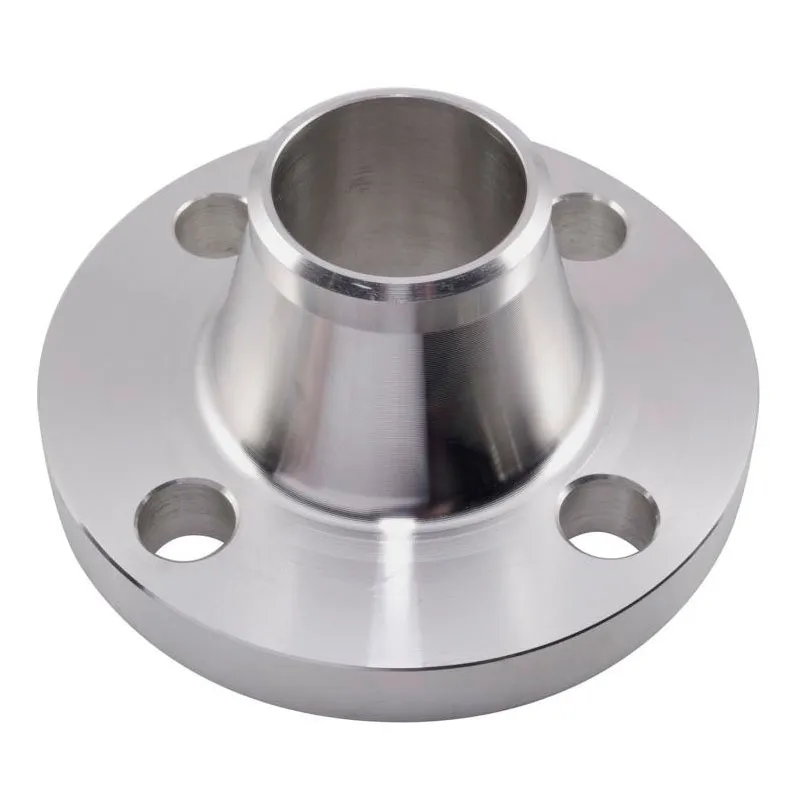 DIN Butt weld flanges PN10
 -
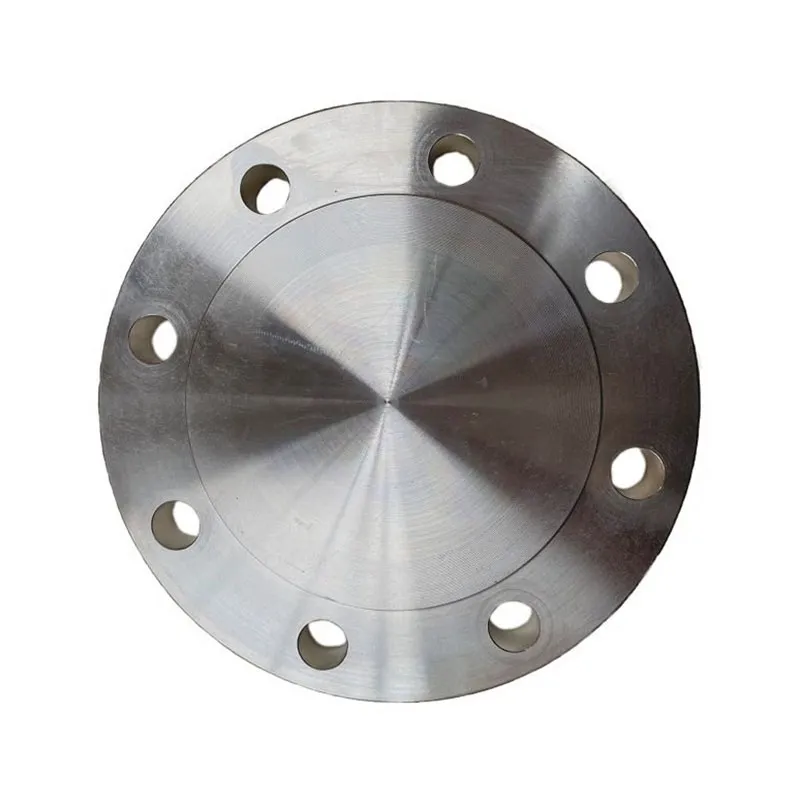 ASME B16.47 Ser.A Blind Flanges Class 400
 -
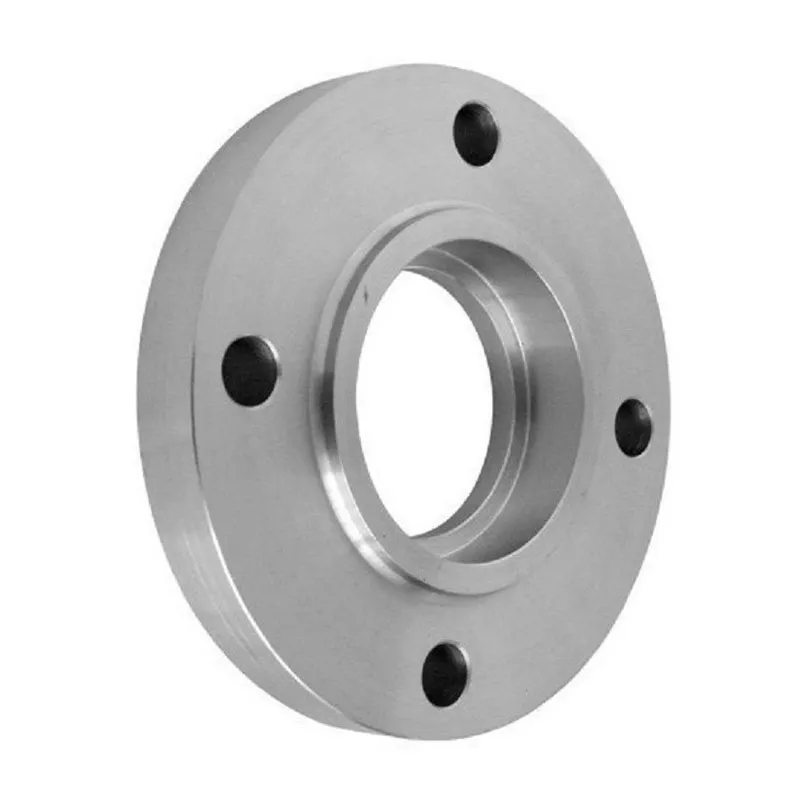 Socket Weld Flanges Class 300
 -
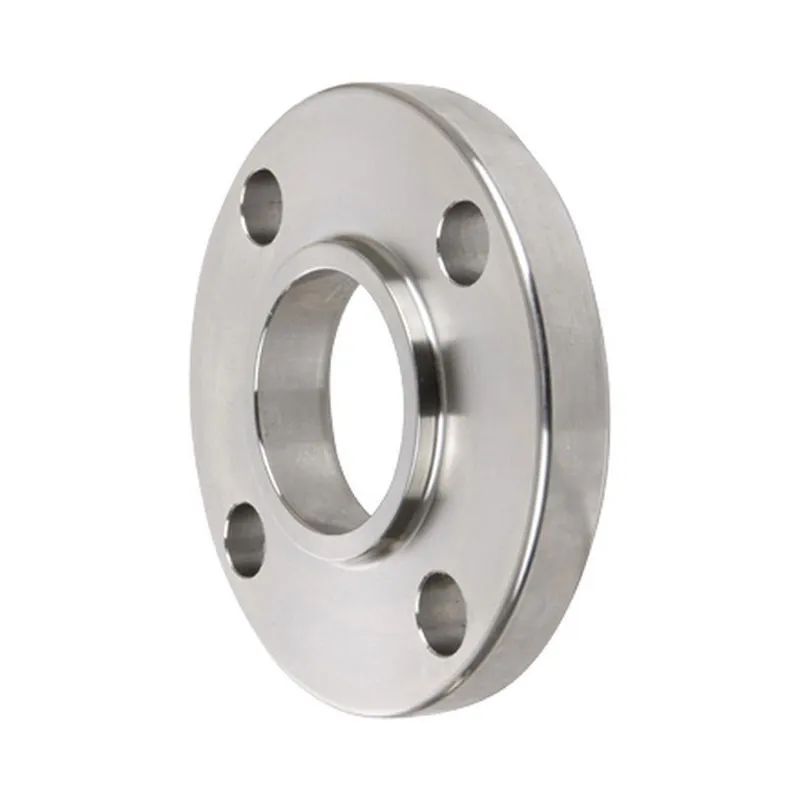 DIN 2501 Overlay flanges PN16
 -
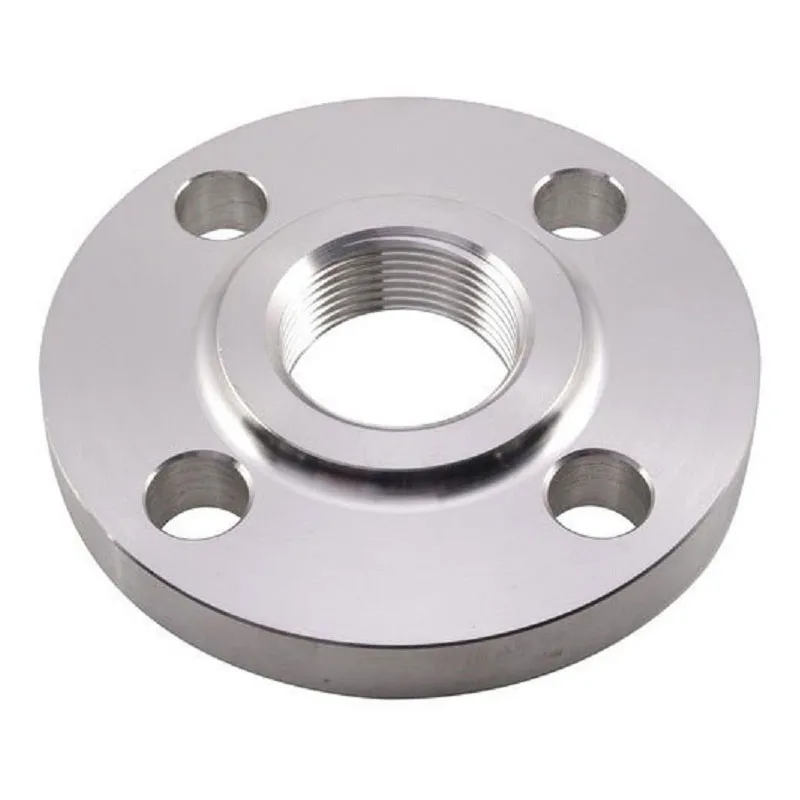 EN 1092-1 Threaded flanges Type 15, PN16
 -
 JIS 5K Socket Weld Flanges
 -
 EN 1092-1 Butt weld flanges Type 11, PN25
 -
 UNI 2281 Butt weld flanges PN10
 -
 Free ring flanges Class 150
 -
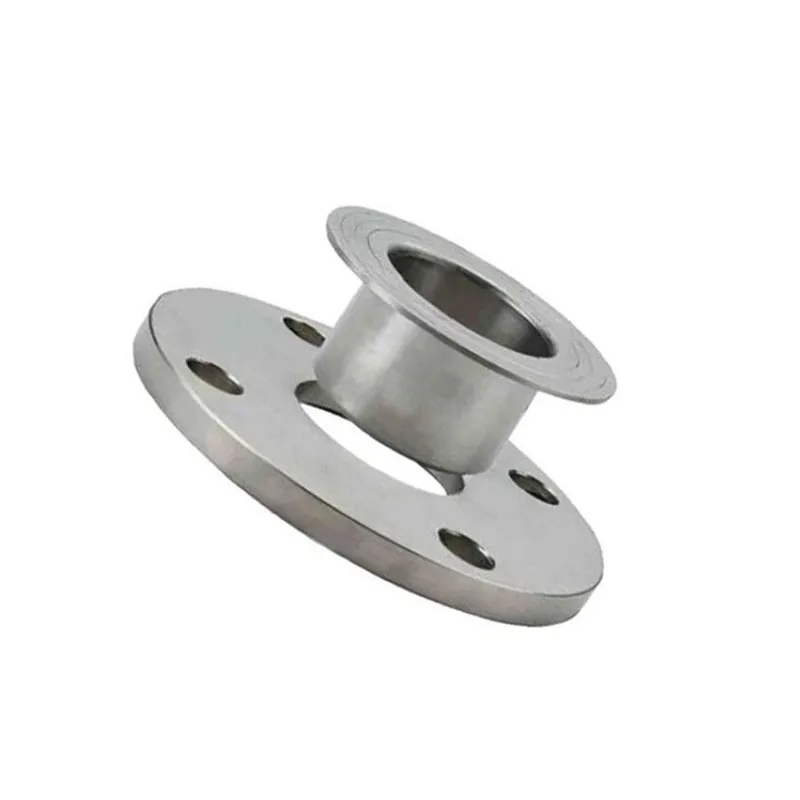 Free ring flanges Class 400
 -
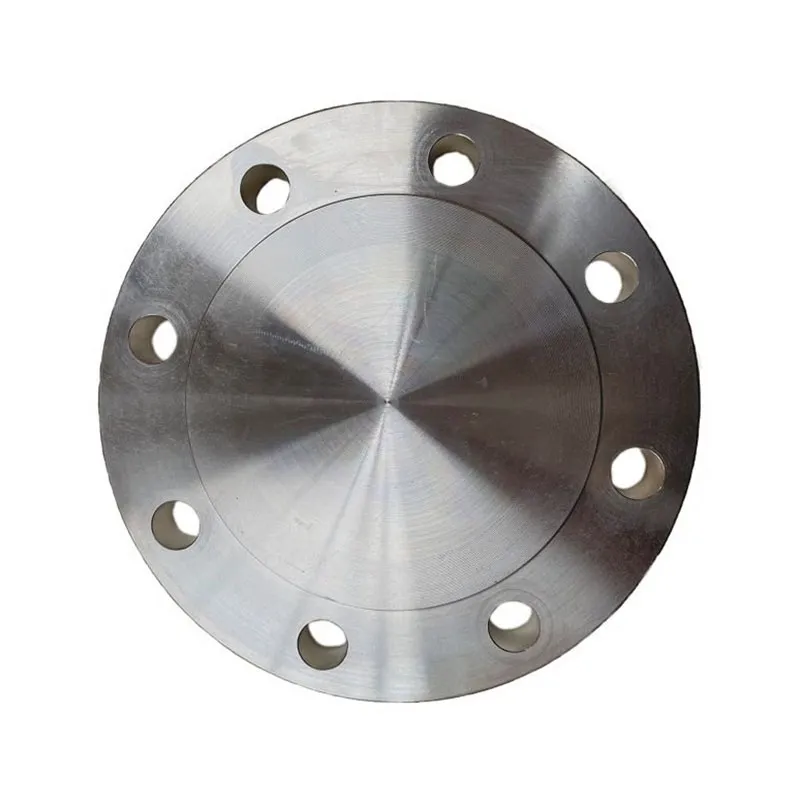 UNI 6092 Blind flanges PN10