
-
-
Phone
+86-13623462298




flanges ru 1 6 MPa
Search engines often issue queries like 'flanges ru 1 6 MPa' - people are looking for specifics, pressure, standard. But there’s an immediate trap here: many people think that since the pressure is only 1.6 MPa (that’s roughly 16 atmospheres), then they can install anything, even from a water supply. In practice, it is at these 'low' pressures that problems with geometry, seal quality and, most importantly, with the material most often appear. Because if for 10.0 MPa everything is strictly in accordance with GOST and with certificates, then at 1.6 MPa they sometimes start saving, putting outright defects or products of dubious origin. And in vain.
Why exactly 1.6 MPa is not as simple a task as it seems
I’ve been working with flanges for fifteen years, and I’ll say this: a batch for a nominal pressure Ru of 1.6 MPa is a litmus test for the supplier. If there are no mistakes in material and processing, then most likely they will handle higher pressures. But often the opposite is true. I remember ordering a batch of flat flanges according to GOST 12820-80 at 1.6 MPa for a heat exchanger. They arrived seemingly normal, but during installation it turned out that the holes for the studs were shifted a couple of millimeters from the nominal value. Isn't it critical? No matter how it was, we had to drill it out on the spot, wasting time. It turned out that the supplier's machine was worn out, and for the 'low' pressure they did not do a test assembly.
It is important to understand the difference in standards here. The same GOST 12820 for flat flanges or GOST 12821 for butt welded flanges - they regulate the geometry for the entire pressure range. But for 1.6 MPa, the thickness of the flange and the height of the sealing surface are minimal. And if you remove an extra couple of millimeters during forging or turning, the strength will not suffer, but the ability to hold the gasket will easily. The seal will begin to 'breathe' and leak. Therefore, even for low pressure, precision is required.
Nowadays, for such parameters, most often they look for butt-welded flanges (collar flanges) in accordance with GOST 12821-80 or their analogues in accordance with ASME B16.5 Class 150. They are more reliable than flat ones, especially with thermal expansion. But there is a nuance here: the quality of the weld of the transition neck. I saw samples where this neck was not a forging, but simply a ring welded from a sheet. In theory, it will work at 1.6 MPa, but with vibration or thermal cycling, a crack along the seam is guaranteed. Therefore, I always look at the markings and ask for a photo/report on the ultrasonic inspection of the seam, even for such a “simple” pressure.
Material: not just 'steel', but what kind exactly
Specifications often write 'Steel 20' or 'St3sp'. For 1.6 MPa and non-aggressive media (water, steam, air) this is enough. But if the environment is even slightly aggressive - saturated steam, weak alkalis - then St3 will quickly rust at the seal end. The leak is guaranteed. Here it is better to look towards 09G2S or even 12Х18Н10Т, if there is a risk of contact with chemical water treatment. Yes, it’s more expensive, but changing a flange pair on an existing pipeline is even more expensive.
One case from practice: flanges made of St3 at 1.6 MPa were installed on the condensate line. In six months it will leak. We disassembled it and the sealing surface was covered in corrosion holes. The environment was mixed with oxygen, plus a temperature of about 110°C. For such a combination, at least 20 steel was needed, and better yet, with a protective coating. Conclusion: low pressure does not mean that you can not think about the material. You need to know the environment thoroughly.
By the way, about coatings. Galvanizing for water is a classic. But if the galvanization is done poorly (I have seen this in some small shops), then after a year the zinc wears off, and corrosion begins at double the speed. Electroplating must be of high quality. Or, as an option, consider stainless steel flanges. The price of the issue, of course, is different, but for critical areas it is justified.
Where and how to look for a reliable manufacturer: not only Yandex
Previously, they searched through catalogues, now they search online. But when you type in “flanges RU 1 6 MPa”, you often end up on the pages of resellers or warehouses that do not produce anything themselves. It's a lottery. It’s easier for me to work directly with manufacturing plants, especially when it comes to large batches or non-standard sizes. One of the proven options isShanxi Hongkai Forging Co.,Ltd. I came across them several years ago, when I needed DN800 1.6 MPa flanges according to the drawing, which did not fall under the standard series.
Their websitehttps://www.hkflange.ru- This is, in fact, a technical catalog. It is clear that the company is a manufacturer of forged flanges and forgings, and not just a trader. This is important. They are based in one of the forging centers of China, which usually means good technological equipment for forging, not casting. For flanges at 1.6 MPa, forging is preferable - the metal is denser, there are no internal cavities.
What appeals to me about their approach is that they work according to GOST, ASME, DIN, JIS. That is, they understand what the conditional pressure Ru 1.6 MPa is, not only according to the Chinese GB, but also according to our standards. This is rare. Many Chinese suppliers only know 'PN16', which is close but not always identical in size. They have all the main types in their product range: butt welded, flat, loose, blind - and up to DN4000. For non-standard tasks this is a plus.
Order experience and pitfalls
I ordered flat flanges from them in accordance with GOST 12820-80, DN150 to Ru 1.6 MPa, material 09G2S. The batch was small, trial. We sent a commercial offer with clear specifications and drawings for confirmation. We exchanged several letters regarding geometry control - I was interested in the alignment of the holes and the roughness of the sealing surface. They provided the control methods without any problems and promised measurement protocols. This is already serious.
When the products arrived, the first thing I did was measure the thickness and diameters. Everything was within the tolerances. The sealing surface is without scoring and is processed normally. But there was one point: the kit did not include certificates for the material from the metallurgical plant, only the company’s own quality certificate. I had to request additional documents. They sent copies, everything is fine. Conclusion: even with a trusted supplier, you need to be careful at the stage of acceptance documentation. Especially if the flanges go to a site where passports are required.
From negative experience with other suppliers for the same pressure, they often save on thread control (for threaded flanges) or on the perpendicularity of the end to the axis. As a result, the flange “distorts” during installation, and it is difficult to achieve tightness. UShanxi Hongkai Forging Co.,LtdThere have been no complaints in this regard so far. Apparently, specialization in forgings has an effect - the workpiece is initially more accurate.
Final thoughts: it doesn’t push with pressure, it will “crush” with quality
So, returning to the request 'flanges ru 1 6 MPa'. You need to look not just for a product with the necessary numbers, but to understand what system it is for, what it is made of and who the manufacturer is. Low blood pressure is not a reason for poor quality. Sometimes it’s even the other way around - because all the attention goes to more important components, and they save on these, and then they fail.
Working with direct manufacturers such asShanxi Hongkai Forging Co.,Ltd, reduces risks. They have in their portfolio both standard items according to GOST, and the ability to make them according to the drawing. For Ru 1.6 MPa this is often relevant - there are non-standard transitions or flanges for specific equipment.
In general, my advice is: always ask for a complete package of technical documentation, even for 'simple' flanges. Look at geometry control and material. And don’t be afraid to ask clarifying questions to the supplier - a normal manufacturer will always meet you halfway and explain. Because in our work there are no trifles. Even at one and a half megapascals.
Correspondingproducts
Related Products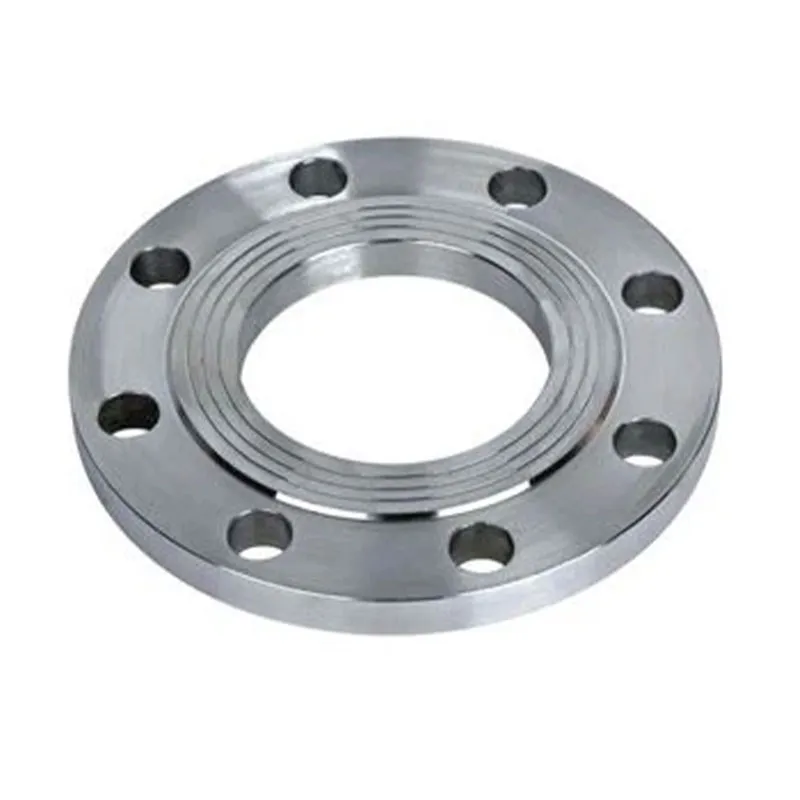
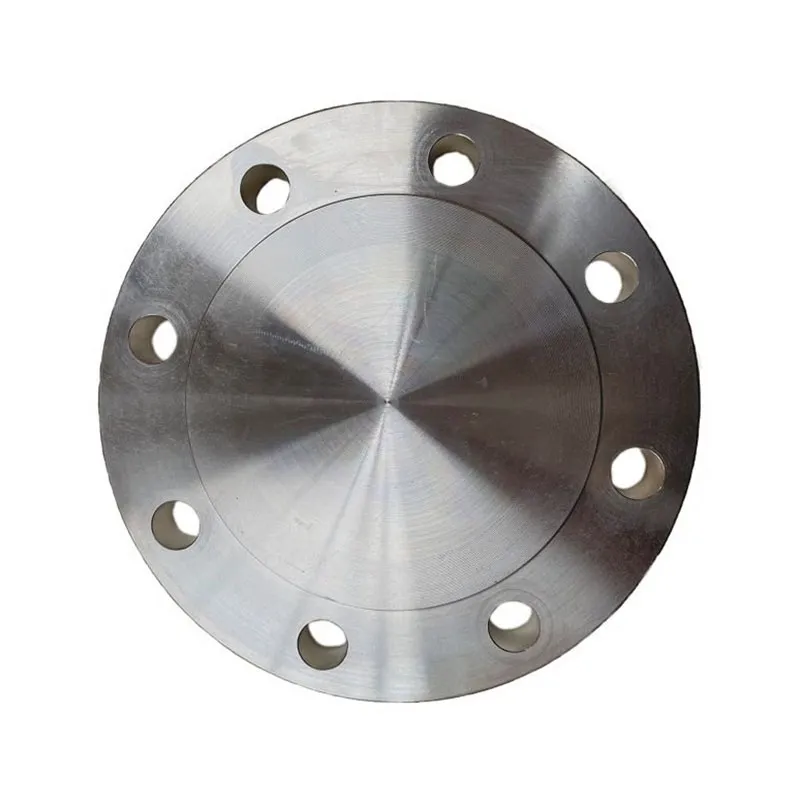
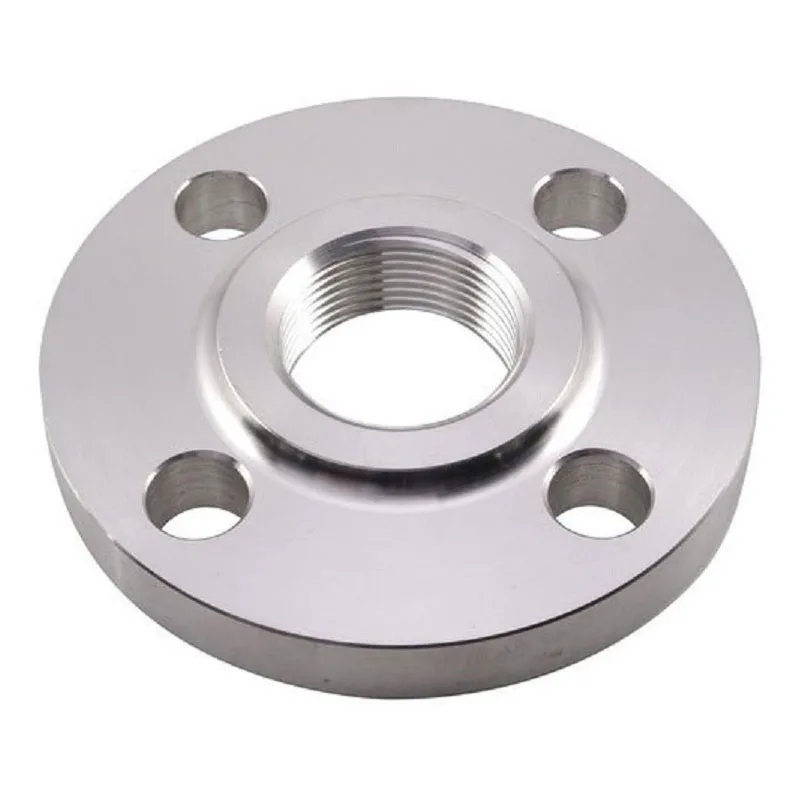
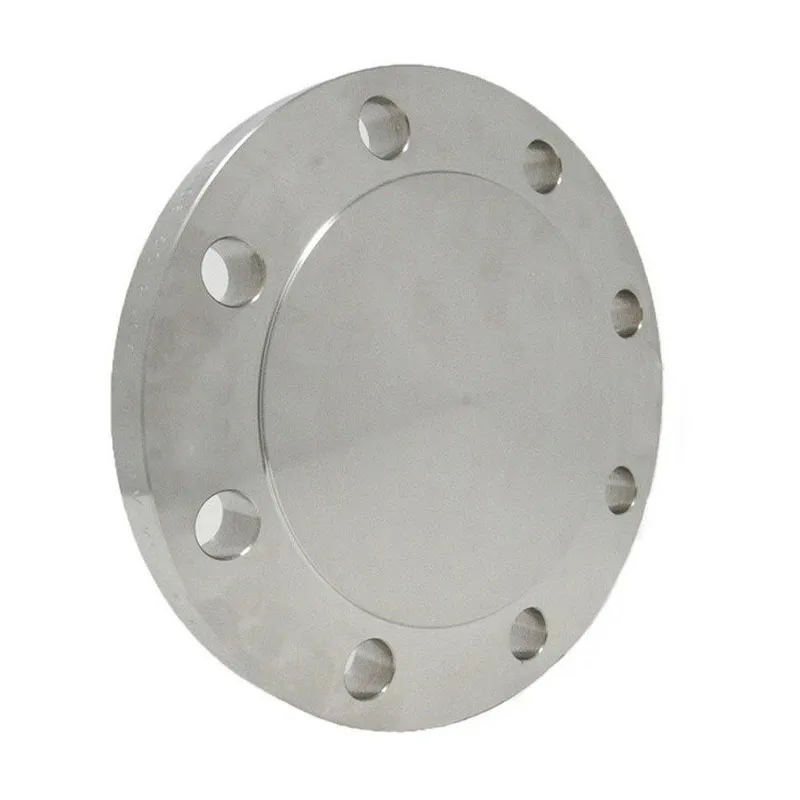
Best Sellingproducts
Best Selling Products-
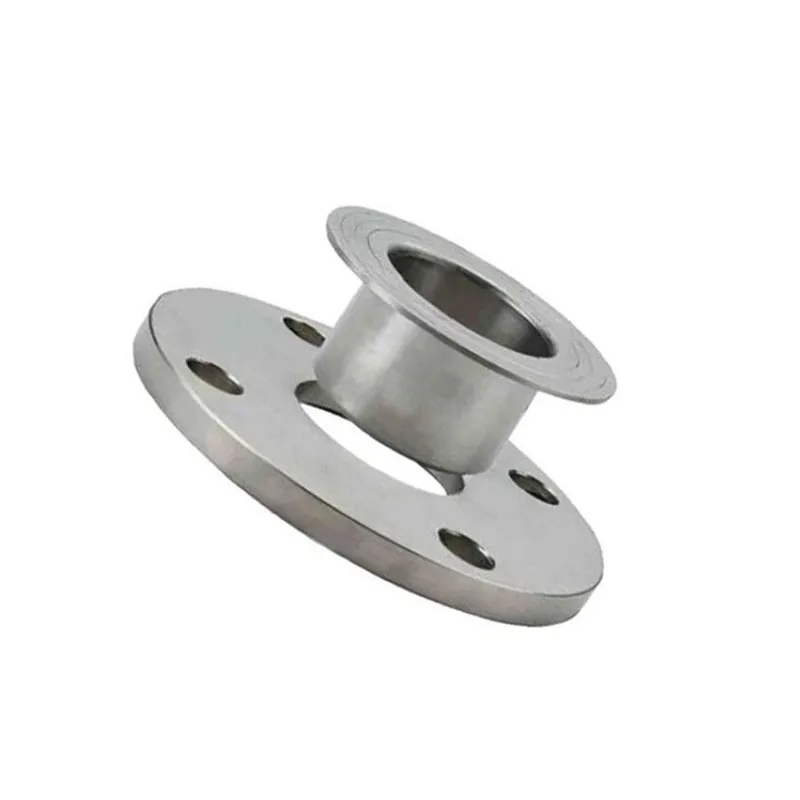 Free ring flanges Class 400
 -
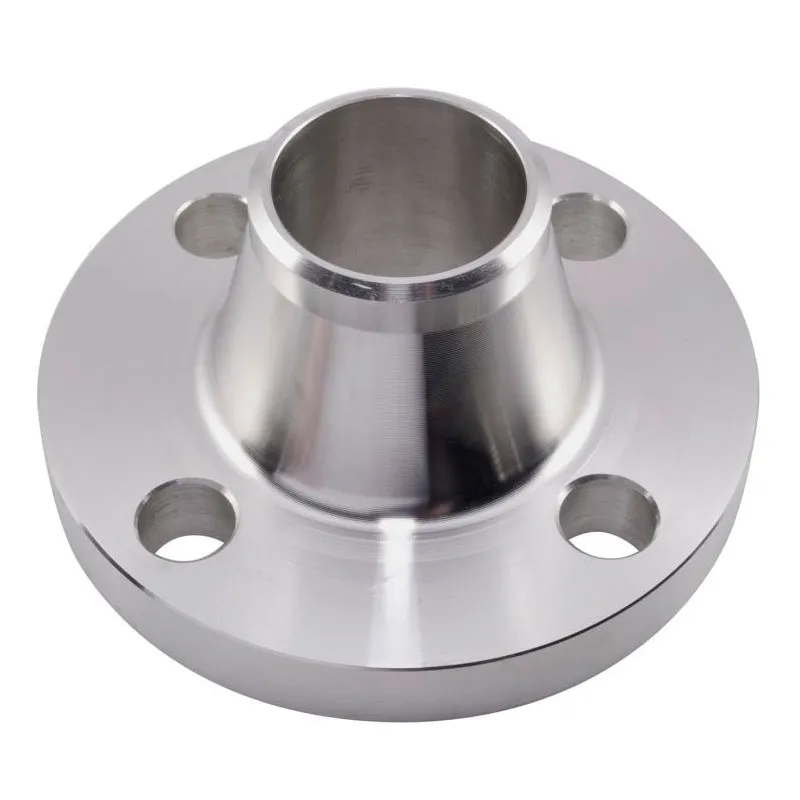 UNI 2281 Butt weld flanges PN10
 -
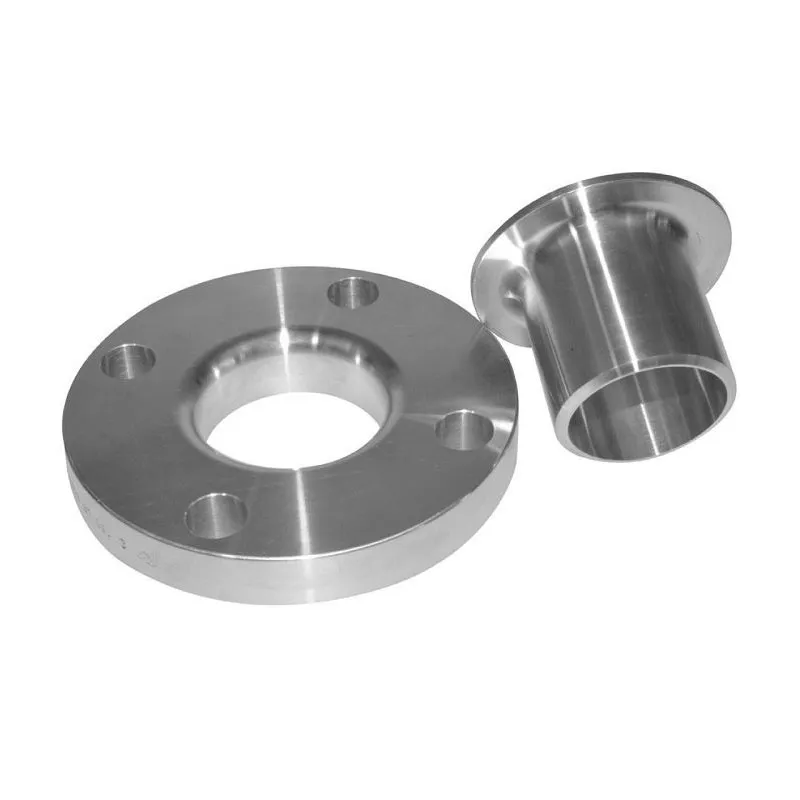 ANSI B16.5 Loose Ring Flanges Class 2500
 -
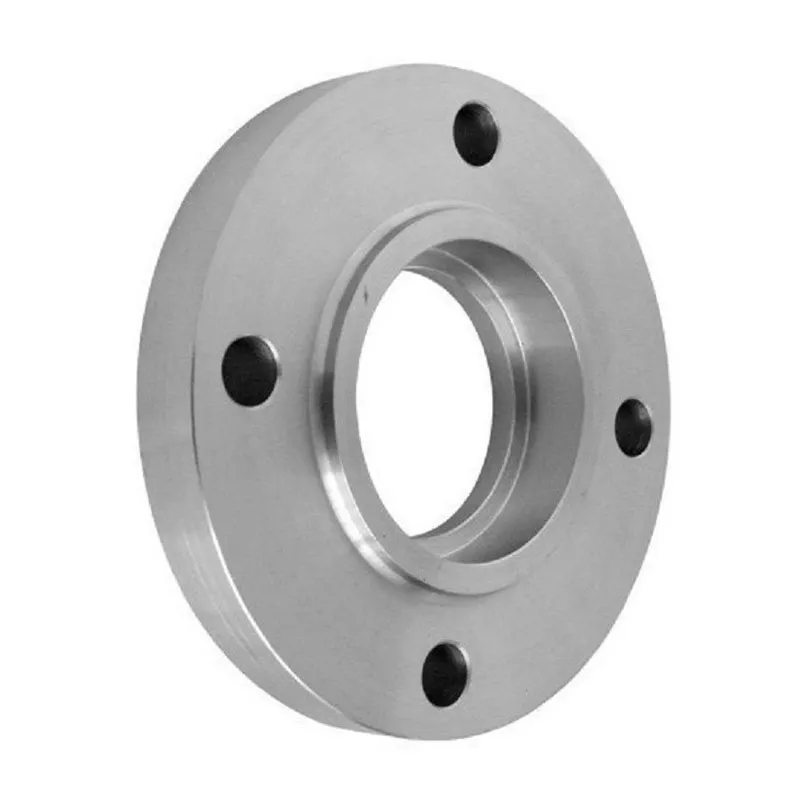 Socket Weld Flanges Class 300
 -
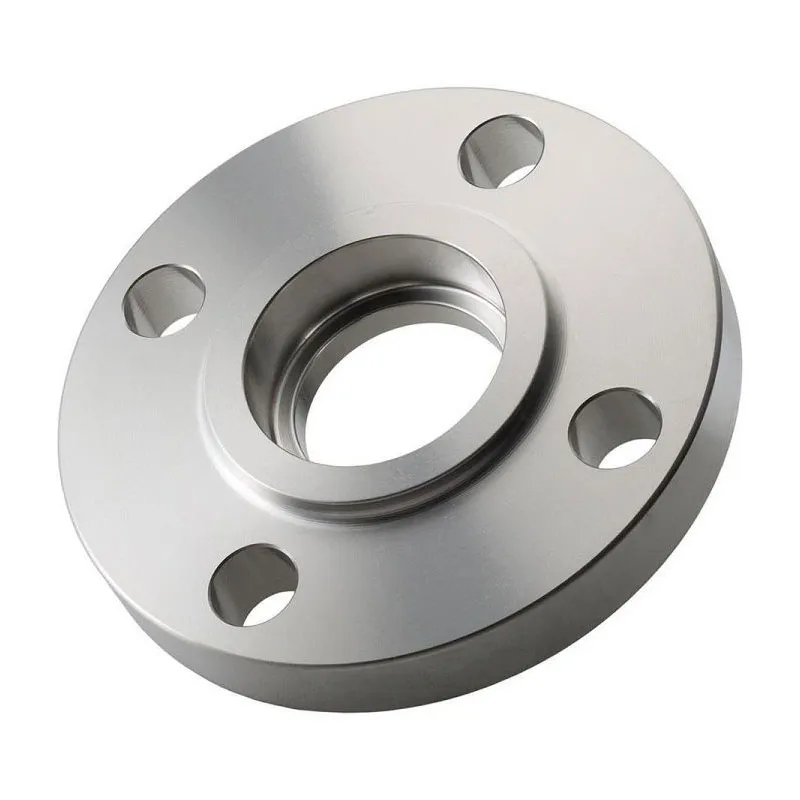 ANSI B16.5 Socket Weld Flanges Class 1500
 -
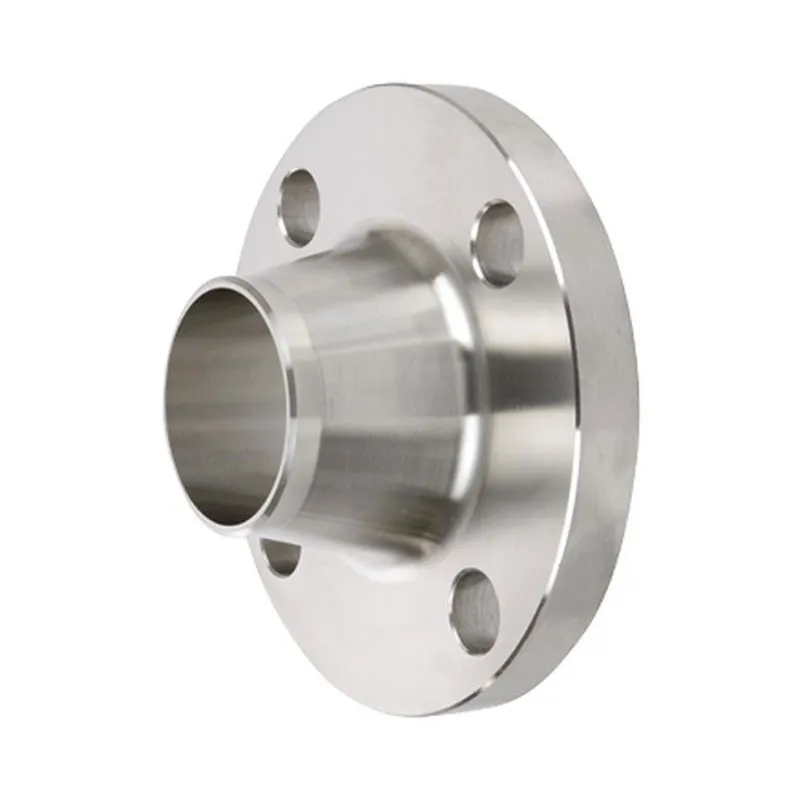 Ser.A Butt Weld Flanges Class 400
 -
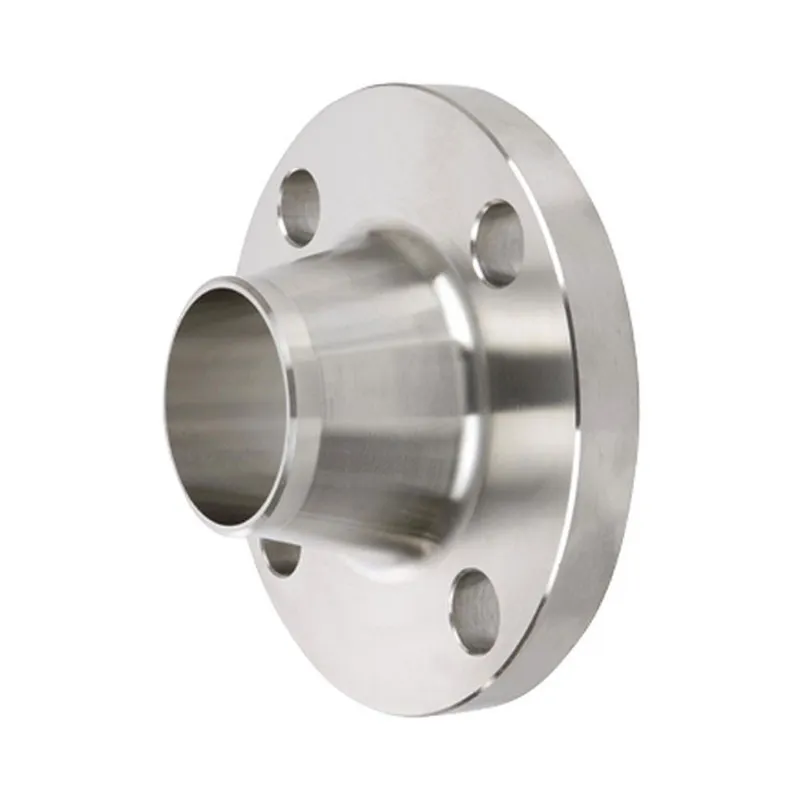 EN 1092-1 Butt weld flanges Type 11, PN25
 -
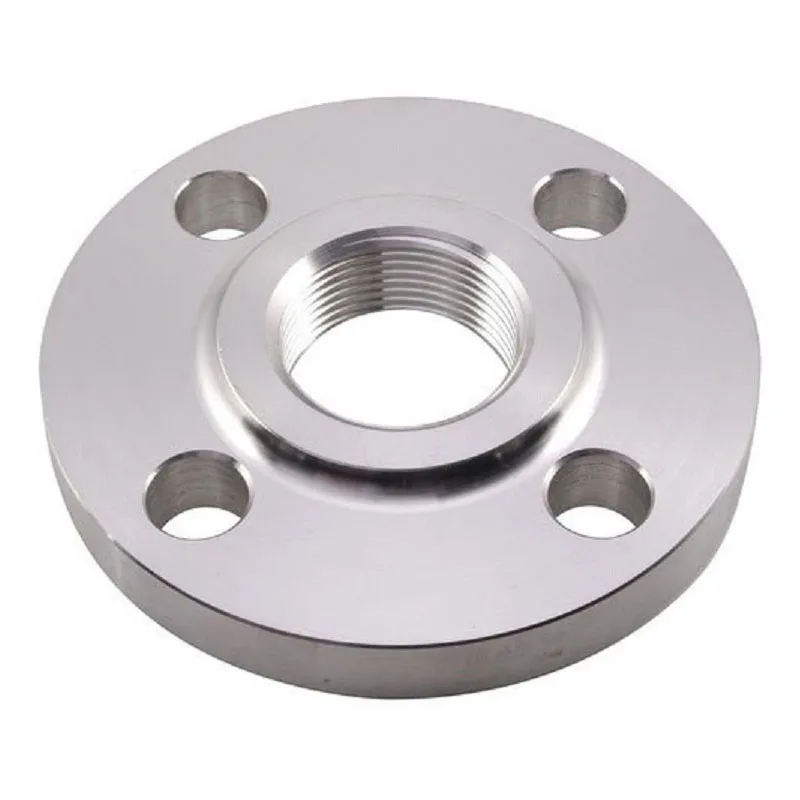 DIN 2566 Threaded flanges PN16
 -
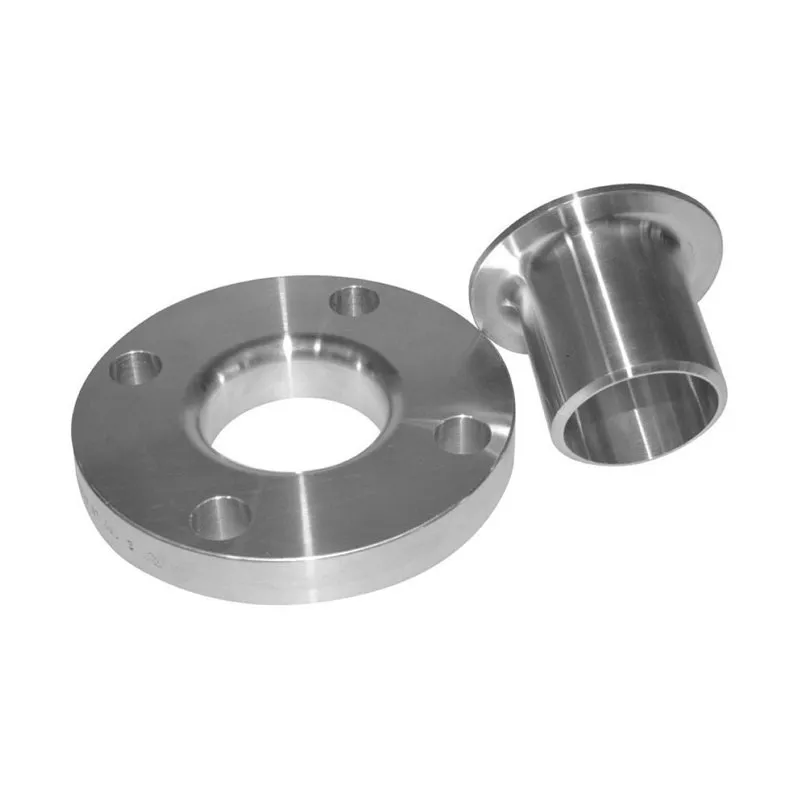 Free ring flanges Class 150
 -
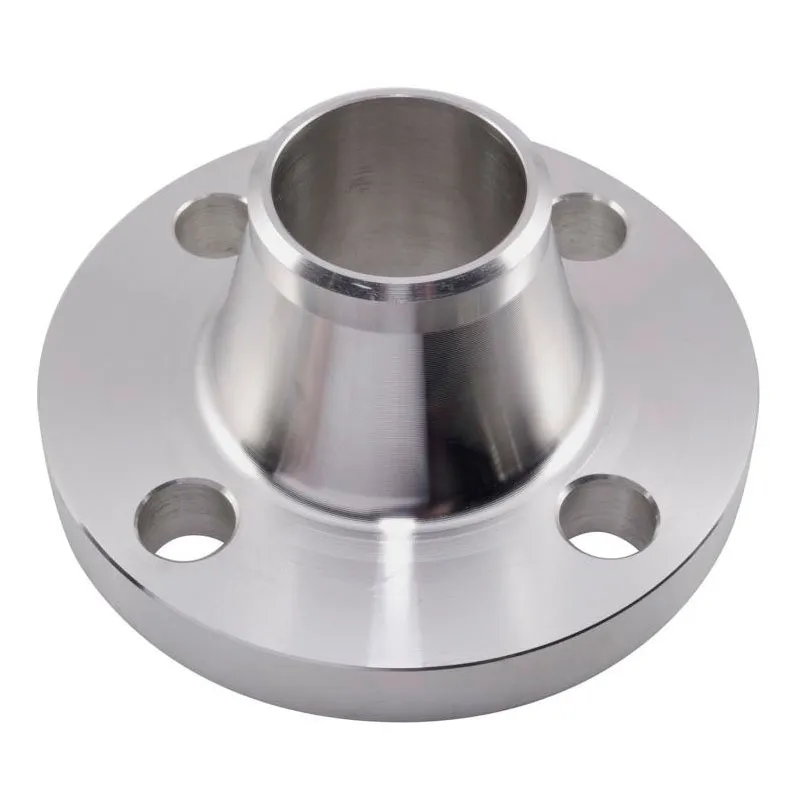 DIN Butt weld flanges PN10
 -
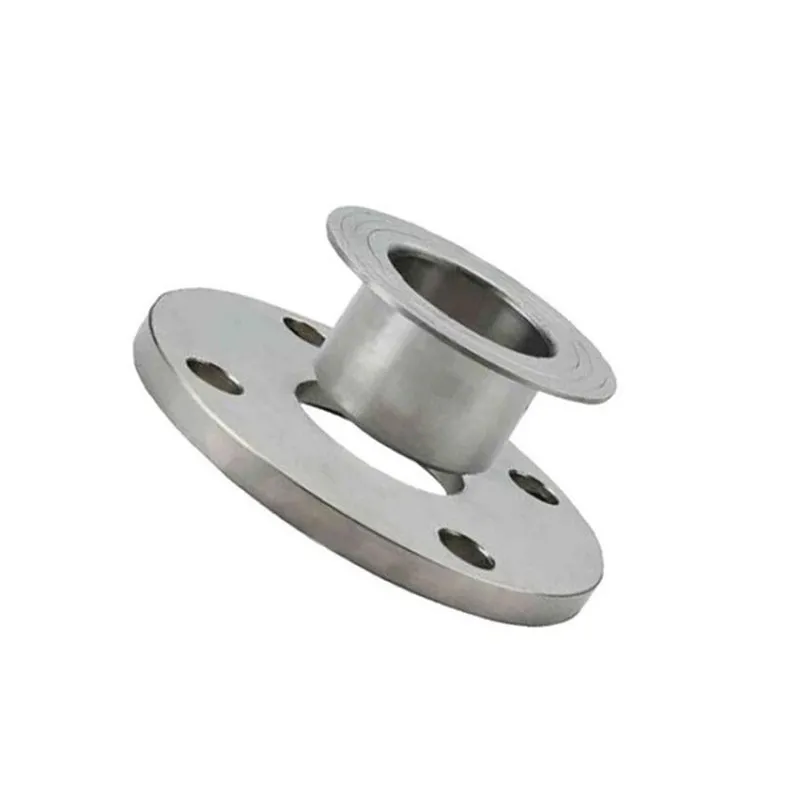 JIS 10K Loose Ring Flanges
 -
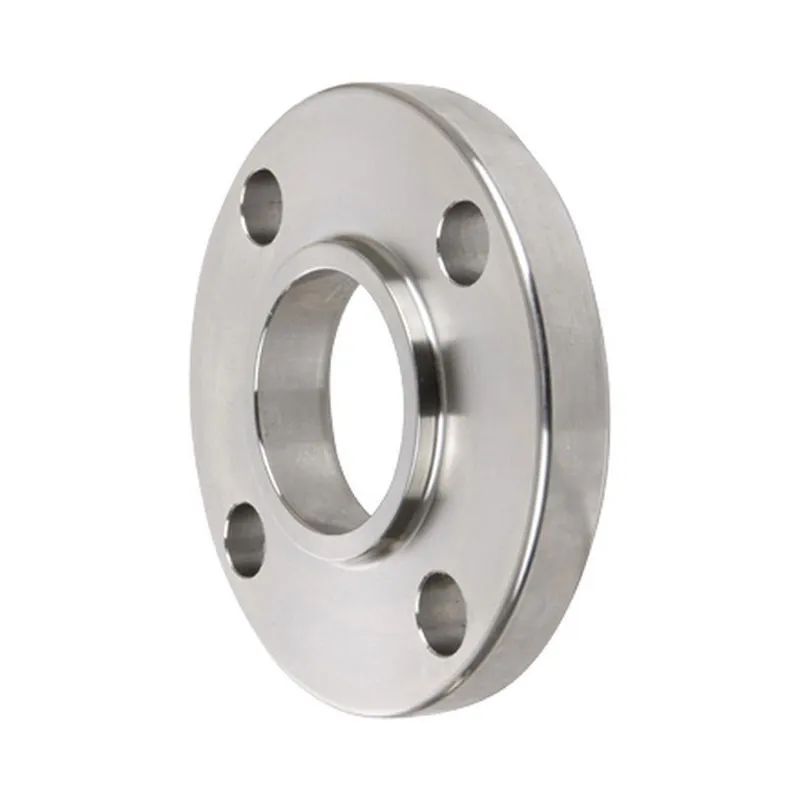 DIN 2501 Overlay flanges PN16
Relatedsearch
Related Search- butt weld flanges GOST 33259
- threaded flange DN 50 RU 16
- Christmas tree flange connection
- stainless steel threaded flange
- marking of steel flanges
- calculation of flange connections of building structures
- flange connection for valves
- welded flange GOST 12821 80 dimensions
- flange forgings
- steel flange 125 sizes