
-
-
Phone
+86-13623462298




VR flange
When they say “pressure flange”, many people immediately think about the collar flange, about standards, about pressure. But the simplest thing that is often overlooked is the quality of the forging itself and how it behaves in a real pipeline, not on paper. I have seen many situations where everything is perfect according to the passport, but the joint “sings” in place. or leaks after the first heat cycles. And it's not always the installer. Sometimes the root is in the microstructure of the metal, in how the upsetting and heat treatment of the workpiece was carried out. This is what I would like to speculate on, based on my experience of working with different suppliers, including such asShanxi Hongkai Forging Co.,Ltd.
Not just a “collar”: constructive nuances and common misconceptions
The design of the collar flange seems simple: hub, skirt, disc. But it is precisely the geometry of the transition from the collar to the disk that is the zone of increased stress concentration. If the radius of curvature is small or rough, a fatigue crack may originate from here. At one time, we received a batch of flanges according to ASME B16.5, where everything was outwardly normal, but ultrasonic testing revealed small delaminations in these areas. The supplier, by the way, was not one of the cheapest. We had to negotiate for a long time about a replacement.
Another point that is often underestimated is the alignment of the holes for the studs and the perpendicularity of the end. It would seem banal. But when you mount a flange pair, and the bolts enter with force or distortion, this is an immediate signal. The problem may not be in the assembly, but in the fact that the holes in the two flanges are drilled at different angles. Particularly critical for large diameters, from DN700 and above. Here, manual adjustment is no longer enough.
That is why now, when ordering, especially for critical components, we always request geometry control protocols, and not just mechanical properties. It's good when a manufacturer likeShanxi Hongkai Forging Co.,Ltd, indicates on its websitehttps://www.hkflange.ru, which works according to GOST, ASME, EN. But it is important that these standards are observed not formally, but in essence - in every operation.
Material and heat treatment: where the hidden risks lie
With the material for the VR flange, it would seem that everything is clear: steel 20, 09G2S, 12Х18Н10Т and so on. The steel grade is selected according to the project. However, the same brand from different metallurgical plants and after different forgings can show different behavior. For example, for low-alloy steels such as 17G1S, the key is the normalization mode after forging. Undertempering and residual stresses will reduce the resistance to brittle fracture at low temperatures.
We had an incident during the construction of a compressor station. Flanges made of steel 09G2S, ordered from one regional plant, after installation and hydrotesting, showed microcracks in the collar-pipe weld area. The investigation showed that the culprit was the heterogeneity of the structure in the body of the collar and segregation bands. Apparently the workpiece was not forged enough. After this, we began to more carefully study not only the certificates, but also the manufacturer’s technological regulations for forging and heat treatment.
On the websiteShanxi Hongkai Forging Co.,LtdIt is indicated that the company is located in one of the centers of the forging industry in China. This is an important point. The concentration of production capacity and competencies in one region often means well-established supply chains for quality workpieces and accumulated experience in forging, and not just in the machining of cast workpieces. For a flange, forging is the basis.
Installation and pitfalls on the spot
The most perfect part can be damaged by improper installation. This is especially true with the VR flange. The first is preparing the end of the pipe. It needs to not just be cut, but made strictly perpendicular and chamfered at a certain angle. Installers often save time by doing it “by eye”. gas cutter. The result is an uneven weld gap, which leads to warping of the flange as the weld cools.
The second is the welding itself. Multilayer, with interpass temperature control. I saw how they tried to weld a DN300 flange to a thick-walled pipe in two passes, and even with electrodes with the wrong coating. The result is high residual stresses and the risk of corrosion cracking. I had to cut the knot and do it again.
Third - puff. Criss-cross pattern and a torque wrench is not a whim, but a necessity. Tightening in a circle or with excess torque leads to distortion and the fact that the seal works unevenly. For large diameters this is a completely different story; a hydraulic coupler is often required. Interestingly, some manufacturers, includingShanxi Hongkai Forging Co.,Ltd, offer non-standard flanges according to customer drawings. In such cases, they sometimes provide installation recommendations, which is very useful.
Standards and reality: DN, PN and operating conditions
We all look at the nominal bore (DN) and nominal pressure (PN or Ru). But these parameters are only the basis for selection. Real operating conditions are often more complex. For example, a PN40 flange designed to operate at 400°C and the same PN40 flange for a minus 50°C environment are essentially different products in terms of material and control requirements.
Another nuance is cyclic loads. For pumping units and compressors where there is vibration, the standard calculation for static pressure may not be sufficient. Fatigue testing is required. And here again, high-quality forging is important, without internal defects that become sources of fatigue cracks.
The mentioned company from Shanxi declares a range of sizes up to DN4000. With such dimensions, issues of fatigue, mounting stress and manufacturing accuracy come to the fore. It is one thing to forge a workpiece, another thing is to ensure its stable geometry after machining. For such sizes, even transportation and unloading become part of the technological process so that hidden deformations do not occur.
Selecting a supplier: not only price and terms
The market is saturated with offers. You can buy a VR flange from both a small workshop and a large factory. Selection criteria, in addition to price, should include transparency of the origin of the workpiece, the presence of a full-fledged laboratory (not only for a hardness tester, but also for ultrasonic testing, x-ray), and the ability to provide detailed test reports.
Experience has shown that it is more reliable to work with manufacturers who specialize specifically in forging, such asShanxi Hongkai Forging Co.,Ltd- manufacturer of forged flanges and forgings. This is not a guarantee, but it is a significant factor. Forging production is a capital-intensive industry; the presence of modern pressing and thermal equipment indicates the company’s serious intentions.
It is also important how the supplier responds to non-standard requests or complaints. Is he ready to delve into the problem, send his technologist, and conduct a joint analysis? Or does it just refer to the certificate? In the end, the VR flange is not just a piece of hardware, it is a safety element. Its failure can lead to huge losses and risks. Therefore, savings of a couple of percent on the cost of the part itself against the background of the overall costs of the facility are often false. It’s better to verify the quality once than to deal with the consequences later.
Correspondingproducts
Related Products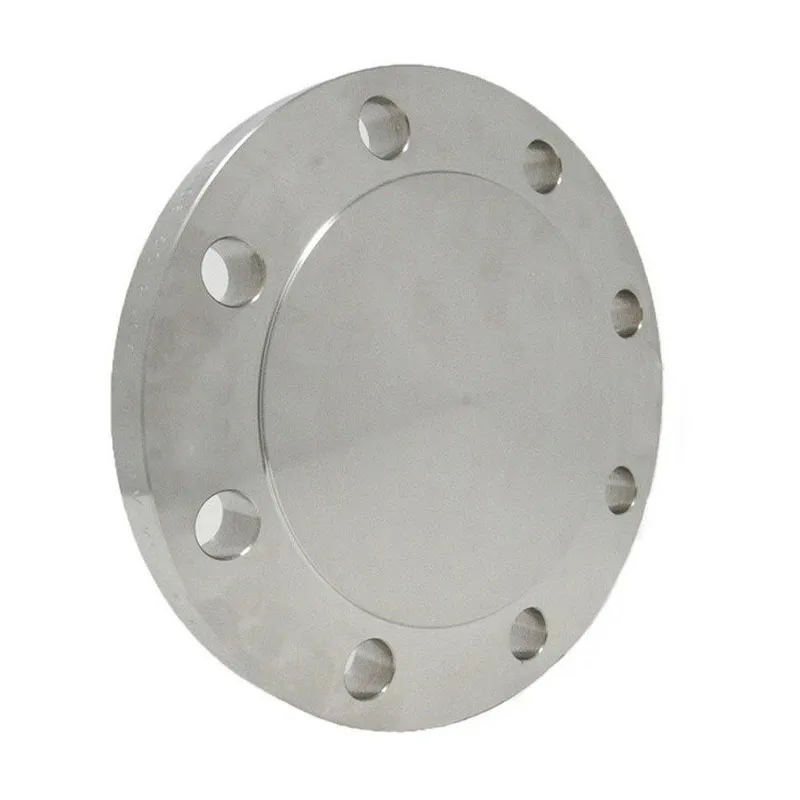
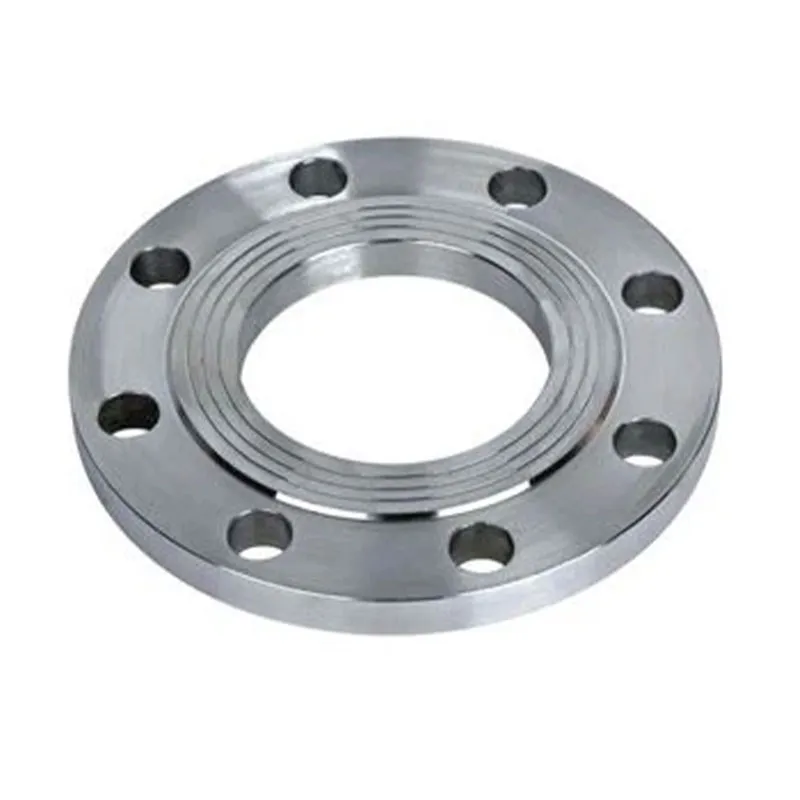
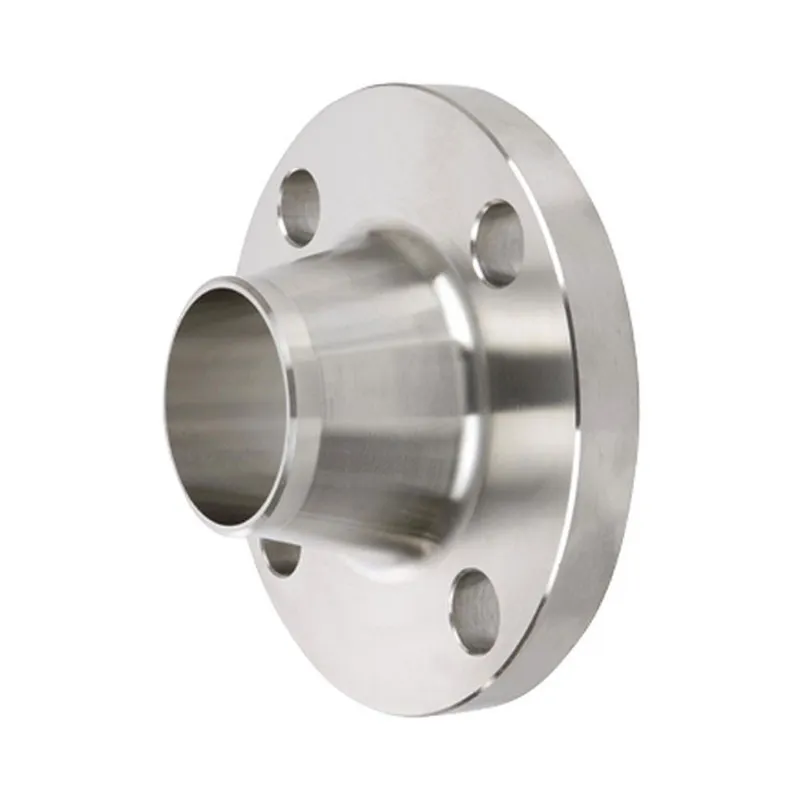
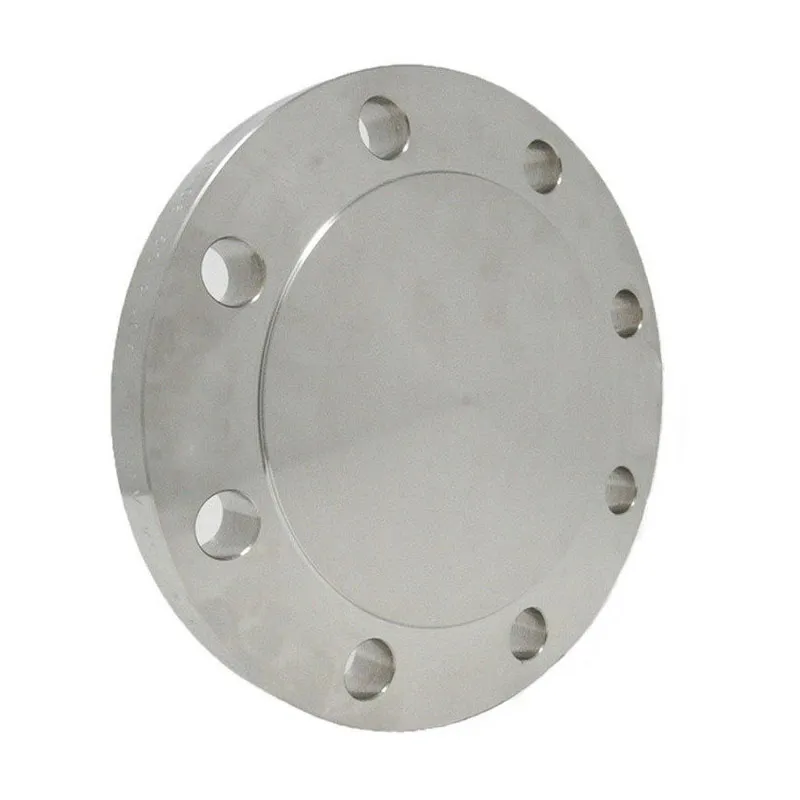

Best Sellingproducts
Best Selling Products-
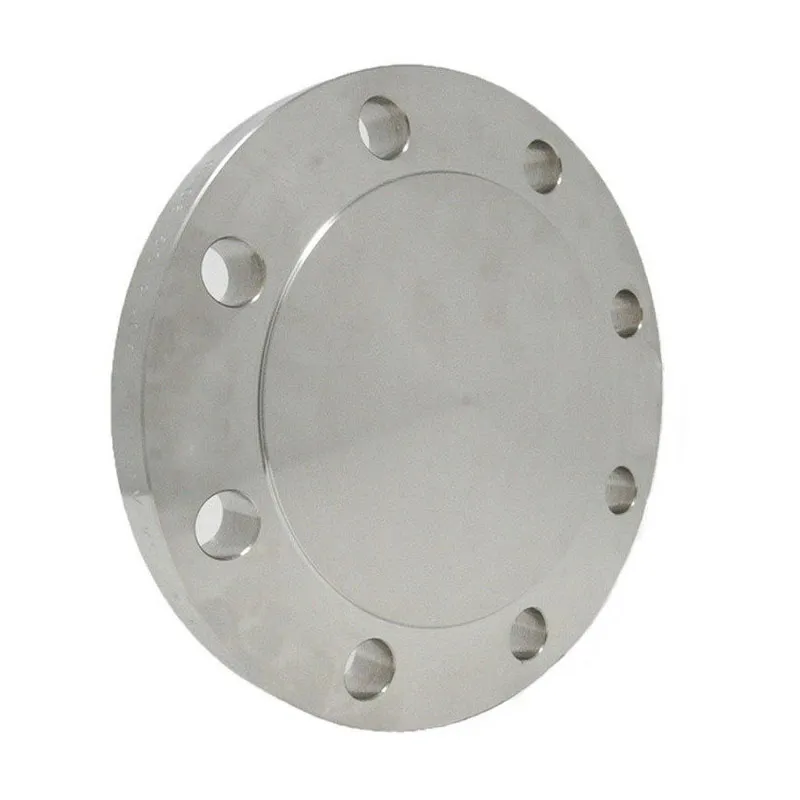 Blind flanges Class 150
 -
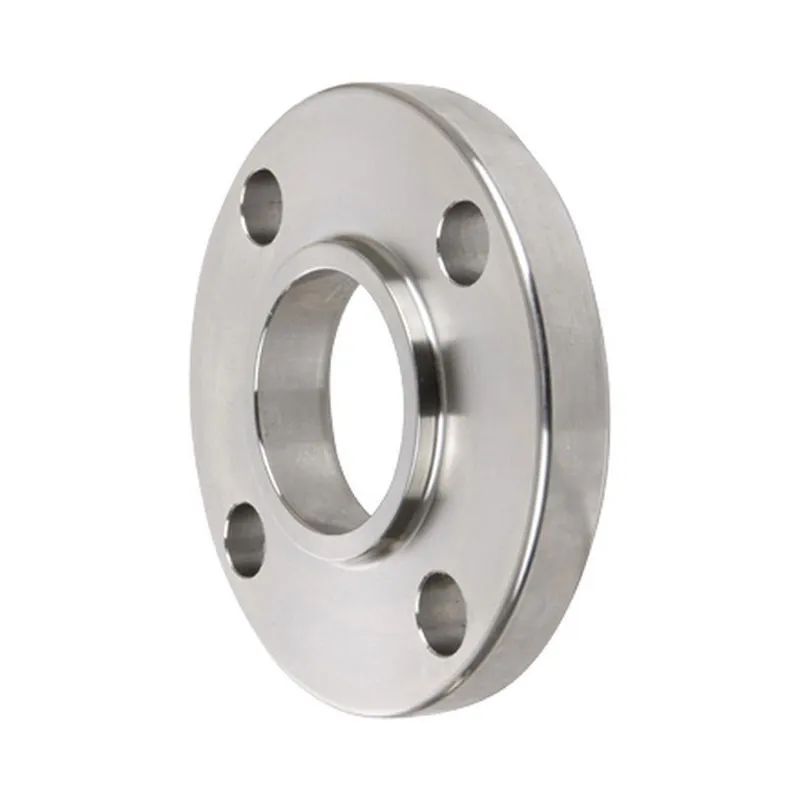 DIN 2501 Overlay flanges PN16
 -
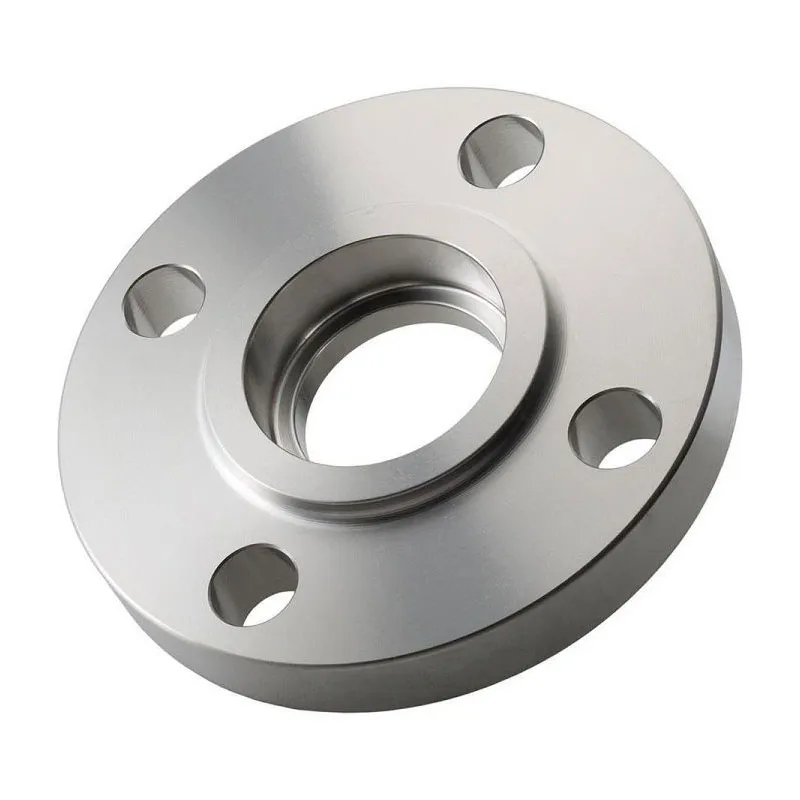 ANSI B16.5 Socket Weld Flanges Class 1500
 -
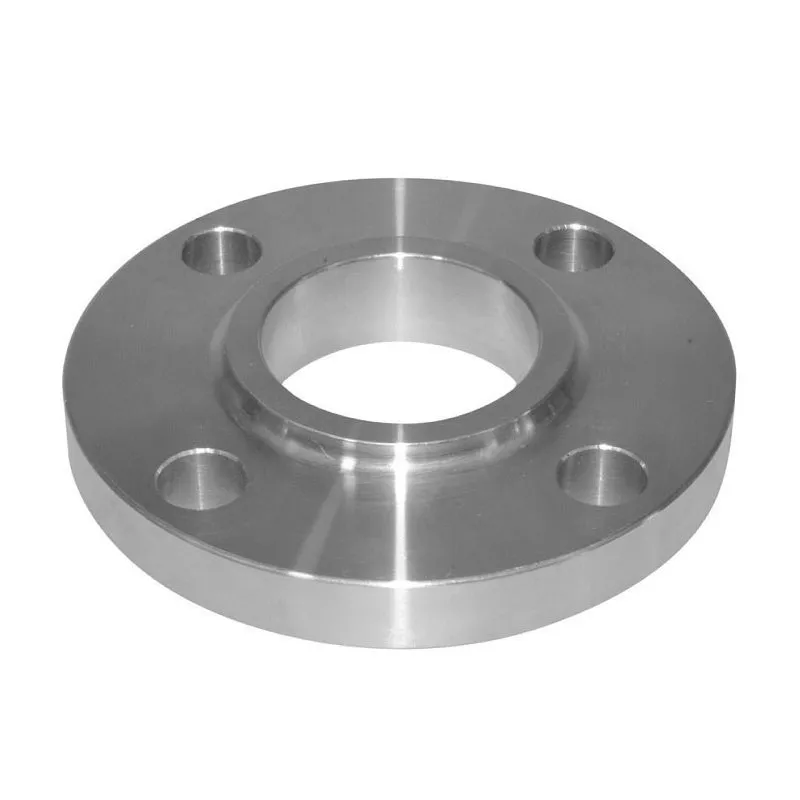 ANSI B16.5 Lap-on flanges Class 1500
 -
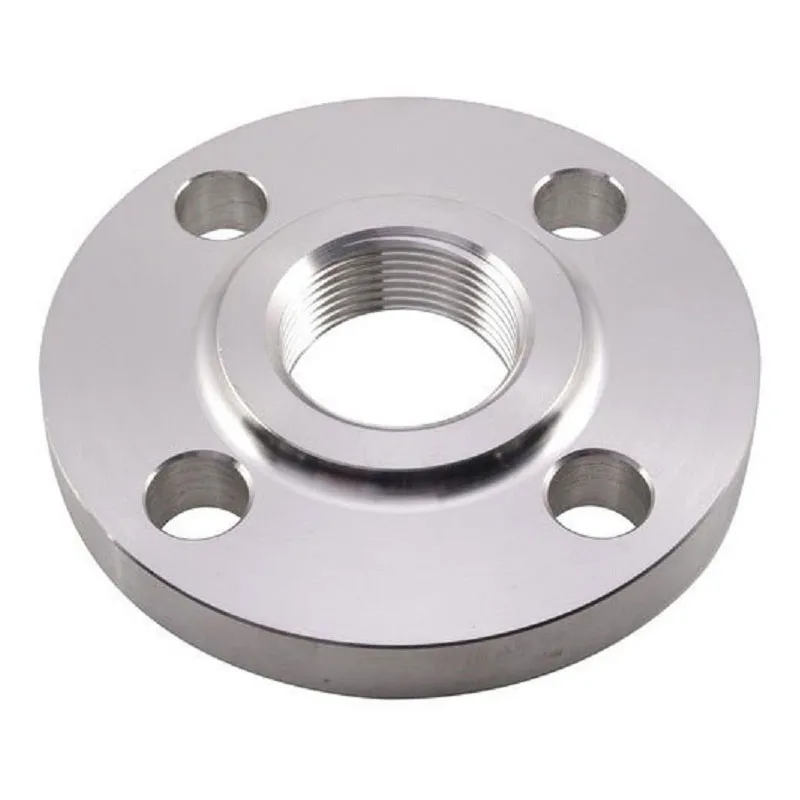 EN 1092-1 Threaded flanges Type 15, PN16
 -
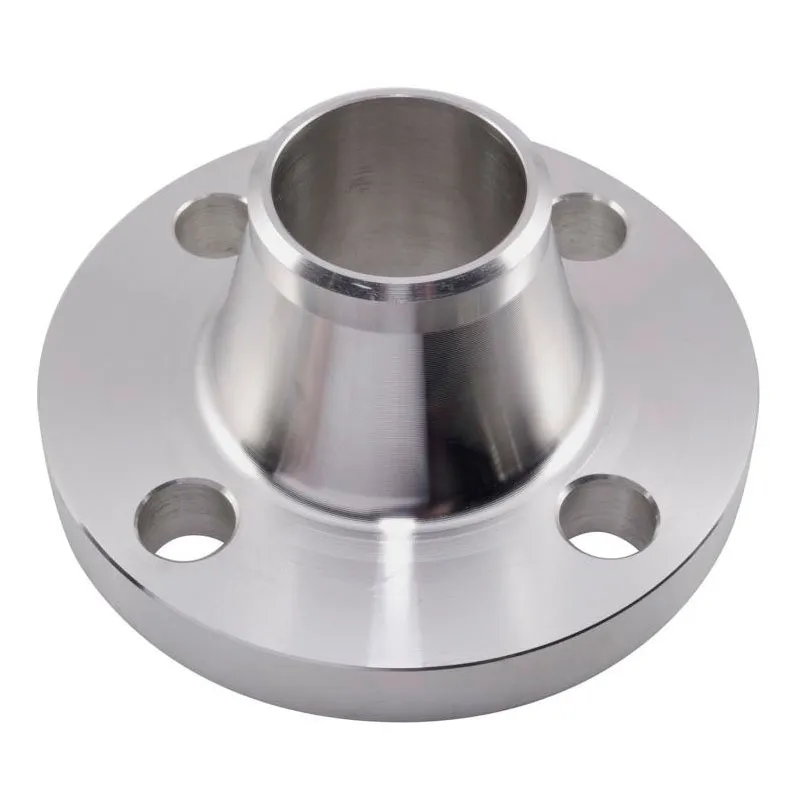 DIN Butt weld flanges PN10
 -
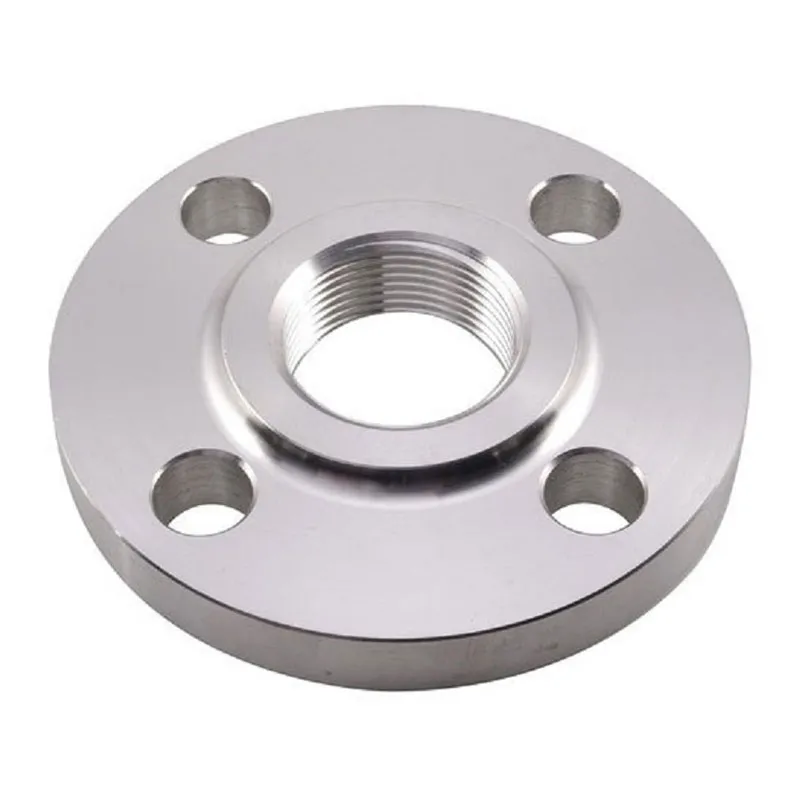 JIS 10K Overlay flanges
 -
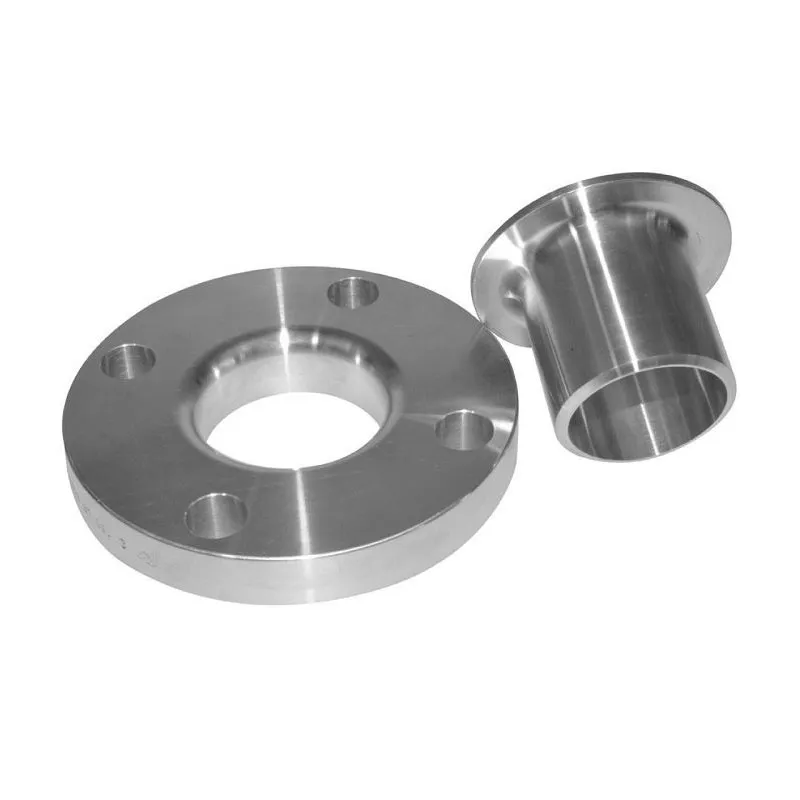 ANSI B16.5 Loose Ring Flanges Class 2500
 -
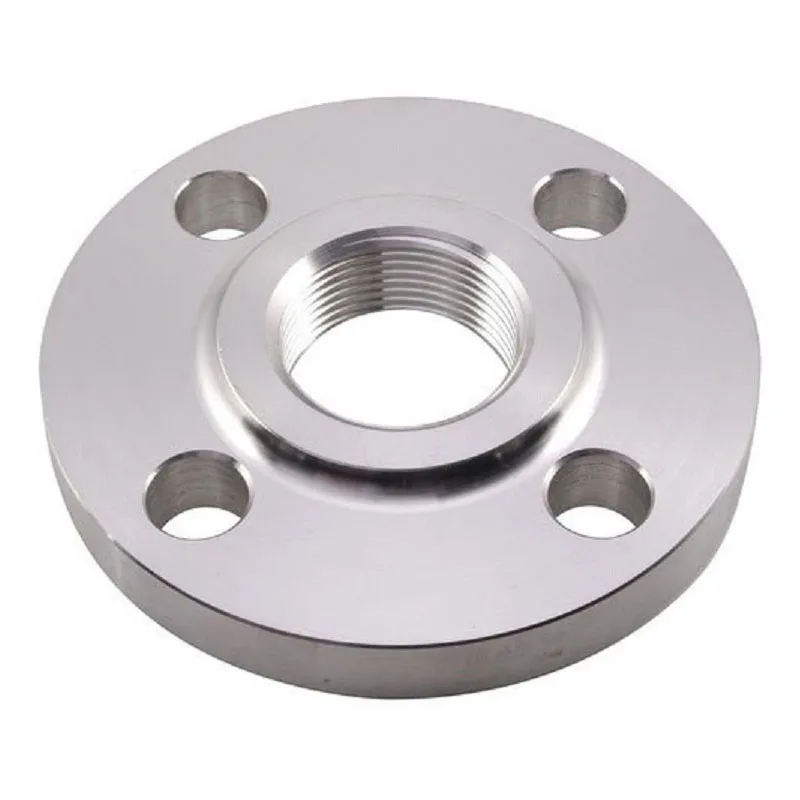 DIN 2566 Threaded flanges PN16
 -
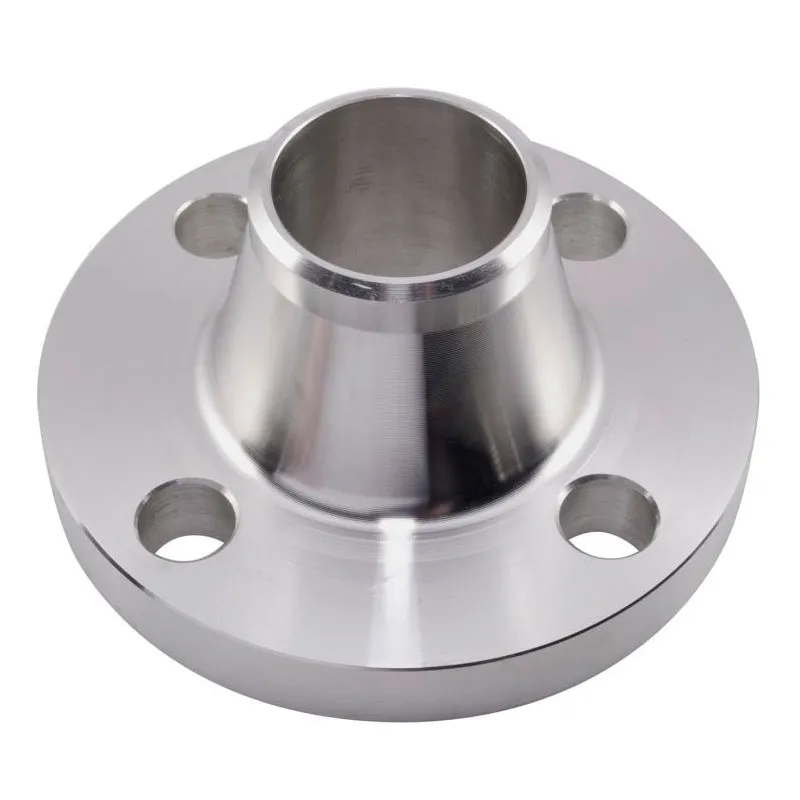 UNI 2281 Butt weld flanges PN10
 -
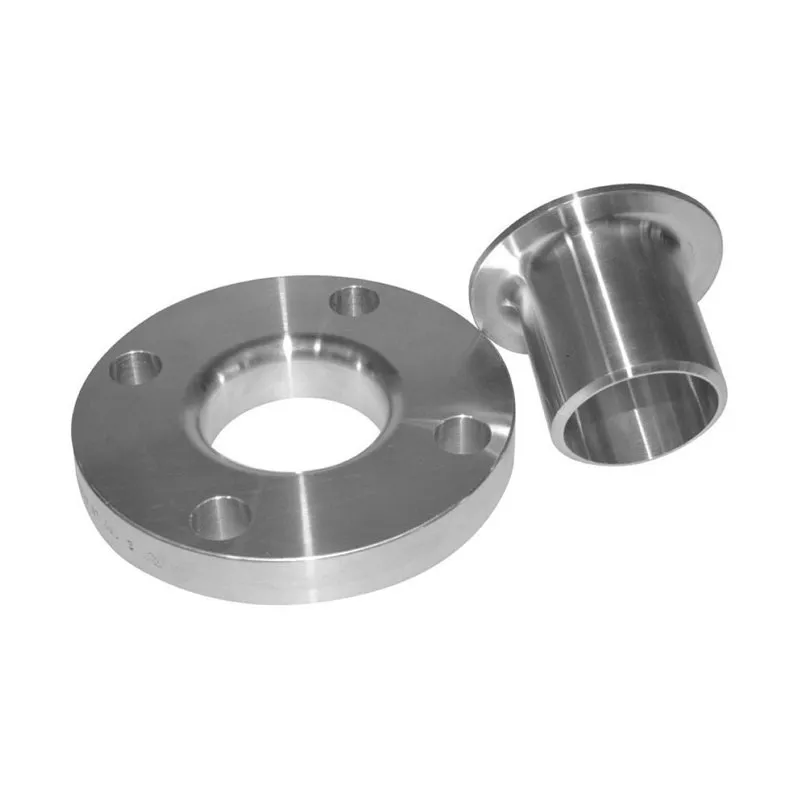 Free ring flanges Class 150
 -
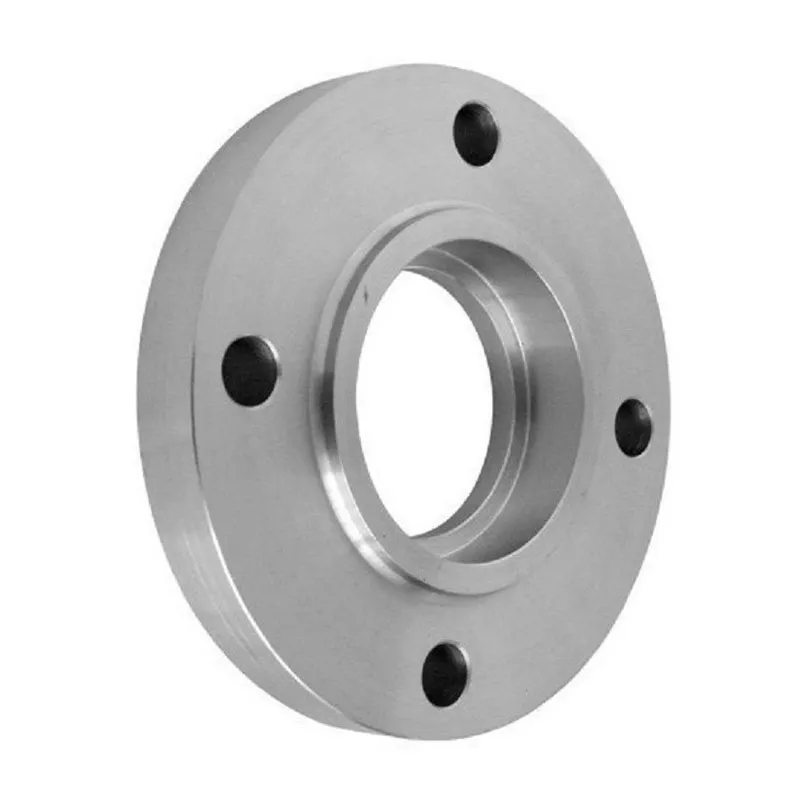 Socket Weld Flanges Class 300