
-
-
Phone
+86-13623462298



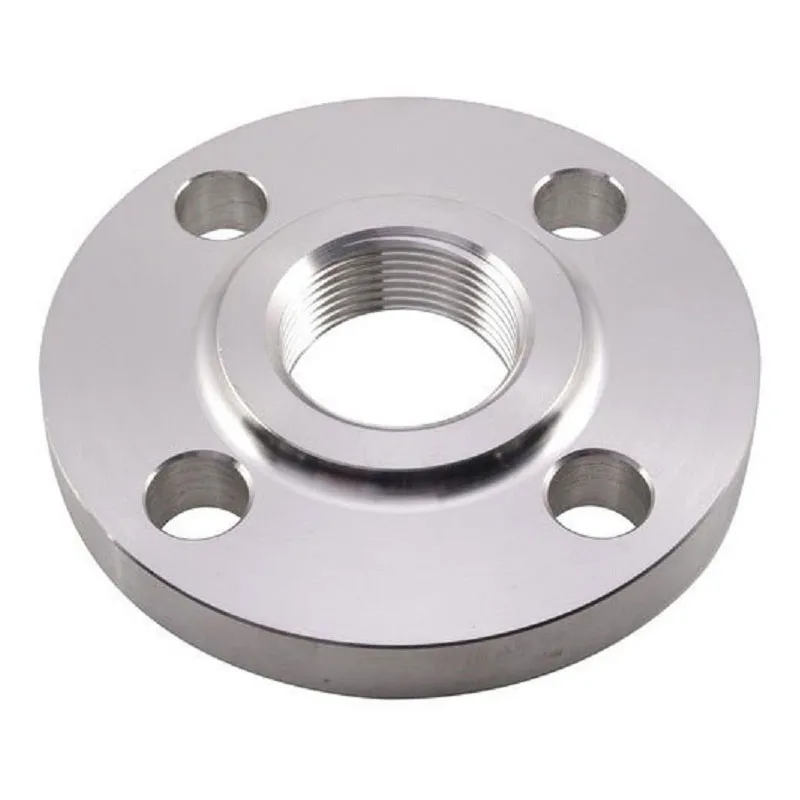
flange 80 09g2s
When they say “flange 80 09g2s”, many people immediately think of a simple disk with holes for studs. But here is the first nuance - the DN80 size itself does not say anything about pressure. And the 09g2s grade, although common for flanges according to GOST, is not always suitable for aggressive environments, although it is just right for water, steam, and oils. A common mistake is to simply order “flange 80”, without specifying the design according to GOST (the old 12821-80 are no longer relevant) and, critically, the type of sealing surface. Execution 1, 2, 3, 4, 5 is a difference in the geometry of the groove for the gasket, and if you make a mistake, the joint will leak during the first hydrotests.
Why 09g2s for a DN80 flange?
Grade 09g2s is a low-alloy steel, its main advantage for flange connections is good weldability and increased resistance to impact loads at low temperatures, down to -70°C. For northern projects or external pipelines, this is often the only option. But there is a pitfall: if there is hydrogen sulfide (H2S) in the environment, even in small concentrations, 09g2s may be susceptible to sulfide corrosion cracking. I once saw cracks on the flanges after two years of work at an oil gathering facility. The customer saved money and did not order flanges with increased SSC resistance, but simply took the “standard from 09g2s”. I had to change the entire assembly.
For standard conditions - temperature from -40 to +475°C, pressure up to 10 MPa (nominal pressure Ru16 or Ru25) - flange 80 from 09g2s will work for decades. But the key word is “standard”. If the technical process involves cyclic temperature loads and sudden cooling, then here you need to look at the impact strength of a particular melt. We had a case at a thermal power plant: flanges on a steam pipeline, everything seemed to be in accordance with GOST, but after several cycles of “warm-up-stop?” On one of the flanges a thin crack appeared from the edge of the hole for the stud. Metallographic analysis showed heterogeneity of the structure in the heat-affected zone after stamping. The supplier seemed to be normal, but apparently they made some savings somewhere in the forging or heat treatment process.
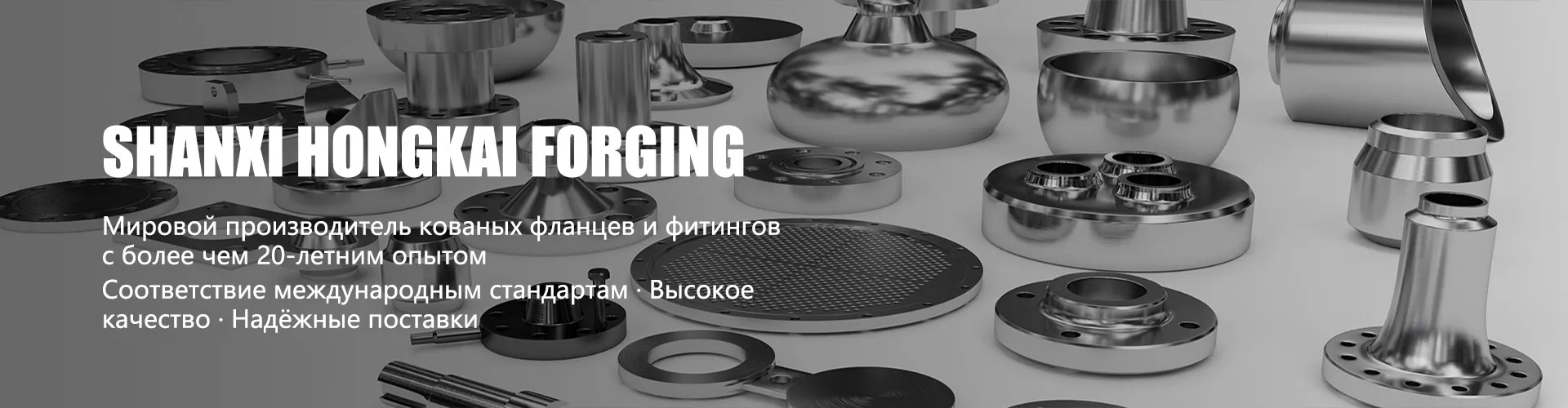
By the way, about suppliers. Nowadays there are many who do it, but the quality of forging is the basis. If the workpiece was simply cut from a sheet and machined, rather than forged, it is not a flange, but a potential accident. The loads in such a product are distributed unevenly. I prefer to work with trusted manufacturers who specialize specifically in forgings, for example,Shanxi Hongkai Forging Co.,Ltd. They have it in their catalogflanges 09g2saccording to GOST, and they do forging, not cutting. I ordered a batch of DN80 flanges from them for a boiler room modernization project - everything arrived clearly, with a full package of certificates, including ultrasonic testing of the forging. Their websitehttps://www.hkflange.ru, there you can see the nomenclature - from DN15 to DN4000, which is important for non-standard solutions.
From drawing to installation: where bottlenecks arise
Let's say the flange is of high quality, made of the right steel. The fun begins when assembling the unit. A common problem is geometry mismatch. It would seem that all sizes are according to GOST. But here’s the thing: you get a flange, you get a counter flange (say, from a valve), and the holes for the studs don’t match by a fraction of a millimeter. Or they coincide, but are offset relative to the groove for the gasket. That's it, the installers are starting to put the pressure on? jack or, worse, drill holes. The integrity of the forging is compromised and stress raisers appear.
Therefore, now when ordering, we always ask you to provide not only a certificate for the material, but also a geometry control protocol on a coordinate measuring machine (CMM). This is especially critical for flanges with a welding ring mounting size or loose flanges. UShanxi Hongkai Forging Co.,Ltdthe company description states that they work according to international standards, including ASME and EN, and this implies strict control of geometry. For responsible nodes, these are not just words, but a necessity.
Another practical point is the condition of the sealing surface. According to GOST, it must have a certain roughness. Sometimes a flange comes with a perfectly mirror surface - this is beautiful, but for many types of gaskets (for example, spiral wound ones) this is bad; light corrugation is needed for better “biting”. And sometimes, on the contrary, tool marks and scratches are visible. You have to manually determine that there is unnecessary labor costs at the site. The ideal option is when the manufacturer, like Hunkai Forging, immediately specifies in the specifications what type of gasket the surface is being prepared for: soft, metal, lens seal.
Non-standard situations and working with the manufacturer
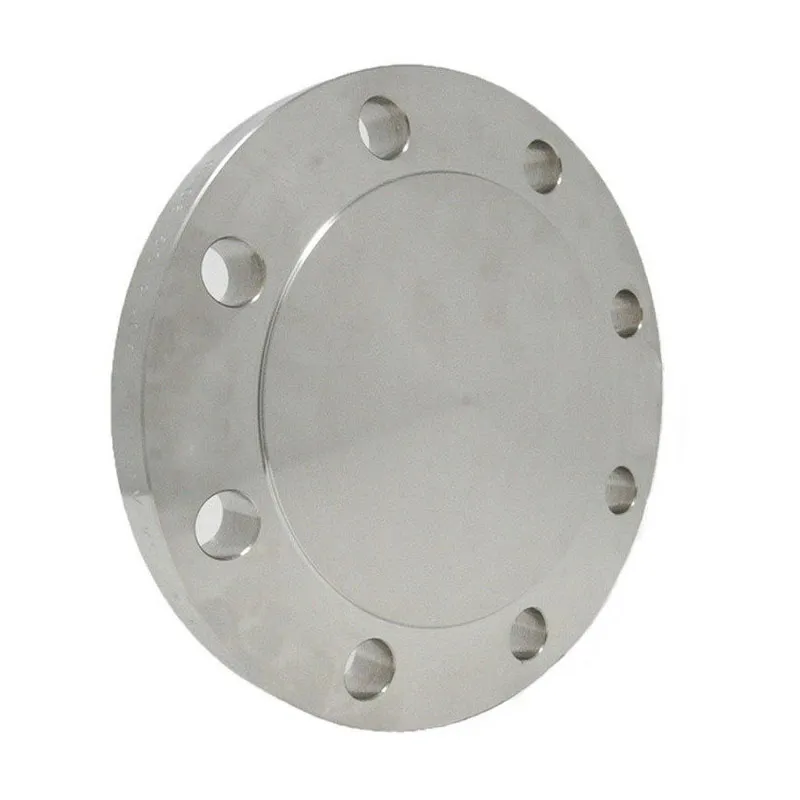
It happens that you need not just a flange 80 09g2s according to GOST, but with some modifications. For example, with a reinforced neck, with an additional sealing belt for the sensor, or a blank flange (blind flange) with a non-standard thickness. Many suppliers refuse small non-standard orders or increase prices. Here it is precisely important that a manufacturer positioning itself asmanufacturer of forged flanges and forgings, had a staff of designers and technologists capable of working out the customer’s drawings.
From my experience: an adapter flange from DN80 to DN100 was required, but not a standard adapter, but with an axial offset of 15 mm (specifics of the old pump piping). We found understanding precisely from forging manufacturers who make products according to drawings. They explained the task and sent a sketch. They made a technological calculation of forging and proposed their own version of the design with a smooth transition to avoid sudden changes in the cross-section and stress zones. Done, shipped. The unit has been working for seven years without a hint of problems.
In the descriptionShanxi Hongkai Forging Co.,Ltdit clearly states what they makenon-standard products according to customer drawings. This is not just a line in an advertisement. For an engineer on a project, this opportunity is a salvation. There is no need to look for artisans who will cut something from a solid piece with dubious characteristics. You can give the calculations and drawings to professionals who will make a forged forging with the correct macrostructure of the metal.
Price, terms and final choice
In the end, it all comes down to a balance of price, quality and timing. Flange 80 from 09g2s is a mass product; many people make it. Prices can fluctuate significantly. But a cheap flange is always a lottery. Either the steel is wrong (they can slip St3 instead of 09g2s, issuing a certificate), or the geometry is lame, or the internal stresses in the forging are not removed by proper heat treatment.
Working with large industrial projects, we have developed a rule: for critical lines (steam, chemistry, high pressure) - only proven manufacturers with a full cycle (forging, heat treatment, machining, control). Yes, it's more expensive. But the cost of replacing a burst flange at an operating facility, with production shutdown, personnel evacuation and possible environmental consequences, is incomparable.
Therefore, when I see “flange 80 09g2s” in the specification, the first thing I look at is not only the standard, but also the “manufacturer” column. or ?supplier?. And if there is a name of a company with a reputation like the one mentionedShanxi Hongkai Forging Co.,Ltd, which isone of the main centers of the forging industry in China, then you are calm about the knot. This means that the flange will not be just a piece of hardware with holes, but a calculated and correctly manufactured element that will serve out its service life. And in our work, this is exactly what we need - predictable reliability, and not surprises at launch.
Correspondingproducts
Related Products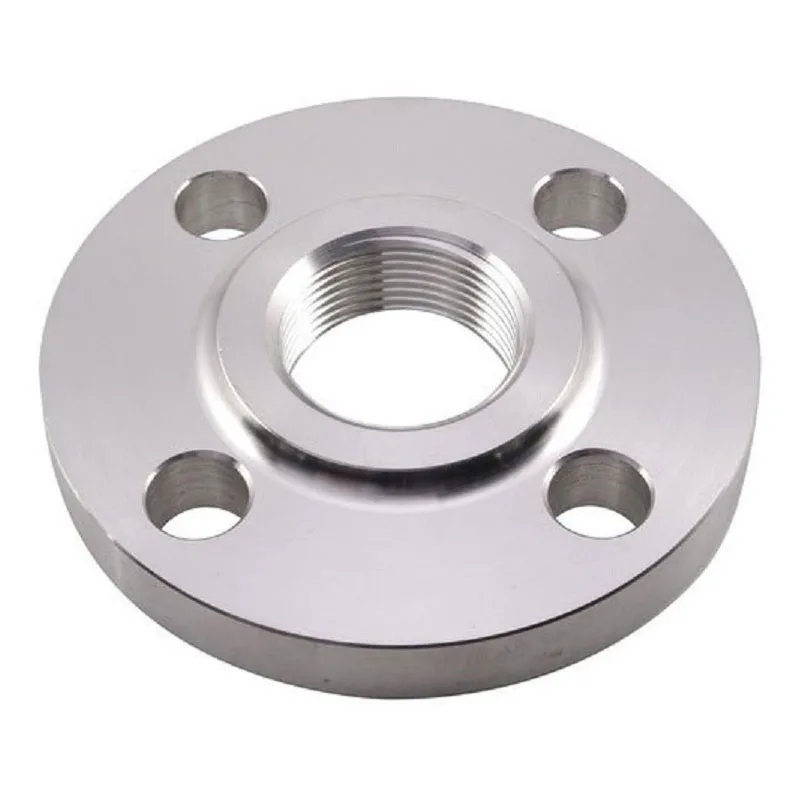
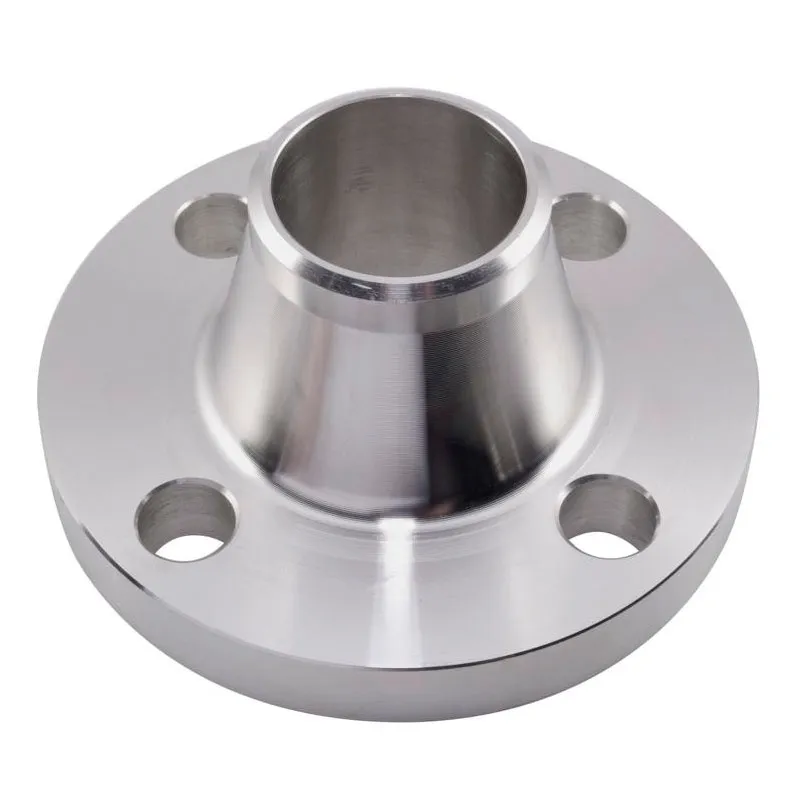
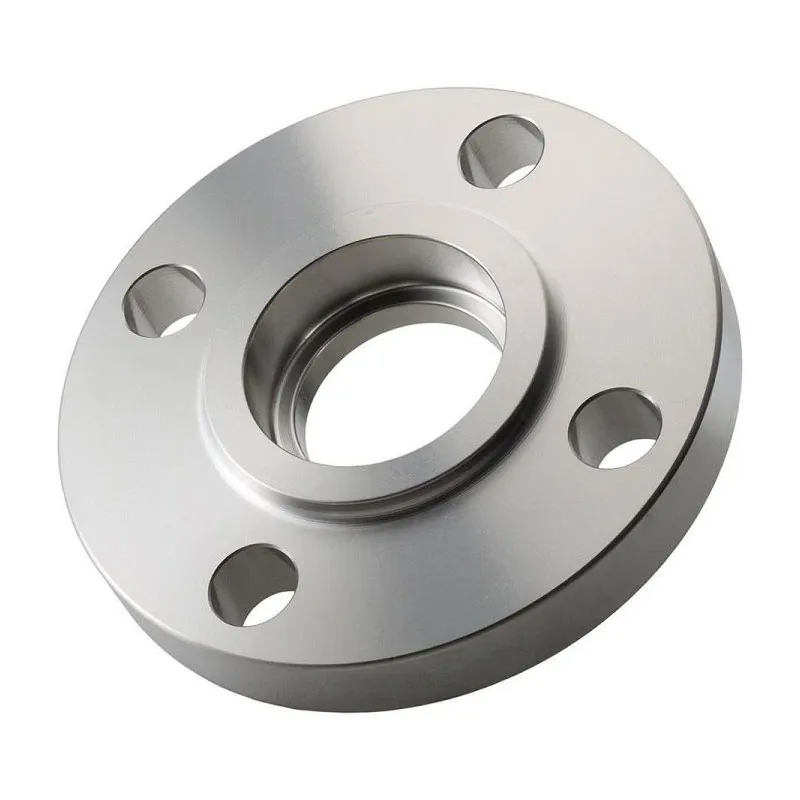
Best Sellingproducts
Best Selling Products-
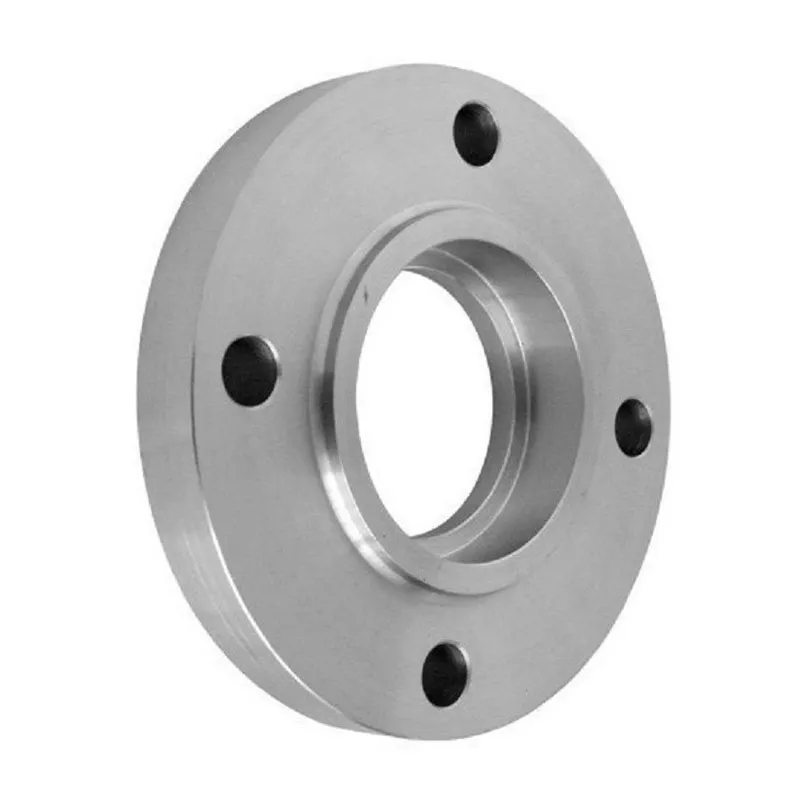 Socket Weld Flanges Class 300
 -
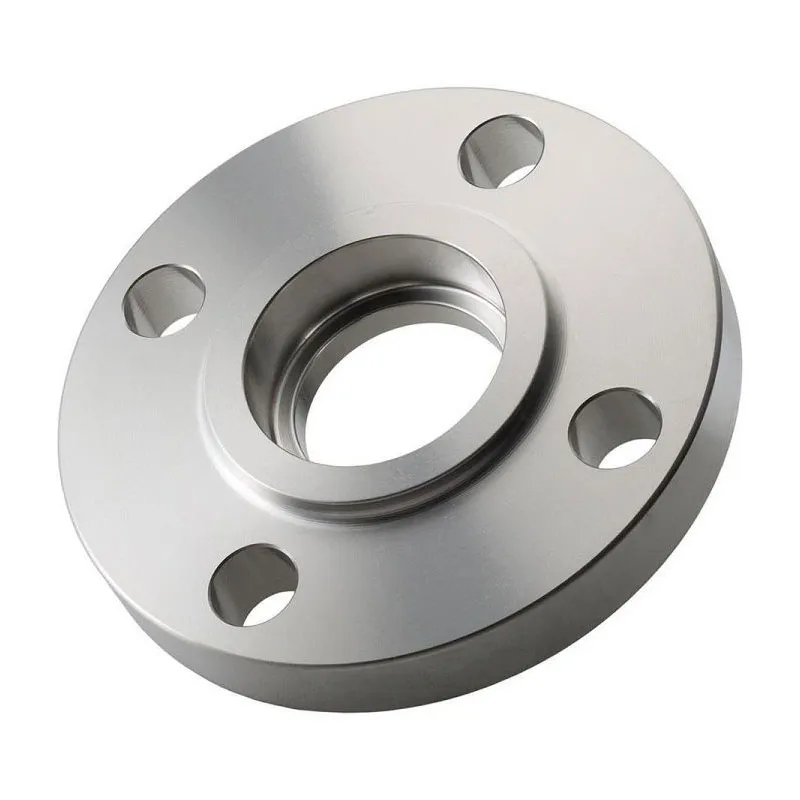 ANSI B16.5 Socket Weld Flanges Class 1500
 -
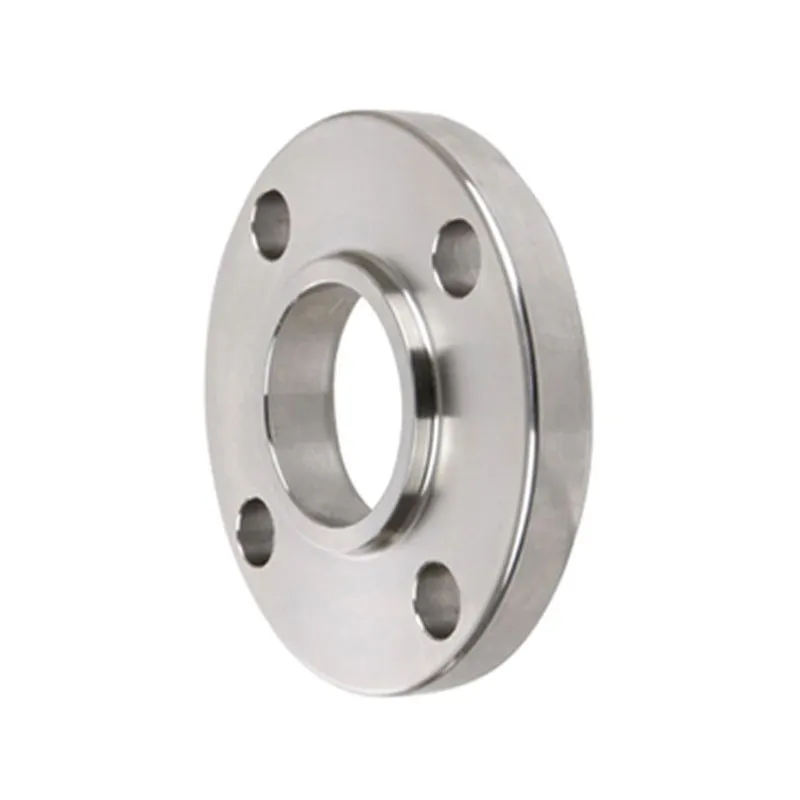 ANSI B16.5 Lap-on flanges Class 300
 -
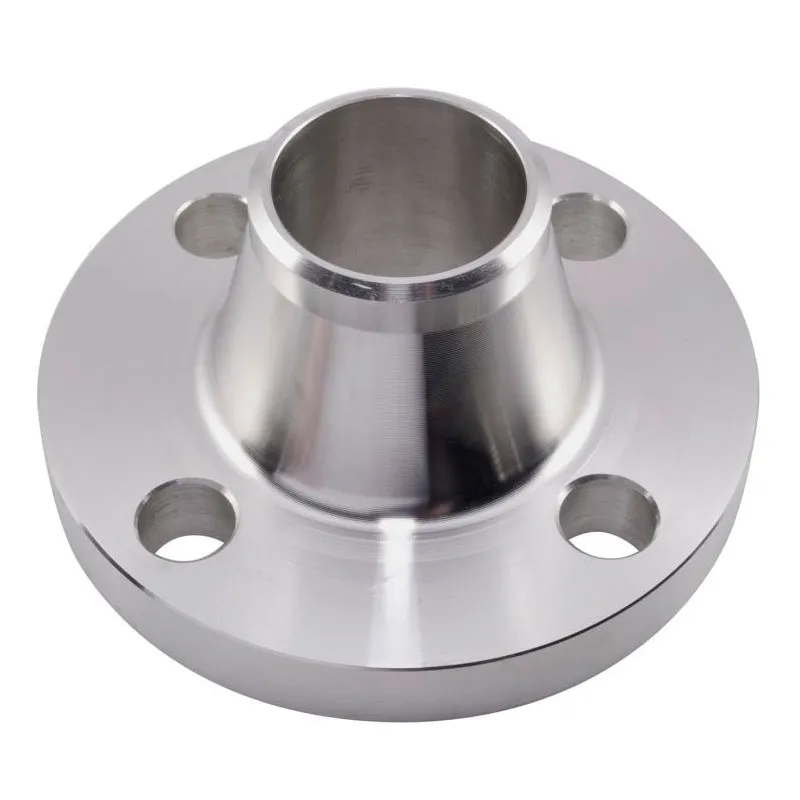 UNI 2281 Butt weld flanges PN10
 -
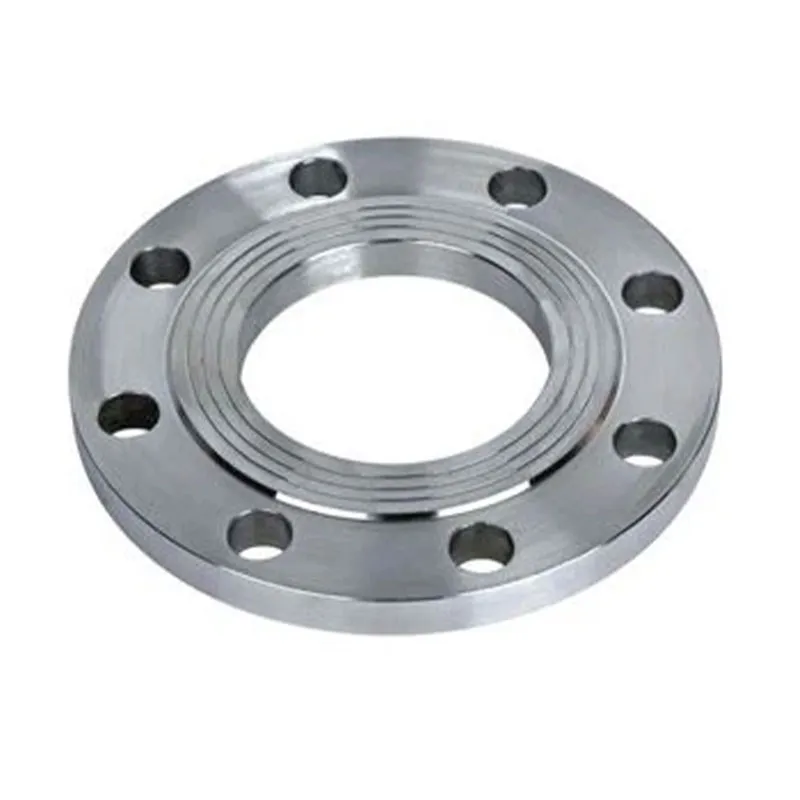 Butt weld flanges Class 150
 -
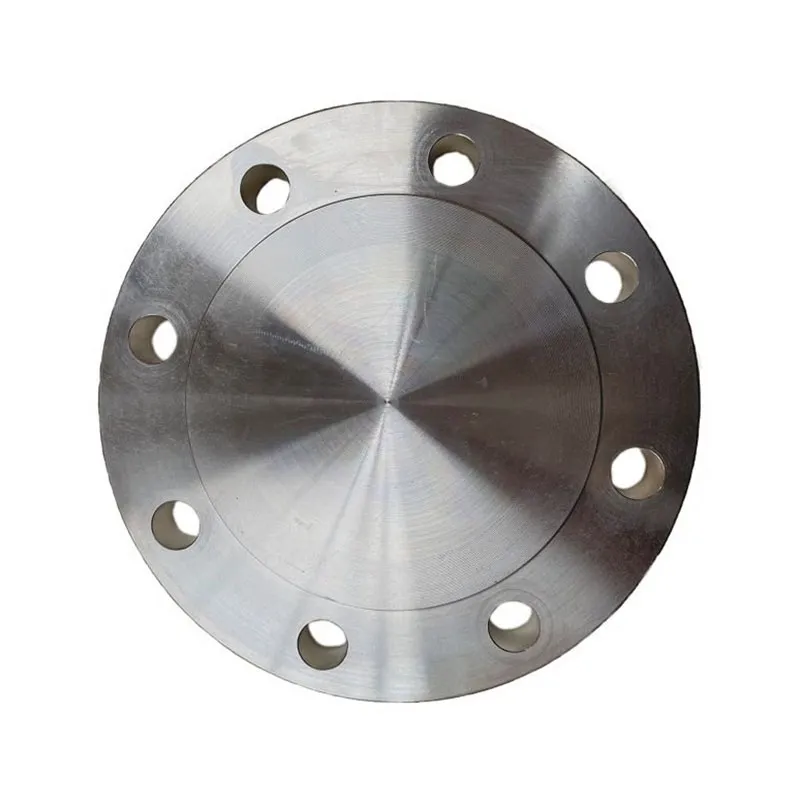 ASME B16.47 Ser.A Blind Flanges Class 400
 -
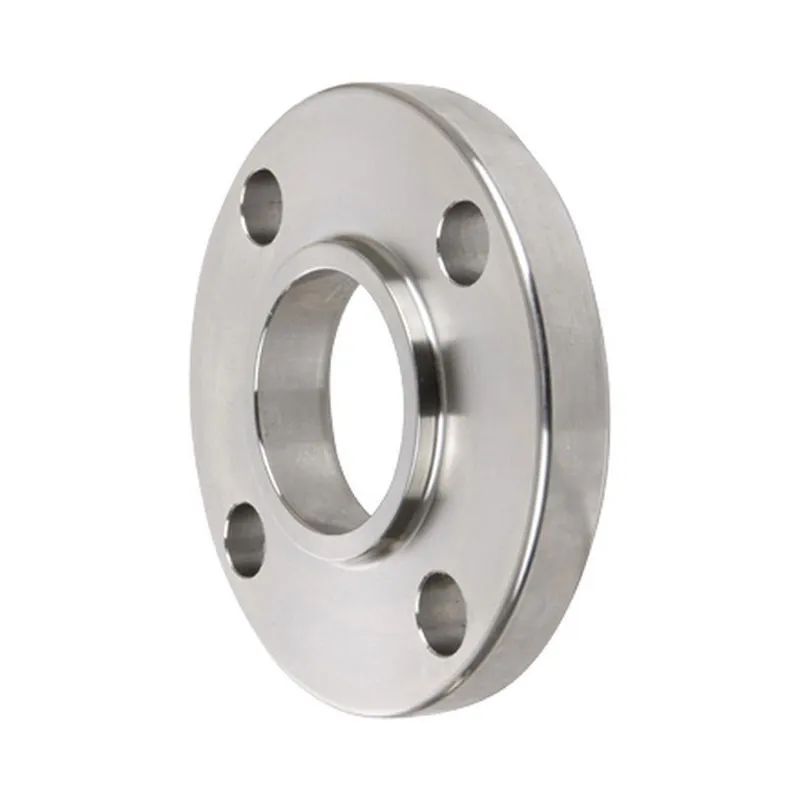 DIN 2501 Overlay flanges PN16
 -
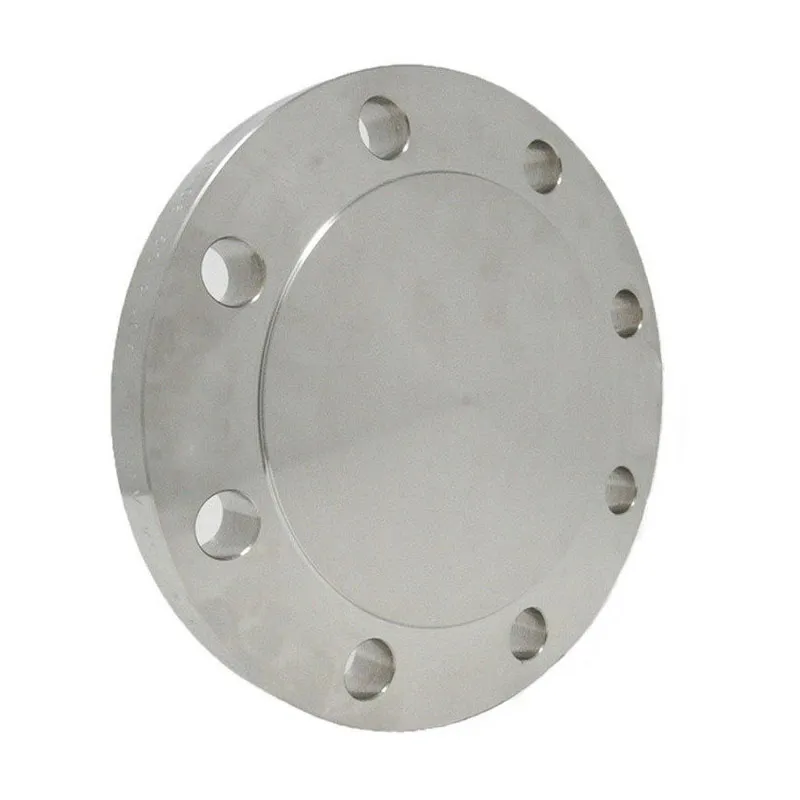 Blind flanges Class 150
 -
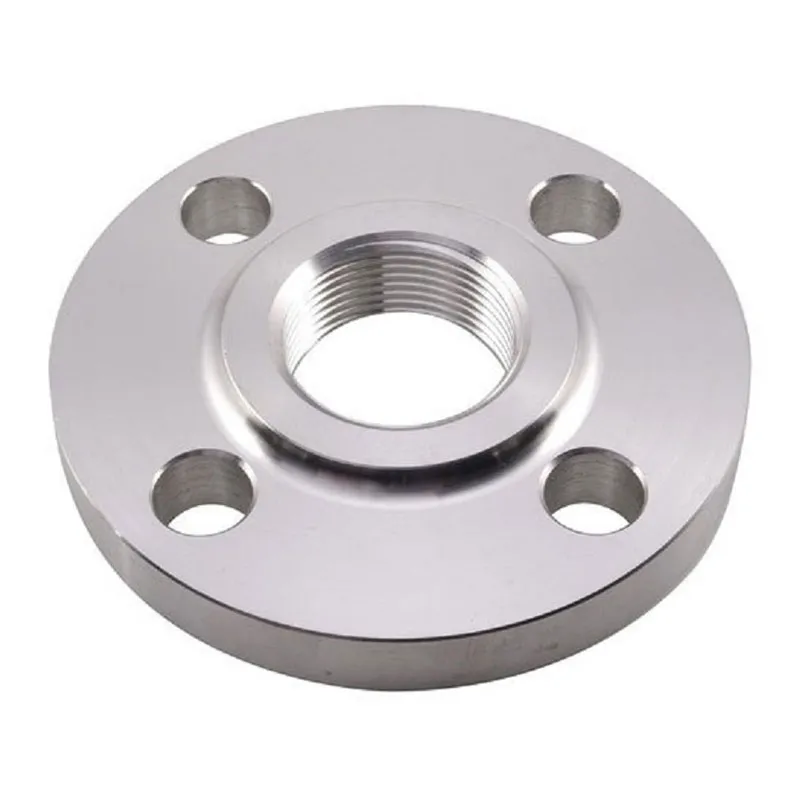 JIS 10K Overlay flanges
 -
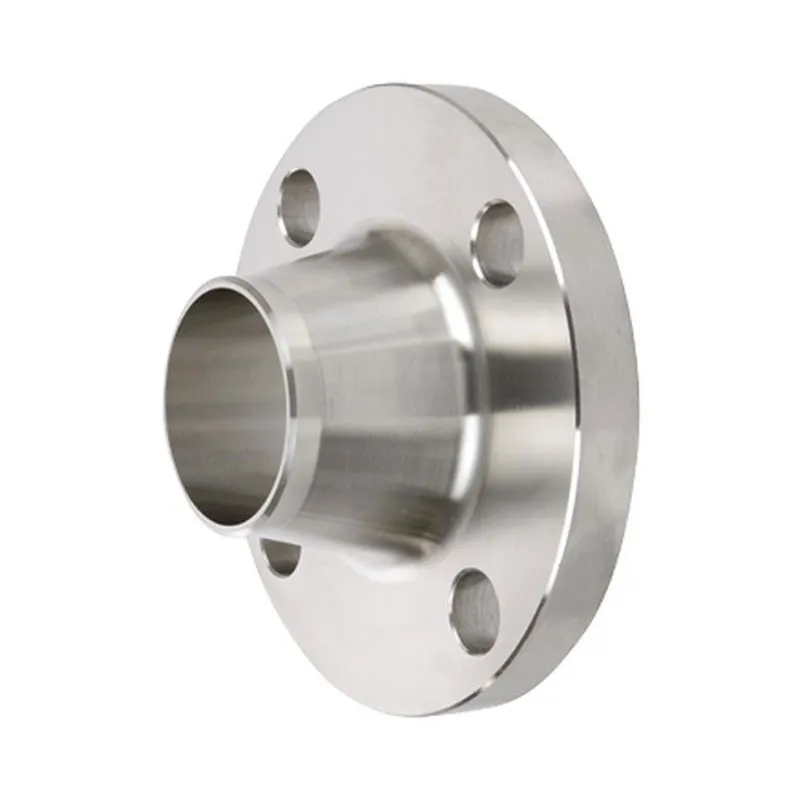 Ser.A Butt Weld Flanges Class 400
 -
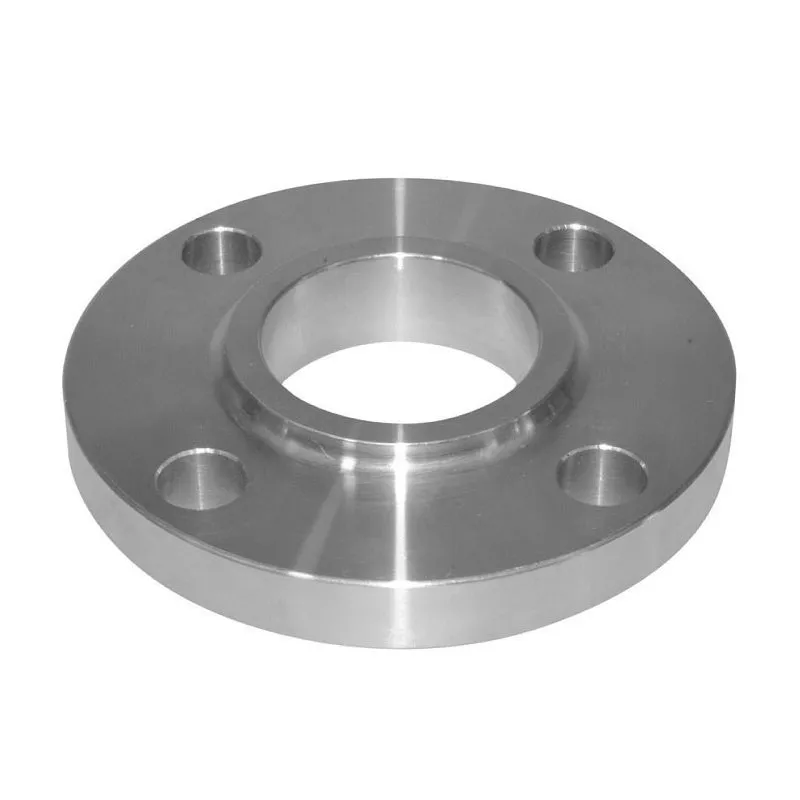 ANSI B16.5 Lap-on flanges Class 1500
 -
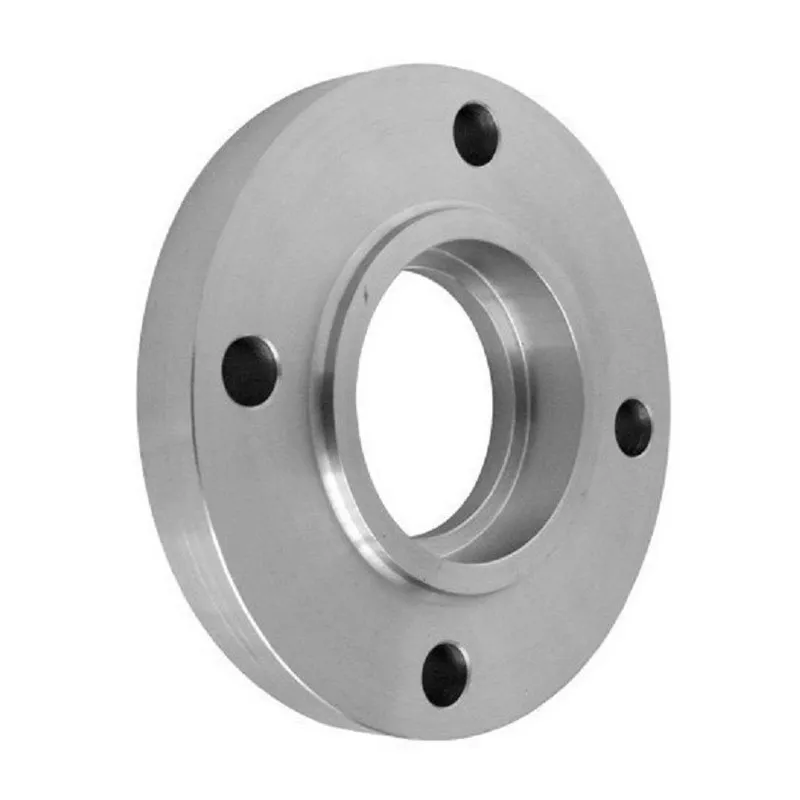 JIS 5K Socket Weld Flanges