
-
-
Phone
+86-13623462298



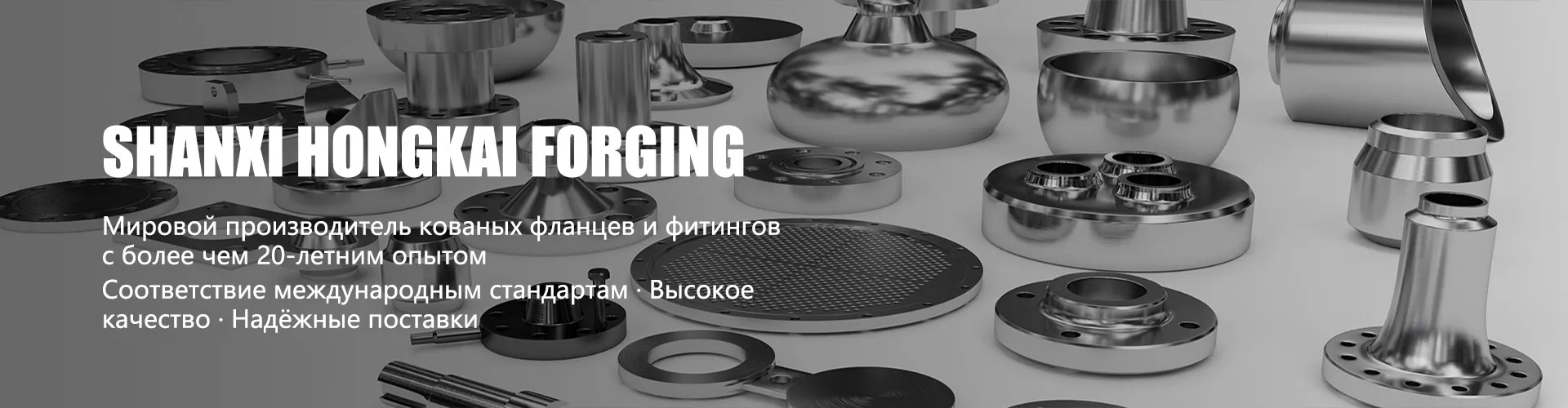
steel flanges DN 150
When they talk about steel flanges DN 150, many people immediately think about the standard size and GOST. But in reality there are nuances here that are not always visible in the specifications. For example, not everyone takes into account that for the same nominal diameter there may be different pipe wall thicknesses, which means the outer diameter of the flange for butt welding will be different. I often come across the fact that customers send a request simply for “DN 150 flange”, and then it turns out that they need it specifically for a pipe with a wall of 8 mm for one project, or for a 10 mm wall for another. This is already a question of execution, in addition to the standard by which we work. If we take GOST (this is an analogue of EN 1092-1), then it has its own table of pressures and versions. But according to ASME B16.5 there are completely different tolerances and thicknesses. Therefore, the first thing I always clarify is not just DN 150, but within the framework of what standard and for what environmental parameters.
Main types and where they are most often used
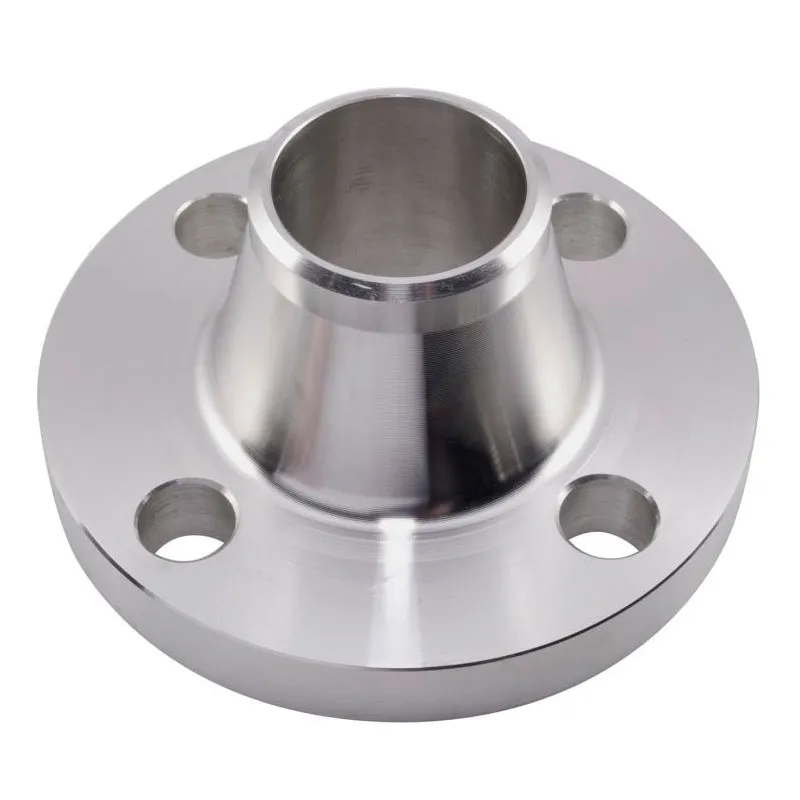
For a diameter of 150 mm, of course, the most popular are butt-welded flanges. They are taken for critical areas where the pressure is higher, say, from 16 kgf/cm2 and higher. The advantage is that they have a conical neck, which reduces stress concentration in the weld area. At one time, there was a case at one of the facilities: they installed flat flanges in an area with a temperature difference and vibration - after six months microcracks appeared due to welding. We converted them to butt welded ones and the problem went away. But this does not mean that flat flanges are bad. For DN 150, they work perfectly at low pressures, in ventilation and water supply systems, where there are no serious loads. They are easier to install and cheaper.
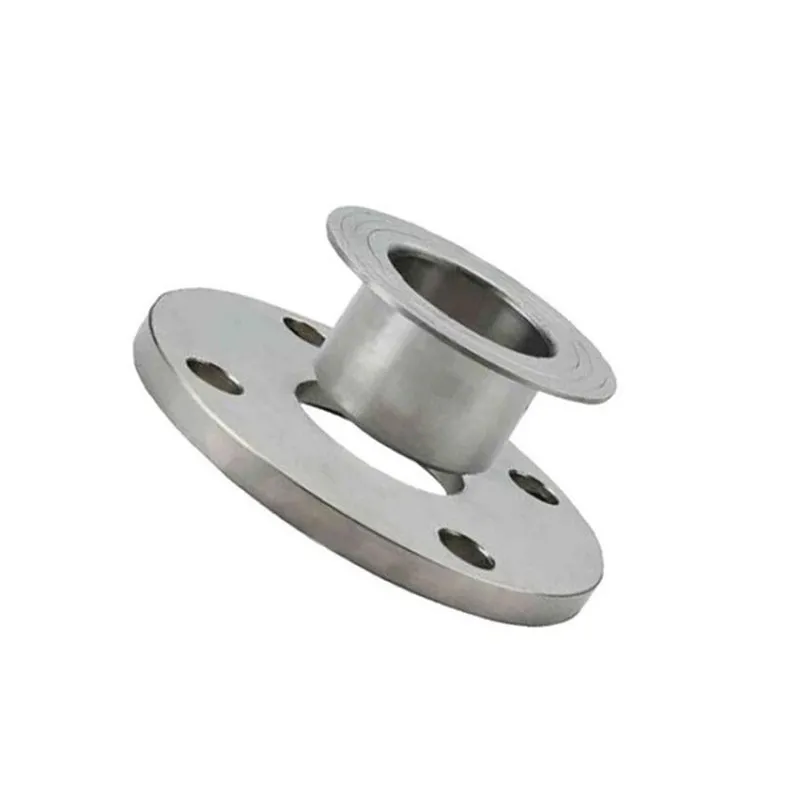
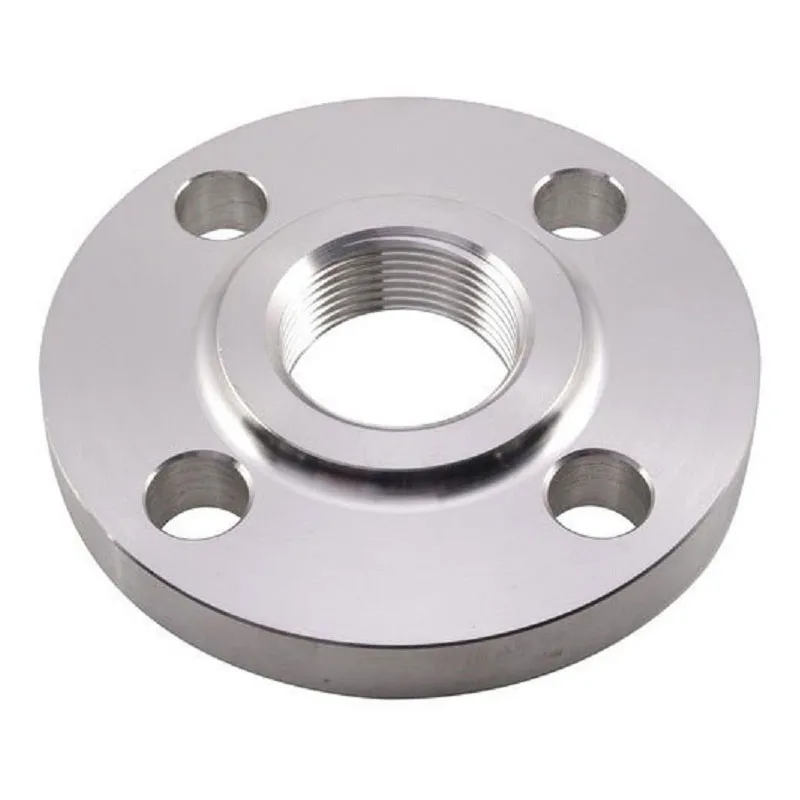
There are also free flanges on the welded ring - they are used when frequent dismantling is required for inspection or cleaning of equipment. Especially in chemical or food lines. I remember ordering a batch of DN 150 made of 12Х18Н10Т stainless steel for a dairy plant - it was important to ensure quick access to the valves. But there is a subtlety here: you need to make sure that the ring and the flange itself are made of the same grade of steel, otherwise the galvanic couple can cause corrosion. And, of course, threaded flanges for DN 150 are a specific thing. They are used less frequently, mainly for piping devices or in cases where welding is undesirable. But I can tell you from experience: on vibrating lines, a threaded connection can “wear out”; regular tightening is needed.
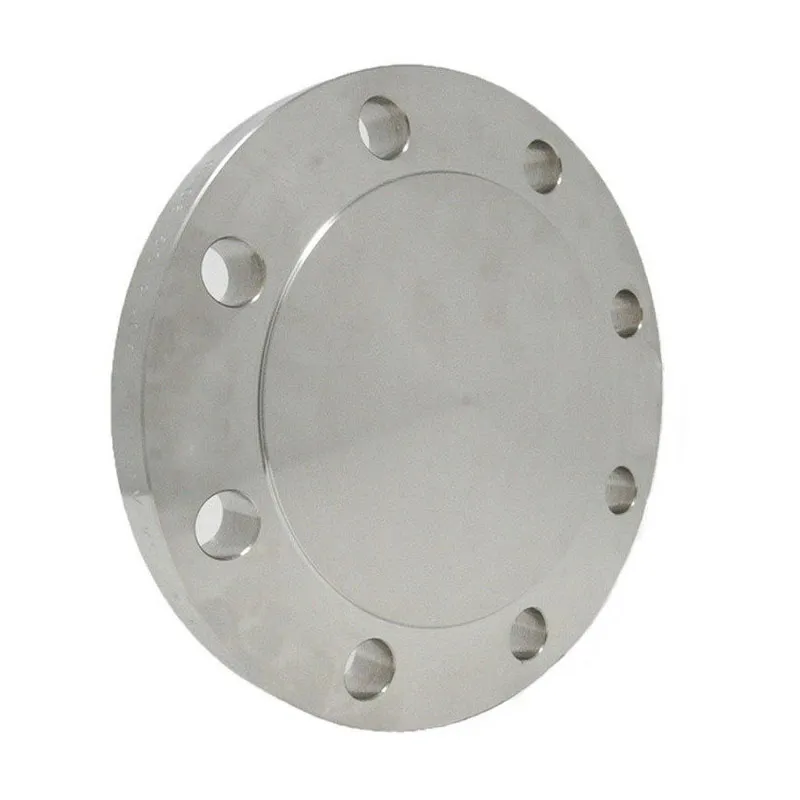
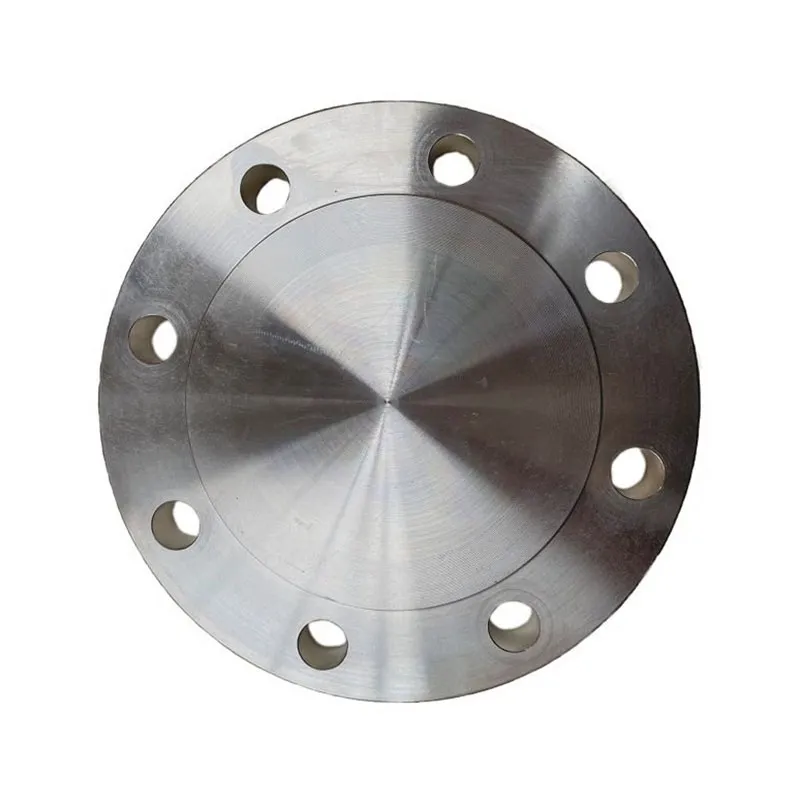
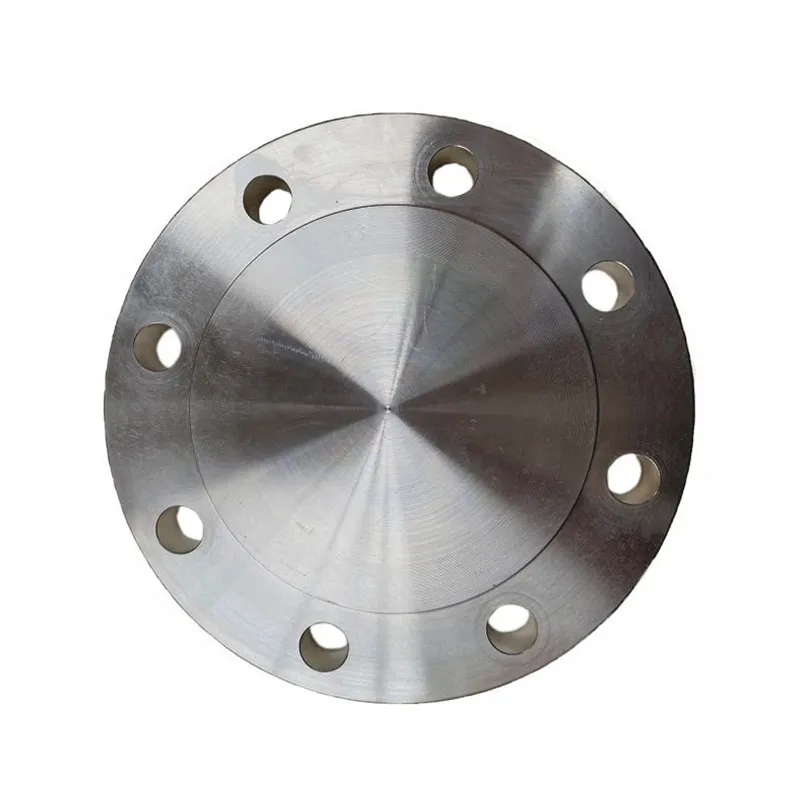
Blind flanges (plugs) for this diameter are also a common story. They are installed not only to cut off a section, but also for the possibility of future installation of a branch. Sometimes designers include a cap in case of system expansion. It is important to choose the right thickness: it must correspond to the pressure and temperature, like that of the counter flange. It happened that they installed a plug that was thinner than necessary - during hydrotesting it was carried away.
Materials and choice of steel grade
With the material for flanges DN 150, everything is not as simple as it seems. Most often, of course, there is St20, St3sp5 or 09G2S for normal conditions. But if we are talking about aggressive environments, high temperatures (say, in boiler houses or at thermal power plants), then they are already looking towards alloy steels - 15Х5М, 12Х18Н10Т. A mistake that is often made is choosing a flange material based only on pressure, forgetting about temperature. But when heated, the strength decreases. We had a project for heating networks, operating temperature 300°C. The customer initially wanted flanges made of St20, but according to calculations it was not suitable for such parameters - they switched to 15X5M. By the way, for arctic conditions or low temperatures (below -40°C) you already need steel with guaranteed impact strength, the same 09G2S-12.
Another point is coverage. Galvanized flanges DN 150 are often requested for external water pipes. But here it is important to understand that hot-dip galvanizing can affect the geometry, especially the seal plane. After galvanizing, sometimes it is necessary to grind the chamfer and surface for the gasket. And not all manufacturers do this. It is better to immediately specify whether mechanical treatment is required after coating.
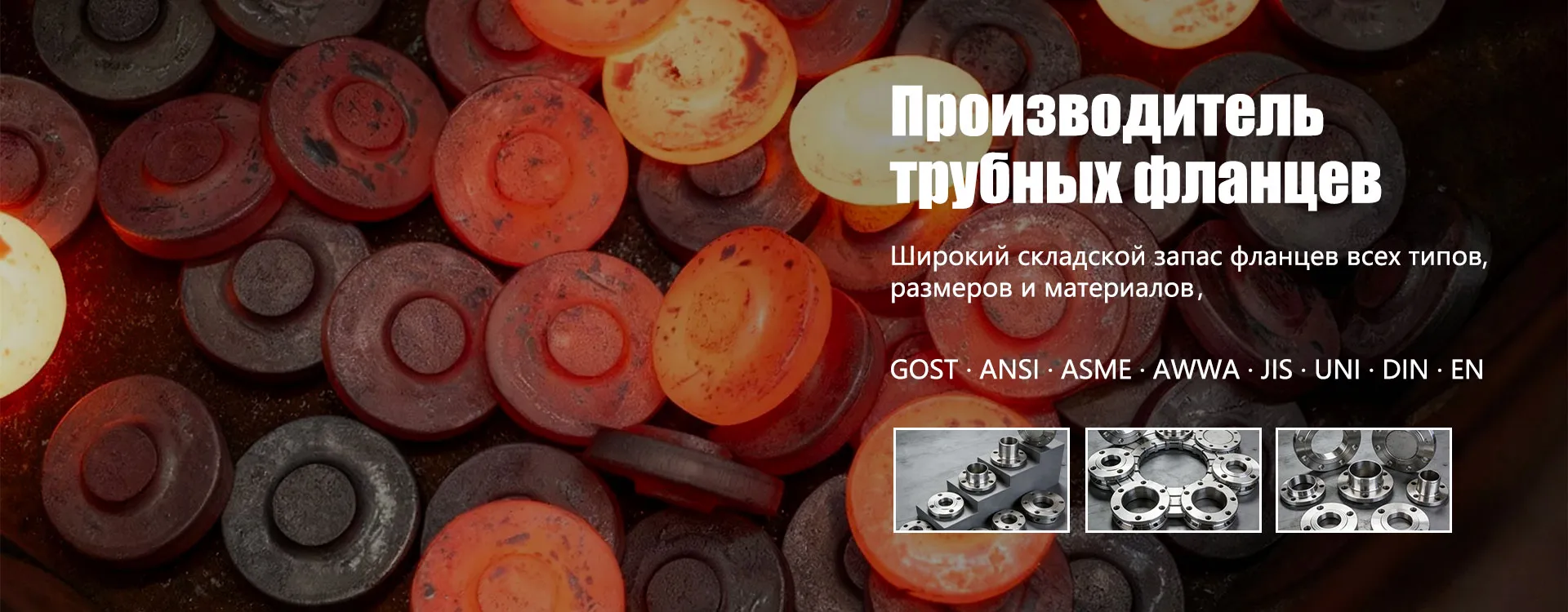
As for forgings, for critical flanges DN 150 it is preferable to forge a blank rather than cast or cut from a sheet. In forging, the metal fibers follow a contour, which gives better mechanical properties. This is especially critical for high pressure flanges. OnShanxi Hongkai Forging Co.,Ltd website (https://www.hkflange.ru) it is clear that the company specializes in forged flanges - this is the right approach. By the way, they work according to a wide range of standards, from GOST and ASME to EN and DIN. For DN 150, this means that you can get a product for almost any project, be it the modernization of an old Soviet enterprise or the construction of a new facility according to European standards.
Problems during installation and operation
Installation is a separate issue. It would seem that it would be complicated: I welded a DN 150 flange to the pipe and connected it with bolts. But no. The first common mistake is misalignment. If pipes are misaligned and installers try to bolt the flanges together, a bending moment is created. As a result, the gasket does not seal evenly, and the flange itself is subject to a load for which it was not designed. At best it will leak, at worst it will crack. This is especially dangerous for cast iron flanges, but steel flanges can also be damaged.
The second problem is the quality of the seal surface. According to the standard, it must have a certain roughness. Sometimes flanges arrive from the factory with a perfectly smooth, almost polished surface - this is bad, the gasket can 'float'. But it happens the other way around - rough risks from turning that tear the gasket material. We need a golden mean. I recommend that you always visually check the end before installation.
Third, tighten the bolts. For DN 150, especially at high pressure, it is critical to observe the tightening torque and sequence (crosswise). Often crews will pull hard with a powerful impact wrench, stripping threads or overloading the flange. This leads to the fact that when heated, due to different thermal expansion of the bolts and flange, the load increases even more and the connection may fail. It's better to use a torque wrench. Yes, it takes longer, but it is more reliable.
Non-standard situations and production according to drawings
Standard flanges DN 150 cover 90% of the needs. But there are times when non-standard geometry is needed. For example, a flange with a non-standard stud hole pattern (say, to match old equipment with a new line), or with increased thickness to compensate for corrosion, or with a special material for a specific environment. Here the work is already underway according to the customer’s drawings.
We had experience ordering such a non-standard DN 150 flange for connection to an imported pump. The holes did not match any of the rows according to GOST or DIN. I had to do it completely according to the sketch provided. In such cases, it is important to give the manufacturer not just a sketch, but a full-fledged drawing indicating tolerances, roughness, grade of material and heat treatment. And be sure to indicate by what standard (at least indirectly) the finished product should be tested.Shanxi Hongkai Forging Co.,Ltdit just announces the possibility of manufacturing non-standard products according to drawings, which is very valuable for practitioners. Their experience in forgings up to DN4000 suggests that they will definitely not have any problems with DN 150 - this is a relatively small size in their range.
Another non-standard nuance is the timing. Manufacturing according to an individual drawing always takes longer than shipping from a warehouse. It is necessary to allocate time for the development of technology, the manufacture of equipment (if necessary), the forging itself and machining. It is sometimes easier and faster to use a standard flange and adapter plate if possible.
Quality control and certification issues
For many objects, especially in the oil and gas or energy sectors, it is not enough to simply buy a DN 150 flange according to specifications. Documents confirming quality are needed: a certificate of conformity, a certificate for the material (with a breakdown of the chemical composition and mechanical properties), ultrasonic testing protocols (if required), heat treatment reports. This is not bureaucracy, but a necessity. I remember the story when a batch of flanges with a nominal pressure of PN 16 was delivered to the facility, and during commissioning during testing at a pressure of 24 kgf/cm2 (as required by the standards), one of the flanges began to leak throughout the body. It turned out that the certificate indicated steel 09G2S, but in fact the material did not correspond - it had lower impact strength. It's good that there was no accident.
Therefore, when choosing a supplier, I always look to see if he can provide a full package of documents. On the samehkflange.ruIt is stated that production is carried out in accordance with international standards. This implies that there must be an appropriate control system. For critical orders, it is sometimes worth requesting additional tests, for example, for resistance to intergranular corrosion for stainless steel.
And the last thing is labeling. A high-quality DN 150 flange must have clear, indelible markings: trademark or manufacturer's name, steel grade, nominal diameter (DN 150), nominal pressure, heat (or batch) number and standard. This allows you to always track the history of the product. It happens that the markings are applied with paint and are erased during transportation - this is a minus.
Final Thoughts on Selection
So, to summarize the experience with steel flanges DN 150. The first thing is to clearly define the operating conditions: pressure, temperature, environment. The second is to choose the type of flange based on these conditions and ease of installation/maintenance. Third, specify the correct material, keeping temperature and corrosion in mind. Fourth, find a reliable manufacturer who will provide not only the geometry, but also the material and documents. As an option, you can consider such specialized manufacturers asShanxi Hongkai Forging Co.,Ltd, which focus on forged products and work to different standards. This often gives a more predictable result than buying from a general trading house.
Don't chase the lowest price. The difference in cost between a conditionally high-quality and a truly high-quality DN 150 flange is not so great on the scale of the project, but the consequences of the savings can be catastrophic. It’s better to check once, request documents, and, if possible, personally look at production or samples.
After all, a flange is not just a piece of metal with holes. This is a critical element on which the tightness and safety of the entire system depends. And DN 150 is one of the most common and therefore, paradoxically, one of the most “problematic” sizes, because it is installed everywhere, sometimes without much thought. But if you approach it wisely and knowledgeably, there will be no problems.
Correspondingproducts
Related Products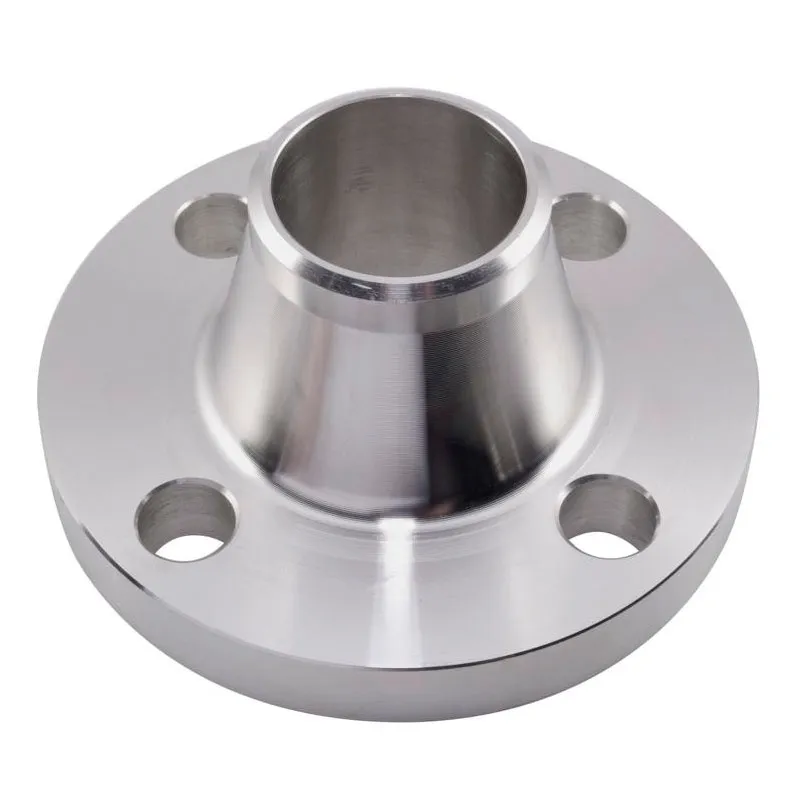
Best Sellingproducts
Best Selling Products-
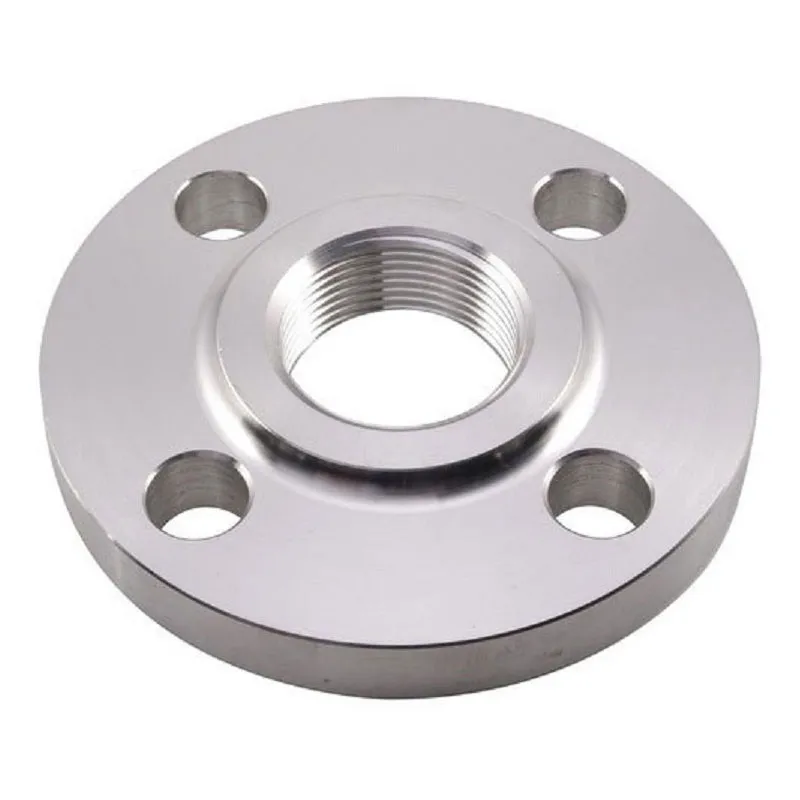 DIN 2565 Threaded flanges PN6
 -
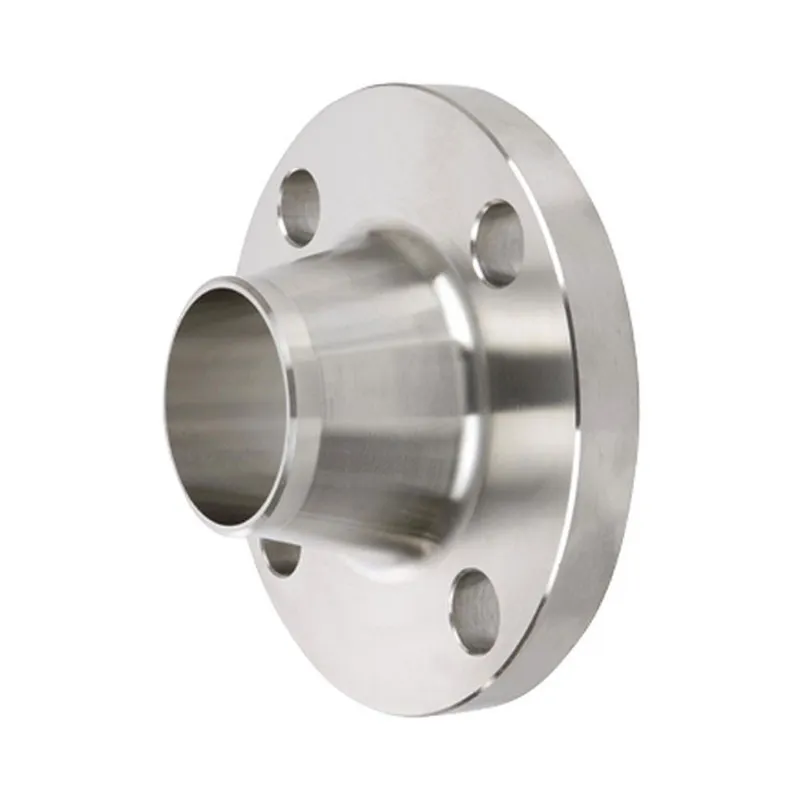 EN 1092-1 Butt weld flanges Type 11, PN25
 -
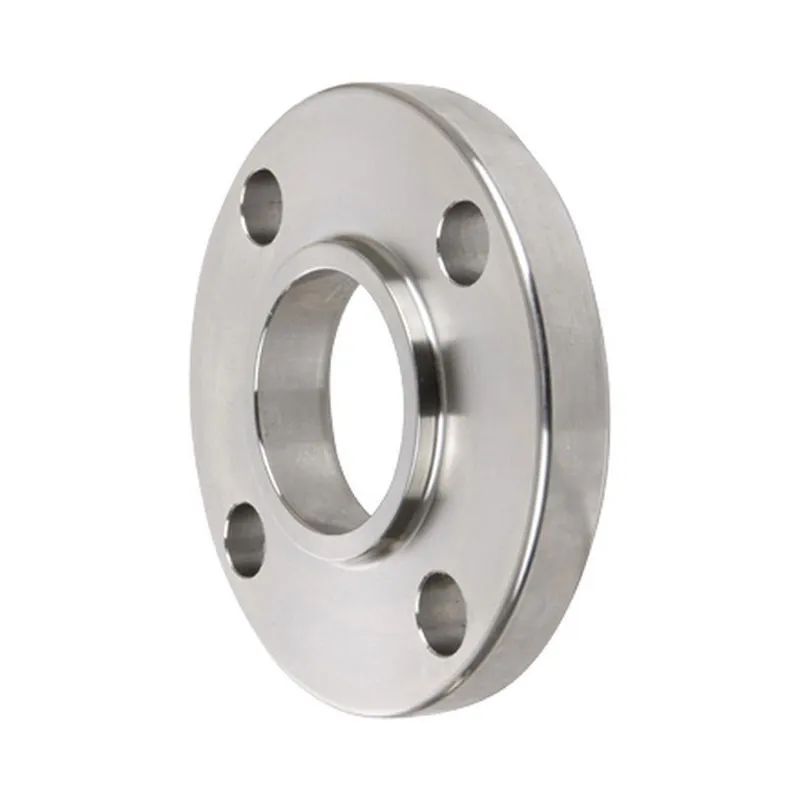 DIN 2501 Overlay flanges PN16
 -
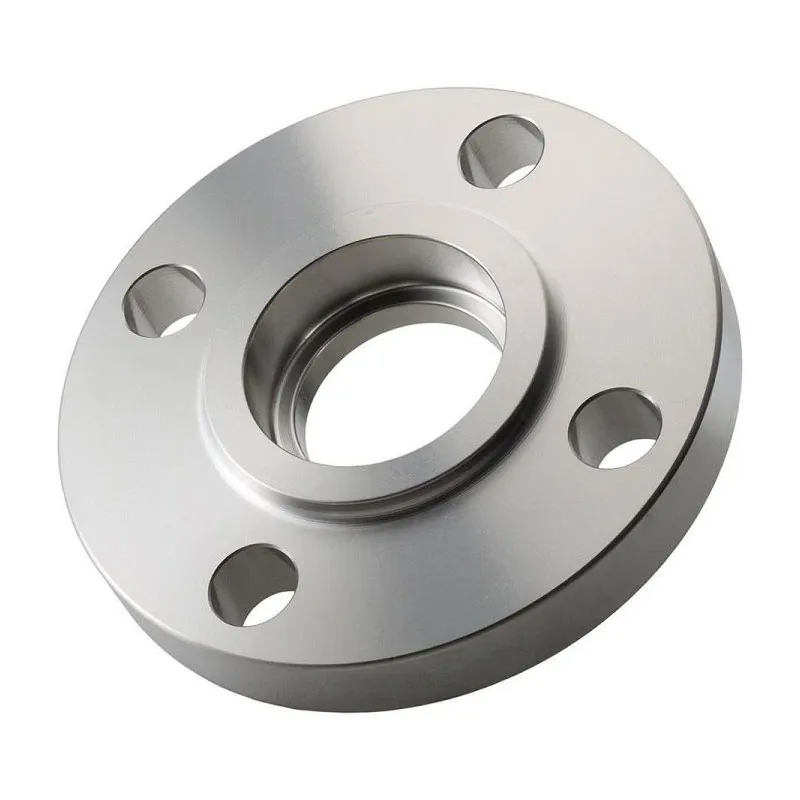
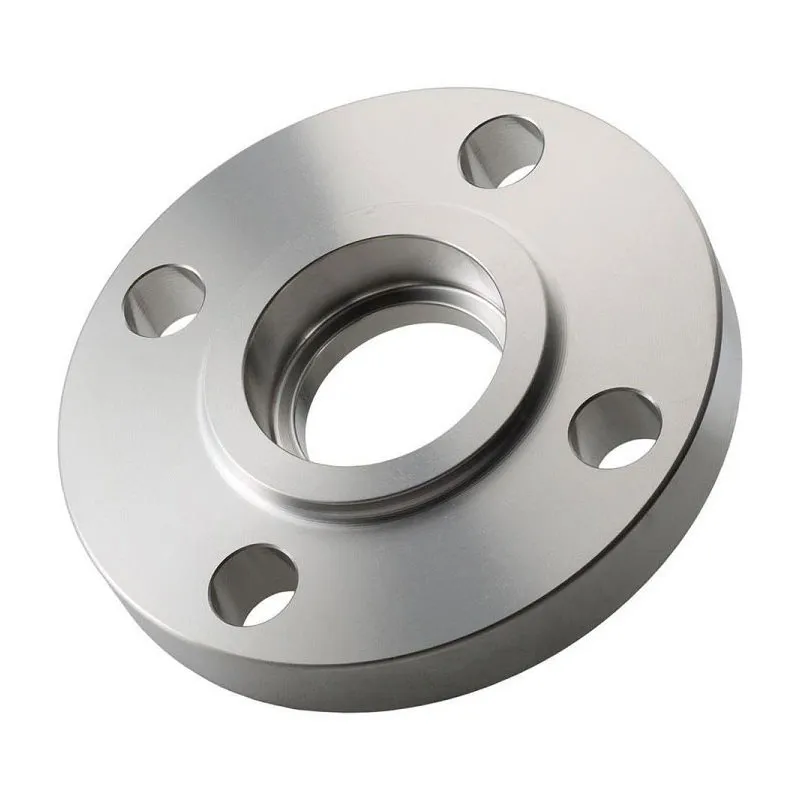 Flanges for socket welding
 -
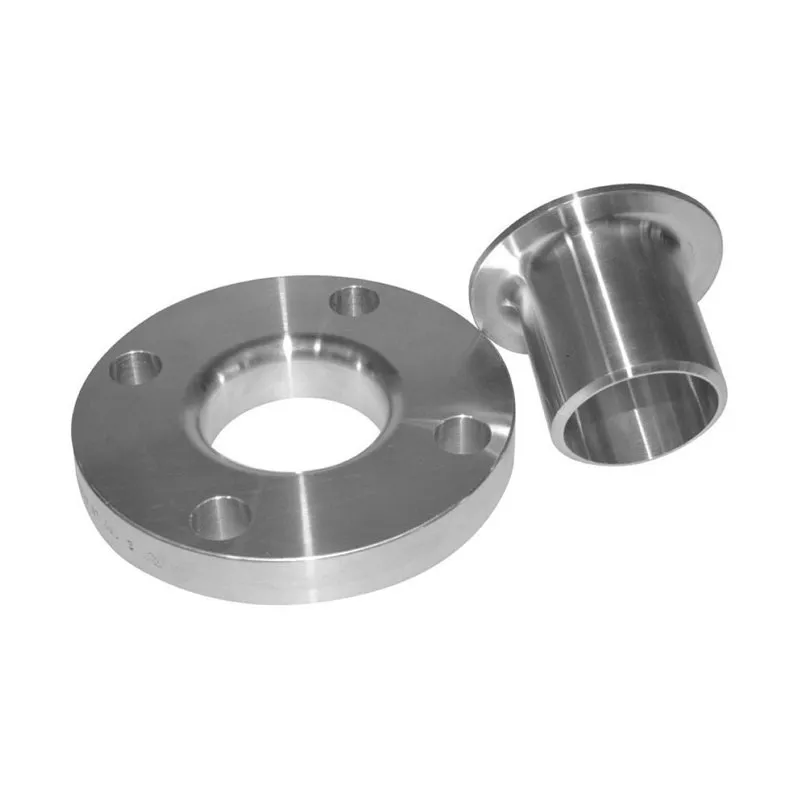 Free ring flanges Class 150
 -
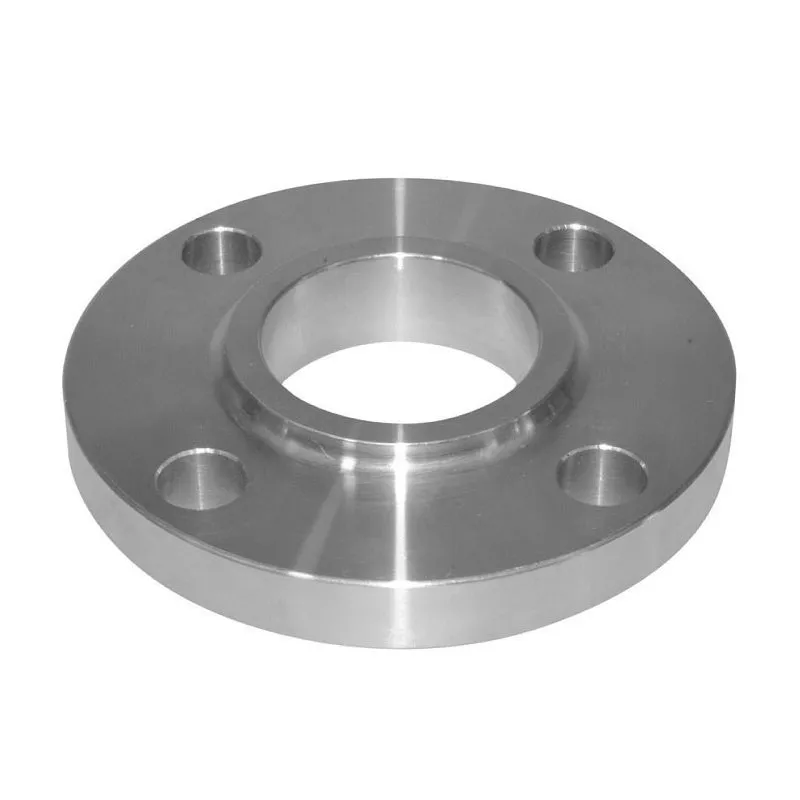 ANSI B16.5 Lap-on flanges Class 1500
 -
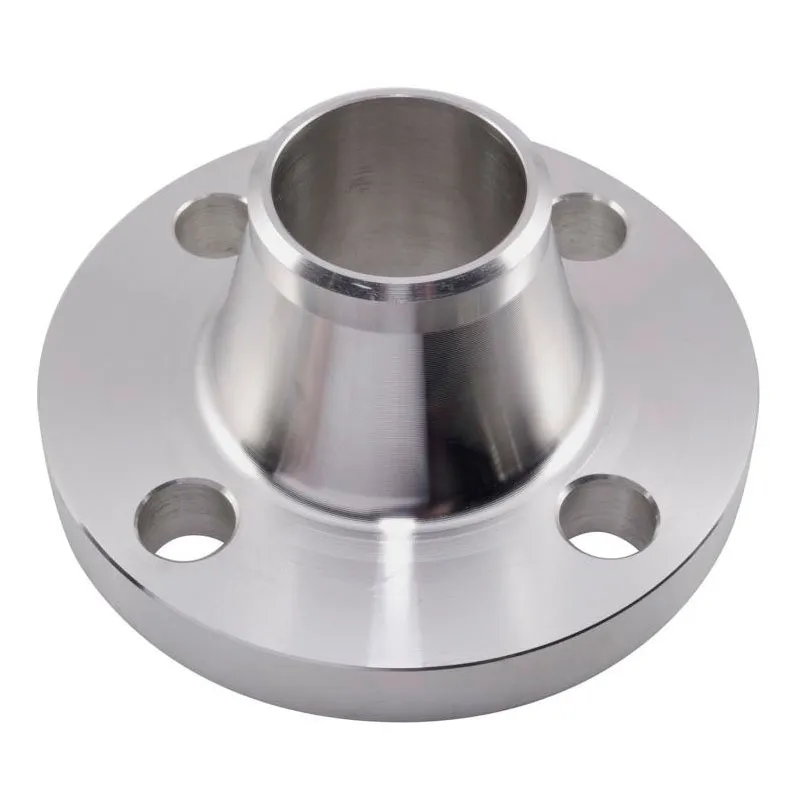 DIN Butt weld flanges PN10
 -
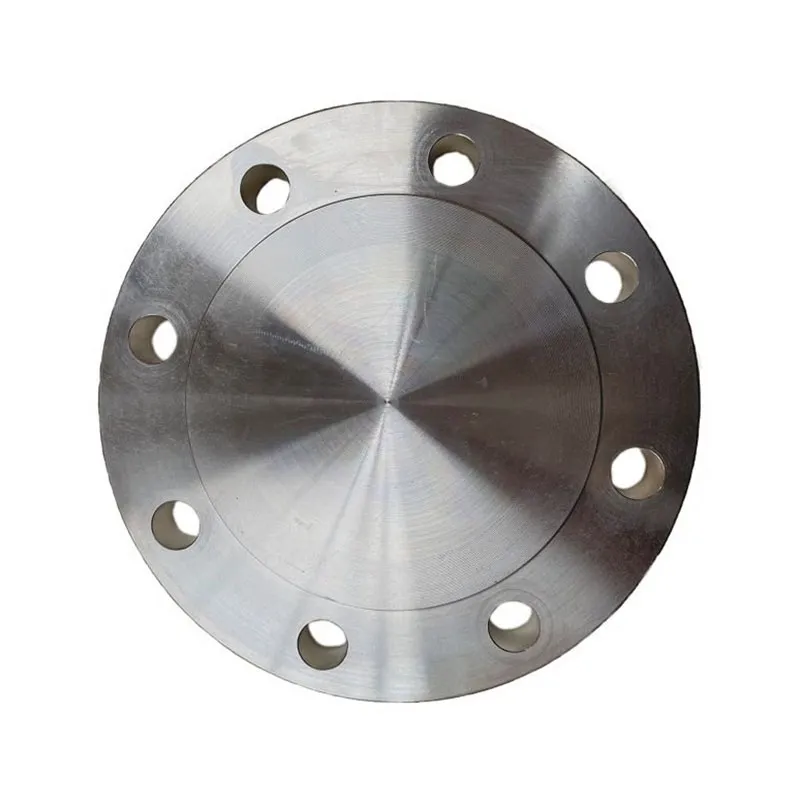 ASME B16.47 Ser.A Blind Flanges Class 400
 -
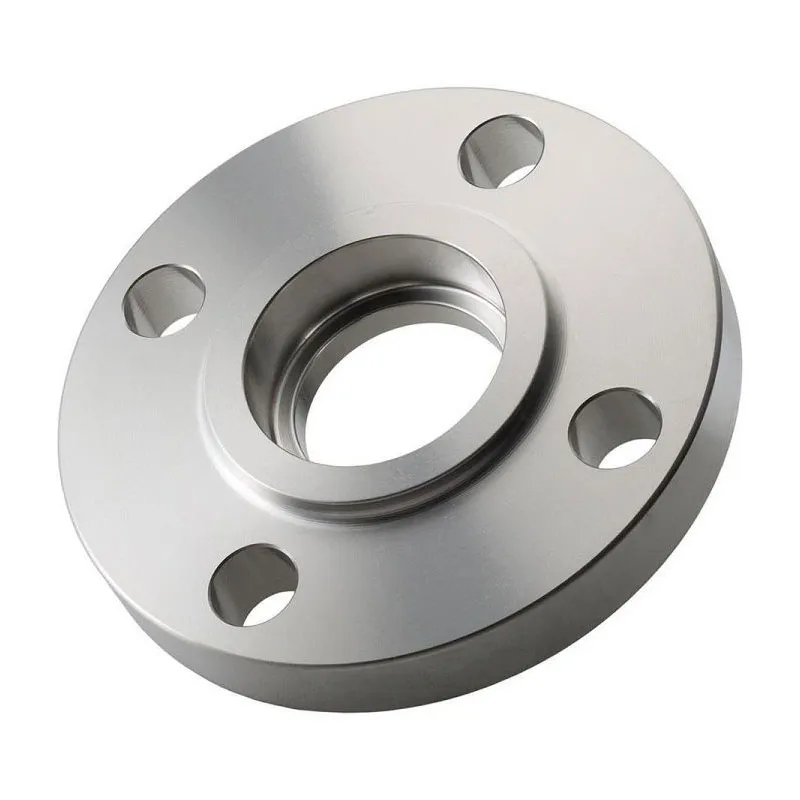 ANSI B16.5 Socket Weld Flanges Class 1500
 -
 UNI 6092 Blind flanges PN10
 -
 UNI 2281 Butt weld flanges PN10
 -
 DIN 2527 Blind flanges PN10