
-
-
Phone
+86-13623462298



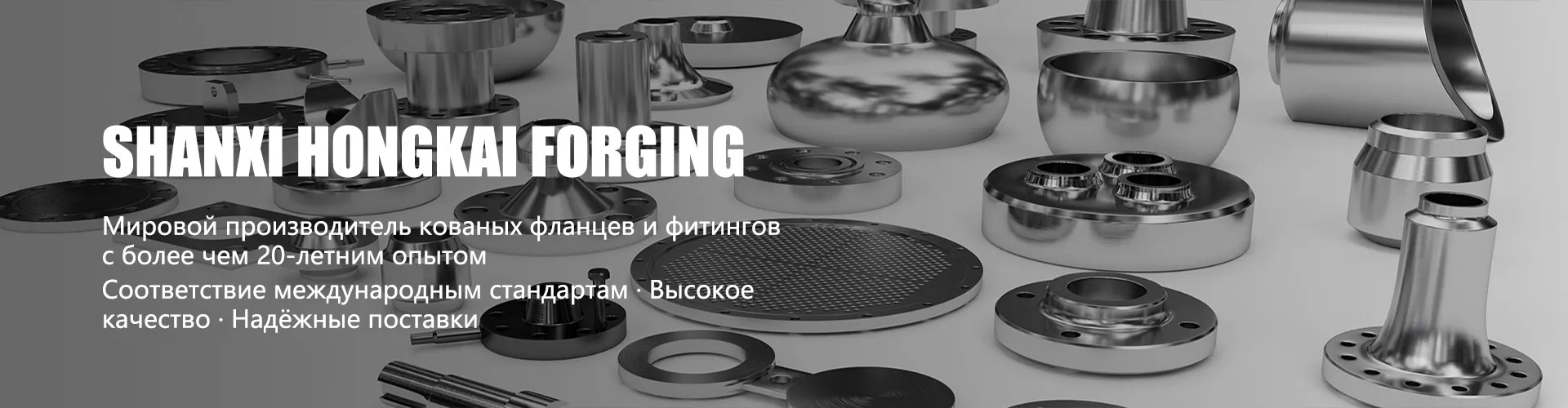
steel flange length
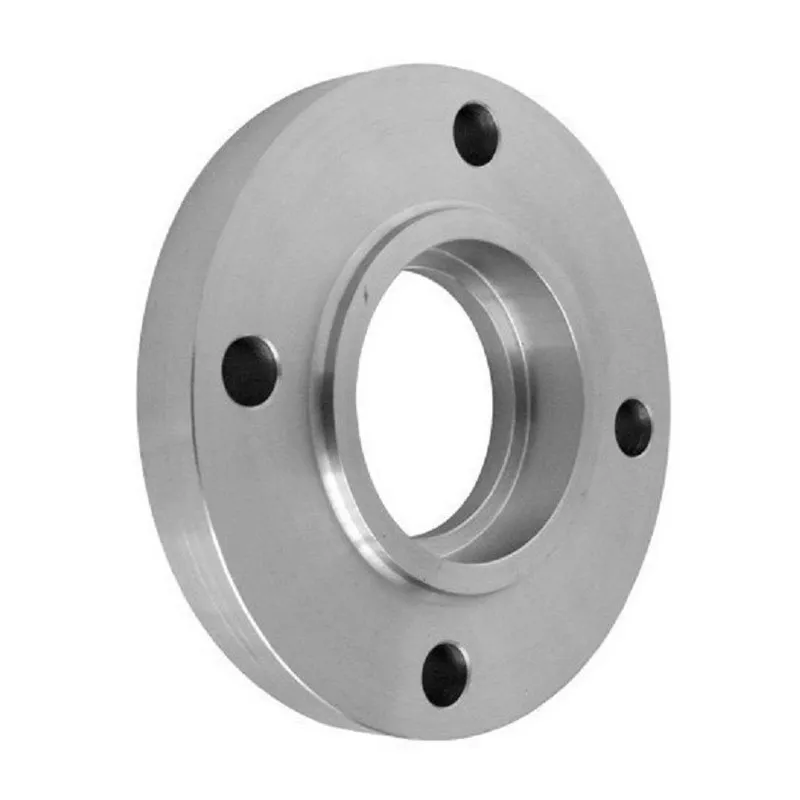
When they talk aboutlength of steel flanges, many immediately imagine simply the distance from end to end. But in practice, especially when joining high-pressure pipelines, this understanding often leads to problems. Length is not just an overall dimension, it is a complex parameter that includes the thickness of the weld neck, the height of the cone, and even the features of the backing surface for the seal. I often see how flanges are delivered to a site, seemingly in accordance with GOST or ASME, but during pre-assembly it turns out that the joint does not fit - either the bolts do not fit, or the gap for welding is incorrect. And almost always the root of the problem is the unaccounted nuances of length.
Why standards are just the beginning
Let's take, for example, standard GOST flanges (formerly GOST 12820-80). The dimensions are clearly stated there, including length. But if you have worked with real pipelines, you know: pipes have tolerances, welds shrink. Blindly taking a flange according to the table is a risk. I personally encountered a situation at a thermal power plant when, to repair a steam section, flanges were ordered according to the exact drawings of the old model. They delivered it, and the welding neck turned out to be a couple of millimeters shorter. It would seem nonsense. But this millimeter had to be compensated for by surfacing, which required additional control of welding, heat treatment of the seam - downtime, extra costs. This is all due to the fact that the calculations did not take into account the possible variation in thickness of the wall of the old pipe.
Therefore, for critical objects, we always ordered flanges with a small technological allowance in length, especially in neck height. This gave freedom to make adjustments on site. Of course, it's a little more expensive, but cheaper than stopping the entire system. Some manufacturers, especially those who work to order, understand this. For example, on the websiteShanxi Hongkai Forging Co.,Ltd (https://www.hkflange.ru) it is expressly stated that they manufacture non-standard products according to customer drawings. This is not just advertising - for a professional it is a signal that such subtleties can be taken into account. A forged flange manufacturer located in one of the forging centers of China usually has experience in real world tasks, not just paper ones.
Another point is that different standards interpret length differently. For example, in ASME B16.5 the emphasis is on overall dimensions, while in EN 1092-1 the distance to the stop may be more important. When import substitution or joining equipment of different origins, this is critical. There was a project with German pumps and our pipes. The flanges according to DIN and GOST are similar in appearance, but the same mounting length was different. I had to order transition kits. Now I always require engineers to check not just the nominal diameter (DN), but complete dimensional drawings with all dimensions referenced.
Effect of manufacturing method on geometry
The length of the steel flange is also a matter of technology. Forged flange like the ones that makeShanxi Hongkai Forging Co.,Ltd, and a flange cut from a sheet or cast are different products from the point of view of the internal structure of the metal. Forging gives a denser, more directional fiber structure. In practice, this means that during processing (for example, cutting a groove for a seal), the forged workpiece behaves more stable and there is less risk of microdeformations. Why is this important for length? Because if the workpiece has internal stresses, after machining or even after transportation it can “lead?” - uncontrolled deformation will occur, the same length will change by fractions of a millimeter. This is unacceptable for high pressures.
I have seen attempts to use cheaper cast flanges in a superheated steam area. After six months of operation, a barely noticeable “eight” appeared on some of them. — the compaction plane is no longer ideal. During dismantling, we measured the difference in length (in height from the end to the rear plane) on opposite sides of one flange reached 0.3 mm. Leakage. I had to change the entire set to forged ones. Since then, for parameters above 40 atmospheres and 300°C, we consider only forging. The description of the manufacturing company confirms this: they position themselves as a manufacturer of forged flanges and forgings, which for a specialist indicates an orientation towards a serious market segment.
And more about processing. Perfectsteel flange lengthachieved not only on the press, but also on a CNC lathe. The order of operations is important. If you first drill holes for the bolts and then grind the neck cone, there may be a misalignment. Experienced technologists always leave the finishing of critical surfaces to the last stage. I think that large manufacturers working according to international standards (GOST, ASME, EN, DIN) have this process streamlined. But upon acceptance, you still need to selectively check not only with a caliper, but also on a calibration plate for parallelism of the planes.
Practical installation pitfalls and how to avoid them
The most common length-related field problem is misalignment of flange pairs during assembly. Let's say there is a flange on the device and a flange on the piping. They may be of the same standard and denomination, but manufactured at different times, by different factories. They are brought together, but the bolts do not fit into the holes. The first thought is an error in the marking of the holes. But often the fault is differentsteel flange length, or rather, different thickness and taper of the welded neck. Because of this, the axes of the holes shift relative to each other. Standards regulate diameters and offsets, but there are tolerances. And if one manufacturer has a flange at the upper limit of thickness tolerance, and another at the lower limit, problems are almost inevitable.
What are we doing? Firstly, for critical lines we always try to order paired flanges from one supplier. This dramatically reduces risks. Secondly, we practice pre-assembly (if logistics allow) or at least checking against control drawings. It's good when a manufacturer like the one mentionedShanxi Hongkai Forging Co.,Ltd, is ready to provide not only certificates, but also detailed reports on dimensional control, including 3D scanning of critical surfaces. This is already above average.
The second pitfall is welding. The length of the flange neck directly affects the heat dissipation during welding. The neck is too short - the metal overheats, large deformations may occur, and the flange will “lead away”. Too long - more deposited metal, more welding time and more stress. There is a rule of thumb: for pipes with a wall thickness of up to 20 mm, the length of the welded neck should be at least half the thickness of this wall, but no more than one and a half times its value. This is not from textbooks, this is from the practice of welders. And this is a parameter that is sometimes worth clarifying when ordering non-standard products.
And the third is thermal expansion. On hot pipelines, the length of the entire section changes. If the flange connection is rigidly fixed, enormous loads arise. Therefore, flanges with an extended neck are sometimes used - they provide a little more flexibility. But here it is important not to overdo it, otherwise the connection will lose rigidity where it is needed. The calculation is a matter for the designers, but the installer must understand why they brought him flanges with an unusually long neck.
Custom sizes: when necessary
Working with the size range from DN15 to DN4000, as specified by many manufacturers, means that the ends of this range have their own nuances. With small diameters (DN15-DN50) everything seems simple. But special length accuracy is often required there, because these flanges are installed on measuring equipment, valves with short connecting pipes. The millimeter plays a role. On the other hand, with giants like the DN4000, the main problem is to ensure uniform thickness and length around the entire perimeter. When forging such products, variations in thickness are possible. Therefore, for large diameters we always check ultrasonic testing protocols not only for the absence of defects, but also for the uniformity of the structure.
Non-standardsteel flange lengthoften required when repairing old equipment, when it is necessary to cut into an existing pipeline with non-standard dimensions. Or during modernization, when the new device has a different connection location. Here, working according to the customer’s drawings is the only way out. It is important that the manufacturer has not only the technical capability, but also an engineering department that can ask the right questions: “What pressure?” What environment? Will there be vibration?? Without this dialogue, even the most accurate flange according to your drawing may not fit into place or withstand the conditions.
In this context, the experience of global manufacturers is valuable. If a company likeShanxi Hongkai Forging Co.,Ltd, works to GOST, ASME, EN, DIN, UNI, BS, JIS, GB standards, which means that their engineers are used to dealing with different technical cultures and requirements. They most likely understand that some tolerances are important for a European customer (according to EN), and others are important for work in the post-Soviet space (according to GOST). This flexibility directly affects their ability to accurately maintain the required length and other dimensions for a specific task.
Inspection and acceptance: what to look for besides the caliper
So, the flanges were brought to the site. There are passports, there are markings. The first step is a visual inspection. We are looking for traces of transport impacts that could change the geometry. Then - basic measurements with a caliper: thickness, outer diameter, bolt diameter. But the key for length is to check that the sealing surfaces are parallel and that the neck axis is perpendicular to this surface. To do this, you need a calibration plate and an indicator. We place the flange with the seal down, measure the height with an indicator at several points around the circumference of the neck or along the outer edge. The spread should not exceed the values specified in the standard (usually fractions of a millimeter).
Controlling the surface roughness of the seal is often overlooked. It would seem that this has nothing to do with length. But if the roughness is not correct (for example, too rough), when tightening the bolts, the O-ring (gasket) will be crushed unequally, which can create the illusion of an uneven gap - as if the flange is “crooked”. And when you start to figure it out, it’s the processing that’s to blame.
And one last thing. The most reliable, but not always accessible, method is laser scanning of the entire geometry. It gives a complete picture, including neck taper and chamfer angle. For particularly critical facilities at nuclear power plants or in the petrochemical industry, this becomes a standard procedure. For most industrial facilities, selective control using a precise measuring instrument and, no less important, the experience of an eye meter is sufficient. After hundreds of flanges have been tested, you begin to see possible problems almost immediately.
Instead of a conclusion: length as part of the system
As a result, talking aboutlength of steel flanges- this is never a conversation about one linear size. This is a conversation about geometry, manufacturing technology, standards, installation and operation. This is a parameter that connects the metal of the workpiece, the work of the turner, the work of the welder and the engineer’s calculations. Neglecting it means risking the integrity, and therefore the safety of the entire system.
The choice of supplier plays a key role here. We need not just a seller of metal products, but a manufacturer with a deep understanding of these relationships, with its own forging and pressing facilities and developed technical control. The ability to manufacture products from DN15 to DN4000 to a variety of standards is an indication of scale and flexibility. Willingness to make non-standard products according to drawings is an indicator of customer focus and engineering culture. All this ultimately works to ensure that the same length, thickness and taper are not just numbers in a table, but a guarantee of a reliable connection for many years. And this, in essence, is the main task of any flange.
Correspondingproducts
Related Products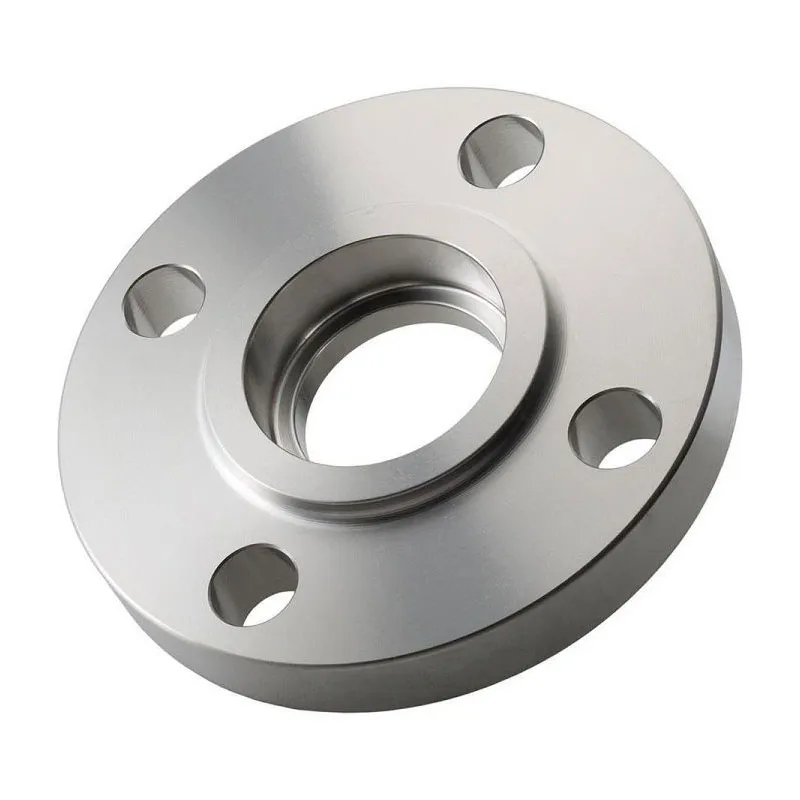
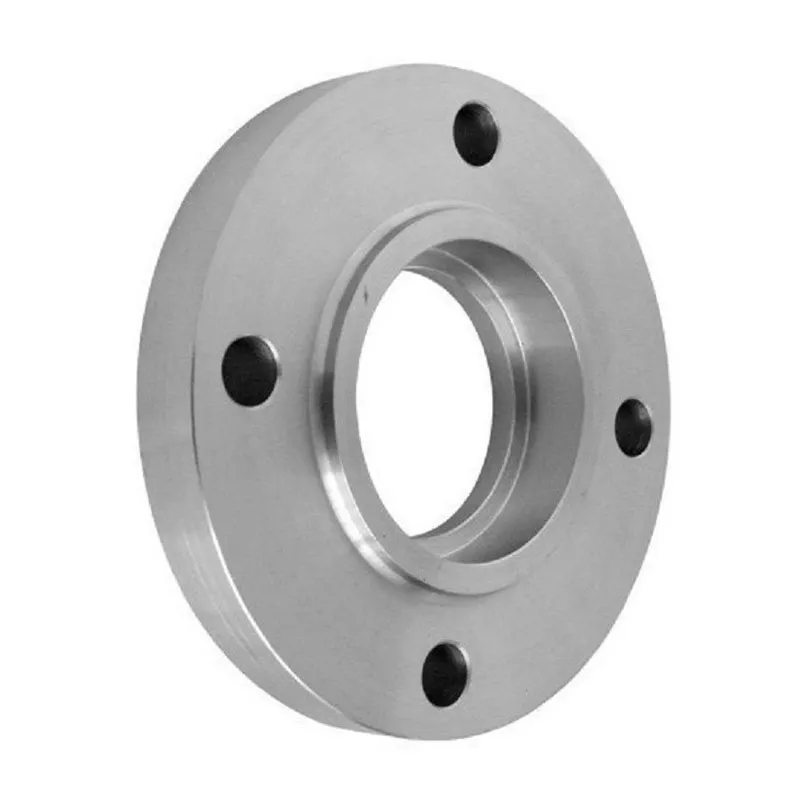
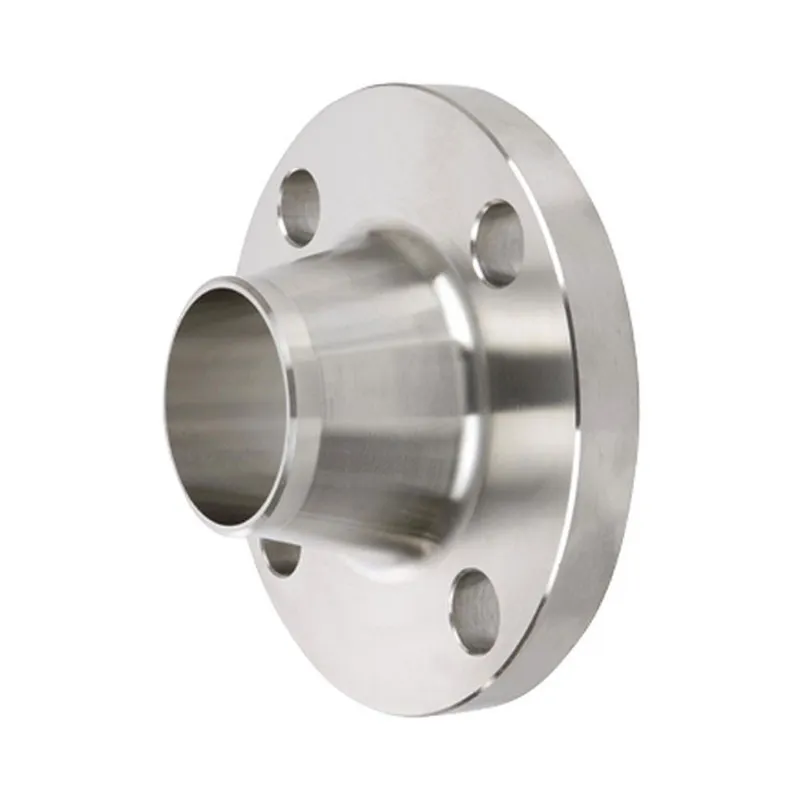
Best Sellingproducts
Best Selling Products-
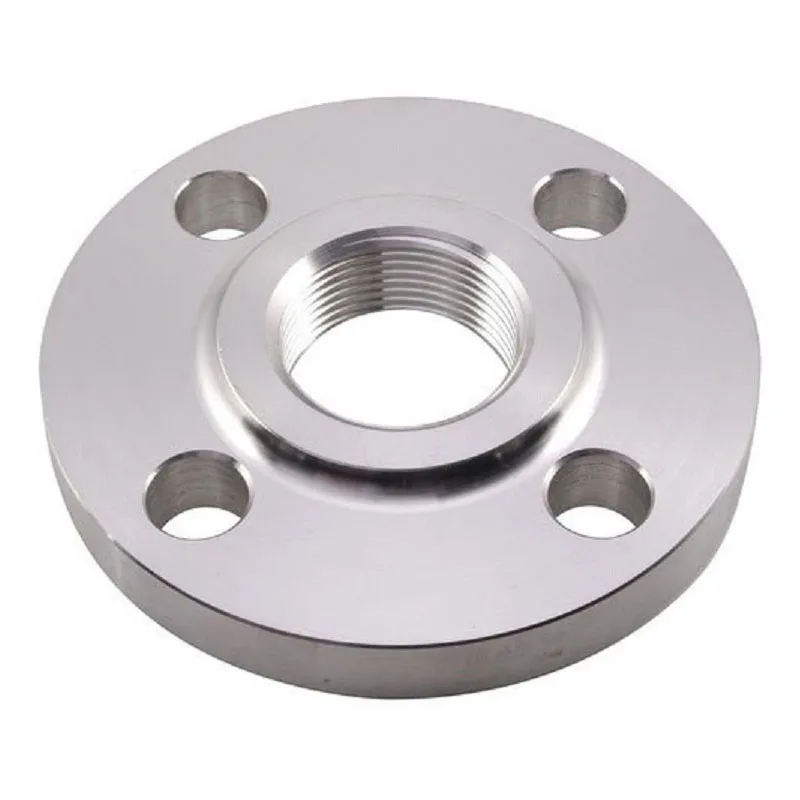 DIN 2566 Threaded flanges PN16
 -
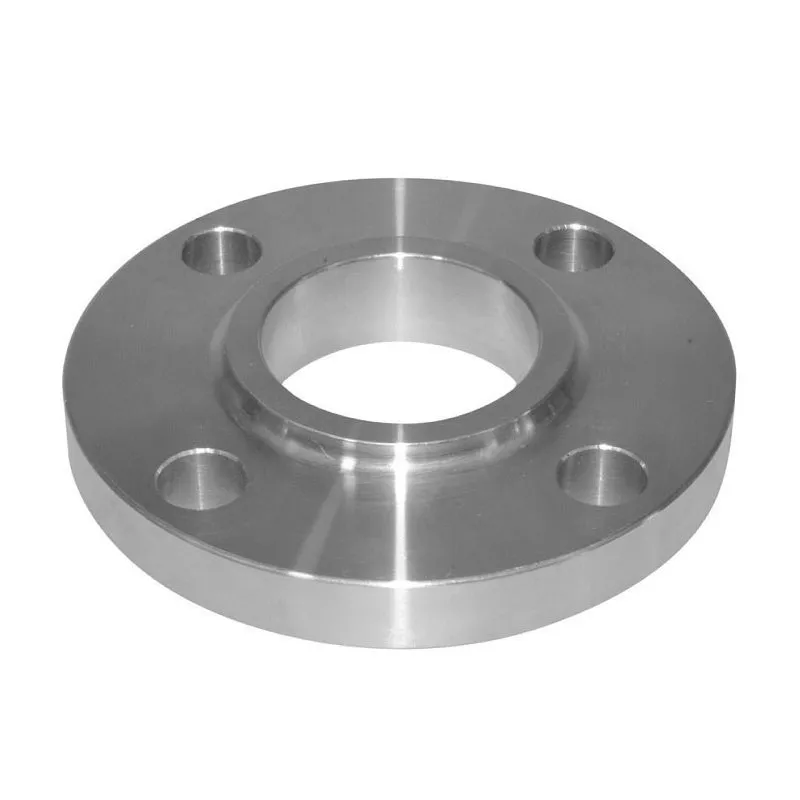 ANSI B16.5 Lap-on flanges Class 1500
 -
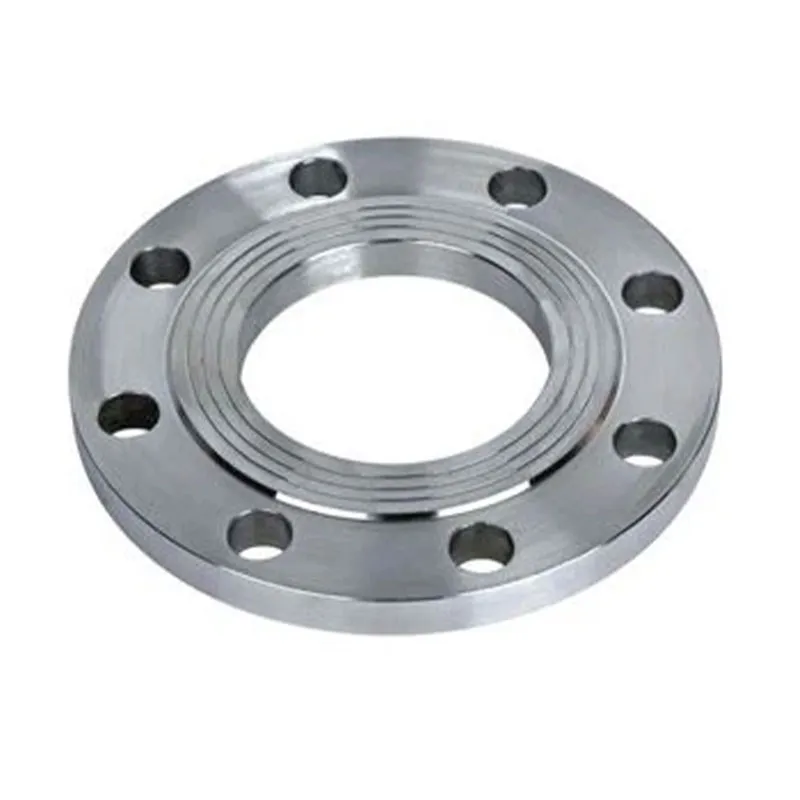 Butt weld flanges Class 150
 -
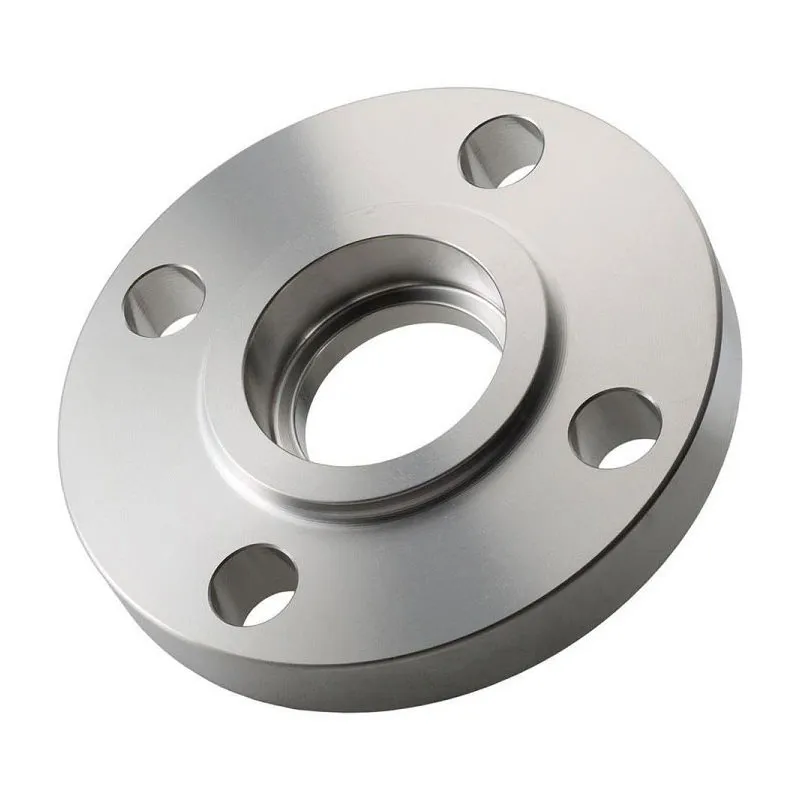 Flanges for socket welding
 -
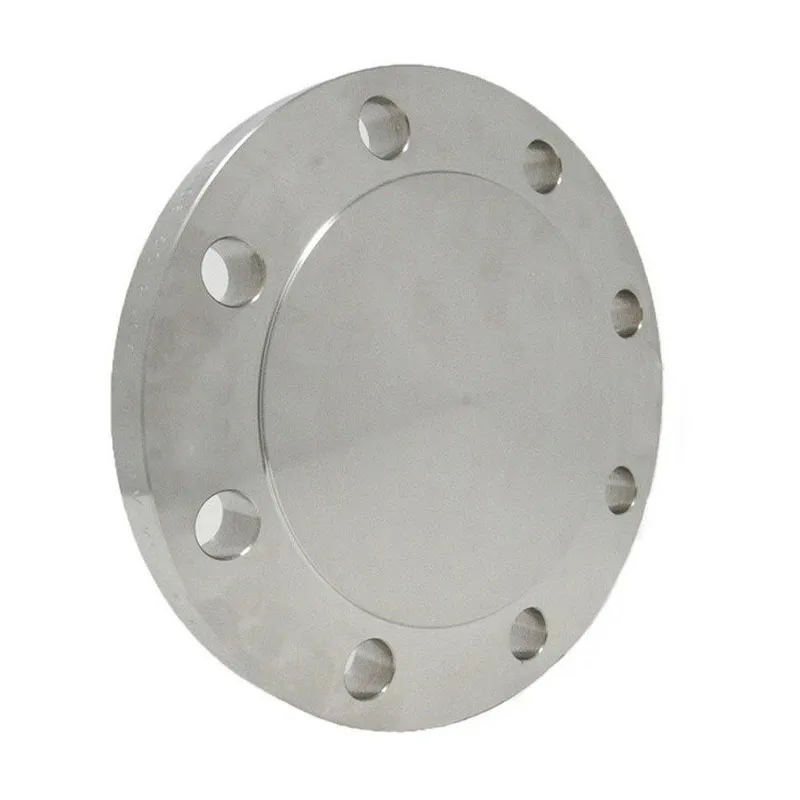 EN 1092-1 Blind flanges Type 05, PN10
 -
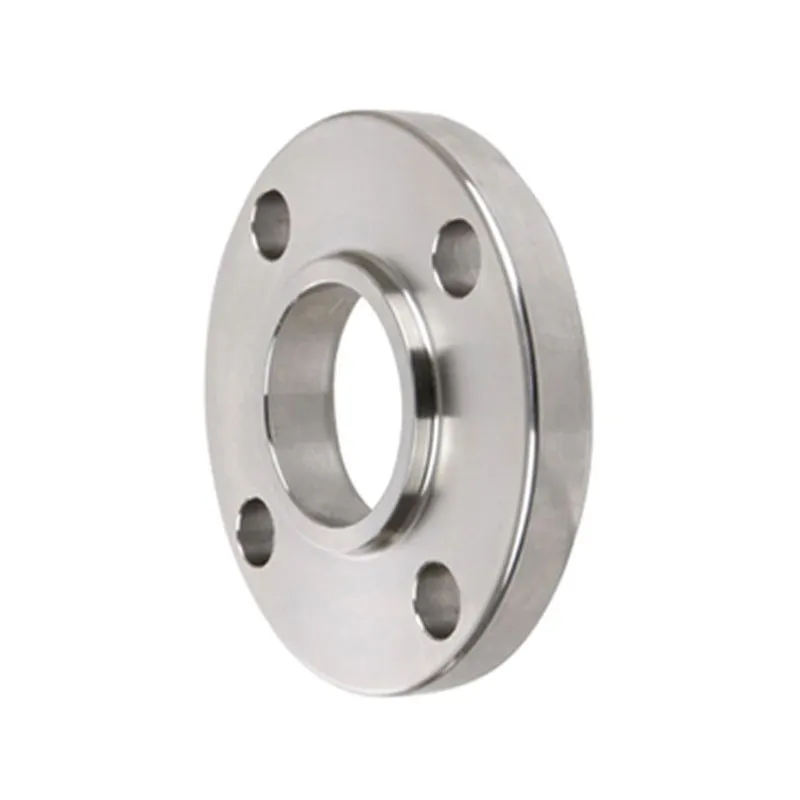 ANSI B16.5 Lap-on flanges Class 300
 -
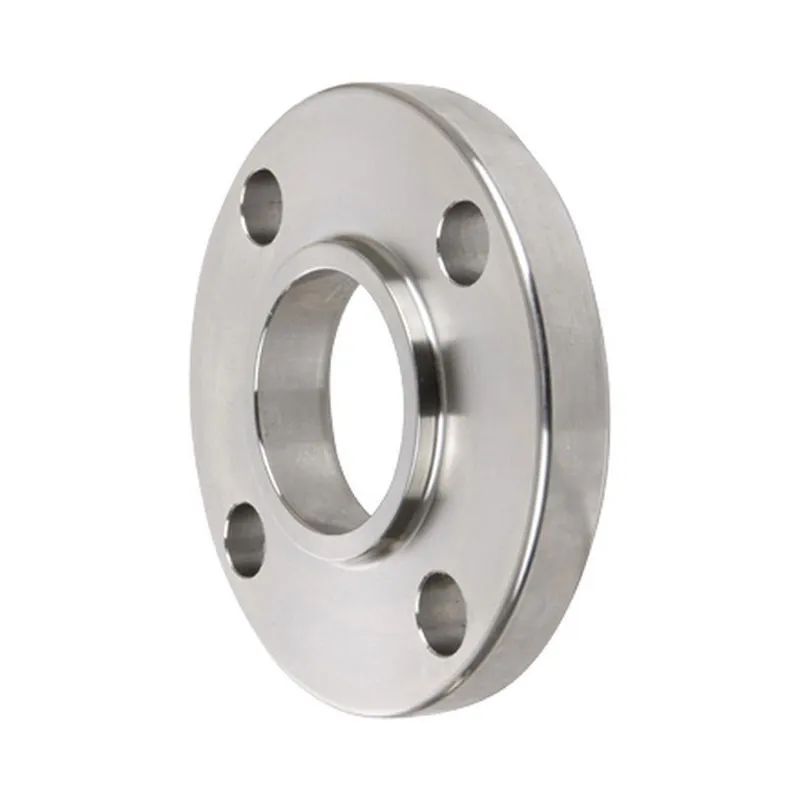 DIN 2501 Overlay flanges PN16
 -
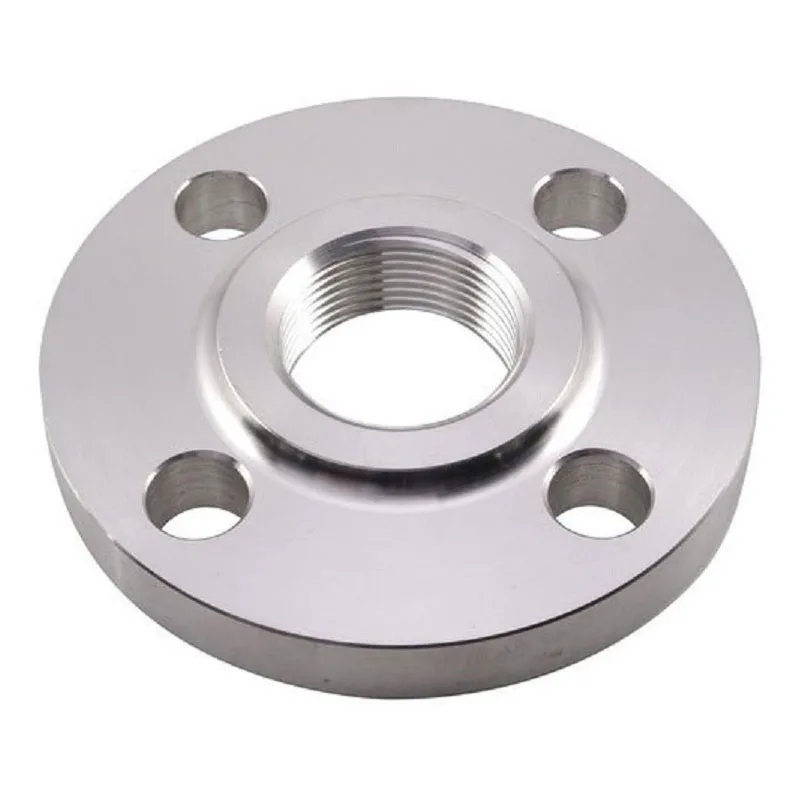 JIS 10K Threaded Flanges
 -
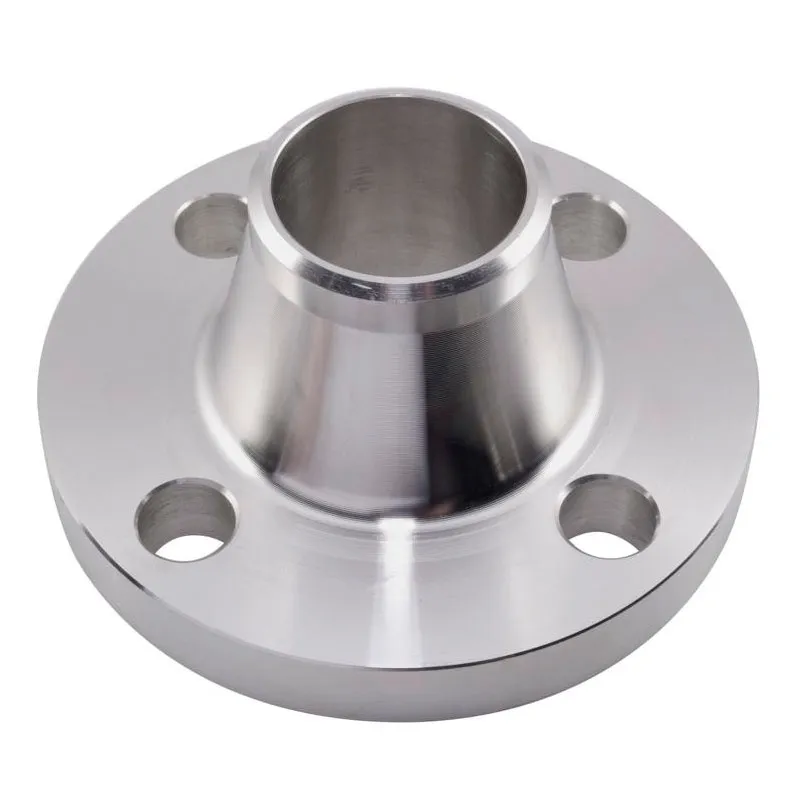 Butt weld flanges Class 900
 -
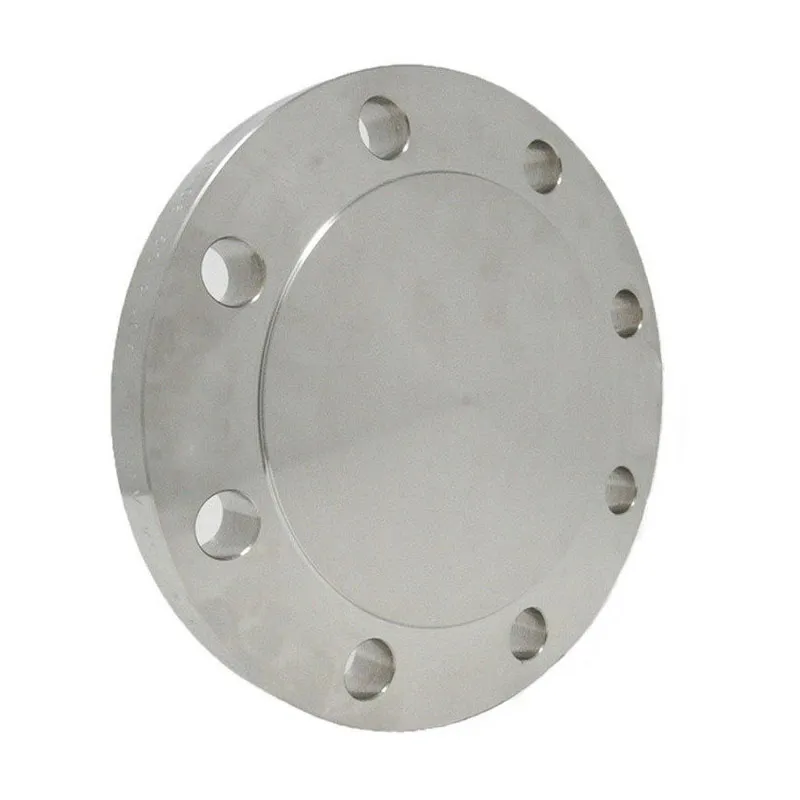 Blind flanges Class 150
 -
 JIS 10K Overlay flanges
 -
 Free ring flanges Class 400