
-
-
Phone
+86-13623462298



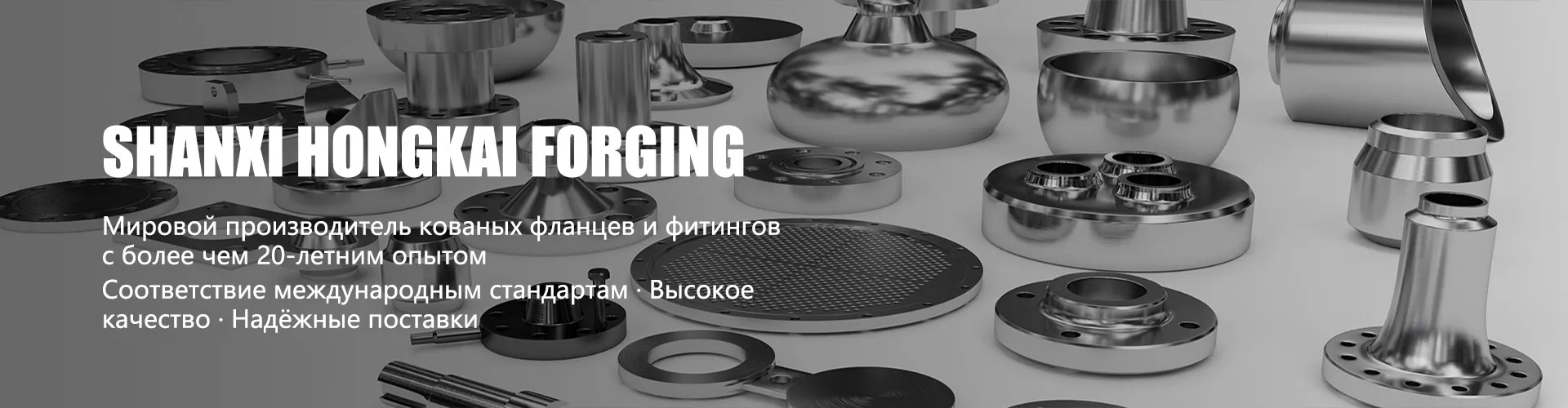
steel flanges st 25
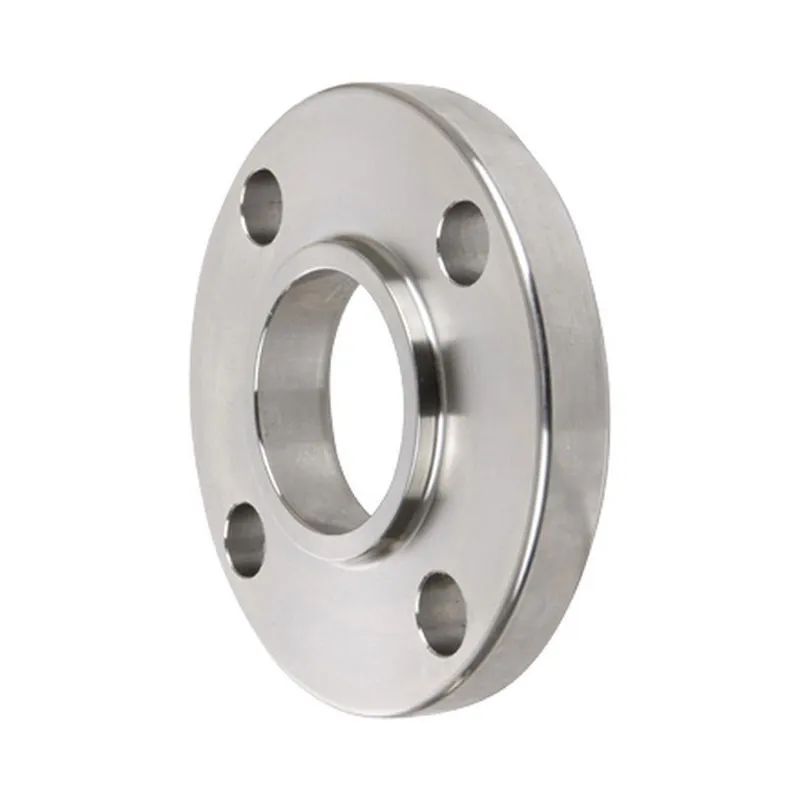
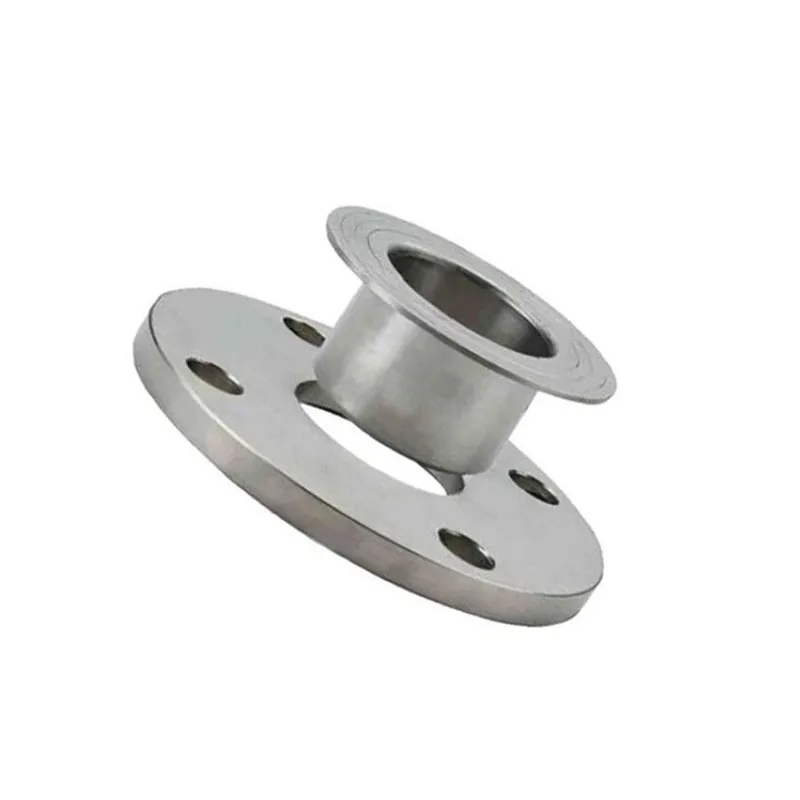
When you hear “steel flanges st. 25?”, the first thing that comes to mind is, of course, steel 25. But this is where the fun begins, and often the confusion. Many people think that since St. 25 is just carbon structural steel according to GOST 380 (or its analogues), then flanges made from it are a simple thing, almost ordinary. In reality, it all depends on the application: for low-pressure steam lines, for water, oil, non-aggressive media - yes, it’s suitable. But as soon as you mention temperatures above 425–450 °C, the strength begins to “float”. I myself have seen more than once how on old heating networks, where according to the design there were flanges made of St. 20, but in fact, St. 25 was installed during the repair, after a couple of seasons cracks appeared in the transition zone from the bushing to the disk. Not critical, but thought-provoking. The key here is not the brand itself, but its behavior in specific conditions. And here the field for professional judgments and, to be honest, mistakes begins.
Steel grade and its real boundaries
So, steel 25. In chemistry: carbon up to 0.22–0.30%, silicon, manganese, impurities. The tensile strength is about 450 MPa, the yield strength is from 275 MPa. The numbers are generally average. For flanges according to GOST 12821-80, GOST 12820-80 is one of the basic brands. But here's what is often overlooked: at low temperatures, its toughness decreases. If the object is in the northern region, you need to look very carefully at the requirements for cold resistance. I remember one project for an oil depot near Omsk, where the specification required st 25 flanges, but upon closer examination of the customer’s specifications, it turned out that the design temperature was minus 45 °C. I had to urgently reconsider in the direction of 09G2S. This is the very case when the letter of the standard does not save, you need to delve deeper.
Another nuance is welding. There are usually no problems with St. 25, it cooks well, but preheating and subsequent heat treatment for thick-walled flanges of large diameter (say, from DN500 and above) is not a whim, but a necessity to relieve residual stresses. Otherwise, microcracks may develop in the area of the weld with the pipe. At one of the thermal power plants I observed such a picture on the flanges connecting the valves to the main line - after hydrotesting, a “tear” appeared. just along the border of the heat-affected zone. The reason is welding on site without proper mode control. The material seemed to be correct, but the execution let us down.
And, of course, we must not forget about corrosion. In dry environments, no problem. But if we are talking about a humid atmosphere or water with impurities, then without a protective coating - galvanizing, primer - the resource is sharply reduced. I always recommend that customers clarify the environment. It happened that they delivered a batchsteel flanges st 25with factory primer for installation on an external service water pipeline. A year later, a request came for another batch of the same - as a replacement. It turned out that the water was high in chlorides and the coating was too weak. Lesson: Even seemingly simple water requires detailed specifications.
Production and control: where the pitfalls lie
Now about how this is done. The main manufacturing methods are forging and stamping. Forged flanges, in my experience, usually have better metal quality, a more uniform structure, and fewer internal defects. This is especially important for critical nodes. For example, the Chinese manufacturer Shanxi Hongkai Forging LLC. (websitehttps://www.hkflange.ru). They specialize in forged flanges and forgings. Their range includes products in accordance with GOST, including, naturally, those made from steel 25. What is important is that they work according to international standards (ASME, EN, DIN), which means that a quality control system must be built. For me, as a specialist, the fact that the manufacturer has certificates for these systems is an important signal. Not just a piece of paper, but an understanding that they probably monitor the chemical composition of each melt, mechanical tests, and heat treatment.
But even with a good manufacturer you need to be careful. Control at the entrance is sacred. I always insist on providing certificates with specific numbers: not just “complies with Article 25,” but the full chemical composition, tensile test results, impact strength at +20 and, if necessary, at subzero temperatures. Once we received a batch of flanges, where the impact strength KSU in the certificate was at the lower limit of the norm. We double-checked it and it turned out to be even lower. The reason is possibly a deviation in the normalization mode. The batch, naturally, was rejected. The manufacturer, by the way, at that time was not “Hunkai”, but another, less famous one. Since then, I treat documents with double attention.
Another practical aspect is surface treatment. The end surface of the seal (the so-called “mirror?”) under the gasket must have a certain roughness. Too rough - the gasket will be “there”, too smooth - it may not provide a tight seal. Forflanges st 25working, say, with paronite gaskets, the optimal Ra is 3.2–6.3 microns. It happens that they bring flanges with a perfectly shiny, almost polished mirror - it looks beautiful, but the technologist grabs his head. You have to modify it manually. This is about the importance of technical specifications and understanding the final installation.
Standards and sizes: not everything is GOST that knocks
When working with flanges, you are constantly faced with the issue of standardization. Steel 25 is a Russian/Soviet standard. But the world is big. Let's say your equipment is European, with flanges according to EN 1092-1. We need a transition. An analogue material for Art. 25 in Europe can be considered something like P265GH according to EN 10028-2. But these are analogues, not complete replacements! Mechanical properties and testing requirements may vary. Therefore, when the manufacturer, the same Shanxi Hongkai Forging LLC, states in its description (https://www.hkflange.ru) about production according to GOST, ASME, EN, DIN and others - this is a serious statement. It means that they probably have the technical ability and documentation to produce to a specific standard, with all its nuances. For the engineer, this expands the options available.
Now about the sizes. The range from DN15 to DN4000 is a huge range. With flanges of small diameters there are usually few problems. But when it comes to large diameters (say, DN1000, DN2000 and above) forsteel flanges st 25, other laws come into force. Firstly, the workpiece itself. Getting a quality forging or casting of this size is an art. Secondly, processing. You need an appropriate machine. Thirdly, the most important thing is deflection. When installing and tightening the bolts, a large-diameter flat flange can simply “sag?” in the center, breaking the flatness. Therefore, for large diameters, flanges with stiffeners are often used or preference is given to butt-welded flanges, which structurally better distribute the load. This is not always spelled out in the standard, but comes with experience.
And one more thing about standards. GOST 12821-80 (butt flanges) and GOST 12820-80 (flat flanges) are our bible. But they have different rows of designs for sealing surfaces (for example, design 1, 2, 3...). An error in specifying the design on the drawing can result in the delivered flange not mating with the mating part of the fittings. I had a curious case in my practice: they ordered flanges according to an old drawing, where it was indicated “execution 1”. And the fittings were purchased new, imported, with a seal for an oval-section gasket (which corresponds to a different design). As a result, I had to urgently order adapter rings. Trifle? No, this is downtime and additional costs.
Non-standard situations and solutions
Life often throws up problems that are not in textbooks. Custom flanges are a different story. Let's say you need a flange made of St. 25, but with a non-standard arrangement of holes, or with an additional fitting, or thickened beyond the norm to compensate for high loads. Here work is already underway according to the customer’s drawings. And this is where it is important to cooperate with a manufacturer who has experience in such work. On the same sitehttps://www.hkflange.ruIt is indicated that Shanxi Hongkai Forging Co.,Ltd. also manufactures non-standard products according to drawings. It's valuable.
From a personal note: there was a project where a DN800 blind flange was required, but with a design pressure higher than that provided by GOST for this diameter and material. The standard thickness did not fit the calculations. The solution is to increase the thickness of the disk and stiffeners. We made a design drawing and sent it to the factory. The most important point was heat treatment after machining to relieve stress. We did it, tested it, and survived. But the key to success was precisely the close interaction: our calculations and their technological capabilities for forging and heat treating such a massive part.
Another common non-standard situation is repairs. A flange burst at an existing production facility. The equipment is old, there are no drawings. You arrive and take measurements: diameters, thicknesses, bevel angles, sizes and locations of holes. Everything is done by hand, sometimes in inconvenient conditions. Then an urgent need to make a replacement. And here the speed and accuracy of the manufacturer are worth their weight in gold. And again, the material - if the original was from St. 25, then it is better to change it to a similar one, so as not to create a galvanic couple and so that the coefficients of thermal expansion are similar. It would seem like a small thing, but if you put a flange made of a different grade of steel on a steam line, you can get problems with depressurization under cyclic temperature loads.
Final Thoughts: Simplicity That Demands Respect
Like this, casually talking about seemingly simplesteel flanges st 25, you come to the conclusion that this simplicity is very deceptive. Yes, this is mass production. Yes, it is ideal for many tasks. But the professional approach is to see behind the abbreviation ?st 25? not just a range, but a whole set of properties, restrictions and conditions of use. This includes the behavior of the metal at different temperatures, the nuances of welding, the requirements for corrosion protection, and the subtleties of the standards.
Selecting a supplier is also part of this approach. When you see that a company, like the mentioned Shanxi Hongkai Forging LLC, positions itself as a manufacturer of forged flanges with a wide range of standards and the ability to work according to drawings, this inspires a certain confidence. Because it speaks to the possible depth of the technological process and flexibility. But, again, trust, but verify. Certificates, random tests, geometry control - this is a mandatory minimum.
Ultimately, working with any material and product is a dialogue between theory (standards, calculations) and practice (installation, operation, repair).Flanges st 25- is no exception. Their reliability in the system depends not only on how they were made at the factory, but also on how they were calculated, installed and under what conditions they operate. Understanding this chain is the very professional competence that distinguishes just an installer from an engineer. And this article is just quick notes in the margins, the result of many years of encounters with reality, where an ideal standard meets a practice that is far from ideal.
Correspondingproducts
Related Products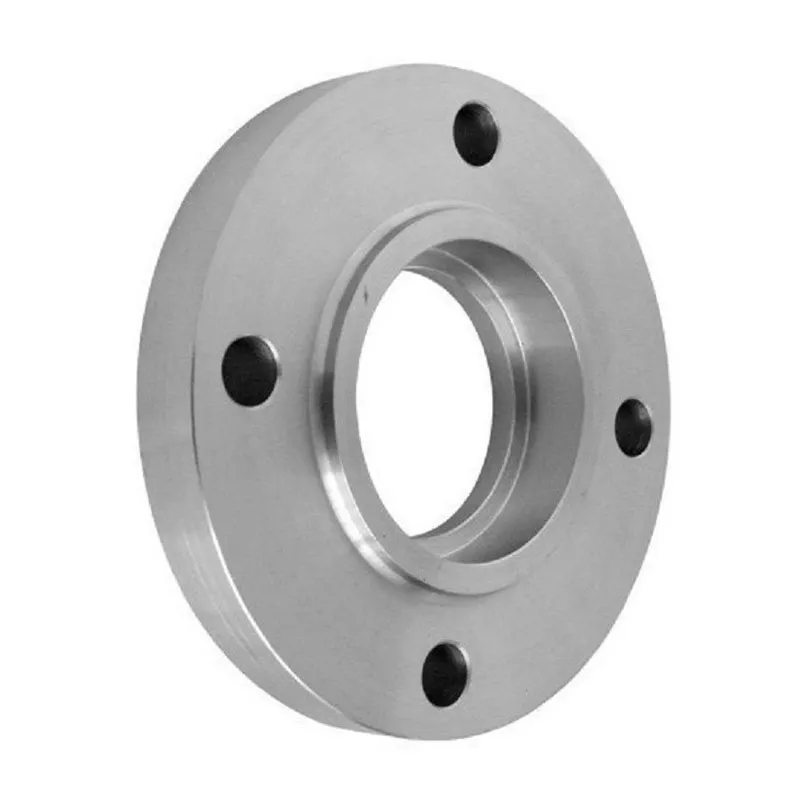
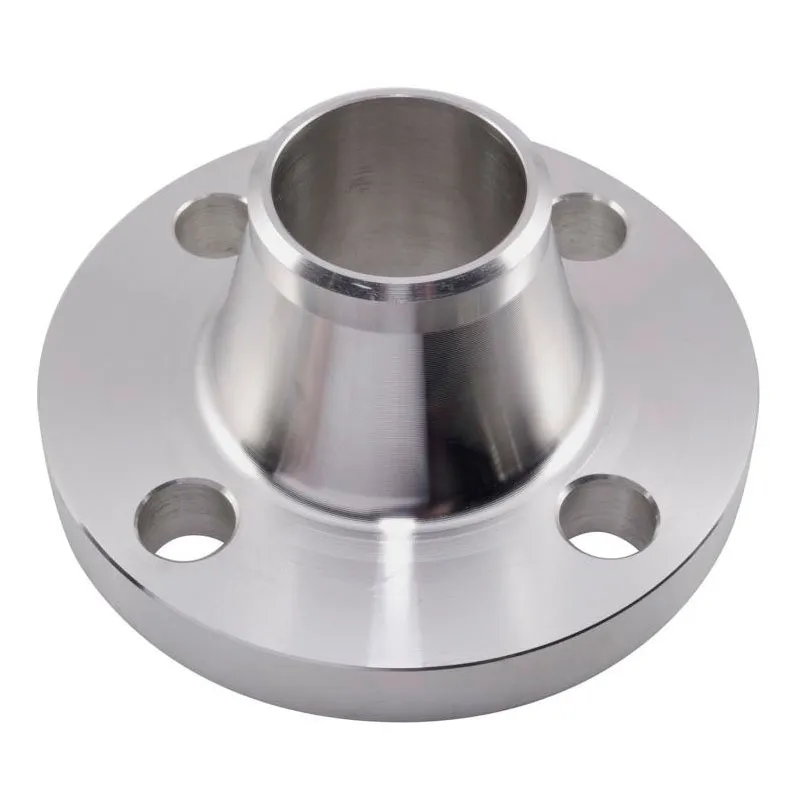
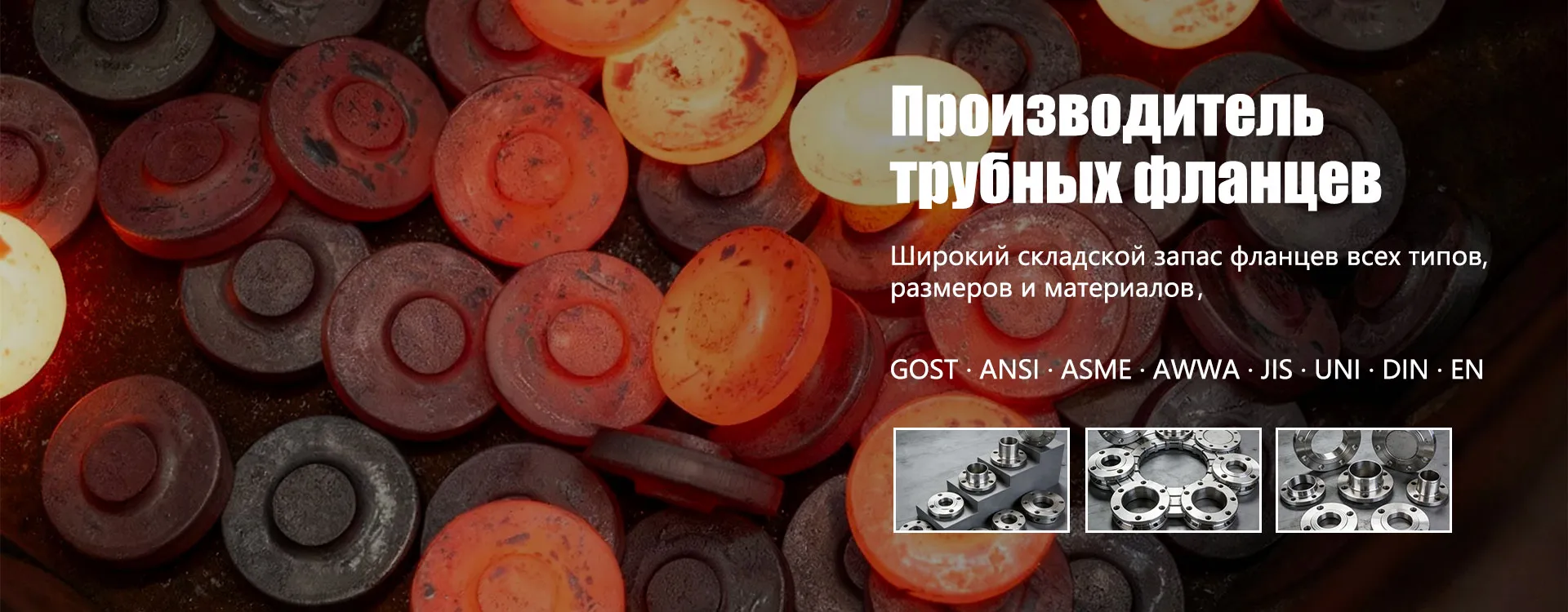
Best Sellingproducts
Best Selling Products-
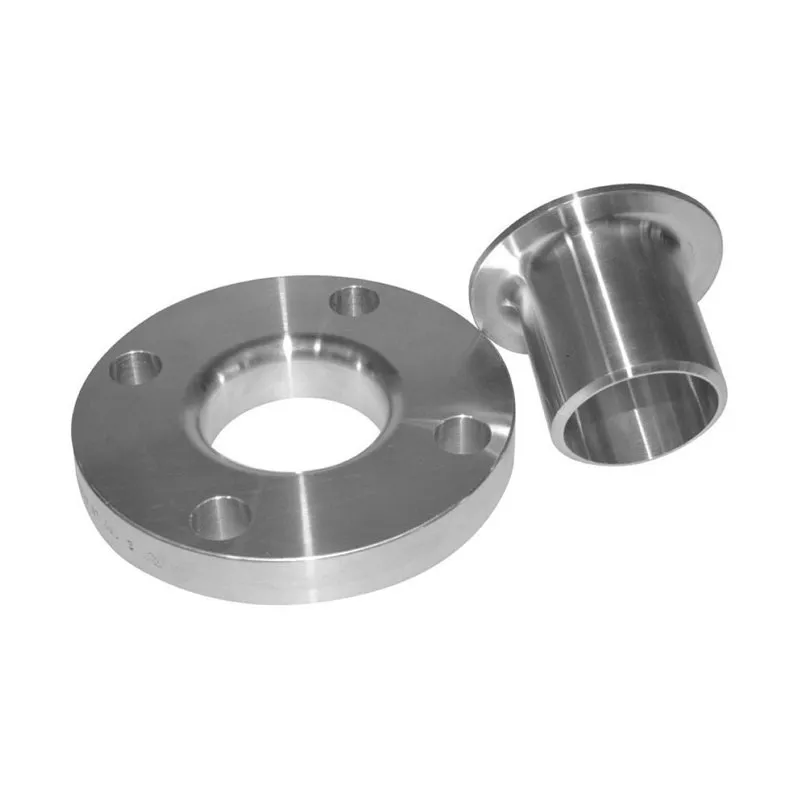 Free ring flanges Class 150
 -
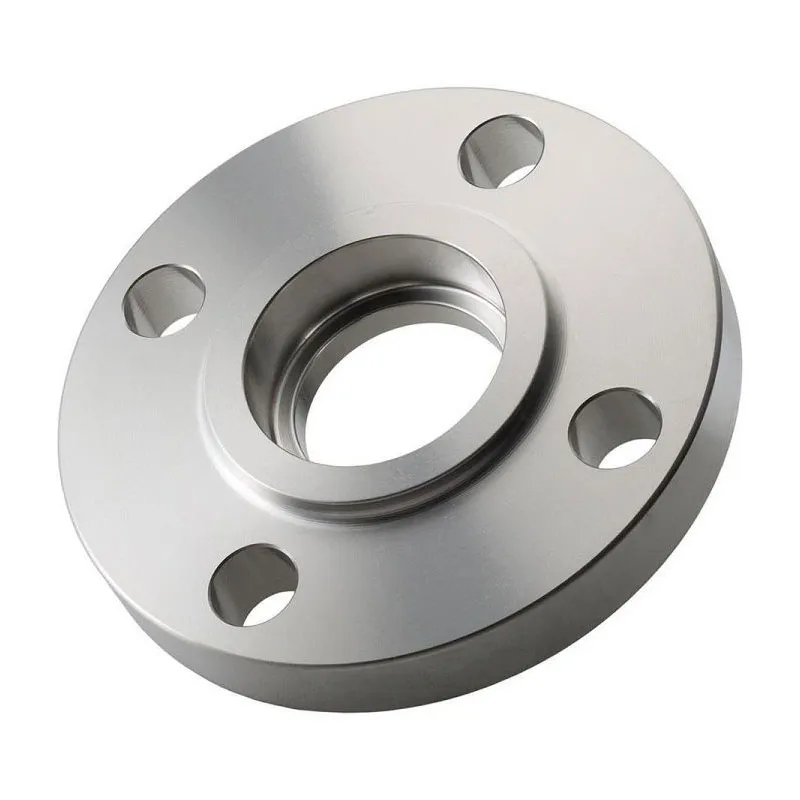 ANSI B16.5 Socket Weld Flanges Class 1500
 -
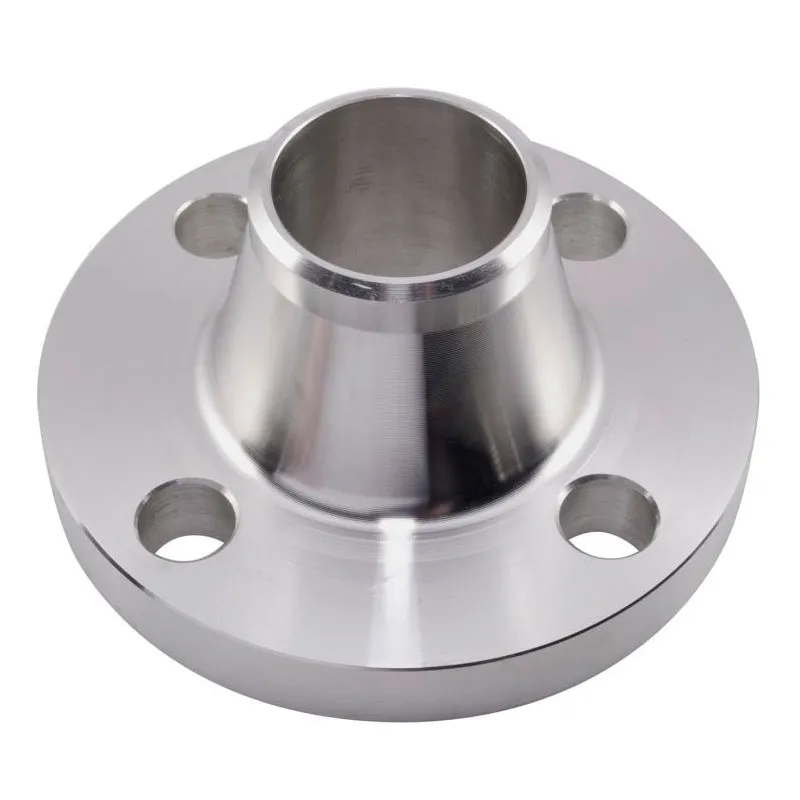 UNI 2281 Butt weld flanges PN10
 -
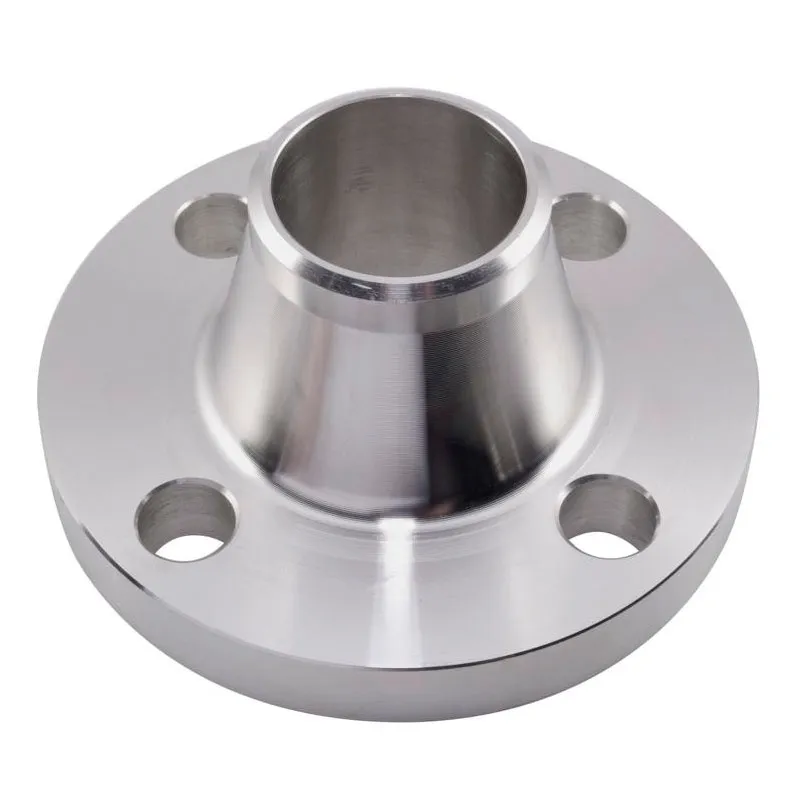 Butt weld flanges Class 900
 -
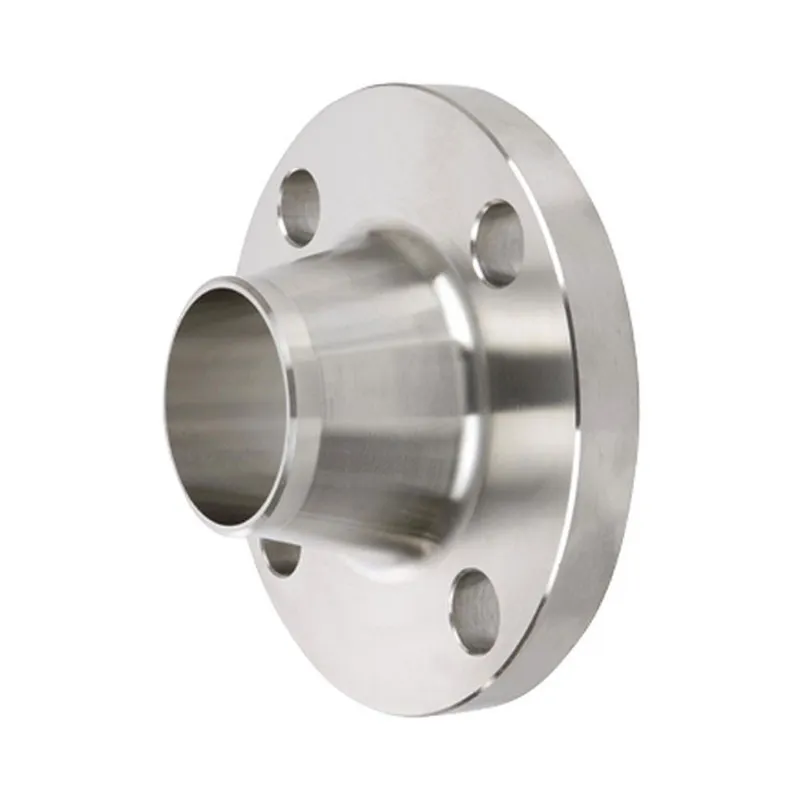 EN 1092-1 Butt weld flanges Type 11, PN25
 -
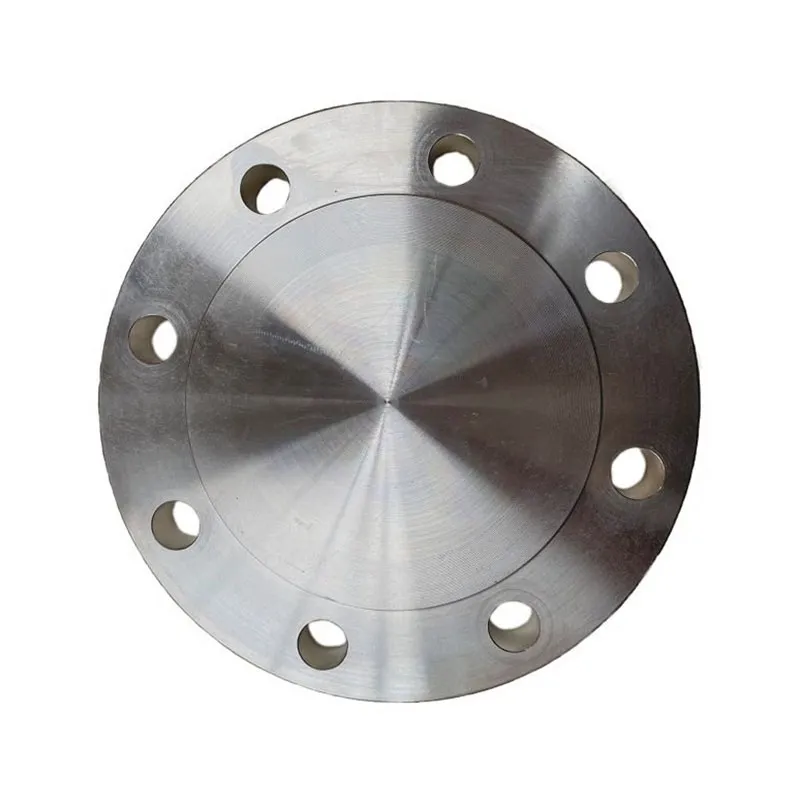 UNI 6092 Blind flanges PN10
 -
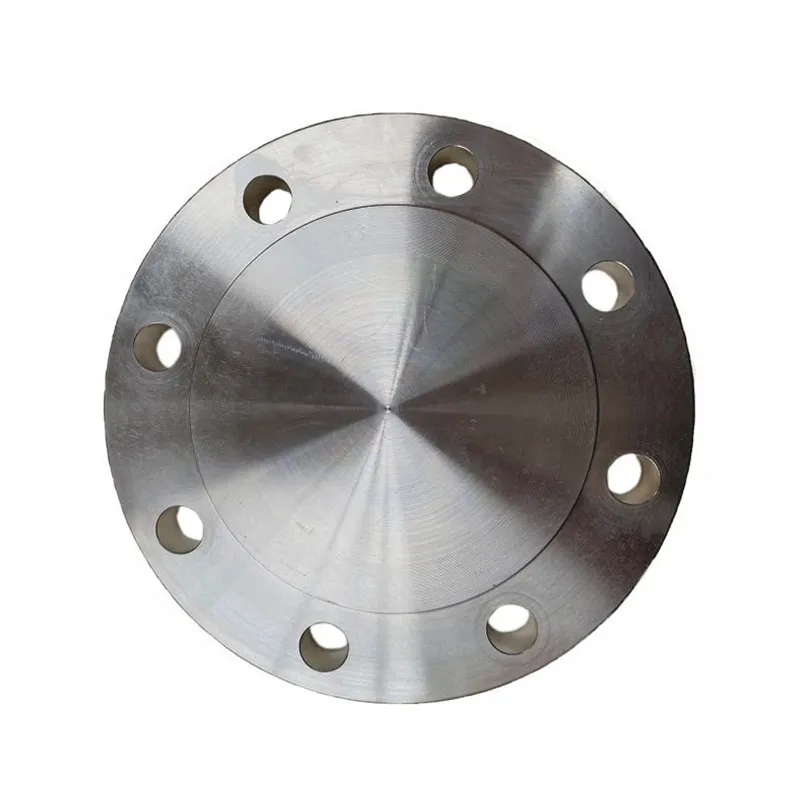 DIN 2527 Blind flanges PN10
 -
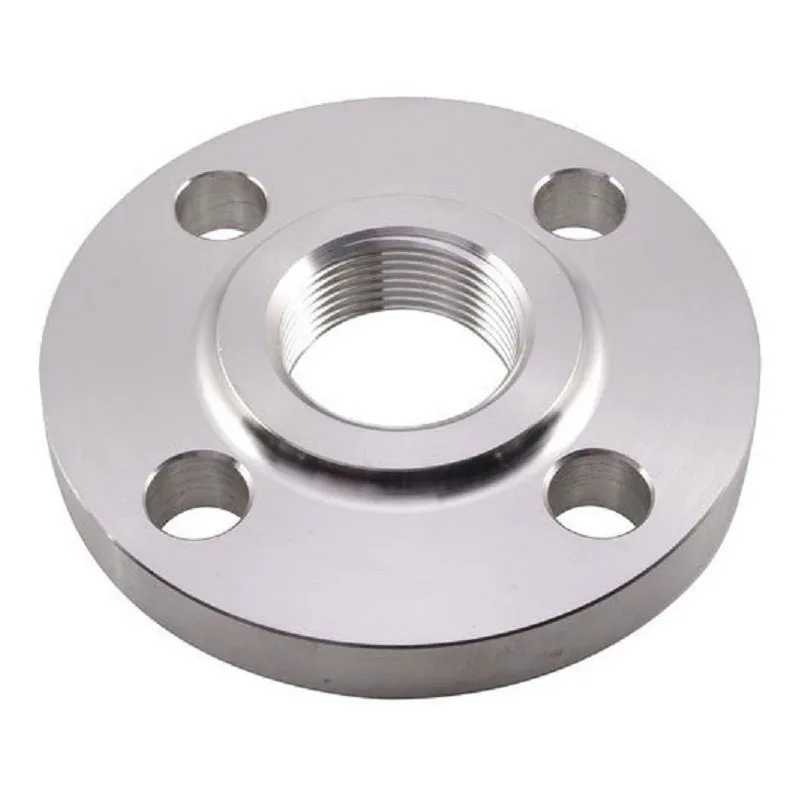 ANSI B16.5 Threaded Flanges Class 600
 -
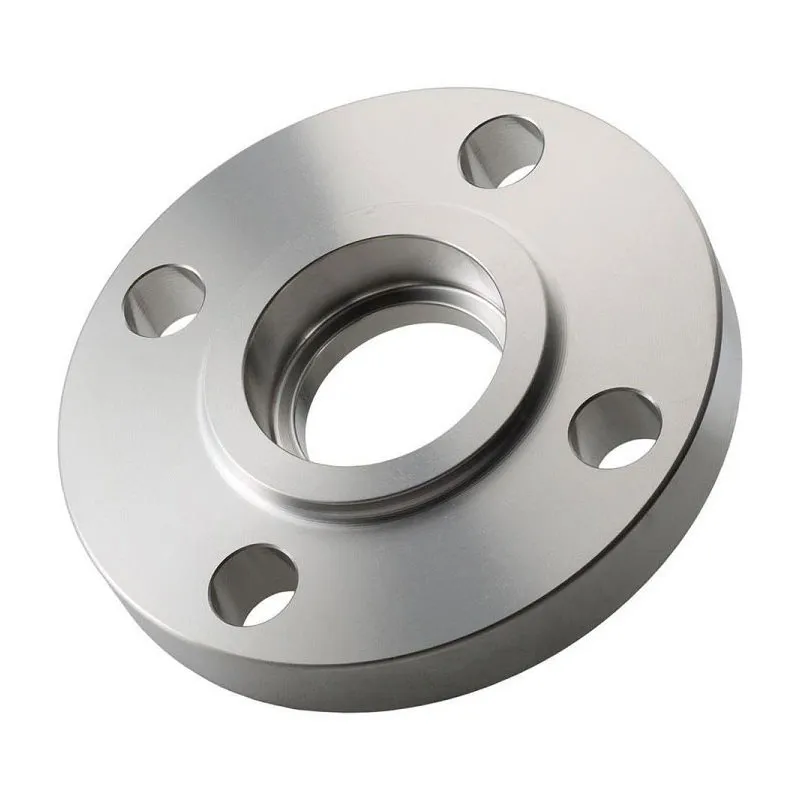 Flanges for socket welding
 -
 DIN 2565 Threaded flanges PN6
 -
 Ser.A Butt Weld Flanges Class 400
 -
 EN 1092-1 Blind flanges Type 05, PN10