
-
-
Phone
+86-13623462298



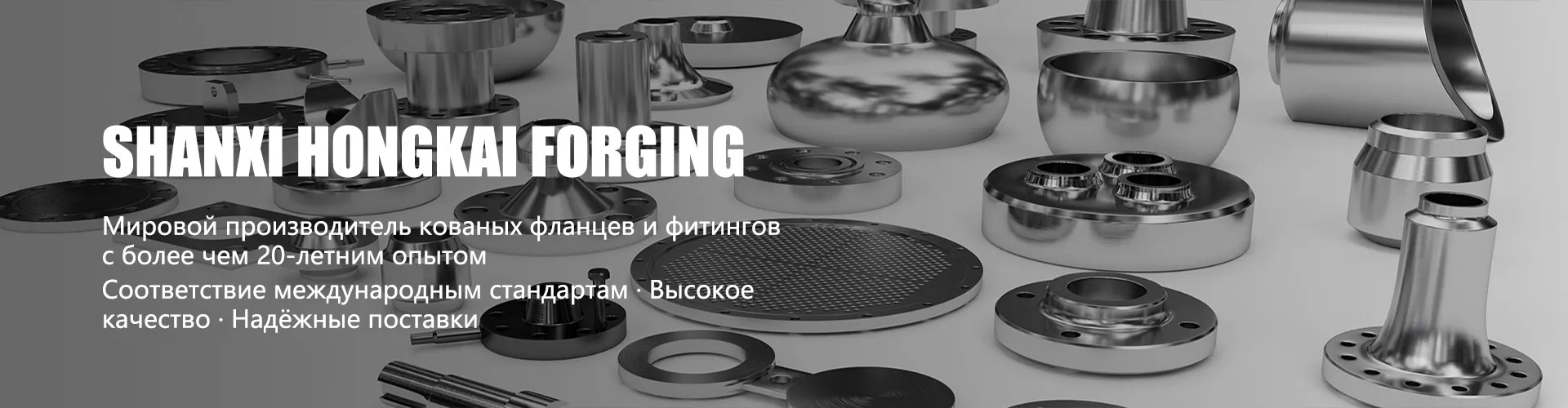
galvanized steel flanges
When they talk aboutgalvanized steel flanges, they often imagine just a steel flange coated with a layer of zinc - and everything seems to be clear. But in practice, there are a lot of nuances here that emerge already at the installation stage or, worse, during operation. I myself came across situations where the customer specifically demanded a galvanized version “for reliability”, without really delving into what specific environment and conditions it was intended for. And then questions arose about pitting corrosion on cuts or loss of coating adhesion due to temperature changes. I will try to present my observations, without gloss and general phrases.
What are we really talking about: not just ?zinc coating?
In the industrial nomenclature undergalvanized steel flangesusually refers to products that have undergone a hot-dip galvanizing process. This is not painting or electroplating. The workpiece - a ready-made, processed flange - is immersed in a bath of molten zinc. A continuous surface layer is formed, which is not just a barrier, but provides electrochemical protection. But the key point that many people miss: the quality of the coating directly depends on the preparation of the surface before galvanizing. The slightest traces of scale, incomplete etched scale or residue from process lubricants will lead to an uneven coating and future pockets of rust.
In our production partnerships with e.g.Shanxi Hongkai Forging Co.,Ltd (https://www.hkflange.ru), which specializes in forged flanges and forgings, this stage is strictly controlled. They produce forgings and flanges according to international standards (GOST, ASME, EN and others), and send fully machined products for galvanizing. It is important that forging as a method of obtaining a workpiece gives a more uniform metal structure, which has a positive effect on the quality of the subsequent coating - there are fewer internal stresses that may appear later.
A frequent question: are all types of flanges equally suitable for hot-dip galvanizing? Loose flanges (on a welded ring) - yes, usually no problem. But with butt-welded flanges (WN) there is a subtlety: you need to be very careful when galvanizing the end for welding. If the zinc layer flows onto the chamfer, this will create problems during subsequent welding - you will have to clean it off, which will compromise the integrity of the protection. Therefore, competent manufacturers either mask this area or provide for subsequent mechanical processing of the chamfer after galvanizing.
Where does it really work, and where is it a waste of money?
Main scope of applicationgalvanized steel flanges- these are, of course, atmospheric conditions, outdoor structures, some water supply systems (cold water), non-aggressive environments. Zinc has excellent resistance to atmospheric corrosion. But I strongly do not recommend them for most process piping in the chemical or oil and gas industries, especially at elevated temperatures or in contact with acidic environments. Zinc is an active metal, it will be “sacrificial” corrode, but in aggressive chemistry this process can become too intense and lead to rapid destruction of the coating and contamination of the transported medium with corrosion products.
I had experience at one of the construction sites: we purchased a batch of galvanized flat flanges for the external piping of a boiler room. It seems logical - dampness, temperature changes. But they forgot that steam pipelines would run in the immediate vicinity. Thermal radiation from the hot pipes constantly heated these flanges. After a couple of years they started to get “white rust”. - a product of zinc corrosion, and in places of greatest heating the coating began to peel off. I had to change it. Conclusion: operating temperature is a critical parameter. Long-term - preferably not higher than 200°C, short-term - up to 300°C. Then structural changes in the coating begin.
Another practical point is installation. When tightening galvanized flanges with bolts, you must use either galvanized fasteners or stainless steel. The black steel fastener will create a galvanic couple, and it will corrode first, which can lead to jamming of the threads and problems during dismantling. It seems like a small thing, but on a large object such “little things” result in downtime and additional labor costs.
About standards and real quality: what to look for
When you ordergalvanized steel flanges, referring to the GOST 9.307-89 or ISO 1461 standard, you expect a certain coating thickness (usually from 40 to 200 microns depending on the thickness of the metal). But paper is one thing, and real control is another. A good manufacturer will always provide coating test reports for adhesion (hammer or scratch), uniformity (copper sulfate test), and thickness (measurement with a magnetic or eddy current thickness gauge).
UShanxi Hongkai Forging Co.,Ltd, as a serious manufacturer, working including according to GOST standards and supplying products in the range DN15–DN4000, this control, judging by my interaction experience, is well established. As a forging manufacturer, it is important to them that the final product, including the coating, matches the customer's drawing. This is especially true for non-standard flanges based on individual drawings - there the risks of non-compliance are higher, and the approach must be especially careful.
A common problem in the market is the so-called ?shiny? galvanizing, when the coating looks perfectly smooth and silver. Sometimes this is a sign that the product was galvanized rather than hot galvanized. This coating is thinner and less durable under true atmospheric conditions. Hot-dip galvanizing produces a characteristic crystalline pattern (?shine?), which may not be perfectly smooth, but guarantees thickness and adhesive strength. This is worth paying attention to during visual inspection.
Welding and post-processing: where the pitfalls lie
Perhaps the most difficult aspect of working withgalvanized steel flanges- this is the need for welding. As I already mentioned, the welding area is a weak point. At high temperatures of the welding arc, zinc evaporates, releasing fumes that are dangerous to the health of the welder (the so-called “foundry fever?”). Powerful exhaust ventilation and respiratory protection are required.
In addition, molten zinc can penetrate into the grain boundaries of the base metal in the heat-affected zone, causing the phenomenon of zinc brittleness and the formation of cracks. To avoid this, it is necessary to either remove the zinc coating in the welding zone (approximately 20-30 mm from the joint) mechanically to the base metal, or use special welding technologies and materials designed for welding galvanized steels. After welding, the exposed weld and surrounding area should be immediately painted with zinc-rich paint to restore protection.
There was an incident during the installation of a pipeline: the team, without thinking twice, welded a galvanized flange without cleaning the edges. The seam turned out to be normal in appearance, but during hydraulic tests under pressure it developed a microcrack precisely along the fusion boundary. They investigated the accident - it was the zinc vapor that got into the weld pool that was to blame. The entire assembly was redone. Dear lesson.
Summary: not a panacea, but a tool with a clear scope of application
So,galvanized steel flangesis an effective solution, but not a universal one. It is a tool for specific applications, mainly related to protection against atmospheric corrosion in temperate climates, for non-aggressive environments and subject to temperature conditions. Their choice should be conscious, and not just a tribute to habit or the general concept of “anti-corrosion protection”.
It is critical to choose a supplier who understands not only metalworking, but also the intricacies of coating processes. A manufacturer who controls the entire chain - from forging the workpiece to the final galvanizing, asShanxi Hongkai Forging Co.,Ltd, inspires more confidence. Their experience in fabricating forged flanges to a wide range of standards means that they can usually advise competently on whether galvanizing is appropriate for your particular application, whether it is a standard DN300 flange or a large diameter custom forging.
Ultimately, the reliability of the connection depends on a set of factors: the quality of the forging itself, the accuracy of processing, the correctness of the applied coating and, no less important, on proper installation, taking into account all these features. Neglecting any of these points negates all the advantages of galvanized flanges. You need to work with them with an understanding of the physics of the process, and not just as “pieces of silver-coated hardware”.
Correspondingproducts
Related Products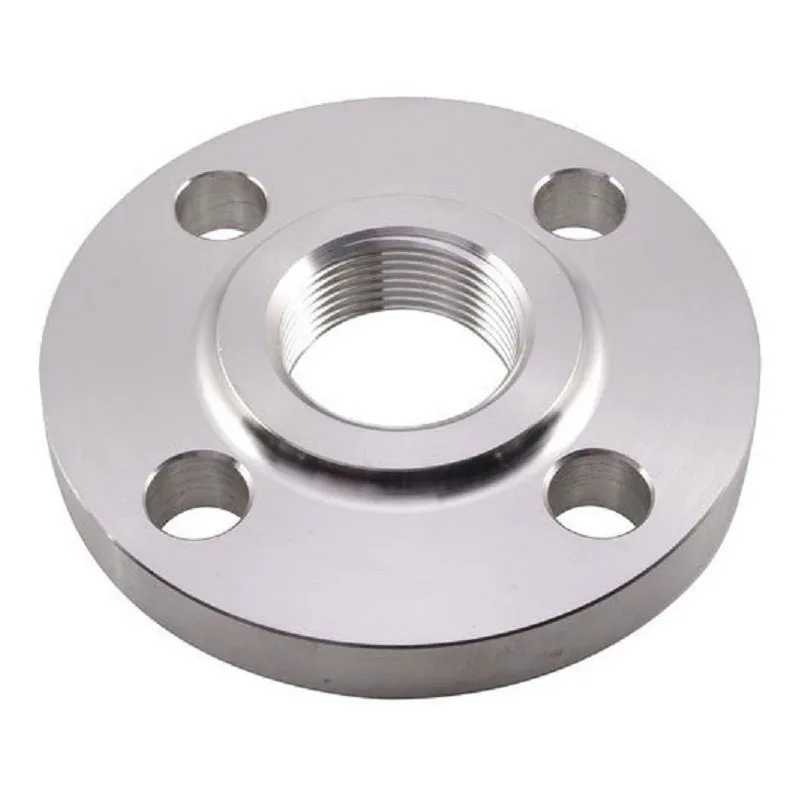
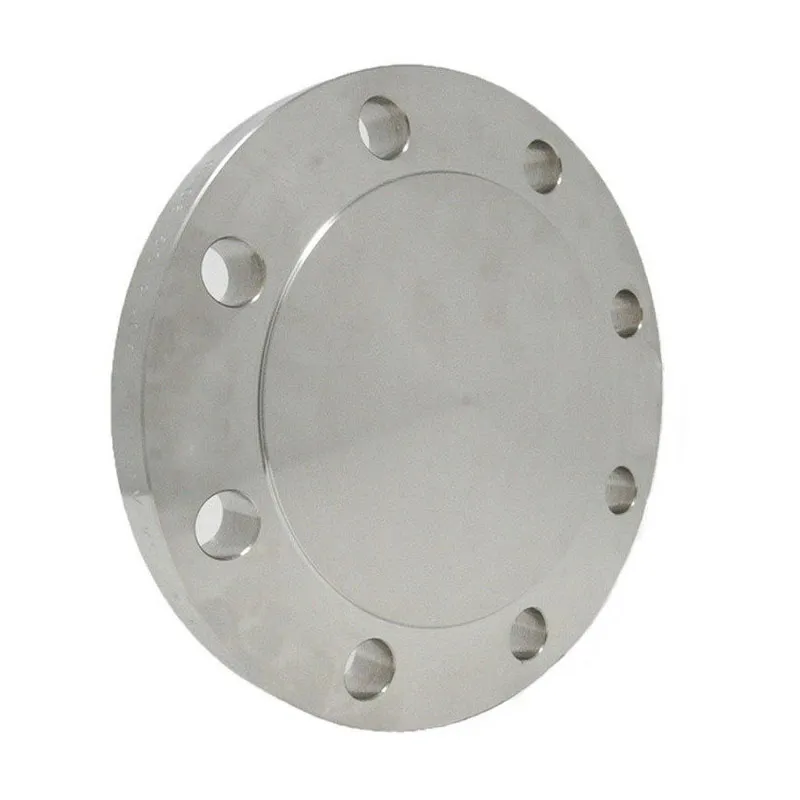
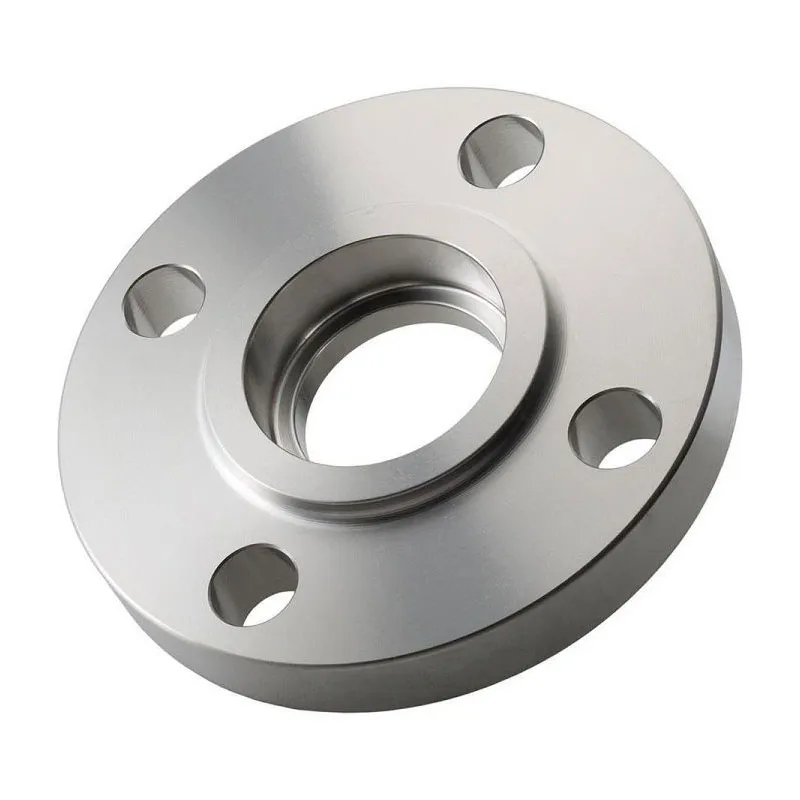
Best Sellingproducts
Best Selling Products-
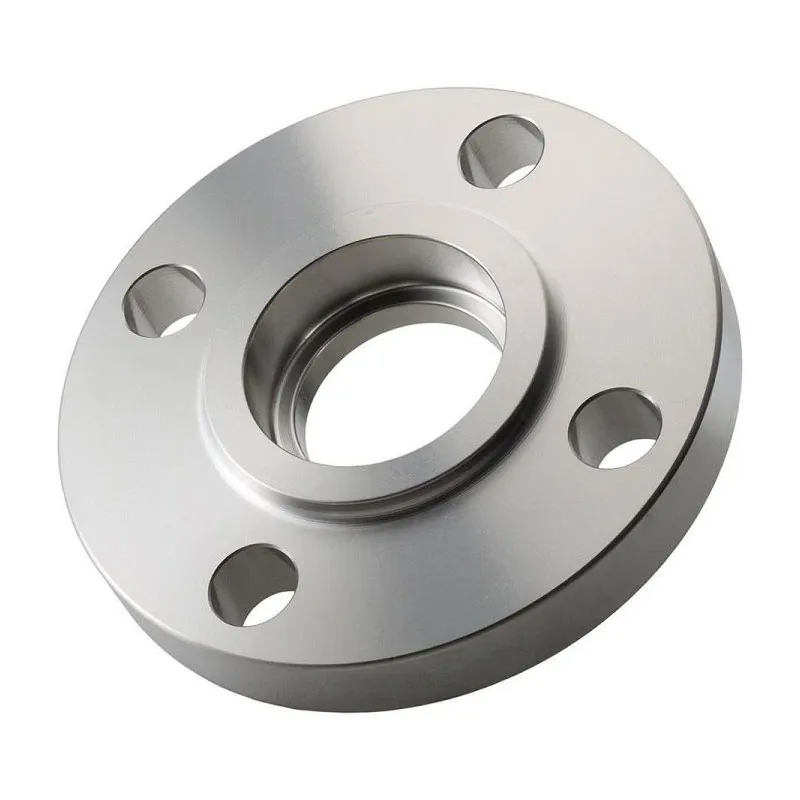 ANSI B16.5 Socket Weld Flanges Class 150
 -
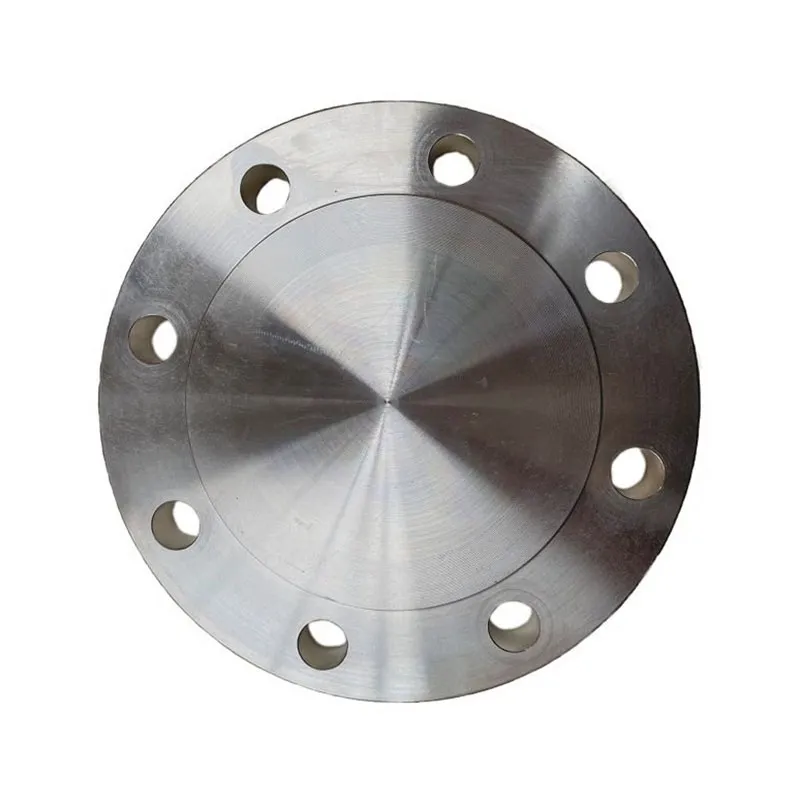 ASME B16.47 Ser.A Blind Flanges Class 400
 -
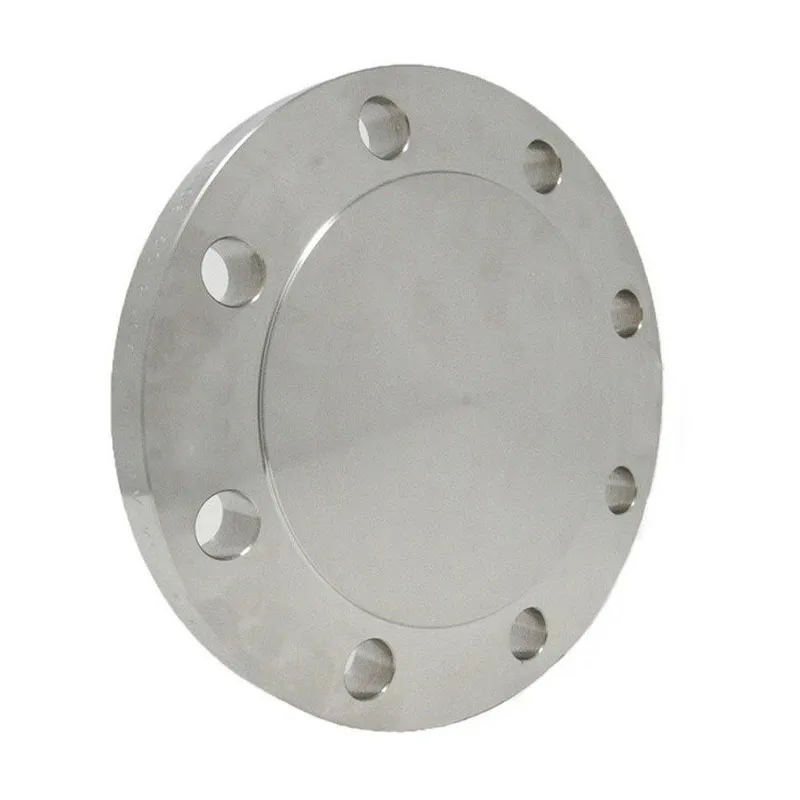 EN 1092-1 Blind flanges Type 05, PN10
 -
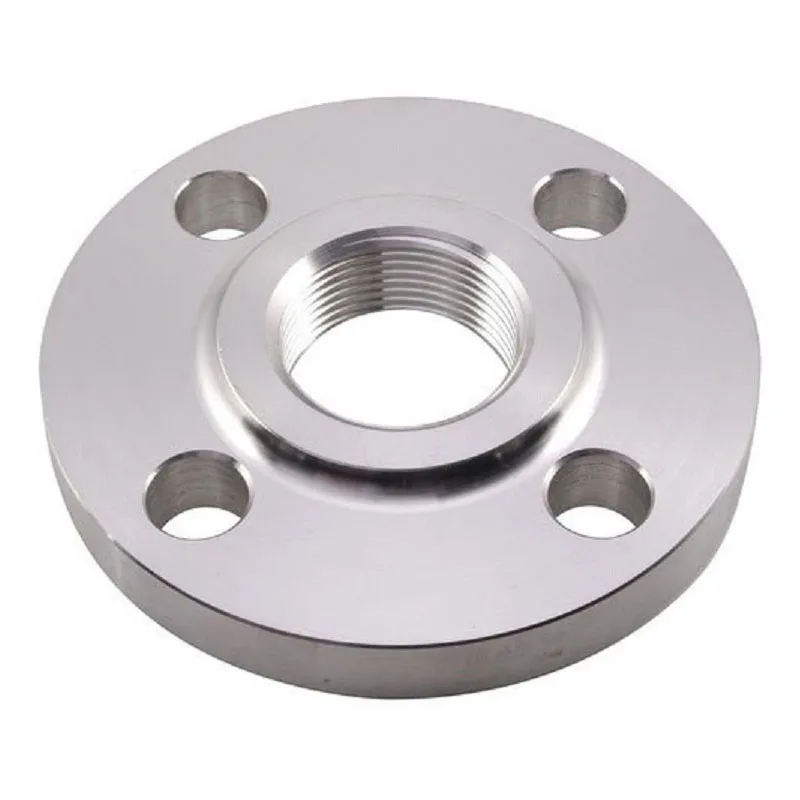 DIN 2566 Threaded flanges PN16
 -
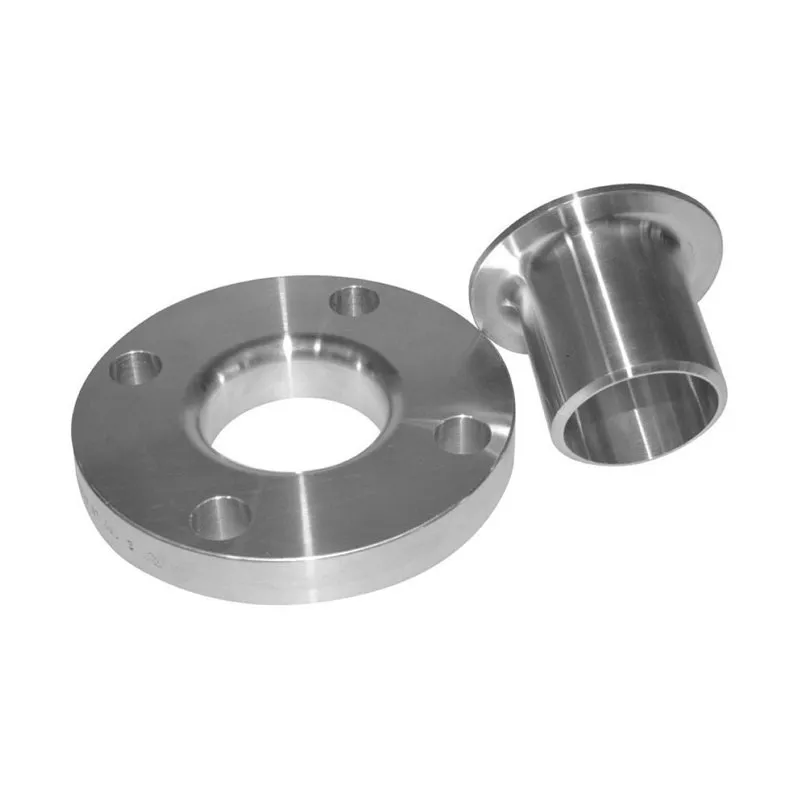 Free ring flanges Class 150
 -
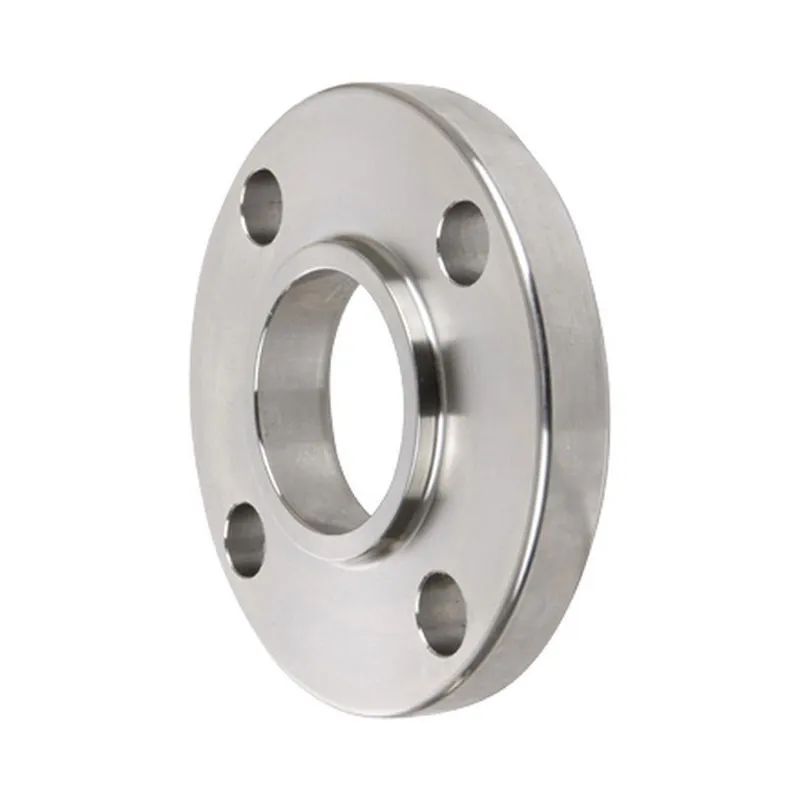 DIN 2501 Overlay flanges PN16
 -
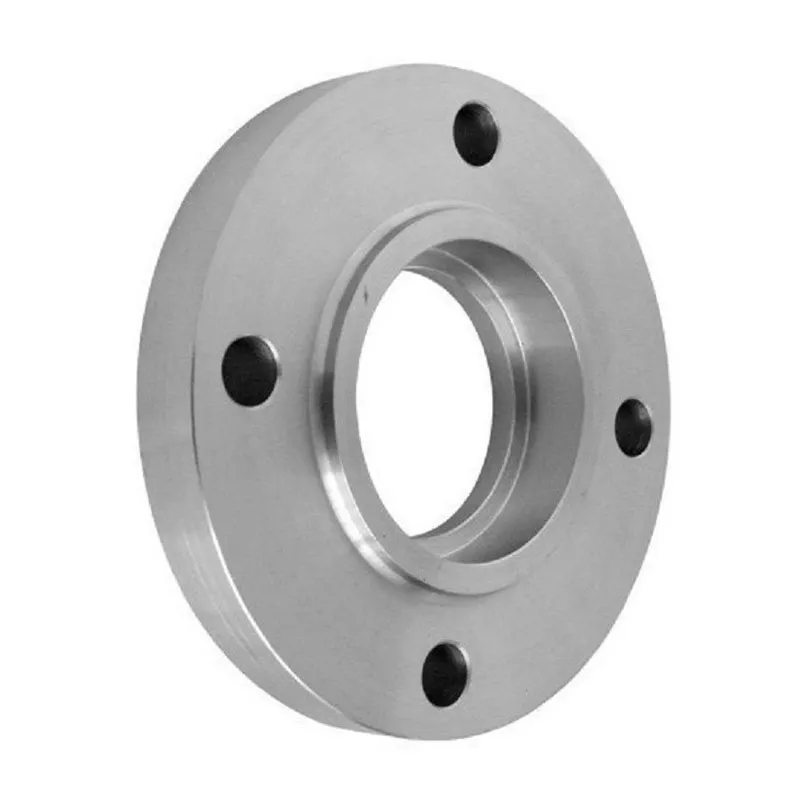 Socket Weld Flanges Class 300
 -
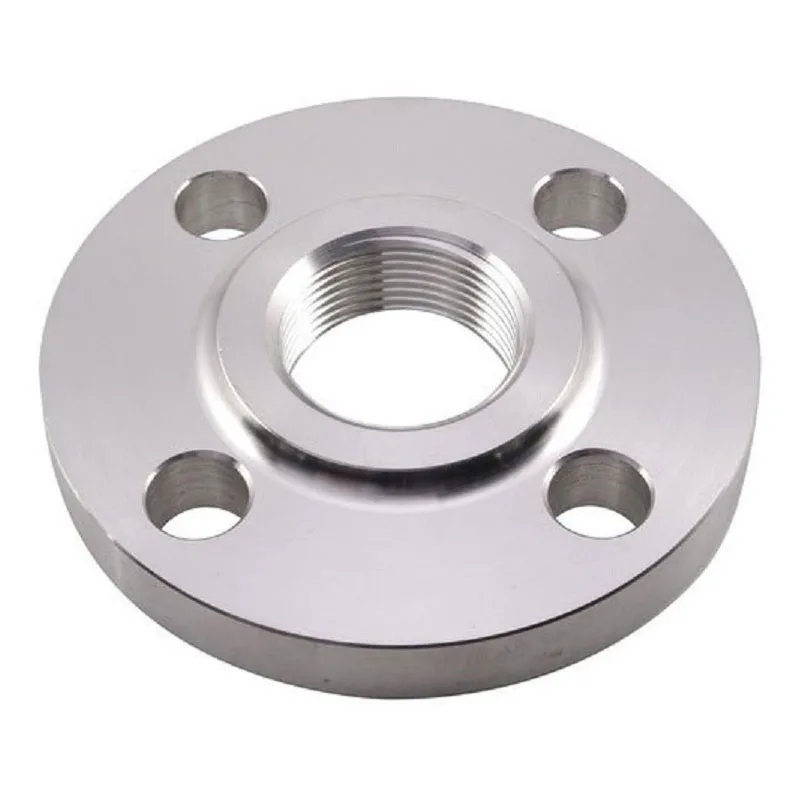 JIS 10K Threaded Flanges
 -
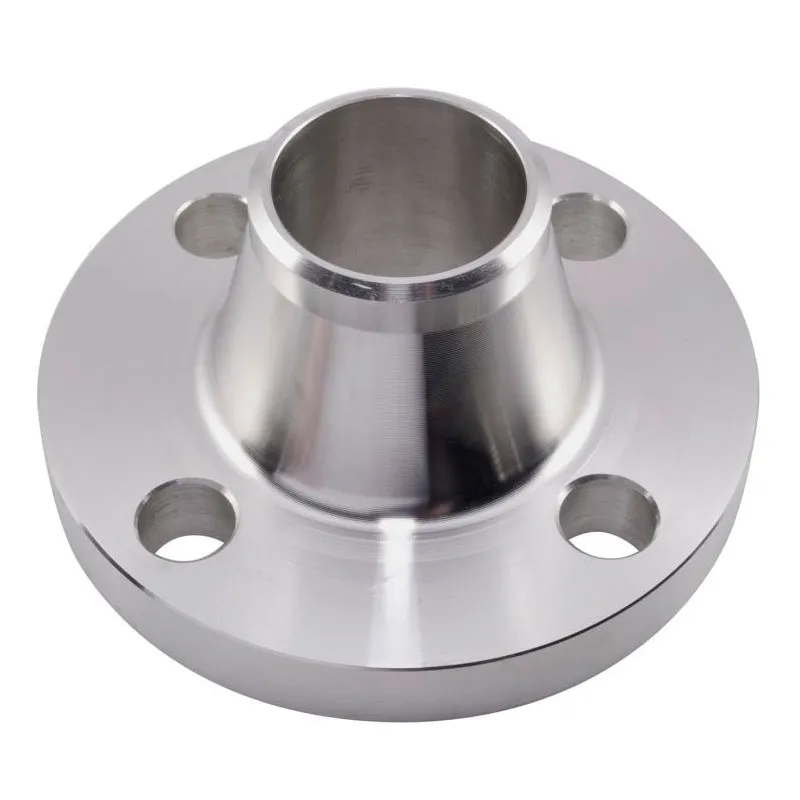 UNI 2281 Butt weld flanges PN10
 -
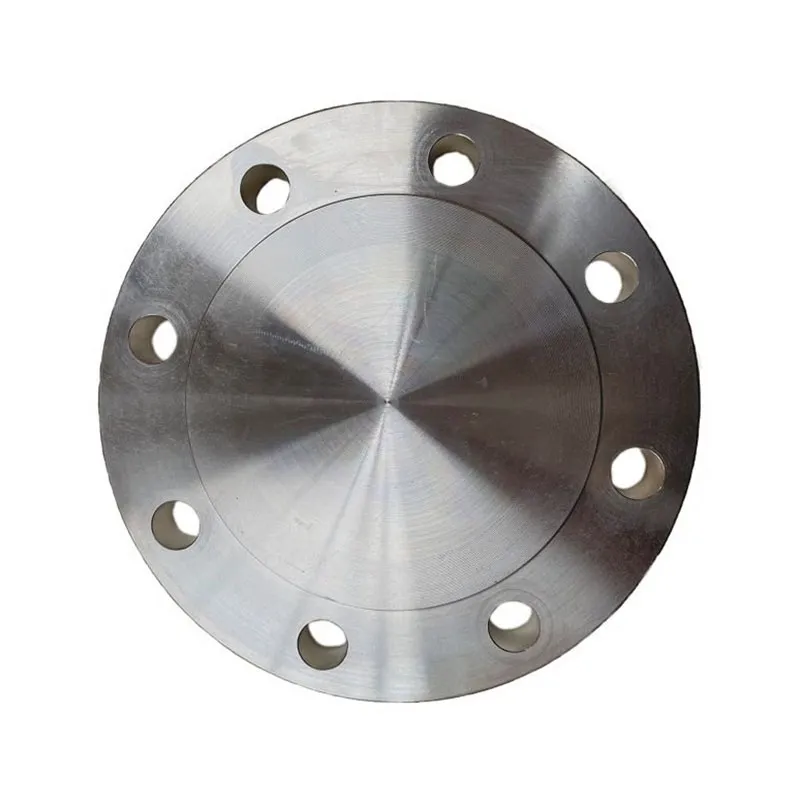 UNI 6092 Blind flanges PN10
 -
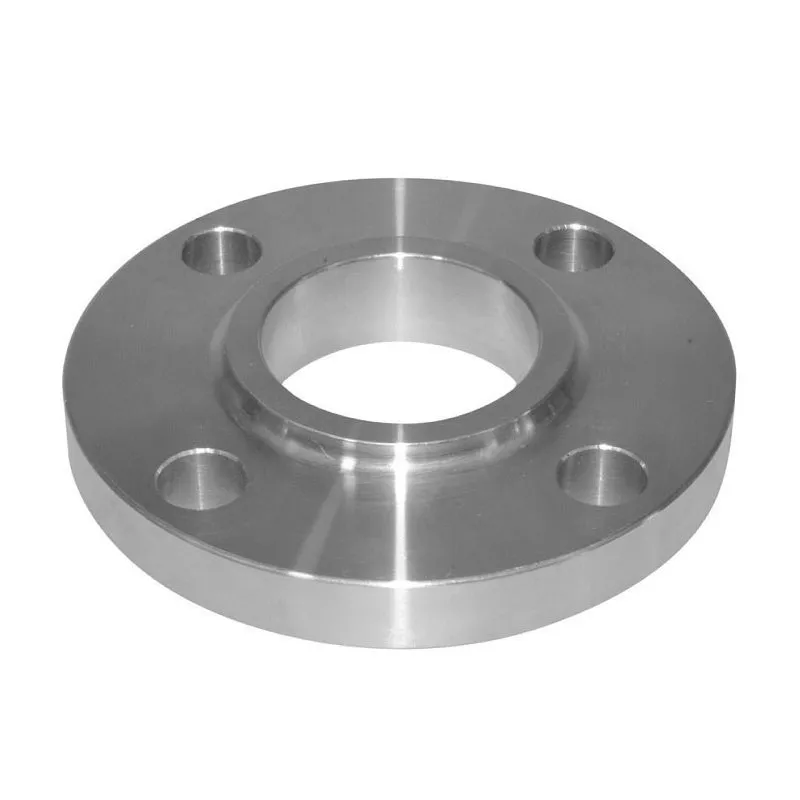 ANSI B16.5 Lap-on flanges Class 1500
 -
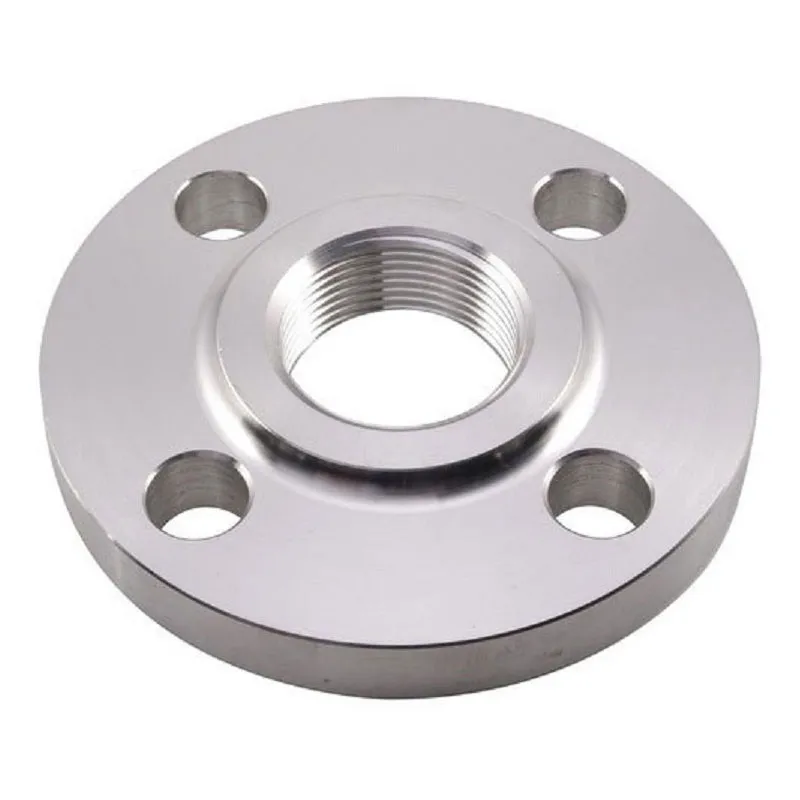 DIN 2565 Threaded flanges PN6