
-
-
Phone
+86-13623462298




flat steel flanges weight
When they talk aboutflat steel flanges weight, many immediately look into the tables of GOST 12820-80 or ASME B16.5. And this is the first trap. The weight of a piece in the price list is one thing, but when a pallet arrives at the site and you need to calculate logistics or check the lifting capacity of a crane, nuances begin that are often silent about in catalogs. I myself have encountered many times when, according to papers, the weight of a batch seemed to fit within the limit, but in fact the car does not move - because they did not take into account the mass of the wooden sheathing, and the density of steel from different manufacturers can vary, especially if it is not GOST, but the specifications of some plant. This is what I want to talk about, without further ado, with examples from practice.
Why the table weight is only a guideline, and not the ultimate truth
We take the same flat flange DN100 on PN16. According to GOST 12820, weight is approximately 4.67 kg. But this is for the conditional St20. And if the customer asks for 09G2S or 12Х18Н10Т? The density is different, the weight will be different. Once we ordered a batch of stainless steel for a chemical plant, but they miscalculated by almost 8% precisely because of this transfer. As a result, we had to urgently reorder transport. Now we always check the steel grade with the client before giving the final weight calculation.
Another point - tolerances. According to the same GOST, there are margins for disk thickness and diameter. And if the manufacturer works at the upper limit, which is often done for reliability, then the flange will be heavier. This is especially felt on large diameters, from DN500 and above. There is a difference of a couple of kilograms per piece - already tons per batch. Therefore, in serious projects, especially for the energy sector, they often request not just a quality certificate, but protocols of actual measurements of the dimensions and weight of selected products.
And of course, we must not forget about the execution of the surface. The standard flange comes without coating. But if you need galvanizing or even just a primer, this will add its own percentage to the mass. It would seem like a small thing, but when we are talking about hundreds of pieces, these percentages materialize into additional costs. We once delivered a shipment of galvanized flanges to Kazakhstan, but the recipient at first made a fuss, saying that the weight didn’t match. I had to explain about the zinc layer and show the technical conditions for the coating.
From practice: how weight affects logistics and installation
A recent story. Order for flat flanges DN1200 for water pipeline. Material - steel 17G1S. According to the tables, the weight of one is under 300 kg. But when they started loading, it turned out that the crane at the site was designed for a maximum of 250 kg. We had to urgently look for a trolley with a winch and re-coordinate the installation schedule. Now in commercial offers, especially for large items, we include in a separate lineflat steel flange weightin packaging and recommend equipment for unloading. This eliminates a lot of questions later.
Maritime logistics also have their problems. Containers have strict weight restrictions. If you fill a 20-foot container to capacity with flanges, you can easily exceed the 24-ton limit. Therefore, a competent production engineer always counts not only how many pieces will be included by volume, but also by weight. And it is often better to order a 40-foot container with a lower loading density than to pay fines for overloading. These are the savings that are visible only in the process, and not on paper.
During installation, weight also means convenience for workers. The DN300 flange weighs about 30 kg. It can also be installed manually by two people. But Du400 is already 45 kg, you can’t do without hoists. This is often missed in project documentation, and then installers suffer. For our part, we try to indicate in product passports or shipping specifications not only the net weight, but also the category for manual maneuvering. It’s a small thing, but colleagues from the sites thank me later.
Manufacturers and their approach: why not only the standard is important, but also the production culture
While working with different suppliers, I noticed an interesting thing. Large, systemic factories, likeShanxi Hongkai Forging Co.,Ltd(their website ishkflange.ru), always give very accurate weight data. This is part of their technological process. They produce forged flanges and forgings, and apparently weighing is a mandatory control operation for them. In their certificates you often see not just a tabular value, but an actual value, accurate to the nearest gram for selected products. This immediately inspires confidence. As they write about themselves, they work according to GOST, ASME, EN, DIN and other standards, and it is clear that their approach is serious.
By the way, their product range includes flat flanges, including non-standard flanges according to the drawings. And with non-standard, it’s a different story. When a flange is not from a catalog, but is designed for a specific unit, its weight can be very different from any analogue. Here you can’t do without competent calculations of strength and, accordingly, mass. And it’s good when a manufacturer, like Hunkai Forging, has experience in manufacturing such piece goods up to DN4000 - they usually understand that weight is a critical parameter for the customer, and calculate it in advance, and not after the fact.
In contrast to this are some small workshops. There they can give the weight 'by eye' or strictly according to the table, without going into details. It happened that we received a batch where the weight variation between flanges of the same standard size reached 5%. For critical pipelines this is unacceptable - it may affect the distribution of loads. Therefore, now for important objects we insist on delivery from trusted manufacturers with a full control cycle, even if it is a little more expensive. Saving on weight, or rather, on accurately recording it, can later result in big problems.
Calculation methods and 'folk' methods: what is possible and what is better not to do
Ideally, weight is calculated according to the drawing, through volume and density. But in the field, simplified formulas are often used to make estimates. For example, for a flat flange, you can roughly calculate the mass of the cylinder by the outer diameter and thickness of the disc, and then subtract the 'hole' and the stud holes. The method is approximate, the error may be 10-15%, but for an initial assessment of logistics it is sometimes suitable. The main thing is not to forget to make an accurate calculation later.
There are also online calculators, but you need to be careful with them. Many of them are tailored to a specific standard and do not take into account the material. It’s best when such a calculator is available on the manufacturer’s website. For example, onhkflange.ruI saw that you can request a calculation - here you have a better chance of getting adequate numbers, because they will be based on real technological maps, and not on abstract algorithms.
The most reliable way, which we eventually adopted as a rule for large contracts, is to require the supplier to provide a certificate of control weighing of a random sample from the batch before shipment. This, of course, adds time to the procedure, but it completely removes all the risks of non-compliance. This is especially important when working with a new supplier. The first batch always includes control weighing.
Final Thoughts: Weight as an Indicator of Quality
Over time you begin to perceiveflat steel flangesand their weight is not just a number in the specification, but as one of the indirect signs of the quality of the product. A large variation in weight in a batch is often a signal of problems with the stability of rolled products or irregularities in machining. A perfectly even weight that does not meet the standard (for example, much less) may indicate savings on material and a decrease in thickness. This is already a security issue.
Therefore, our internal standard is now this: discussion of any order begins with technical requirements, where the weight is specified separately - not just 'according to GOST', but with an indication of permissible deviations. And we recommend doing this to everyone who is faced with the purchase of flanges seriously, and not just once. This disciplines both the customer and the supplier.
In the end, returning to the keywordsflat steel flanges weight- this is not the entry point for searching for prices, as many people think. This is a complex parameter that entails a chain of technical, logistics and even commercial decisions. And you need to treat him with appropriate respect. Experience, including mistakes, has taught that there are no trifles in this matter. Even such a seemingly simple thing as kilograms of metal.
Correspondingproducts
Related Products
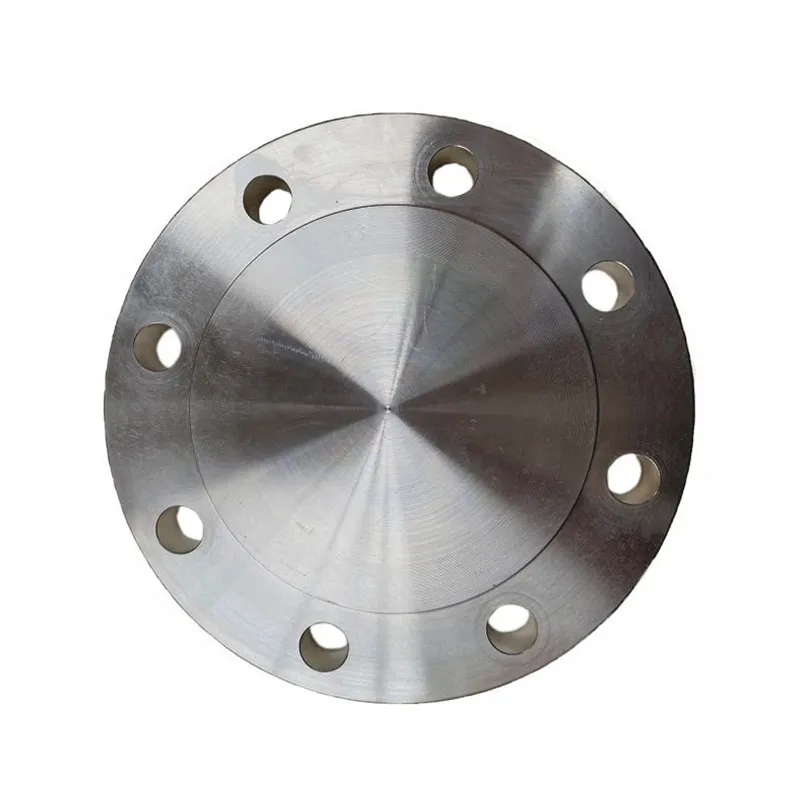
Best Sellingproducts
Best Selling Products-
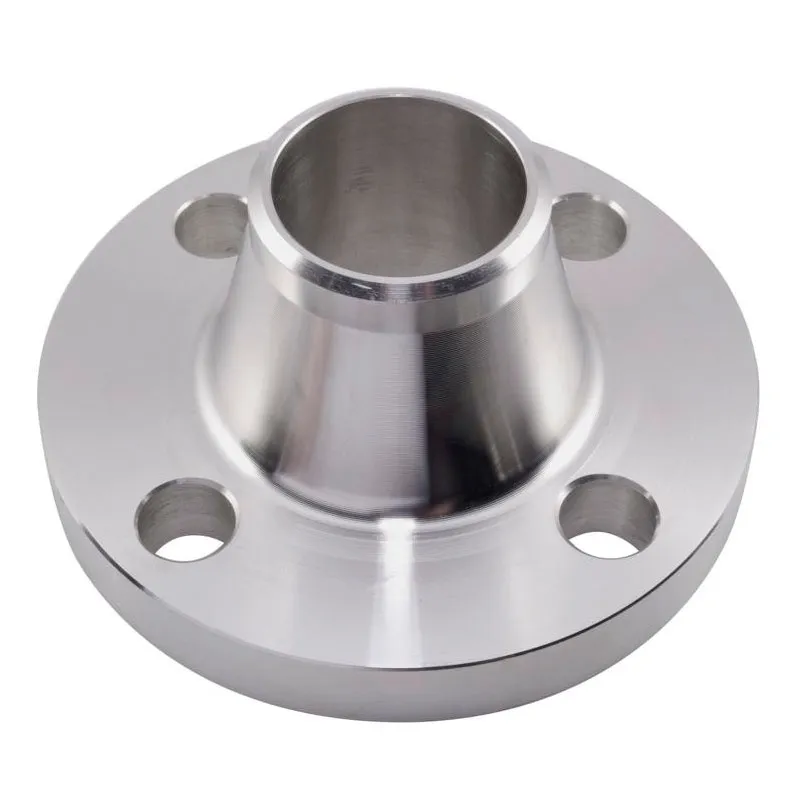 Butt weld flanges Class 900
 -
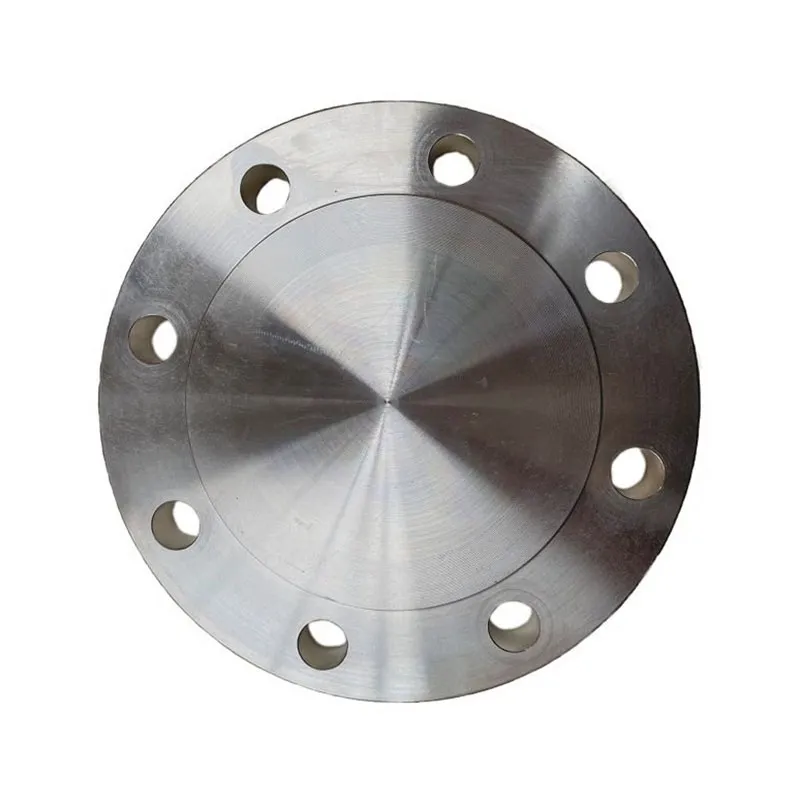 ASME B16.47 Ser.A Blind Flanges Class 400
 -
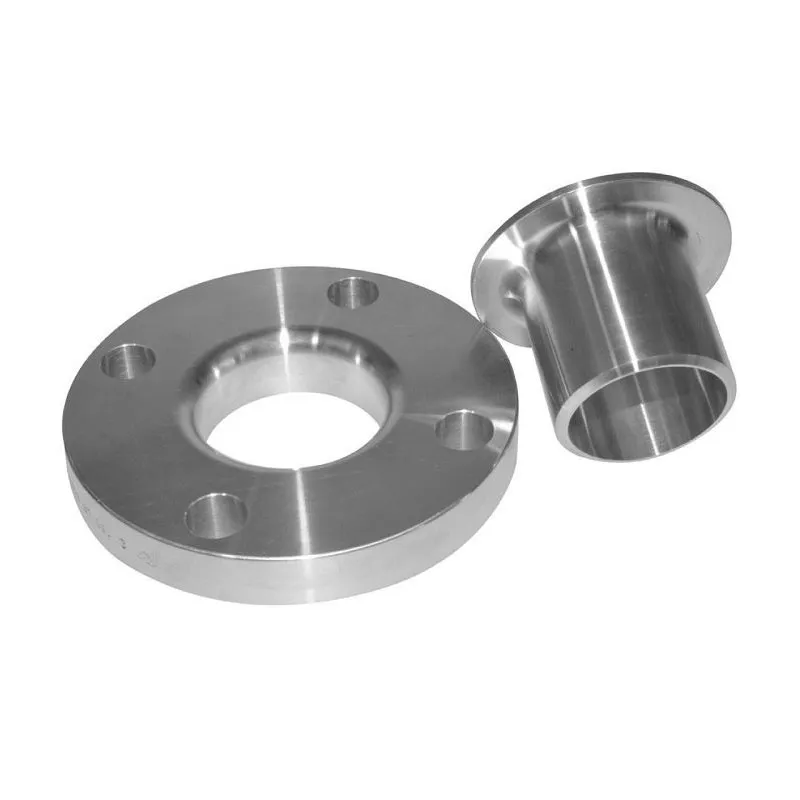 ANSI B16.5 Loose Ring Flanges Class 2500
 -
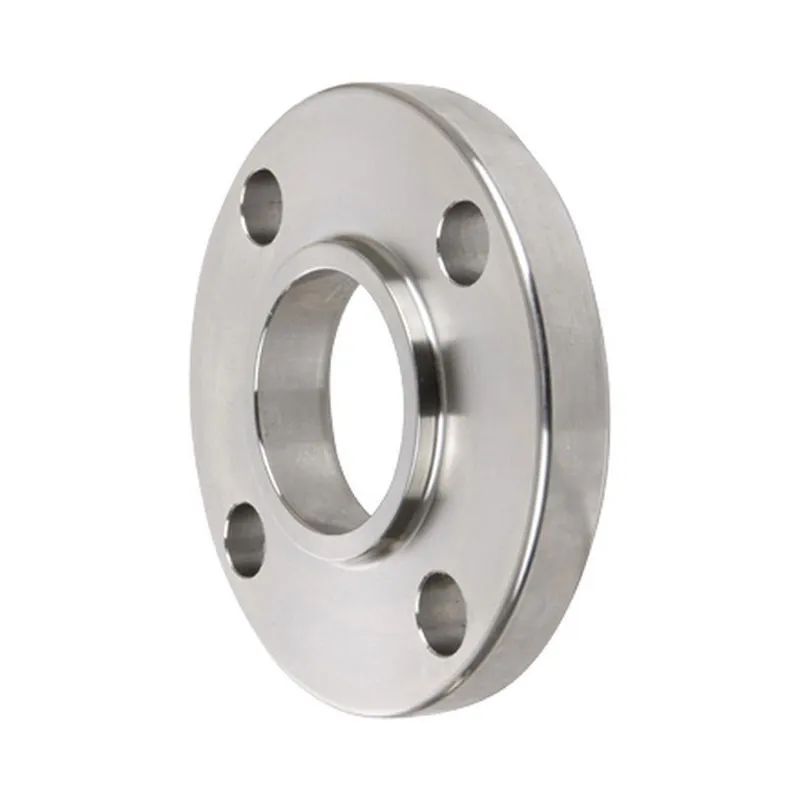 DIN 2501 Overlay flanges PN16
 -
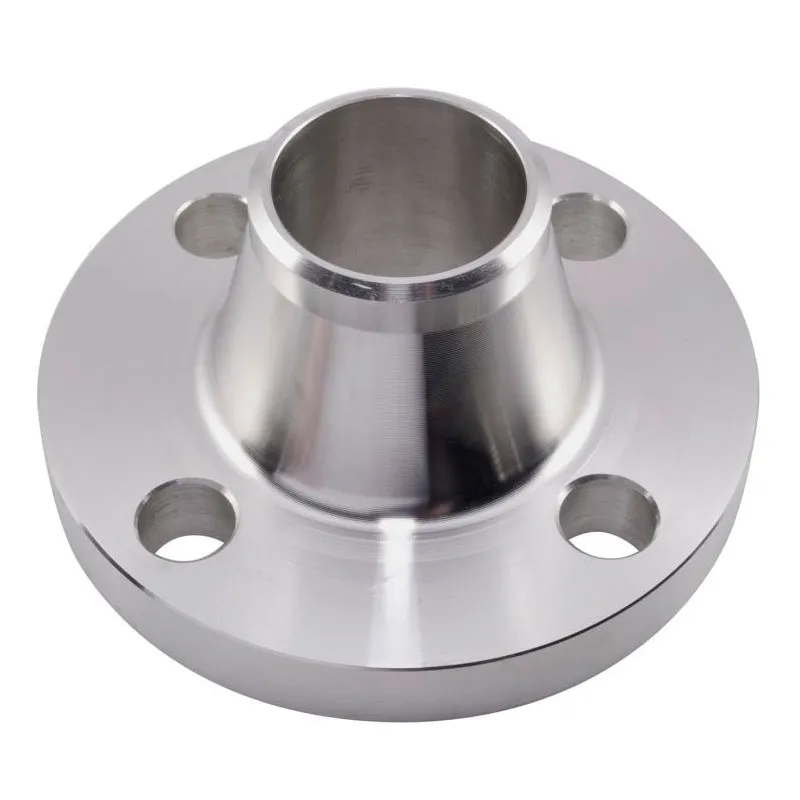 UNI 2281 Butt weld flanges PN10
 -
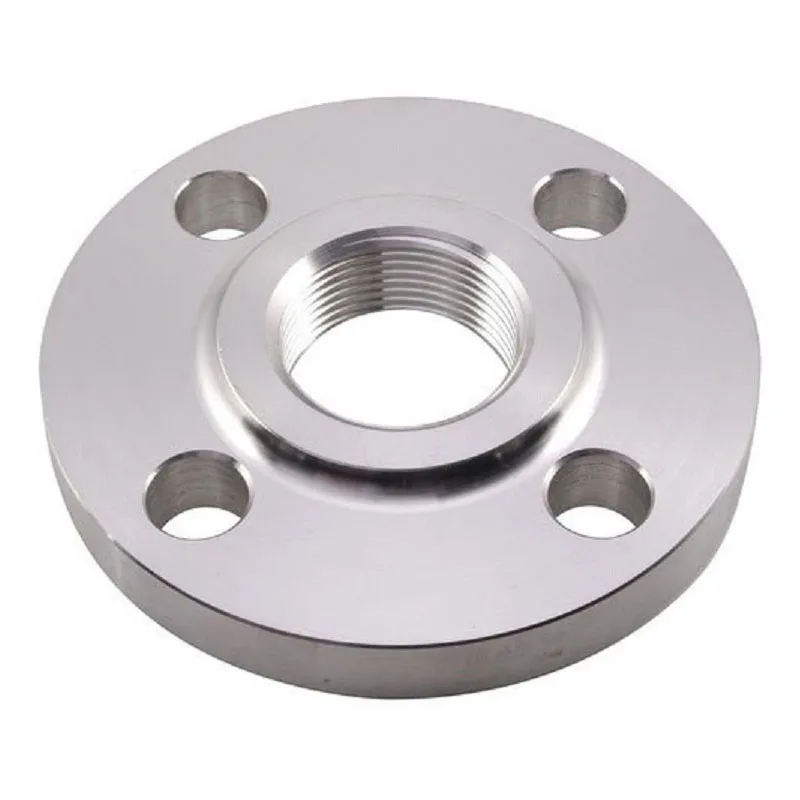 DIN 2566 Threaded flanges PN16
 -
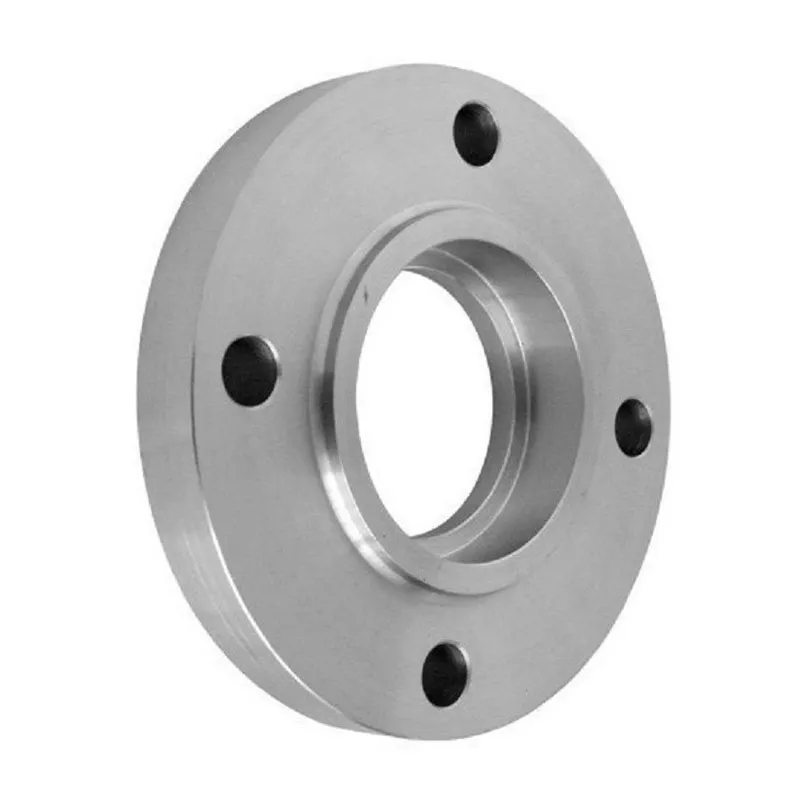 Socket Weld Flanges Class 300
 -
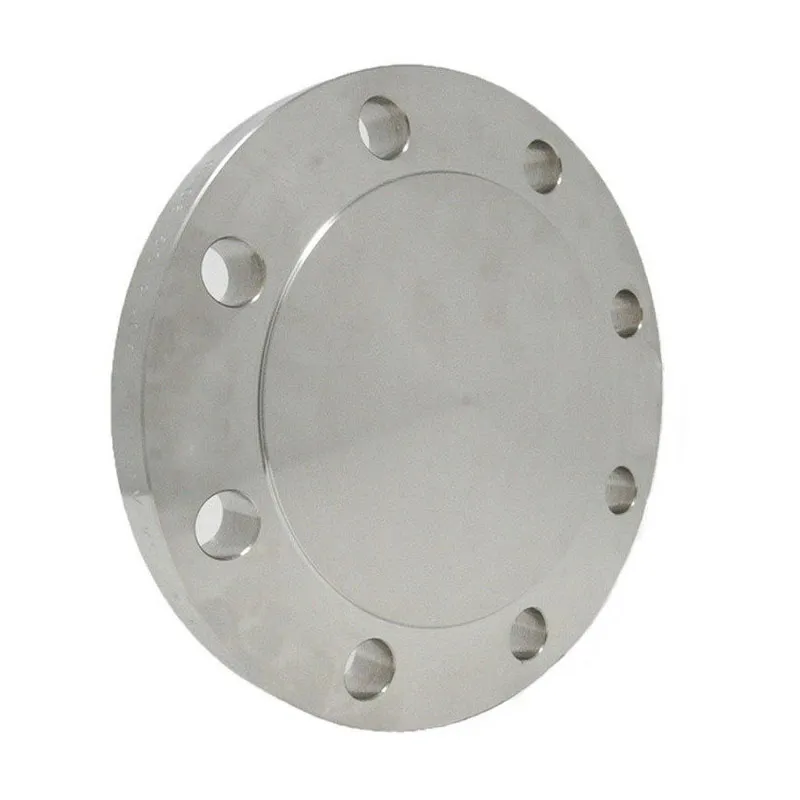 Blind flanges Class 150
 -
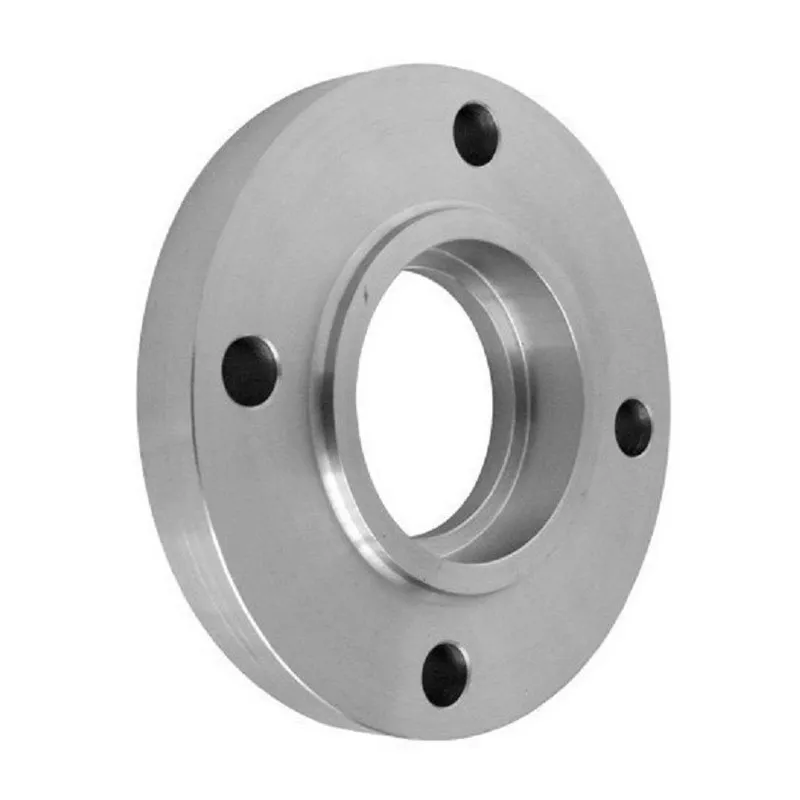 JIS 5K Socket Weld Flanges
 -
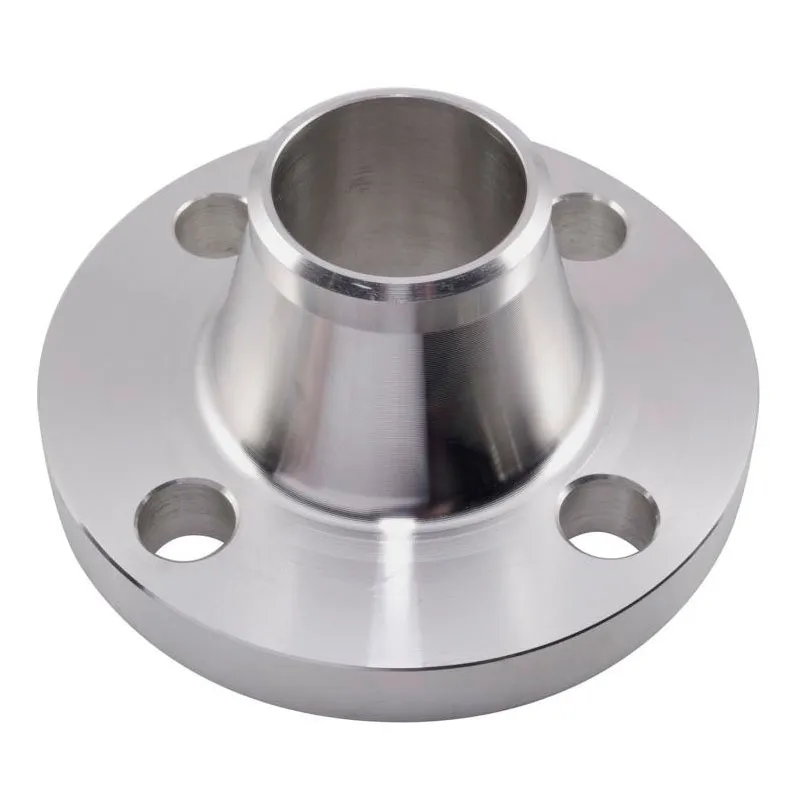 DIN Butt weld flanges PN10
 -
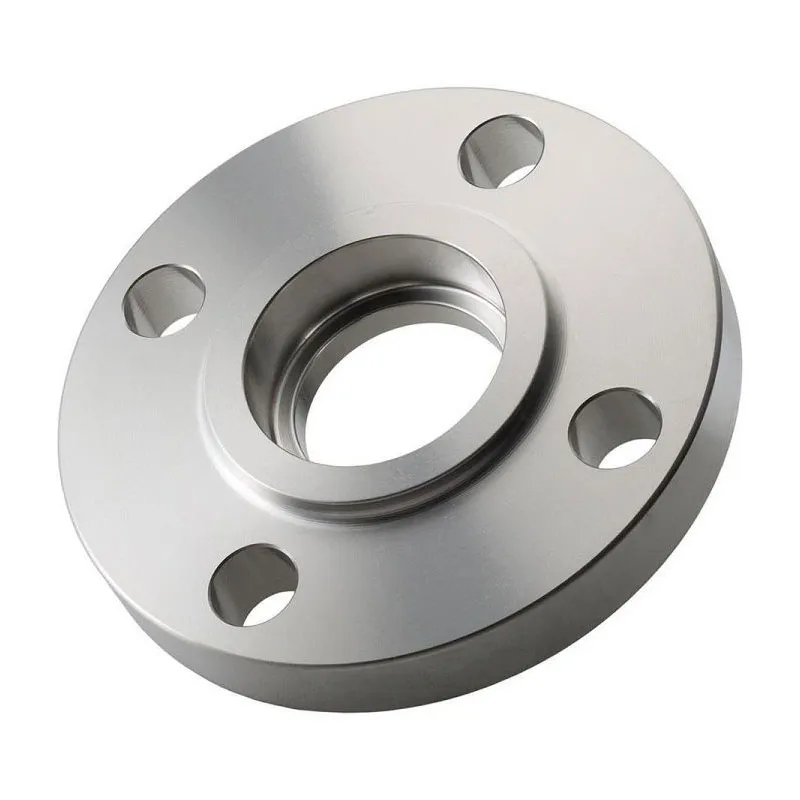 ANSI B16.5 Socket Weld Flanges Class 1500
 -
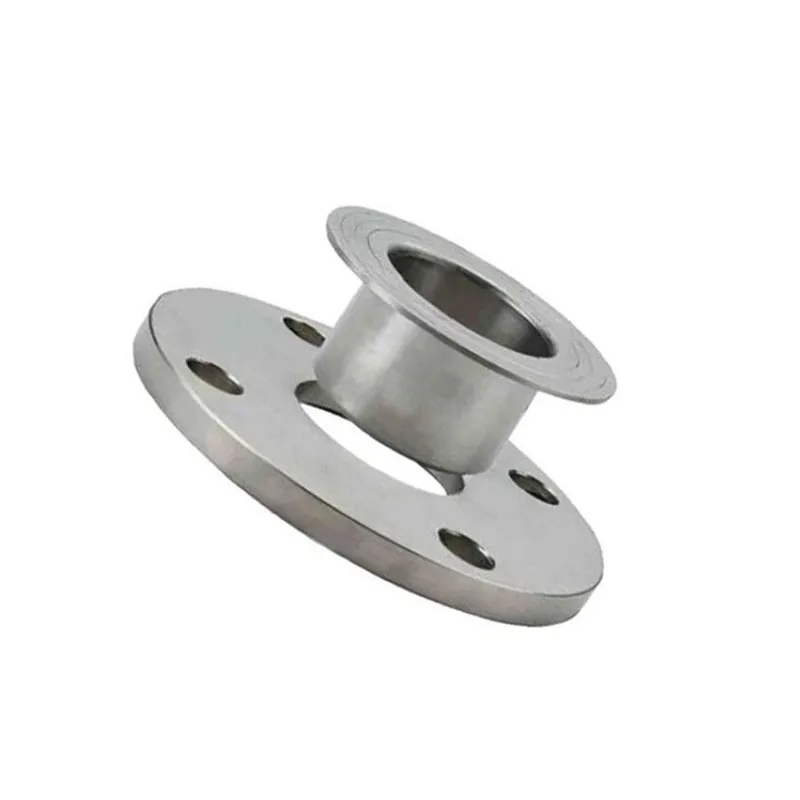 Free ring flanges Class 400