
-
-
Phone
+86-13623462298



HDPE steel flanges
When you hear “steel HDPE flanges”, the first thing that comes to mind is probably connections for low-pressure polyethylene pipes. But here's the rub: in real-world specifications and production, this combination often causes confusion. Many people, especially those who are just starting to work with pipeline fittings, think that this is some kind of separate, special type of flange. In fact, if you dig deeper, we are usually talking about steel flanges intended for installation on HDPE pipelines, and not about the material of the flange itself. This is an important nuance that is rarely written about in open catalogues, but which constantly comes up when discussing technical assignments with customers.
Where does the term come from and practical difficulties?
When working with supplies, you are constantly faced with requests specifically for 'HDPE steel flanges'. A client from the housing and public utilities sector or construction says: 'We need flanges for a 200 mm HDPE pipe.' And the clarification begins: what is the pressure, what is the medium, is there a transition to the steel section? Most often, a steel flange is required to transfer from a polyethylene pipe to a metal fitting - valve, pump, container. This is where the material and design of the flange becomes critical.
Low-density polyethylene itself is a material that needs to be handled with care. Not just any steel flange, simply welded or thrown on, will do. It is necessary to take into account the difference in linear expansion coefficients so that the connection does not break due to temperature changes. You often see how people try to save money and install flat welded flanges according to GOST 12820, simply bolting them to the counter flange on the HDPE fitting. After a season or two there are leaks, because the polyethylene “floated”, but the steel did not. Empirically, we came to the conclusion that for such transitions it is better to look towards free flanges on a welded ring (according to GOST 12822) or special transition pipes.
We had a case, it seems, in 2019, when a batch of flanges was supplied according to drawings for one of the heating main contractors. The specification simply stated 'Steel flange DN150 PN16'. They did everything according to the standard and shipped it. And then a complaint came: the flanges do not fit with foreign-made polyethylene compression fittings. It turned out that the customer did not specify the standard for the sealing surface. We had GOST, and the fitting had DIN, and there was a difference in the bolt circle diameters and thickness of only a couple of millimeters, but it was enough to make the installers suffer for half a day. After that, we introduced mandatory clarification on the standard and type of connection even in the most seemingly simple applications.
On the issue of materials and standards
If we talk about the material of the flange itself, then carbon steel type St20 or 09G2S is most often used for working with HDPE systems. Stainless steel is almost never used - it is expensive and there is no need, since contact with an aggressive environment occurs through a polyethylene pipe. But coverage is a different story. Bare metal is not the best option, especially for outdoor applications or in wet areas. They often require hot galvanizing or, which is more reliable, thermal diffusion galvanizing. It gives a more uniform and adhesive layer that will not peel off when tightening the bolts.
As for standards, the palette is wide. Russian projects are often guided by GOST standards (), but with the increase in equipment imports, flanges according to DIN EN 1092-1 or ASME B16.5 are increasingly required. For example, for connection to imported pumping stations or filters. CompanyShanxi Hongkai Forging Co.,Ltd (https://www.hkflange.ru), as a manufacturer of forged flanges and forgings, is a convenient partner in this regard. They declare production according to international standards, including GOST, ASME, EN, DIN. This means that you can order the same product range, say, butt weld flange DN200 PN40, but in different versions - for a Russian project or for European equipment. For the on-site installer, this unification saves time.
By the way, their range also includes free flanges - the same ones that I mentioned as more preferable for converting to HDPE. The 'ring + flange' design compensates for misalignment and simplifies installation, especially in confined spaces. On their website you can see that they have a large range of sizes - from DN15 right up to DN4000. For large main crossings with HDPE, where diameters are both 800 and 1200 mm, this is a serious advantage. Not every production will take on this standard size with a guarantee of quality.
Installation nuances and typical mistakes
In theory, everything is simple: weld a pipe with a flange to a steel section, pull a compression fitting with a mating flange onto the HDPE pipe, connect it with bolts - and you're done. Practice, as always, makes adjustments. The first is the quality of the pipe end. If the cut is uneven or there are burrs, the seal in the fitting will not be tight. The second is tightening the bolts. Here you cannot act according to the principle “the stronger, the better.” Polyethylene is a malleable material. If you overtighten, you will deform both the fitting flange and the pipe itself, which will lead to premature failure of the connection. You must use a torque wrench and follow the 'criss-cross' tightening pattern.
One of the most common mistakes I have seen on various sites is ignoring the need to support or properly hang the pipeline near the flange connection. The flange is a rigid element. If the pipe before or after it “plays” due to thermal expansion or vibration, the entire load falls on this connection. Over time, the bolts may become loose or the polyethylene fitting may develop microcracks. Therefore, a fixed support or a proper expansion joint system must always be provided next to such a transition.
Another point is the gaskets. For steel-HDPE flange connections, flat non-metallic gaskets made of paronite, EPDM or PTFE rubber are usually used. But here it is important that the gasket does not protrude into the passage, creating flow turbulence, and that its internal diameter exactly matches the diameter of the pipe. It used to be that they set up “what was in the garage”, and then were surprised at the drop in pressure in the area.
When non-standard solutions are needed
Standard flanges from the catalog cover probably 80% of the needs. But the remaining 20% are precisely those cases where an individual approach is needed. For example, it is necessary to switch from a HDPE pipe to a device with a non-standard center distance of bolts or with a special type of sealing surface (type 'tongue-groove', 'protrusion-valley'). Or you need a flange made of a certain grade of steel with additional requirements for impact strength at low temperatures for northern regions.
In such situations, the possibility of manufacturing according to customer drawings, which is offered, among other things, byShanxi Hongkai Forging Co.,Ltd, becomes key. Their profile is forged flanges and forgings, and forging is known to give better mechanical properties and metal density compared to casting or cutting from sheets. This is important for responsible nodes. The process is usually like this: you send a sketch, they work out the technology, approve it, then do a test forging. Yes, it takes longer and is more expensive than buying from a warehouse, but you get exactly what you need in terms of geometry and properties.
I remember the story of the reconstruction of wastewater treatment plants. There was an old cast iron flange assembly that needed to be replaced and connected to the new HDPE line. There were no drawings for it, so we had to take dimensions on site, including angles and radii. We made a sketch and sent it to the factory. We made an adapter pipe with a flange, which on one side exactly repeated the old cast iron geometry, and on the other was suitable for a standard PN16 flange for a HDPE fitting. The installation went smoothly and the system is still working. Without the manufacturer’s willingness to work with non-standards, it would be necessary to build a complex structure of several adapters, which is less reliable.
Instead of a conclusion: what to look for when choosing today
So, getting back to our 'HDPE steel flanges'. To summarize the experience gained, when selecting and ordering, I would advise focusing not on the term itself, but on a clear technical specification. What should be in it? Diameter (DN), nominal pressure (PN), performance standard (GOST, DIN, ASME), flange material and coating, flange type (flat, butt, loose), type of sealing surface, and - very important - application conditions: ambient temperature, external / internal installation, presence of vibrations.
Working with trusted manufacturers who have experience in the forging industry and offer a full cycle from forging to machining, likehkflange.ru, reduces risks. Their status as one of the main centers in China speaks of their scale and, as a rule, an established quality control system. This is not a guarantee against all problems, but a serious claim that the product meets the stated characteristics.
Ultimately, the success of installation and the long service life of a flange connection on a HDPE pipeline depend on three things: the correct choice of flange type and material, the quality of manufacture of the product itself and competent, careful installation, taking into account all the features of polyethylene. If one of these links is lame, sooner or later the problem will make itself known. Therefore, it is worth delving into the details, even when it seems that we are talking about a simple piece of hardware.
Correspondingproducts
Related Products
Best Sellingproducts
Best Selling Products-
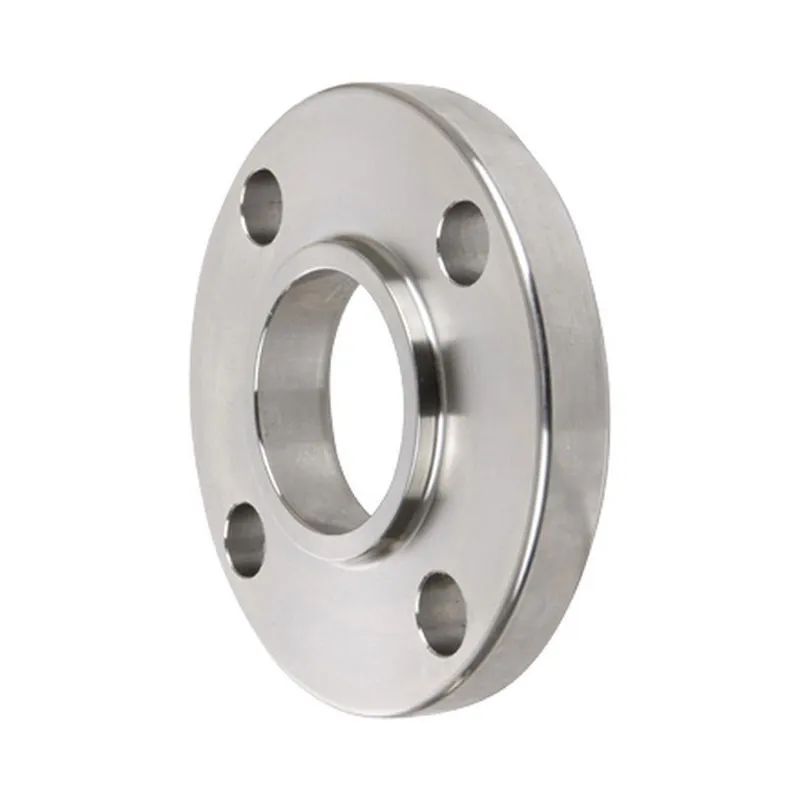 DIN 2501 Overlay flanges PN16
 -
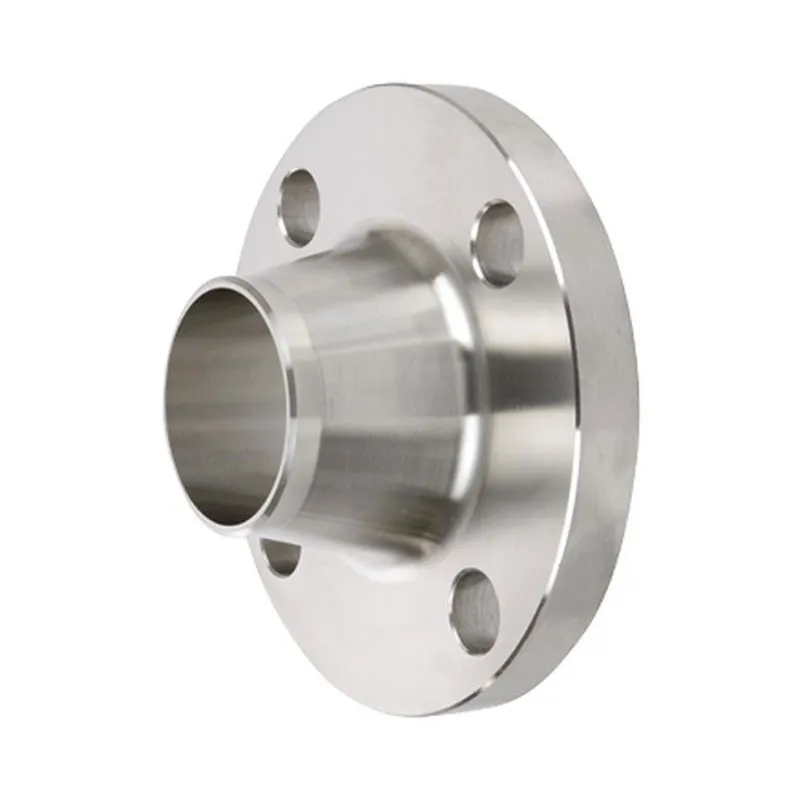 Ser.A Butt Weld Flanges Class 400
 -
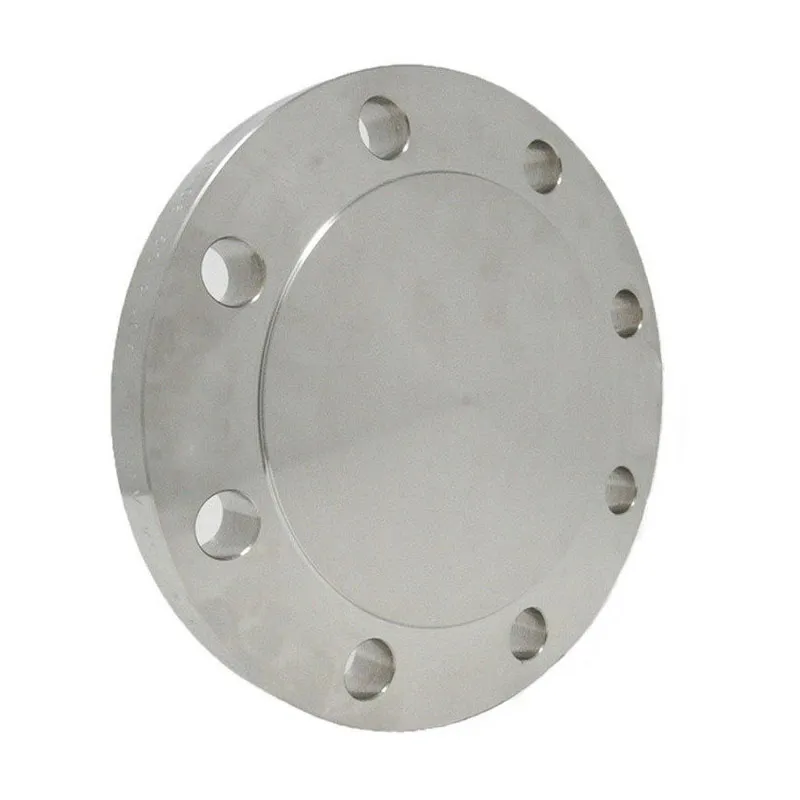 Blind flanges Class 150
 -
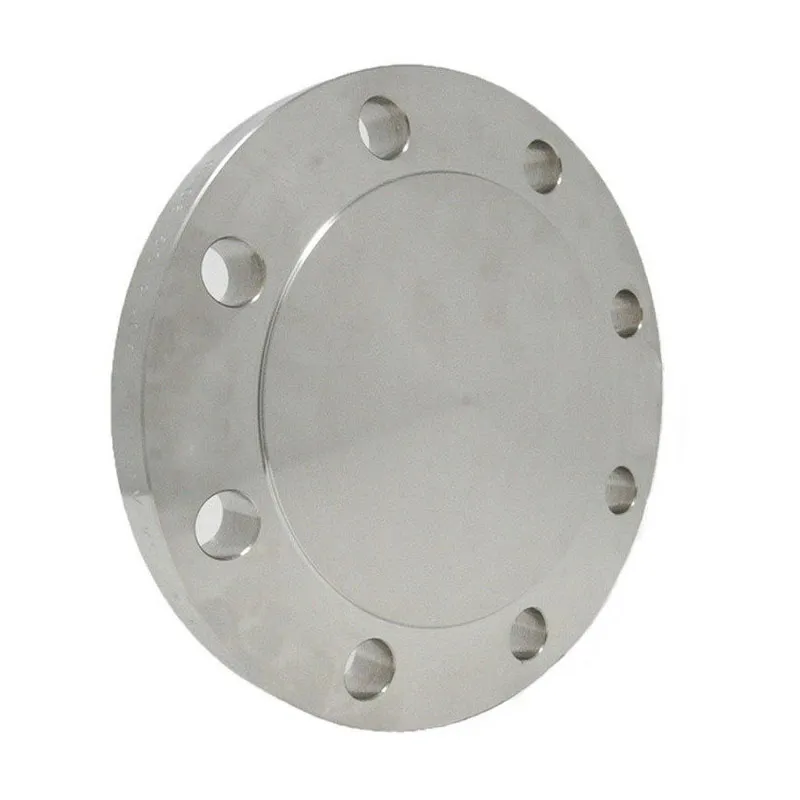 AWWA Blind Flanges Class D (Tables 1, 2, 3)
 -
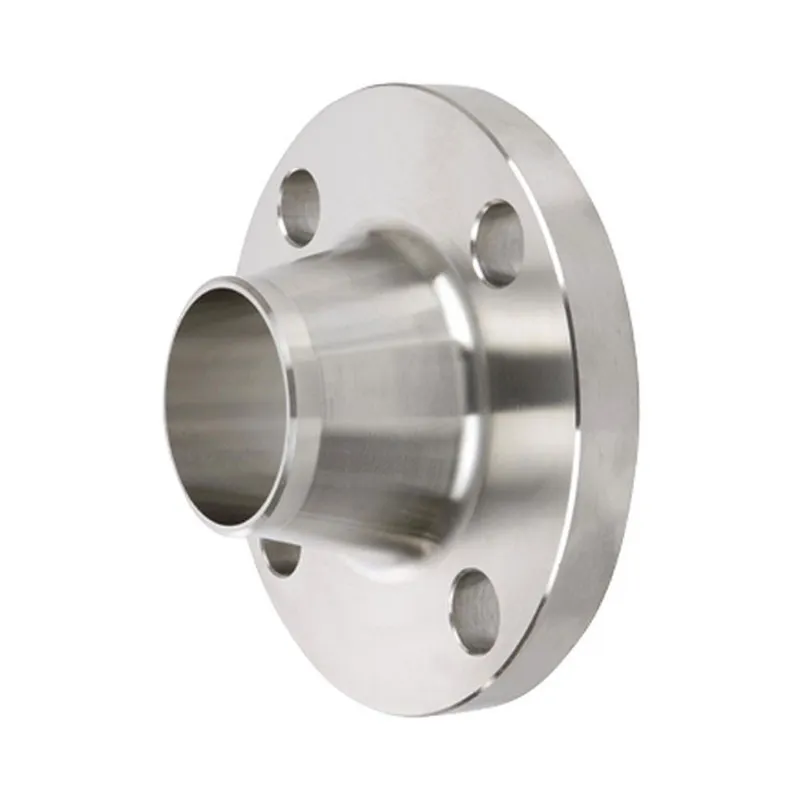 EN 1092-1 Butt weld flanges Type 11, PN25
 -
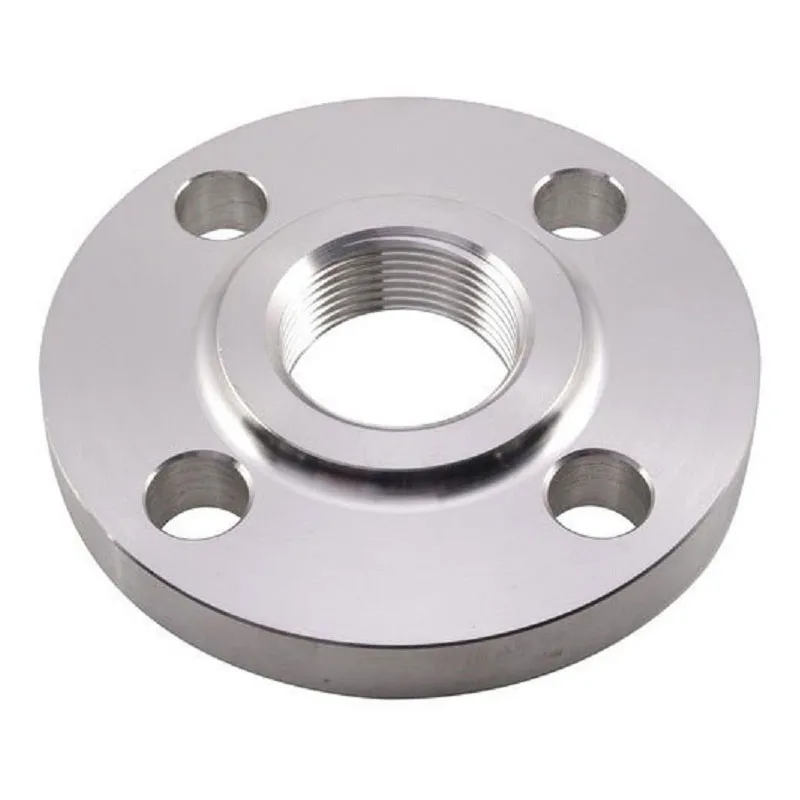 EN 1092-1 Threaded flanges Type 15, PN16
 -
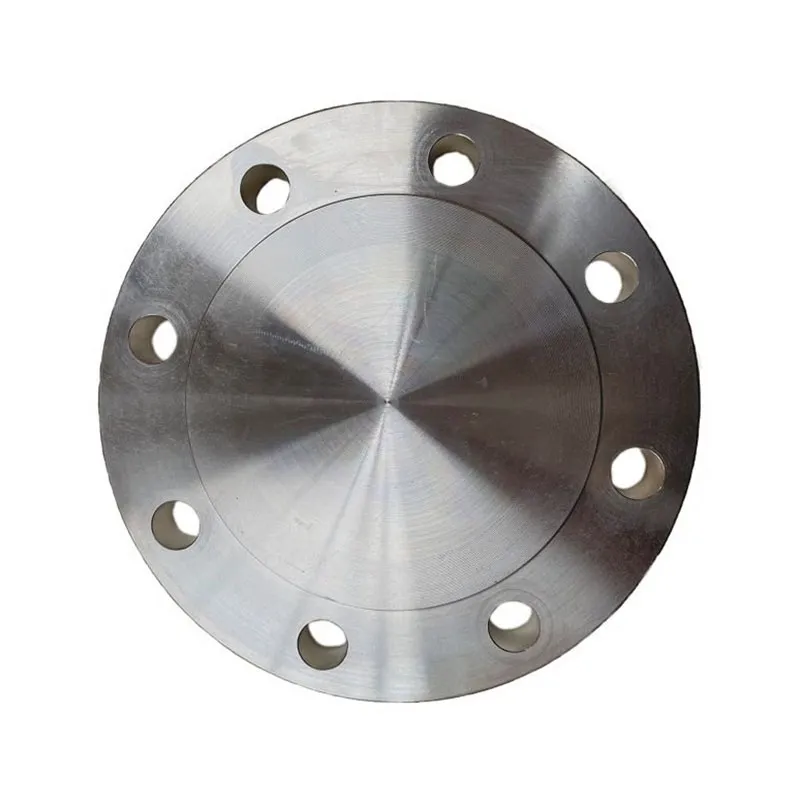 UNI 6092 Blind flanges PN10
 -
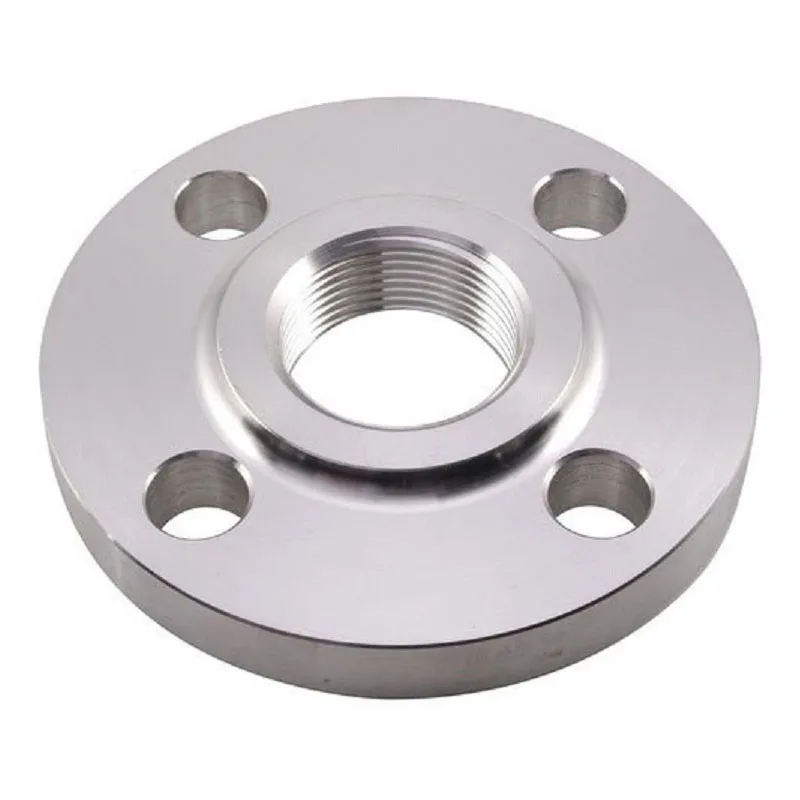 DIN 2566 Threaded flanges PN16
 -
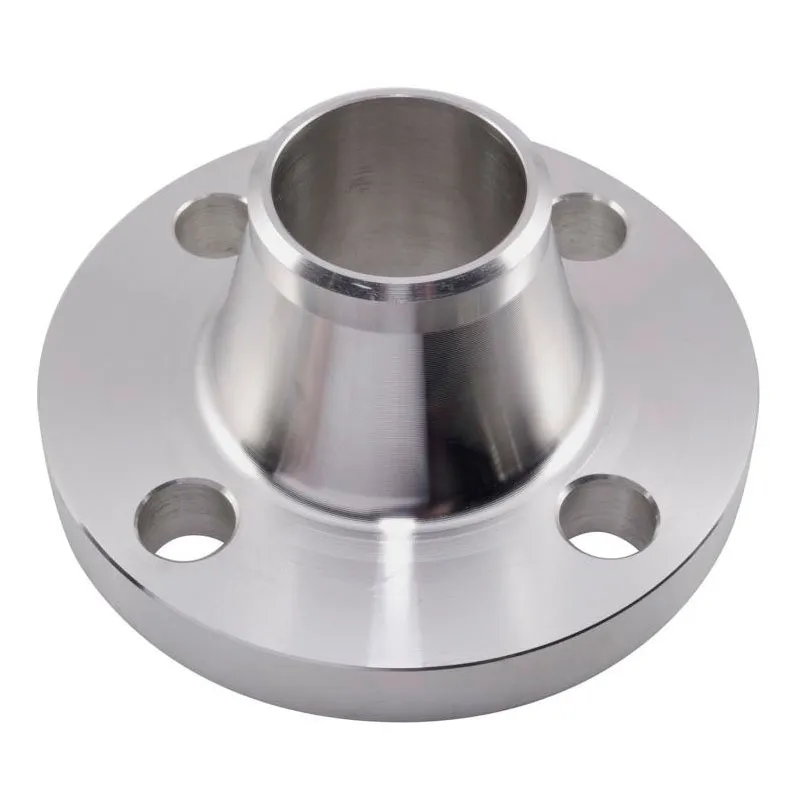 DIN Butt weld flanges PN10
 -
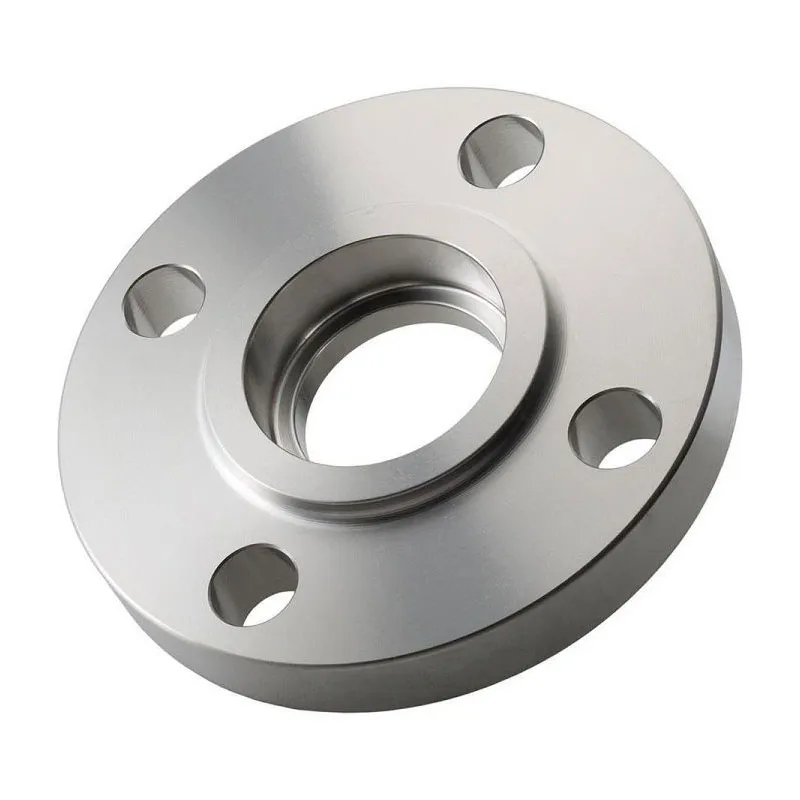 ANSI B16.5 Socket Weld Flanges Class 1500
 -
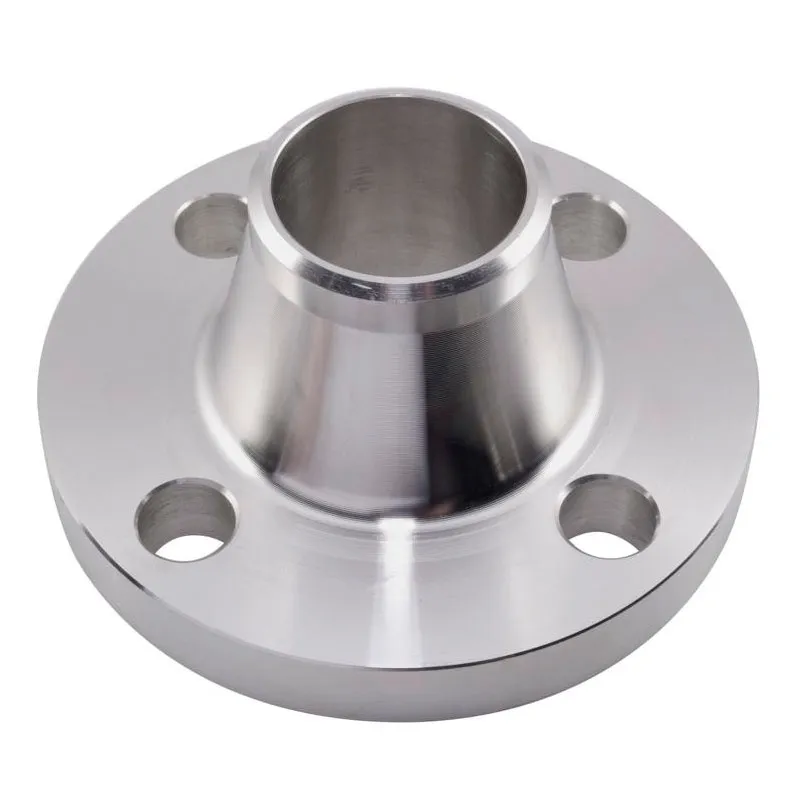 Butt weld flanges Class 900
 -
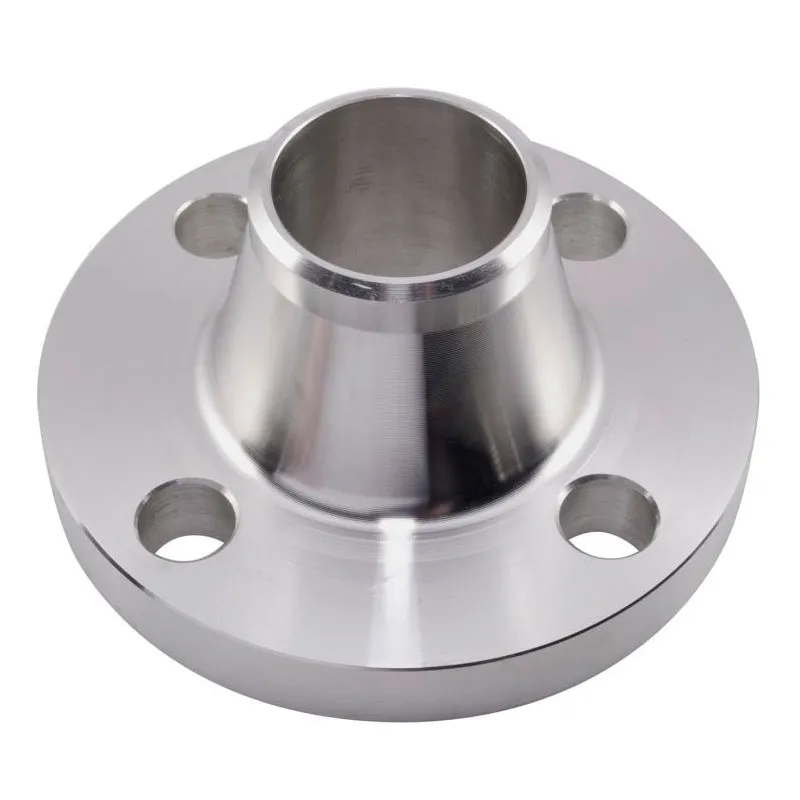 UNI 2281 Butt weld flanges PN10