
-
-
Phone
+86-13623462298



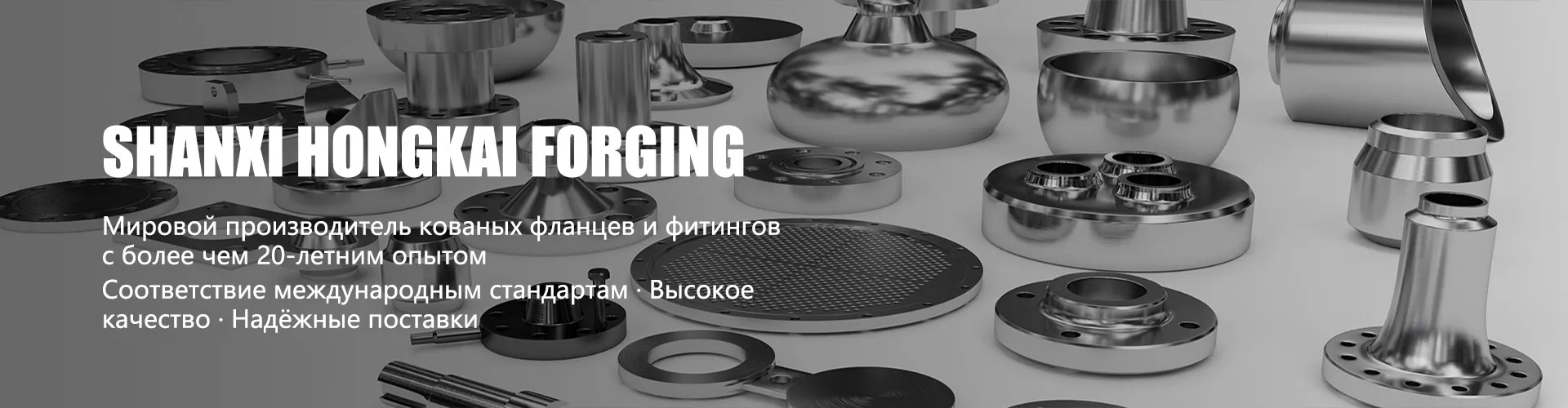
flange f10
When you hear “F10 flange”, the first thing that comes to mind is pressure, right? The nominal pressure is 10 MPa, and that's it. But in practice, especially with imports from China, where manufacturers such asShanxi Hongkai Forging Co.,Ltd(their website ishkflange.ru), everything is not so clear. Many customers get hung up on the number “10”, forgetting that the key is the material used and the temperature range. GOST is, of course, the basis, but in real projects, especially for energy or chemistry, compliance with the standard is not enough. I have seen cases where, according to the data sheet, the flange fits F10 perfectly, but when installed on a line with cyclic temperature loads, problems with tightness began - the material “tired”. And this is where it is important that a manufacturer, like Hongkai Forging, which positions itself as one of the key centers of the forging and pressing industry in China, focuses not just on stamping according to GOST, ASME or DIN, but on controlling the structure of the metal after forging. Their product range includes forgings up to DN4000 - for large diameters this is critically important.
Why ?F? - it's not just about pressure
Look, classification according to GOST. F10 is a group that combines flanges with a nominal pressure of 10 MPa at an ambient temperature from minus 70 to plus 200 degrees, if the material is carbon steel. But if the environment is aggressive or the temperature is higher, alloy steel is needed, and here the F10 group is divided into subcategories according to material. A common mistake when ordering is to simply indicate “F10 flange” in the specification, without the steel grade. Then complaints begin at the site: why didn’t it fit? The manufacturer, of course, will ship something from the standard range, for example, 20 or 09G2S, but whether this will be optimal for a particular service is a big question.
From my own experience I came across an order for a batchbutt weld flangesfor a compressor station. The terms of reference were clear: GOST 33259, F10. But the engineer who led the project did not specify that there would be short-term temperature peaks of up to +350°C in the line. They brought standard ones made of steel 20. As a result, after six months of operation, microcracks appeared at the joints. I had to urgently change to flanges made of steel 12Х18Н10Т, which, formally, also fall into the F10 group, but for a different temperature range. Wasted time and money. Now we always demand from suppliers, including when we review a catalog onhkflange.ru, not just a certificate of conformity, but a detailed test report for impact strength and mechanical properties at operating temperatures.
Another nuance is the design of the sealing surface. For F10, most often this is a tongue-and-groove or protrusion-recess. But if the flange is designed to connect to equipment in an older fleet, there may be a discrepancy of literally millimeters. Have to ordernon-standard products according to drawings. This is where it is important for the plant to be flexible. The description of Shanxi Hongkai Forging LLC directly states that they work according to customer drawings - this is a serious plus. Because large standard manufacturers often refuse small-scale non-standard orders, but here, apparently, this is in the order of things.
Forging vs. Casting or cutting: what's the difference for F10?
Many people still believe that a flange is just a ring with holes and can be plasma cut from a sheet. For low pressures - maybe. But for the F10 group this approach is absolutely not suitable. The metal fibers must be directed along the contour of the product to withstand high loads and vibrations. Only forging or stamping gives such a structure. Casting is also not the best option; there may be hidden sinks.
When we first orderedblind flanges(plugs) for a pressure of 10 MPa for a test bench, we tried to save money and took products cut from a thick sheet. During the first hydrotest at 15 MPa (test pressure for F10), one flange began to leak along the body, not at the joint! It turned out that there was an internal uncooked zone in the material. After that, we switched only to forged forgings. In this regard, the profile of a manufacturer that specializes specifically in forged flanges, like Shanxi Hongkai Forging LLC, speaks for itself. Forging is their main process, not a side process.
As for quality control, the F10 requires ultrasonic flaw detection or at least a thorough visual inspection with a control stamp. Not all suppliers do this as usual. Often a certificate is issued for a batch selectively. It is necessary to stipulate separately so that each flange, especially large ones, passes inspection. The description of the Chinese company indicates compliance with international standards - I hope that their quality management system implies this. Although, from experience, with Chinese factories it is better to spell out all the details in the contract very carefully.
Practical difficulties with installation and selection of fasteners
Another point that often comes up during installation is fasteners. For an F10 flange connection, studs or bolts with a strength class of at least 8.8, and preferably 10.9, are required. And here it is important that the thread on the flange is cut clearly, without burrs, and with the correct pitch. I came across a situation where the flanges were of excellent quality, but the studs were from another supplier - and when tightening, the threads were “hard”. As a result, the torque wrench showed the required torque, but in fact the force on the stud was less due to friction. The connection may have leaked.
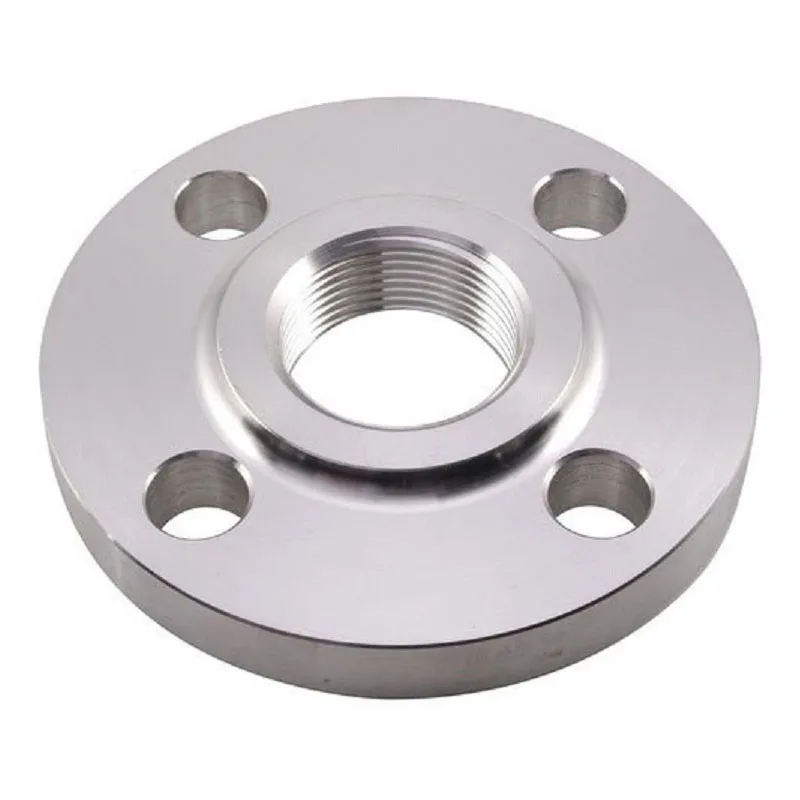
Therefore, now we try to order flanges and fasteners from one supplier, or we require that the flange supplier be the sameShanxi Hongkai Forging Co.,Ltd, gave recommendations on fasteners and, ideally, supplied them as a set. On their website, the nomenclature also lists threaded flanges, which means they work with threads. It would be nice if technical support could advise on the fastener strength class for a specific flange steel grade.
The installation of large flanges, say, with a diameter of DN1000 and above, has its own difficulties. The weight is enormous; aligning the planes of the two flanges is quite a task. It is important that there are no residual stresses on the flange itself after heat treatment, which could lead to warping. Again, forging followed by normalization is one of the best ways to avoid this. In this context, the company's claim that it is one of the main centers of the forging industry inspires some confidence. This means they must have the appropriate equipment to process large forgings.
Cost and logistics: what you should think about in advance
The price of the F10 flange can vary greatly. depending not so much on the diameter, but on the material and circulation. Non-standard material such as duplex steel increases the cost significantly. And here it is important not to skimp on trifles. A cheap flange from an unverified supplier can result in a disaster.
When working with Chinese manufacturers such as Hongkai Forging, you need to clearly understand the logistics and timing. Forging production, machining, inspection, packaging, sea transportation - these are months. For urgent projects, you need to either look for warehouse balances in the Russian Federation (which is unlikely for specific items), or set huge deadlines for production. By the way, their website lists a huge range of sizes - from DN15 to DN4000. But having this size in stock is one thing, making it to order is another. Always check the status: warehouse or production.
And the last thing is documentation. A certificate in accordance with GOST R or a TR CU/EAEU declaration is a must have for import and use in Russia. The manufacturer must have all necessary permits. When requesting a quote, immediately ask for sample certificates. An experienced supplier who is already working on the Russian market, as a company with a websitehkflange.ru, usually provides them without problems. If excuses start coming, that's a red flag.
Instead of a conclusion: personal checklist when ordering
So, to summarize my sometimes bitter experience withflange f10, then that's what I look at first. Not for the price and not for the beautiful picture in the catalogue.
Firstly, the material used and its compliance not just with the standard, but with my working environment (temperature, aggressiveness). I require the supplier to justify the choice of steel grade.
Secondly, manufacturing technology. Forging/stamping for critical applications only. I’m asking about quality control (ultrasonic testing, heat treatment).
Thirdly, completeness and related materials. I'm discussing fasteners and gaskets. It is better if one supplier is responsible for the entire package.
Fourthly, documentation and compliance with the requirements of the CU TR. Without this there is no way.
And fifthly, reputation and examples of completed projects. WebsiteShanxi Hongkai Forging Co.,Ltdlooks solid, standards and ranges are indicated. But the next step is to ask them for a reference list for the supply of F10 flanges in the CIS, and it is better to talk with a technologist, and not just with a sales manager. Because ultimately, the F10 flange is not just a part, it is a safety feature. And you can trust its production only to those who understand all the responsibility.
Correspondingproducts
Related Products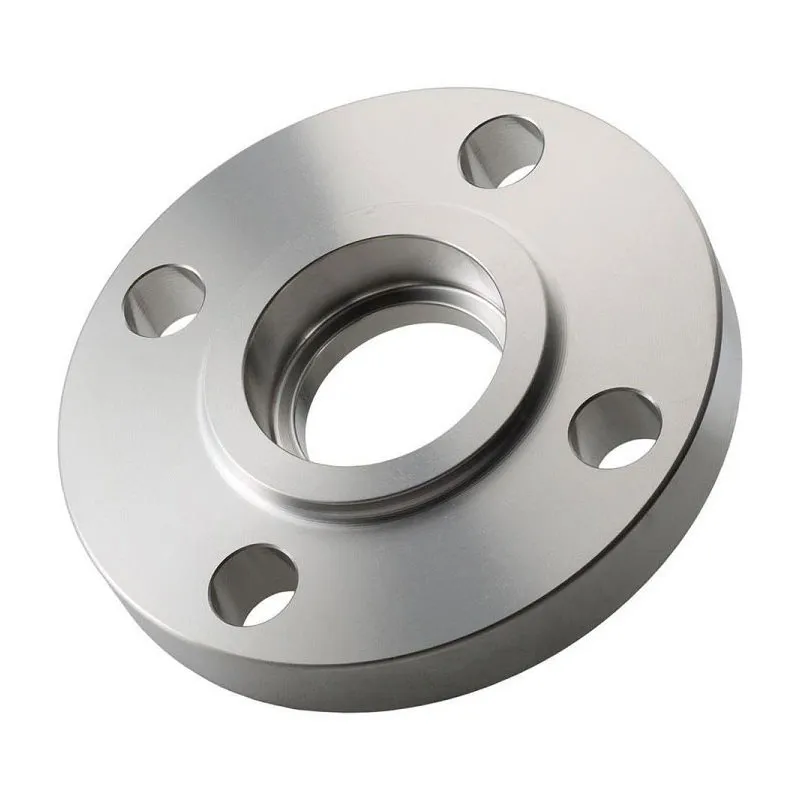
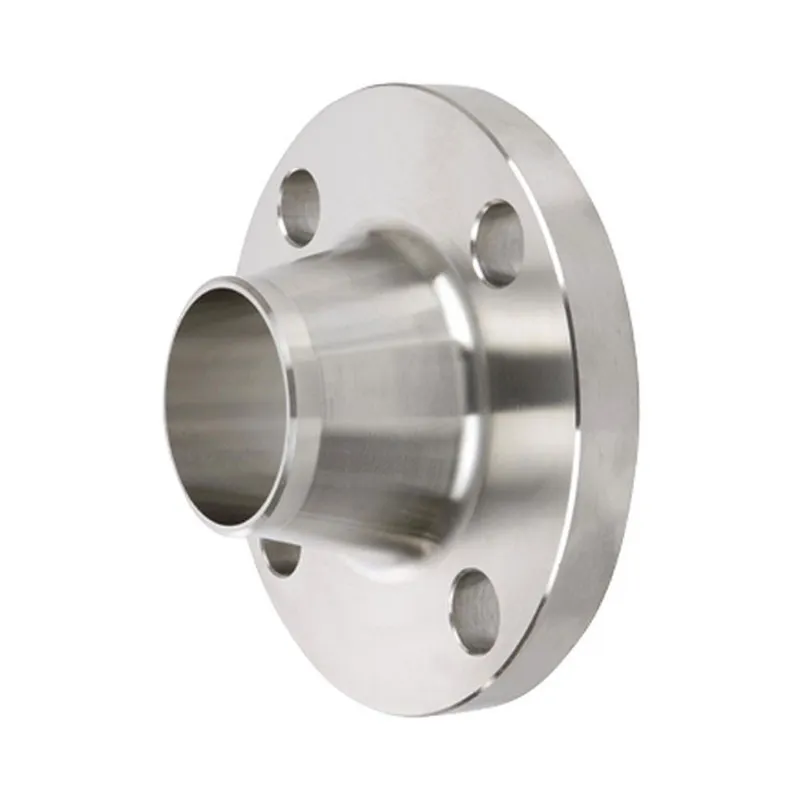
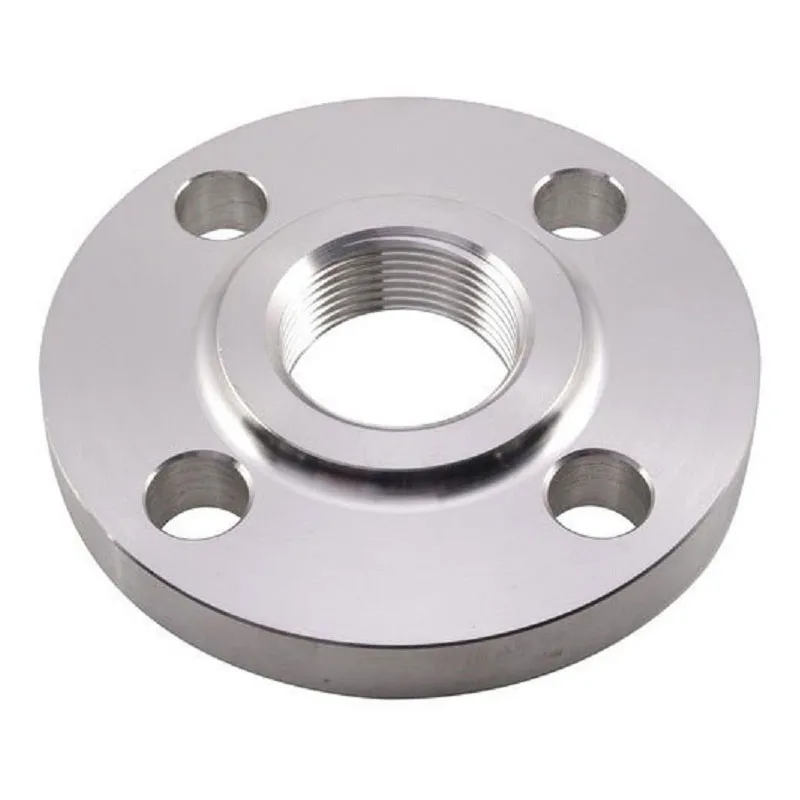
Best Sellingproducts
Best Selling Products-
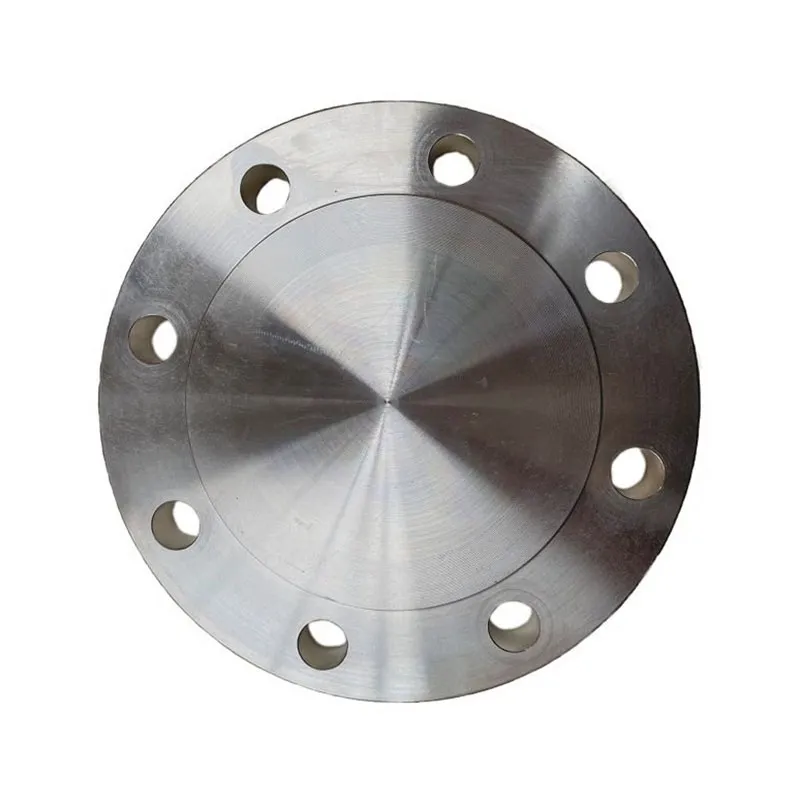 ASME B16.47 Ser.A Blind Flanges Class 400
 -
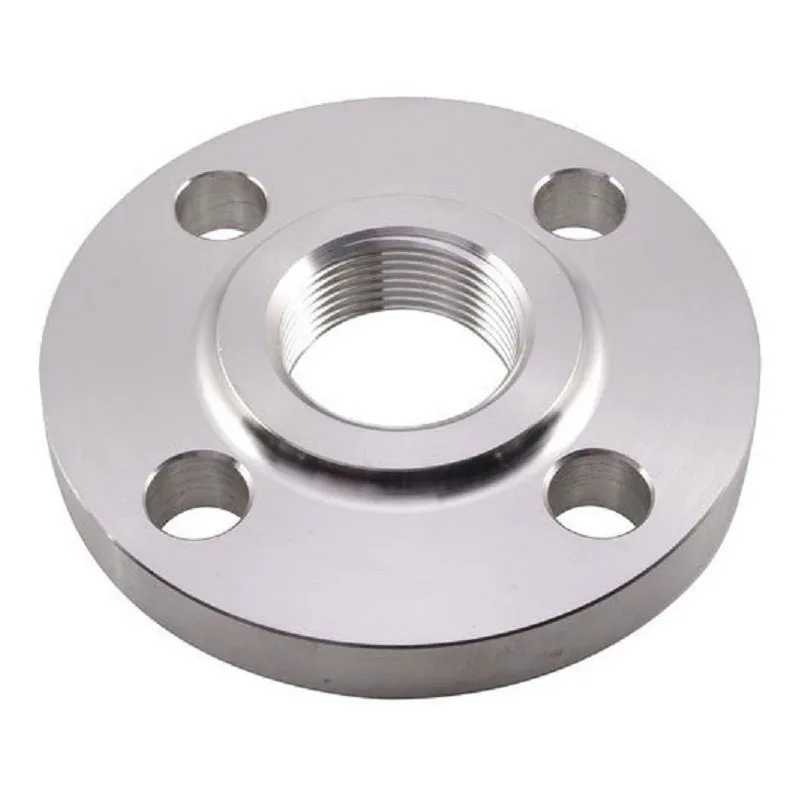 ANSI B16.5 Threaded Flanges Class 600
 -
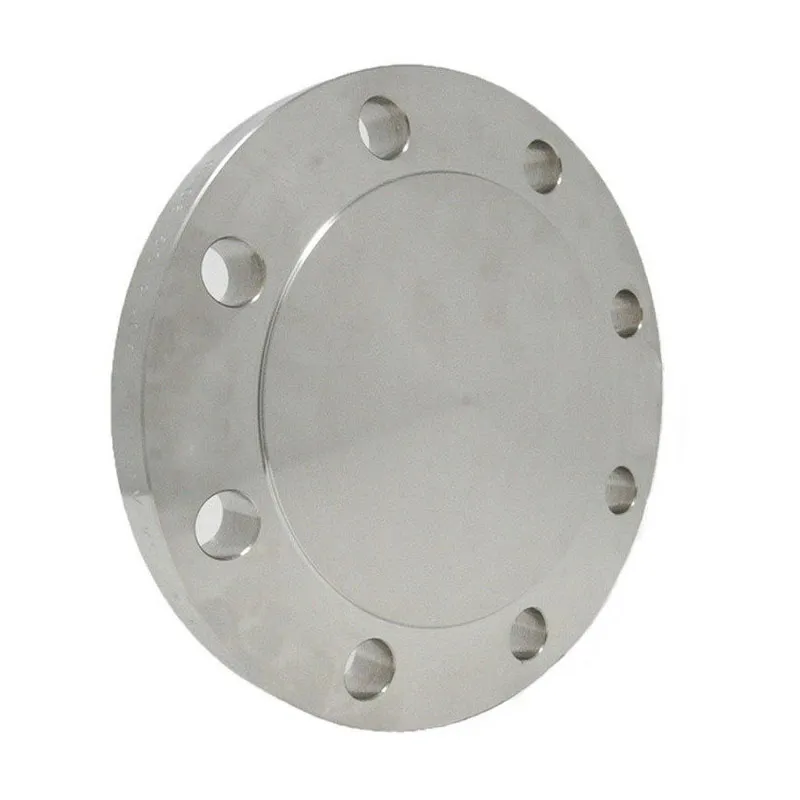 AWWA Blind Flanges Class D (Tables 1, 2, 3)
 -
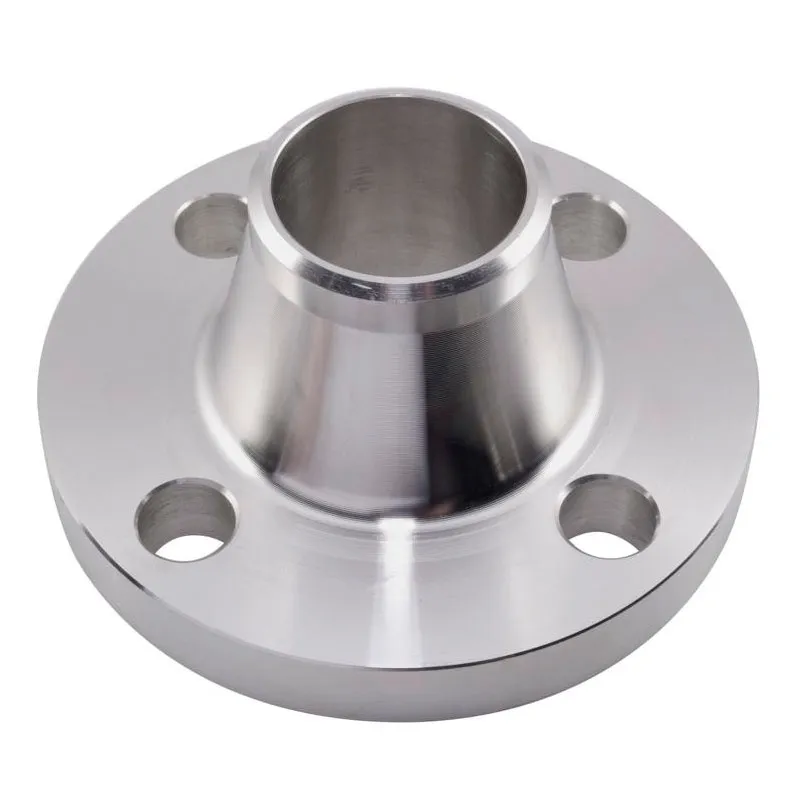 Butt weld flanges Class 900
 -
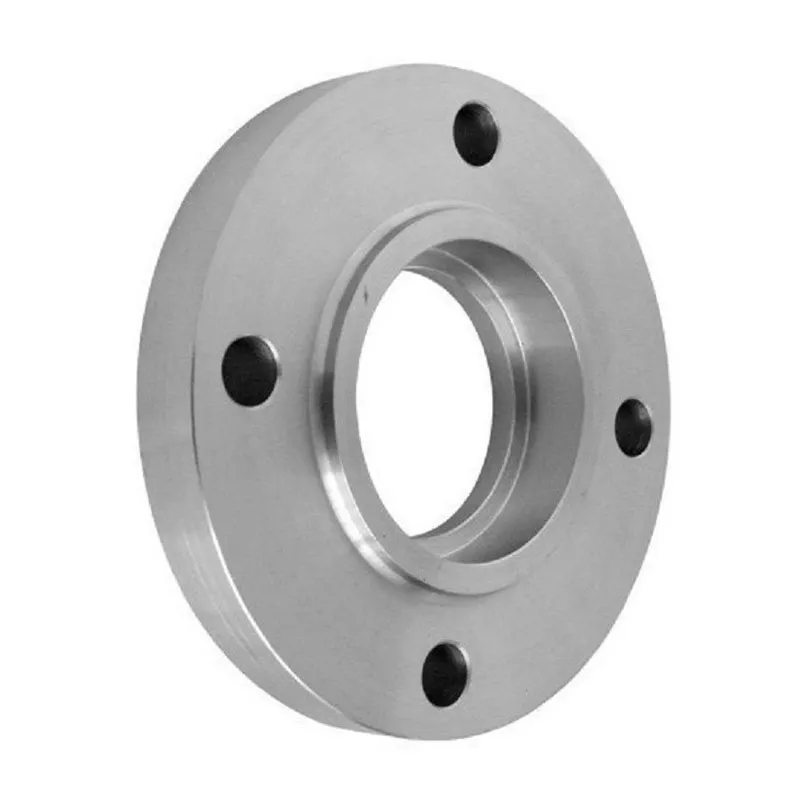 Socket Weld Flanges Class 300
 -
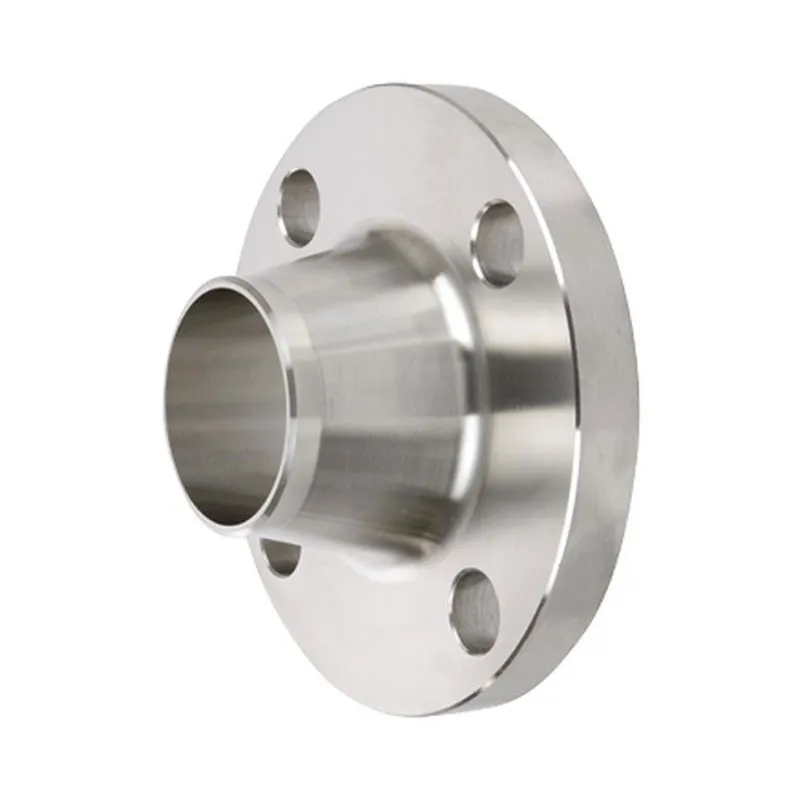 Ser.A Butt Weld Flanges Class 400
 -
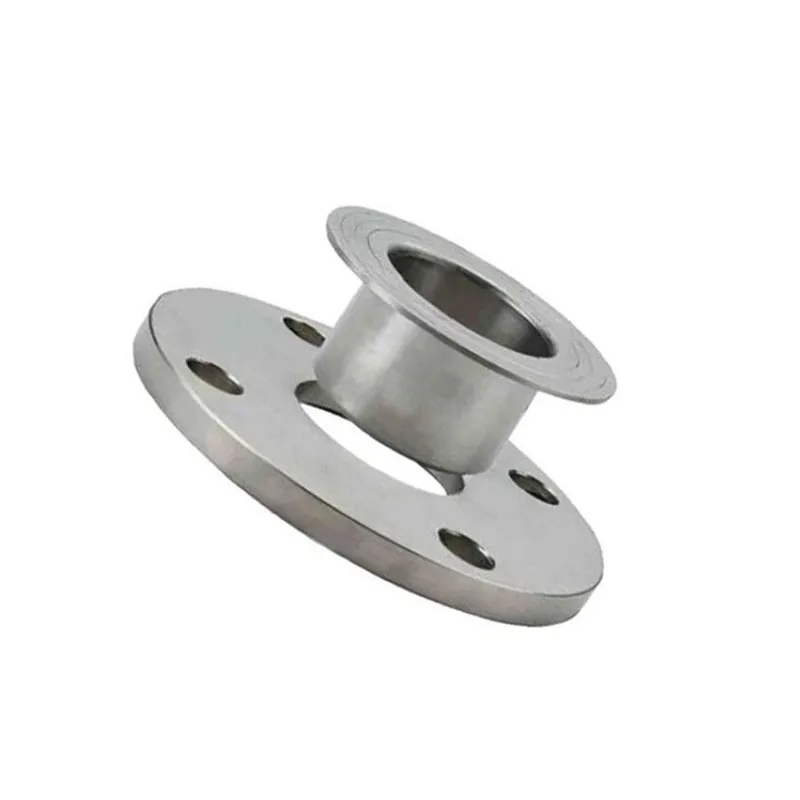 Free ring flanges Class 400
 -
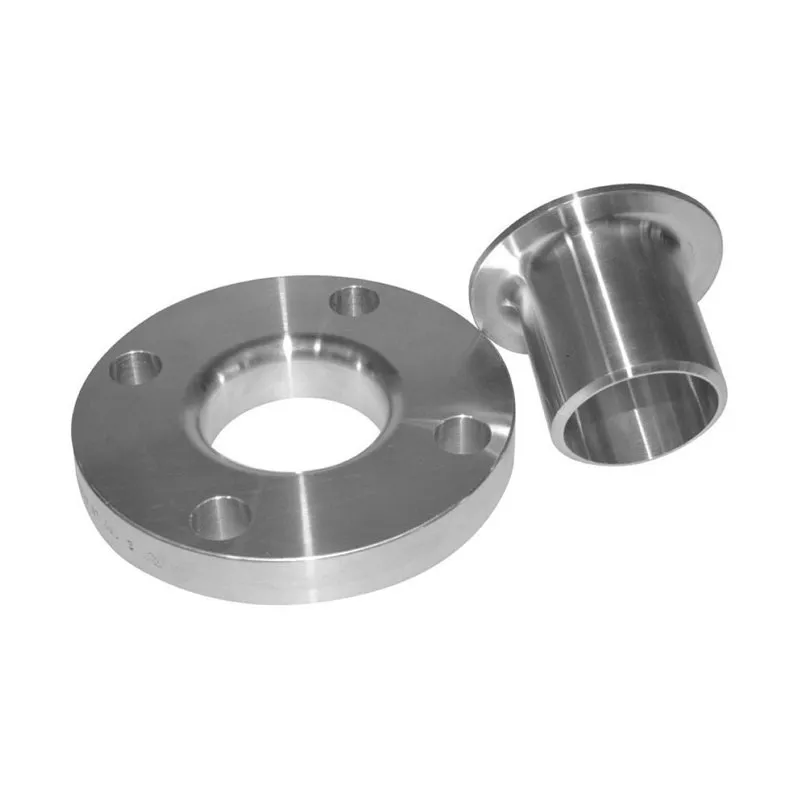 Free ring flanges Class 150
 -
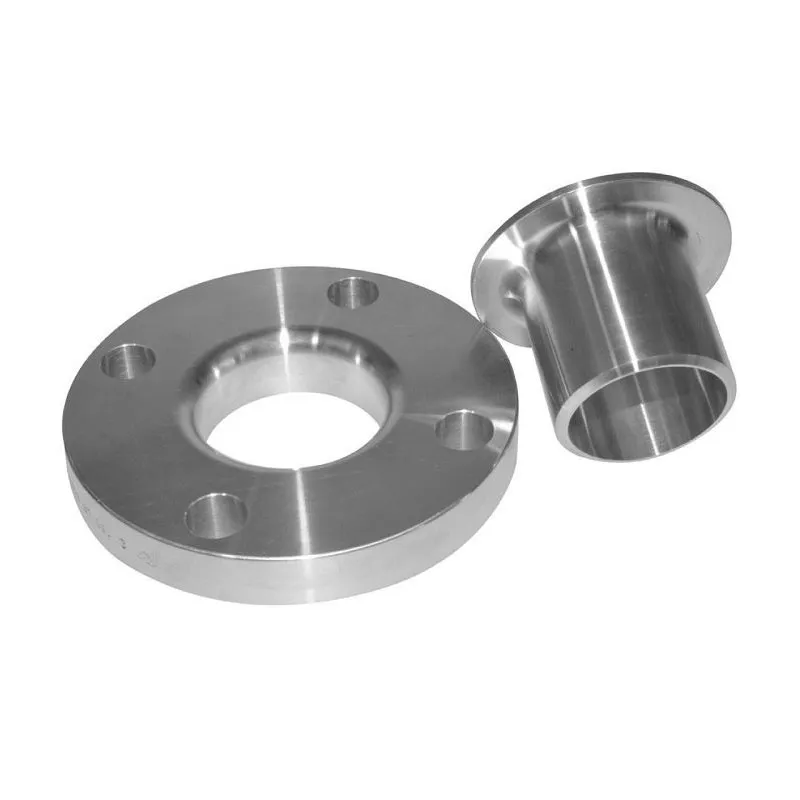 ANSI B16.5 Loose Ring Flanges Class 2500
 -
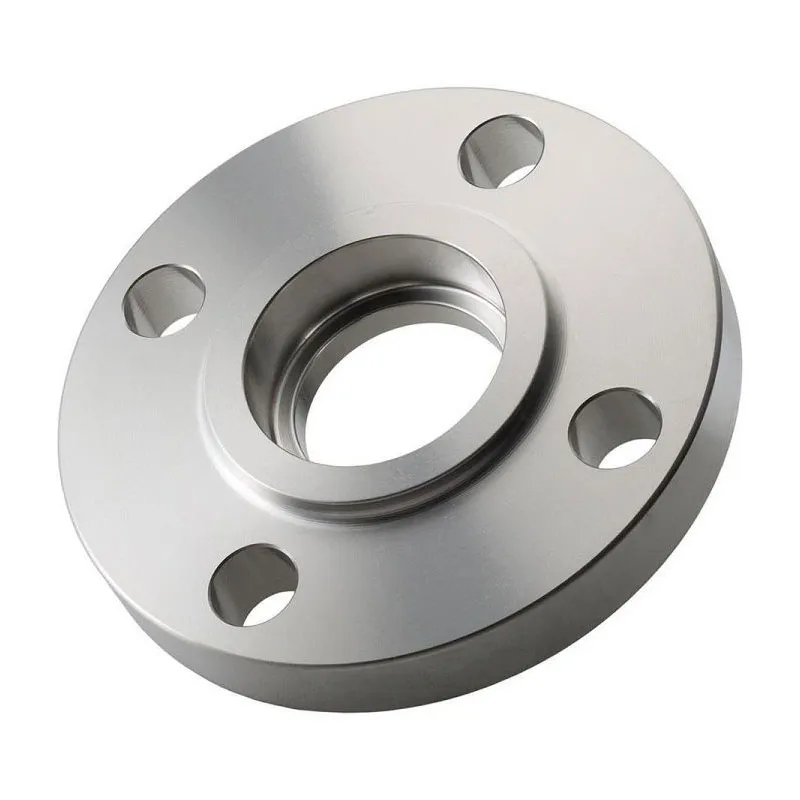 ANSI B16.5 Socket Weld Flanges Class 1500
 -
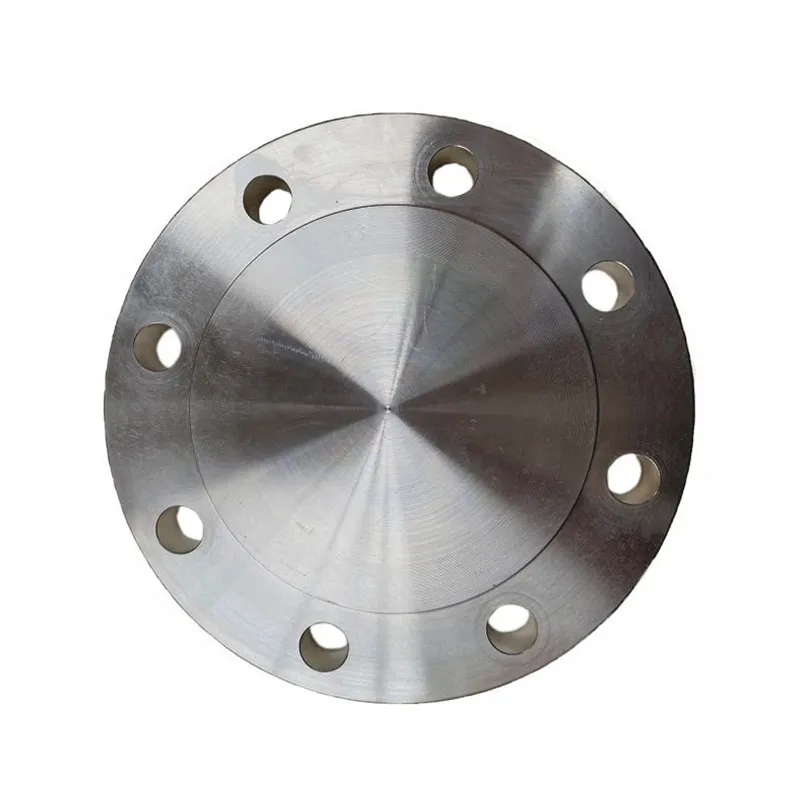 DIN 2527 Blind flanges PN10
 -
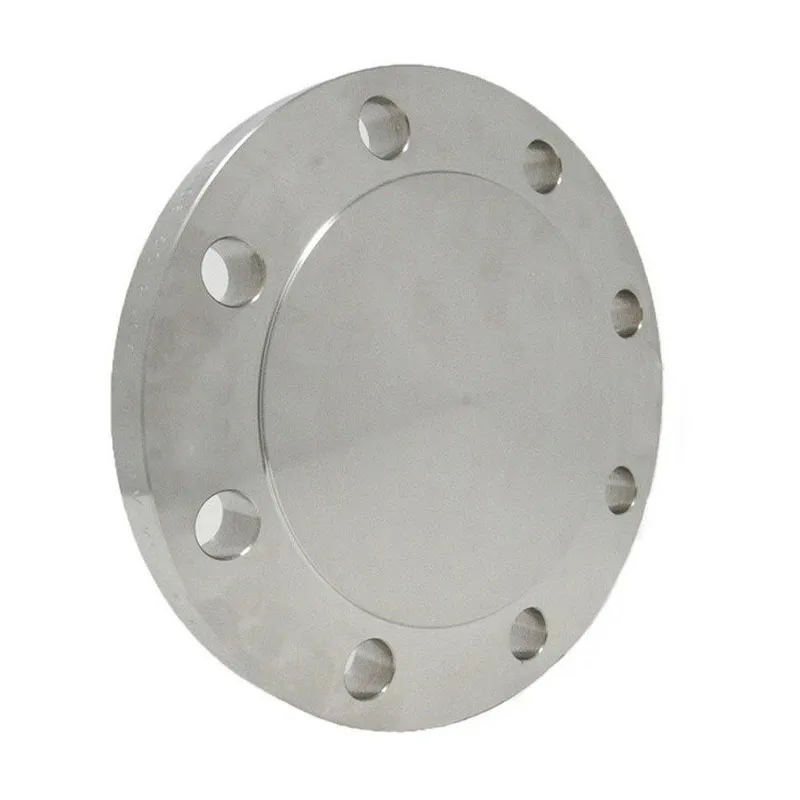 EN 1092-1 Blind flanges Type 05, PN10