
-
-
Phone
+86-13623462298



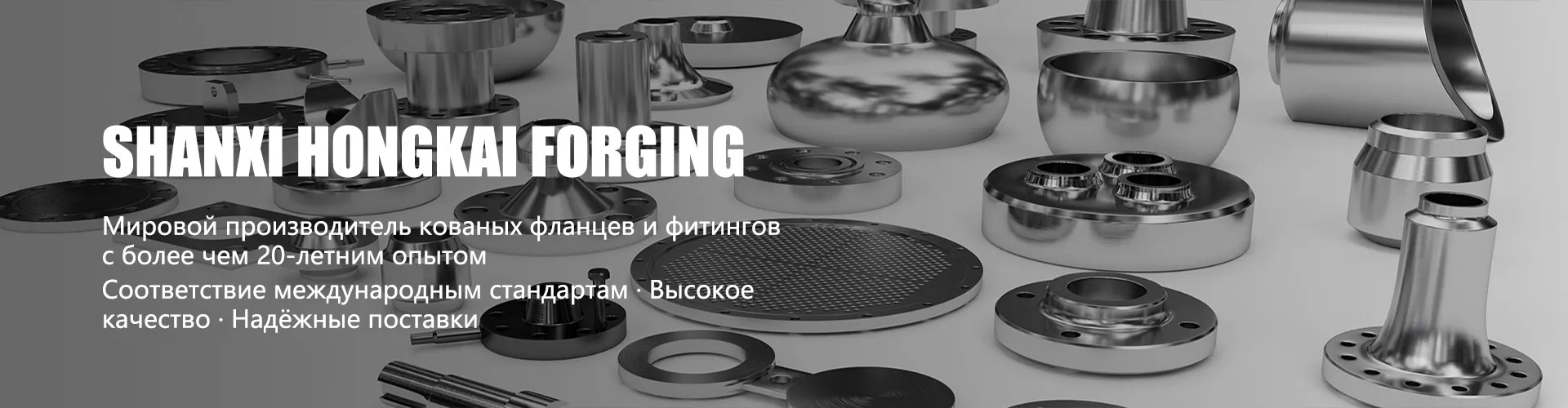
flange 2 bolts
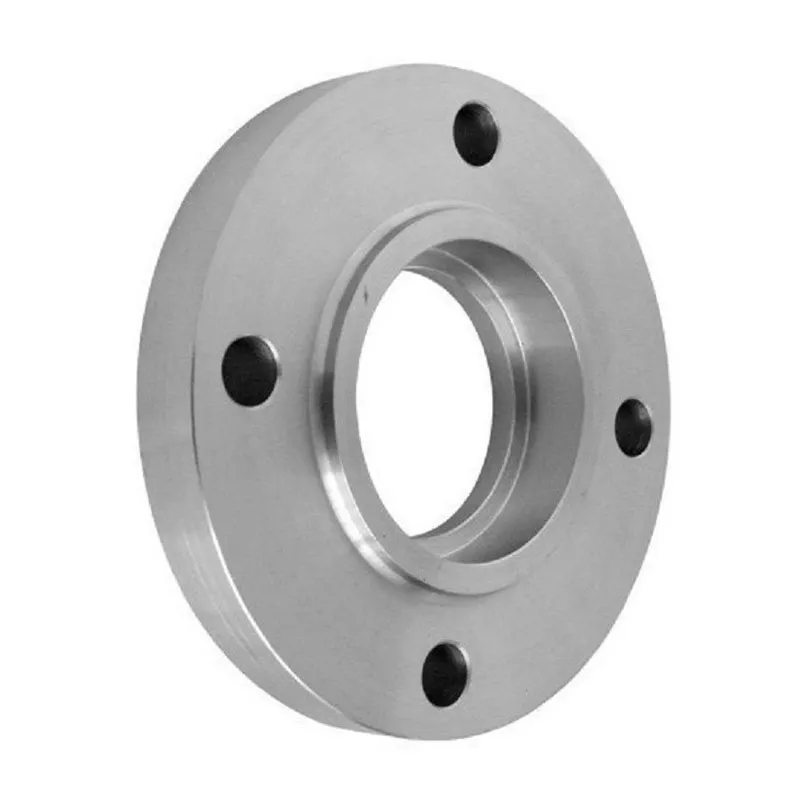
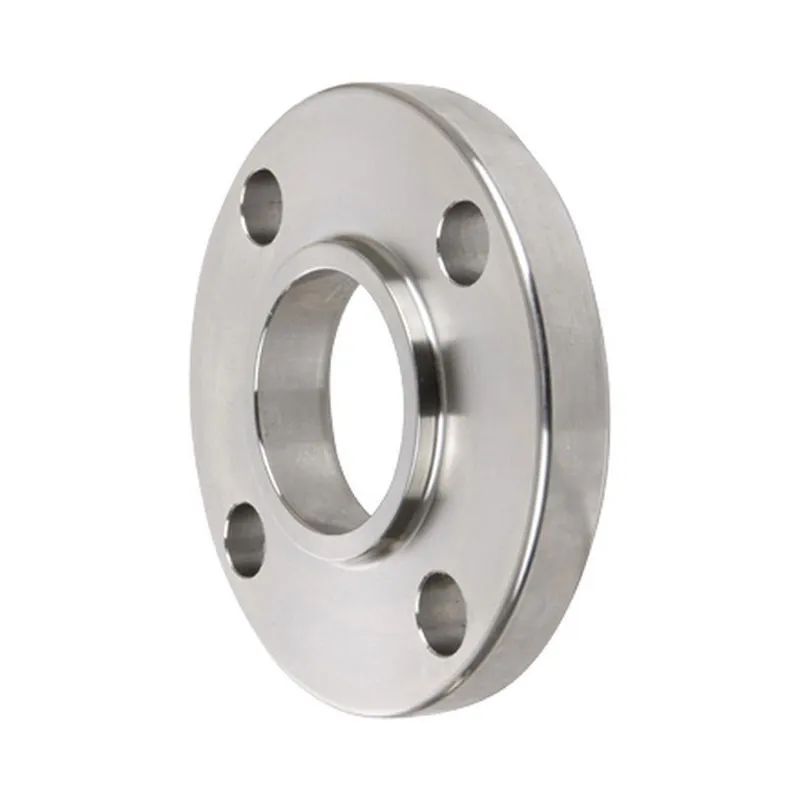
Tell me, “flange 2 bolts?” - sounds elementary, right? Many people think that this is some kind of small thing, an adapter for low pressures, and you can take anything. And then they wonder why it holds up in cold water, but in steam at 10 bar it already flows. The whole point is that it's not just two holes and a disk. This is a whole story about load distribution, about a material that should not just be “steel”, but work correctly in bending in this specific, very rigid fastening scheme.
Where and why are they even used?
Most often you will find them not on main pipelines, but on auxiliary lines, connecting devices, sensors, and small containers. Let's say a pressure gauge on the side fitting of the heat exchanger. A place where you need quick access, but space is limited, and install a fullflangefor 8 or 12 bolts - there’s simply nowhere. This is where the two-bolt option comes into play.
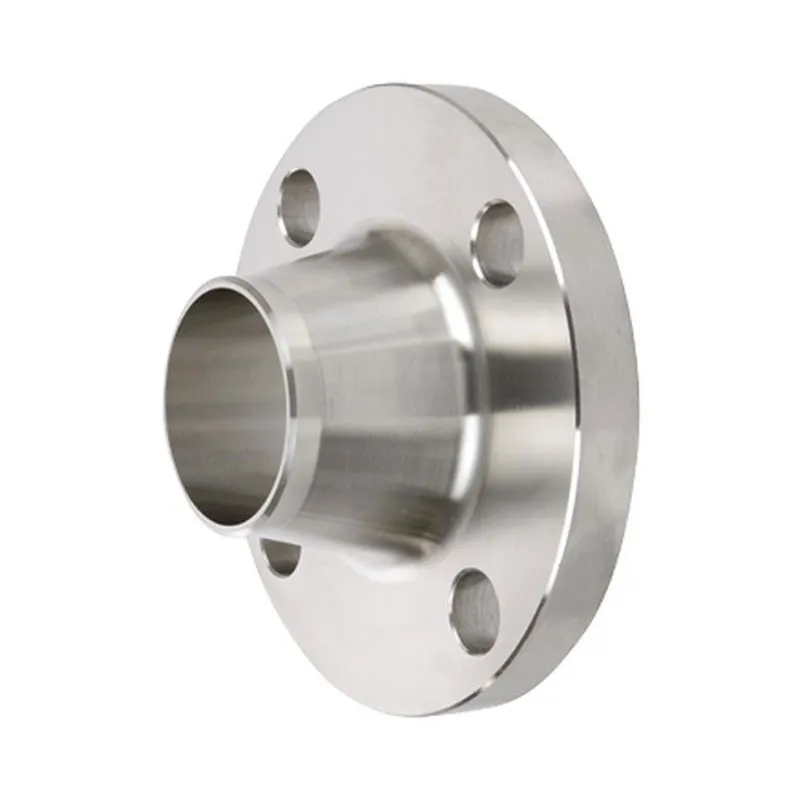
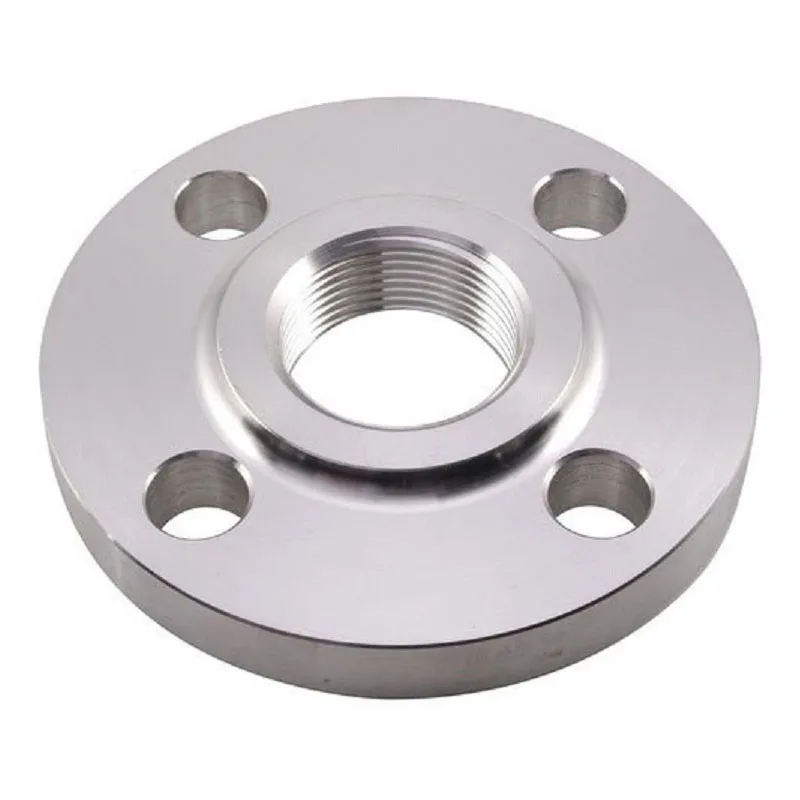
But here lies the first pitfall. Since there are only two bolts, the load on each of them and, critically, on the flange body in the area of the holes is colossal. You can't just take a plate, drill two holes and call it a flange. Geometry is everything here. The emphasis should go not only to the end, but also through the design of the flange itself, which is often made with a massive hub (neck) or, conversely, with internal reinforcement.
I once encountered a situation at a small boiler house. Placed on the make-up lineflange 2 boltsfrom an unknown supplier, externally beautiful, smooth. After six months of regular temperature expansion, a crack appeared in one of the holes. The material turned out to be not forged, but simply cut from a sheet, without subsequent heat treatment. Internal stresses from cutting plus cyclic load - and the result is obvious. Since then, I look first of all at the origin of the workpiece.
About forging and ?Shanxi Hongkai Forging LLC?
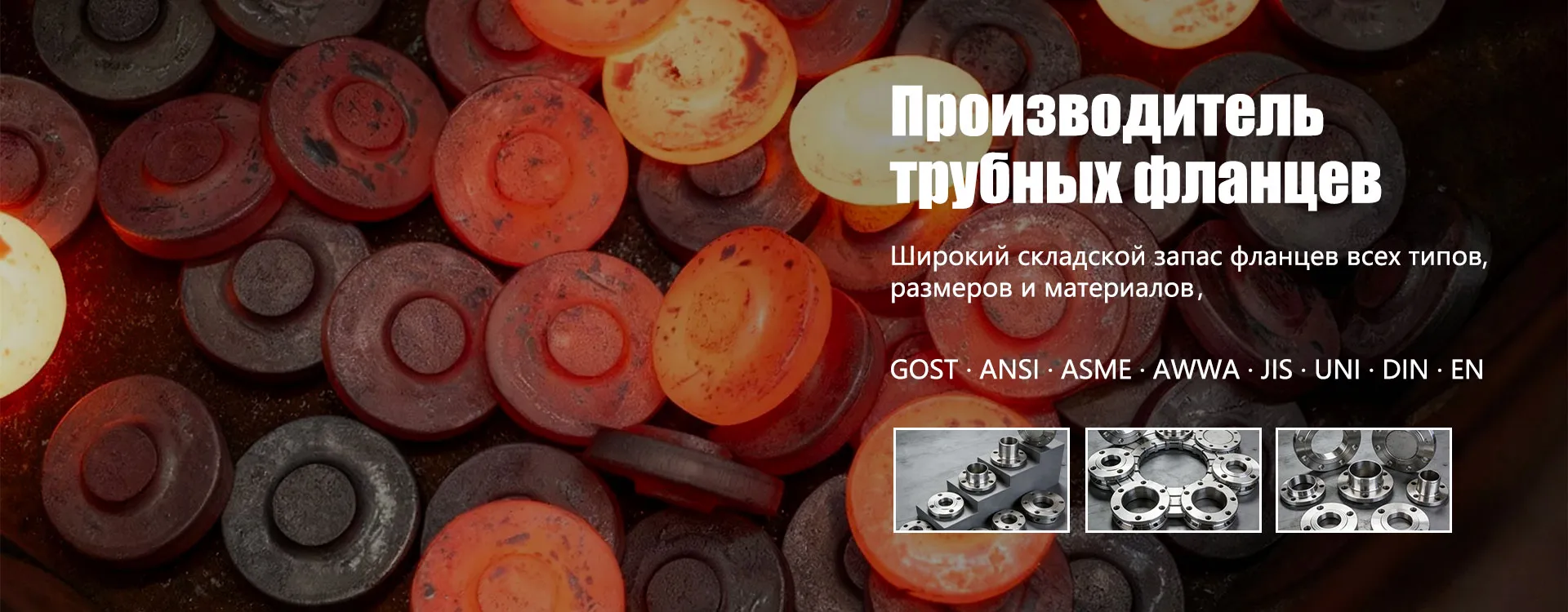
This is precisely why now, when I need something responsible, even something so “simple?”, I look towards trusted forging manufacturers. The sameShanxi Hongkai Forging Co.,Ltd- not an advertisement, but just an example from practice. They are from a region in China that is historically a blacksmithing center. What matters is not what they make flanges, but what they doforgethem. For a two-bolt connection this is fundamental.
Forging produces a fibrous metal structure that can be oriented in such a way as to increase strength precisely in areas of stress concentration - around these very two holes. A cast or cut-out part does not have such anisotropy properties. On the websitehkflange.ruit is clear that they work in accordance with GOST, ASME, EN - this is an indirect sign that the process is being monitored, including heat treatment after machining.
For such small but critical parts, they often offer custom manufacturing. This saves you when you need a non-standard solution - say, a flange with a transition to a non-standard pipe size or with offset holes for old imported equipment. I sent them a sketch - and they can forge exactly what is needed, rather than trying to adapt what is in the catalog.
Standards and unobvious nuances
Often, double-bolt flanges do not comply with basic pipeline standards such as GOST 12821, but according to standards for connections for vessels and apparatus, or even according to the drawings of equipment manufacturers. It can be found according to both DIN and ASME B16.5 (although there are usually 4 bolts or more), but in a smaller version.
The most important thing is to check not only the fit diameters and pressure (nominal pressure, PN or Class), but also the distance between holes (PCD) and, what is often missed, the diameter of the bolt holes. If the hole is even half a millimeter larger, the alignment will be lost and the load will become uneven. If less, the bolt may not fit or may jam when tightened.
Another point is the type of seal. Most often this is a flat gasket, but there is also an oval or octagonal section. For different gaskets, the seal surface finish (texture) is different. For soft gaskets (paronite), a rougher texture is needed for “biting”; for spiral-wound or metal ones, an almost mirror-like surface is needed. Ifflange 2 boltscame with a polished seating surface, and you install paronite - you can catch the leak for a long time.
Installation: where even good products break
Let's say the flange is ideal, forged, frommanufacturer of forged flanges. The story doesn't end there. Installation is 50% of success. Two bolts are not four or eight. They cannot be tightened sequentially in a circle. That's right - this is a gradual and uniform tightening crosswise, but here the scheme is simple: make a few turns on one, then switch to the second, and so on in a circle until you reach the point of tightening.
And you need to know this moment for sure! If you overtighten, you will break the thread or, worse, create unacceptable stresses in the flange body, which will lead to metal creep and subsequent weakening of the connection. If you don’t tighten it enough, you won’t provide the necessary compression of the gasket. You need a torque wrench, no options. ?By eye? Absolutely doesn't work here.
I had a sad experience installing a chemical water treatment system. The flanges were excellent, but the installers, accustomed to a lot of bolted connections, tightened two bolts all the way, believing that this was more reliable. After a week of working with a hot alkali solution, a network of microcracks appeared in the transition zone from the hub to the flange disk. The material, figuratively speaking, is “tired?” from excessive load. I had to change the unit completely.
Selection of material for the medium
The material is not just “stainless steel or ferrous metal”. For a two-bolt joint that often sits in corners or awkward locations, corrosion can eat away at it faster. You need to look at the environment. Water vapor? Carbon steel 20 or 09G2S according to GOST may be suitable. Aggressive chemicals? Here you need to look towards AISI 304 or 316.
But it is important to remember that the flange itself and the bolts must be galvanically compatible to avoid galvanic corrosion. You cannot install galvanized bolts into a stainless flange without insulating gaskets - this is a direct path to rapid destruction. It is better when the kit comes from one manufacturer. The sameHongkai Forging, judging by their nomenclature, can also offer forgings from different grades of steel, which allows you to select an option for a specific task, rather than taking what you have.
And one more thing about the sizes. They claim a range of up to DN4000, but for two-bolt ones, of course, we are talking about small diameters, most often up to DN100-DN150. For a larger diameter, two bolts are physically irrational; the load will not be distributed. So if they offer youtwo bolt flangeon a DN300 pipe - this is a red flag. It is necessary to double-check the pressure calculations.
Bottom line: simplicity that demands respect
In general, what am I talking about?Flange 2 bolts— this is not a “simple piece of iron?”. This is a design unit that requires attention to the origin of the workpiece (forging is preferable), standards, material and, most importantly, installation culture. Its apparent simplicity is deceptive. It is less forgiving than multi-bolt analogues: an error in the material or during tightening will manifest itself faster and more severely.
Therefore, my approach now is this: if there is a critical component, even an auxiliary one, I am looking for a manufacturer who specializes in forgings and can provide documents on the material and heat treatment. Because it’s cheaper to carefully select and install it once than to later wash the object clean of coolant or, God forbid, extinguish the consequences of a breakdown. There are no trifles in pipeline fittings, and this flange is a clear confirmation of this.
Correspondingproducts
Related Products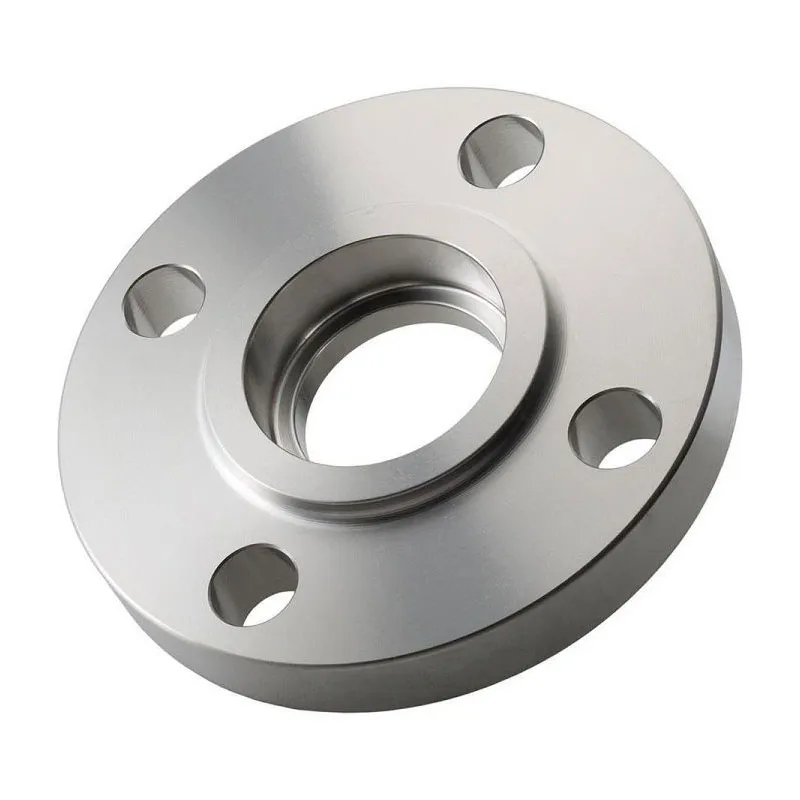
Best Sellingproducts
Best Selling Products-
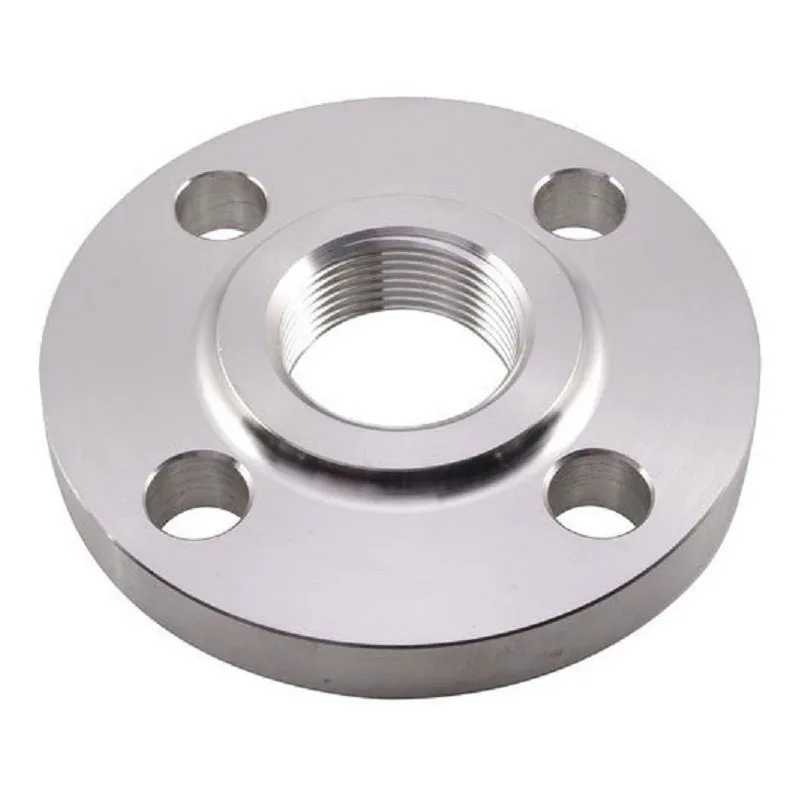 ANSI B16.5 Threaded Flanges Class 600
 -
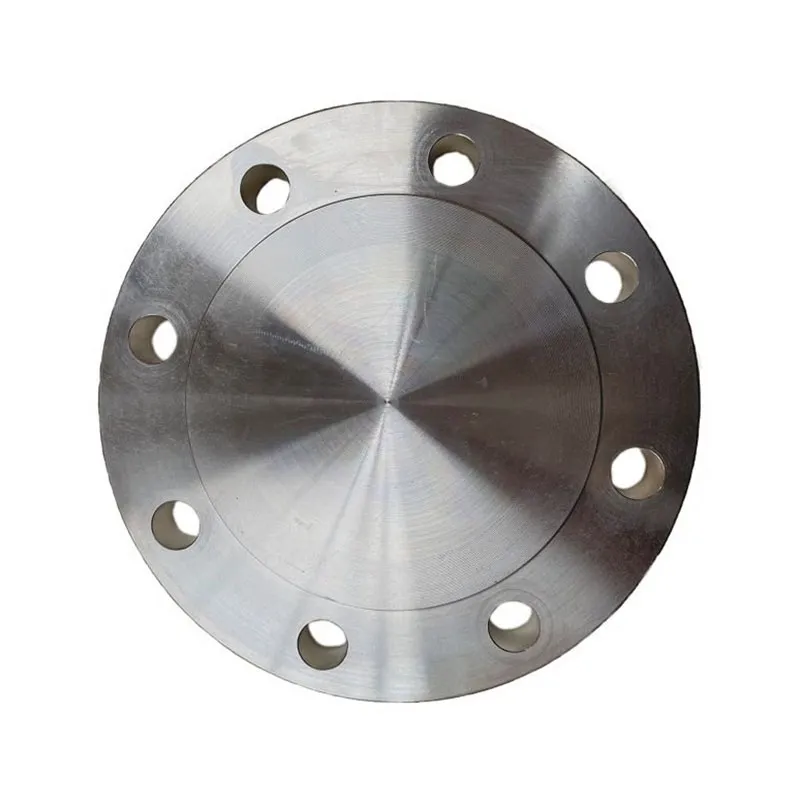 ASME B16.47 Ser.A Blind Flanges Class 400
 -
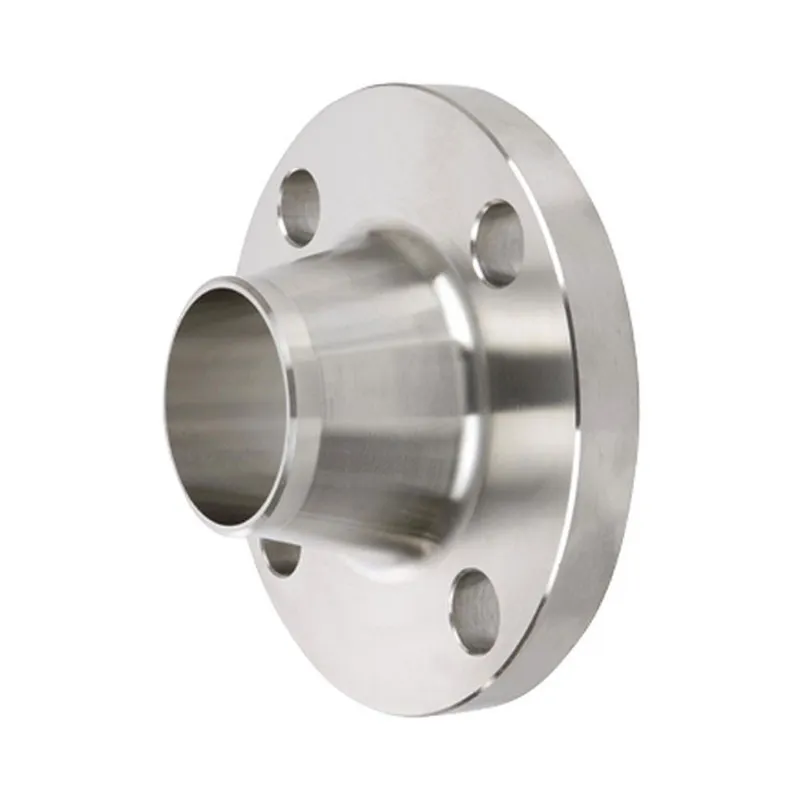 EN 1092-1 Butt weld flanges Type 11, PN25
 -
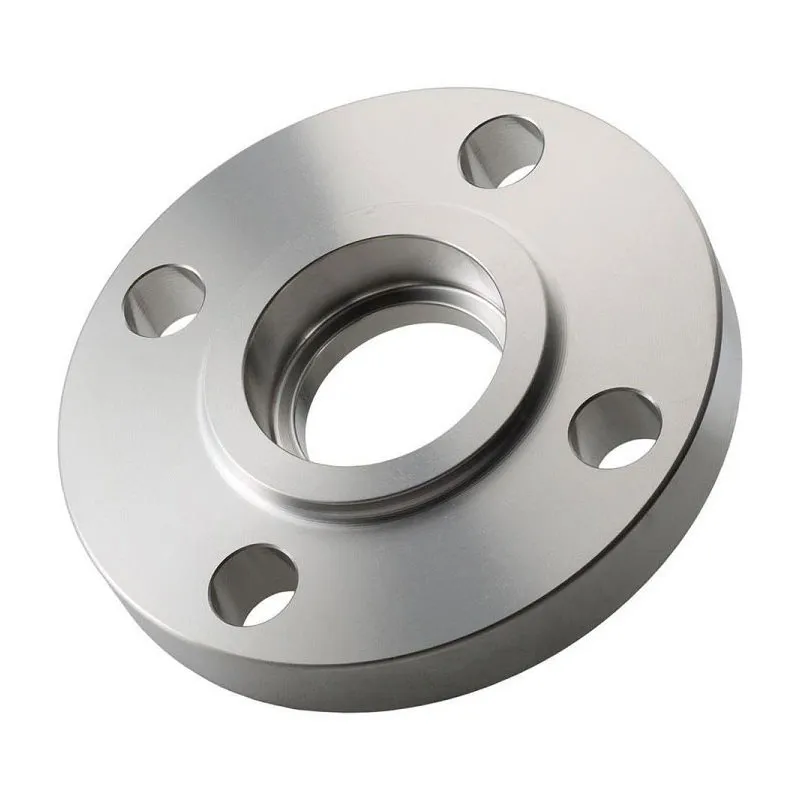 Flanges for socket welding
 -
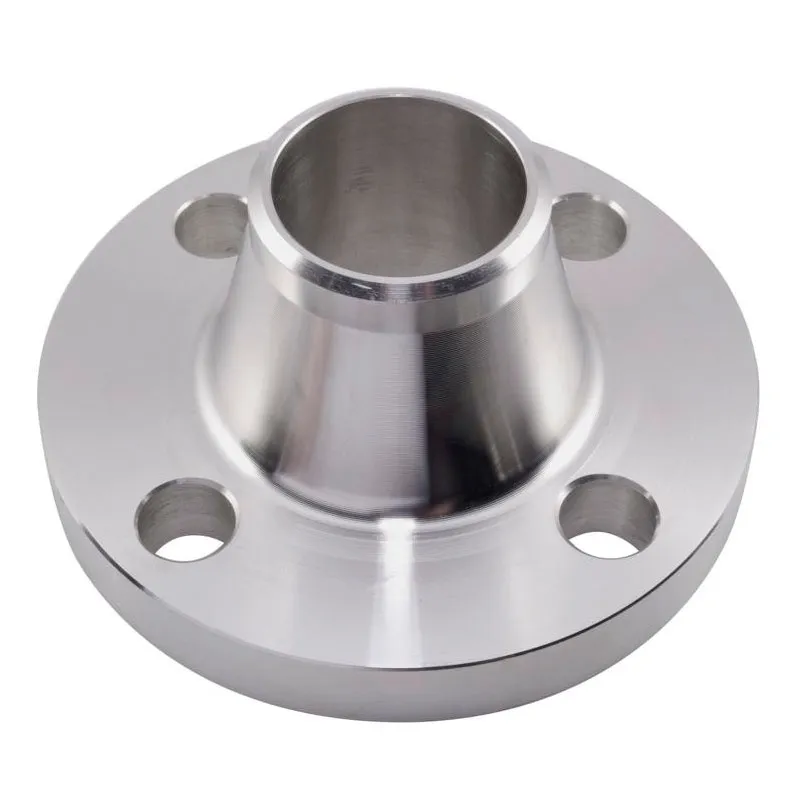 Butt weld flanges Class 900
 -
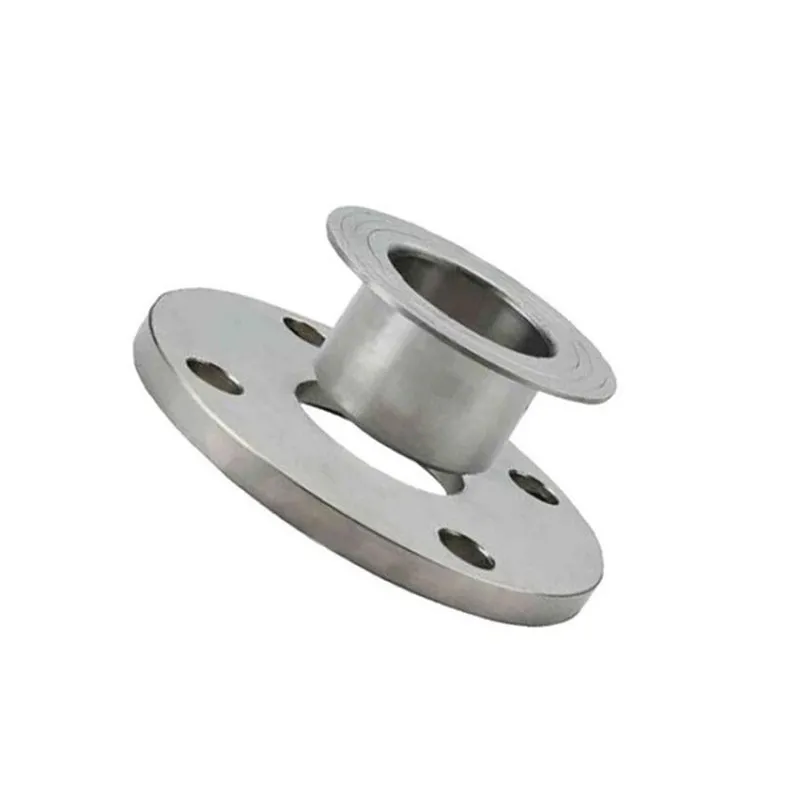 JIS 10K Loose Ring Flanges
 -
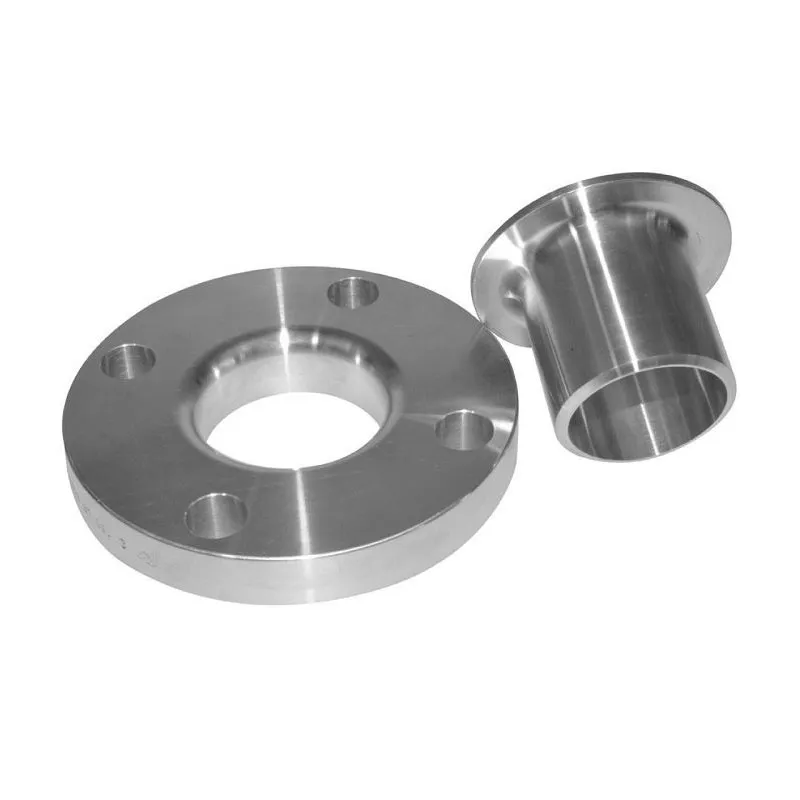 ANSI B16.5 Loose Ring Flanges Class 2500
 -
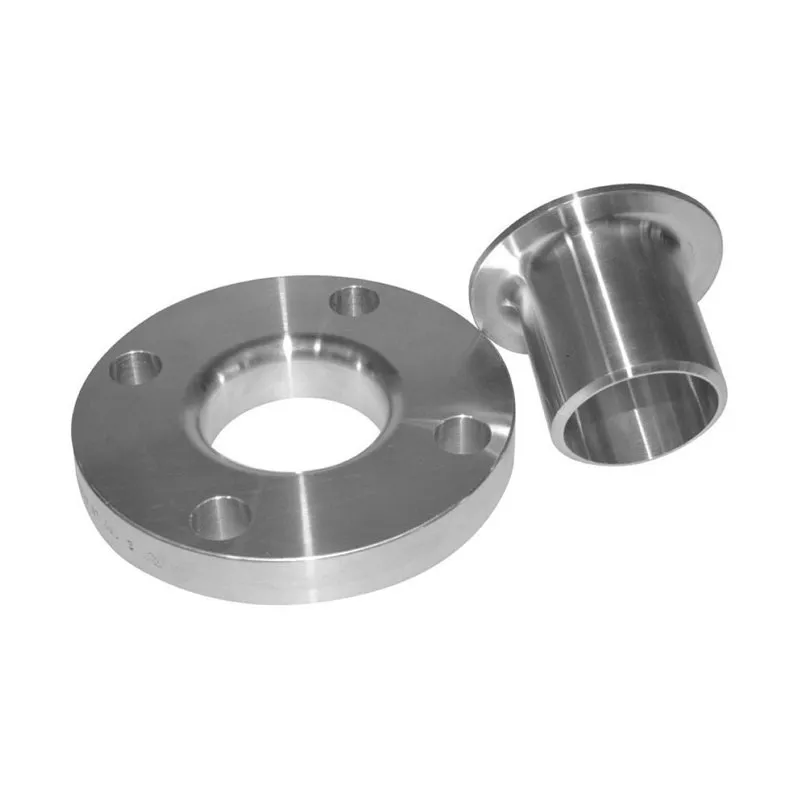 Free ring flanges Class 150
 -
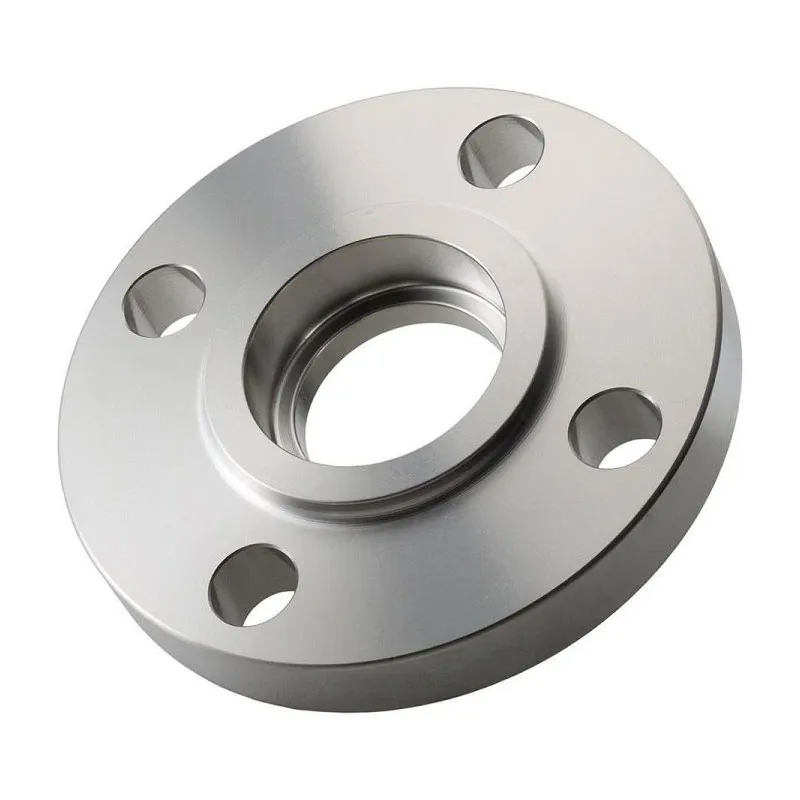 ANSI B16.5 Socket Weld Flanges Class 150
 -
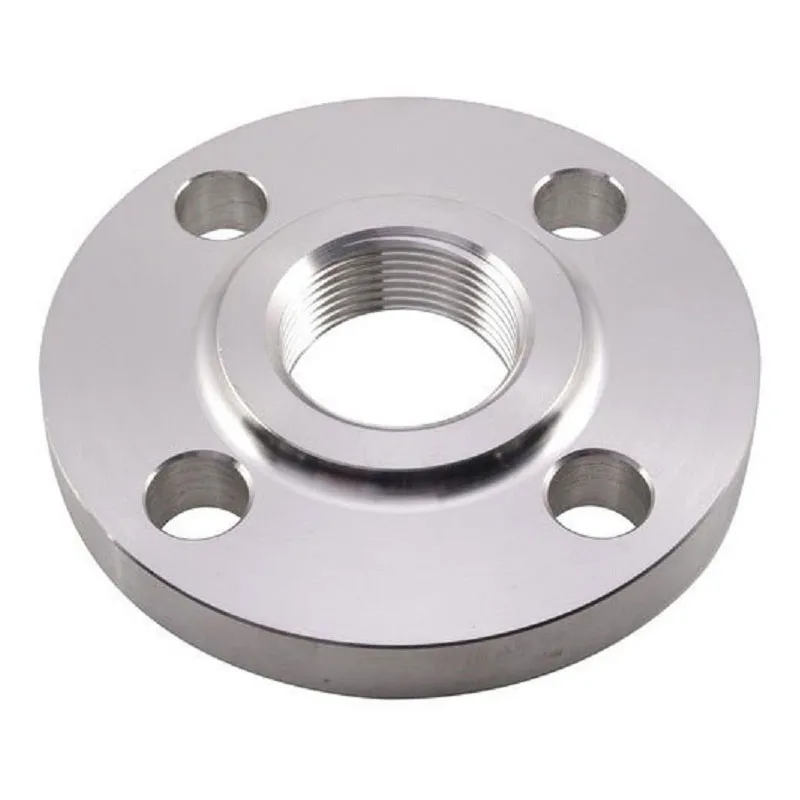 EN 1092-1 Threaded flanges Type 15, PN16
 -
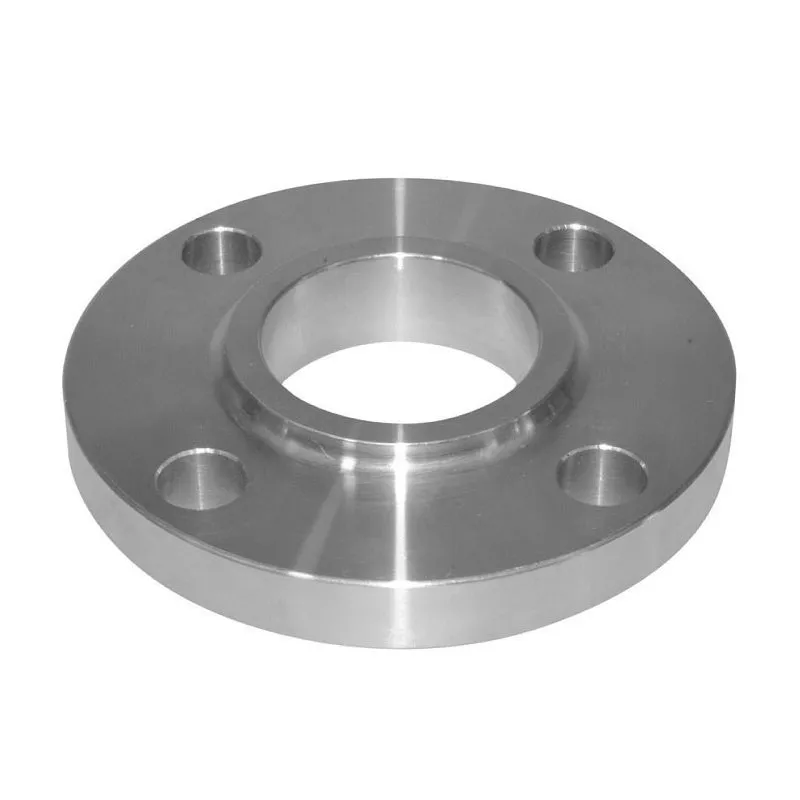 ANSI B16.5 Lap-on flanges Class 1500
 -
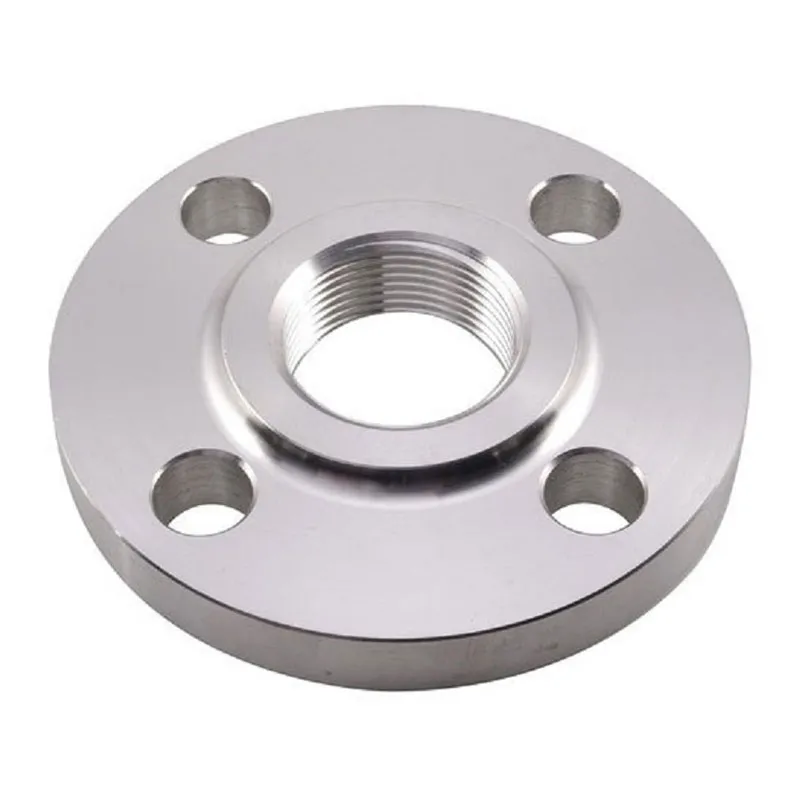 JIS 10K Overlay flanges