
-
-
Phone
+86-13623462298




steel flanges price in estimate
Here’s what’s interesting: when the line “steel flanges” appears in the estimate, many estimators, especially those who are far from the workshop, immediately go to collections or databases for the average price. And this is the first and main mistake. Because “the flanges are steel?” - this is not a single product, but a whole world where the price varies significantly depending on what exactly you take: a regular stamping according to GOST or, say, a forged high-pressure flange according to ASME B16.5. And if the estimate includes the first, but in fact the second is required, you will end up with a very painful gap for the customer. I myself got burned by this when, about ten years ago, I drew up an estimate for the repair of a heating main and laid flat flanges according to the series, but the installers brought them and demanded end-to-end ones - the difference in the weight of the metal and processing was colossal, I had to urgently look for a supplier and recalculate everything. Since then, I always start with the question: “What kind of flanges?” Where? And for what??.
Why ?steel? - that's too little
The word "steel" in the estimated price creates the illusion of simplicity. But in reality, it hides a dozen parameters, each of which affects the cost. Steel grade - that's it. 3sp, 20, 09g2s, 12x18n10t - prices will be completely different. Especially when it comes to low-temperature or stainless steel grades. Then - the manufacturing method. Stamped, solid forged, from rolled rings, gas-cut from sheets. Stamping is often cheaper, but for critical pipelines, especially in the energy sector or chemical plants, technical supervision simply will not accept anything other than forged ones. Forging gives a better metal structure; there are no internal stresses, as with stamping. I once saw how a batch of stamped flanges for 100 atm reactor was rejected at a facility - they found inhomogeneity using ultrasonic testing. I had to urgently look for forged ones. And this is where the real work beganprice in the estimate- because forging is more expensive, but the delivery times are different.
Another nuance is the coating. Galvanizing, priming, galvanizing. In estimates they often write simply “flange”, but by default it can come without coating. What if the object is on the street or in an aggressive environment? Add work and material for anti-corrosion - andpricewill creep up. Now I always demand from technologists or designers a complete specification: drawing, standard, grade of material, type of coating. Without this, an estimate is a fortune telling on coffee grounds.
And of course, size. DN50 and DN1000 are heaven and earth, not only in terms of weight, but also in terms of production complexity. Large flanges, especiallysteelforged, they are often made to order, and their price greatly depends on the production load and the availability of forgings. Here it is no longer possible to take the price from the old database; you need to request commercial offers from trusted factories.
Where to get the numbers: databases, suppliers and personal experience
Previously, I was heavily dependent on estimate databases like TER or FER, as well as commercial collections. But over time, I realized their main drawback: they are disconnected from the market and are updated with a huge delay. The price of metal and energy resources may change within a quarter, and the database will show old numbers. Therefore, now my main source is direct requests to manufacturers. But there are pitfalls here too. Some dealers give prices out of the blue, especially if they feel that you are not in the know. Others indicate the price per piece excluding VAT, delivery or customs clearance if the flange is imported.
That's why I developed my own system. For typical projects where standard flanges according to GOST or ASME are used, I have a short list of proven factories with which I have already worked. One of these isShanxi Hongkai Forging Co.,Ltd. On their websitehkflange.ruit is clear that they are a manufacturer, and not a reseller. This is important. They make forged flanges and forgings, and according to a wide range of standards - from our GOST to ASME, EN, DIN. This is convenient for estimates: if the project, say, is according to the German DIN standard, then you can immediately request a design proposal from them, and not look for it through third parties. Their range up to DN4000 suggests that they also cover large dimensions, which is critical for estimates for industrial facilities.
But even with a good supplier you cannot take the first number. I always ask for a breakdown: cost of forging, cost of machining, cost of heat treatment and testing (ultrasonic testing, hardness tester), if required. This helps you understand what makes up the total and where you can save a little without losing quality. For example, sometimes you can agree with the designer on a slightly different grade of steel from those available in the plant’s warehouse - and this will reduce the time and, possibly, the price.
Standards: how they affect the final figure
This is where many people stumble. It would seem that a flange according to GOST (butt-end) and a flange according to ASME B16.5 Class 150 are similar. But the geometry, tolerances, and marking systems are different. And different things mean that production requires different tools and equipment. Looks like a Chinese manufacturerShanxi Hongkai Forging Co.,Ltd, which claims to work in accordance with GOST, ASME, EN, DIN, essentially contains a fleet of equipment for different standards. And this, of course, is included in the price. An ASME flange for the oil and gas sector will cost more than a similar one according to GOST for water supply - not only because of the grade of steel, but also because of a more stringent control and certification system.
I had an incident during the construction of a mini-CHP. In the project, some of the pipelines were according to Russian standards, and some were according to European standards (imported equipment). And in the estimate, all flanges according to GOST were initially included as cheaper ones. When the time came to purchase, it turned out that it would not be possible to connect them with equipment according to EN 1092-1 - the dimensions and holes for the bolts did not match. I had to urgently recalculate and order flanges according to EN. It’s good that we found a manufacturer that does both, like the sameHongkai Forging. But the timing andprice in estimatesuffered - because EN flanges were almost one and a half times more expensive. Now, if there are mixed standards in a project, I immediately assume a higher cost.
Another point is certificates. For many objects, especially state-owned or with foreign investors, not just certificates of conformity are needed, but a complete package: a material certificate, a manufacturing certificate, test reports. Making them also costs money and time. And if inpriceIf you don’t take this into account, then you’ll have to secure additional funding, which is always difficult.
Non-standard products: where estimates turn into art
The most interesting and difficult part begins when the phrase “according to the customer’s drawing” appears in the specification. This means that the flange is not from the standard catalogue. Maybe with a non-standard arrangement of holes, with additional tides, grooves, or a giant size. Here everything is averagedpricesthey fly to hell. Drawing up an estimate for such a product means negotiations with the plant’s technologists.
My approach is this: I ask the plant not just for a price, but for a technological map or at least an estimate of labor costs. How much will the forging blank weigh (and it is often made with an allowance), how many hours of work on a CNC machine, how much the tool will wear out. Manufacturers of forgings and flanges who work with non-standard, such asShanxi Hongkai Forging Co.,Ltd(they directly indicate this service on the website), they usually make contact. They can send you an approximate estimate based on similar orders.
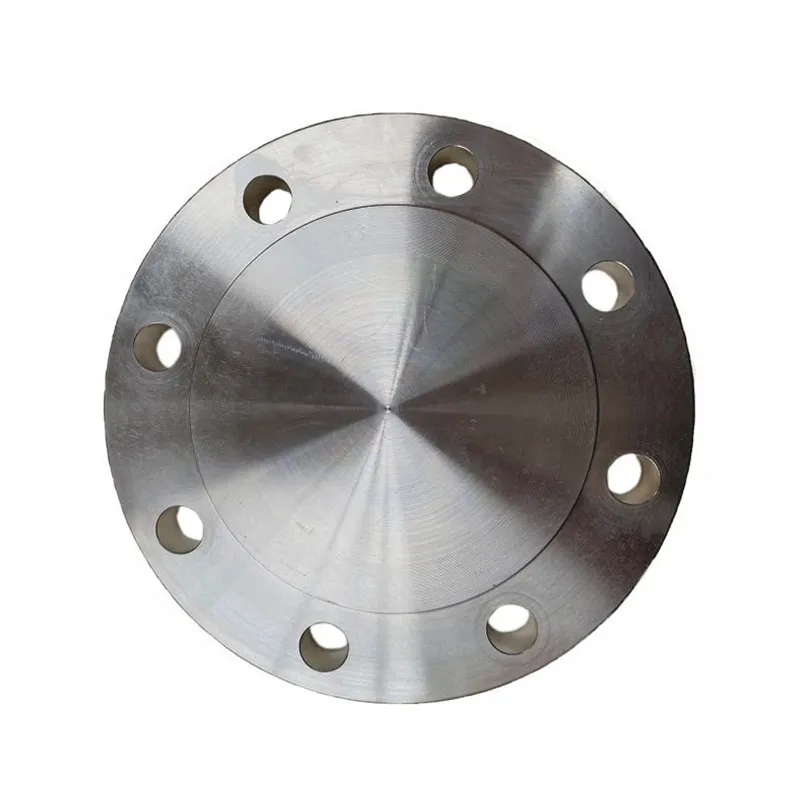
We once ordered a large blind flange (DN1200) with reinforced ribs for pipeline testing. In the estimate, on the advice of engineers, I included a factor of 2.5 to the price of a standard flange of this diameter. But when the calculation came from the factory, it turned out that it was necessary to include a coefficient of 3.2 - due to the complex milling of the ribs and subsequent ultrasonic flaw detection of the entire volume. The customer had to justify the increase in cost, since the calculations from the plant were in hand. Since then, for non-standard items, I do not set a coefficient, but immediately ask for a preliminary calculation from 2-3 manufacturers and take the average with a small margin. Yes, this is extra work, but it saves you from unpleasant surprises when closing the estimate.
Delivery, storage and installation: what is often forgotten in the line ?flanges?
In budgeting practice, there is a temptation to indicate in the price only the cost of equipment and materials, and to include transport, unloading and storage in separate items. But with large or heavysteelflanges, this may be a mistake. Their delivery requires special transport, sometimes even oversized. And unloading is done by crane. If the facility is in a remote location or in the north, the cost of logistics can be equal to the cost of the flanges themselves.
I always try to either immediately include in the request to the supplier the condition ?DDP object? (delivery to the site with unloading), or, if we buy on EXW terms (from the factory warehouse), I calculate transport costs as a separate line. To do this, you need to know the exact weight and dimensions of the batch. Let's say the same forged flanges fromhkflange.ru— if you order a batch for an entire pipeline, it can be tens of tons. You need to understand in advance whether it will fit into a regular truck or whether a trawl is needed.
And the last thing is installation. The estimate for the installation of pipelines includes its own prices for the installation of flange connections. But if the flange is non-standard or requires special tightening (for example, with control of the wrench torque), then the standard installation price may not cover the labor costs. This is also worth, if not detailed, then at least kept in mind when forming the overall budget. Because in the end everything comes down to one number - the final one.price in the estimate, which should be both reasonable and realistic, and have a small reserve for the unexpected. Just something that comes only with experience and a couple of painful mistakes in the past.
Correspondingproducts
Related Products
Best Sellingproducts
Best Selling Products-
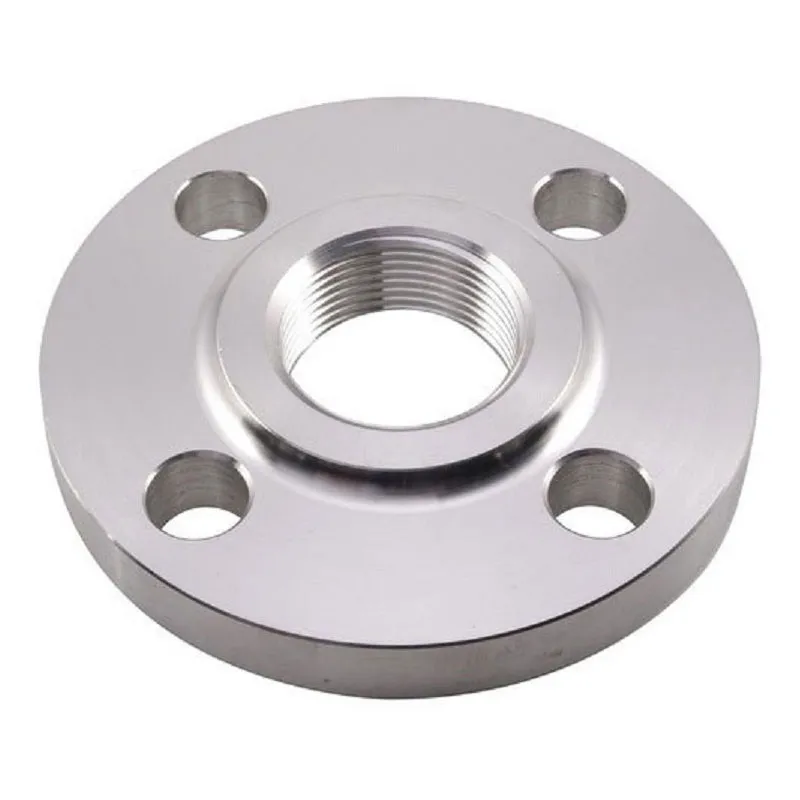 DIN 2565 Threaded flanges PN6
 -
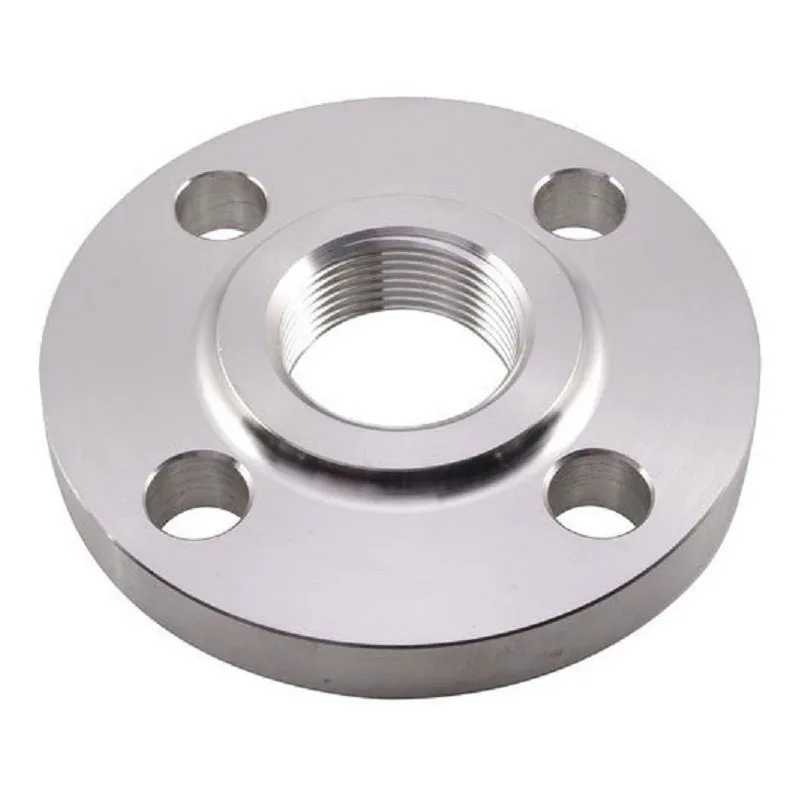 ANSI B16.5 Threaded Flanges Class 600
 -
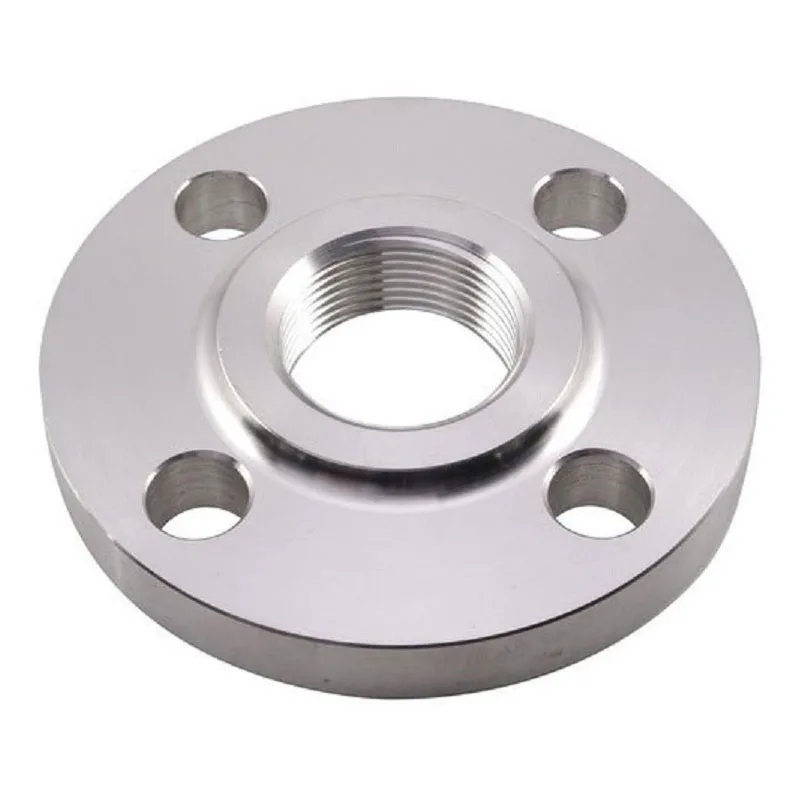 JIS 10K Threaded Flanges
 -
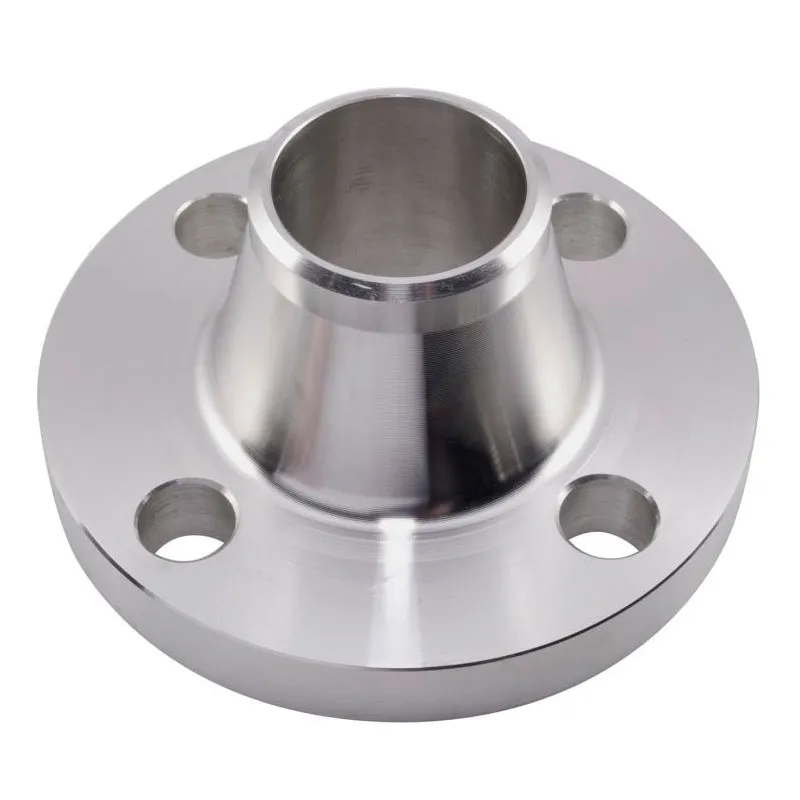 UNI 2281 Butt weld flanges PN10
 -
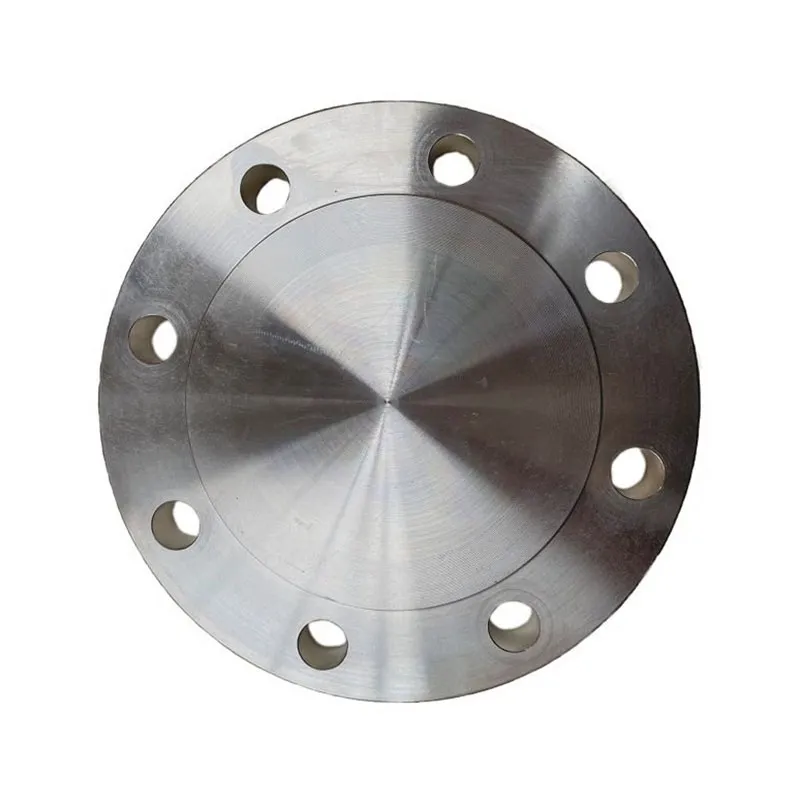 UNI 6092 Blind flanges PN10
 -
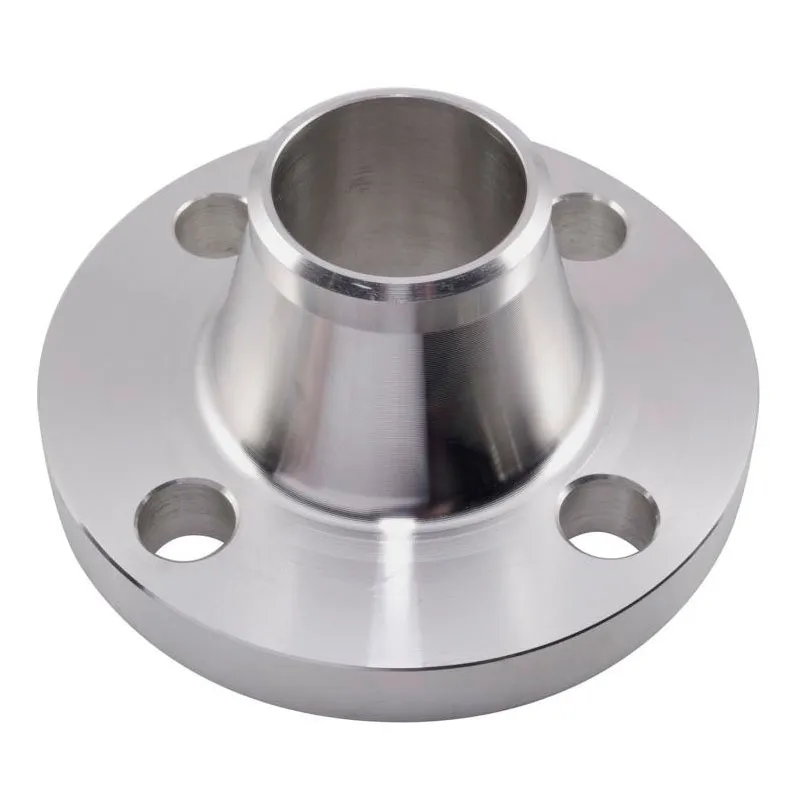 DIN Butt weld flanges PN10
 -
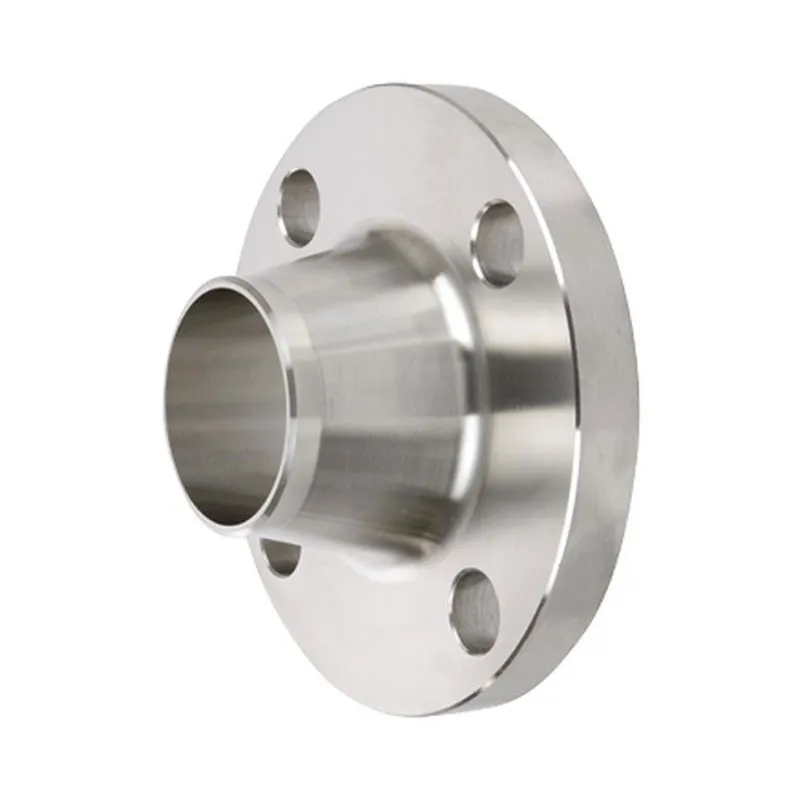 Ser.A Butt Weld Flanges Class 400
 -
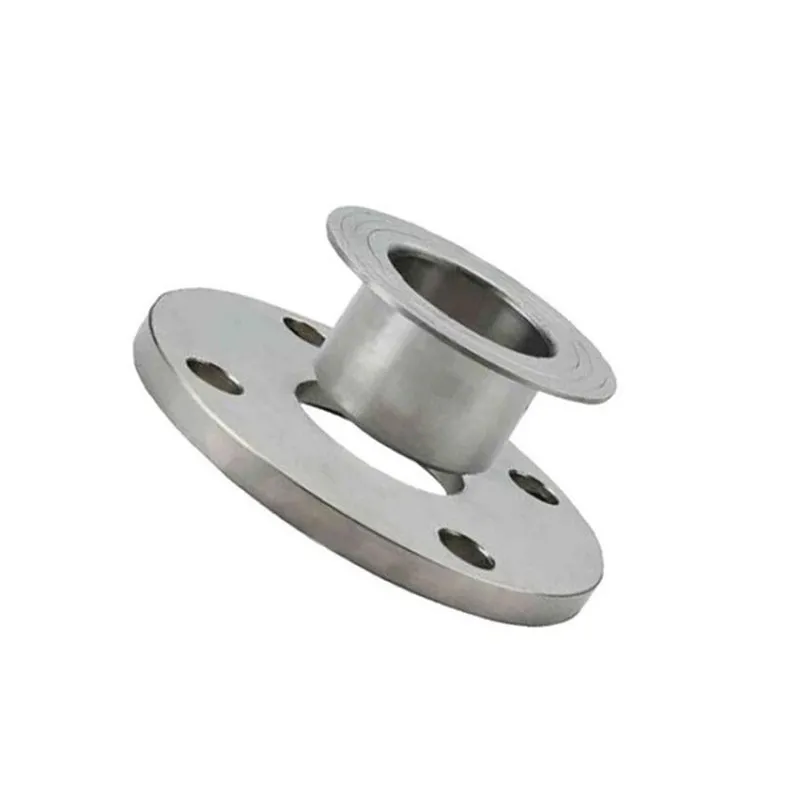 JIS 10K Loose Ring Flanges
 -
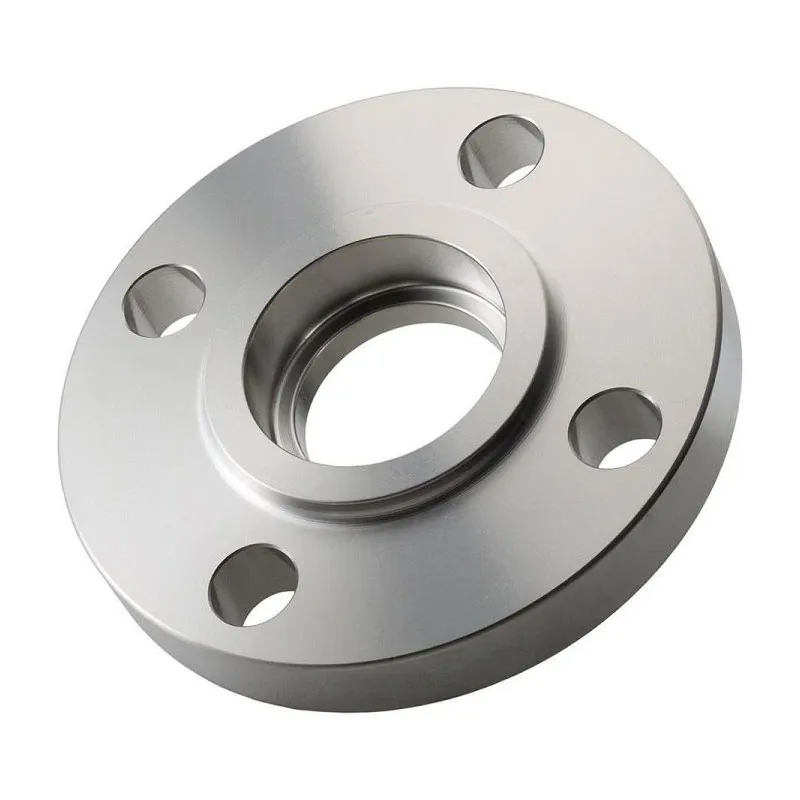 ANSI B16.5 Socket Weld Flanges Class 150
 -
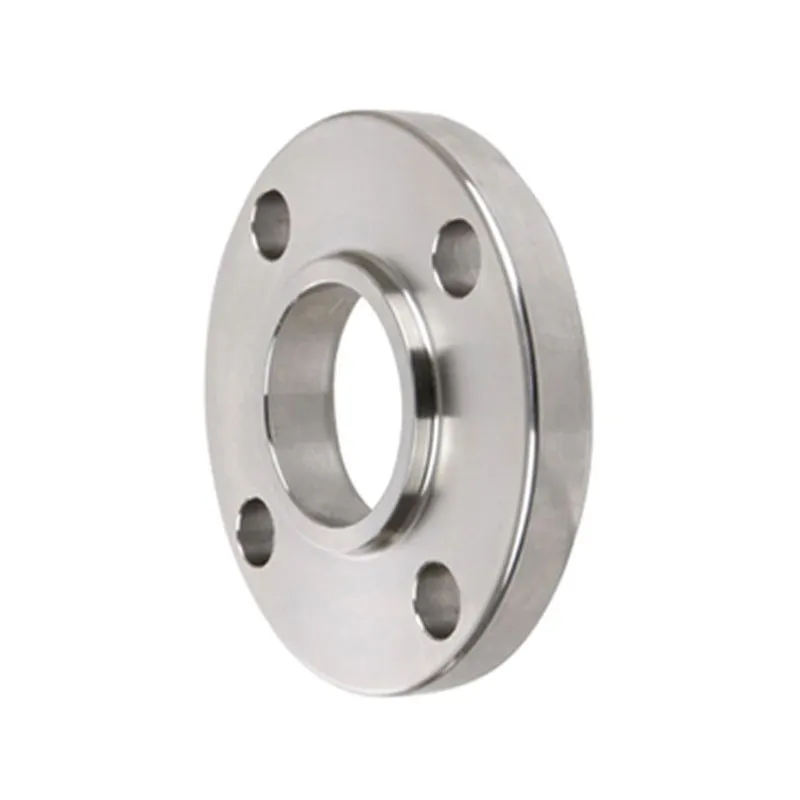 ANSI B16.5 Lap-on flanges Class 300
 -
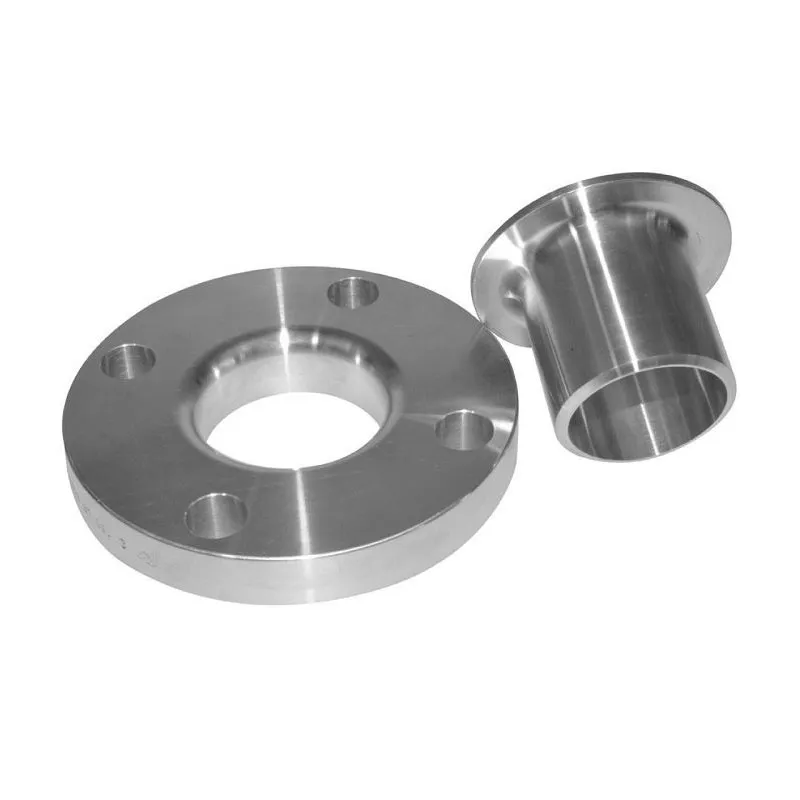 ANSI B16.5 Loose Ring Flanges Class 2500
 -
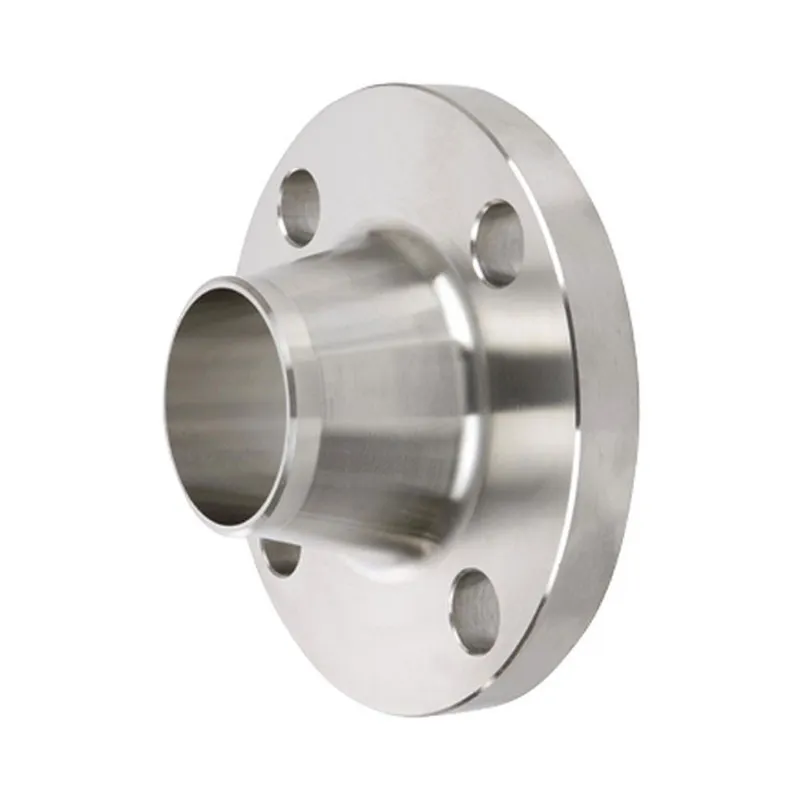 EN 1092-1 Butt weld flanges Type 11, PN25