
-
-
Phone
+86-13623462298



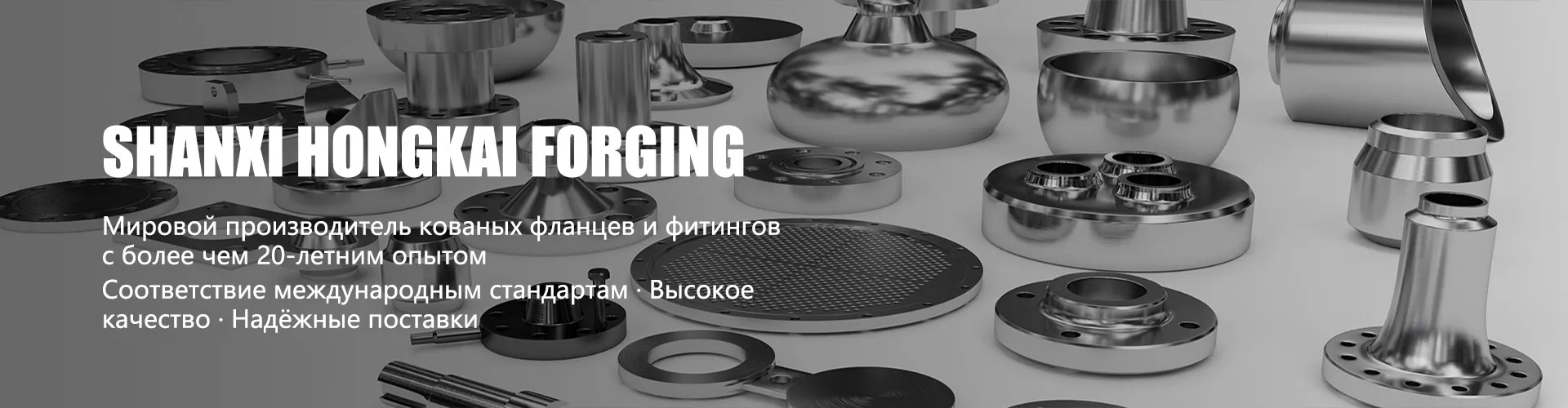
flanges steel 09g2s
You look at the specification - the flanges are steel 09g2s, and everything seems clear: low-alloy structural steel for welded structures operating at subzero temperatures. GOST 19281-89, yield strength from 345 MPa, resistance to brittle fracture down to -70°C. But in practice this simplicity is deceptive. How many times have I encountered the fact that a customer specifically requires 09G2S for a northern order, and then it turns out that the problem is not in the steel grade as such, but in the quality of the forging, in the thermal treatment, in the design of the flange itself. Or vice versa - where they could get by with cheaper steel, they stubbornly use 09G2S, overpaying. The brand has become almost a meme in some circles, synonymous with “reliability for the North”, but without understanding where this reliability comes from.
Why 09G2S? Not just temperature
Yes, the main trump card is cold resistance. For Arctic pipelines, tanks, and process lines, this is often a prerequisite. But if you dig deeper, it’s not just the ability not to crack in the cold that’s important. Weldability is important. 09G2S shows itself very worthy here - minimal preliminary and accompanying operations, the risk of cold cracking is much lower than that of many other low-alloy steels. But this is provided that the chemical composition is perfectly maintained, especially in terms of phosphorus and sulfur. I saw a batch where the sulfur was at the upper limit - and that’s it, the welds became porous, everything had to be dismantled.
Another point that is often forgotten is resistance to dynamic loads. Not just static pressure, but vibrations, water hammer. The microstructure of steel after proper normalization gives a good margin of fatigue strength. But here, again, everything depends on the manufacturer. If the forging is not properly cooled or underheated, then you will not get any of the expected durability. There was a case at one compressor station -flanges steel 09g2son the flow line they started to get tired? much earlier than expected. Analysis showed large grains in the transition zone from the hub to the disk - a clear sign of a violation of the forging or heat treatment conditions.
That is why choosing a supplier is 70% of success. We need not just a warehouse that sells rolled metal, but a manufacturer with a full cycle, from an ingot to a finished flange with heat treatment and control at all stages. For example, when you work with companies such asShanxi Hongkai Forging Co.,Ltd(their website ishttps://www.hkflange.ru), you see the difference. It is not a trading house, but a manufacturer of forged flanges and forgings, based in one of the key forging centers in China. It is important that they work in accordance with GOST, ASME, EN. For 09G2S, compliance with GOST 19281 is the basis, but they also conduct additional tests for impact strength at different temperatures, which is critically important for northern projects.
Types of flanges and manufacturing features from 09G2S
Most often, butt-welded (collar) flanges are made from this steel. This is logical - they are designed for high pressures and temperatures, where the properties of 09G2S are needed. But there are nuances here too. The geometry of the transition zone from the neck to the disc is a weak point. When forging, it is necessary to ensure a smooth transition without sudden changes in the section in order to avoid stress raisers. Not every forging press can do this, especially for large diameters under DN1000 and above.
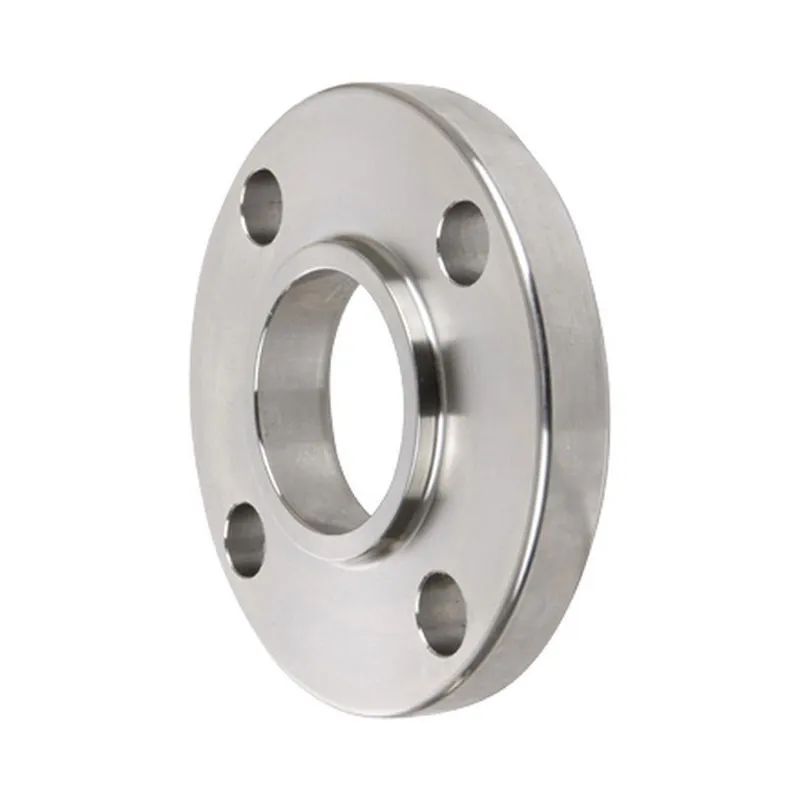
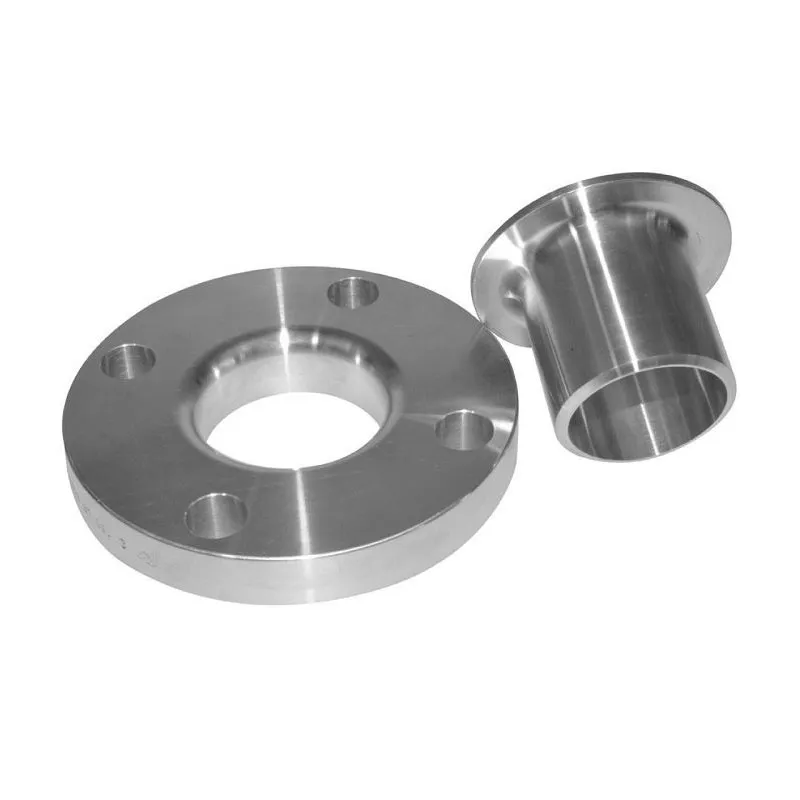
Flat flanges made of this steel are less common, but also found, usually for specific devices where the entire body is made of 09G2S. With them it’s a different story - it is important that the plane of the mating surface is perfectly processed, without “camels”, otherwise compaction in the polar frost will be unpredictable. Loose flanges on a welded ring are a good option for installation in hard-to-reach places, but here is a pair of “ring-flange?” must be from the same batch of steel, otherwise the coefficients of linear expansion in the cold can play a cruel joke.
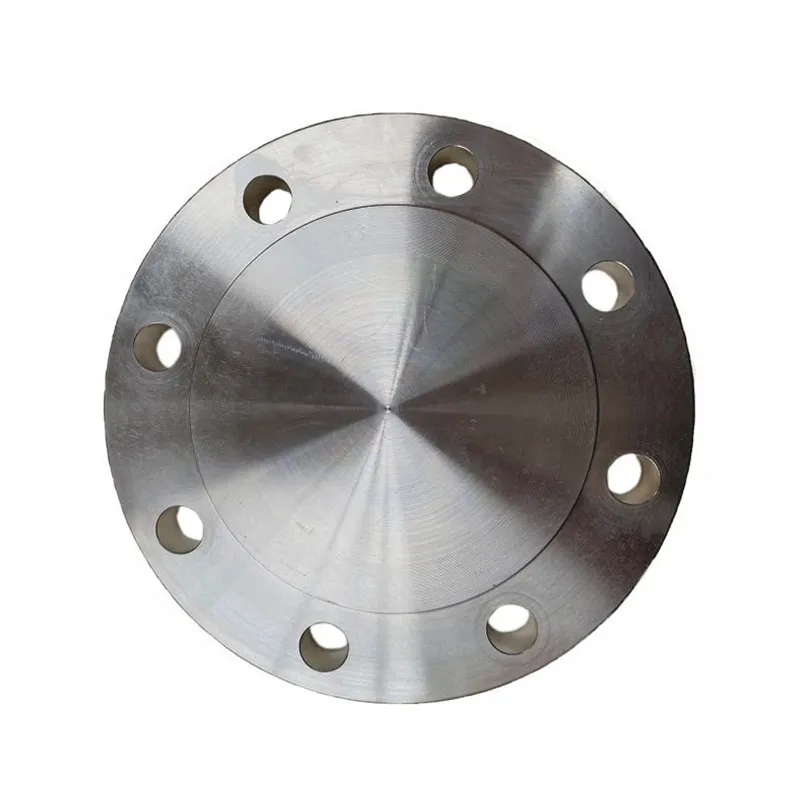
As for blind flanges (plugs), these are often the most loaded elements. For them, 09G2S often produces forgings with a thickened disk, but the key point here is the uniformity of mechanical properties over the entire section. If looseness or under-pressing remains in the center of the forging, then during hydrotesting there may be a sad surprise. Therefore, ultrasonic testing over the entire forging body is not a whim, but a necessity. On the same sitehkflange.ruit is clear that in the nomenclatureShanxi Hongkai Forging Co.,Ltdthe full range from DN15 to DN4000 has been announced, including non-standard products according to drawings. For large-sized flanges from 09G2S this is especially important - the ability to manufacture for a specific project, rather than looking for the closest size.
Standards and reality: GOST, TU and “how can we agree?”
Working according to GOST is good. GOST for flanges, GOST 19281-89 for steel. But in real projects, especially for the fuel and energy complex, there are often additional technical conditions (TS) of the customer. They may tighten the requirements for impact strength, prescribe specific heat treatment regimes or control methods. And this is where the fun begins. Not every plant is ready to flexibly adapt to this. I saw specifications that required a guaranteed impact strength of KCU at -60°C of at least 50 J/cm2. This is above standard requirements. The supplier had to select a special smelting with a reduced content of impurities and carry out normalization with controlled cooling.
And the opposite situation also happens - the customer requires 09G2S out of habit, but in fact the operating conditions are not lower than -30°C and low pressures. Here it would be possible to save money by offering steel 20 or 09G2S according to simpler specifications. But often engineers, playing it safe, still write “09G2S” in the specification. This is a matter of competence and willingness of the manufacturer to provide advice. A manufacturer who simply churns out standard products will remain silent and sell what they have. And the one who is immersed in the topic is like the sameShanxi Hongkai Forging Co.,Ltd, indicated onhttps://www.hkflange.ruAs a manufacturer working according to international standards (GOST, ASME, EN, DIN, etc.), it often has an engineering department that can request operating conditions and offer the optimal solution, perhaps not even from 09G2S. But if it is needed, then it is done strictly according to the regulations.
This leads to another practical piece of advice: always request not only a certificate of conformity for flanges, but also test reports of the mechanical properties of the exact melt from which your batch is made. And look at them not at the tick marks, but at the numbers. Especially on the carbon content (should be around 0.12%), manganese (1.3-1.7%) and silicon (0.5-0.8%). Deviations, especially upwards in carbon, kill weldability.
Practical problems of installation and operation
It would seem that the material has been selected, the flange has been manufactured, and the certificates are in order. But the montage begins its own song. The first is preparing the edges for welding. For 09G2S this is usually mechanical processing; gas cutting without subsequent mechanical stripping of 2-3 mm is strictly prohibited. On one project they tried to save time - the result was heat-affected cracks that opened only after heat treatment of the seam.
The second is the actual welding. Electrodes with a basic coating (UONII type) are recommended, but it is important that they are calcined strictly according to the passport. Wet electrodes are a guarantee of pores. And preheating. Yes, even for this well-welded steel, with thicknesses over 20 mm and ambient temperatures below +5°C, heating to 100-150°C is mandatory. If you neglected it, you got high residual stresses.
The third, and most insidious, is the control of welded joints. Visual and measuring inspection (VII), ultrasonic testing (UT) is mandatory. But for responsible nodes fromflanges steel 09g2sRadiographic inspection (RK) of joints is often additionally prescribed. It reveals internal defects. There was a precedent when everything went through an ultrasonic test, but an X-ray revealed a chain of lack of fusion. The reason is the welder's unstable arc. I had to cut it out and digest it.
In operation, the main enemy is not so much the cold as its cycles. Heating and cooling, especially during transition seasons, lead to “breathing?” flange connections. Bolted connections may become loose. Therefore, for Arctic projects, flanges with a tongue-and-groove sealing surface are often used. or “protrusion-recess”, which hold tightness better during such cycles than a conventional smooth surface. And the bolts, by the way, should also be selected accordingly, from cold-resistant brands.
Instead of a conclusion: is 09G2S really irreplaceable?
Back to the beginning. Steel 09G2S is an excellent, proven material for flanges at low temperatures. But this is not a magic pill. Its properties are fully revealed only with competent design, high-quality manufacturing of the forging with a full heat treatment cycle, strict control and qualified installation. Blindly demanding it for all northern objects is not always economically justified. Sometimes steel 20 with guaranteed properties at -40°C is sufficient. And sometimes, for ultra-low temperatures or aggressive environments, you need to look towards more alloyed steels such as 10G2FBU or even austenitic stainless steels.
The choice should always be justified by the technical specifications, and not by the inertia of thinking. And here the role of a responsible manufacturer, who can not only sell, but technologically support an order, becomes key. When you see a company like the one mentionedShanxi Hongkai Forging Co.,Ltd, a manufacturer of forged flanges and forgings, claims to manufacture to a wide range of standards and offer custom solutions, indicating potential flexibility and depth of understanding. Ultimately, the reliability of a flange connection is determined not only by the notation ?09G2S? in the certificate, but along the entire chain: from steel smelting and forging to the moment the last bolt is tightened at the site. And skipping or slacking at any of these stages means negating all the advantages of this, without a doubt, good steel.
Correspondingproducts
Related Products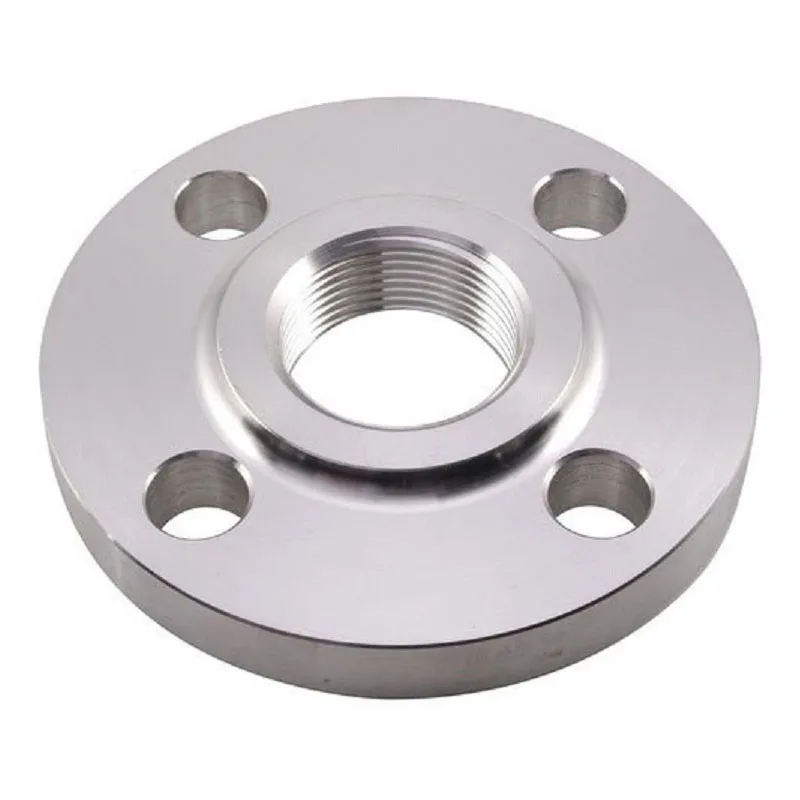
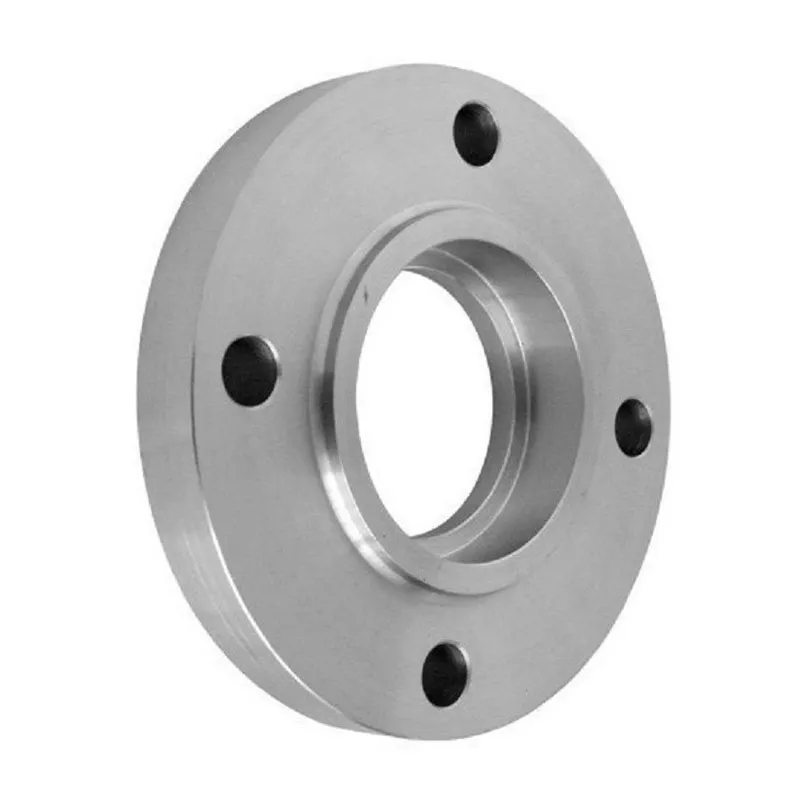
Best Sellingproducts
Best Selling Products-
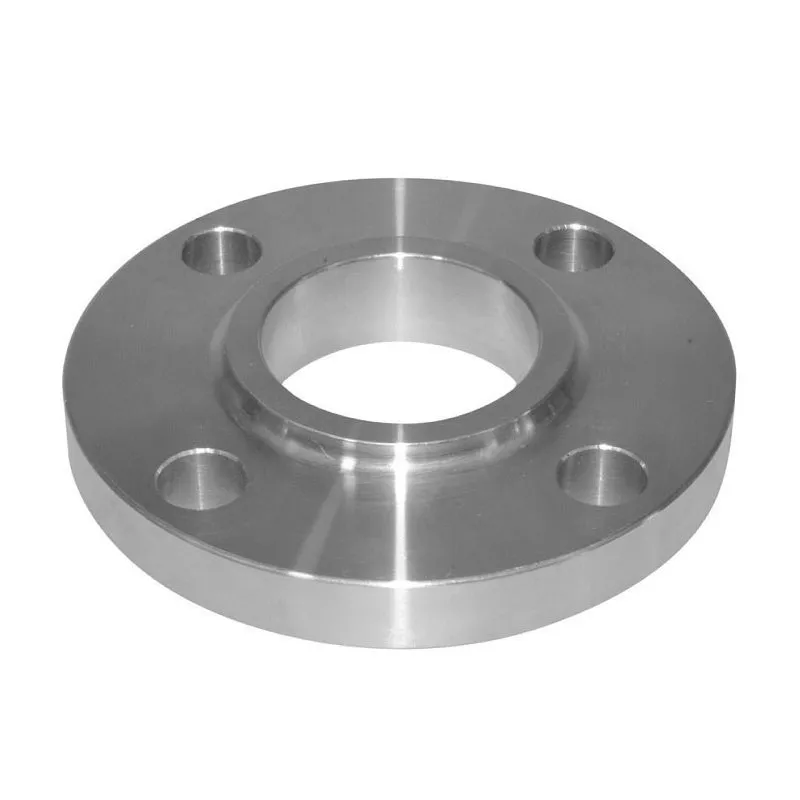 ANSI B16.5 Lap-on flanges Class 1500
 -
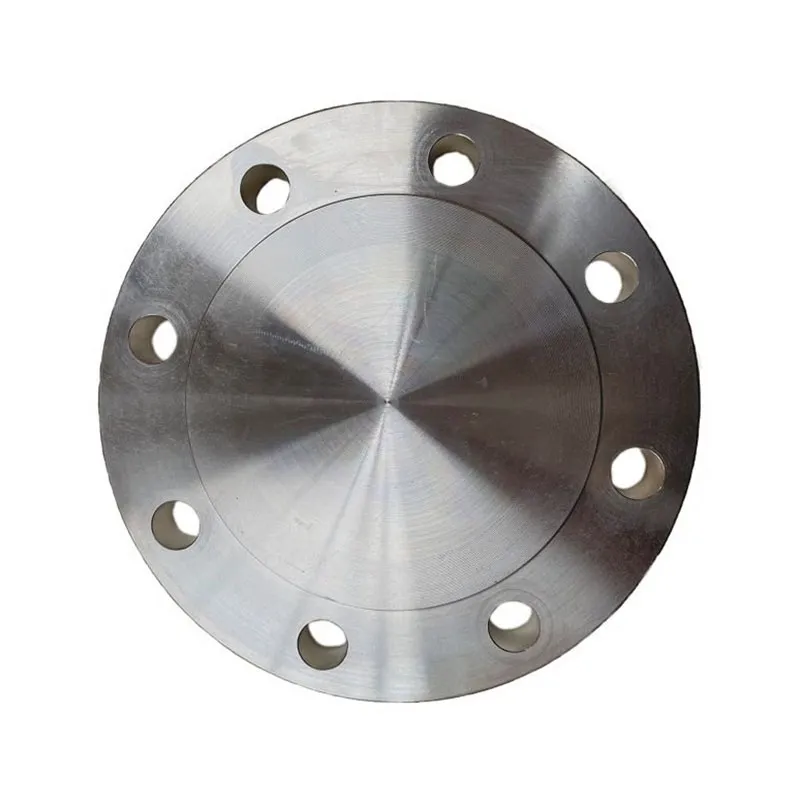 UNI 6092 Blind flanges PN10
 -
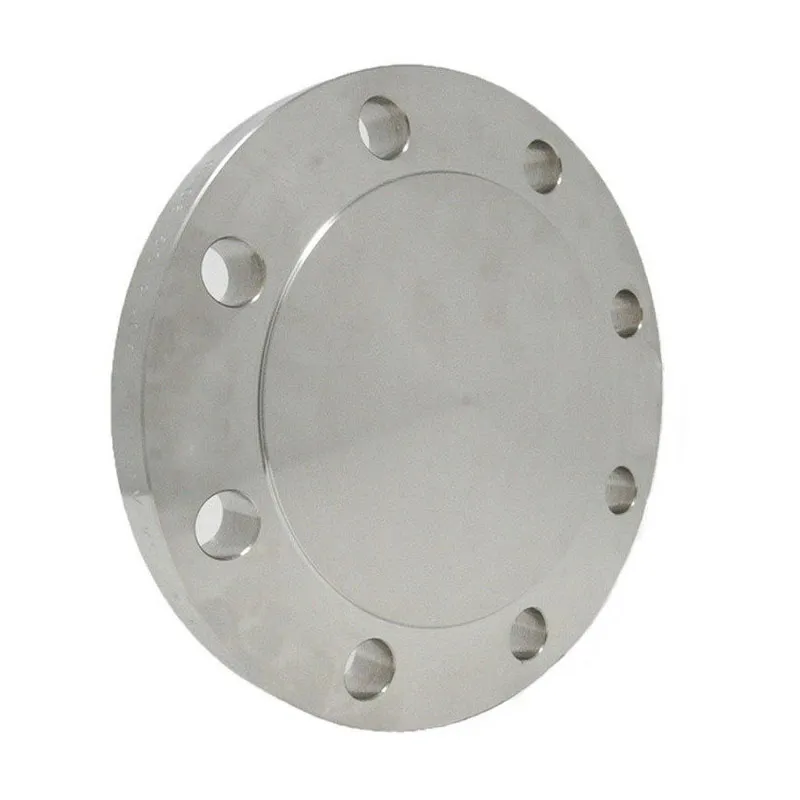 Blind flanges Class 150
 -
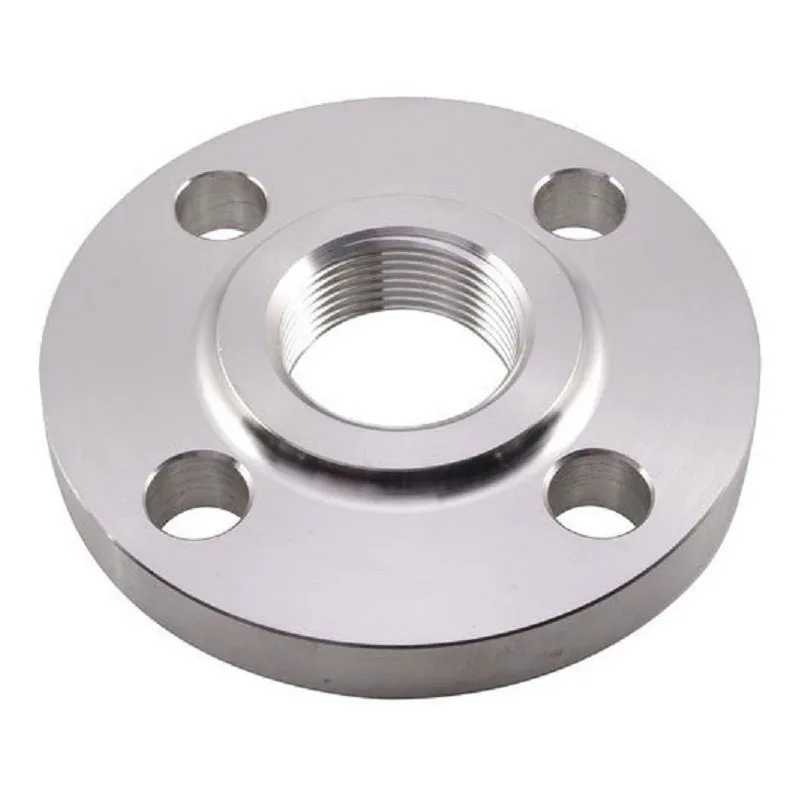 ANSI B16.5 Threaded Flanges Class 600
 -
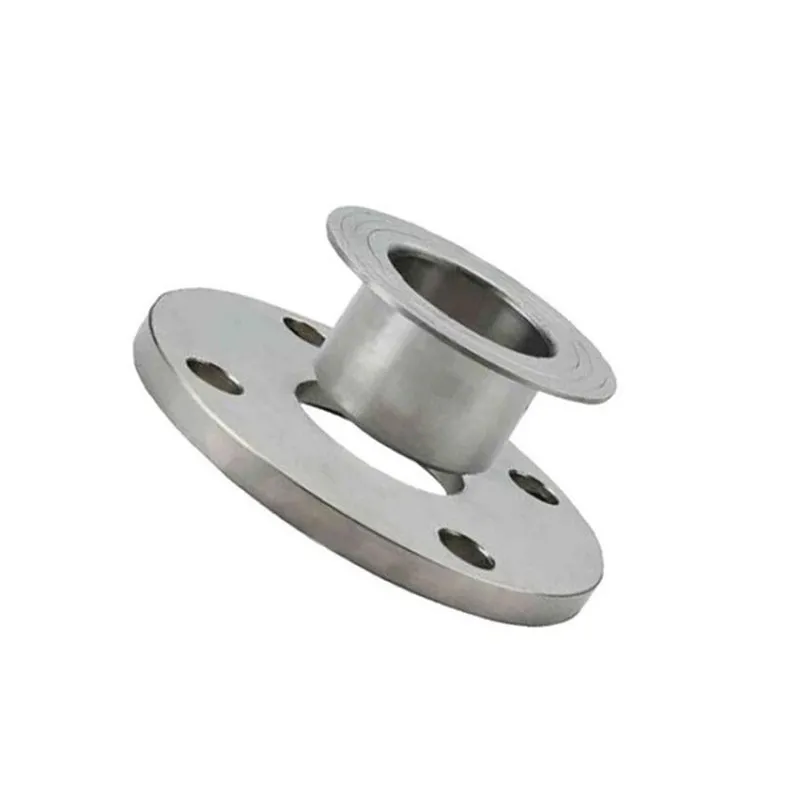 JIS 10K Loose Ring Flanges
 -
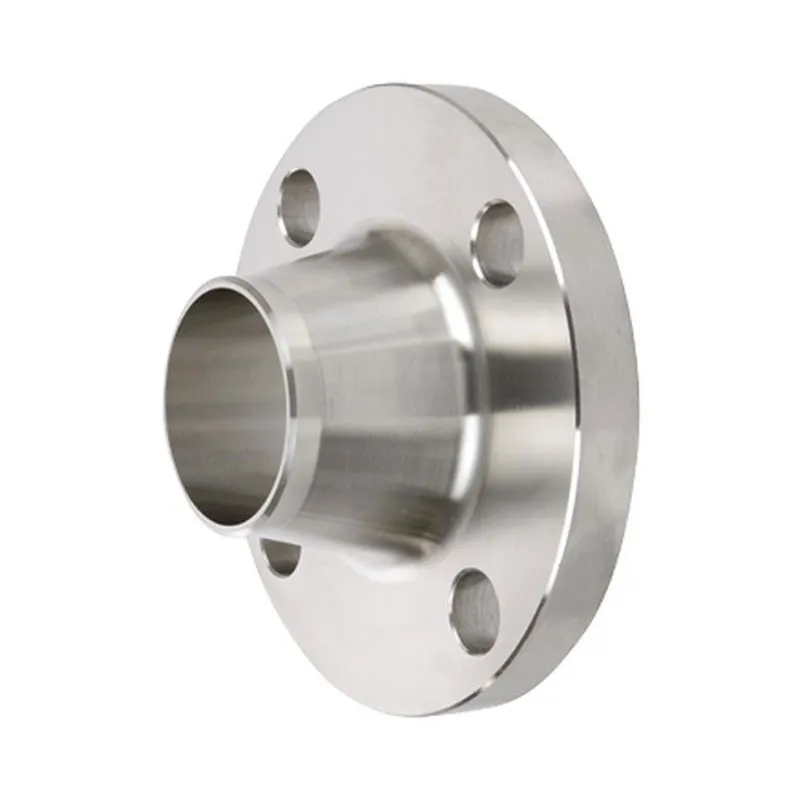 Ser.A Butt Weld Flanges Class 400
 -
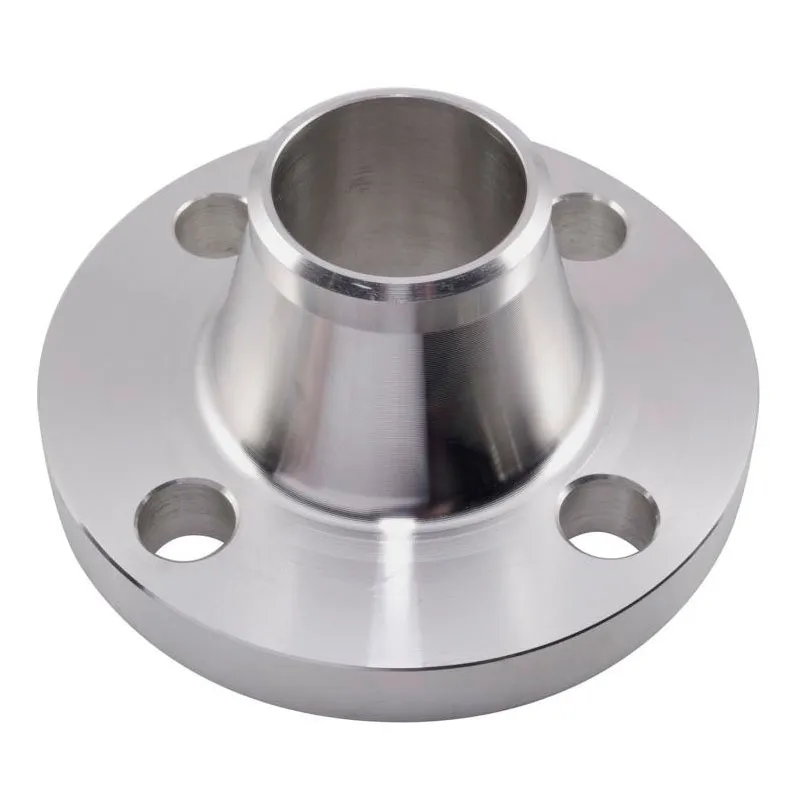 DIN Butt weld flanges PN10
 -
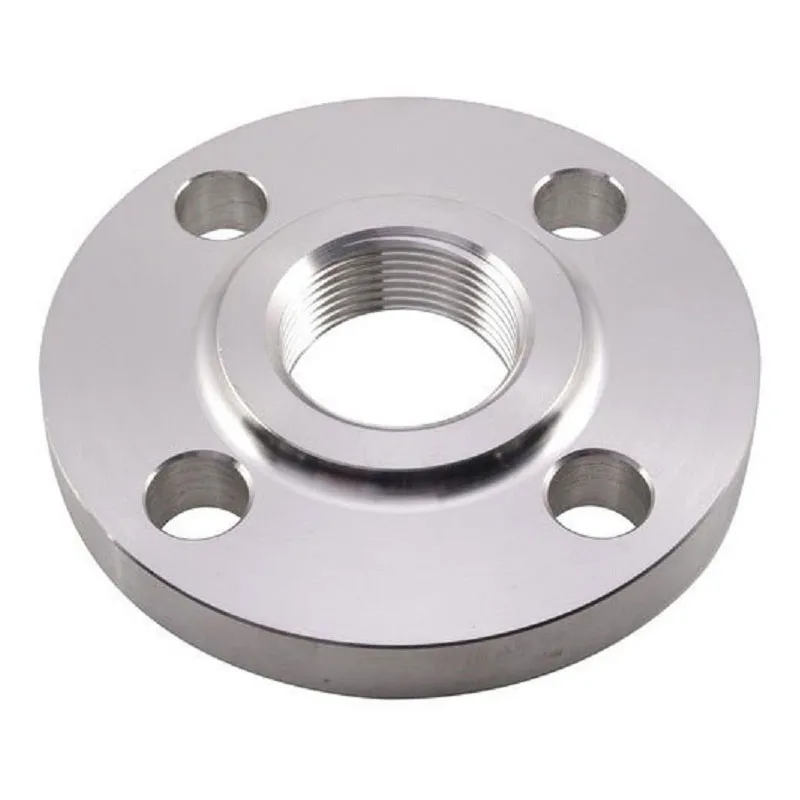 EN 1092-1 Threaded flanges Type 15, PN16
 -
 DIN 2501 Overlay flanges PN16
 -
 DIN 2527 Blind flanges PN10
 -
 ANSI B16.5 Socket Weld Flanges Class 1500
 -
 ANSI B16.5 Loose Ring Flanges Class 2500