
-
-
Phone
+86-13623462298



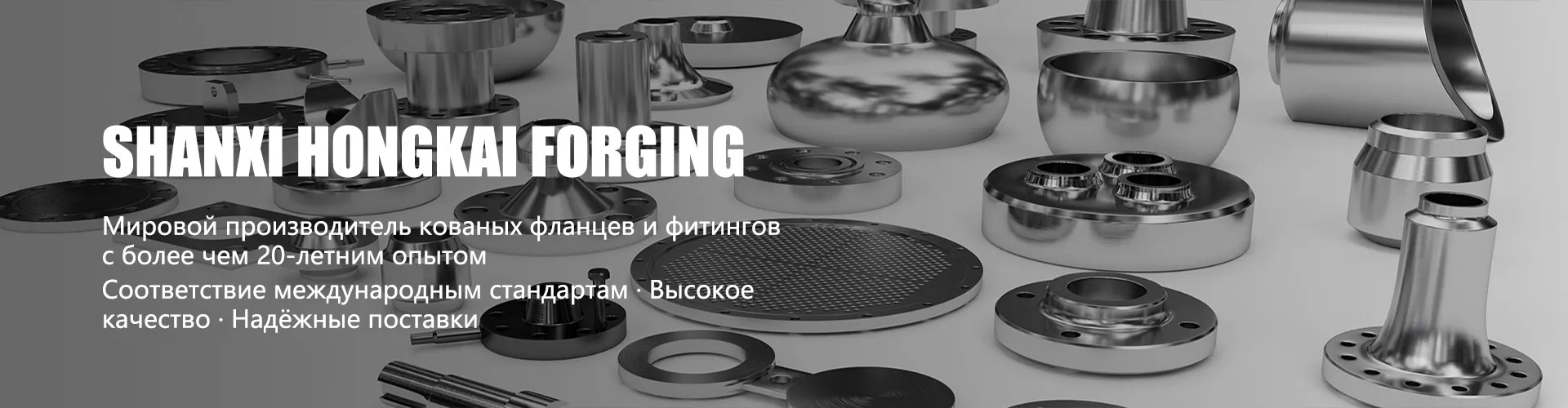
special flanges
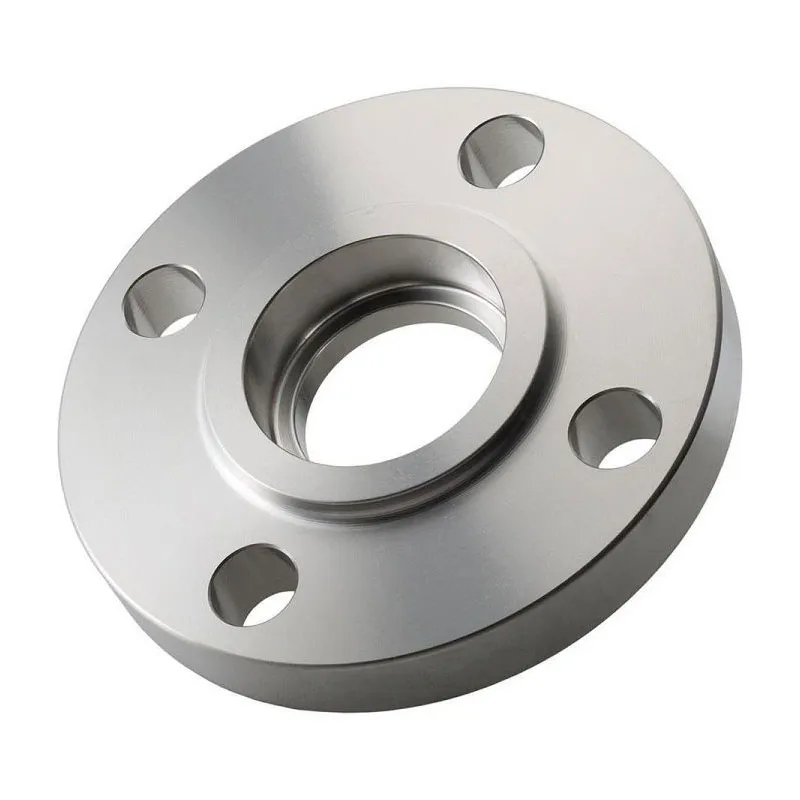
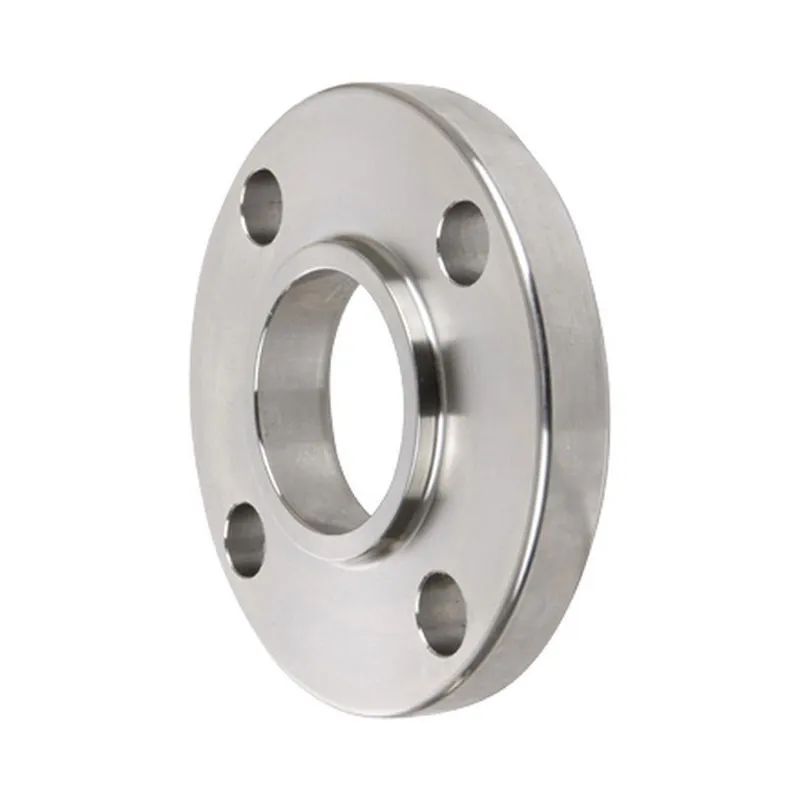
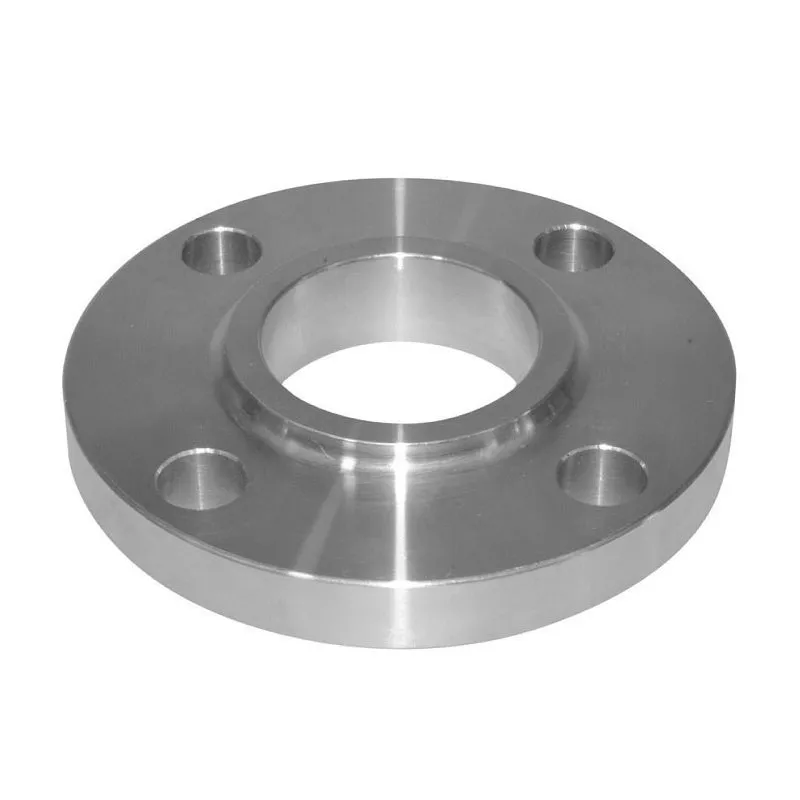
When you hear “special flanges?”, many immediately imagine something exotic, almost space technology. In fact, in 90% of cases we are talking about the most ordinary flanges, but with some one, less often two, deviations from the standard nomenclature. This is the main trap - under one name the client can expect both a unique geometry and just a flange made of 316L stainless steel instead of the standard St3. I myself fell for this for many years until I started talking to each customer like an investigator - finding out details down to the millimeter and composition.
Standards and “nearby standards”: where is the border?
We work according to GOST, ASME, EN - it would seem that everything is spelled out. But as soon as it comes to special performance, these same standards often become only the starting point. We had a case: a customer from Kazakhstan requested flanges in accordance with GOST 12820-80, but with a plate thickness increased by 5 mm. According to the passport, this is no longer GOST. But in fact? For him, it was a special flange, because its technological piping required precisely such rigidity for vibration. I had to issue technical specifications for the batch.
That is why at our production, at Shanxi Hongkai Forging LLC, we always keep ready not only programs for the standard assortment, but also engineers who can quickly calculate the consequences of such changes. Because an increase in thickness is not only a plus for the metal. This is a recalculation of the forces on the stamp, possible overheating of the workpiece, and simply checking whether this flange will then rest against the adjacent pipeline. There are no trifles here.
Often a ?specialty? lies in the material. We requested flanges made of steel 09G2S for low temperatures - for standard production this is already a special order. Although for northern projects this is, in fact, a common story. Or here is a combination: butt weld flange according to ASME B16.5, but with Inconel 625 anti-corrosion coating sprayed on the seal end. These are already two special conditions in one product. Here you cannot do without close contact with technologists and the laboratory.
From drawing to workshop: why ?as in the picture? it doesn't always work out
We receive a drawing from the customer. Everything seems to be clear, dimensions, tolerances. We begin to plan forging. And here the first “feature” comes out: the non-standard arrangement of holes for the studs. Not along the circumference, but with an offset. This was a brilliant solution for the designer to avoid conflict with neighboring fittings. For us, it is necessary to reconfigure the CNC drilling machine, write a new program, and make a jig. The deadlines immediately creeped up.
And once there was an order for large-sized flanges special for a test bench. Diameter under 2000 mm, with an internal labyrinth groove for a sealing cord. When the model was made, it turned out that when forging such a configuration, zones of increased stress appear in the dies, where a crack could occur. It was necessary to make adjustments to the process itself - to do preliminary forging of the workpiece according to a different scheme. This is the very moment when theory comes up against the practice of the forge shop.
It is for such cases that our production is tailored. From DN15 to DN4000 - these are not just numbers in a catalogue. These are proven technologies for each standard size. But as soon as you go beyond the boundaries, another logic comes into play - the logic of single or small-scale production. Where every stage, from cutting the workpiece to packaging, requires additional control.
The story of one “unsuccessful” special order: what the weld-on ring flange taught us
I would like to tell you about one project that we could hardly call successful back then. The request was from a service company: they needed loose flanges (on a welded ring) according to DIN 2642, but with a changed bevel angle on the ring. Their task was to compensate for installation inaccuracies on the old piping.
We did. They did. Six months later - a complaint. Not because of the quality of the metal or welding. And due to the fact that under cyclic temperature loads this very non-standard ring gave a slightly greater elastic deformation than expected. The seal was maintained, but the client was unhappy with the deviations in the gaps.
It was a valuable lesson. Now, with any deviation from the standard in geometry, especially for free flanges, we make sure to carry out not only a strength calculation, but also an analysis for cyclic fatigue and creep. Even if the customer doesn’t ask for it. Because our responsibility is to deliver a product that will work and not just conform to the drawing at the time of shipment. Now we often cite this story as an example when “special?” the solution requires a special, deeper analysis.
How do we work with “non-standard according to customer drawings?”
On our website, https://www.hkflange.ru, it is directly stated that we take on non-standard products according to drawings. This is not just a line. This is a whole regulation of interaction. The first thing our engineer does is try to understand *why* the customer needs this particular configuration. It often turns out that the goal can be achieved with a standard flange, choosing a different type or using an adapter piece. This saves the client time and money.
If not, the process starts. All special flanges undergo a virtual simulation of the forging process. We look at how the metal will flow, where sinkholes or lack of heating are possible. For critical applications (and special ones, as a rule, there are such ones) this is mandatory. Then - the production of a test forging, often on a reduced scale.
And here is an important point that many people miss. We, as a manufacturer of forgings and flanges, always insist on providing complete data on operating conditions: environment, pressure, temperature, nature of loads (static, vibration). Without this, any ?special? production - shooting blindly. There was an experience when flanges were made from a titanium alloy for a chemical plant, and only because we asked in advance about the presence of chlorine ions in the environment, we chose the alloy that is resistant to stress corrosion.
Special does not mean “golden”: about the economics of the issue
Price. This is the first question after “will you do it?”. The cost of a special flange can be several times higher than a standard one. And it’s not just the small circulation. Preparation costs more - engineering hours, modeling, production of equipment. The material may be more expensive if you need a rare alloy. Control is more expensive - often a 100% ultrasound or x-ray is required, rather than selective.
We always try to optimize this process for the client. For example, if it is possible to produce tooling that will allow such flanges to be re-made in the future, we offer this solution. Or, if the order allows, we suggest making not just one piece, but a small supply - the unit cost immediately drops. It is a practical approach that has grown from experience working with different industries, from oil and gas to energy.
In the end, special flanges are not about complexity for the sake of complexity. This is about exact compliance with a unique technological task. And the main competence of the manufacturer here is not just to forge and grind a piece of metal, but to understand this task, anticipate risks and offer a reliable solution. Like in that story with the test bench - sometimes you don’t just need to do it “according to the drawing?”, but suggest how to do it better, taking into account the real processes in the workshop and on site. This is what we at ?Shanxi Hongkai Forging LLC? and we do it every day.
Correspondingproducts
Related Products
Best Sellingproducts
Best Selling Products-
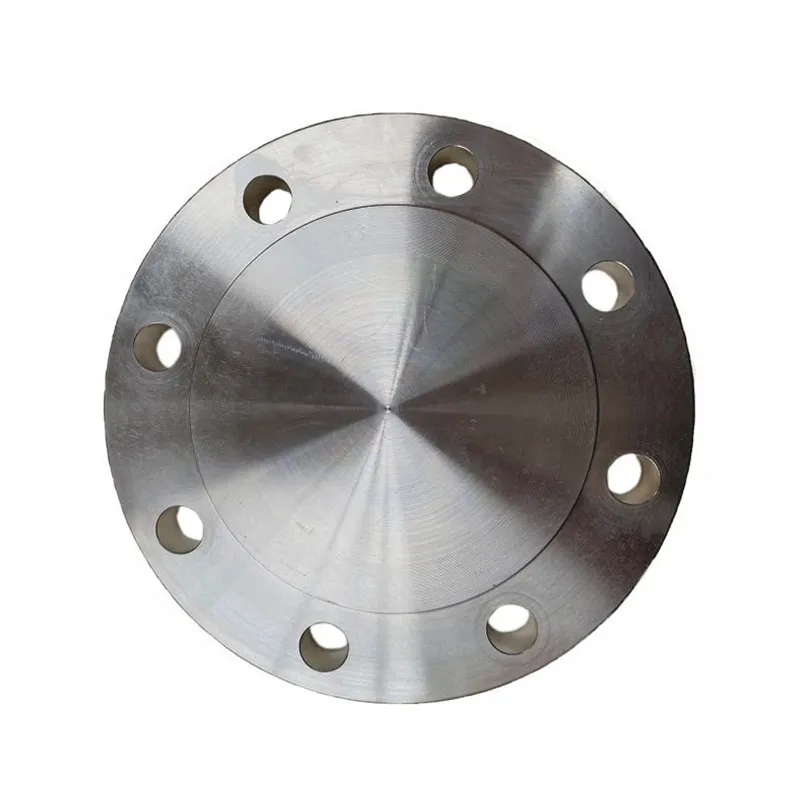 DIN 2527 Blind flanges PN10
 -
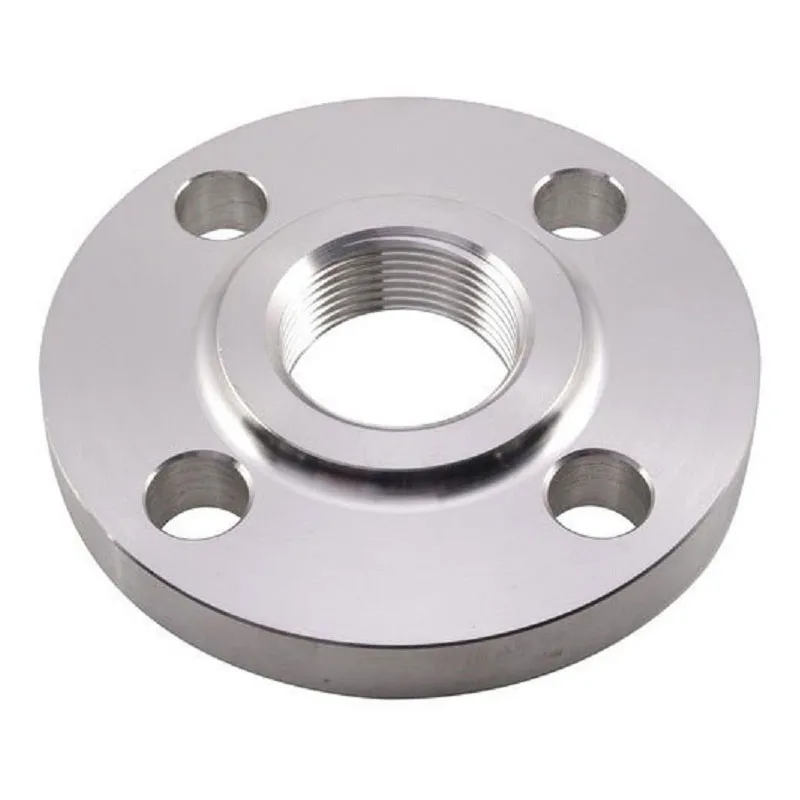 EN 1092-1 Threaded flanges Type 15, PN16
 -
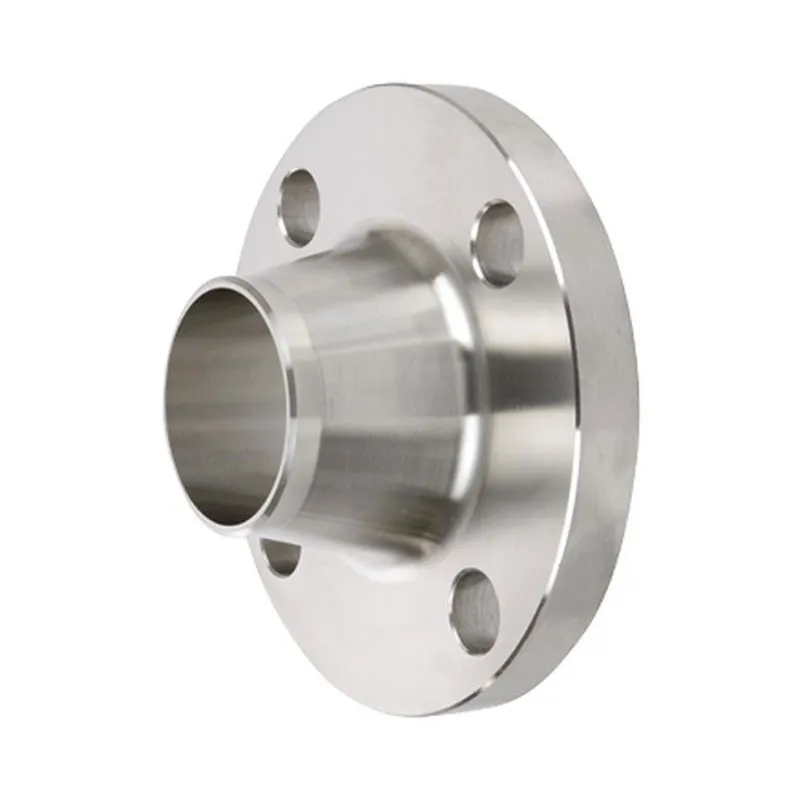 Ser.A Butt Weld Flanges Class 400
 -
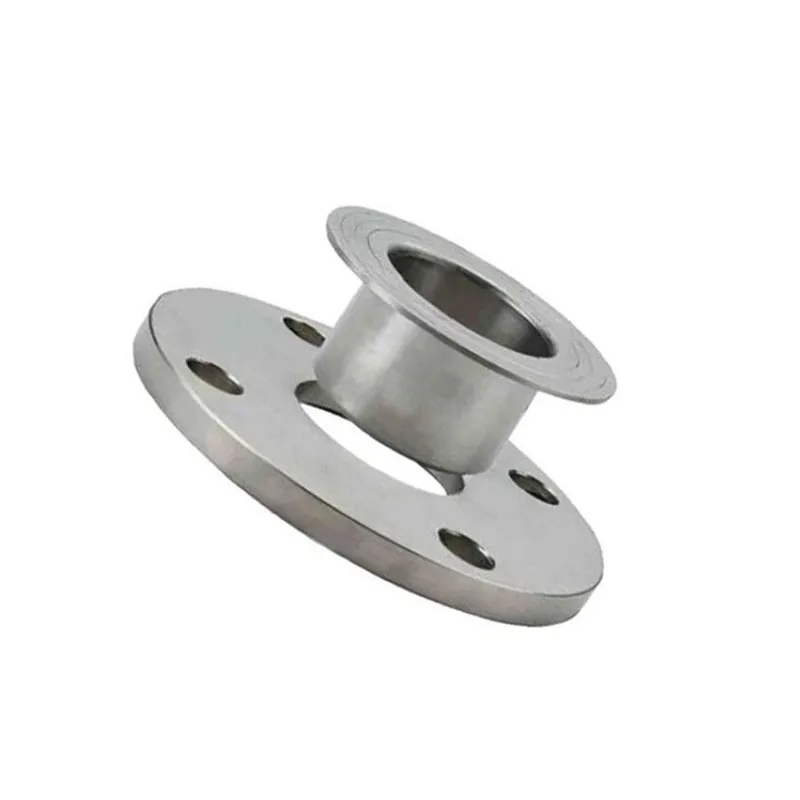 Free ring flanges Class 400
 -
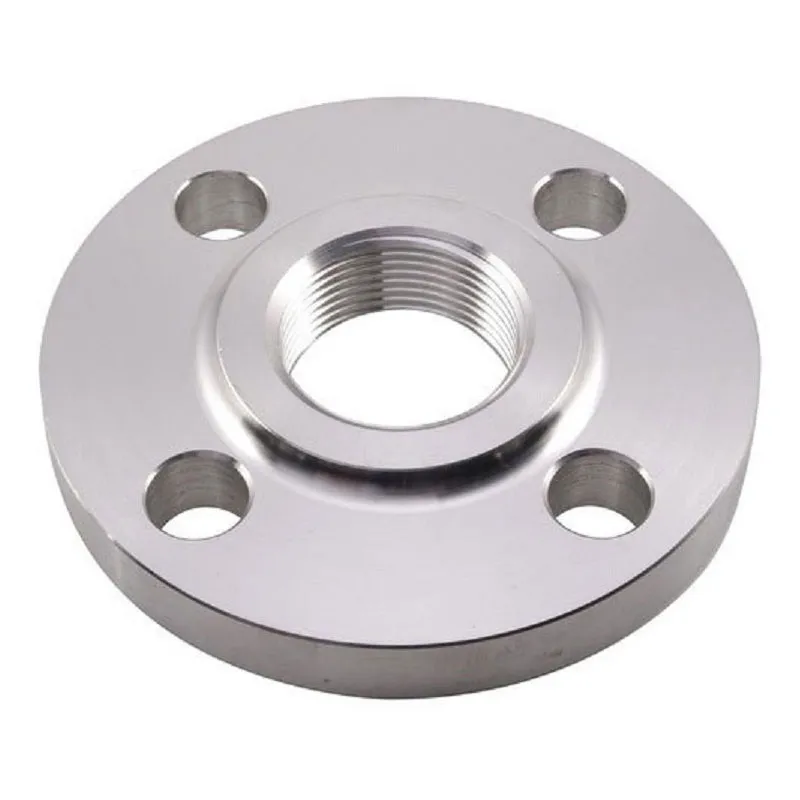 DIN 2565 Threaded flanges PN6
 -
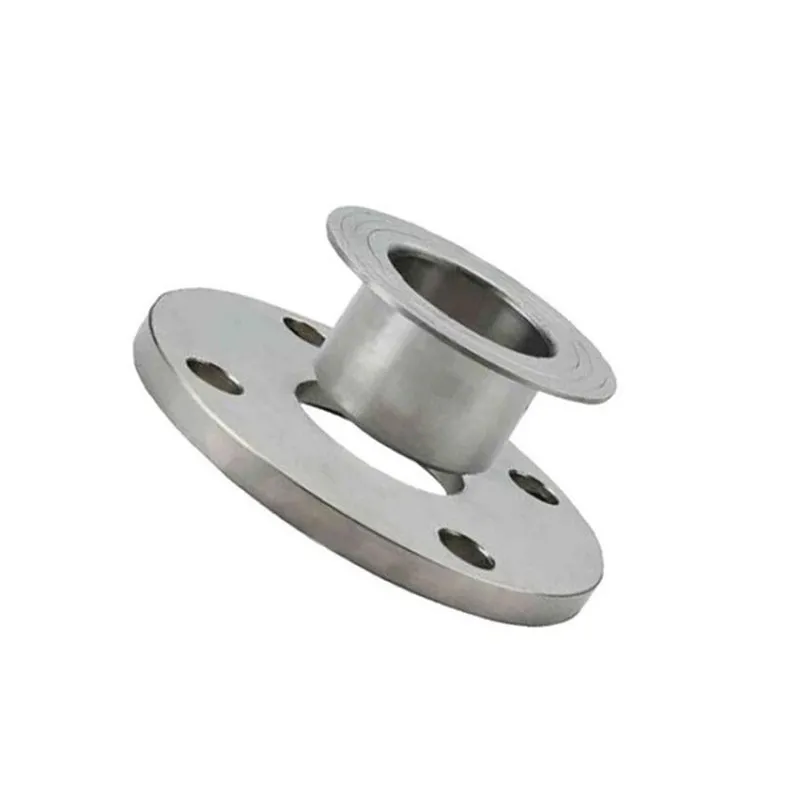 JIS 10K Loose Ring Flanges
 -
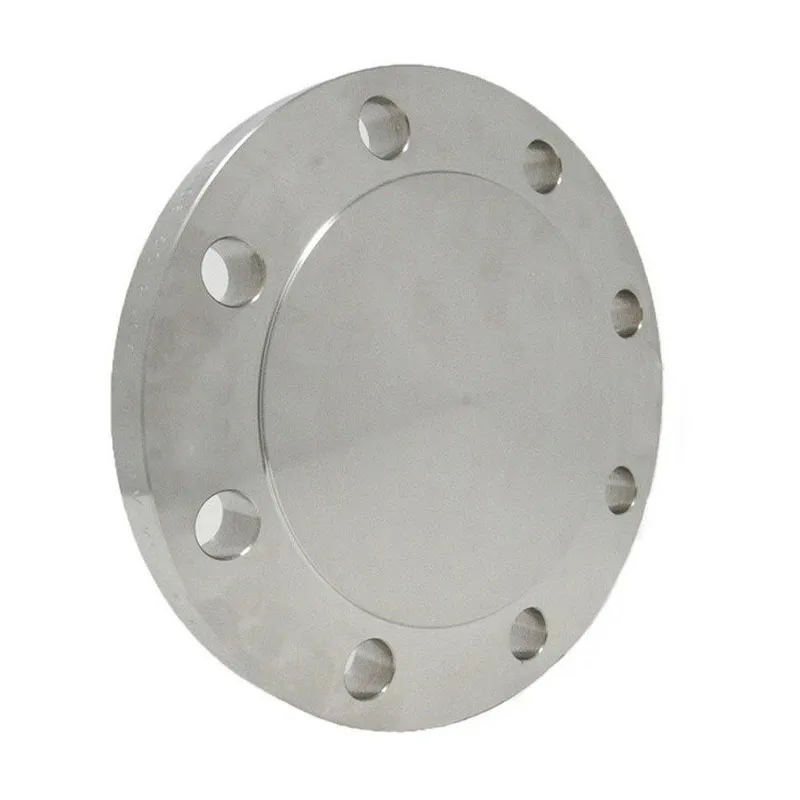 EN 1092-1 Blind flanges Type 05, PN10
 -
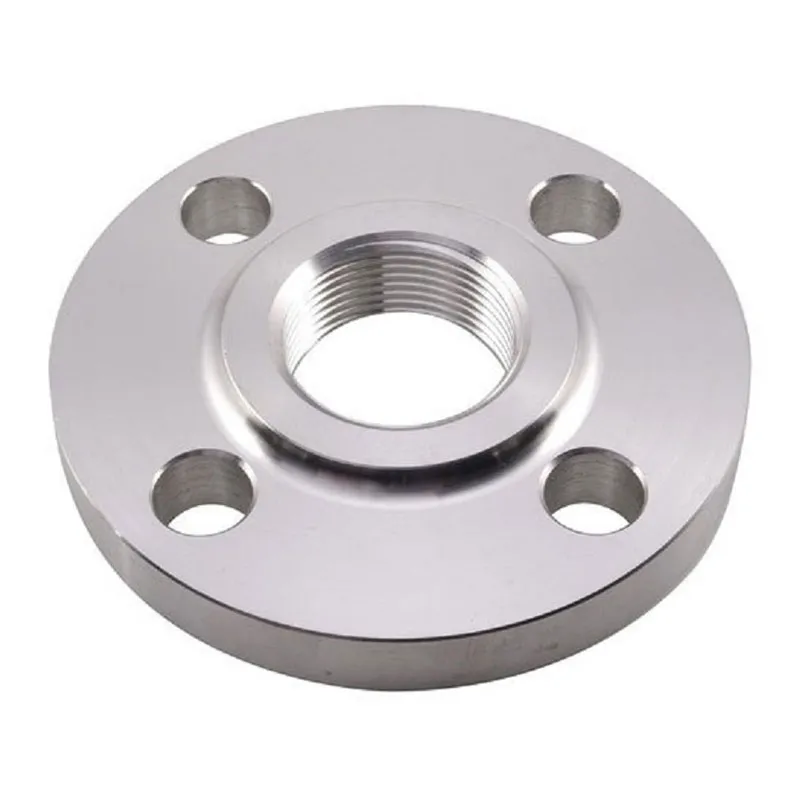 JIS 10K Overlay flanges
 -
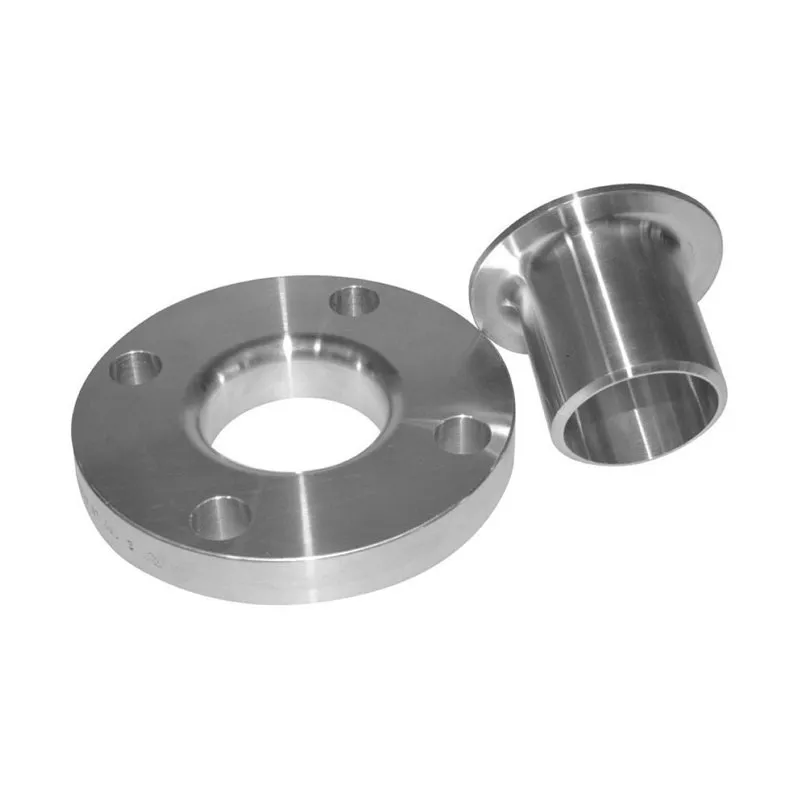 Free ring flanges Class 150
 -
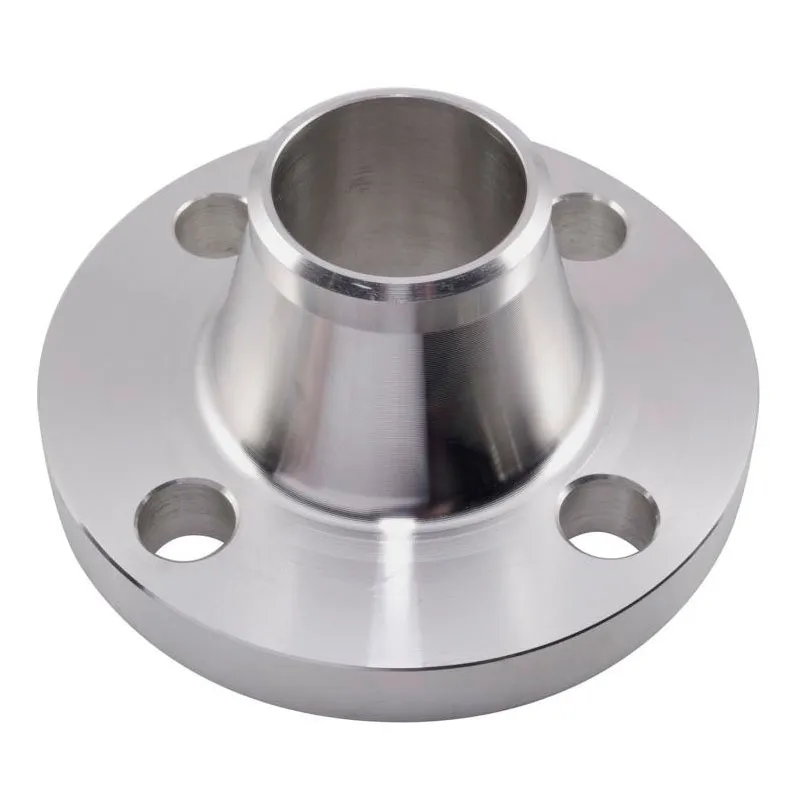 DIN Butt weld flanges PN10
 -
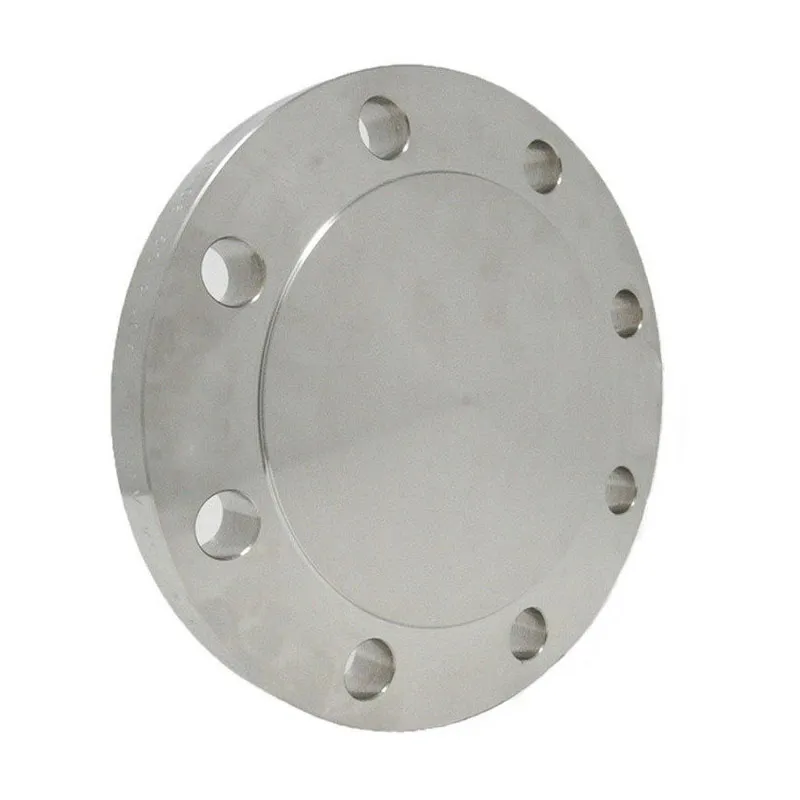 AWWA Blind Flanges Class D (Tables 1, 2, 3)
 -
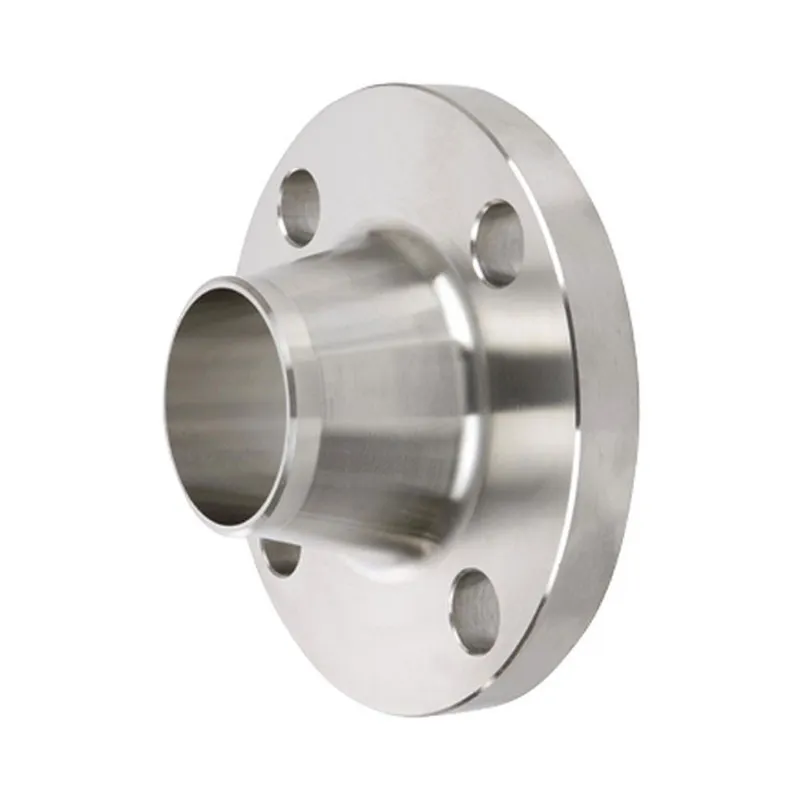 EN 1092-1 Butt weld flanges Type 11, PN25