
-
-
Phone
+86-13623462298



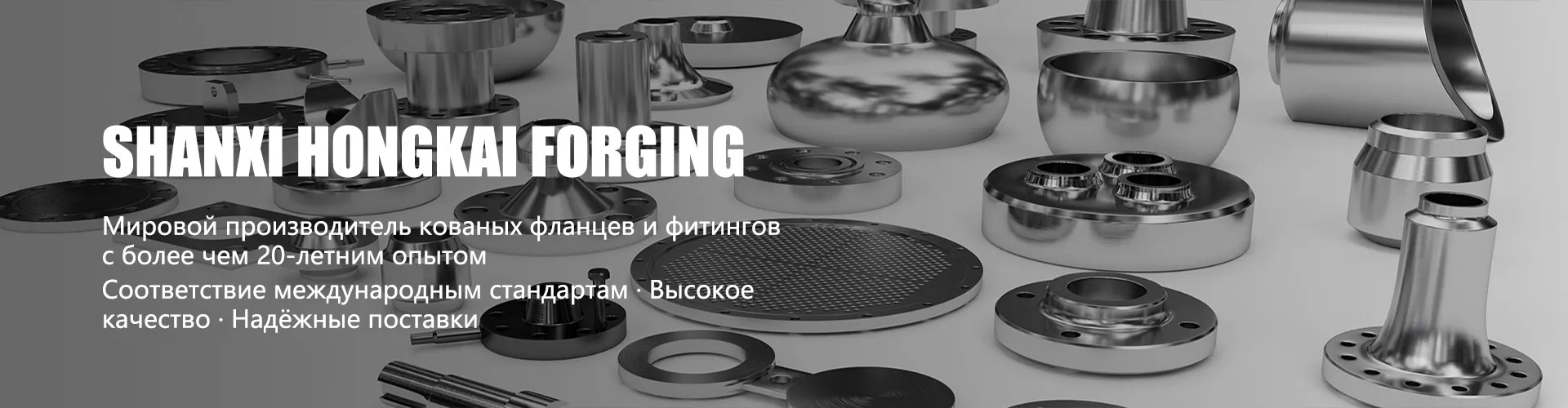
flange DN300
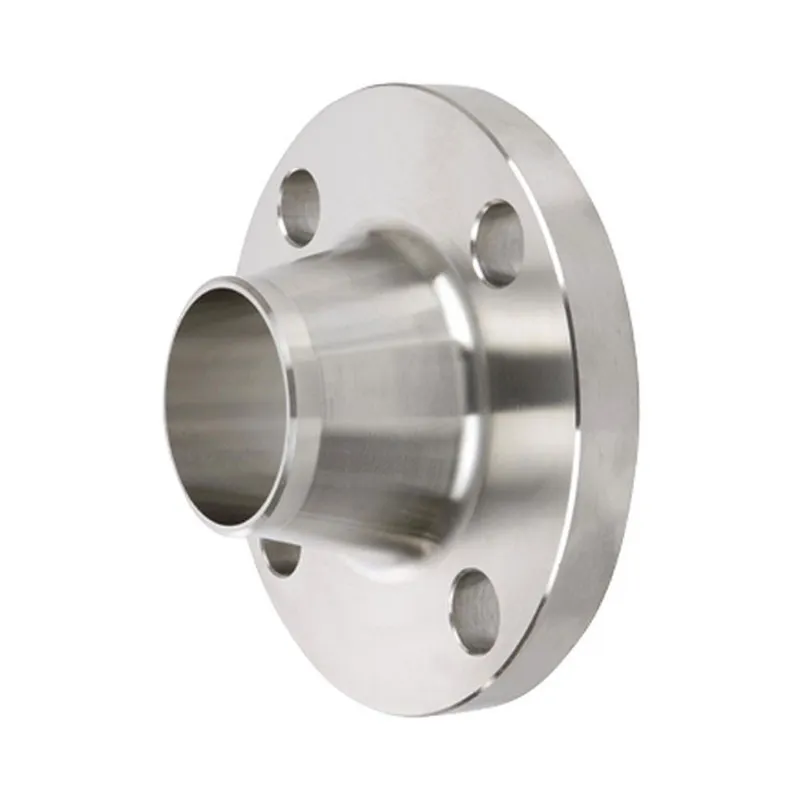
We can talk about this size for a long time, but often the conversation begins with misunderstanding. Many people think that Du300 is just a number and that’s all. In fact, if we are talking about a steel butt-welded flange, this is already a serious part, weighing about 40 kg for PN16, and here every little detail in manufacturing and installation comes out sideways. The most common mistake I have seen is neglect of the quality of the end and the geometry of the holes for the studs. Seems like a small thing? And then when docking with a valve or on a pump, there is a distortion and tightness cannot be achieved by any effort.
Standards and pitfalls DN300
When they say “Du300 flange?”, you must immediately clarify: according to what standard? Because, for example, a nominal bore of 300 mm is one thing, but the outer diameter and diameter of the location of the holes at the flange according to GOST (these are our former GOST 12820-80 and 12821-80) and at the flange according to ASME B16.5 Class 150 will be different. Completely incompatible. On one old installation we somehow installed an “imported” one. analog without checking the markings - I had to drill out the hub on the spot, a nightmare.
That is why many people are now turning to manufacturers who work according to different standards in the same workshop. For example, on the websiteShanxi Hongkai Forging Co.,Ltd (https://www.hkflange.ru) it is clear that they make forgings according to GOST, ASME, and DIN. For Du300 this is critically important - to be able to get exactly the configuration that is specified in the project, and not “about the same”. Their range just includes our size, up to huge diameters.
But even within the same standard there are nuances. Let's take the same GOST for a butt-welded flange. For DN300 at a pressure of, say, PN25, the thickness of the disk and the height of the hub will be different than for PN6. And if there was a mistake in the specifications, but the acceptance was carried out “by eye”? - Expect problems during hydrotesting. I personally came across it when a batch of DN300 flanges marked PN16 was brought to the warehouse, but in fact the measurements showed parameters for PN10. Thank you that at least the material was correct, st20, otherwise it would have been completely scrapped.
Material and forging: why is it not just hardware?
Here, many customers, especially for small projects, try to save money and take what is cheaper. For Du300, which often goes to main lines or critical nodes, this is a recipe for disaster. Cast billet? For flanges of this diameter it is extremely risky; there may be hidden sinks. Sheet stamping? The geometry and fibrous structure of the metal will be weaker.
In a good way, what is needed is forging. And better - volumetric stamping. The metal is compacted, the structure becomes homogeneous. At the sameShanxi Hongkai Forging Co.,LtdIt’s not for nothing that the name contains the word “Forging”. — they position themselves as a forging and pressing production. This is exactly the case when technology is in the name of the company. For DN300 made of carbon or stainless steel, this guarantees that the part will not tear under cyclic loads.
I had experience with flanges from 09G2S for a northern order. DN300, temperature up to -60. We ordered from a trusted supplier, but that batch, as it turned out, was made from a rolled ring with a non-optimal heat treatment. During installation in the workshop, everything was fine, but on site, after the first frost, a very thin crack appeared on one of the flanges along the hub. I had to change the entire assembly. Conclusion - it is not enough to simply indicate the grade of steel; you need to be interested in the manufacturing technology of the workpiece.
Installation and "field" problems
Here we brought ideal, even flanges of Du300 to the site. And the fun begins. A common mistake installers make is not checking the parallelism of the sealing surfaces before welding. They place the flange on the pipe and “grab it” from two opposite sides and allow the welder to scald. And he leads the seam unevenly, the metal “leads”, and the flange ends up skewed by a couple of degrees. For DN300, even such a misalignment is enough to prevent a conventional flat seal from seating.
It was necessary to use laser alignment for critical components. Expensive, but cheaper than dismantling a section of pipe later. Another point is tightening the studs. For DN300 there are usually 12 of them (depending on the standard). You need to tighten it crosswise with a torque wrench, according to a certain torque. Teams often do this by feel? or impact wrench, which leads to uneven loading and leakage around the circumference.
And about the seals. For water or steam at low pressures, you can still get by with paronite. But if we are talking about technological lines with hydrocarbons, for the DN300 flange connection it is already necessary to install spiral wound gaskets (SNG) or oval sections. And here the geometry of the flange itself - the roughness of the sealing surface, the radius of the chamfer - must be impeccable. I remember how, due to too rough surface treatment (as if we were grinding with a flap wheel without moving to the finish), we “killed” it in half a day. three expensive SNP gaskets - they simply crushed and leaked.
Non-standard situations and adaptation
Not everything always goes according to standard drawings. Sometimes you need a DN300 flange, but with a non-standard arrangement of holes - to mate with old equipment. Or, increased disc thickness is required to compensate for the high bending moment. Here we cannot do without direct dialogue with the plant.
In such cases it is useful when the manufacturer, as stated in the descriptionShanxi Hongkai Forging Co.,Ltd, is ready to make non-standard products according to customer drawings. It is important not just to accept the drawing, but for the technologist to review it on his side for manufacturability and real strength. Once we ordered a flange with an enlarged hub, but without taking into account the direction of the fibers during forging. The factory (not this one) did it as it was drawn, but during the machining process internal stresses were revealed and the part failed. It's good that they didn't ship.
Another example is the transition from one type of seal to another. Let's say you need to replace an old flange with a smooth sealing surface under paronite with a flange with a tongue-and-groove connection. under the metal gasket. Simply making a new DN300 flange with a groove is half the battle. You also need to make sure that the counter flange on the adjacent device will either be replaced or modified. Otherwise, docking will not work. Such details always require the closest attention at the stage of preparation of specifications.
Inspection and acceptance: what to look for first
When a batch of DN300 flanges arrives at the warehouse, it is not enough to check the passports. We need selective, or better yet, continuous measurement. We had a case: in a batch of 50 pieces, two flanges had a hole diameter with a deviation of +1.5 mm. It’s not visible to the eye, but the pins no longer fit in freely; they had to be broken. The fault was most likely due to worn-out equipment in production.
Be sure to look at the markings. The following must be clearly indicated: nominal bore (DN300), nominal pressure (PN), grade of material, standard, manufacturer's mark. Lack of markings is a red flag. We also check the quality of the end surface - the absence of burrs, holes, and traces of corrosion. For critical environments, sometimes even Brinell hardness testing at several points is required.
And the last thing is packaging. It would seem nonsense. But the DN300 flange is a massive part. If it is thrown into a container without wooden gaskets and fastenings, it may get hit on the sealing surface during transportation. Then this crumpled edge will become a source of leakage. Therefore, upon acceptance, we look not only at the flange itself, but also at how it was preserved along the way. A good supplier always packages such items securely, understanding the risks.
Correspondingproducts
Related Products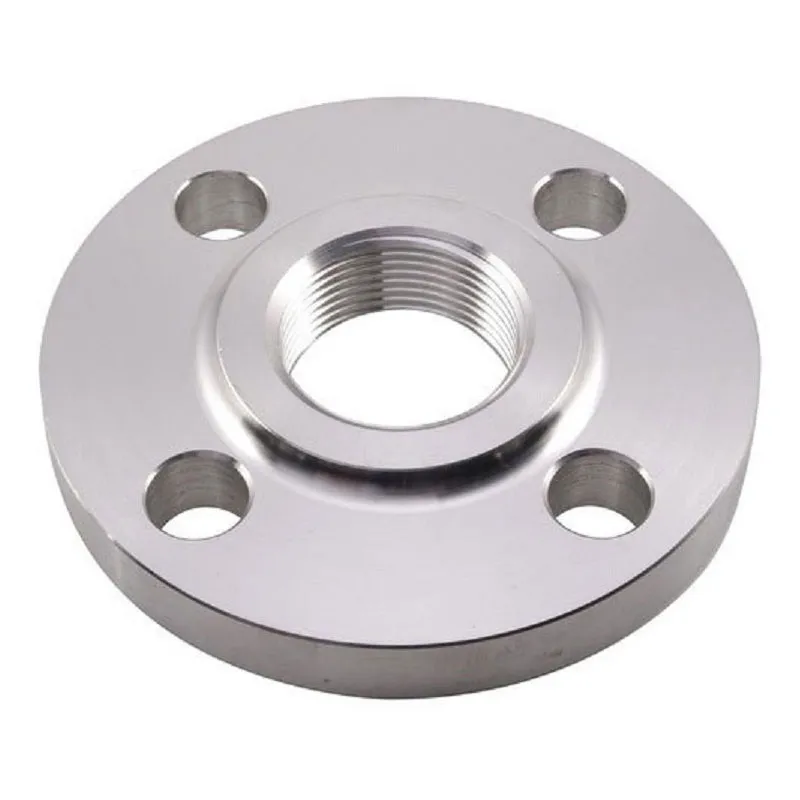
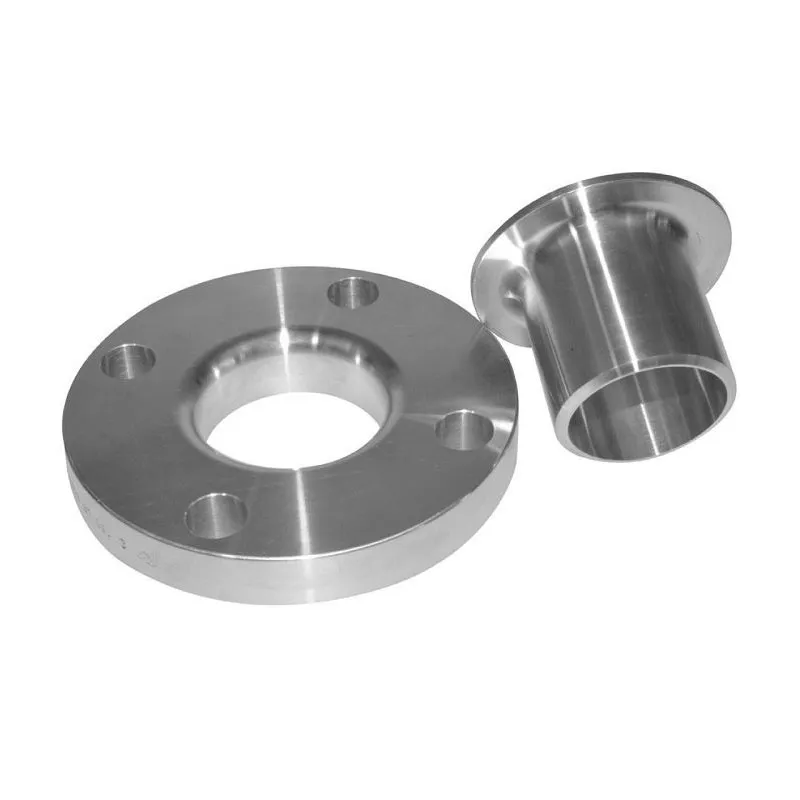
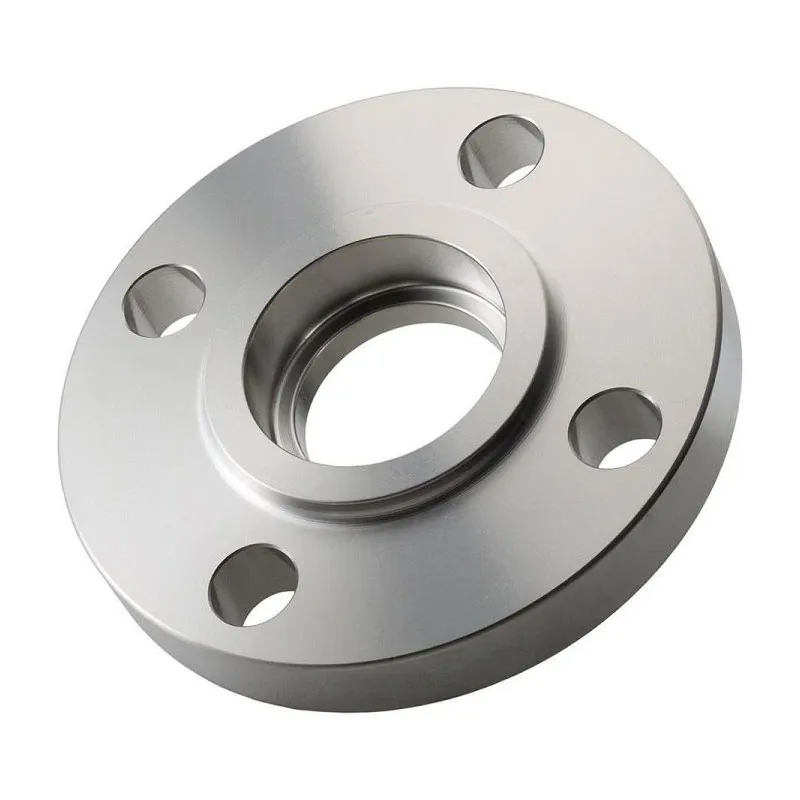
Best Sellingproducts
Best Selling Products-
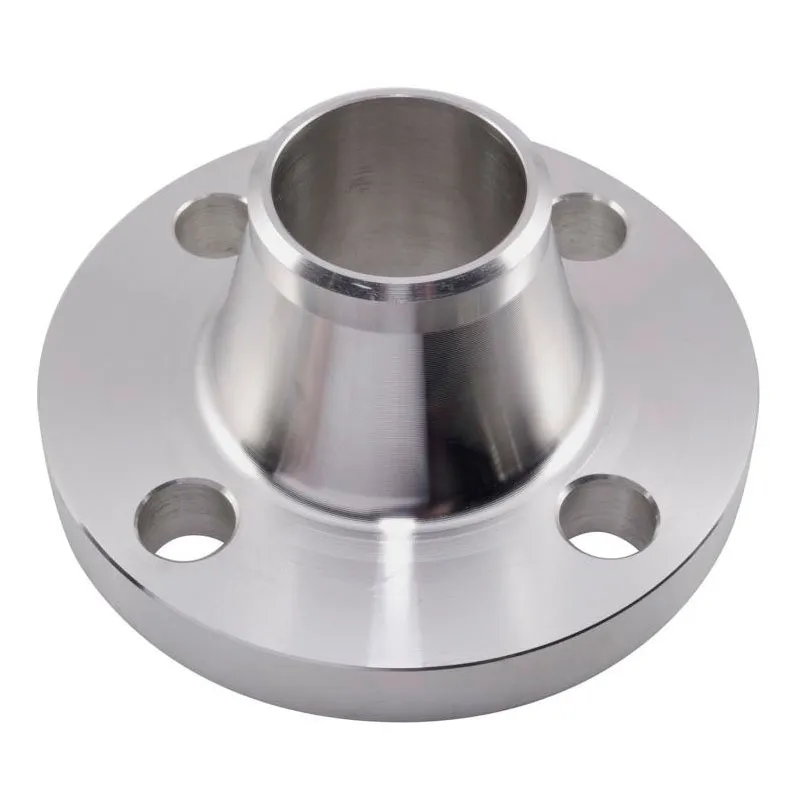 DIN Butt weld flanges PN10
 -
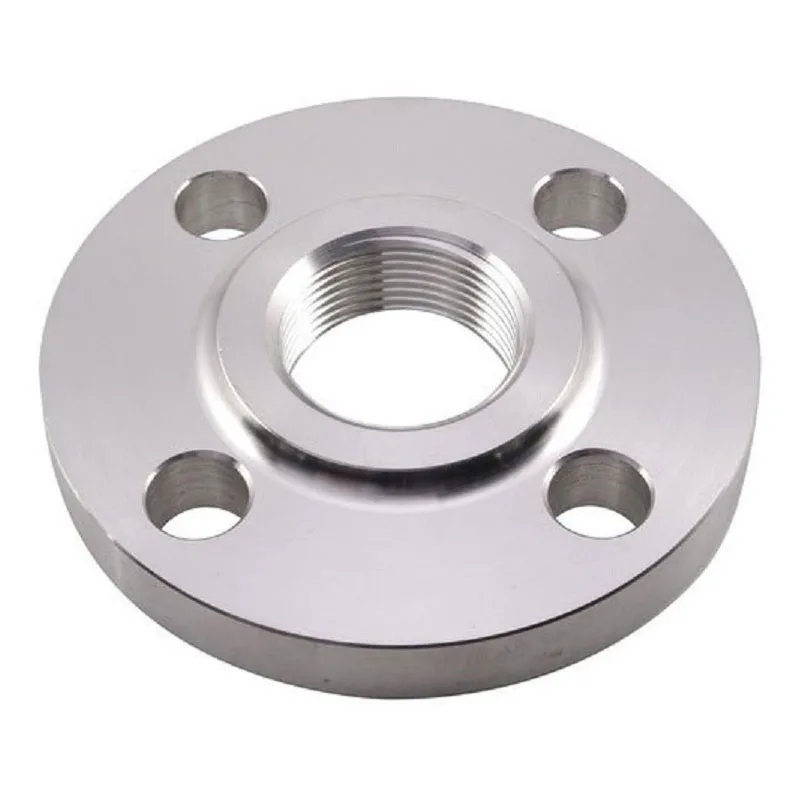 JIS 10K Threaded Flanges
 -
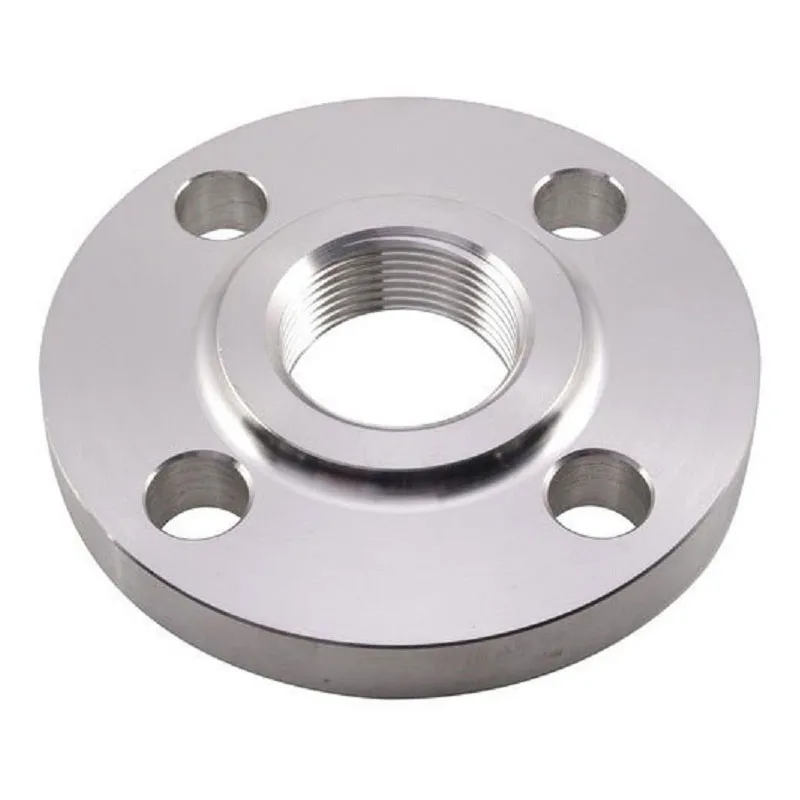 EN 1092-1 Threaded flanges Type 15, PN16
 -
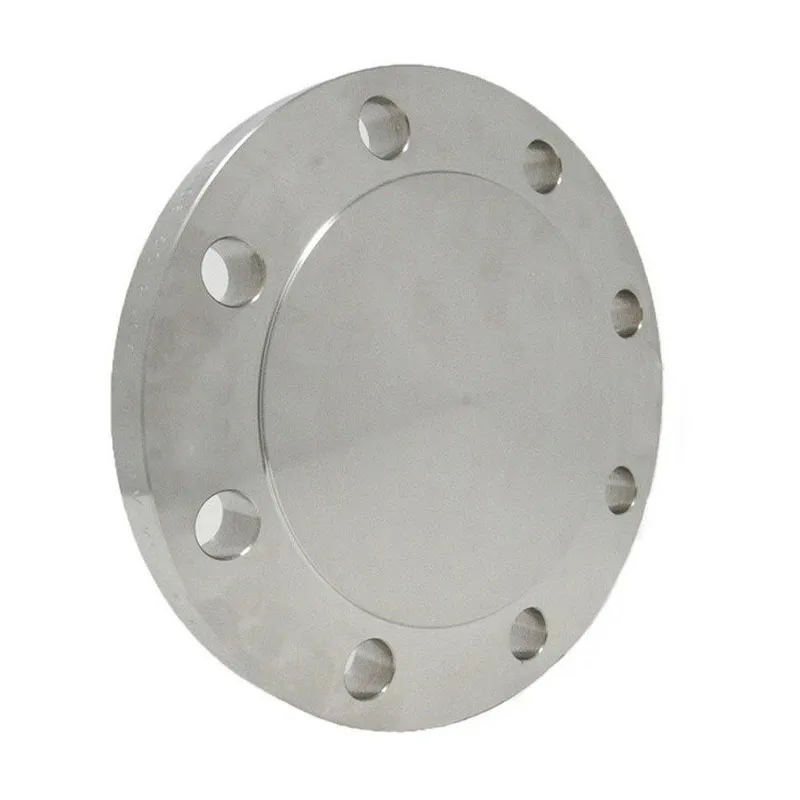 EN 1092-1 Blind flanges Type 05, PN10
 -
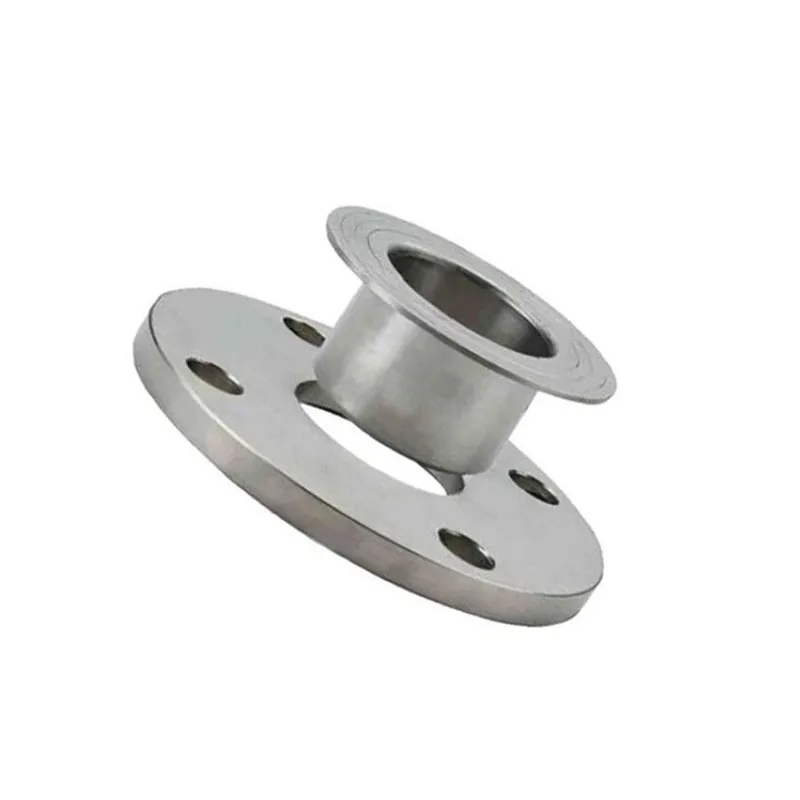 Free ring flanges Class 400
 -
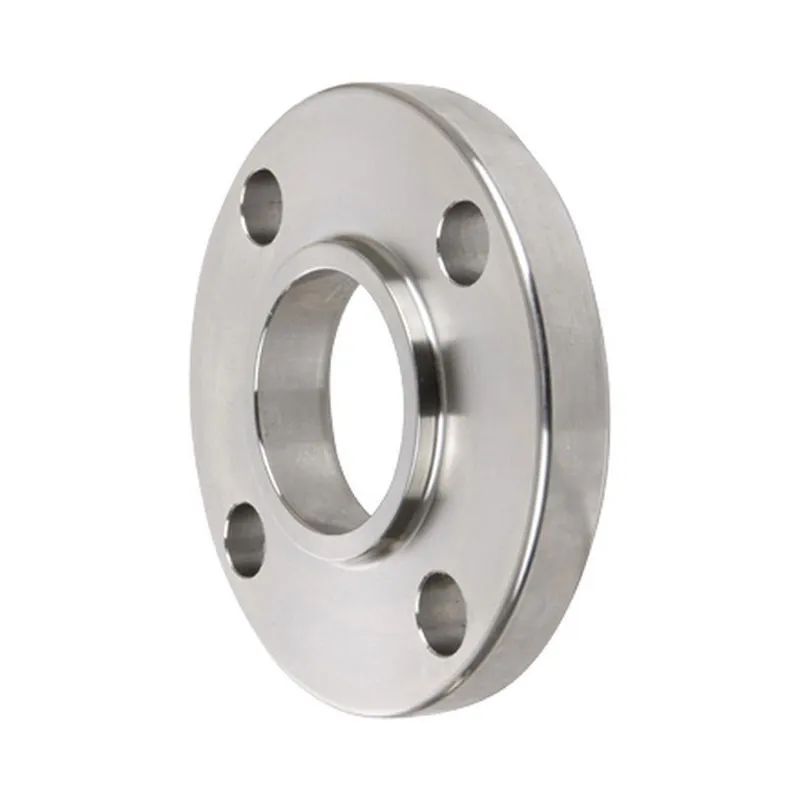 DIN 2501 Overlay flanges PN16
 -
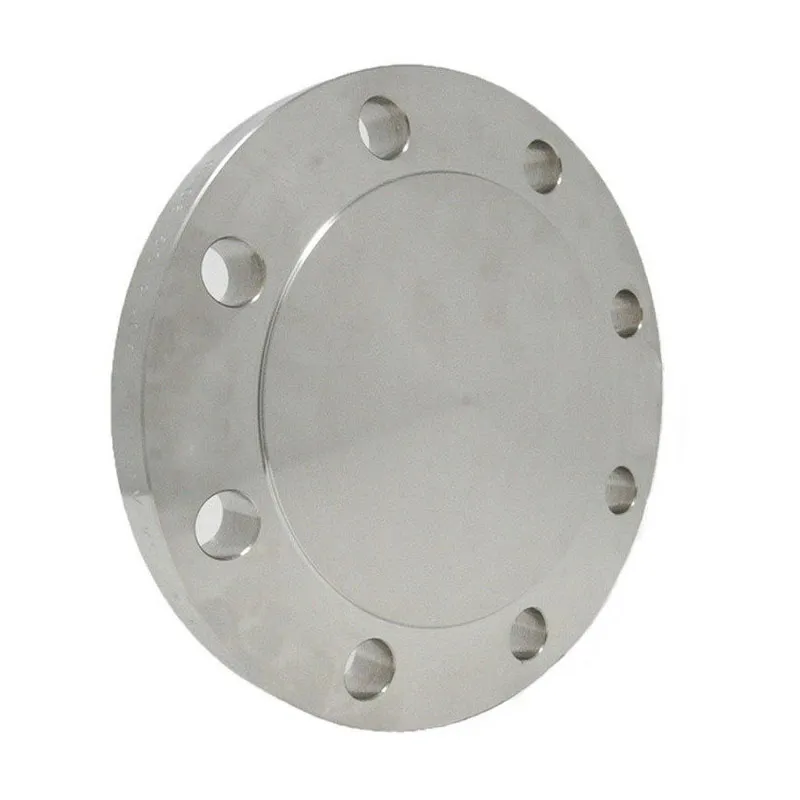 AWWA Blind Flanges Class D (Tables 1, 2, 3)
 -
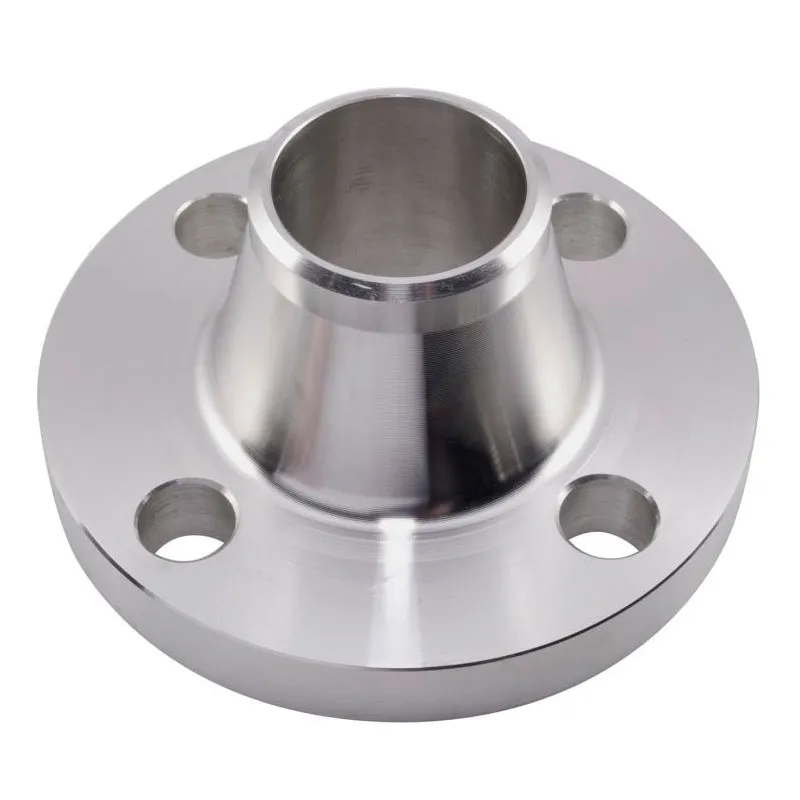 UNI 2281 Butt weld flanges PN10
 -
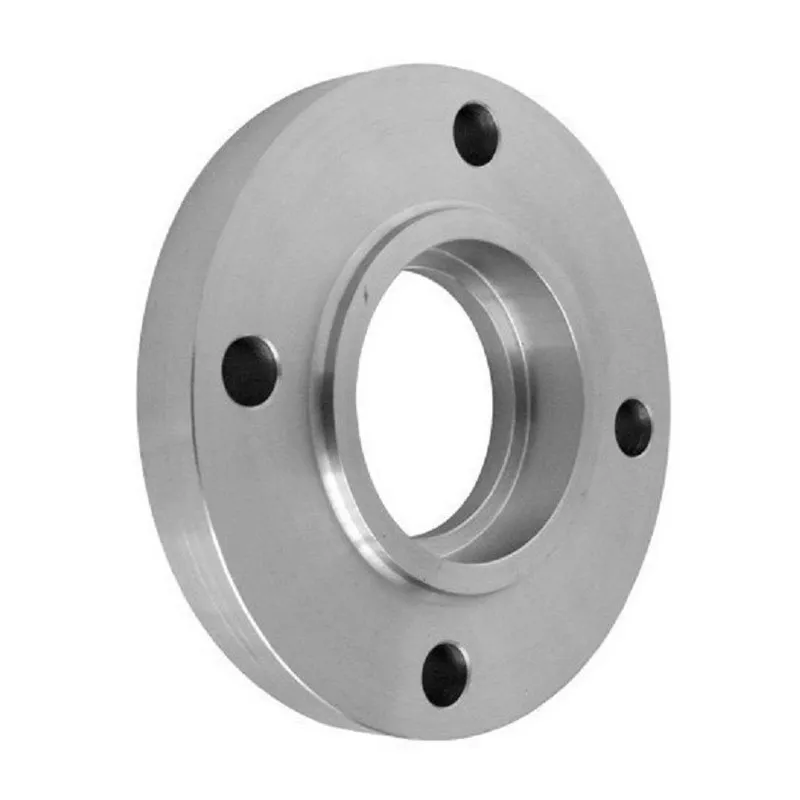 JIS 5K Socket Weld Flanges
 -
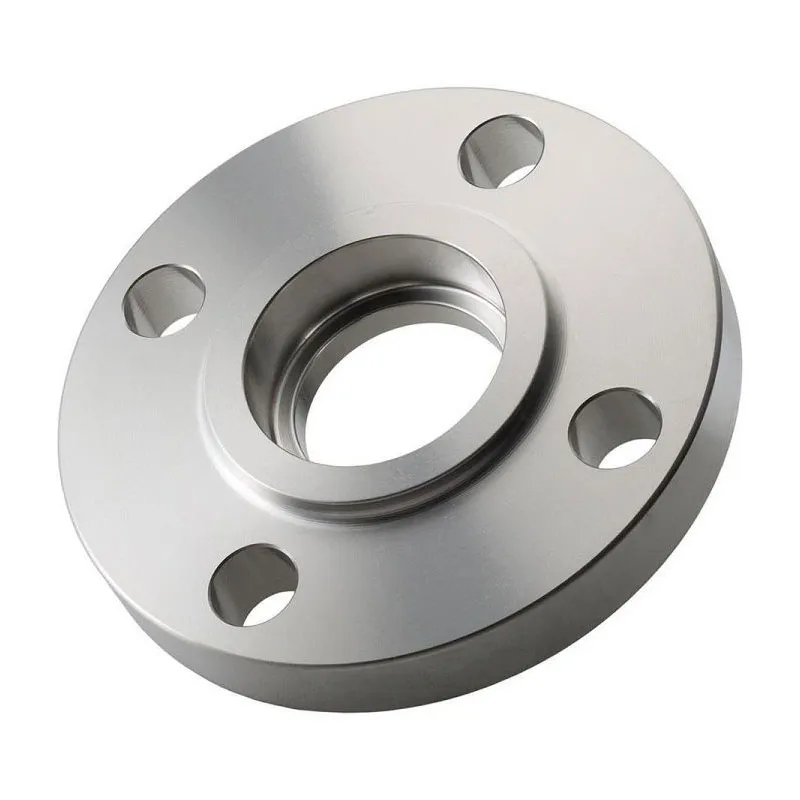 ANSI B16.5 Socket Weld Flanges Class 1500
 -
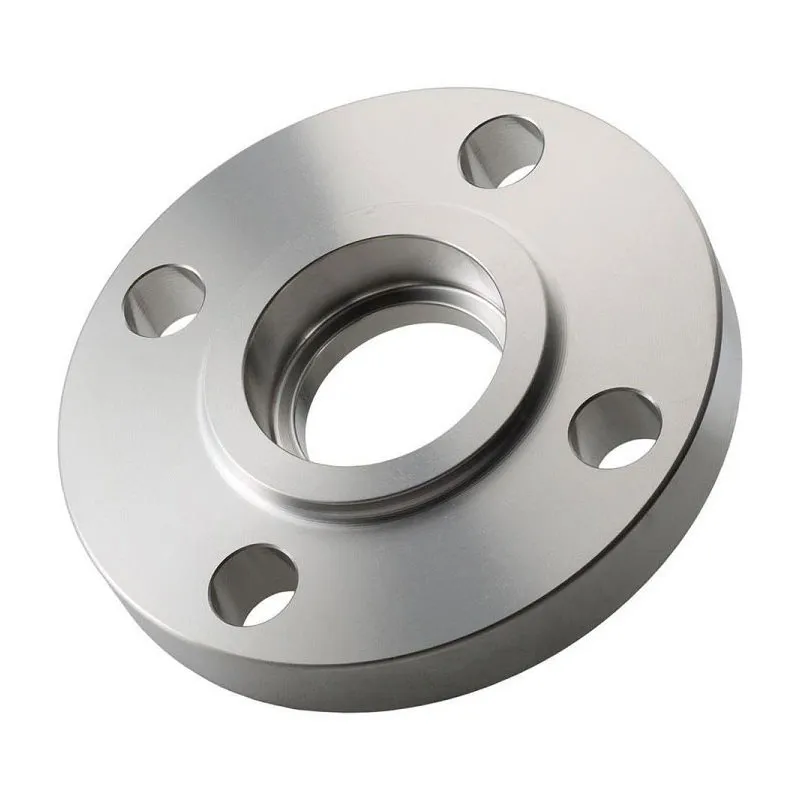 Flanges for socket welding
 -
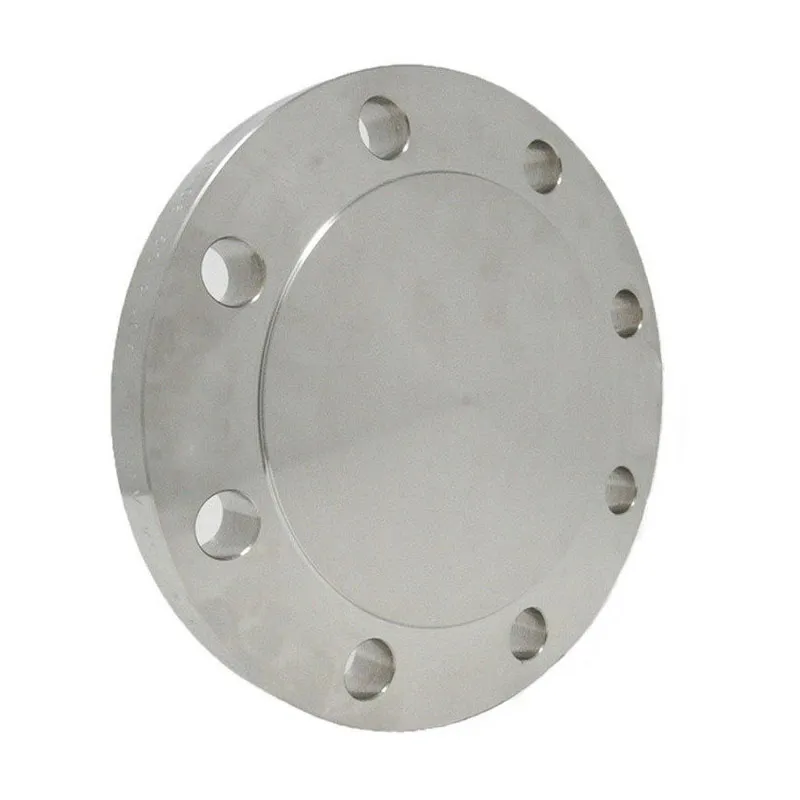 Blind flanges Class 150