
-
-
Phone
+86-13623462298




flanges 200 6
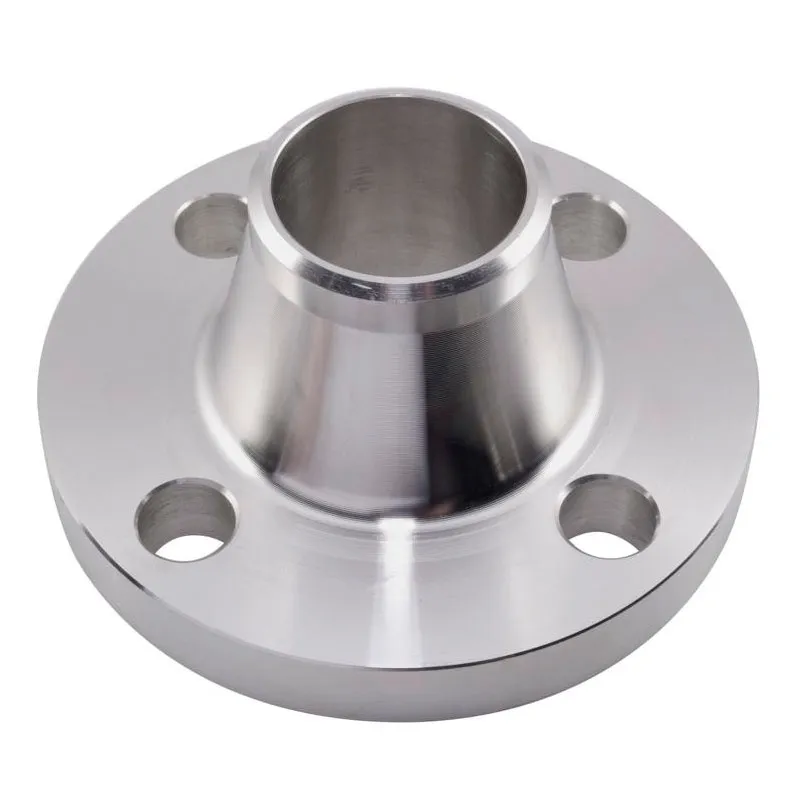
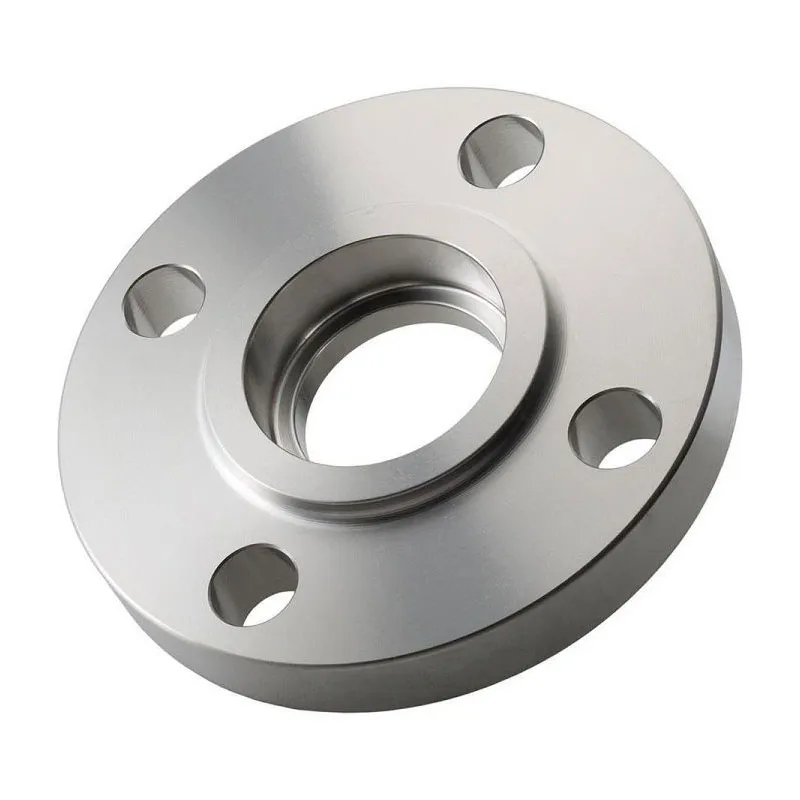
When they say “flanges 200 6?”, many people immediately think of a simple thing - a steel ring with holes for bolts, DN200 for a pressure of 6 MPa. But in this simplicity lies the main trap. The numbers in the designation are only a starting point and not a guarantee. How many times have I seen how supposedly suitable flanges are brought to a site, and then they “sing?” at the joints or, worse, they leak after the hydraulics. The problem is often not in the standard itself, but in what stands behind these numbers: material, quality of forging, geometry of the sealing surface. This is what I want to speculate on, based on what I saw and touched.
Explanation ?200 6? and where the pitfalls lie
So, DN200 is a conditional diameter. But the wall thickness of the attached pipe under this flange can be different. And if you take a flange designed for nominal pressure Ru6 (or PN6 according to the European classification), but intended for a thin-walled pipe, and mount it on a thick-walled one, problems may arise with alignment and load distribution on the bolts. This is not always critical, but on vibration lines or during temperature expansions it will definitely come out.
The second point is the execution itself. ?6? - this is not just a number. For different standards it means different design pressure at different temperatures. In GOST (which replaced the good old GOST 12820-80) for steel flat welded flanges Ru6 is a working pressure of 0.6 MPa at 300°C for certain steel grades. But according to ASME B16.5 Class 150, these are different tolerances and materials. Therefore, when receiving a technical specification simply marked “flanges 200 6?”, I always clarify: “What standard are you expecting?” For what environment and temperature??. Without this conversation, starting work is more expensive for yourself.
And the third stone is the quality of the forging. You can make a flange from a piece of sheet metal on a lathe, or from a forged blank. The difference in mechanical properties, especially in impact strength and structure uniformity, is colossal. For nominal conditions, it may be fine, but for critical components - only forging. I once came across a batch where everything seemed to be according to the drawing, but after processing, small delaminations appeared on the sealing surface - the result of using low-quality billets. I had to reject the entire batch.
Experience with different suppliers and why not only price is important
Previously, they often searched simply by price until they got big. We had a project, we needed flanges in accordance with GOST, DU200 on Ru6, made of steel 20. We found a “profitable” one. manufacturer, done quickly. And when the time came for installation, it turned out that the holes for the studs were loose to a large tolerance, and the sealing plane was not maintained everywhere. The installers spent a lot of time making adjustments, and the inspection engineer almost rejected the unit. Savings on purchases resulted in downtime and rework.
After this, they began to look more closely at manufacturers who specialize specifically in forged products. Here, for example,Shanxi Hongkai Forging Co.,Ltd(their website ishkflange.ru). They are positioned as a manufacturer of forged flanges and forgings, which already indicates a focus on the quality of the workpiece. Their product range includes this range DU15–DU4000, and they work according to a whole bunch of standards - from GOST and ASME to EN and DIN. This is important because it means they most likely have an understanding of the differences in geometry and tolerances between these systems. They didn’t just carve it “approximately like in the picture?”, but according to the standard.
What I like about this approach is the predictability. By ordering flanges from a specialized forging plant, you have less to wonder whether you will receive products that fit in place the first time. This is especially true for non-standard solutions or large diameters, where the cost of an error in geometry is enormous. Their mention of production according to customer drawings is precisely the case when the standard series is not suitable and an individual calculation is needed.
Installation nuances that are not written in the instructions
Let's say the flanges arrived high-quality. But editing is a different story. Forflanges 200 6A set of eight M16 studs is often used. It would seem that tighten evenly crosswise with a torque wrench until the desired moment - and that’s it. But in practice, especially in field conditions, this is often neglected. I saw how they tighten it with an impact wrench “all the way?”, which leads to distortion and damage to the sealing surface.
Another point is the choice of gasket. For Ru6 and DU200, you can use paronite, fluoroplastic, and metal of oval or octagonal cross-section. But if the flange has a tongue-and-groove sealing surface? (for example, according to GOST for an oval gasket), and you install a flat soft gasket, tightness may not be achieved. You need to check the drawing for the flange itself. Sometimes the labeling does not directly say this; you need to require documentation.
And about thermal expansion. If the line is hot, then after the first warm-up it is necessary to re-tighten the bolted connection on a cooled but still warm line. Many people forget about this, and then are surprised at the leak at the junction. For DN200 flanges this is especially true due to the relatively large sealing area.
When the standard series is not enough: turning to non-standard
There are situations when the standard flange in the catalog is not suitable. For example, you need to install fittings with non-standard center-to-center distances of holes or with special requirements for the material due to an aggressive environment. This is where the ability to manufacture according to drawings comes in handy.
When working with such requests, it is important to provide the manufacturer with the most complete data: not only the dimensional drawing, but also the operating conditions (pressure, temperature, environment), the required material (indicating the standard, for example, 09G2S according to GOST 5520, or A350 LF2 according to ASME), type of sealing surface. The more details, the fewer iterations for approval and the less chance of getting something wrong.
For example, for one of the modernization projects, an adapter flange DN200 to Ru6 was required, but on the one hand - according to the ASME B16.5 Class 150 standard, and on the other - according to GOST 12821-80. There is no standard such product. I had to make a drawing that combined the geometries and tolerances of two different systems. The key was to position the holes correctly and set the thickness. We contacted manufacturers who claim to work according to drawings, including consideringShanxi Hongkai Forging Co.,Ltd, since their profile - forged flanges to different standards - suggested that they could cope with such a task. It is important that there is an engineer in production who will delve into this difference between the standards, and not just mechanically transfer the dimensions.
Conclusions and final thoughts
So what's the bottom line aboutflanges 200 6? This is not just a product item in a catalogue. This is the starting point for a whole range of technical solutions. The key to success is in the details: a precise understanding of the standard, requirements for material and workmanship, as well as competent installation.
You should not chase the lowest price, especially for critical applications. It is safer to work with suppliers who specialize in forging and have experience working with international standards. This tends to provide better value for money in the long run when all the downtime and risks are taken into account.
And lastly, always ask for supporting documentation - material certificates, test reports, ultrasonic testing or magnetic particle testing reports, if required by the project. Availability of such documentation as, for example, offers on its websiteShanxi Hongkai Forging Co.,Ltd, speaking of compliance with standards, this is a good sign. This shows that the manufacturer understands responsibility and is ready to confirm the quality of its products not in words, but on paper. In our work, this predictability and reliability is often more important than a small difference in unit cost.
Correspondingproducts
Related Products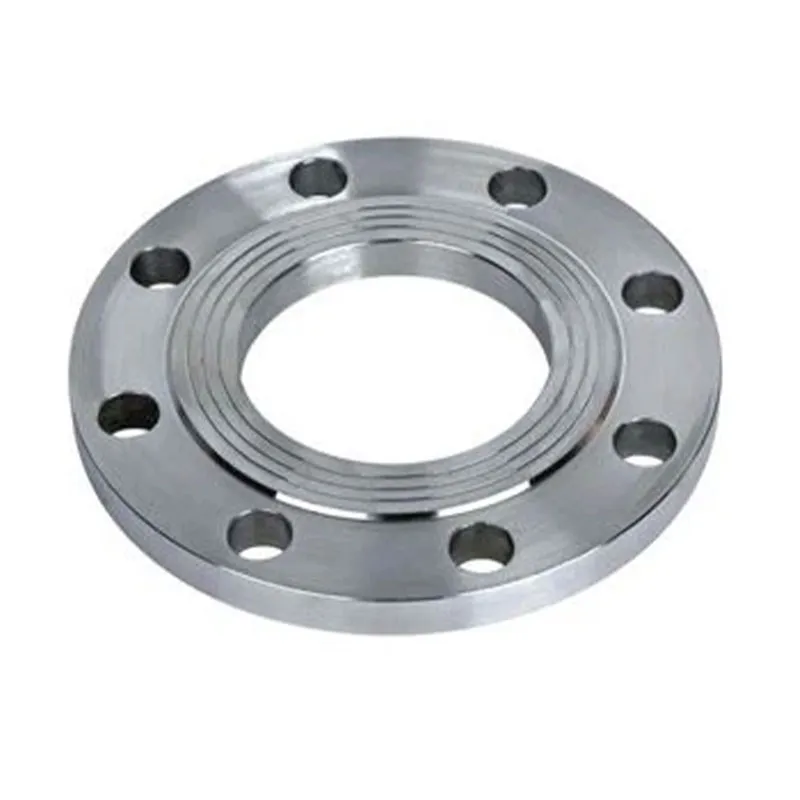
Best Sellingproducts
Best Selling Products-
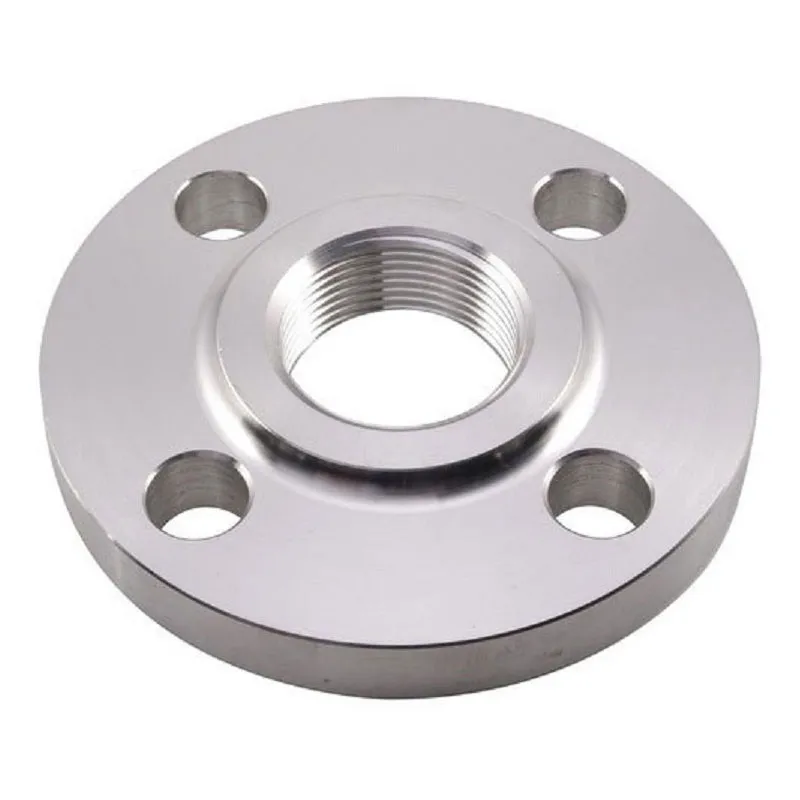 DIN 2565 Threaded flanges PN6
 -
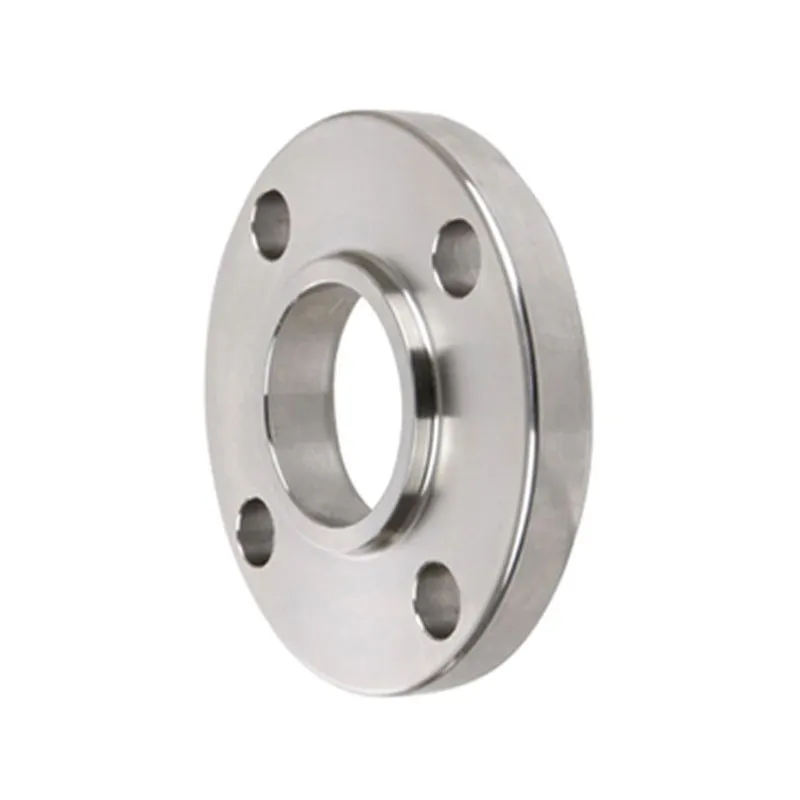 ANSI B16.5 Lap-on flanges Class 300
 -
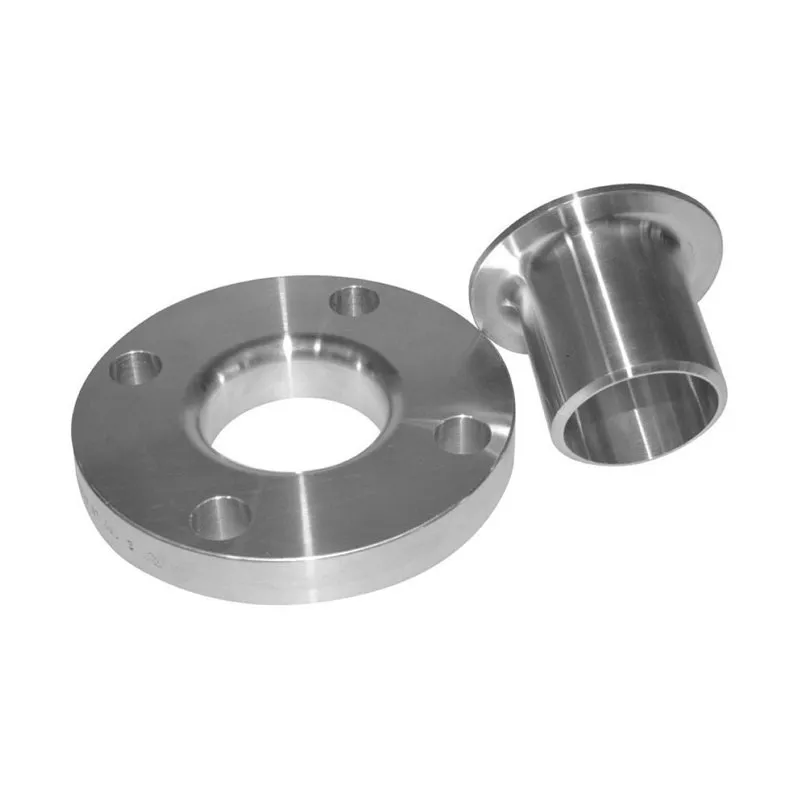 Free ring flanges Class 150
 -
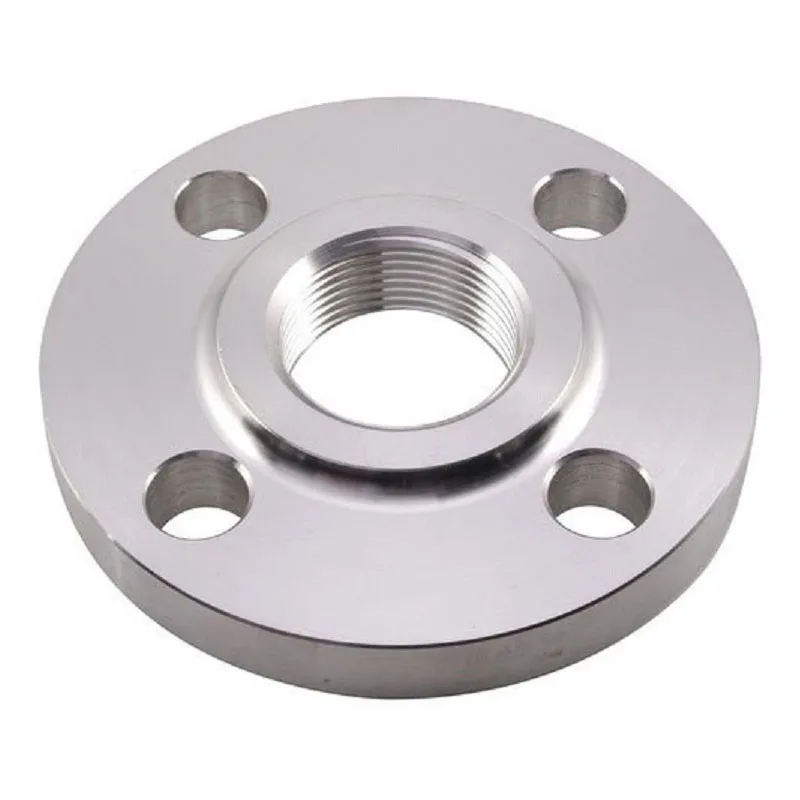 DIN 2566 Threaded flanges PN16
 -
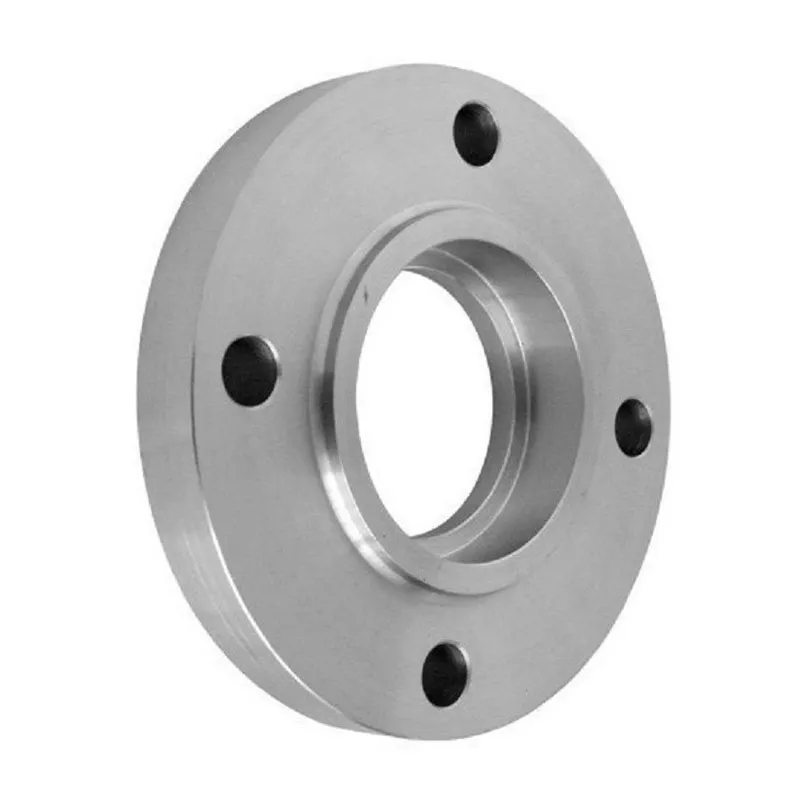 Socket Weld Flanges Class 300
 -
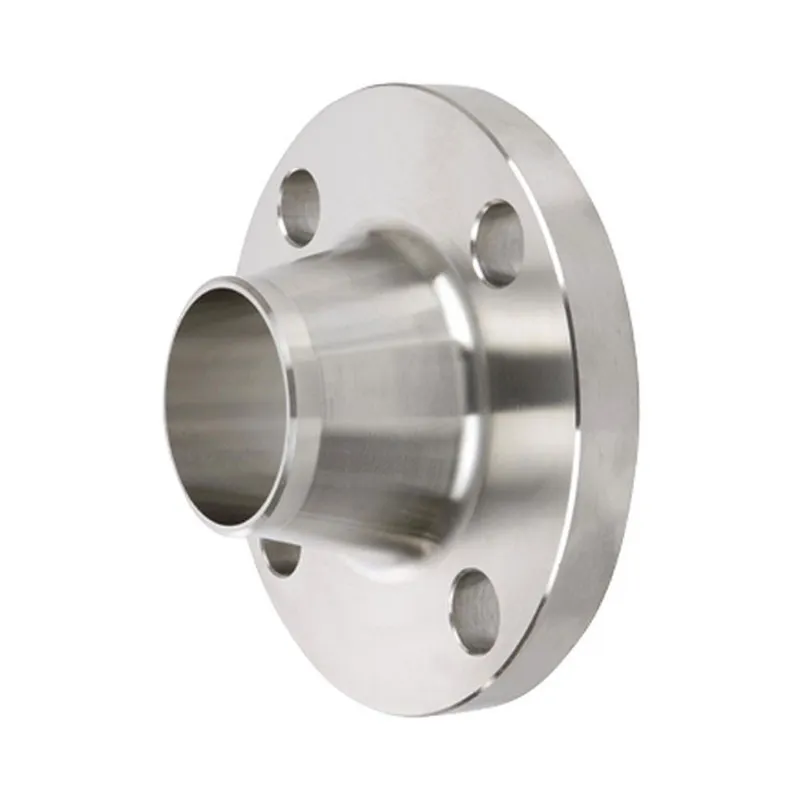 EN 1092-1 Butt weld flanges Type 11, PN25
 -
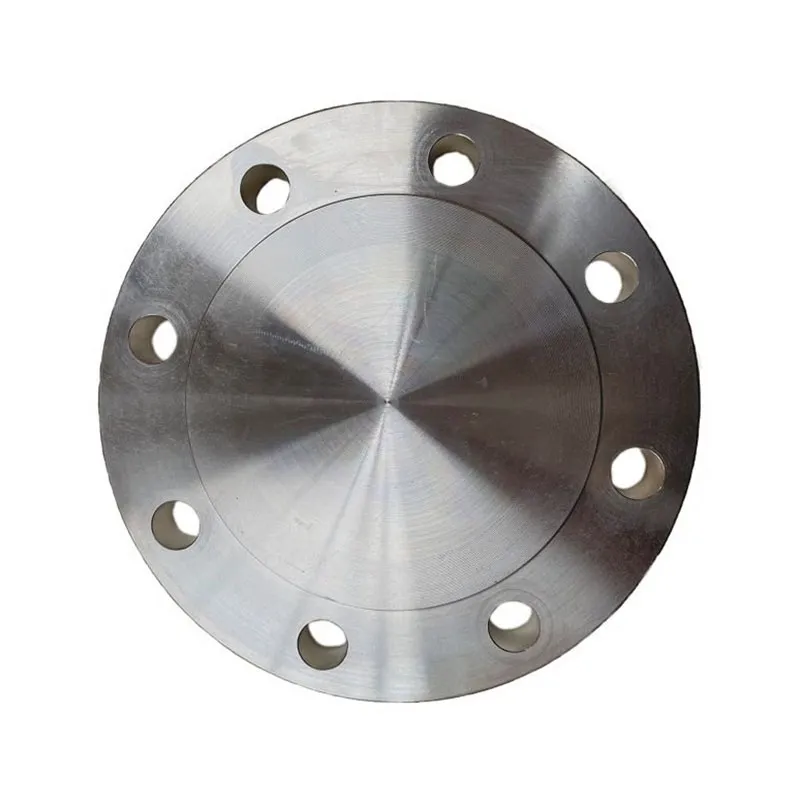 UNI 6092 Blind flanges PN10
 -
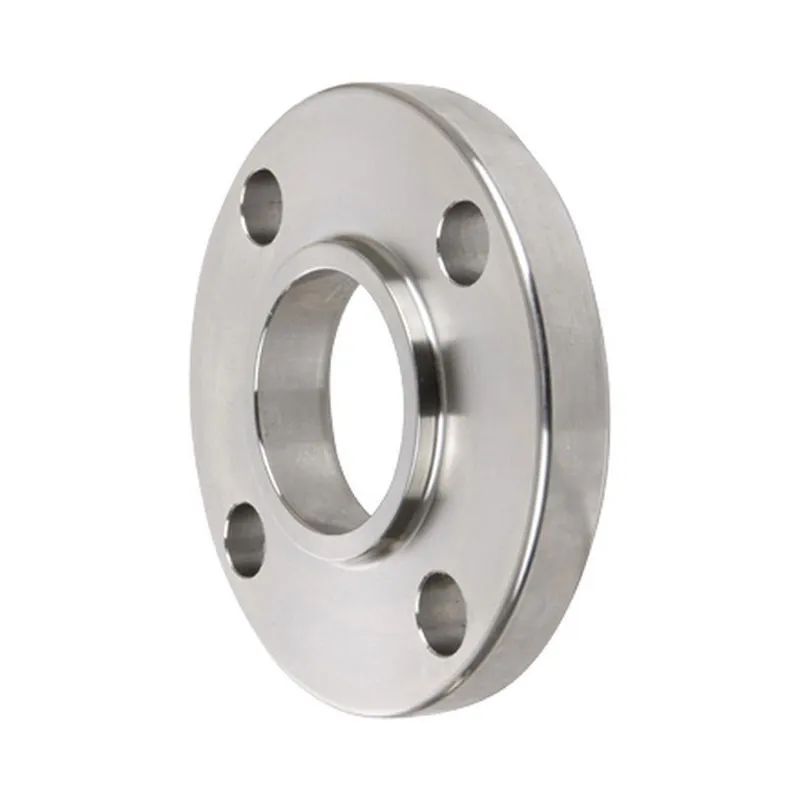 DIN 2501 Overlay flanges PN16
 -
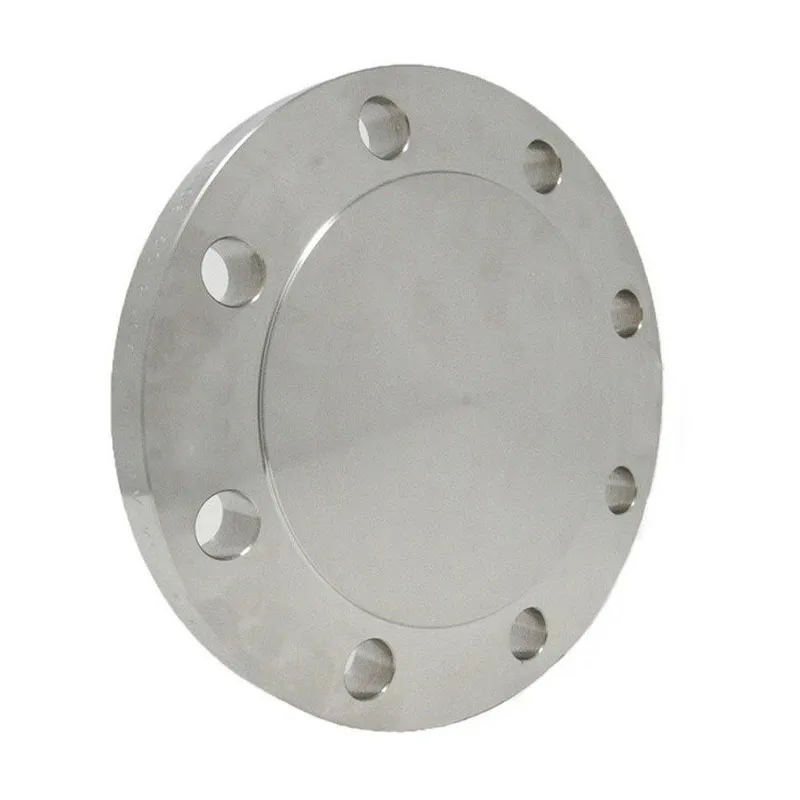 EN 1092-1 Blind flanges Type 05, PN10
 -
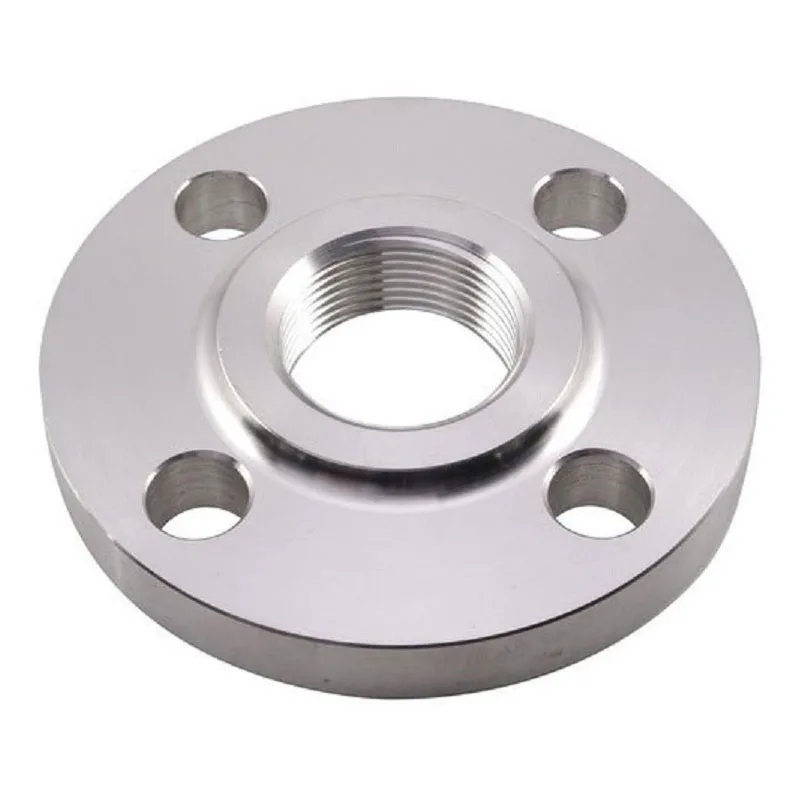 JIS 10K Threaded Flanges
 -
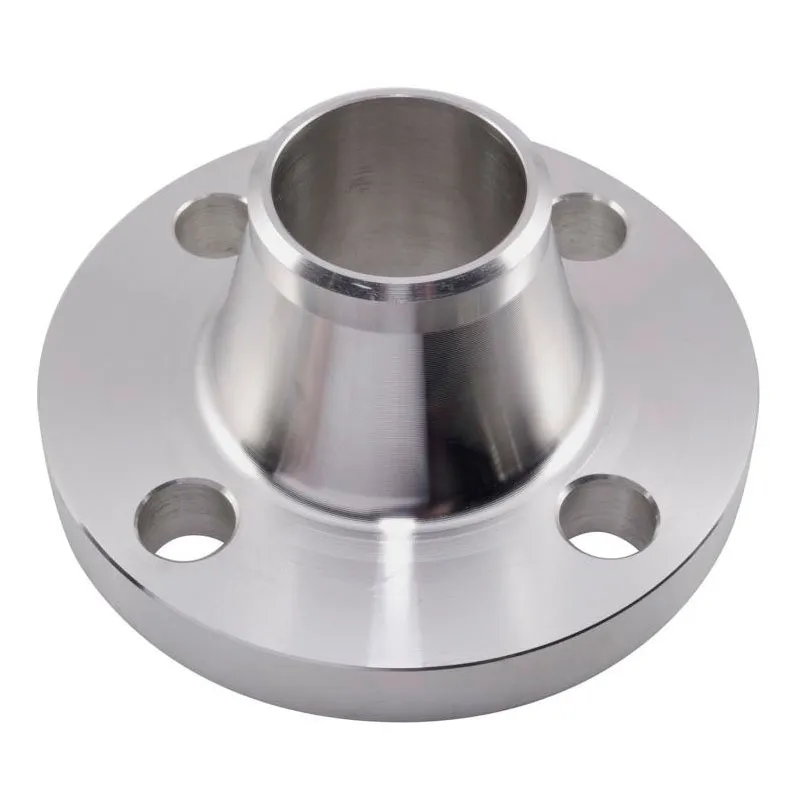 DIN Butt weld flanges PN10
 -
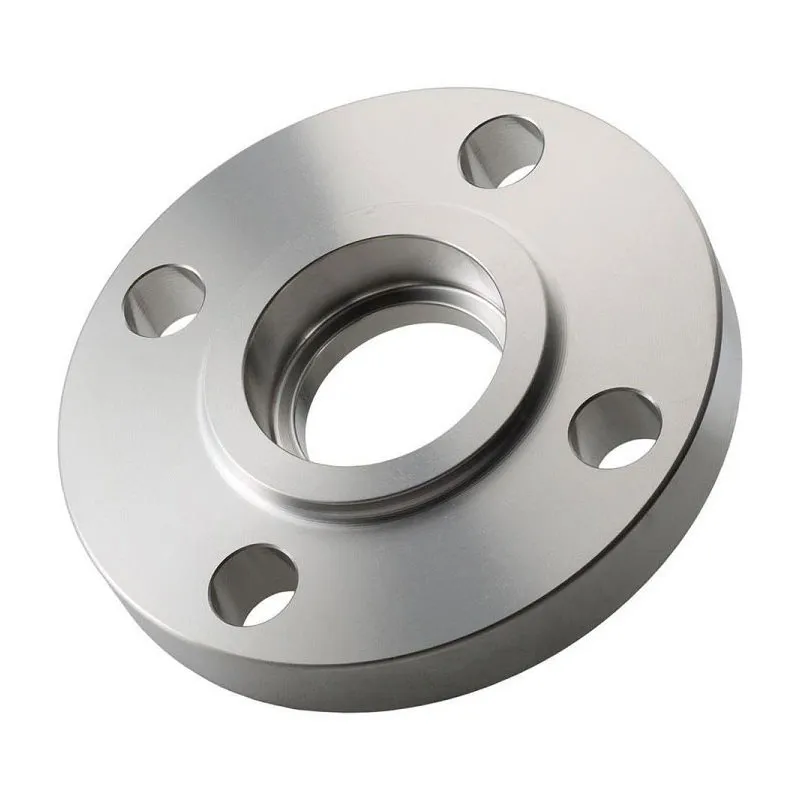 Flanges for socket welding