
-
-
Phone
+86-13623462298



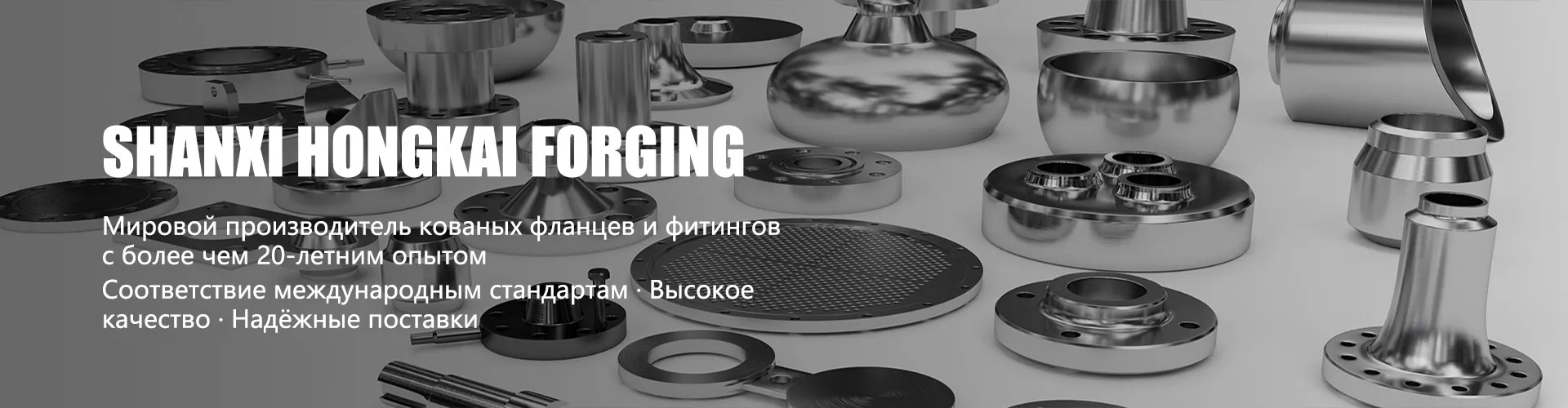
flange dn 80
When they say “flange dn 80”, many immediately imagine a standard part, almost a consumable. But it is precisely in this caliber that pitfalls that emerge already on site often lie hidden. The most common mistake is to assume that all DN 80 are interchangeable, without delving into the standard and pressure. I personally encountered when, to replace a flange according to GOST, they tried to install an analogue according to ASME B16.5 Class 150, and the seating surfaces for the gasket did not meet, I had to urgently look for the right option. This is not just a pipe with a diameter of about 89 mm, it is a unit on which the tightness of the entire section depends.
Standards and materials: not all DIN or GOST are equally useful
Let's take, for example, the most popular request - a steel flange dn 80. The material of execution is the first thing I look at. St20, 09G2S, 12Х18Н10Т - the difference in price and application is colossal. For ordinary water, carbon steel is also suitable, but if we are talking about steam with a temperature of over 300°C or an aggressive environment, then alloy steels or even stainless steel are indispensable. I have seen cases where a chemical plant saved money by installing St20 flanges in line with alkali, but after six months intense corrosion began along the bolt holes.
As for standards, there is a wide field for thought. Russian projects are often focused on GOST (formerly GOST 12820-80) for flat flanges and GOST for butt welds. But if the equipment is imported, EN 1092-1 (type 01 or 05) or ASME B16.5 may be required. The key point is the geometry of the sealing surface. For the same DN 80, according to GOST, the surface type can be “tenon and groove”. or “protrusion-recess?”, and for ASME it is Raised Face (RF) or Ring Type Joint (RTJ). There is no room for confusion here.
In this context, it is worth mentioning the manufacturers who keep all these options in their product range. For example, on the siteShanxi Hongkai Forging Co.,Ltd (https://www.hkflange.ru) it is clear that they just cover this demand. This is a manufacturer of forged flanges and forgings from China, which works according to GOST, ASME, EN, DIN and other standards. For me, as a specialist, it is important when the product card clearly states: “Flange DN 80 PN16, GOST, steel 09G2S, version 1?”. This saves time on approvals.
Forging vs. Casting vs. Sheet bending: why production method matters
Here, many customers are trying to save money by choosing flanges made from flexible strip or laser cut from thick sheet. For unloaded low-pressure systems, it may pass. But for serious pipelines with pressure, vibration or temperature changes - only forging. During forging, the metal fibers are deformed and compacted, following the contour of the part, which gives much better mechanical properties, especially for fatigue.
I remember a project with a steam pipeline, where, due to budget constraints, part of the DN 80 flanges was ordered from bent sheet. In areas with frequent thermal start-ups, it was on these flanges that microcracks began to appear in the transition zone from the hub to the disk. I had to change everything to forged ones during a planned repair. Forging, especially forging, as the main activityShanxi Hongkai Forging Co.,Ltd, - this is exactly the case when technology directly affects reliability. Their range up to DN 4000 indicates the possibility of producing forgings rather than small-scale stamping.
Another subtle point is the quality of the workpiece. A good forging should have a uniform structure without delamination or cavities. During visual inspection before installation, I always pay attention to the end of the hub and the surface under the gasket. Any loose areas or dents are a reason to reject.
Assembly puzzles: bolts, gaskets, alignment
It would seem that you screw it in with four bolts and you’re done. But with DN 80, 8 bolts are often used, and this is where the fun begins. Firstly, the strength class of the bolts. For PN16, 5.6 is often enough, but if the environment is hot, then 8.8 is already needed. It is important not to mix bolts of different classes in one unit - the load will be distributed unevenly.
Gaskets are a different story. Paronite, fluoroplastic, metal edged or spiral wound. For a dn 80 flange with a nominal bore of 80 mm, the choice depends on the medium. Once, ordinary paronite was installed on the liquefied gas line, which was not suitable for low temperatures - it lost its elasticity and began to leak. I had to switch to graphite gaskets. It is important that the inside diameter of the gasket exactly matches the bore of the flange, otherwise turbulence or blockage will occur.
Alignment is an often neglected operation. The flanges must be aligned in front of the screed. I use steel mounting wedges for this. If you tighten bolts on misaligned flanges, bending moments are created, which will eventually lead to leakage along the bolt circles. This is especially critical for butt weld flanges, which, by the way, form the basis of the product range of many manufacturers, including the mentioned company from Shanxi.
Non-standard situations and adaptation
It happens that a project requires a DN 80 flange, but with non-standard holes for fasteners or with a transition to another standard. For example, joining a new pump with Euro sizes to an old Soviet piping system. In such cases, manufacturers who take on manufacturing according to drawings come to the rescue. In the descriptionShanxi Hongkai Forging Co.,LtdIt is expressly stated that they make non-standard products according to customer sketches. It's valuable.
Worked on a situation where a flange with increased disc thickness was required to accommodate the increased bending moment from an attached heavy valve. The standard one didn't fit. They sent the technical sheet, agreed on the drawing, and made the forging. It is important in such orders to clearly indicate not only the geometry, but also the operating conditions: pressure, temperature, environment, load cycling. This allows production technologists to correctly select the steel grade and heat treatment modes.
Another practical point is anti-corrosion coating. Hot-dip galvanizing is excellent, but for flanges for tongue-and-groove gaskets. it can create problems with geometry, zinc floats. More often, for critical connections, only priming and painting are done, and the mounting surfaces are left clean. This needs to be discussed separately.
Inspection and acceptance: what to look for before signing the act
When a batch of DN 80 flanges arrives at the warehouse, it is not enough to simply count the pieces. Be sure to selectively, or better yet, check the geometry with calipers and calipers. Key dimensions: outside diameter, bolt diameter, nominal diameter, disc and hub thickness. A discrepancy of even half a millimeter can lead to installation problems.
Visual inspection of the surface is required. There should be no marks, holes or scale on the seating surfaces for the gasket. Only small spiral marks from machining are allowed. I check the markings - they must be clear and include diameter (DN 80), nominal pressure (PN), steel grade, manufacturer's mark or trademark. Lack of markings is a red flag.
If we are talking about a batch for a critical facility, I request certificates of conformity and mechanical test reports. A manufacturer that positions itself as working to international standards such as ASME or EN will usually provide such documents without problems. This gives confidence that the metal corresponds to the declared chemical composition and has the required strength characteristics. Ultimately, the flange is not a part you can take risks on. There are no small details here, and experience lies in knowing all these nuances in person.
Correspondingproducts
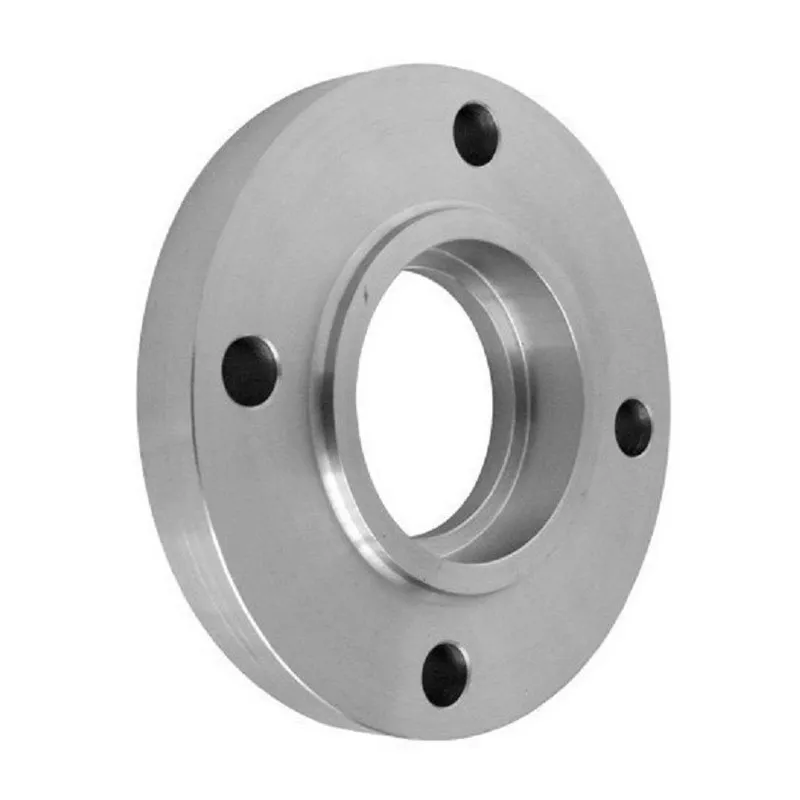
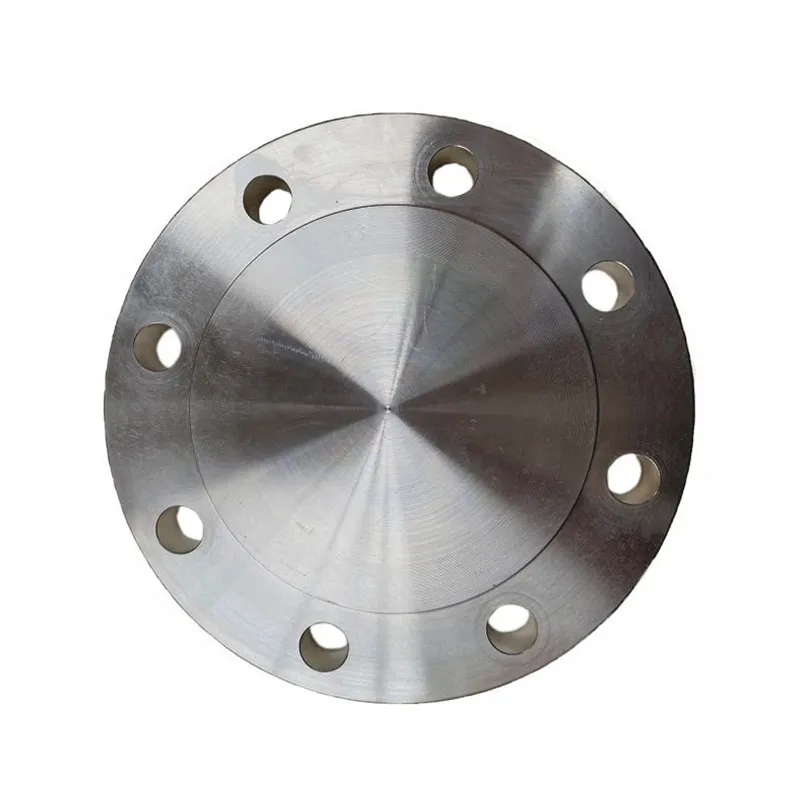
Related Products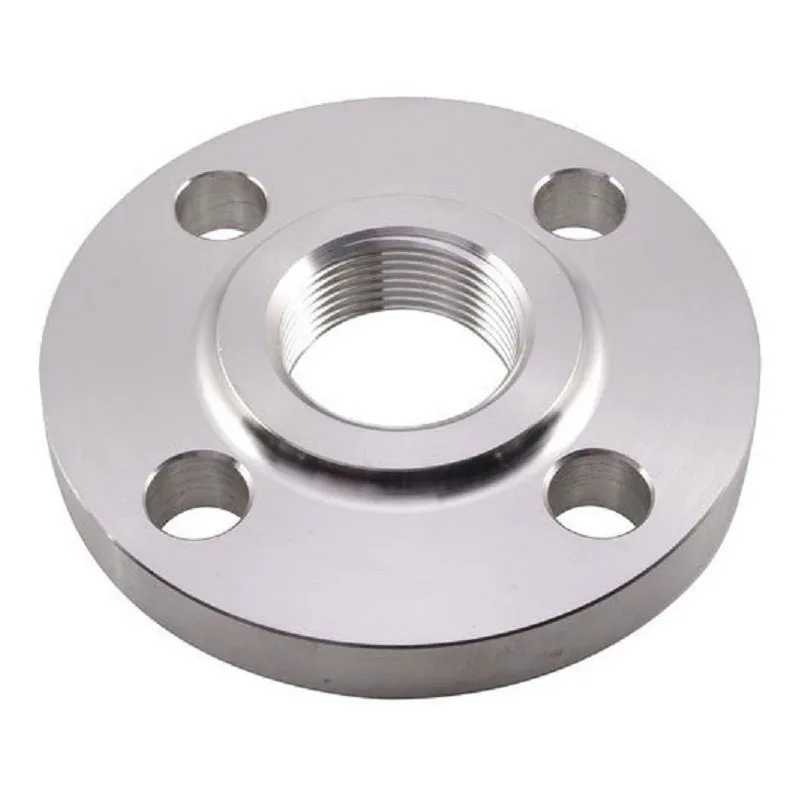
Best Sellingproducts
Best Selling Products-
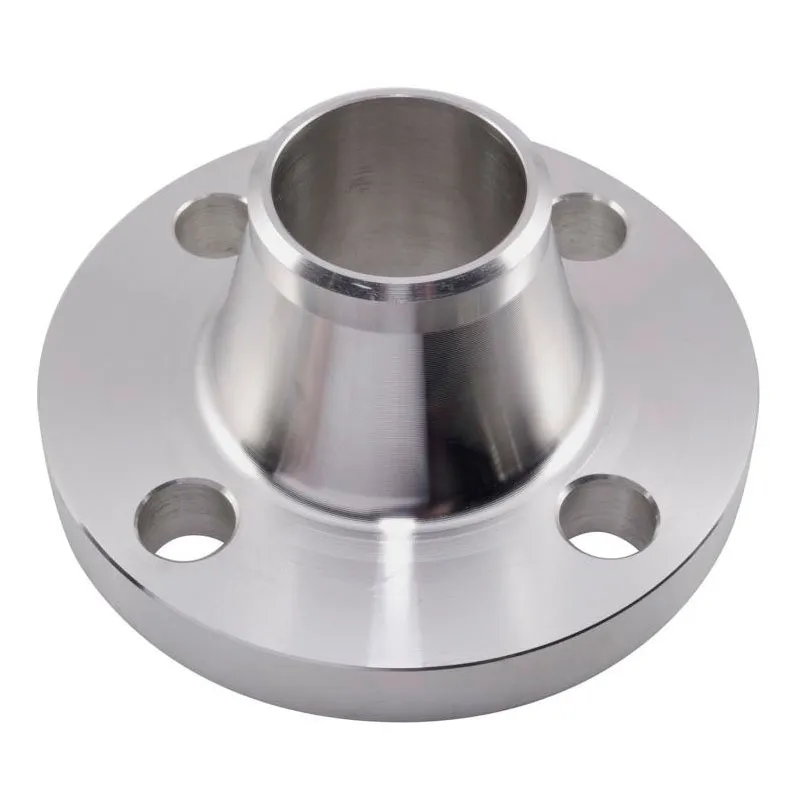 DIN Butt weld flanges PN10
 -
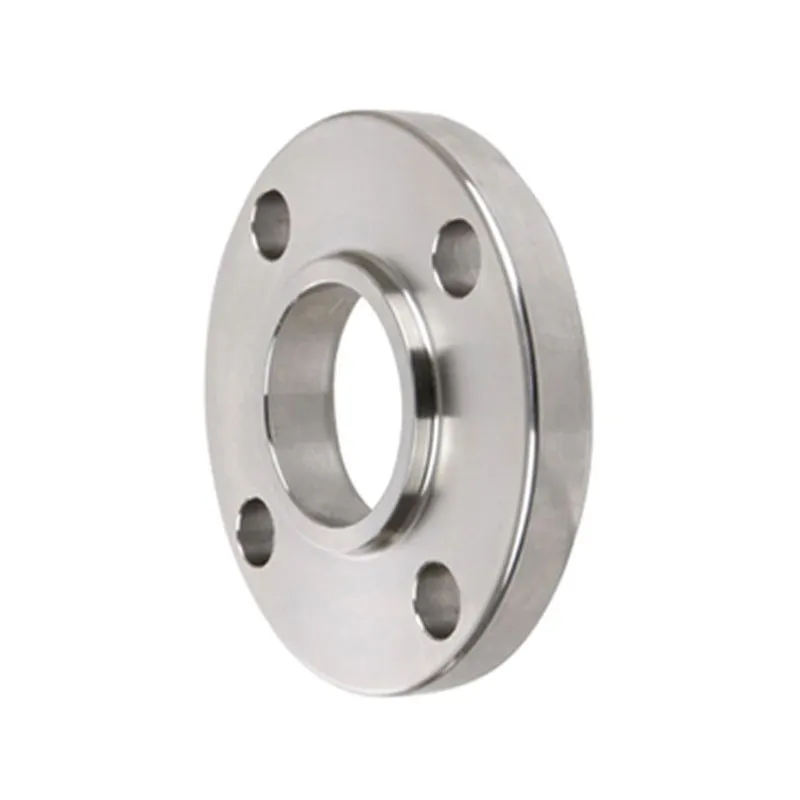 ANSI B16.5 Lap-on flanges Class 300
 -
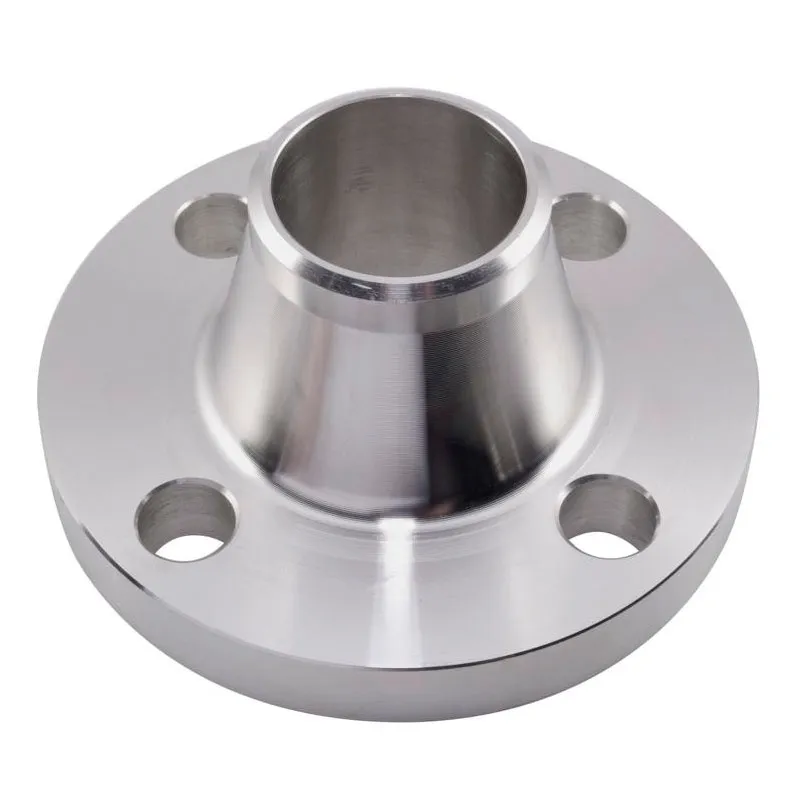 Butt weld flanges Class 900
 -
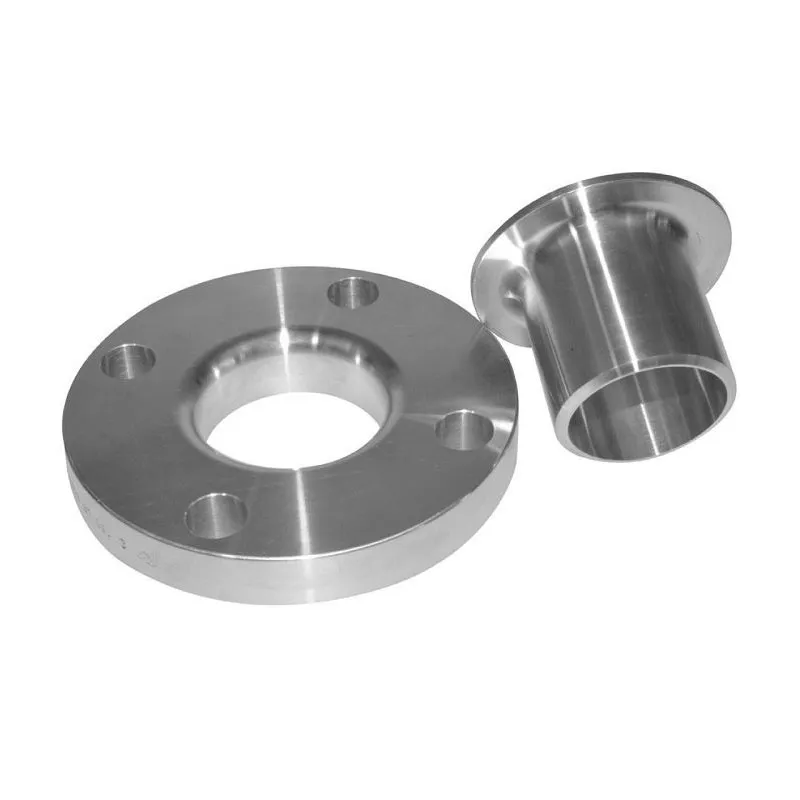 ANSI B16.5 Loose Ring Flanges Class 2500
 -
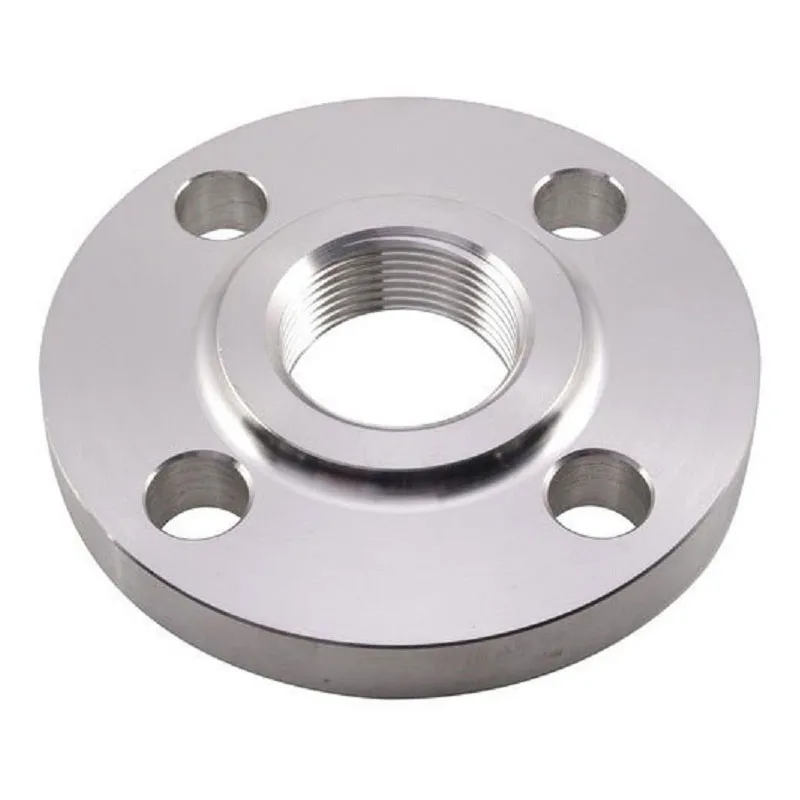 EN 1092-1 Threaded flanges Type 15, PN16
 -
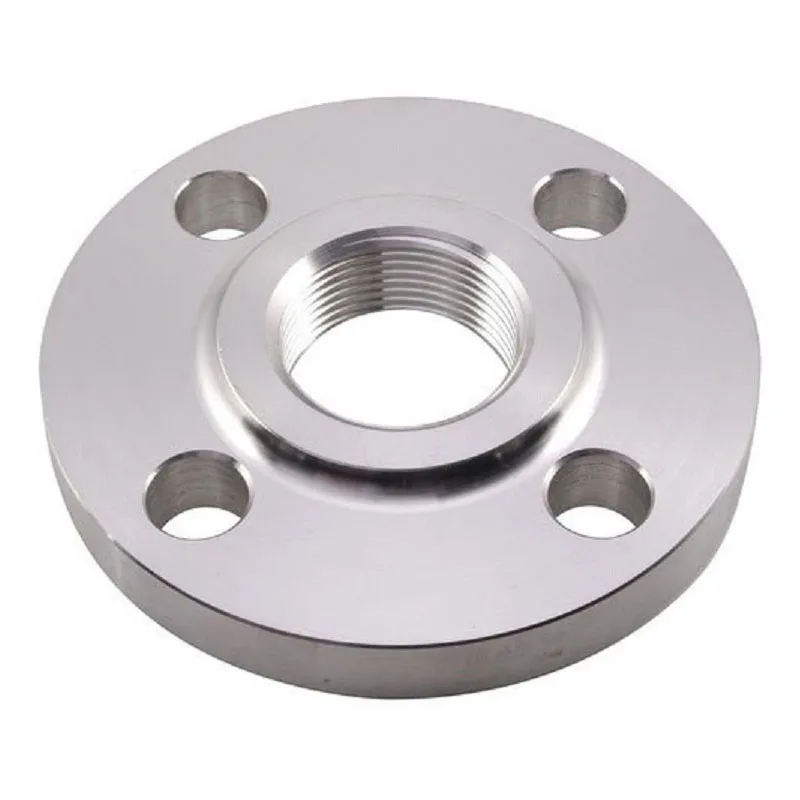 DIN 2566 Threaded flanges PN16
 -
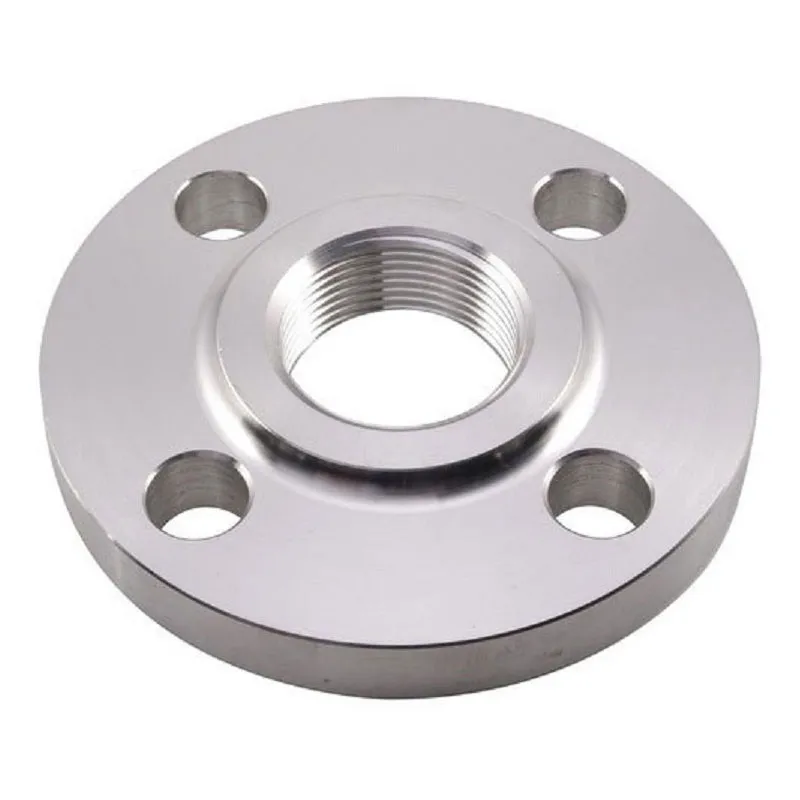 DIN 2565 Threaded flanges PN6
 -
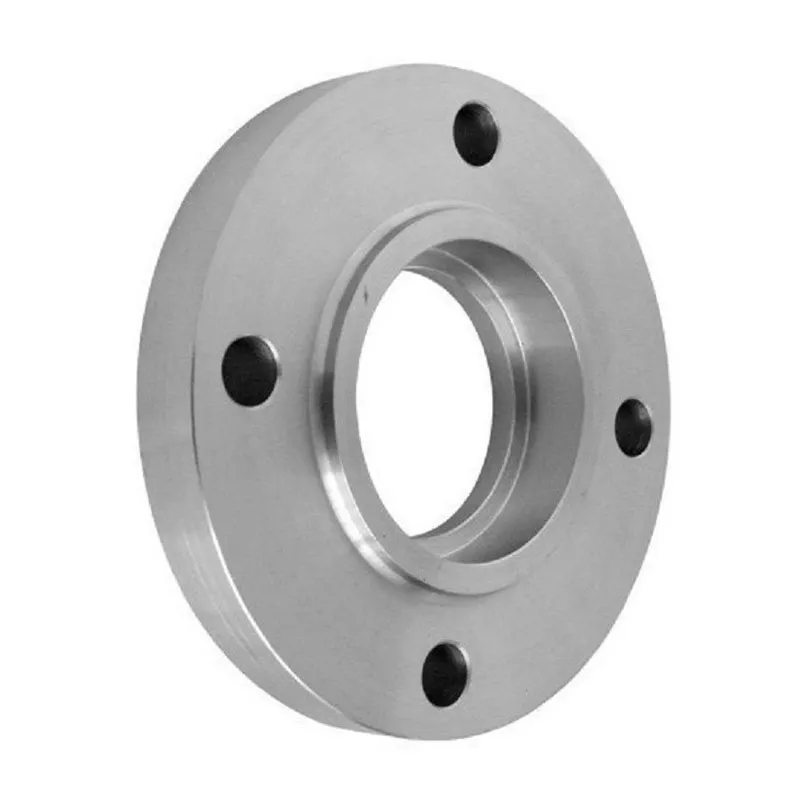 Socket Weld Flanges Class 300
 -
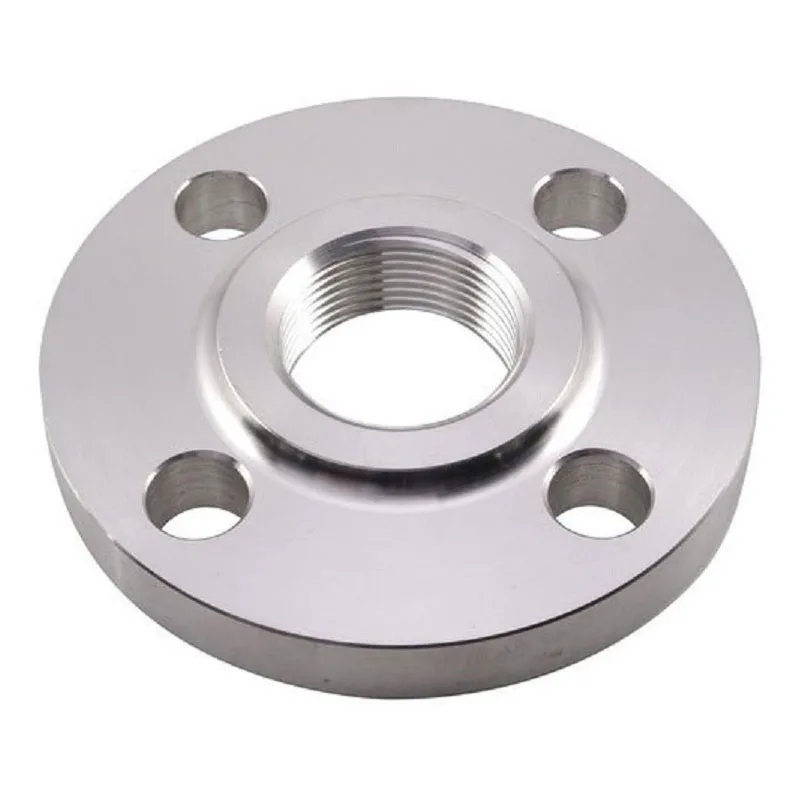 JIS 10K Threaded Flanges
 -
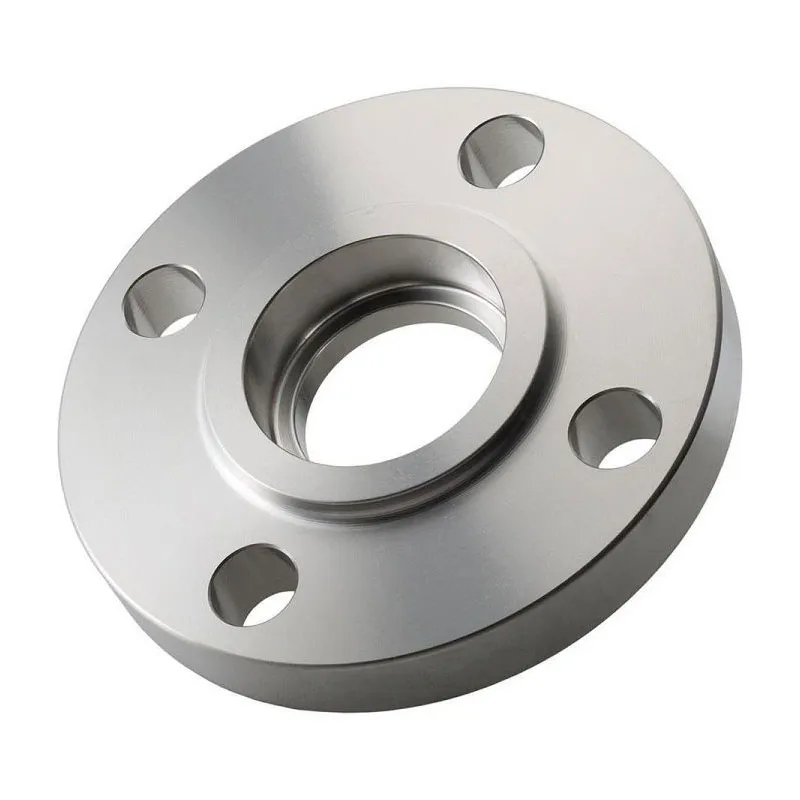 ANSI B16.5 Socket Weld Flanges Class 1500
 -
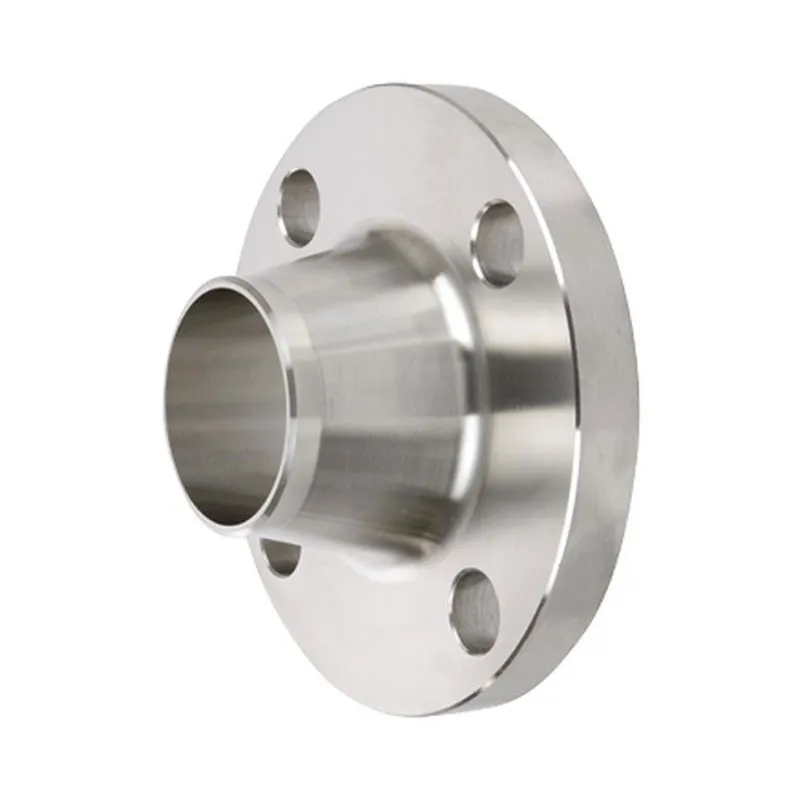 Ser.A Butt Weld Flanges Class 400
 -
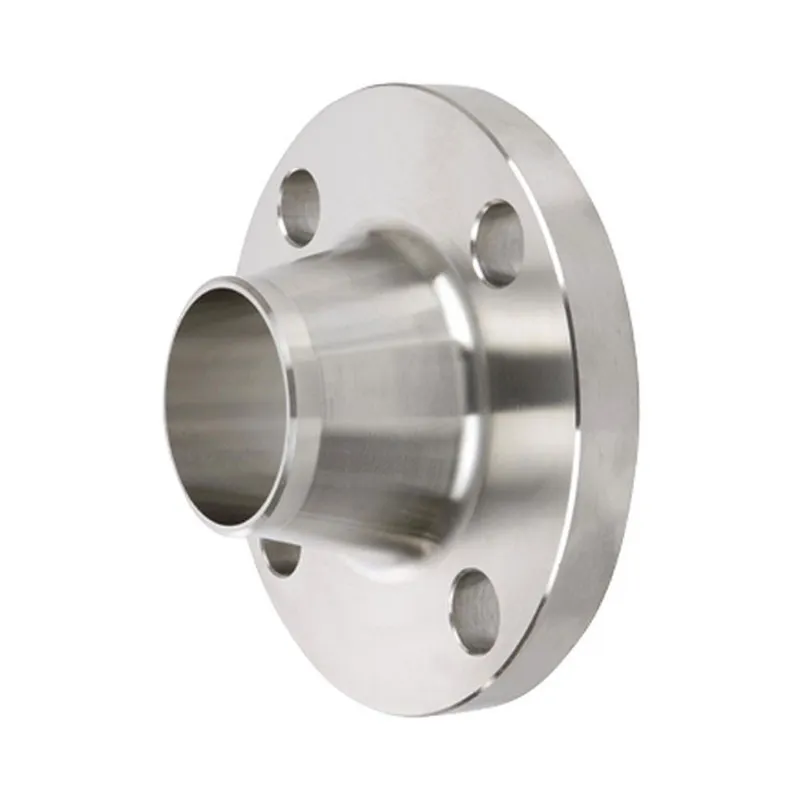 EN 1092-1 Butt weld flanges Type 11, PN25